
Basalt Ramses Obelisk: Egyptian Home Decor
$239.20
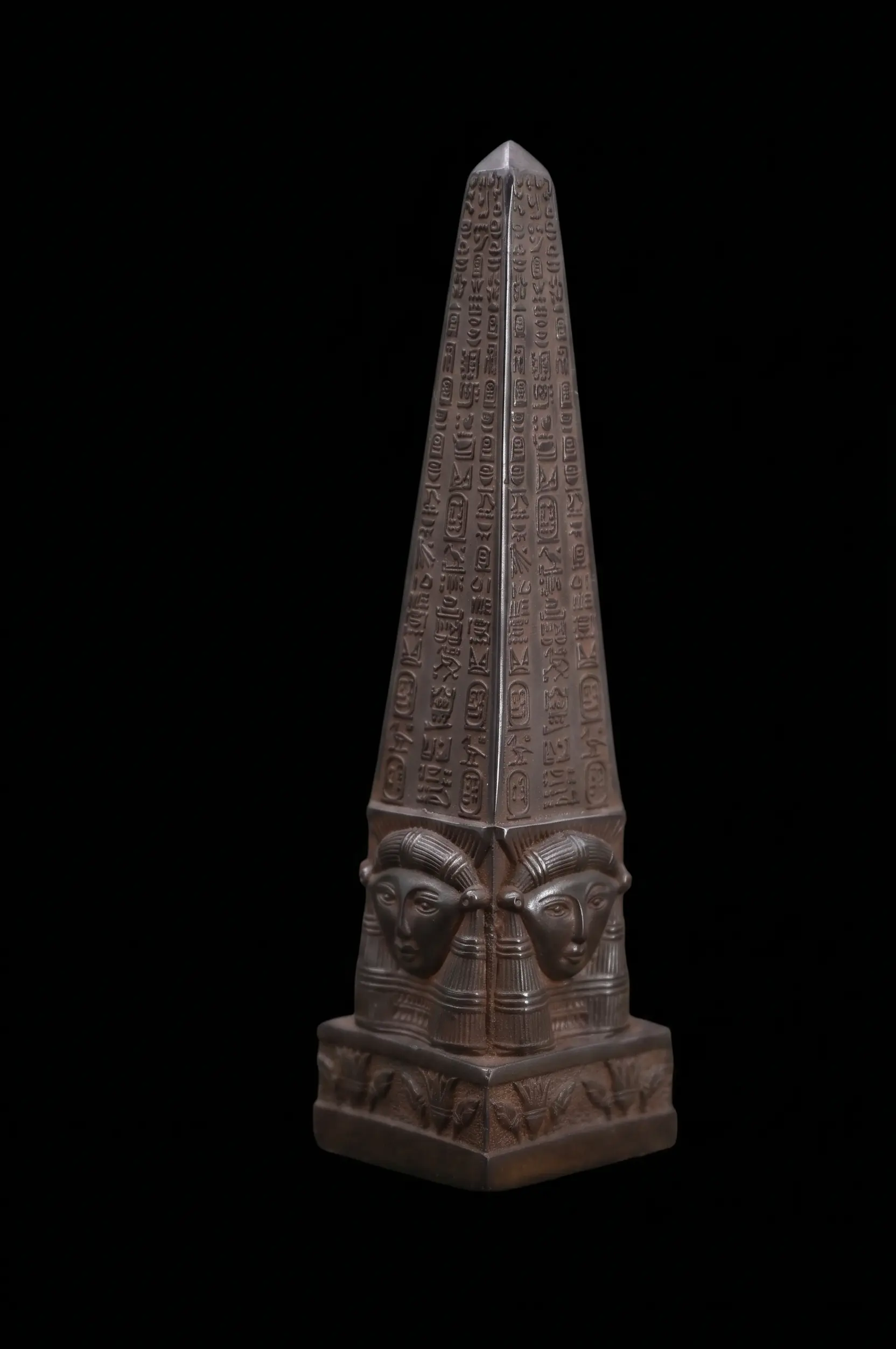
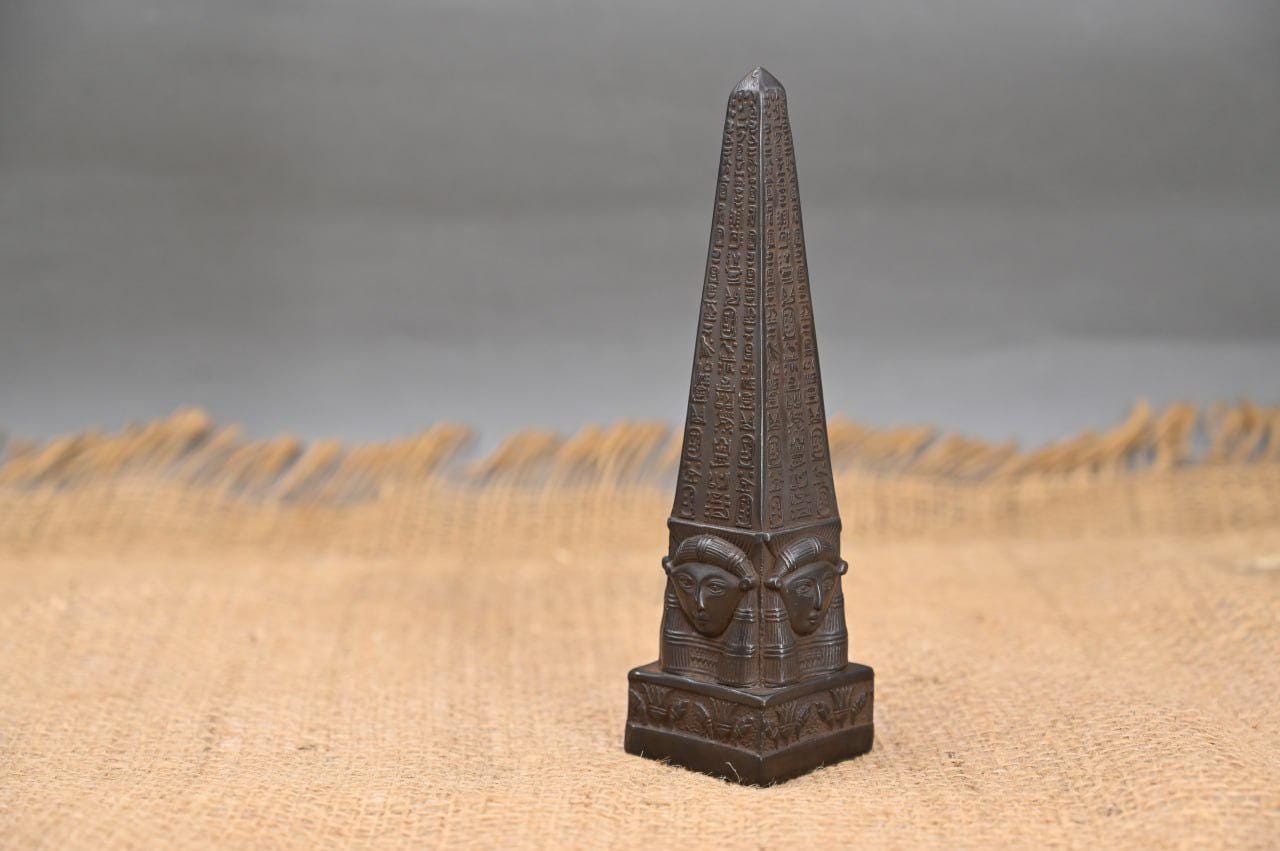
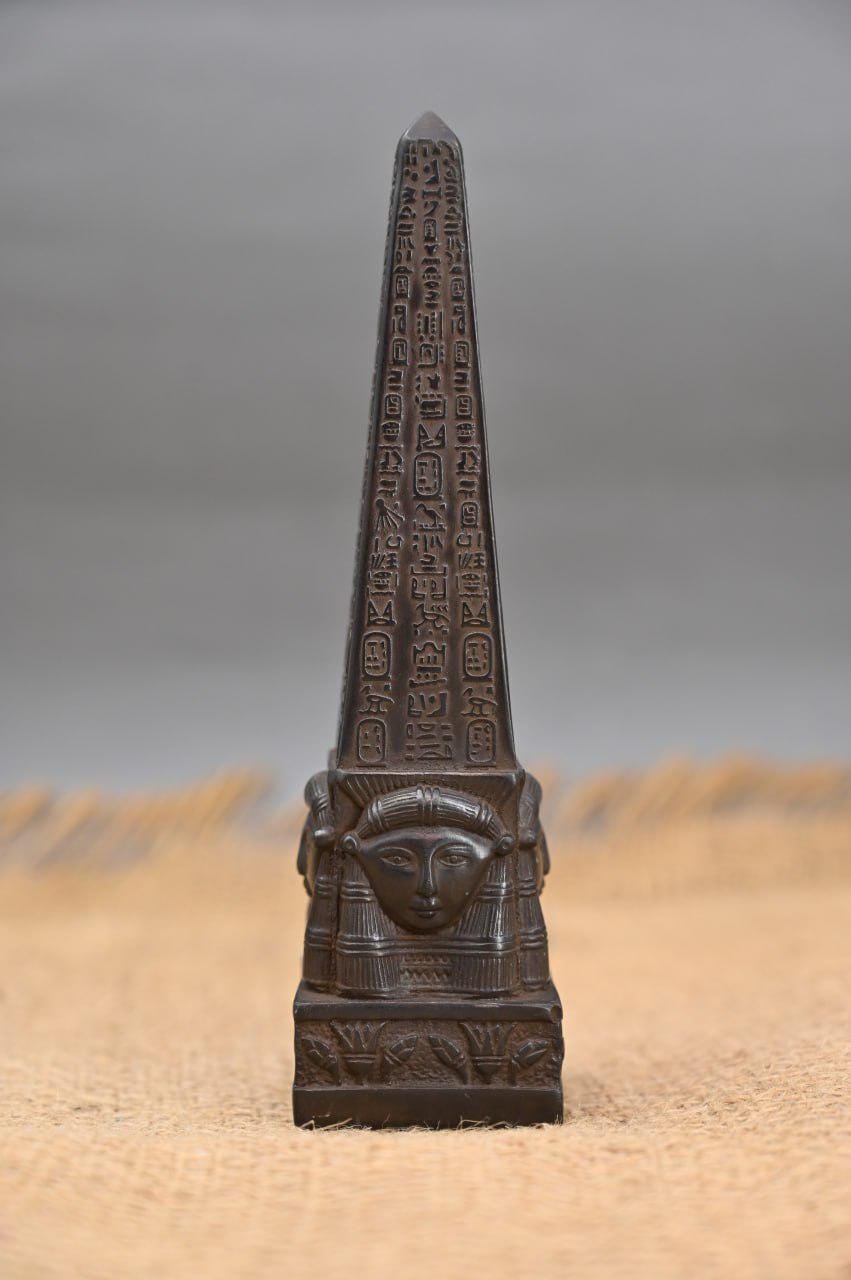
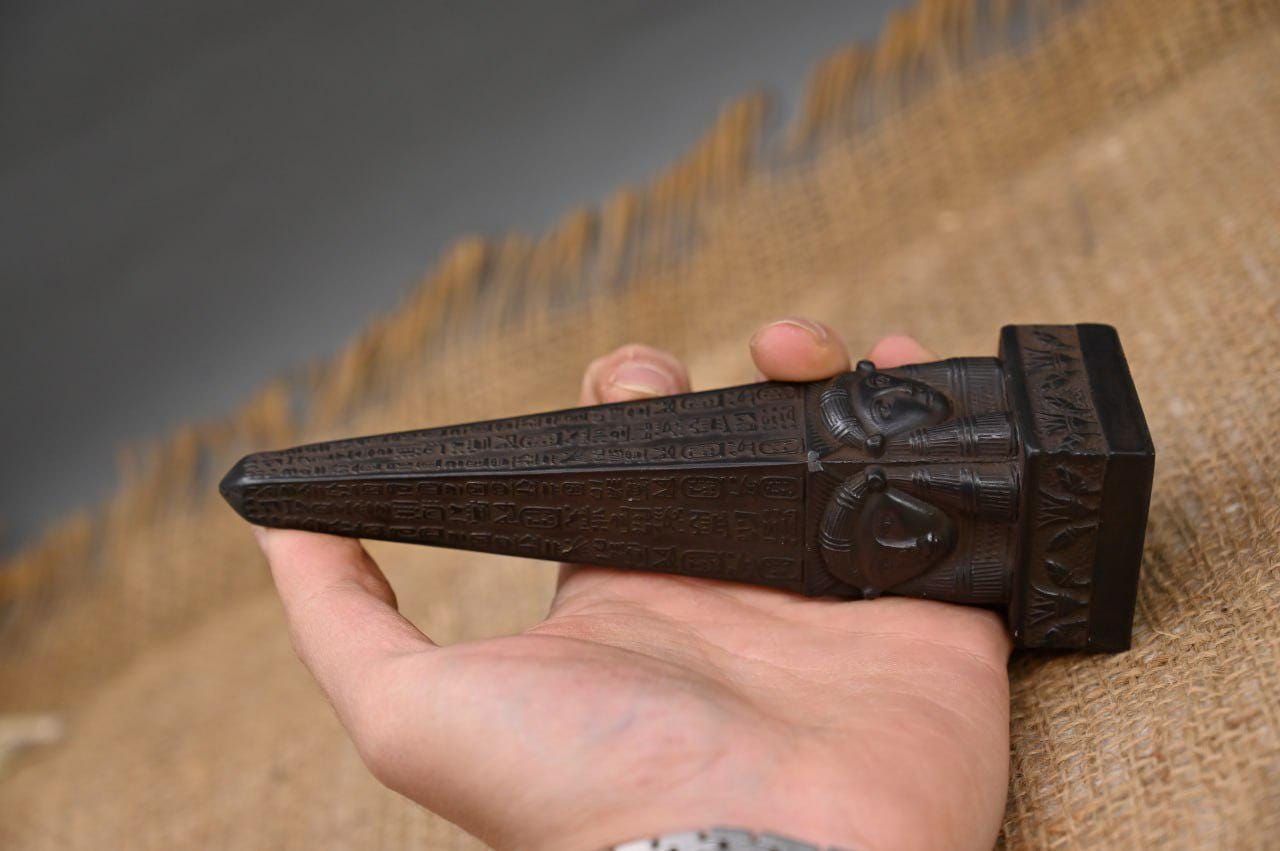
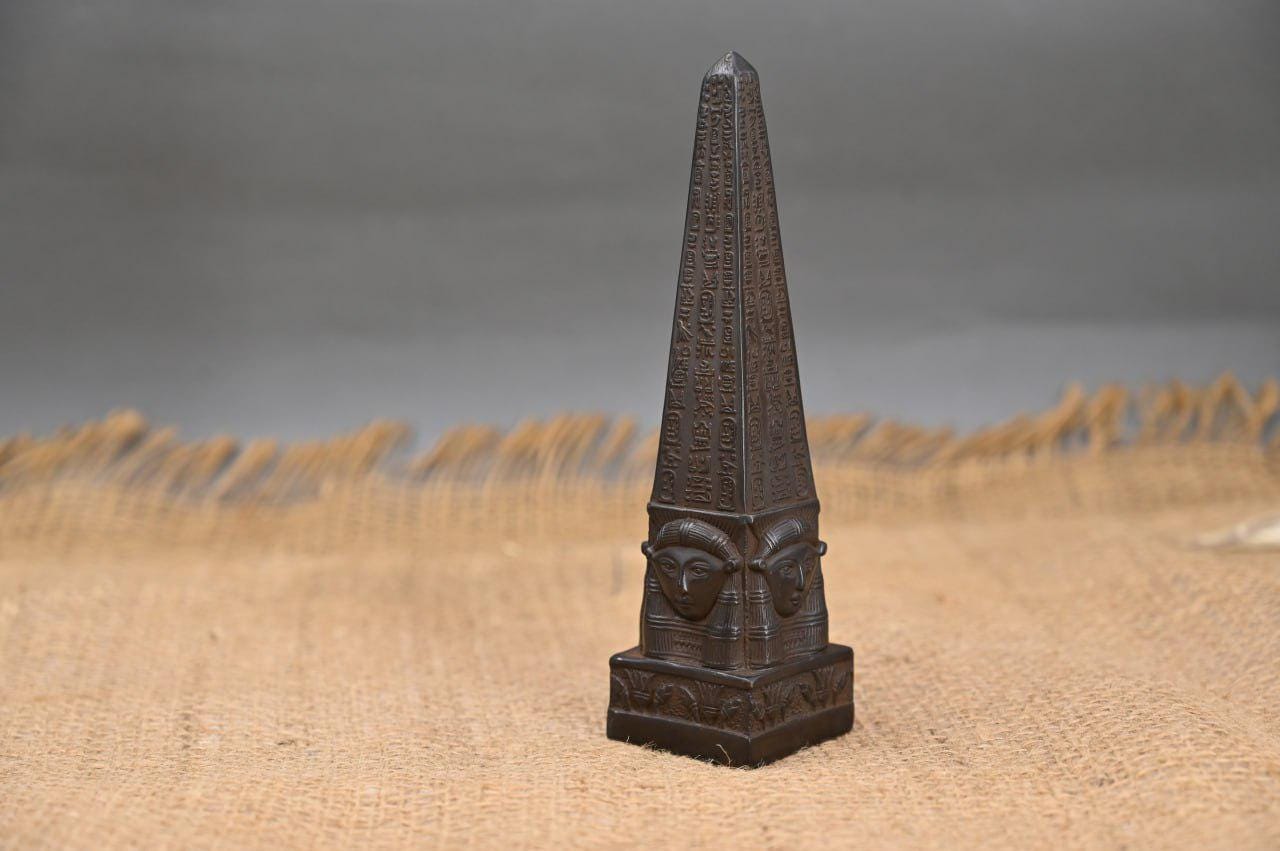
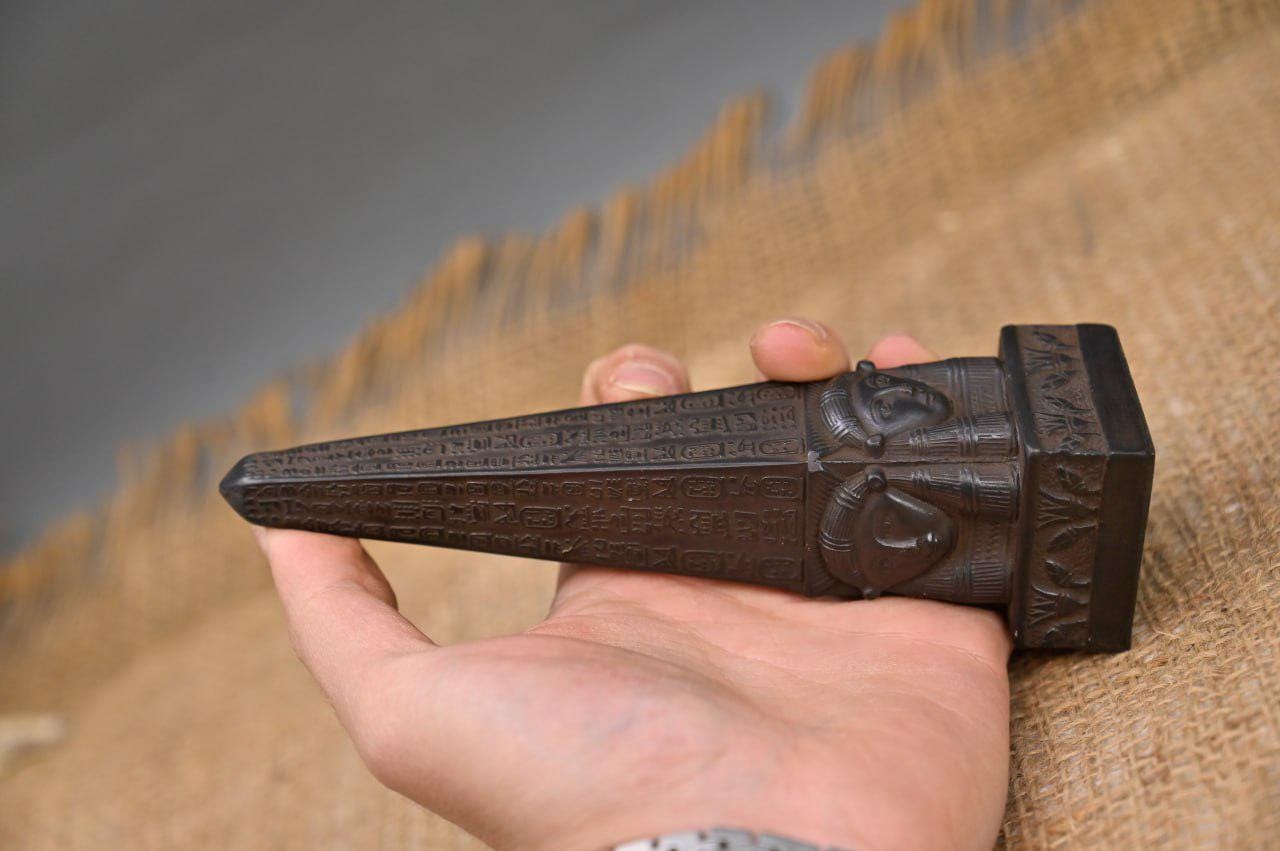
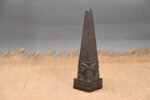
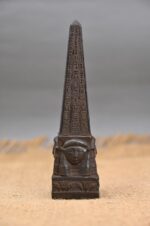
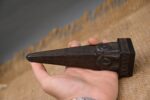
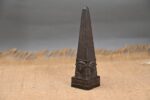
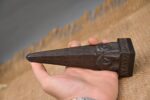
Add a striking symbol of ancient Egyptian heritage to your collection with this Ramesses II Basalt Obelisk Replica, handcrafted from basalt stone by skilled Egyptian artisans. Inspired by the monumental obelisks of Pharaoh Ramesses II and their royal and solar symbolism, it is a distinctive choice for collectors, Egyptian décor, museum-inspired displays, and unique cultural gifts.
Ramesses II Basalt Obelisk Replica – Handmade Egyptian Stone Sculpture
Description of Art
Ramesses II Basalt Obelisk Replica handcrafted from basalt stone by skilled Egyptian artisans and inspired by the monumental obelisks of ancient Egypt.
The tall, four-sided form rising toward a pyramid-shaped top recreates one of the most recognizable architectural forms of ancient Egyptian civilization. Egyptian obelisks frequently carried hieroglyphic inscriptions, royal names, religious texts, and imagery connected with kings and gods. Surviving examples demonstrate how inscriptions and divine imagery could cover their sides.
This modern handmade sculpture combines Egyptian royal imagery with traditional stone craftsmanship, making it a distinctive decorative piece for collectors, offices, libraries, shelves, Egyptian-themed interiors, and museum-inspired displays.
Product Features
Material: Basalt Stone
Craftsmanship: Handcrafted by Skilled Egyptian Artisans
Theme: King Ramesses II
Design: Ancient Egyptian Obelisk
Style: Pharaonic / Ancient Egyptian Inspired
Type: Decorative Stone Replica
What Is an Egyptian Obelisk?
An ancient Egyptian obelisk is a tall, narrow, four-sided monumental pillar that tapers upward and terminates in a small pyramid-shaped top known as a pyramidion.
Ancient examples were frequently inscribed with hieroglyphs recording royal names, titles, dedications, and religious imagery. Museum examples preserve inscriptions and scenes involving Egyptian kings and deities on multiple faces of the monument.
Obelisks became some of the most visually powerful monuments associated with Egyptian temples and royal building programs.
Obelisks and Solar Symbolism
Obelisks had an important relationship with ancient Egyptian solar religion.
The Metropolitan Museum describes ancient obelisks as expressing the projection of the sun’s rays toward the earth, reinforcing their strong connection with solar symbolism.
For a modern decorative interpretation, an Egyptian obelisk can therefore evoke themes such as:
Sun • Divine Power • Kingship • Monumentality • Ancient Egyptian Heritage
It is safer, however, not to claim that every obelisk had exactly the same symbolic meaning in every historical period.
King Ramesses II
The Ramesses II Basalt Obelisk Replica is inspired by one of ancient Egypt’s most celebrated rulers.
Ramesses II ruled during the 19th Dynasty of the New Kingdom, approximately 1279–1213 BC. The Metropolitan Museum classifies objects from his reign specifically as New Kingdom, Ramesside, Dynasty 19.
He became known for an extensive program of temple construction, monumental sculpture, inscriptions, and royal architecture.
The Ramesseum at Thebes was his great mortuary temple, while Abu Simbel remains one of the most famous monumental projects associated with his reign.
Important Historical Correction: New Kingdom, Not Old Kingdom
The original description says the obelisk comes from the “Old Egyptian Kingdom.”
That should be corrected.
Ramesses II did not belong to the Old Kingdom.
He was a New Kingdom pharaoh of the 19th Dynasty, ruling around 1279–1213 BC.
For your listing, use:
“Inspired by the monumental art of King Ramesses II of Egypt’s New Kingdom.”
This is historically much stronger for SEO content and avoids giving buyers incorrect information.
Ramesses II and Egyptian Obelisks
Ramesses II was strongly associated with monumental architectural projects that included obelisks.
The British Museum describes ancient Thebes during his reign as transformed by monumental building, including large obelisks inscribed with Ramesses II’s name and titles.
One particularly famous surviving example originally stood at Luxor Temple. An obelisk of Ramesses II was later transported to France and today stands in the Place de la Concorde in Paris, according to Egypt’s Ministry of Tourism and Antiquities.
This gives a Ramesses II-inspired obelisk replica a meaningful connection with documented royal monuments.
Hieroglyphs and Royal Inscriptions
Egyptian obelisks were not simply architectural decorations.
Their surfaces could communicate royal and religious messages through:
- Hieroglyphic inscriptions
- Royal names and titles
- Divine figures
- Offering scenes
- Religious dedications
A British Museum granite obelisk fragment, for example, preserves divine figures, kneeling royal figures making offerings, and inscriptions.
Another surviving obelisk contains finely carved hieroglyphs giving the names and titles of a pharaoh on all four sides.
These features help explain why obelisk replicas remain especially appealing to collectors of ancient Egyptian art.
Basalt Stone Construction
This Ramesses II Basalt Obelisk Replica is described as being made from basalt stone.
The dark appearance and substantial character of basalt can give the modern sculpture a bold, monumental look.
It is important to distinguish the material of this modern replica from that of famous ancient Egyptian obelisks. Many surviving ancient examples were carved from granite, and museum collections include New Kingdom obelisks made of red granite.
Therefore, the strongest wording is:
“A modern Ramesses II-inspired obelisk handcrafted from basalt stone.”
rather than suggesting that Ramesses II’s famous original obelisks were necessarily basalt.
Handmade Egyptian Craftsmanship
The Ramesses II Basalt Obelisk Replica is handcrafted by skilled Egyptian artisans.
Its combination of traditional stone material and ancient Egyptian-inspired form gives it strong appeal as:
- Egyptian home décor
- Office decoration
- Shelf sculpture
- Desk centerpiece
- Library décor
- Collector display
- Historical-inspired artwork
- Museum-inspired décor
Because the product is newly made, it should be described as a replica or Egyptian-inspired sculpture, not as an ancient Egyptian antiquity.
A Symbol of Ancient Egyptian Monumentality
Few architectural forms are as instantly recognizable as the Egyptian obelisk.
Its tall proportions, pyramid-shaped summit, royal inscriptions, and solar associations helped make it an enduring symbol of ancient Egyptian architecture.
For modern collectors, this obelisk can symbolically evoke:
Royal Power • Solar Energy • Monumentality • Strength • Egyptian Heritage
Combined with the name of Ramesses II, the design creates a strong reference to the monumental culture of Egypt’s New Kingdom.
Perfect for Collectors
The Ramesses II Basalt Obelisk Replica is an excellent choice for:
- Ancient Egyptian art collectors
- Ramesses II enthusiasts
- Egyptology lovers
- Archaeology enthusiasts
- Obelisk collectors
- Stone sculpture lovers
- Egyptian home décor
- Office and library decoration
- Museum-inspired displays
- Unique cultural gifts
It can also complement collections featuring Egyptian pharaoh statues, pyramids, sphinxes, temple reliefs, and sculptures of gods such as Ra, Amun, Horus, Anubis, and Thoth.
Product Details
Product: Ramesses II Basalt Obelisk Replica
Material: Basalt Stone
Inspired By: King Ramesses II
Historical Period of Ramesses II: New Kingdom, 19th Dynasty
Craftsmanship: Handmade by Skilled Egyptian Artisans
Design: Ancient Egyptian Obelisk
Main Themes: Kingship, Solar Symbolism & Monumentality
Style: Ancient Egyptian / Pharaonic Inspired
Type: Decorative Stone Sculpture
Use: Home Décor, Office Décor, Collection & Cultural Gift
Related products
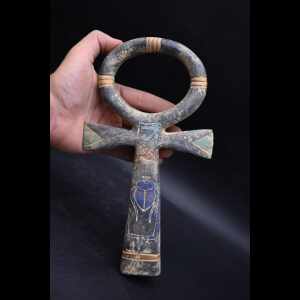
Ankh Statue: Key of Life, Scarab & Eye of Horus – Egyptian Symbol
Add a meaningful combination of ancient Egyptian symbolism to your space with this Ankh Scarab Eye of Horus Statue, featuring the iconic Key of Life, protective Eye of Horus, and blue scarab. Symbolizing life, protection, restoration, rebirth, and renewal, it is a distinctive choice for Egyptology collectors, Egyptian décor, mythology lovers, and unique cultural gifts.

Egyptian Eye of Horus Ring: Ancient Symbol, Handmade in Egypt
Add a powerful symbol of ancient Egyptian kingship to your jewelry collection with this Unisex Horus Pharaonic Ring, handcrafted in Egypt with a flexible free-size design for women and men. Inspired by Horus, the falcon god of the sky, royal authority, and protection, it is a distinctive choice for mythology lovers, Egyptology enthusiasts, symbolic jewelry collectors, and unique cultural gifts.
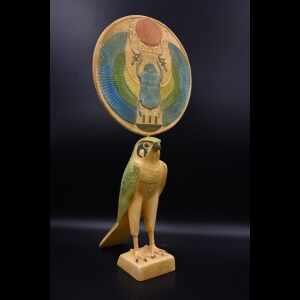
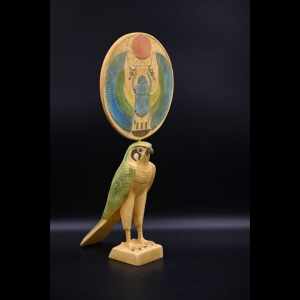
Handcrafted Limestone Horus Statue, Egyptian God of Protection (35cm)
Add a powerful symbol of ancient Egyptian kingship to your collection with this 35 cm Limestone Horus Statue, handcrafted in Egypt and featuring solar and winged scarab motifs. Inspired by Horus, the falcon god of the sky, royal authority, and protection, it is a striking choice for Egyptology collectors, Egyptian décor, mythology lovers, and museum-inspired displays.
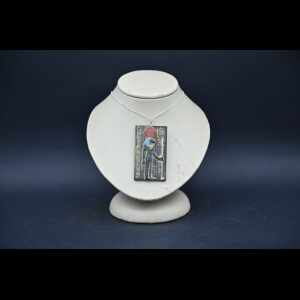
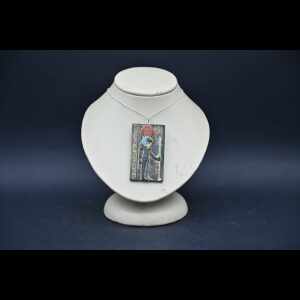
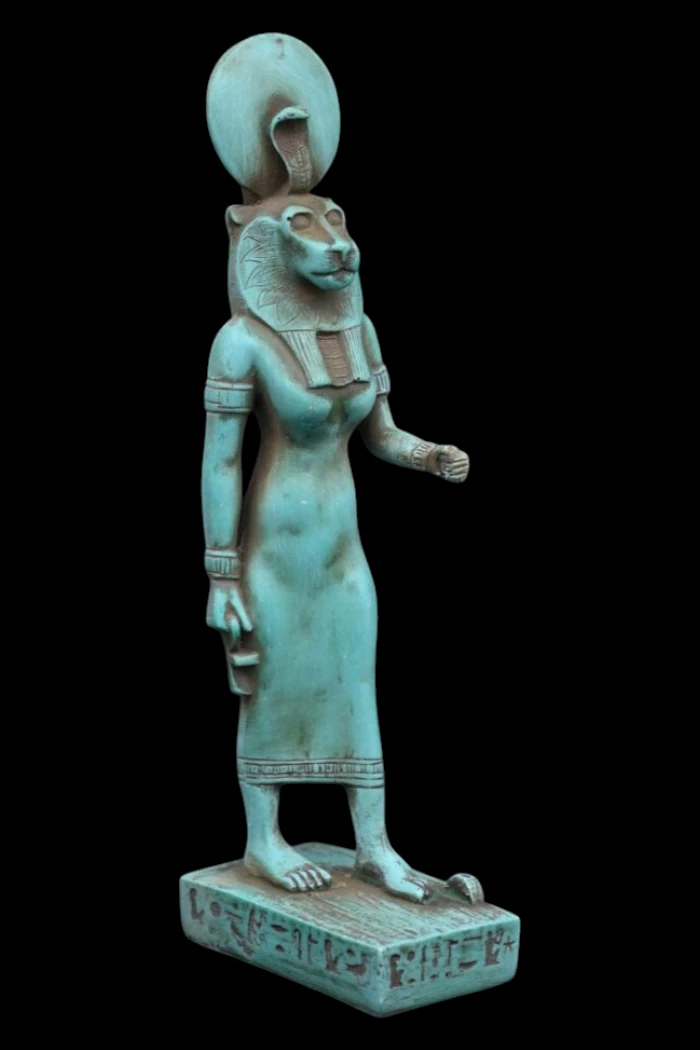
Handmade Stone Sekhmet Amulet, Egyptian Goddess of War
Add a powerful symbol of ancient Egyptian strength to your collection with this Sekhmet Stone Protection Amulet, crafted from stone and inspired by Sekhmet, the lioness goddess of war, protection, healing, medicine, and solar power. A distinctive choice for Egyptology enthusiasts, mythology lovers, symbolic décor collectors, and unique cultural gifts.
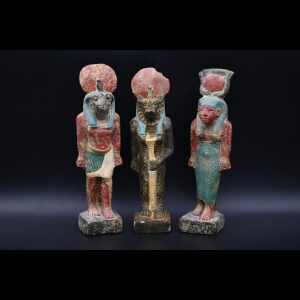
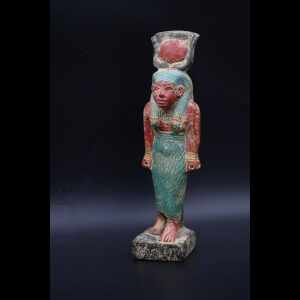
Handcrafted Hathor, Sekhmet, & Horus Statues: Egyptian Deities (20 cm)
Add a distinctive collection of ancient Egyptian symbolism to your space with this Hathor Sekhmet Horus Statue Set, featuring three 20 cm handcrafted statues made from colored natural stone. Representing love and motherhood, strength and healing, and kingship and protection, this set is ideal for collectors, Egyptian décor, mythology lovers, and unique cultural gifts.
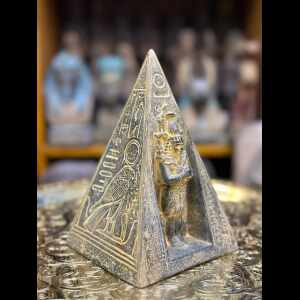
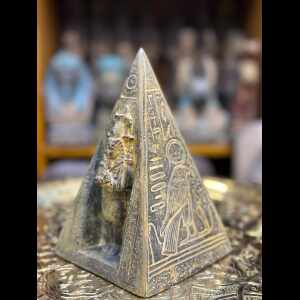
Egyptian Black Stone Pyramid – Handcrafted Horus Monument
Add a striking touch of ancient Egyptian symbolism to your space with this Black Stone Horus Pyramid, crafted from solid black stone and measuring 17 × 10 × 10 cm. Decorated with Horus and other Egyptian-inspired motifs, it is a distinctive choice for collectors, mythology lovers, office décor, Egyptian-themed interiors, and unique cultural gifts.
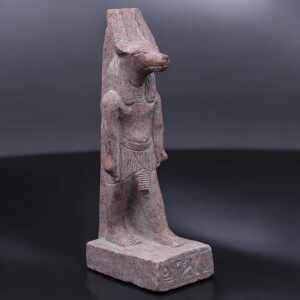
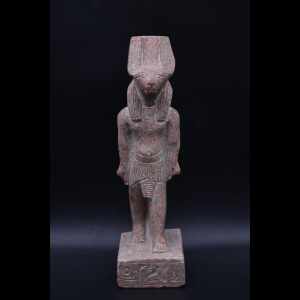
Handcrafted Red Granite Anubis Statue – Egyptian God of Afterlife (30cm)
Add a powerful symbol of ancient Egyptian protection to your collection with this 30 cm Red Granite Anubis Statue, handcrafted in Egypt from red granite. Inspired by Anubis, the canine-headed deity of mummification, funerary protection, and care of the deceased, it is a striking choice for collectors, Egyptian décor, museum-inspired displays, and unique cultural gifts.
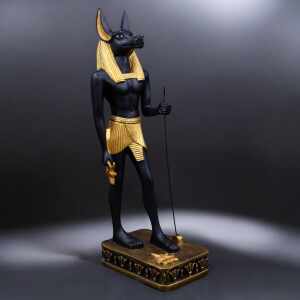
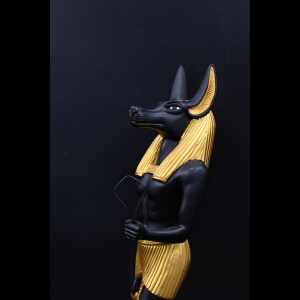
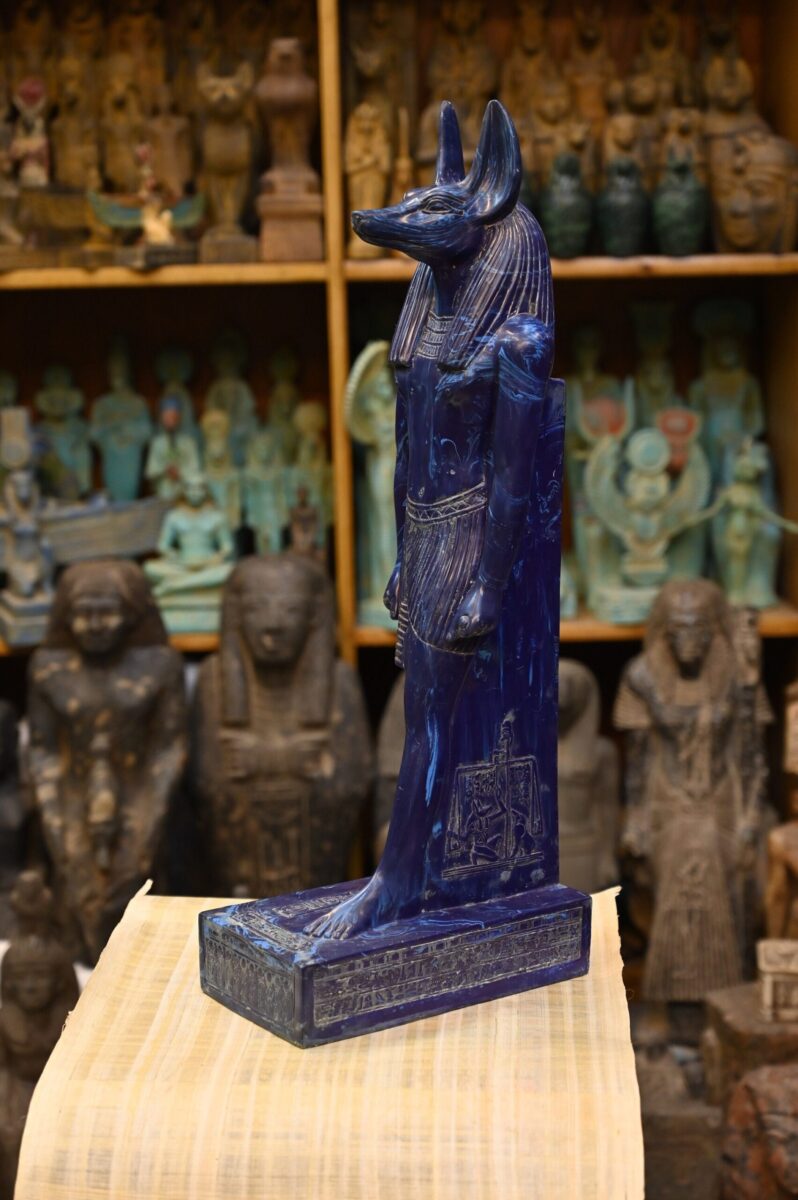
Handcrafted Anubis Statue: Egyptian God of Mummification, 40cm Natural Stone
Add a powerful symbol of ancient Egyptian protection to your collection with this 40 cm Natural Stone Anubis Statue, handcrafted in Egypt from natural stone. Inspired by Anubis, the canine-headed deity of mummification, funerary protection, and care of the deceased, it is a striking choice for collectors, Egyptian décor, museum-inspired displays, and unique cultural gifts.


Reviews
There are no reviews yet.