
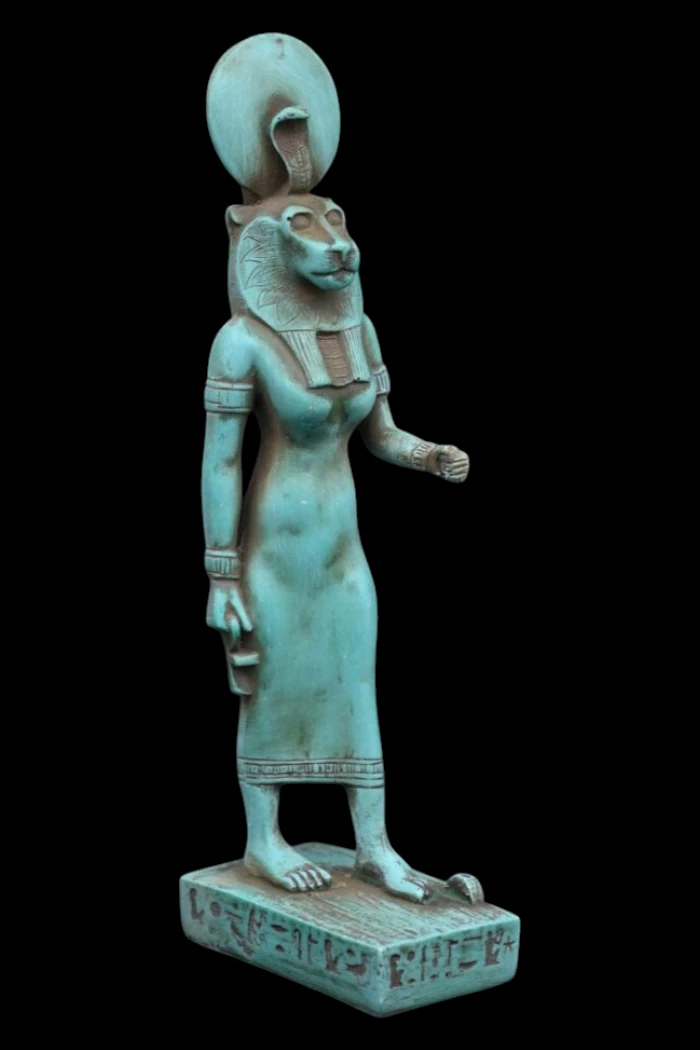
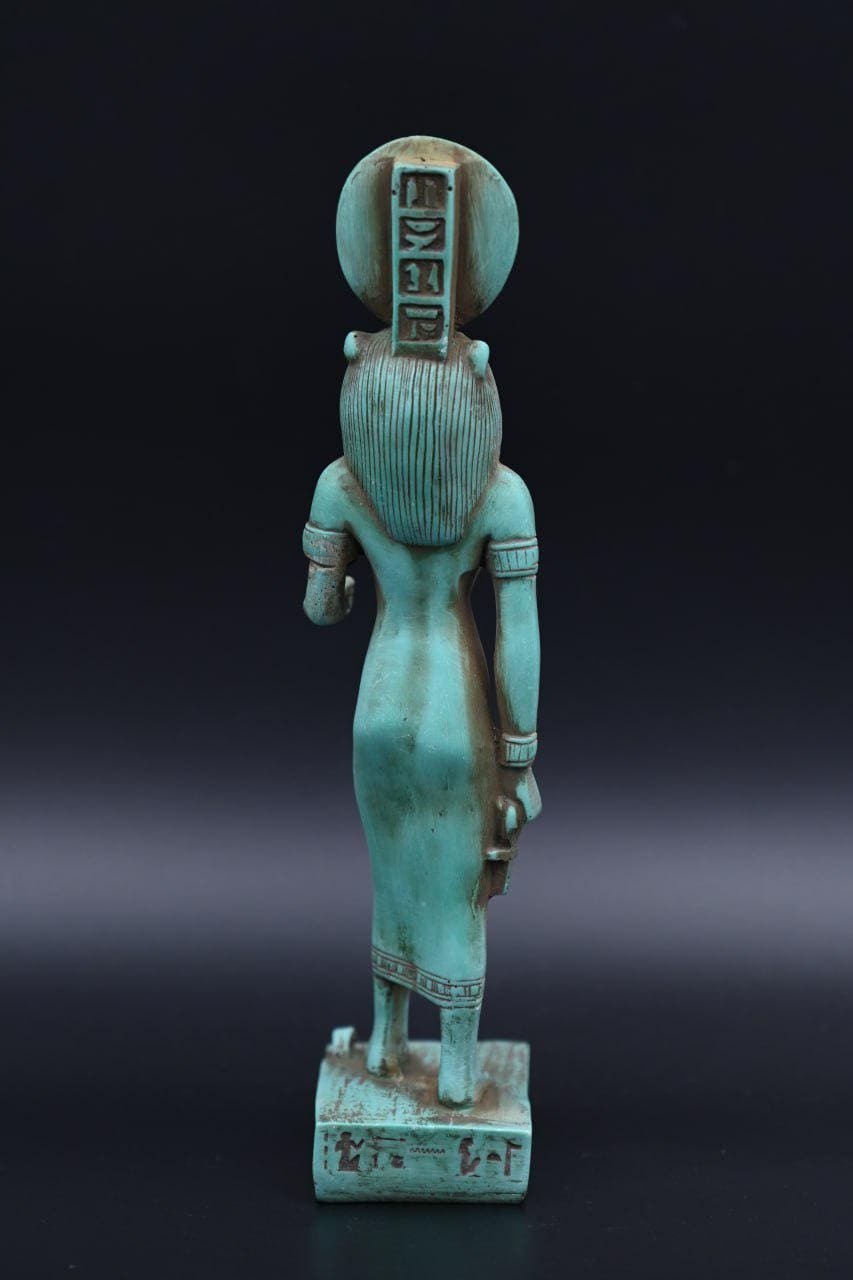
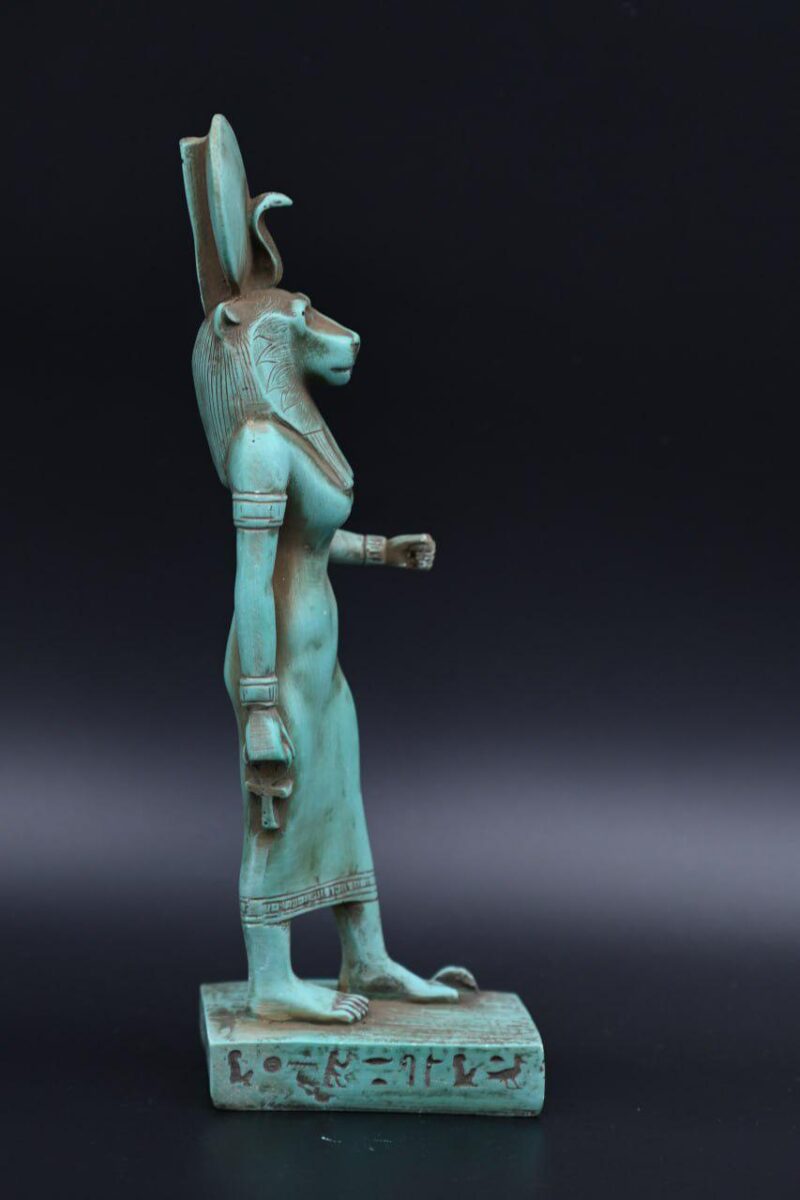
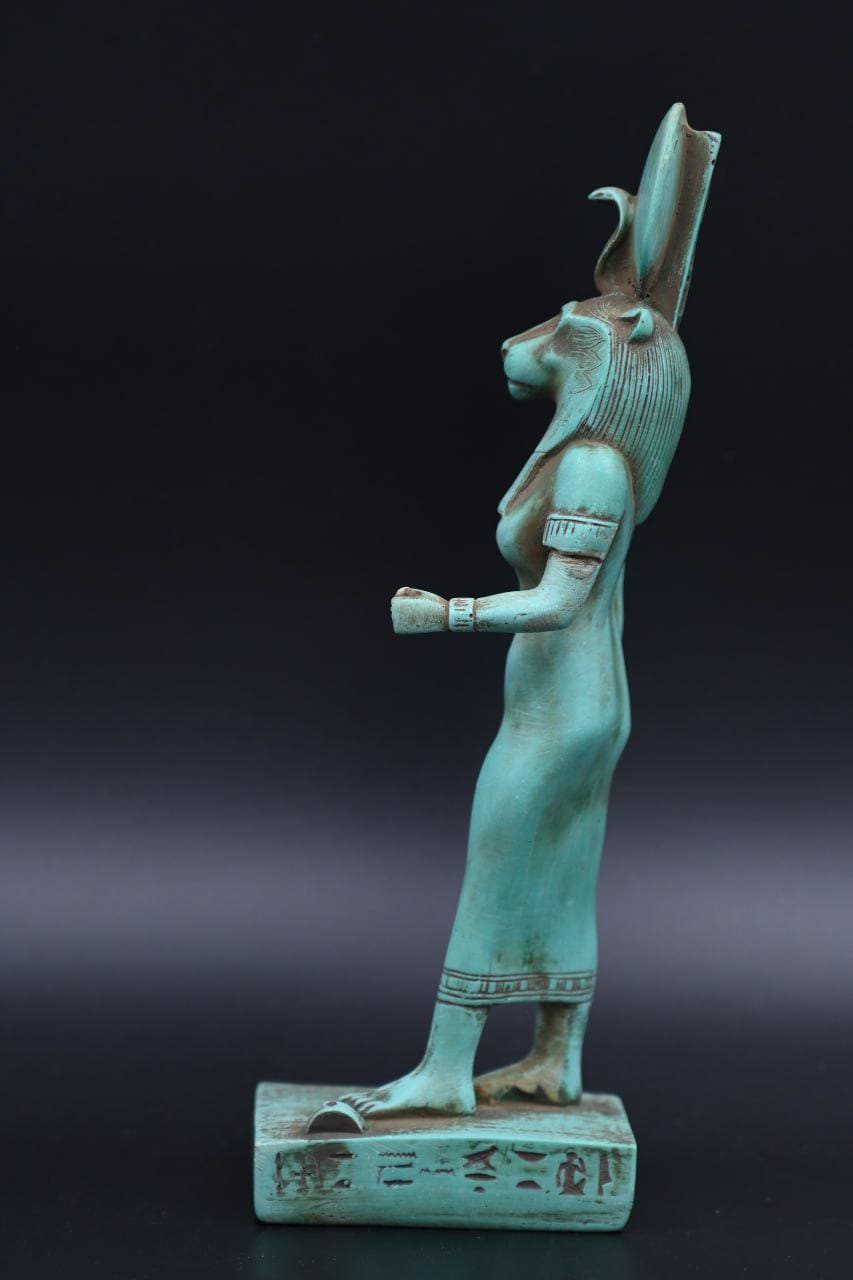
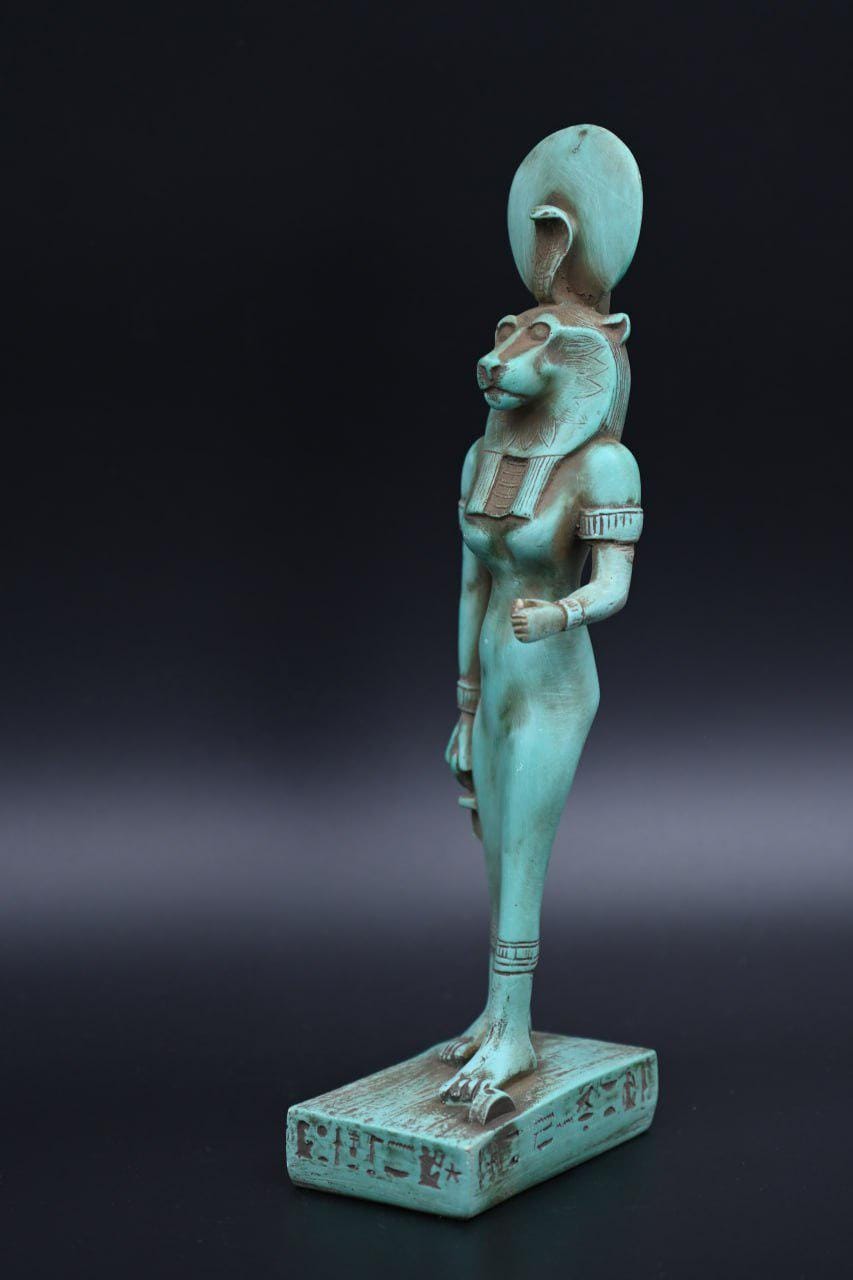
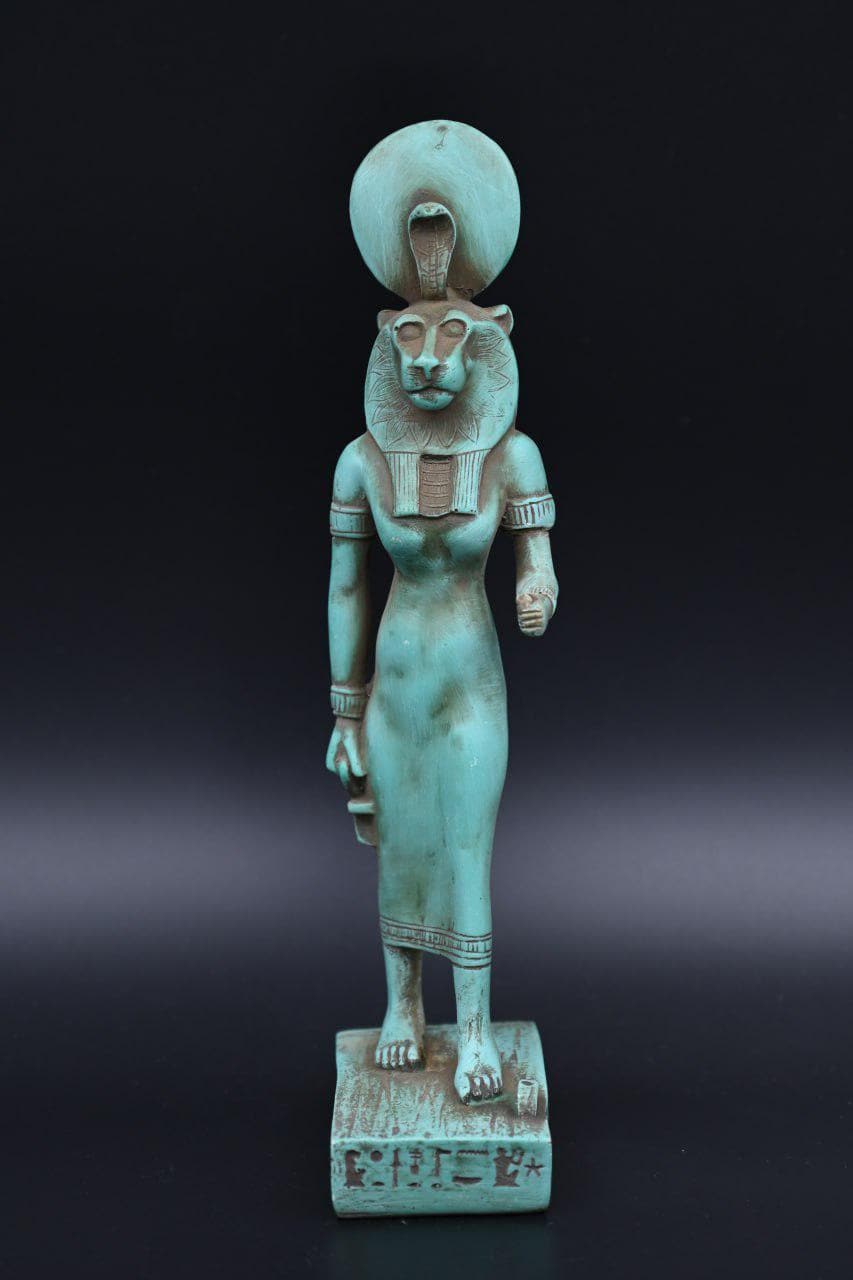
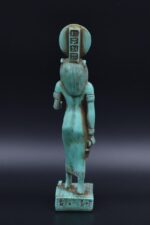
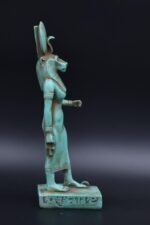
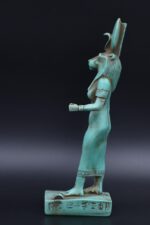
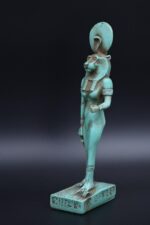
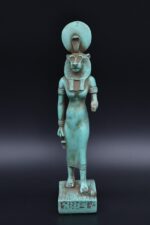
Egyptian Goddess Tefnut Statue: Replica, Made in Egypt
$247.00
Add a distinctive symbol of ancient Egyptian creation mythology to your collection with this Tefnut Stone Goddess Statue, handcrafted in Egypt from stone. Inspired by Tefnut, the goddess of moisture, dew, rain, and life-giving atmospheric water, it is a unique choice for mythology lovers, collectors, Egyptian décor, and cultural gifts.
Tefnut Stone Goddess Statue – Handmade Egyptian Deity Sculpture
Description of Art
Tefnut Stone Goddess Statue handcrafted in Egypt from stone and inspired by one of the important primordial goddesses of ancient Egyptian religion.
Tefnut was principally associated with moisture, humidity, dew, and rain and occupied an important place in the Heliopolitan creation tradition.
This modern handmade replica combines ancient Egyptian mythology with Egyptian craftsmanship, making it a distinctive decorative piece for collectors, mythology enthusiasts, libraries, offices, Egyptian-themed interiors, and museum-inspired displays.
Product Features
Material: Stone
Deity: Goddess Tefnut
Craftsmanship: Handmade
Made In: Egypt
Style: Ancient Egyptian Inspired
Type: Decorative Replica Statue
Who Was Goddess Tefnut?
Tefnut was an ancient Egyptian goddess strongly associated with moisture and atmospheric water.
Her major associations included:
- Moisture
- Humidity
- Dew
- Rain
- Life-giving atmospheric moisture
- Creation mythology
Rather than simply calling her the “goddess of water,” it is historically more precise to emphasize moisture, dew, and rain, because water in ancient Egyptian religion had several different divine associations.
The Tefnut Stone Goddess Statue draws inspiration from this important role in Egyptian cosmology.
Tefnut and the Heliopolitan Creation Myth
Tefnut played a central role in the Heliopolitan creation tradition, one of the most influential ancient Egyptian accounts of the origins of the gods and cosmos.
In this theology, the creator deity—usually identified as Atum, and in later traditions closely connected with Ra—brought forth Shu and Tefnut.
Shu represented air and the atmosphere, while Tefnut represented moisture.
Together they formed an early divine pair from whom later generations of gods emerged.
Tefnut and Shu
Tefnut was closely associated with Shu, her brother and consort.
Shu’s strongest associations were:
Air • Atmosphere • Wind
Together, Shu and Tefnut represented complementary forces necessary for the functioning of the natural world:
Shu – Air
Tefnut – Moisture
Their partnership forms an important part of ancient Egyptian creation theology.
The original description calls Shu the god of “air, wind, and peace.” Peace is not one of Shu’s principal defining roles, so it is better to focus on air and atmosphere.
Parents of Geb and Nut
According to the Heliopolitan creation tradition, Shu and Tefnut became the parents of:
Geb – God of the Earth
Nut – Goddess of the Sky
Geb and Nut then became parents of another famous generation of Egyptian deities, including Osiris, Isis, Seth, and Nephthys.
This places Tefnut near the beginning of one of ancient Egypt’s most important divine genealogies.
The Heliopolitan Ennead
Tefnut belonged to the group commonly called the Heliopolitan Ennead, a family of nine major deities associated with the religious center of Heliopolis.
The traditional group includes:
- Atum
- Shu
- Tefnut
- Geb
- Nut
- Osiris
- Isis
- Seth
- Nephthys
This theological system helped ancient Egyptians explain the creation and organization of the cosmos through generations of divine beings.
Tefnut and Moisture
Moisture was essential to life in ancient Egypt.
Although Egypt depended heavily on the Nile, Tefnut’s religious role should not be reduced simply to the river.
Her symbolism is more closely connected with moisture present in the atmosphere, including dew and rain.
For a modern symbolic interpretation, Tefnut-inspired artwork can evoke:
Life • Renewal • Balance • Nature • Nourishment
These themes reflect her ancient connection with the moisture necessary for life.
Tefnut, Nun, and the Nile
The original text correctly notes that Tefnut should not be confused with Nun, but the explanation of Nun needs correction.
Nun represented the primordial waters or watery chaos existing before creation.
He was not simply the god responsible for the annual flooding of the Nile.
The annual Nile inundation was more directly personified by the deity Hapi.
A clearer distinction is:
Tefnut: Moisture, dew, rain
Nun: Primordial waters before creation
Hapi: Nile inundation and its fertility
This makes the product history considerably more accurate.
How Was Tefnut Depicted?
Tefnut was often represented as a woman with the head of a lioness.
She could also appear as a complete lioness.
Her lioness imagery connects her visually with a broader group of powerful Egyptian female deities, although each goddess retained her own distinct identity and religious functions.
In some representations she may wear a solar disk, reinforcing links between Tefnut and solar theology.
Tefnut and Solar Religion
Tefnut could have important solar connections because of her relationship with the creator and solar traditions of Heliopolis.
In some Egyptian myths, she belongs to the broader concept of the Eye of Ra, a group of powerful goddess traditions associated with the protective and sometimes dangerous force of the sun.
However, her defining identity remains her role as a goddess of moisture and creation.
A Primordial Egyptian Goddess
Tefnut is particularly interesting because she belongs to the earliest generation of gods in Heliopolitan cosmology.
Rather than functioning only as a deity responsible for one natural phenomenon, she also represents an essential component of the created world.
Together with Shu, she forms the generation connecting the creator deity with the later divine family of Geb, Nut, Osiris, Isis, Seth, and Nephthys.
This gives a Tefnut Stone Goddess Statue strong appeal for collectors interested in Egyptian creation mythology rather than only the most commonly depicted gods.
Handmade Stone Craftsmanship
This Tefnut Stone Goddess Statue is made from stone and handcrafted in Egypt.
The stone construction gives the sculpture a traditional appearance well suited to ancient Egyptian-inspired décor.
It can be displayed in:
- Living rooms
- Offices
- Libraries
- Shelves
- Display cabinets
- Collector rooms
- Egyptian-themed interiors
- Museum-inspired displays
Because this is a modern handmade product, it should be described as an Egyptian replica or Egyptian-inspired sculpture, rather than as an authentic ancient antiquity.
A Unique Egyptian Collectible
Tefnut is less commonly represented in modern Egyptian décor than deities such as Anubis, Horus, Isis, or Bastet.
That makes this statue especially appealing for collectors who want to build a broader representation of the Egyptian pantheon.
It can complement statues of:
- Shu
- Geb
- Nut
- Atum
- Ra
- Isis
- Osiris
- Seth
- Nephthys
Together, these figures can create an extensive collection inspired by ancient Egyptian creation traditions.
Perfect for Collectors
The Tefnut Stone Goddess Statue is ideal for:
- Ancient Egyptian art collectors
- Tefnut enthusiasts
- Egyptology lovers
- Egyptian mythology fans
- Creation-myth collectors
- Stone sculpture enthusiasts
- Egyptian home décor
- Museum-inspired displays
- Libraries and offices
- Unique cultural gifts
Product Details
Product: Tefnut Stone Goddess Statue
Deity: Tefnut
Material: Stone
Craftsmanship: Handmade
Origin: Made in Egypt
Main Associations: Moisture, Dew, Rain & Creation
Divine Partner: Shu
Children: Geb & Nut
Mythological Tradition: Heliopolitan Creation Myth
Typical Form: Lioness-Headed Goddess
Style: Ancient Egyptian Inspired
Type: Decorative Replica Sculpture
Use: Collection, Home Décor, Office Décor & Cultural Gift
Related products
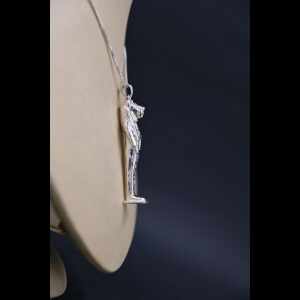
Handmade Sterling Silver Sekhmet Goddess Amulet
Add a powerful symbol of ancient Egyptian strength to your jewelry collection with this Pure Silver Sekhmet Amulet, crafted from pure silver and inspired by Sekhmet, the lioness goddess of war, protection, healing, medicine, and solar power. A distinctive choice for mythology lovers, silver jewelry collectors, Egyptology enthusiasts, and unique cultural gifts.
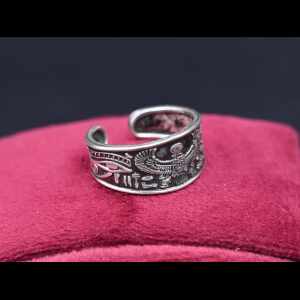
Horus ring-amazing Ring the symbol of good luck-good life-ancient Egyptian ornament-mythology
Add a powerful symbol of ancient Egyptian kingship to your jewelry collection with this Pure Silver Horus Ring, handcrafted in Egypt from pure silver with a unisex free-size design. Inspired by Horus, the falcon god of the sky, royal authority, and protection, it is a distinctive choice for silver jewelry collectors, mythology lovers, Egyptology enthusiasts, and unique cultural gifts.
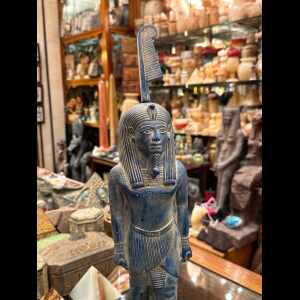
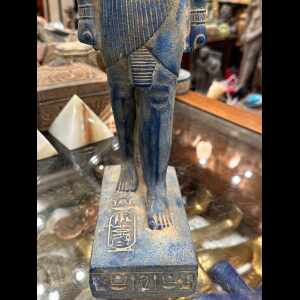
Handmade Blue Stone Statue: Egyptian God Shu, God of Air (35 cm)
Add a distinctive symbol of ancient Egyptian creation mythology to your collection with this Blue Stone Shu God Statue, handmade in Egypt and measuring 35 × 7 × 9 cm. Inspired by Shu, the god of air and atmosphere who separated the sky goddess Nut from the earth god Geb, it is ideal for collectors, Egyptian décor, mythology lovers, and unique cultural gifts.
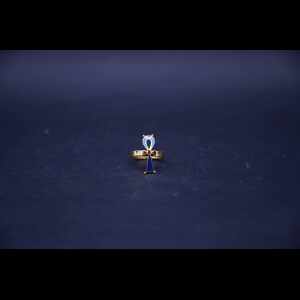
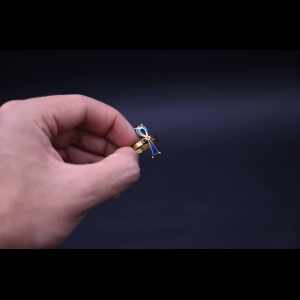
Egyptian Ankh Ring: Key of Life, Good Luck Symbol
Add a timeless symbol of ancient Egyptian life to your jewelry collection with this Unisex Ankh Key of Life Ring, handcrafted in Egypt with a flexible free-size design for women and men. Inspired by the iconic Ankh symbolizing life, vitality, renewal, and continuity, it is a distinctive choice for mythology lovers, Egyptology enthusiasts, pharaonic jewelry collectors, and unique cultural gifts.
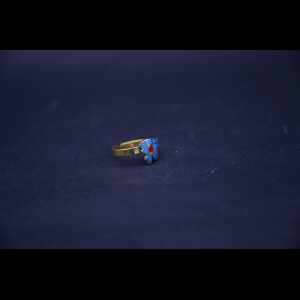
Egyptian Eye of Horus Ring: Ancient Symbol, Handmade in Egypt
Add a powerful symbol of ancient Egyptian kingship to your jewelry collection with this Unisex Horus Pharaonic Ring, handcrafted in Egypt with a flexible free-size design for women and men. Inspired by Horus, the falcon god of the sky, royal authority, and protection, it is a distinctive choice for mythology lovers, Egyptology enthusiasts, symbolic jewelry collectors, and unique cultural gifts.
Handmade Stone Sekhmet Amulet, Egyptian Goddess of War
Add a powerful symbol of ancient Egyptian strength to your collection with this Sekhmet Stone Protection Amulet, crafted from stone and inspired by Sekhmet, the lioness goddess of war, protection, healing, medicine, and solar power. A distinctive choice for Egyptology enthusiasts, mythology lovers, symbolic décor collectors, and unique cultural gifts.
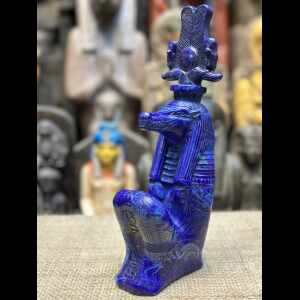
Handcrafted Lapis Lazuli Sobek Statue – Egyptian Crocodile God Art (33 cm)
Add a powerful symbol of ancient Egyptian strength to your collection with this 33 cm Lapis Lazuli Sobek Statue, handcrafted in Egypt and inspired by Sobek, the crocodile god associated with the Nile, fertility, protection, strength, and royal power. Measuring 33 × 7 × 10 cm, it is a striking choice for collectors, Egyptian décor, mythology lovers, and unique cultural gifts.
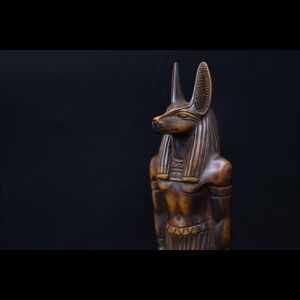
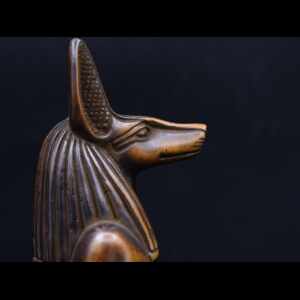
Handcrafted Anubis Statue: Egyptian God of Protection, Brown Stone (23cm)
Add a powerful symbol of ancient Egyptian protection to your collection with this 23 cm Brown Stone Anubis Statue, handcrafted in Egypt from natural stone. Inspired by Anubis, the canine-headed deity of mummification, funerary protection, and care of the deceased, it is a distinctive choice for collectors, Egyptian décor, museum-inspired displays, and unique cultural gifts.


Reviews
There are no reviews yet.