
Hathor Was Scepter, Egyptian Antiquity Symbol, Made in Egypt
$357.50
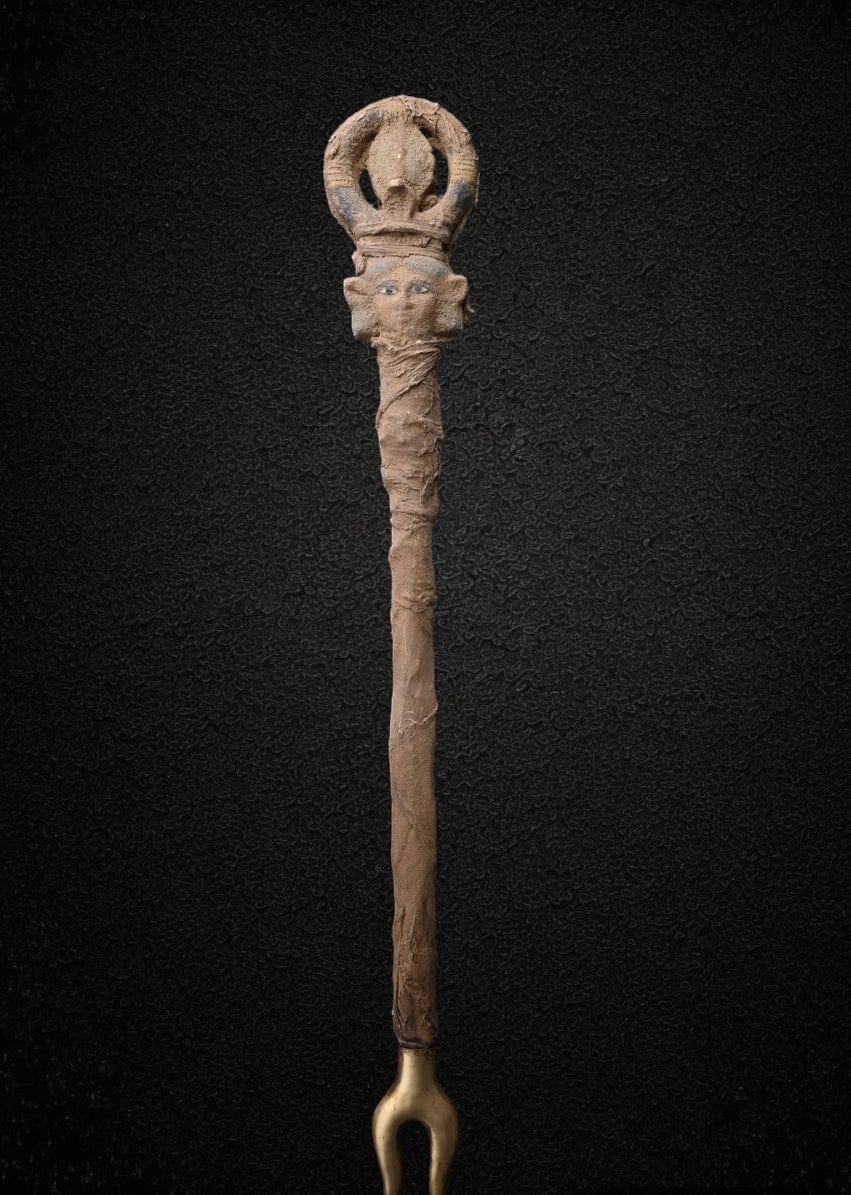
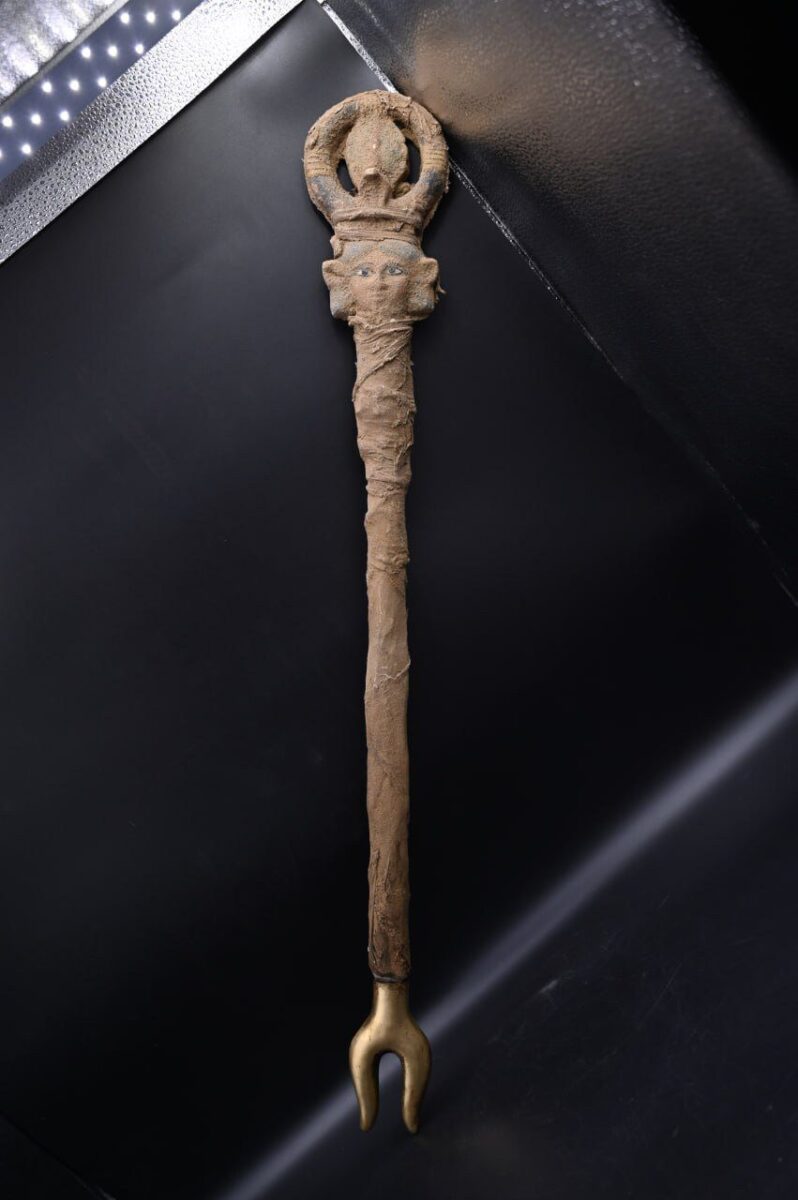
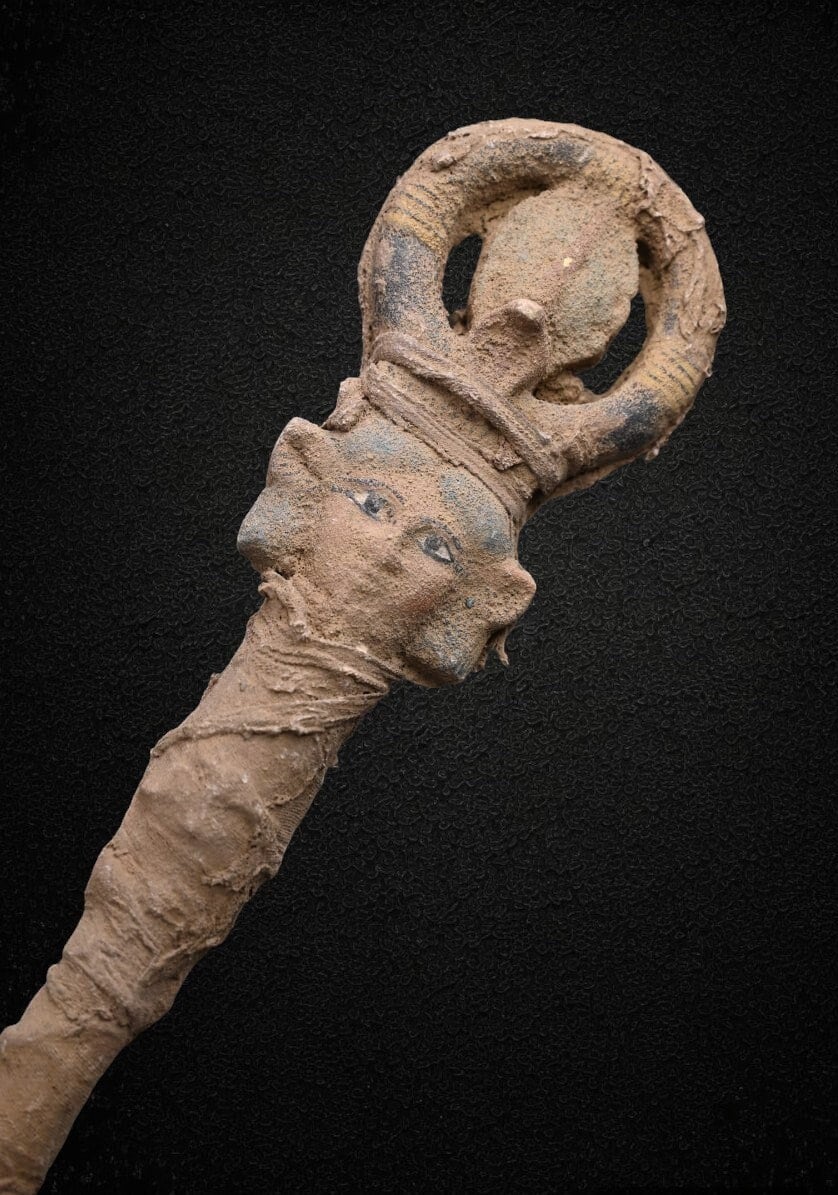
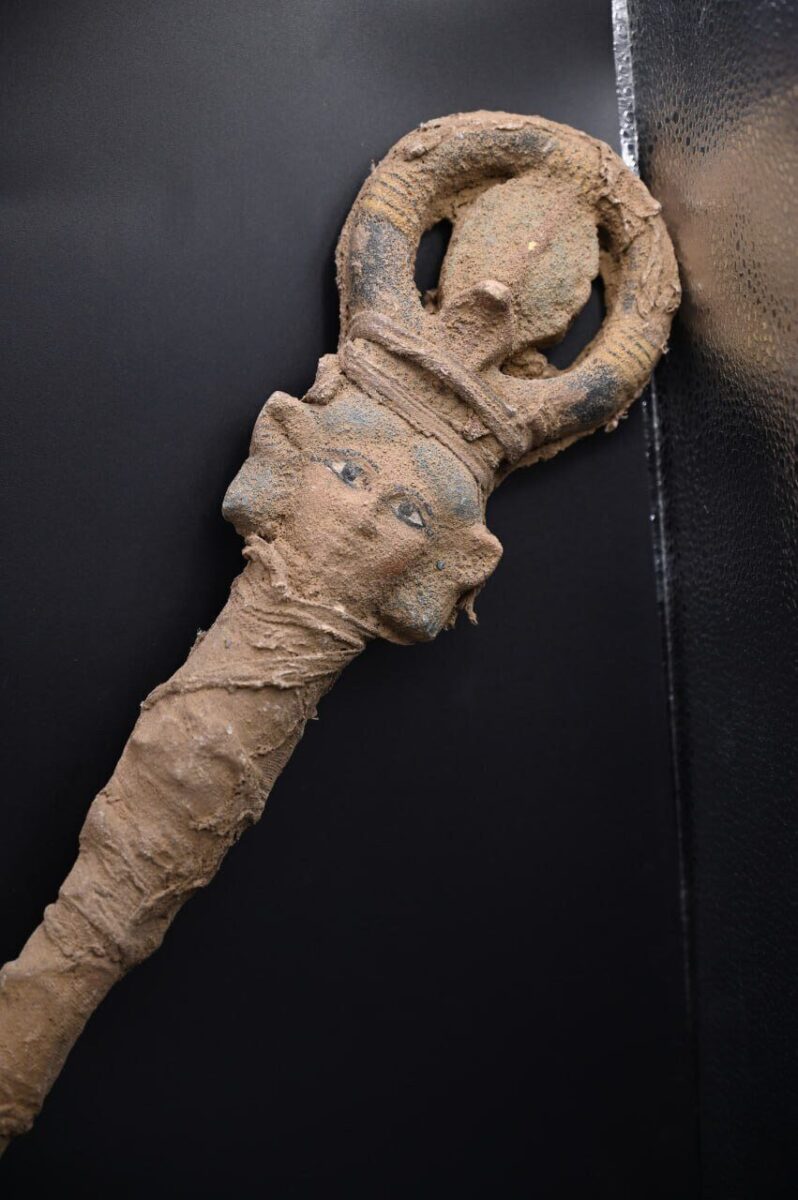
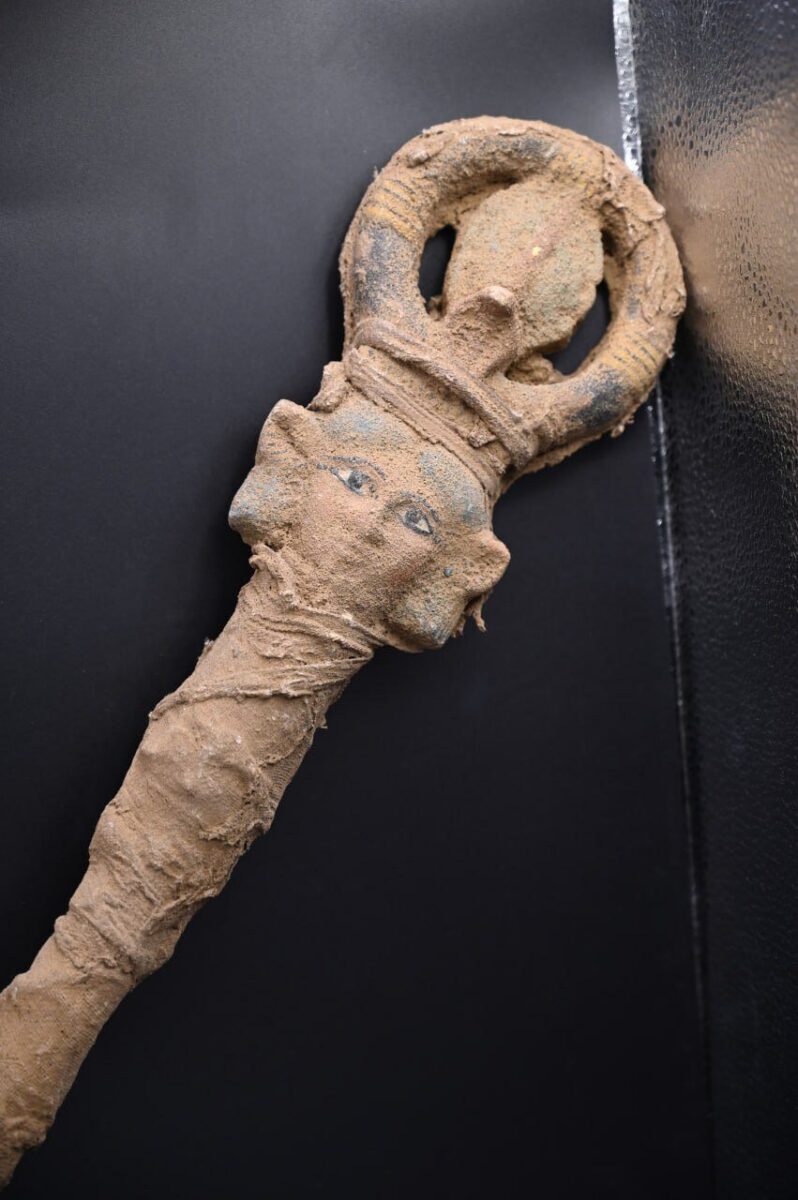
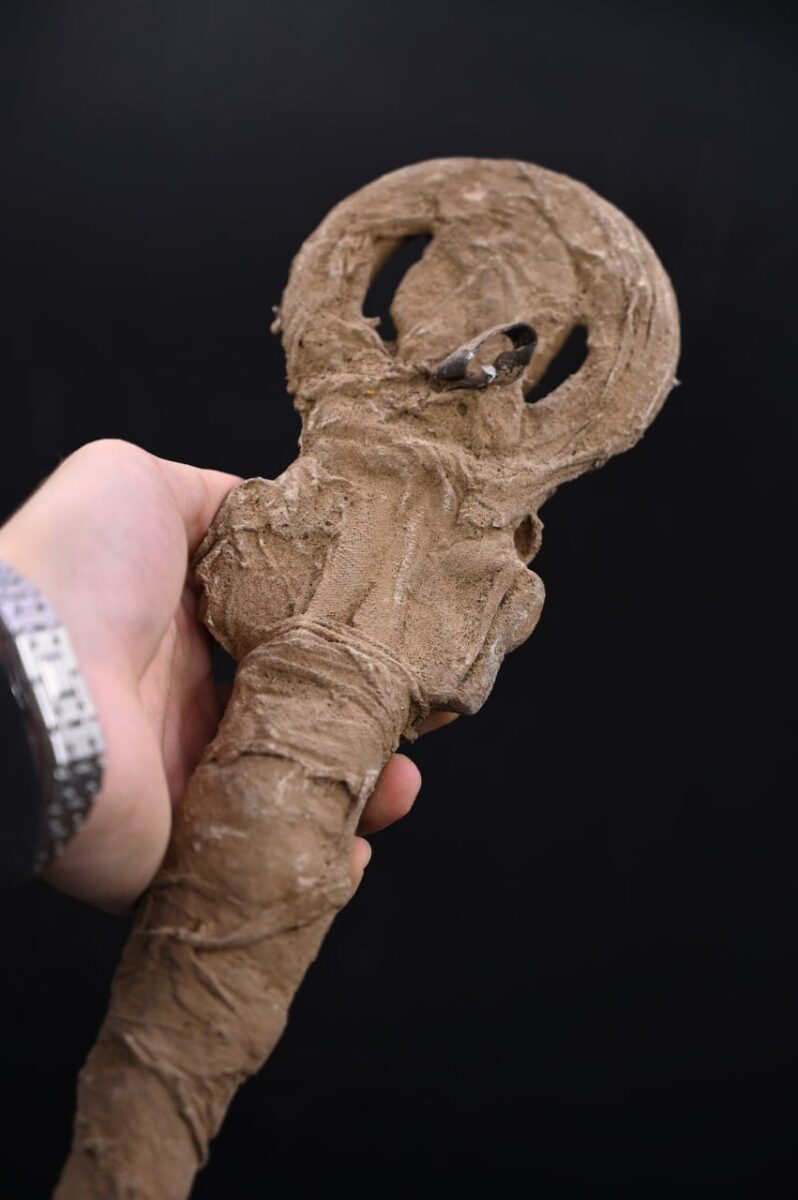
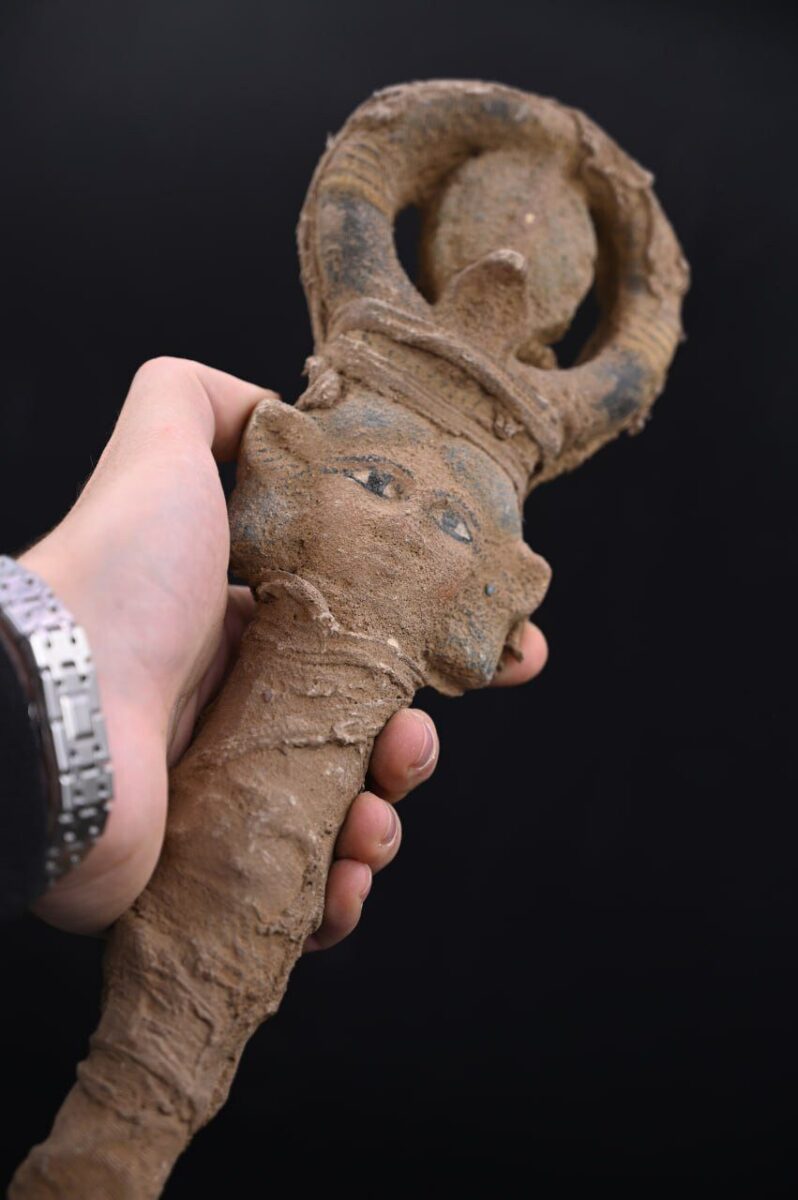
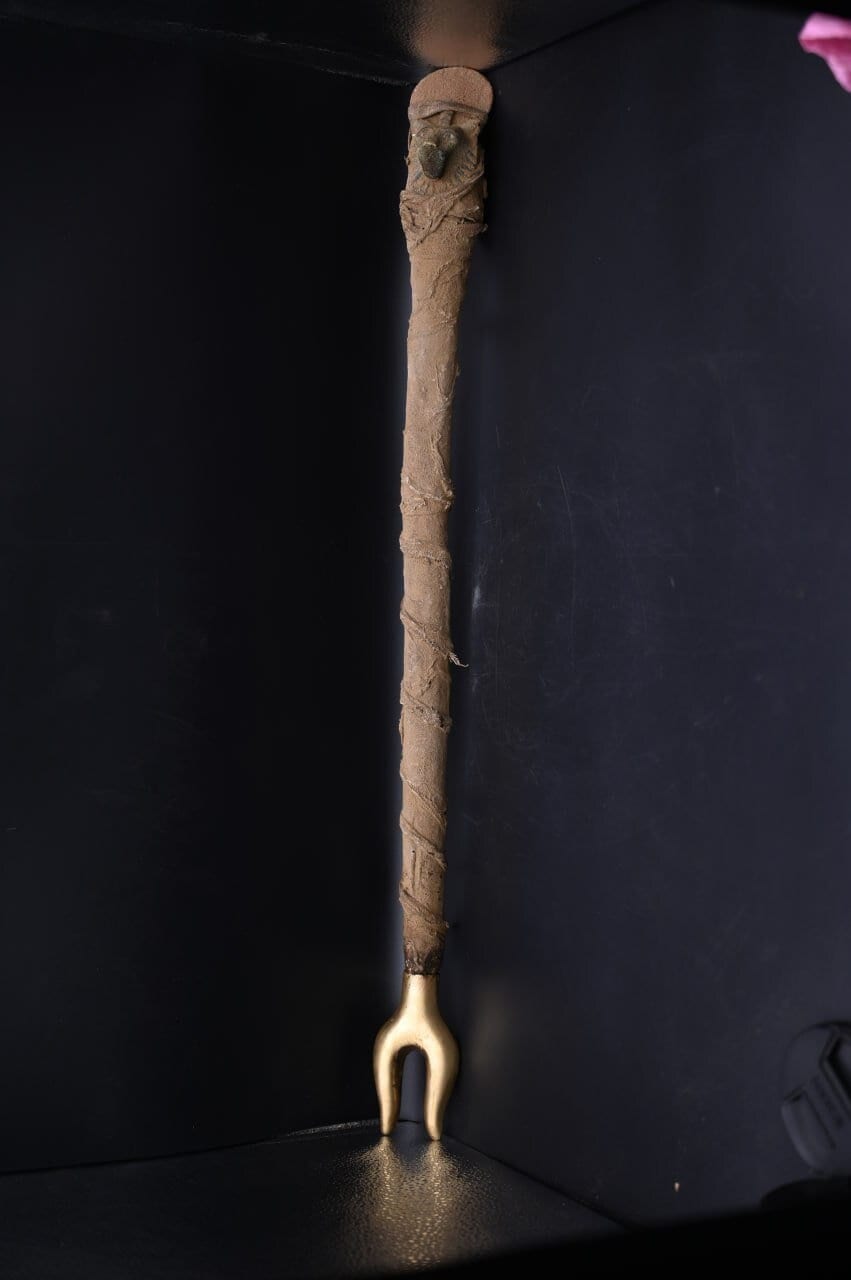
Add a distinctive symbol of ancient Egyptian authority to your collection with this Hathor Was Scepter Replica, handcrafted in Egypt from wood, linen, and copper and standing 50 cm tall. Featuring a Hathor-inspired face combined with the iconic Was symbol of power and dominion, it is an elegant choice for Egyptology collectors, Egyptian décor, mythology lovers, and museum-inspired displays.
Hathor Was Scepter Replica – 50 cm Egyptian Symbol of Power
Description of Art
Hathor Was Scepter Replica handcrafted in Egypt and inspired by the famous Was scepter, one of the most recognizable symbols of divine power and authority in ancient Egyptian art.
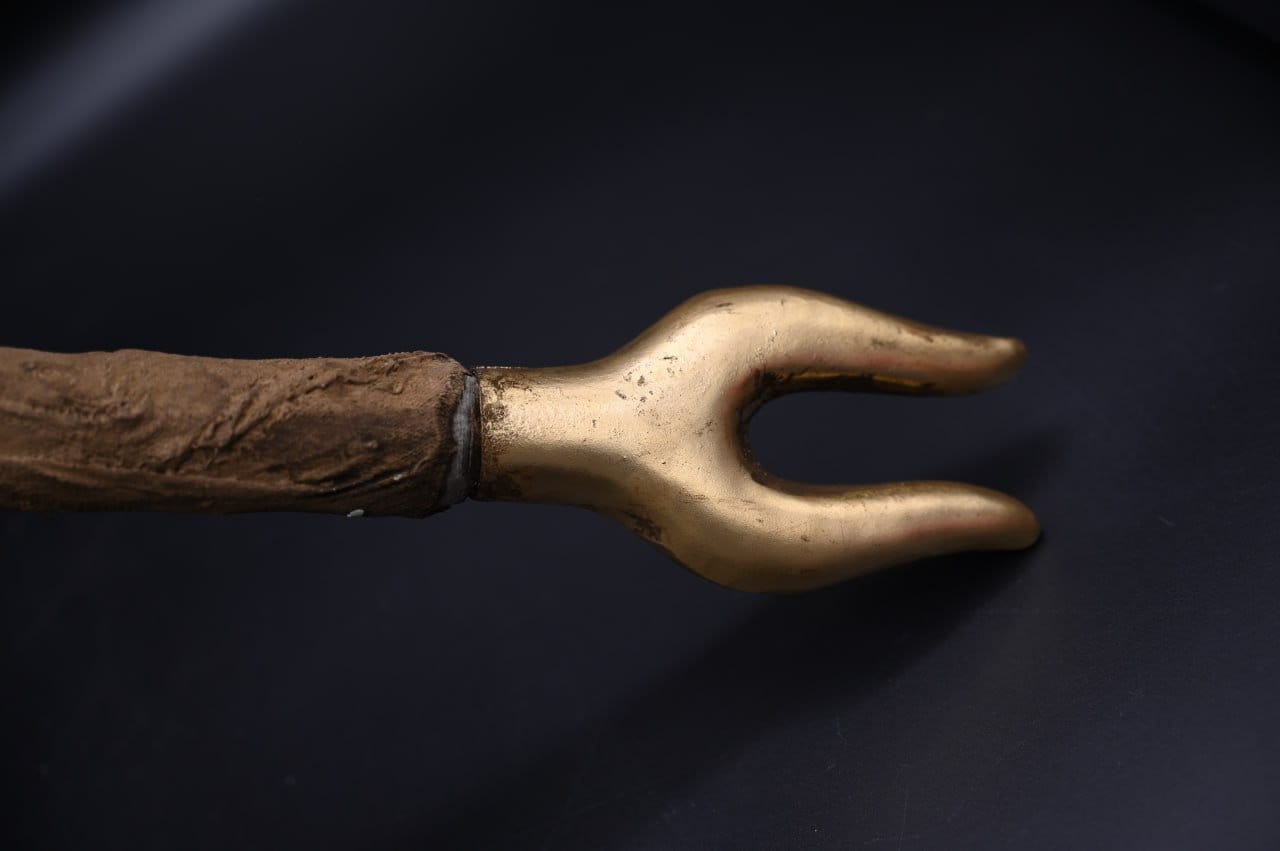
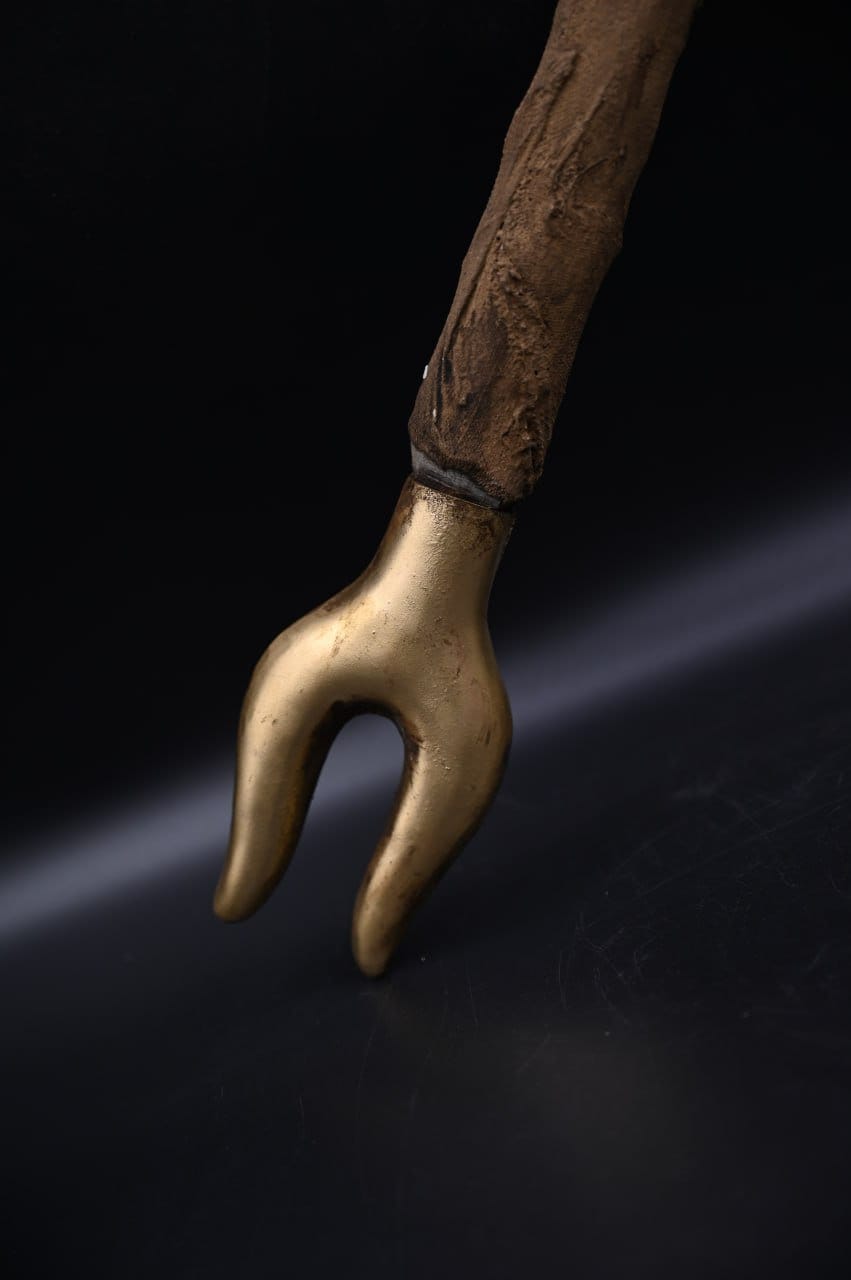
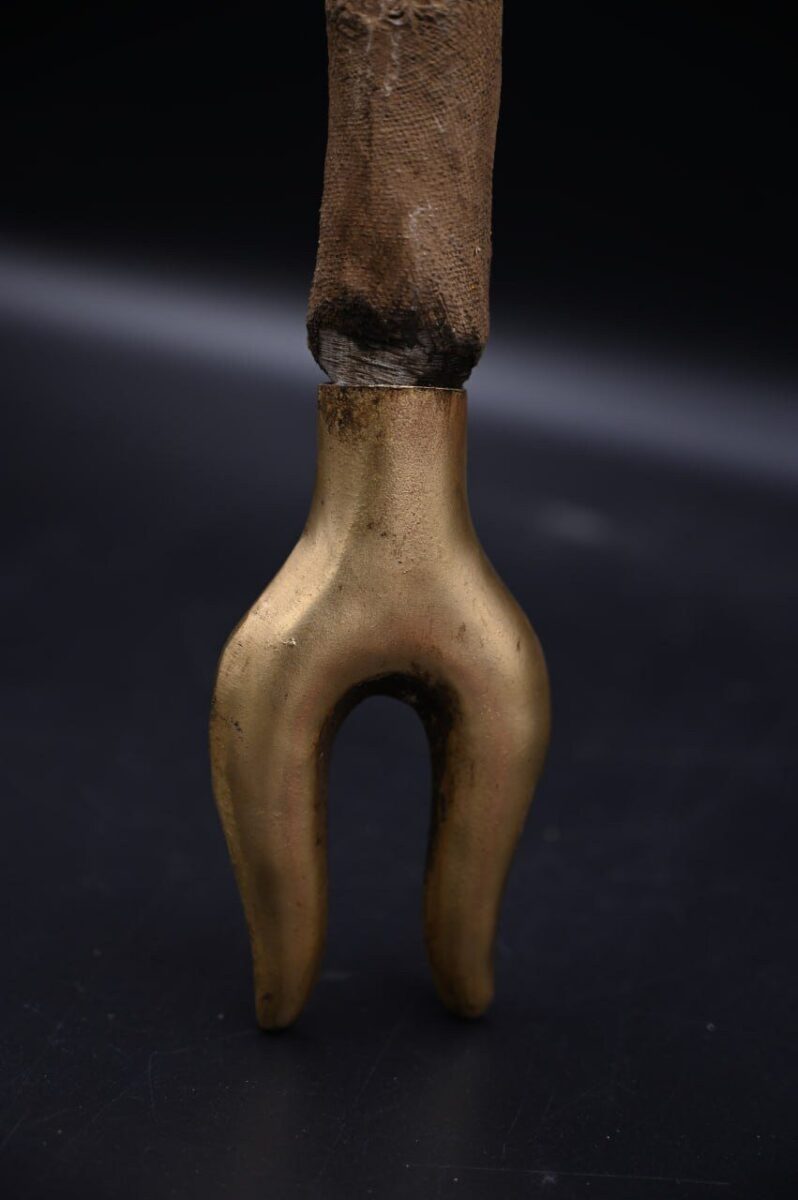
Standing 50 cm tall, this decorative piece is made from wood covered with aged-style linen and finished with a copper base. The design incorporates a face inspired by Hathor, the ancient Egyptian goddess associated with love, joy, music, beauty, motherhood, fertility, and celebration.
The combination of Hathor imagery with the Was symbol creates a distinctive modern Egyptian-inspired decorative object suitable for collectors, Egyptology enthusiasts, libraries, offices, living rooms, and museum-inspired displays.
Product Details
Material: Wood, Linen & Copper
Height: 50 cm
Main Symbol: Was Scepter
Deity Motif: Hathor
Craftsmanship: Handcrafted
Origin: Made in Egypt
Style: Ancient Egyptian Inspired
Type: Decorative Scepter Replica
What Is the Was Scepter?
The Was scepter was a prominent ancient Egyptian symbol associated with:
Power
Dominion
Authority
Divine control
It commonly appeared in the hands of Egyptian gods and could also be incorporated into royal and religious imagery.
For modern symbolic interpretation, a Hathor Was Scepter Replica can evoke:
Authority • Strength • Divine Power • Protection
The Traditional Was Scepter
The Was scepter generally consists of a long staff with a forked lower end and an unusual animal head at the top.
The original description identifies that head as a dog or possibly Anubis.
That is not the safest historical interpretation.
The head is usually connected with the mysterious Set or Seth animal, whose exact zoological identity remains uncertain.
Therefore, avoid describing the traditional Was head as definitively:
Dog
Jackal
Anubis
A safer phrase is:
“The Was scepter traditionally features the head of the mysterious Set animal.”
Hathor on This Scepter
This particular piece adds the face of Hathor to the Was-inspired design.
That should be presented as a modern artistic interpretation, rather than implying that Hathor-faced Was scepters were the standard ancient form.
A suitable phrase is:
“A modern Egyptian-inspired Was scepter incorporating Hathor imagery.”
Who Was Hathor?
Hathor was one of ancient Egypt’s most important goddesses.
Her major associations included:
Love
Joy
Music
Beauty
Motherhood
Fertility
Celebration
Protection
She could appear as a cow, a woman with cow ears, or a woman wearing cow horns surrounding a solar disk.
Her cult was particularly important at Dendera, where a major temple was dedicated to her.
Hathor and Music
Hathor had a strong connection with music and celebration.
The sistrum, a ritual percussion instrument, was especially associated with her worship.
This musical dimension helped establish Hathor as a goddess of:
Joy • Celebration • Dance • Music
Her imagery therefore contrasts interestingly with the Was scepter’s stronger associations with authority and dominion.
Hathor and Protection
Although Hathor is frequently associated with love and joy, she could also have protective and solar aspects.
This makes the addition of Hathor imagery to a Was-inspired decorative scepter visually appropriate for a modern piece combining:
Joy • Protection • Authority • Divine Power
Ankh, Djed and Was
Three of the most recognizable ancient Egyptian symbols are:
Ankh – Life
Djed – Stability and Endurance
Was – Power and Dominion
These symbols could appear together or separately in ancient Egyptian religious and funerary art.
A concise interpretation is:
Life • Stability • Power
The Ankh
The Ankh, commonly called the Key of Life, is one of ancient Egypt’s most famous symbols.
Its strongest historical meaning is:
Life
It could also convey continued existence and divine vitality.
The original description assigns individual parts of the Ankh meanings such as male, female, earth, sky, and morning sun. These interpretations should not be presented as established historical facts.
For SEO copy, the safest wording remains:
Ankh = Life and Divine Vitality
The Djed
The Djed pillar primarily symbolized:
Stability • Endurance • Continuity
It became particularly associated with Osiris, and one later interpretation identified it with his backbone.
The Djed also played an important role in rituals of renewal and regeneration.
The source incorrectly translates Djed as “grandfather.” This should be removed.
Was and Divine Authority
The Was scepter represented divine authority and control.
Ancient gods could be shown holding the Was to communicate their supernatural power.
Because of this, the Was became one of the clearest visual symbols of:
Dominion • Authority • Divine Power
Handmade Materials
The Hathor Was Scepter Replica is described as being made from:
Wood
Linen covering
Copper base
The source says “old linen.”
Unless the linen is genuinely antique, a safer commercial phrase is:
“aged-style linen”
rather than suggesting the material itself is ancient.
50 cm Display Size
The scepter measures:
Height: 50 cm
Its vertical form makes it suitable for:
Collector rooms
Bookshelves
Display cabinets
Offices
Libraries
Living rooms
Egyptian-themed interiors
Museum-inspired displays
Handmade in Egypt
The Hathor Was Scepter Replica is handcrafted in Egypt by skilled artisans.
Its combination of ancient symbolism and a Hathor-inspired artistic interpretation makes it a distinctive decorative piece for buyers interested in Egyptian religion, art, and mythology.
A Distinctive Egyptian Gift
This decorative scepter is particularly suitable for:
Hathor collectors
Egyptology enthusiasts
Was scepter collectors
Ancient Egyptian symbolism lovers
Egyptian mythology fans
Museum-inspired interiors
Historical décor collections
Unique cultural gifts
Modern Replica, Not an Antiquity
The source describes this object as a “unique museum piece.”
Unless it is genuinely part of a recognized museum collection, avoid that wording.
Better alternatives are:
Museum-Inspired Replica
Collector Display Piece
Ancient Egyptian-Inspired Scepter
Likewise, do not describe the product as:
Ancient Artifact
Antique Egyptian Scepter
Original Pharaonic Object
unless genuine archaeological provenance exists.
Product Specifications
Product: Hathor Was Scepter Replica
Height: 50 cm
Materials: Wood, Linen & Copper
Main Symbol: Was Scepter
Deity Motif: Hathor
Was Symbolism: Power, Dominion & Authority
Hathor Associations: Love, Joy, Music, Motherhood, Fertility & Celebration
Craftsmanship: Handcrafted
Origin: Made in Egypt
Style: Ancient Egyptian Inspired
Type: Decorative Scepter Replica
Related products
Ankh Statue: Key of Life, Scarab & Eye of Horus – Egyptian Symbol
Add a meaningful combination of ancient Egyptian symbolism to your space with this Ankh Scarab Eye of Horus Statue, featuring the iconic Key of Life, protective Eye of Horus, and blue scarab. Symbolizing life, protection, restoration, rebirth, and renewal, it is a distinctive choice for Egyptology collectors, Egyptian décor, mythology lovers, and unique cultural gifts.
Oxidized Copper Ankh Ring: Ancient Egyptian Key of Life Symbol
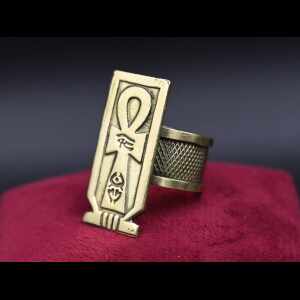
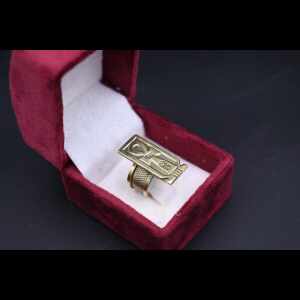
Add a timeless symbol of ancient Egyptian life to your jewelry collection with this Oxidized Copper Ankh Ring, handcrafted in Egypt from oxidized copper with a unisex free-size design. Inspired by the iconic Key of Life representing life, vitality, renewal, and continuity, it is a distinctive choice for mythology lovers, copper jewelry collectors, and unique cultural gifts.
Handmade Sterling Silver Sekhmet Goddess Amulet
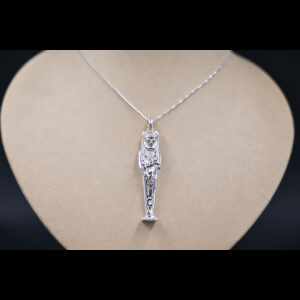
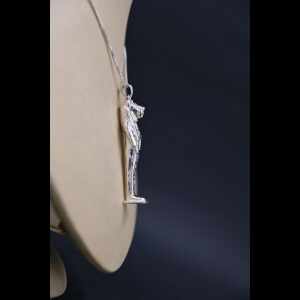
Add a powerful symbol of ancient Egyptian strength to your jewelry collection with this Pure Silver Sekhmet Amulet, crafted from pure silver and inspired by Sekhmet, the lioness goddess of war, protection, healing, medicine, and solar power. A distinctive choice for mythology lovers, silver jewelry collectors, Egyptology enthusiasts, and unique cultural gifts.
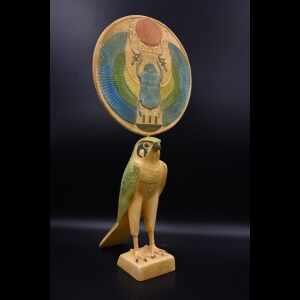
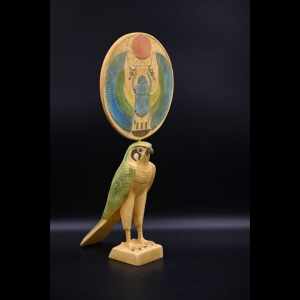
Handcrafted Limestone Horus Statue, Egyptian God of Protection (35cm)
Add a powerful symbol of ancient Egyptian kingship to your collection with this 35 cm Limestone Horus Statue, handcrafted in Egypt and featuring solar and winged scarab motifs. Inspired by Horus, the falcon god of the sky, royal authority, and protection, it is a striking choice for Egyptology collectors, Egyptian décor, mythology lovers, and museum-inspired displays.
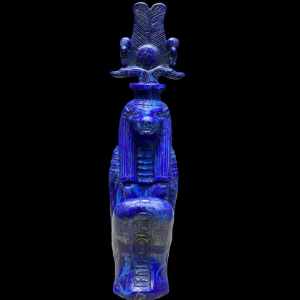
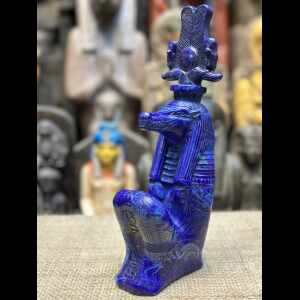
Handcrafted Lapis Lazuli Sobek Statue – Egyptian Crocodile God Art (33 cm)
Add a powerful symbol of ancient Egyptian strength to your collection with this 33 cm Lapis Lazuli Sobek Statue, handcrafted in Egypt and inspired by Sobek, the crocodile god associated with the Nile, fertility, protection, strength, and royal power. Measuring 33 × 7 × 10 cm, it is a striking choice for collectors, Egyptian décor, mythology lovers, and unique cultural gifts.
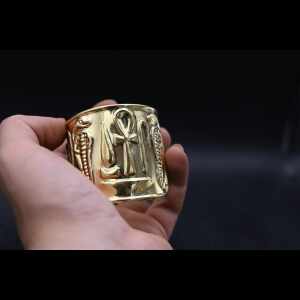
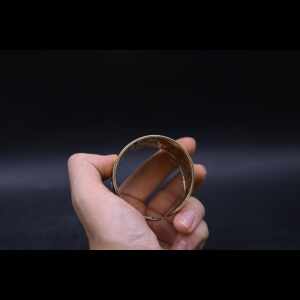
Brass Nile Key Bracelet: Winged Cobra Talisman, Egyptian Protection
Add a powerful combination of ancient Egyptian symbolism to your jewelry collection with this Brass Ankh Cobra Protection Bracelet, handcrafted in Egypt from brass and designed for women and men. Featuring the iconic Key of Life flanked by winged cobras, it symbolizes life, protection, guardianship, and royal authority, making it a distinctive choice for mythology lovers, collectors, and unique cultural gifts.
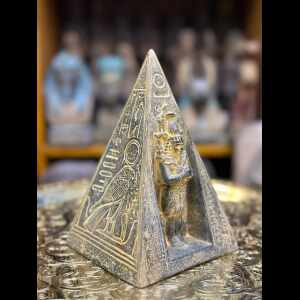
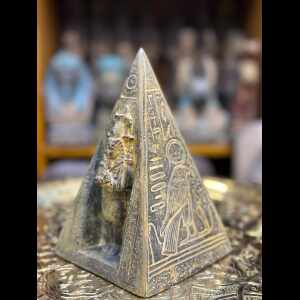
Egyptian Black Stone Pyramid – Handcrafted Horus Monument
Add a striking touch of ancient Egyptian symbolism to your space with this Black Stone Horus Pyramid, crafted from solid black stone and measuring 17 × 10 × 10 cm. Decorated with Horus and other Egyptian-inspired motifs, it is a distinctive choice for collectors, mythology lovers, office décor, Egyptian-themed interiors, and unique cultural gifts.
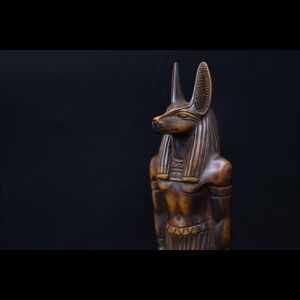
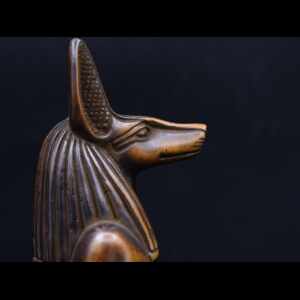
Handcrafted Anubis Statue: Egyptian God of Protection, Brown Stone (23cm)
Add a powerful symbol of ancient Egyptian protection to your collection with this 23 cm Brown Stone Anubis Statue, handcrafted in Egypt from natural stone. Inspired by Anubis, the canine-headed deity of mummification, funerary protection, and care of the deceased, it is a distinctive choice for collectors, Egyptian décor, museum-inspired displays, and unique cultural gifts.


Reviews
There are no reviews yet.