
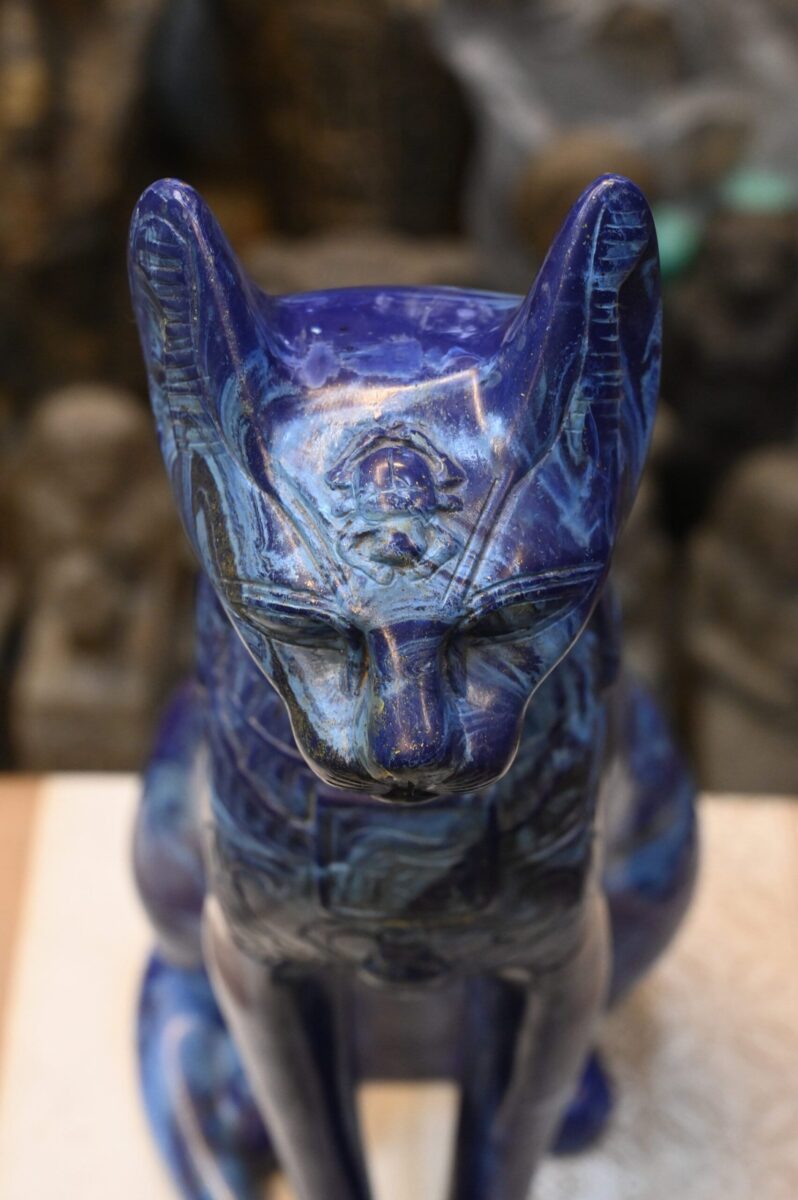
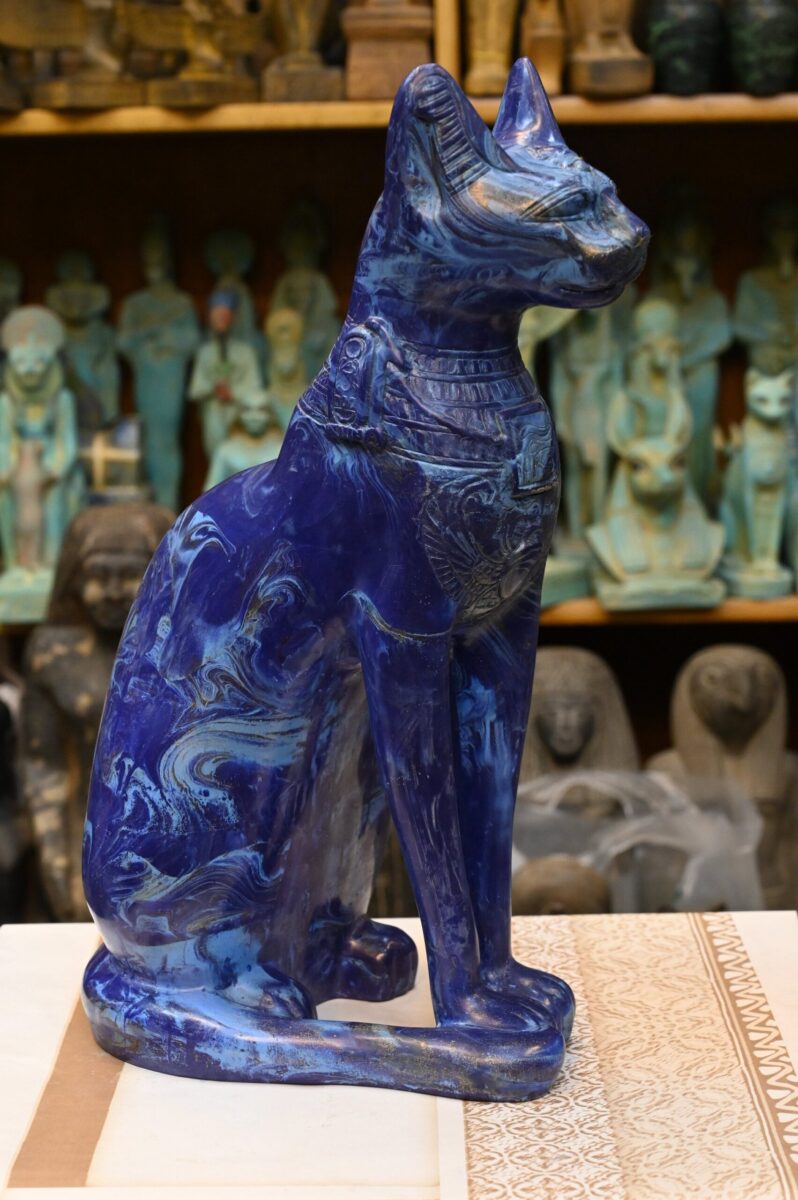
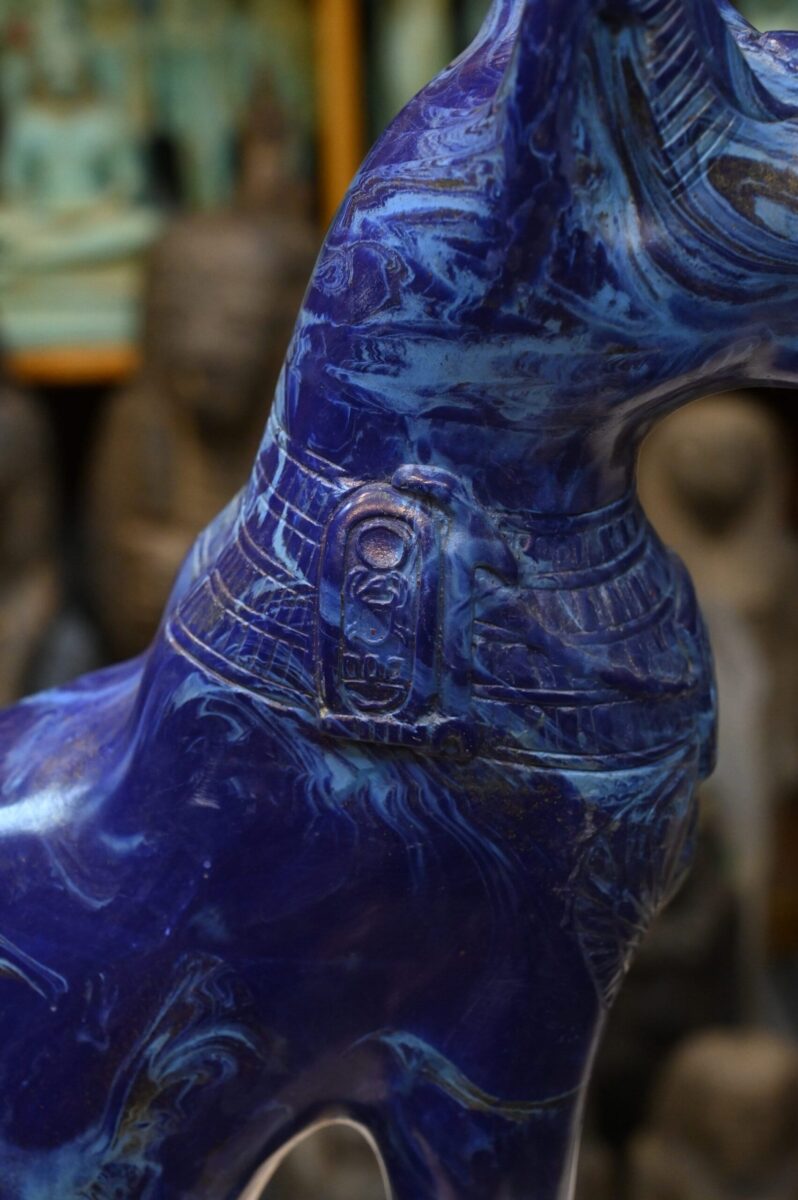
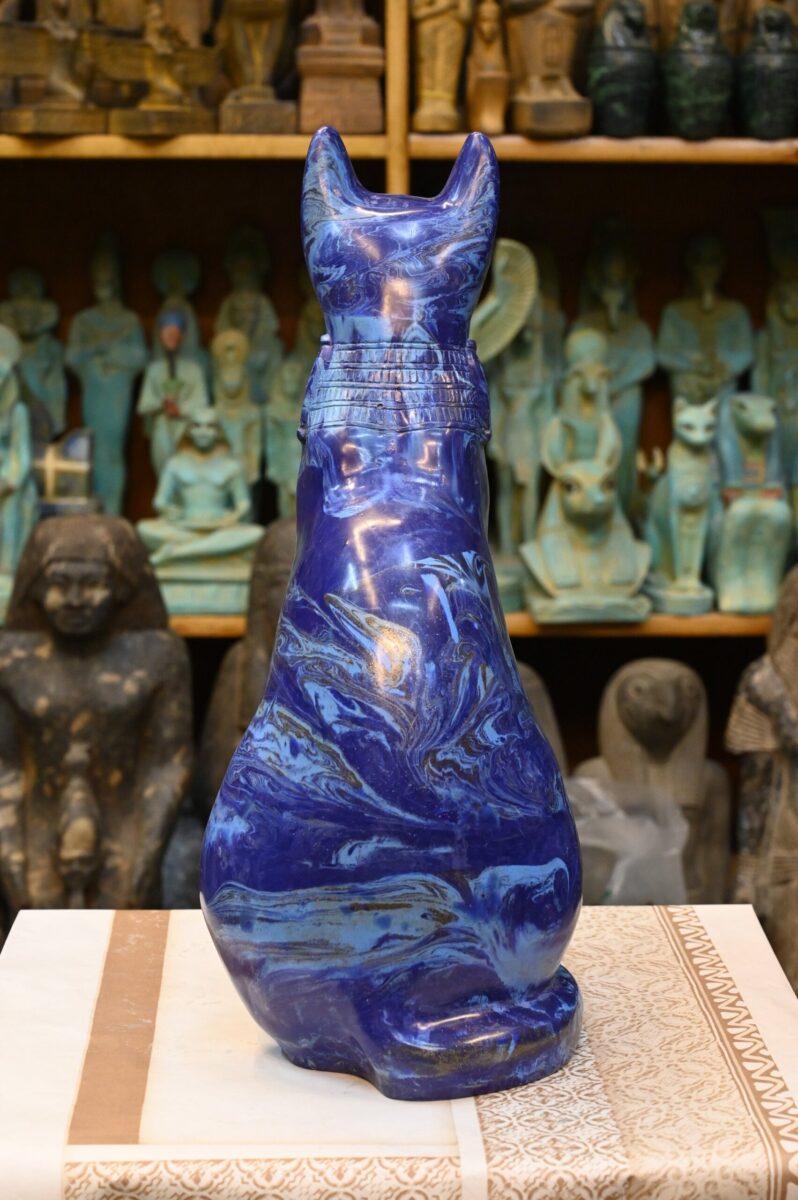
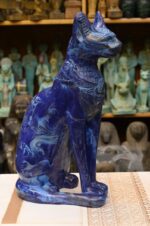
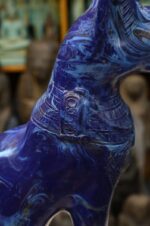
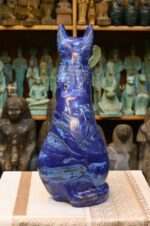
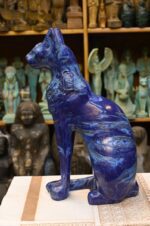
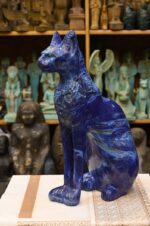
Lapis Lazuli Cat Bastet Statue, Egyptian Goddess Carving
$630.50
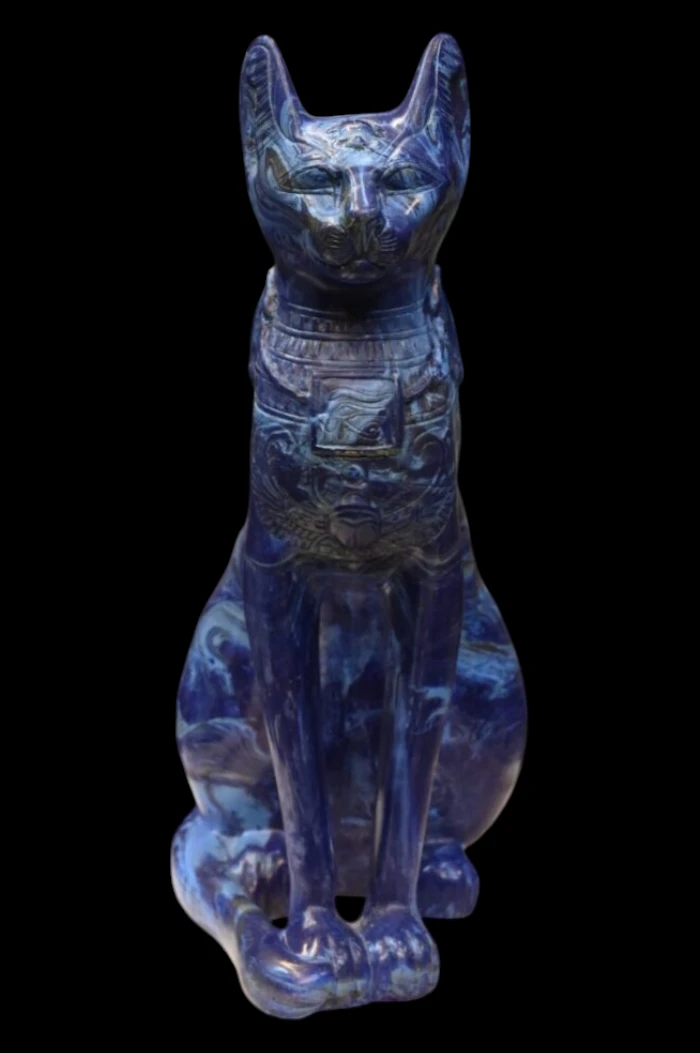
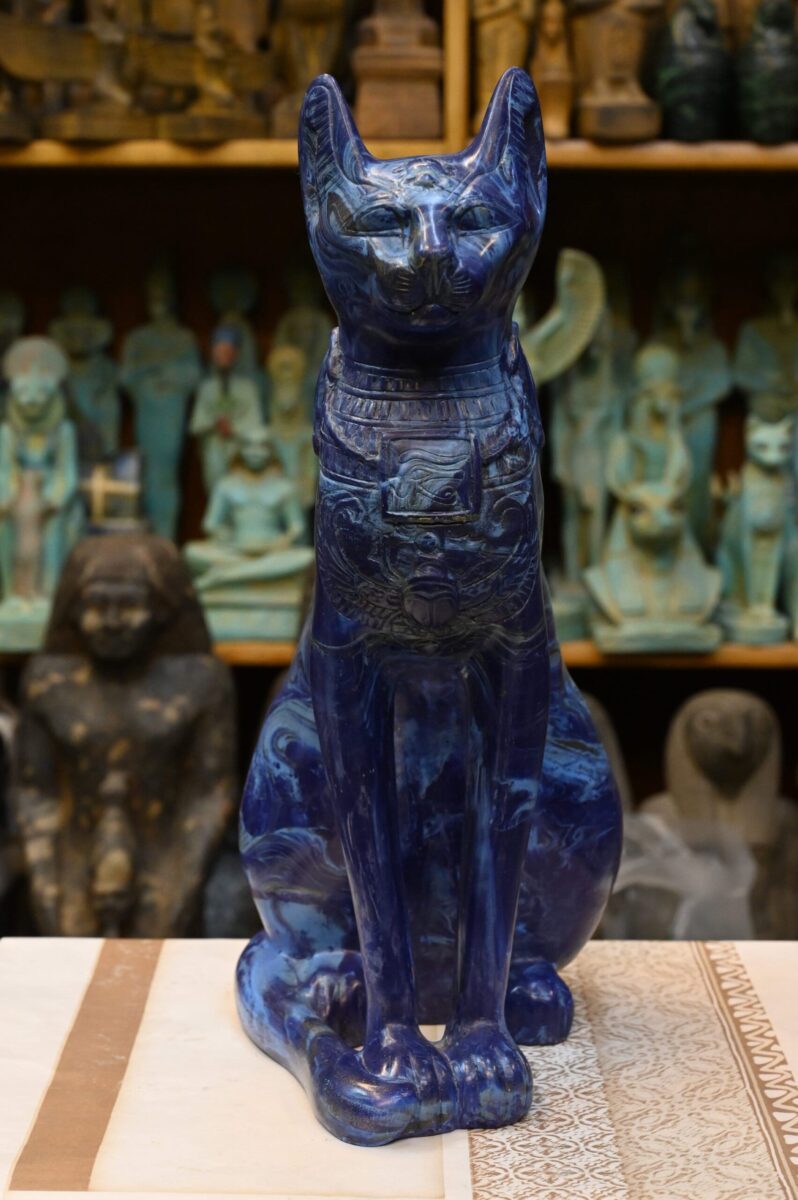
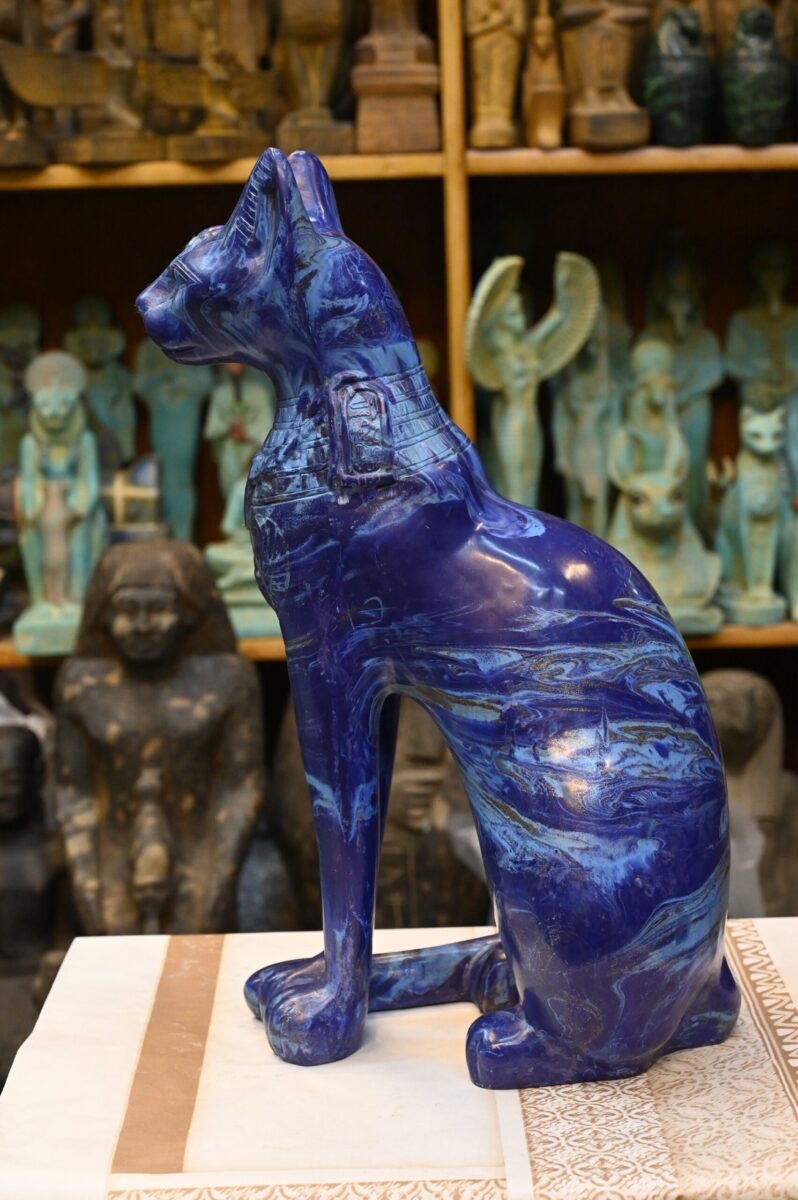
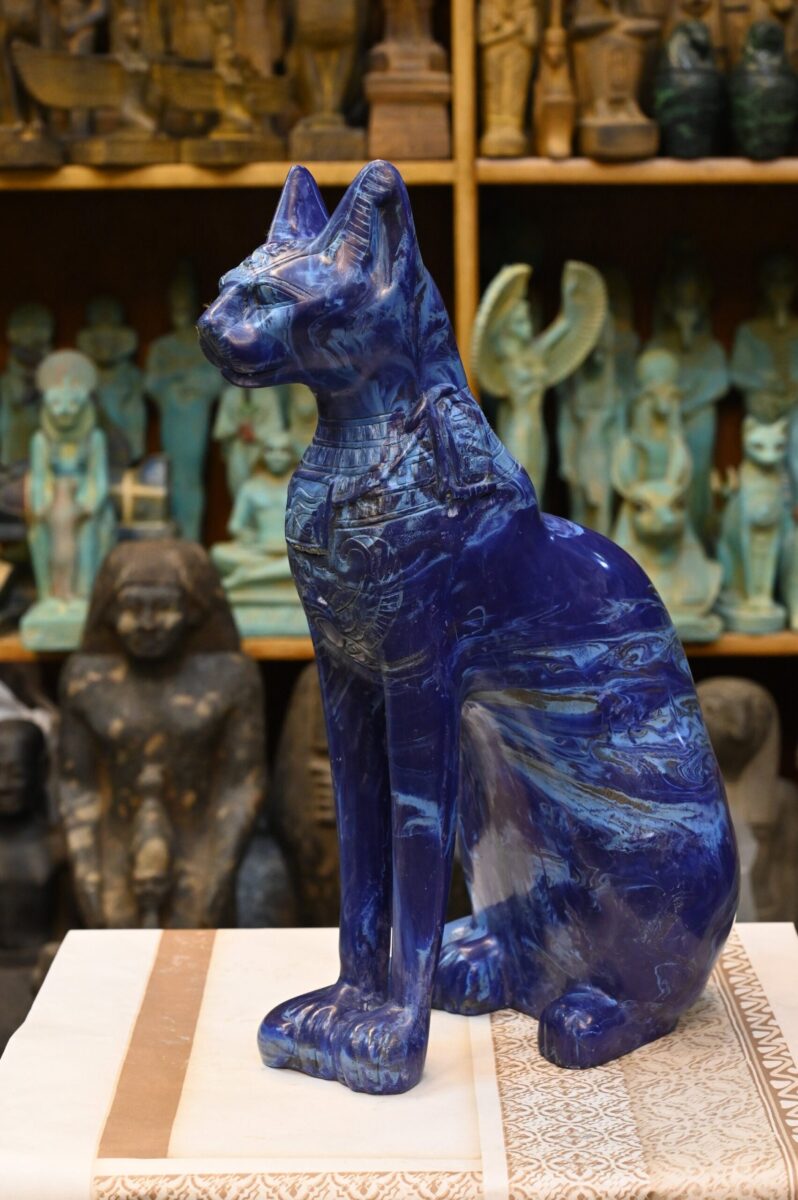
Add a graceful symbol of ancient Egyptian heritage to your collection with this Tutankhamun Bastet Cat Statue, measuring 16 × 6.5 × 9.6 inches and inspired by Bastet, the feline goddess of protection, fertility, and home. A distinctive choice for cat lovers, collectors, Egyptian décor, museum-inspired displays, and unique cultural gifts.
Tutankhamun Bastet Cat Statue – Egyptian Feline Goddess Sculpture
Description of Art
Tutankhamun Bastet Cat Statue inspired by the elegant feline imagery of ancient Egypt and the enduring symbolism of Bastet, one of Egypt’s best-known cat goddesses.
This impressive decorative sculpture stands 16 inches high, with a width of 6.5 inches and depth of 9.6 inches, giving it a substantial presence for home décor, collector displays, offices, libraries, and Egyptian-themed interiors.
Product Details
Height: 16 inches
Width: 6.5 inches
Depth: 9.6 inches
Material: Stone
Design: Egyptian Cat / Bastet Inspired
Style: Ancient Egyptian Inspired
Type: Decorative Sculpture
Goddess Bastet
Bastet was an important ancient Egyptian goddess particularly associated with protection and fertility. Egypt’s Ministry of Tourism and Antiquities notes that she was originally depicted as a lioness and later increasingly represented as a cat.
Her protective and nurturing character made feline imagery associated with Bastet especially significant.
For modern decorative interpretation, a Bastet-inspired sculpture can evoke:
Protection • Home • Fertility • Family • Egyptian Heritage
Bastet and the Cat
Bastet’s appearance changed over Egypt’s long religious history.
Earlier representations emphasized her fierce lioness form, while later Egyptian art increasingly represented her through the domestic cat. Egypt’s official monuments resource confirms this development from lioness to cat imagery.
This later feline form became one of the most recognizable images associated with Bastet and remains extremely popular in Egyptian-inspired sculpture today.
Bastet and Bubastis
Bastet’s principal cult center was Per-Bastet, known in Greek as Bubastis and located at modern Tell Basta in Egypt’s eastern Delta. Egypt’s Ministry of Tourism and Antiquities identifies Tell Basta specifically as the cult center of the feline goddess Bastet.
The importance of this city helped make Bastet one of Egypt’s most enduring and recognizable goddesses.
Protection and Fertility
Bastet had an especially important protective role.
Official Egyptian archaeological information describes her as associated with female fertility and as performing a major protective function.
For this reason, Bastet-inspired art is especially suitable for buyers interested in symbolic pieces connected with:
- Protection
- Family
- Motherhood
- Fertility
- Home
- Feline symbolism
Bastet, Love, and Music
The original description calls Bastet the goddess of love, tenderness, happiness, protection of homes, and music.
Some of these themes can overlap among Egyptian goddesses, but it is better not to make love and music Bastet’s principal defining titles.
Those roles are much more strongly associated with Hathor.
For Bastet, the strongest product language is:
Protection • Fertility • Feline Goddess • Domestic and Family Symbolism
This keeps the historical description more focused.
Bastet and Sekhmet
Bastet and Sekhmet could share feline imagery, but they should not simply be treated as the same goddess.
Bastet was originally lioness-like and later became more strongly associated with the domestic cat, whereas Sekhmet retained a particularly fierce lioness identity connected with warfare, destructive forces, protection, and healing.
This distinction gives Bastet-inspired sculpture a gentler protective and domestic character.
The Tutankhamun Connection
The supplied description says this statue reproduces a cat discovered in Tutankhamun’s tomb, with Tutankhamun’s birth name engraved on both sides.
I would be careful with this statement.
The Griffith Institute at Oxford maintains the definitive archaeological archive of Howard Carter’s excavation of Tutankhamun’s tomb. In the authoritative sources I checked, I could not confirm this specific cat statue description or the claim that the king’s birth name appears on both sides.
Therefore, unless you have the original museum inventory number or a photograph/reference of the exact object, the safer wording is:
“A Tutankhamun-inspired Egyptian cat sculpture based on ancient royal and feline imagery.”
Avoid saying:
“Exact museum copy discovered in Tutankhamun’s tomb”
until the original piece is identified.
Material – Important Contradiction
The supplied product information gives three different material descriptions:
- Lapis lazuli stone
- White alabaster stone
- Stone
These cannot all be used for the same product unless the statue genuinely combines those materials.
For the SEO listing, I recommend temporarily using simply:
Material: Stone
until the exact material is confirmed.
If it is genuinely lapis lazuli, use that specifically.
If it is white alabaster, use alabaster instead.
This is particularly important because a 16-inch statue described as solid natural lapis lazuli would represent a very different product and value category from alabaster or artificial/composite stone.
Large Egyptian Cat Sculpture
At 16 inches high, this Tutankhamun Bastet Cat Statue is suitable as a prominent decorative piece.
It can be displayed in:
- Living rooms
- Offices
- Libraries
- Entryways
- Display cabinets
- Collector rooms
- Egyptian-themed interiors
- Museum-inspired displays
Its upright feline form makes it immediately recognizable even when displayed among other Egyptian-inspired sculptures.
Modern Replica, Not an Antiquity
Because this is a newly produced decorative object, avoid calling the product itself:
Egyptian Antique
Ancient Artifact
Original Museum Piece
Better descriptions include:
Egyptian-Inspired Cat Sculpture
Bastet Replica Statue
Tutankhamun-Inspired Egyptian Cat
Museum-Inspired Egyptian Decor
This makes the listing clearer and avoids implying archaeological provenance.
Perfect for Collectors
The Tutankhamun Bastet Cat Statue is a distinctive choice for:
- Bastet collectors
- Cat lovers
- Tutankhamun enthusiasts
- Ancient Egyptian art collectors
- Egyptology lovers
- Egyptian mythology fans
- Feline sculpture collectors
- Egyptian home décor
- Museum-inspired displays
- Unique cultural gifts
Product Specifications
Product: Tutankhamun Bastet Cat Statue
Theme: Bastet / Ancient Egyptian Cat
Material: Stone – exact stone type should be confirmed
Height: 16 inches
Width: 6.5 inches
Depth: 9.6 inches
Bastet Associations: Protection & Fertility
Historical Form: Originally Lioness, Later Cat
Principal Cult Center: Bubastis / Tell Basta
Style: Ancient Egyptian Inspired
Type: Decorative Feline Sculpture
Use: Collection, Home Décor, Office Décor & Cultural Gift
Related products
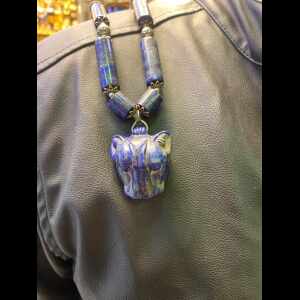
Handmade Lapis Lazuli Sekhmet Necklace: Egyptian Goddess Jewelry
Add a powerful touch of ancient Egyptian symbolism to your jewelry collection with this 150 g Lapis Sekhmet Necklace, handcrafted from natural lapis lazuli stone with elegant silver-tone metal accents. Inspired by Sekhmet, the lioness goddess of strength, protection, healing, and solar power, it is a striking choice for mythology lovers, statement-jewelry collectors, and unique cultural gifts.
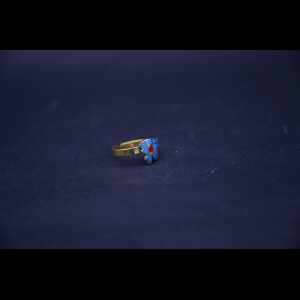
Egyptian Eye of Horus Ring: Ancient Symbol, Handmade in Egypt
Add a powerful symbol of ancient Egyptian kingship to your jewelry collection with this Unisex Horus Pharaonic Ring, handcrafted in Egypt with a flexible free-size design for women and men. Inspired by Horus, the falcon god of the sky, royal authority, and protection, it is a distinctive choice for mythology lovers, Egyptology enthusiasts, symbolic jewelry collectors, and unique cultural gifts.
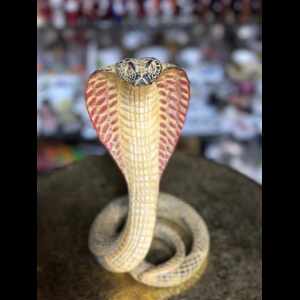
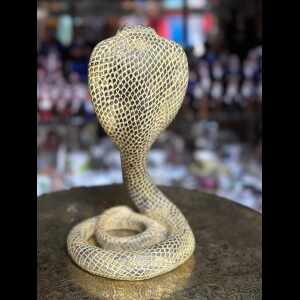
Handmade Egyptian Uraeus Cobra Statue, Wadjet Serpent Goddess
Add a powerful symbol of ancient Egyptian royal protection to your collection with this 25 cm Egyptian Uraeus Cobra, measuring 25 cm high and 12 cm wide. Inspired by Wadjet, the cobra goddess associated with Lower Egypt, kingship, guardianship, and divine protection, it is a distinctive choice for Egyptology collectors, Egyptian décor, mythology lovers, and unique cultural gifts.
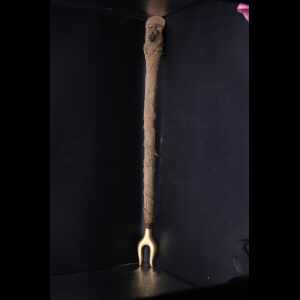
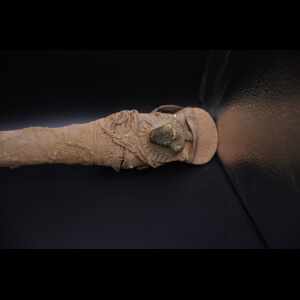
Sekhmet Scepter Was Stick, Egyptian Symbol of Strength, 50cm, Made in Egypt
Add a powerful symbol of ancient Egyptian authority to your collection with this 50 cm Sekhmet Was Scepter, handcrafted in Egypt from wood, linen, and copper. Featuring a Sekhmet-inspired design and the iconic Was symbol of dominion and power, it is a distinctive choice for Egyptology collectors, mythology lovers, Egyptian décor, and museum-inspired displays.
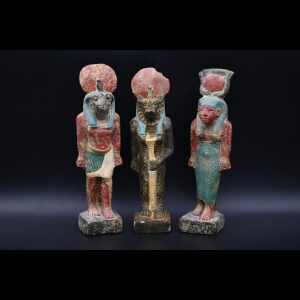
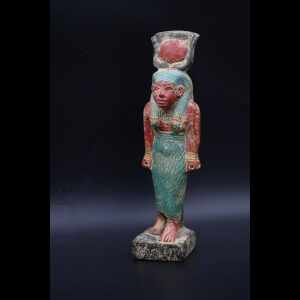
Handcrafted Hathor, Sekhmet, & Horus Statues: Egyptian Deities (20 cm)
Add a distinctive collection of ancient Egyptian symbolism to your space with this Hathor Sekhmet Horus Statue Set, featuring three 20 cm handcrafted statues made from colored natural stone. Representing love and motherhood, strength and healing, and kingship and protection, this set is ideal for collectors, Egyptian décor, mythology lovers, and unique cultural gifts.
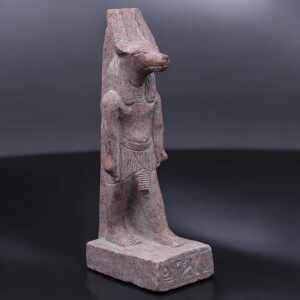
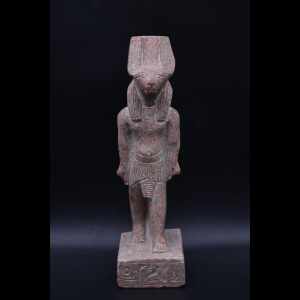
Handcrafted Red Granite Anubis Statue – Egyptian God of Afterlife (30cm)
Add a powerful symbol of ancient Egyptian protection to your collection with this 30 cm Red Granite Anubis Statue, handcrafted in Egypt from red granite. Inspired by Anubis, the canine-headed deity of mummification, funerary protection, and care of the deceased, it is a striking choice for collectors, Egyptian décor, museum-inspired displays, and unique cultural gifts.
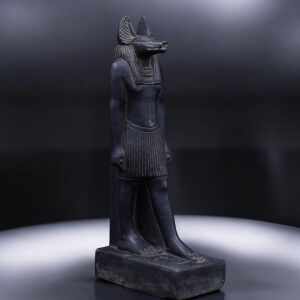
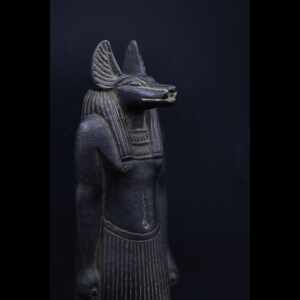
Handcrafted Basalt Stone Anubis Statue – Egyptian Mythology Decor (30cm)
Add a powerful symbol of ancient Egyptian protection to your collection with this 30 cm Basalt Anubis Statue, handcrafted in Egypt from natural basalt stone. Inspired by Anubis, the canine-headed deity of mummification, funerary protection, and care of the deceased, it is a distinctive choice for collectors, Egyptian décor, museum-inspired displays, and unique cultural gifts.
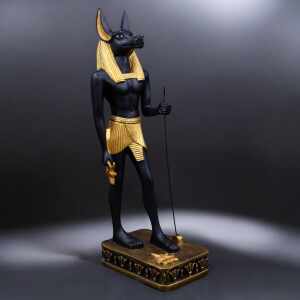
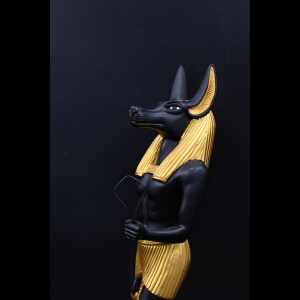
Handcrafted Anubis Statue: Egyptian God of Mummification, 40cm Natural Stone
Add a powerful symbol of ancient Egyptian protection to your collection with this 40 cm Natural Stone Anubis Statue, handcrafted in Egypt from natural stone. Inspired by Anubis, the canine-headed deity of mummification, funerary protection, and care of the deceased, it is a striking choice for collectors, Egyptian décor, museum-inspired displays, and unique cultural gifts.


Reviews
There are no reviews yet.