
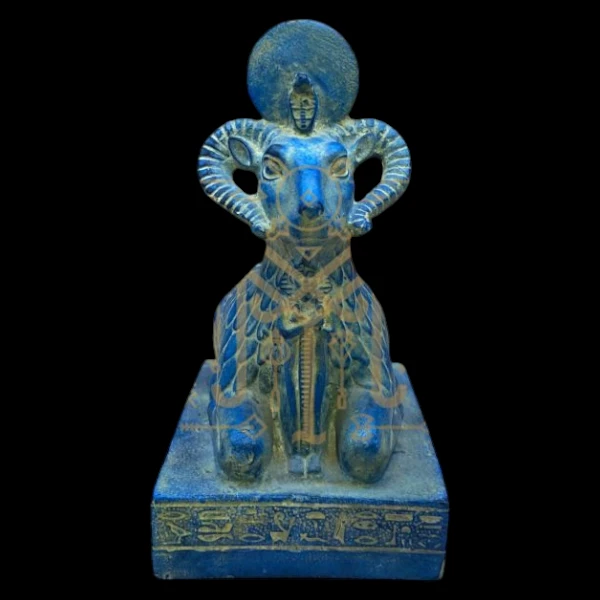
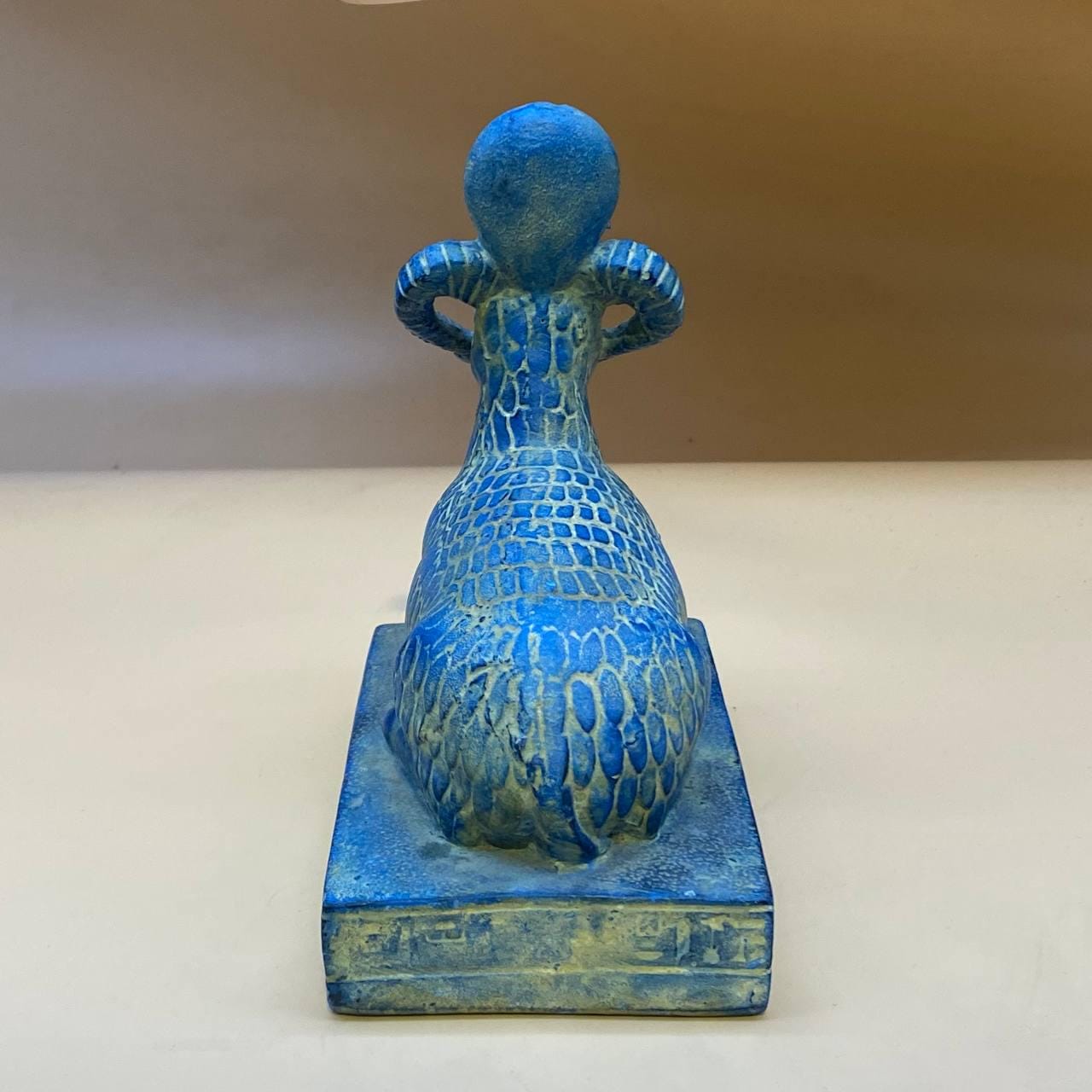
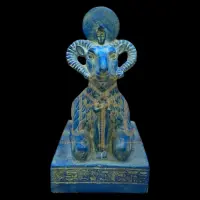
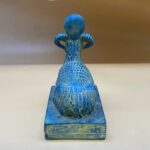
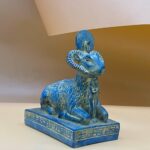
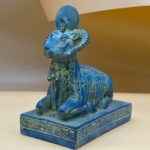
Handcrafted Khnum Statue: Ancient Egyptian Ram God Sculpture
$325.00
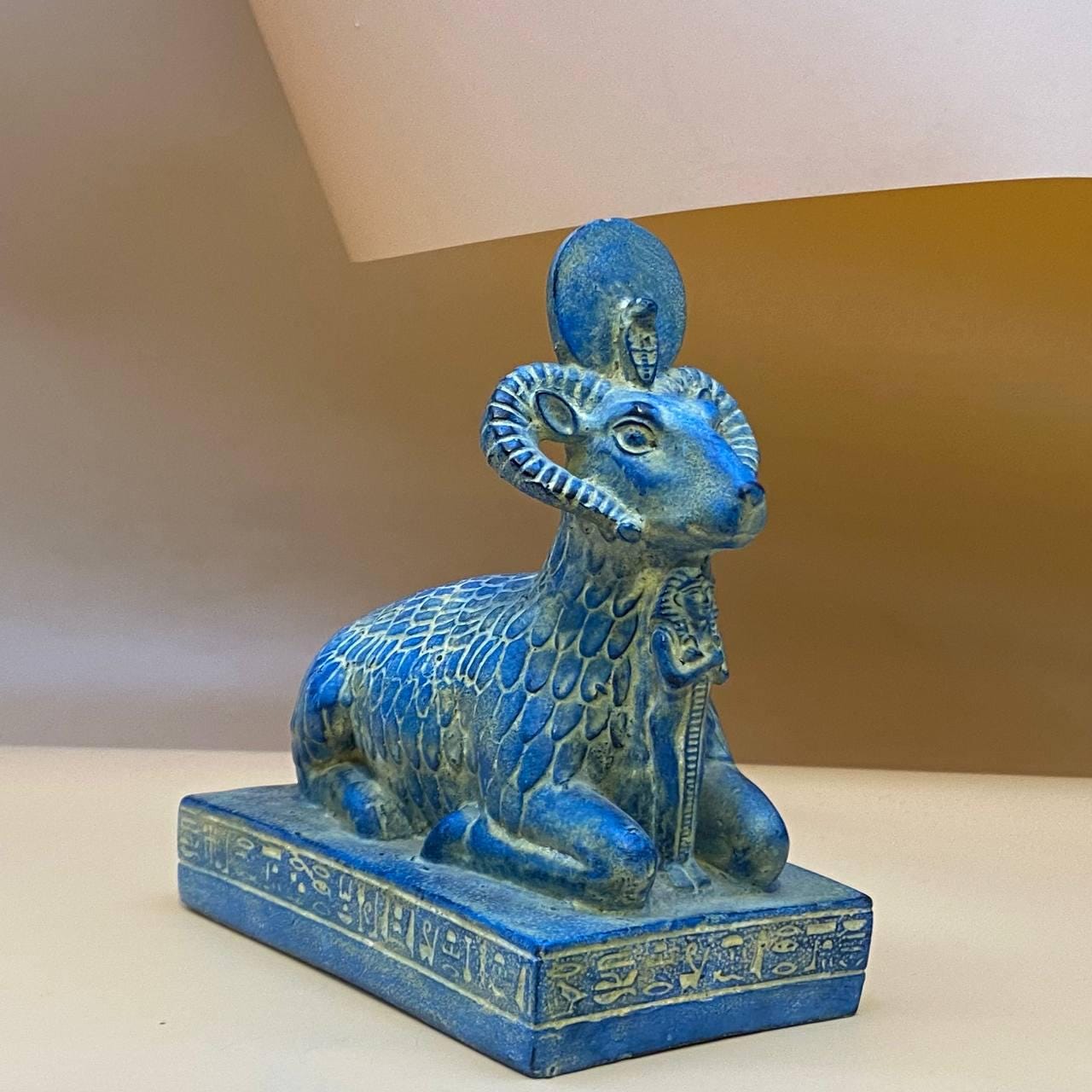
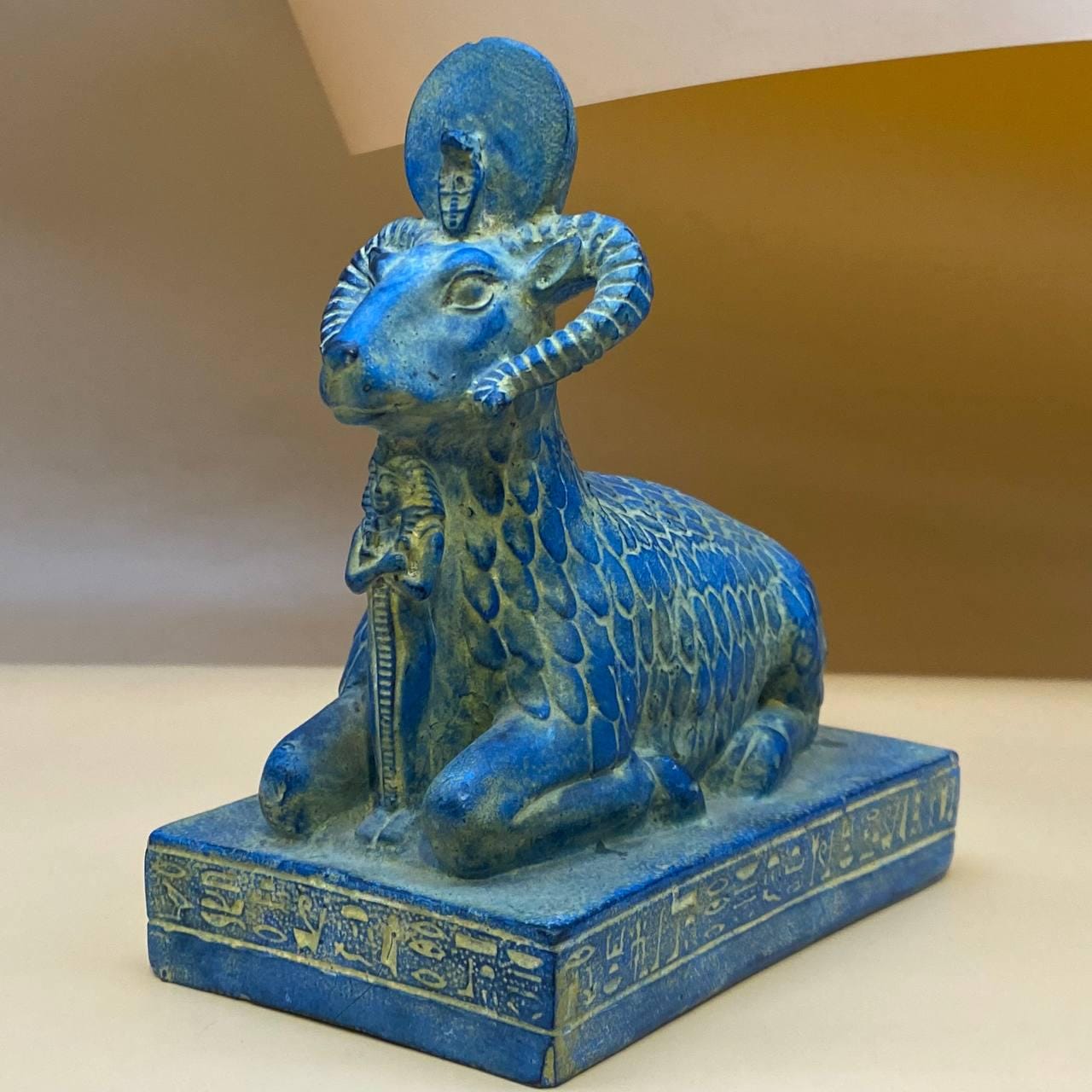
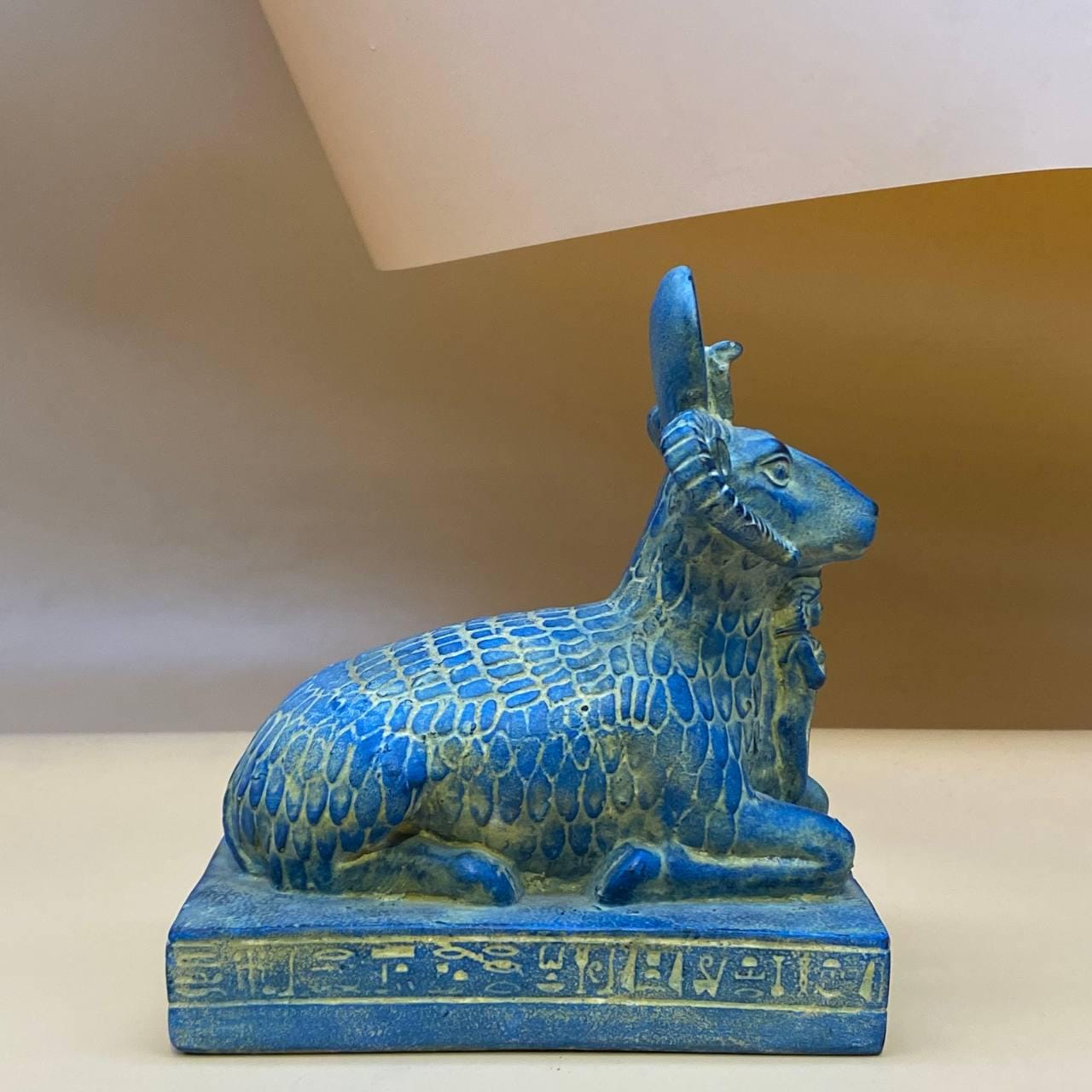
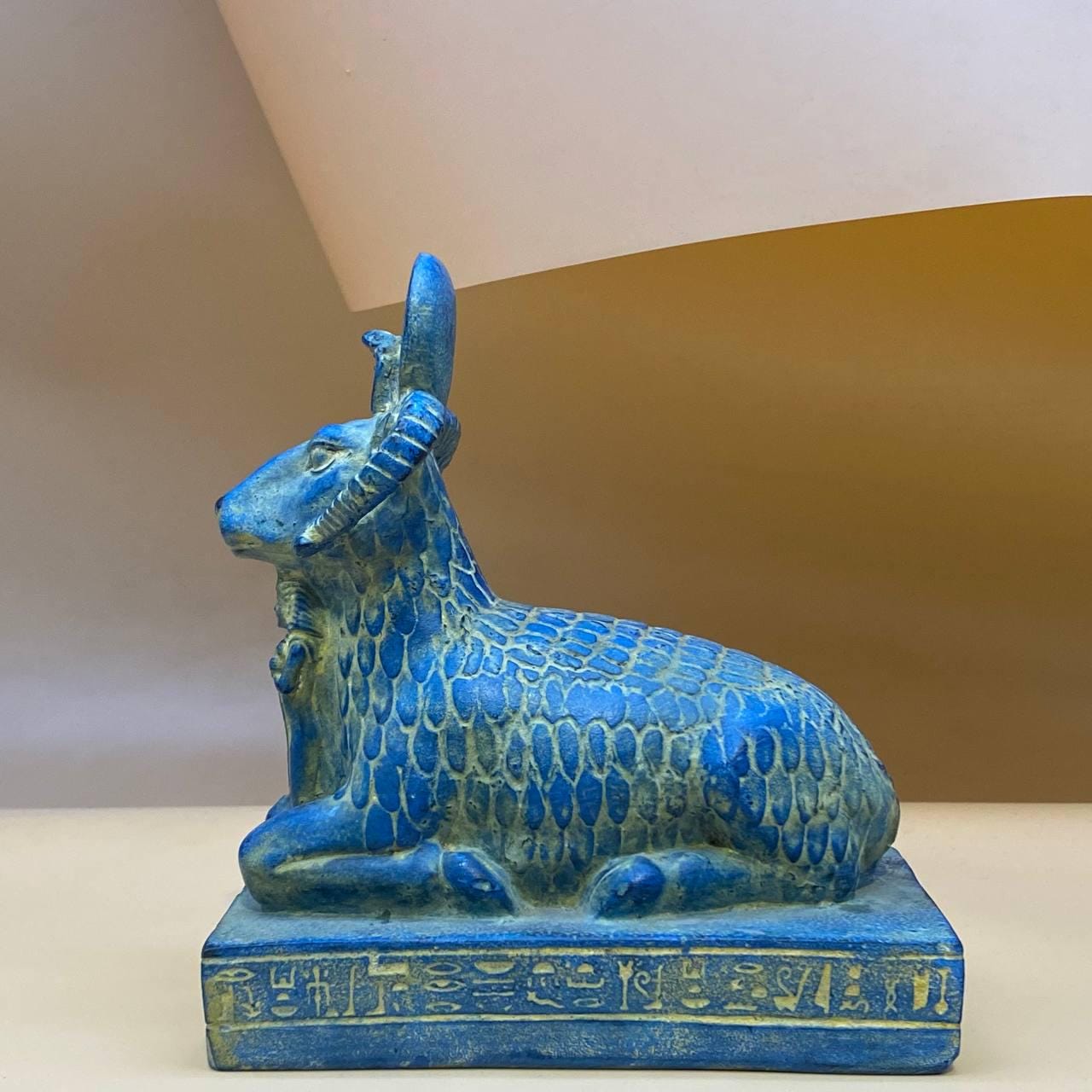
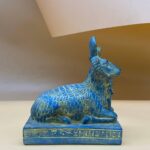
Add a powerful symbol of ancient Egyptian heritage to your collection with this Amun Hidden God Stone Statue, crafted from stone and inspired by Amun, the major Theban deity associated with creation, kingship, hidden divine power, and fertility. A distinctive choice for collectors, mythology lovers, Egyptian décor, and unique cultural gifts.
Amun Hidden God Stone Statue – Ancient Egyptian Theban Deity Sculpture
Description of Art
Amun Hidden God Stone Statue crafted from stone and inspired by one of the most influential deities of ancient Egyptian religion.
Amun began as an important god associated especially with Thebes and eventually became one of Egypt’s most powerful state deities. His name is commonly connected with the meaning “The Hidden One,” reflecting his mysterious and unseen divine nature.
This Egyptian-inspired statue is a distinctive addition to mythology collections, Egyptian décor, libraries, offices, historical displays, and unique cultural gifts.
Product Details
Material: Stone
Deity: Amun / Amun-Ra
Style: Ancient Egyptian Inspired
Type: Decorative Egyptian Deity Sculpture
Main Themes: Creation, Kingship, Hidden Power & Fertility
Who Was the Egyptian God Amun?
Amun was one of the major deities of ancient Egypt.
His religious importance grew enormously over time, particularly through his association with the city of Thebes.
His strongest associations included:
- Creation
- Divine authority
- Kingship
- Hidden power
- Fertility
- Protection of the ruler
Although the original description calls Amun simply a sun god, that is too simplified.
Amun’s strong solar identity developed especially through his fusion with Ra, creating the composite deity Amun-Ra.
Amun – “The Hidden One”
Amun’s name is commonly understood as meaning “The Hidden One.”
This concept emphasized a divine power that could not necessarily be seen directly but whose influence could be understood throughout creation.
For modern symbolic interpretation, an Amun Hidden God Stone Statue can evoke:
Mystery • Divine Power • Creation • Authority • Wisdom
This distinctive identity sets Amun apart from purely solar gods such as Ra.
Amun and Thebes
Amun became particularly associated with Thebes, the great religious center in Upper Egypt.
As Theban rulers gained political power, Amun’s prestige increased dramatically.
During the New Kingdom, his cult became exceptionally influential, and enormous temple complexes were expanded in his honor.
The most famous was Karnak, one of the greatest religious complexes of ancient Egypt.
Amun and Karnak Temple
Karnak became the principal cult center of Amun.
Generations of Egyptian rulers expanded the complex with:
- Temples
- Pylons
- Obelisks
- Courtyards
- Sacred shrines
- Monumental statues
This close connection between Amun and royal building programs reinforced his position as one of Egypt’s dominant state gods.
For collectors, Amun-inspired imagery therefore evokes both religious power and the monumental architecture of the New Kingdom.
Amun and Ra
One of the most important developments in Amun’s religious history was his combination with Ra, the great solar deity.
The resulting deity, Amun-Ra, united aspects of Amun’s hidden creative power with Ra’s solar identity.
Amun-Ra became especially important during the New Kingdom and could be viewed as one of the highest-ranking gods of Egyptian state religion.
This means it is more accurate to say:
“Amun acquired powerful solar associations through his syncretism with Ra.”
rather than:
“Amun was originally simply the sun god.”
Amun as a Creator Deity
Amun developed significant associations with creation.
Different Egyptian religious centers maintained their own creation traditions, so he should not be described as the single uncontested creator god of all ancient Egypt.
Instead, Amun became one of several important Egyptian creator deities.
For modern collectors, his imagery can symbolically represent:
- Creation
- Hidden potential
- Divine authority
- Life-giving power
- Cosmic order
Amun and Fertility
Amun could also be associated with fertility and generative power.
One of his sacred animal forms was the ram, which carried associations with vigor and fertility.
He could therefore appear:
- As a human male deity
- As a ram
- With ram-related imagery
- Wearing his characteristic tall feathered crown
These visual features make Amun recognizable in ancient Egyptian art.
Amun’s Feathered Crown
One of Amun’s most famous attributes is his tall crown featuring two long vertical feathers.
This distinctive headdress appears frequently in Egyptian temple reliefs and sculptures and became one of the easiest ways to identify him.
If your statue includes the double-feather crown, that detail should be highlighted in product photos and listings because it strongly reinforces the deity’s identity.
Amun and the Ram
The ram was another important symbol associated with Amun.
Ram-headed or ram-form representations appear in Egyptian religious art, particularly within monuments related to his cult.
For modern collectors, ram imagery may add symbolism associated with:
Strength • Fertility • Divine Power
However, Amun was not exclusively represented as a ram; his human form with the tall plumed crown remained equally important.
Amun, Mut, and Khonsu
Amun formed part of the important Theban Triad.
The divine family consisted of:
Amun – Father
Mut – Mother
Khonsu – Son
Mut was an important mother goddess and royal protector, while Khonsu was associated particularly with the moon and lunar cycles.
Together, they became central to the religious identity of Thebes.
This makes an Amun statue particularly suitable alongside sculptures of Mut and Khonsu.
Amun and Egyptian Kingship
During the New Kingdom, Amun became deeply connected with royal authority.
Pharaohs sought his favor and emphasized their relationship with the deity through:
- Temple building
- Offerings
- Royal inscriptions
- Festivals
- Monumental art
The god’s support could help express and reinforce the divine legitimacy of the ruler.
For modern symbolic interpretation, Amun can therefore represent:
Leadership • Authority • Protection • Divine Favor
The Festival of Opet
Amun also played a central role in major religious festivals, especially the Opet Festival at Thebes.
During this celebration, divine images associated with Amun, Mut, and Khonsu participated in ceremonial processions between important temple complexes.
Such festivals strengthened the relationship among religion, royal authority, and the population.
They also demonstrate that Amun’s cult was not confined simply to temple priests but formed part of the wider ceremonial life of ancient Egypt.
Amun During the Amarna Period
The original description says that Amun declined after the New Kingdom because of Akhenaten and Aten worship.
This chronology is incorrect.
Akhenaten ruled during the New Kingdom itself, in the 18th Dynasty.
During his Aten-centered religious reforms, the cult of Amun was heavily disrupted and the prominence of many traditional gods was reduced.
However, this did not permanently end Amun’s worship.
After Akhenaten’s reign, traditional cults were restored, and Amun again became highly important.
Therefore, a historically accurate description is:
“Amun’s cult was temporarily suppressed during Akhenaten’s Aten-centered reforms in the New Kingdom but was restored afterward.”
Amun After the New Kingdom
Amun’s influence changed over time, but his cult did not simply disappear at the end of the New Kingdom.
His worship continued for centuries in Egypt and beyond.
The god also became especially important in regions farther south, including Nubian religious traditions.
This long history demonstrates the remarkable endurance of Amun’s religious significance.
Amun Beyond Egypt
Amun’s influence eventually extended beyond Egypt.
His cult reached Nubia and parts of the Mediterranean world, and later traditions sometimes identified him with other major gods.
This expanding recognition reflects the prestige that Amun acquired as one of the great divine figures associated with Egyptian religion.
Stone Egyptian Sculpture
This Amun Hidden God Stone Statue is made from stone.
The stone construction gives it a traditional and substantial appearance suitable for:
- Home décor
- Office décor
- Libraries
- Collector shelves
- Display cabinets
- Egyptian-themed interiors
- Museum-inspired displays
Because the product is newly made, it should be marketed as an Egyptian-inspired sculpture or replica, not as an authentic antiquity.
Symbolism for Modern Collectors
For a modern interpretation, Amun can symbolize:
Creation • Hidden Power • Authority • Fertility • Strength • Mystery
These themes make the statue meaningful to buyers interested in Egyptian spirituality, mythology, kingship, and symbolic décor.
Perfect for Collectors
The Amun Hidden God Stone Statue is a distinctive choice for:
- Amun collectors
- Ancient Egyptian art enthusiasts
- Egyptology lovers
- Egyptian mythology fans
- Stone sculpture collectors
- Theban history enthusiasts
- Egyptian home décor
- Office and library displays
- Museum-inspired collections
- Unique cultural gifts
It can also complement statues of Mut, Khonsu, Ra, Ptah, Sekhmet, Horus, Isis, Osiris, and other major Egyptian deities.
Product Details
Product: Amun Hidden God Stone Statue
Deity: Amun / Amun-Ra
Material: Stone
Principal Cult Center: Thebes
Main Temple Association: Karnak
Main Associations: Creation, Kingship, Hidden Power & Fertility
Solar Association: Particularly Through Amun-Ra
Sacred Animal: Ram
Typical Headdress: Double Feathered Crown
Divine Family: Amun, Mut & Khonsu
Style: Ancient Egyptian Inspired
Type: Decorative Stone Sculpture
Use: Collection, Home Décor, Office Décor & Cultural Gift
Related products
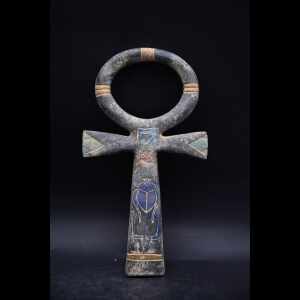
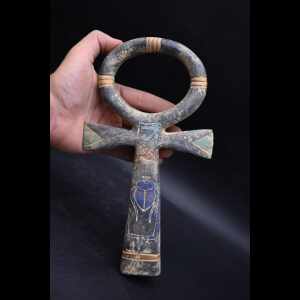
Ankh Statue: Key of Life, Scarab & Eye of Horus – Egyptian Symbol
Add a meaningful combination of ancient Egyptian symbolism to your space with this Ankh Scarab Eye of Horus Statue, featuring the iconic Key of Life, protective Eye of Horus, and blue scarab. Symbolizing life, protection, restoration, rebirth, and renewal, it is a distinctive choice for Egyptology collectors, Egyptian décor, mythology lovers, and unique cultural gifts.
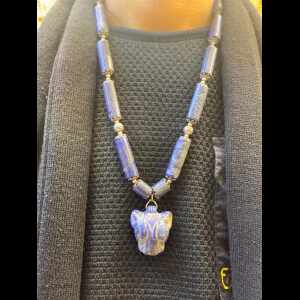
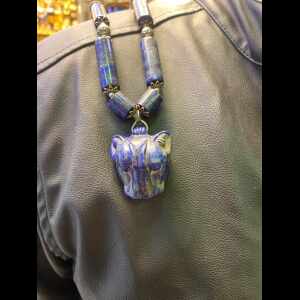
Handmade Lapis Lazuli Sekhmet Necklace: Egyptian Goddess Jewelry
Add a powerful touch of ancient Egyptian symbolism to your jewelry collection with this 150 g Lapis Sekhmet Necklace, handcrafted from natural lapis lazuli stone with elegant silver-tone metal accents. Inspired by Sekhmet, the lioness goddess of strength, protection, healing, and solar power, it is a striking choice for mythology lovers, statement-jewelry collectors, and unique cultural gifts.
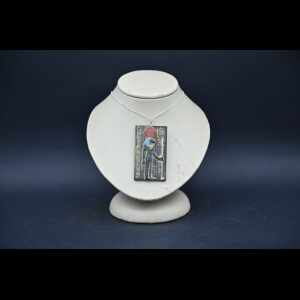
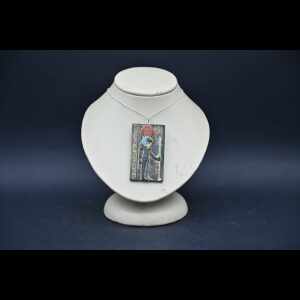
Handmade Stone Sekhmet Amulet, Egyptian Goddess of War
Add a powerful symbol of ancient Egyptian strength to your collection with this Sekhmet Stone Protection Amulet, crafted from stone and inspired by Sekhmet, the lioness goddess of war, protection, healing, medicine, and solar power. A distinctive choice for Egyptology enthusiasts, mythology lovers, symbolic décor collectors, and unique cultural gifts.
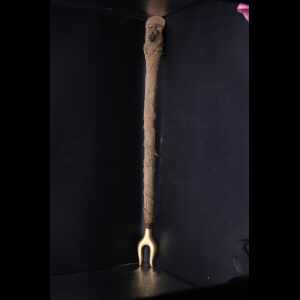
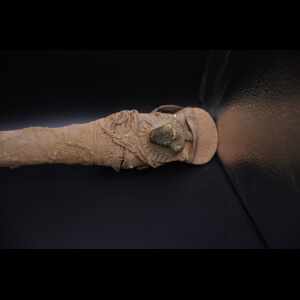
Sekhmet Scepter Was Stick, Egyptian Symbol of Strength, 50cm, Made in Egypt
Add a powerful symbol of ancient Egyptian authority to your collection with this 50 cm Sekhmet Was Scepter, handcrafted in Egypt from wood, linen, and copper. Featuring a Sekhmet-inspired design and the iconic Was symbol of dominion and power, it is a distinctive choice for Egyptology collectors, mythology lovers, Egyptian décor, and museum-inspired displays.
Seshat Statue: Egyptian Goddess of Wisdom Stone Sculpture
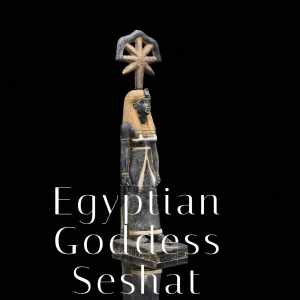
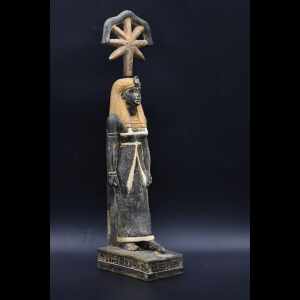
Add a distinctive symbol of ancient Egyptian knowledge to your collection with this 35 cm Seshat Stone Statue, handcrafted in Egypt and measuring 35 × 7 × 9 cm. Inspired by Seshat, the goddess of writing, record keeping, measurement, mathematics, and building planning, it is an exceptional choice for Egyptology collectors, writers, libraries, offices, and unique cultural gifts.
Egyptian Scarab Bracelet: Brass Beetle Amulet, Ancient Mythology Jewelry
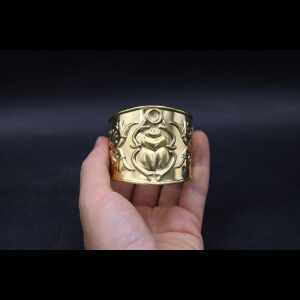
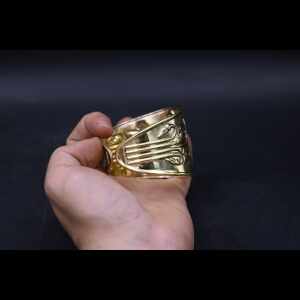
Add a meaningful symbol of ancient Egyptian renewal to your jewelry collection with this Brass Scarab Beetle Bracelet, handcrafted in Egypt from brass and featuring a detailed scarab centerpiece. Inspired by the ancient symbolism of rebirth, transformation, solar renewal, and protection, it is a distinctive choice for mythology lovers, Egyptology enthusiasts, jewelry collectors, and unique cultural gifts.
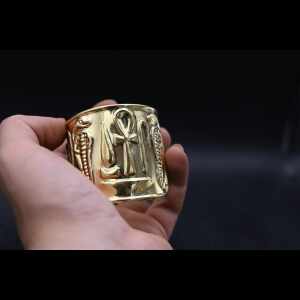

Brass Nile Key Bracelet: Winged Cobra Talisman, Egyptian Protection
Add a powerful combination of ancient Egyptian symbolism to your jewelry collection with this Brass Ankh Cobra Protection Bracelet, handcrafted in Egypt from brass and designed for women and men. Featuring the iconic Key of Life flanked by winged cobras, it symbolizes life, protection, guardianship, and royal authority, making it a distinctive choice for mythology lovers, collectors, and unique cultural gifts.
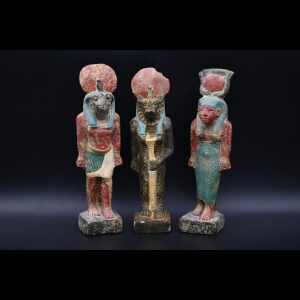
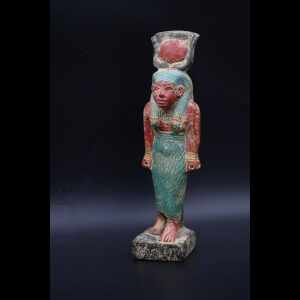
Handcrafted Hathor, Sekhmet, & Horus Statues: Egyptian Deities (20 cm)
Add a distinctive collection of ancient Egyptian symbolism to your space with this Hathor Sekhmet Horus Statue Set, featuring three 20 cm handcrafted statues made from colored natural stone. Representing love and motherhood, strength and healing, and kingship and protection, this set is ideal for collectors, Egyptian décor, mythology lovers, and unique cultural gifts.


Reviews
There are no reviews yet.