

Sekhmet Statue: Egyptian Goddess of War, Stone Antiquity
$156.00
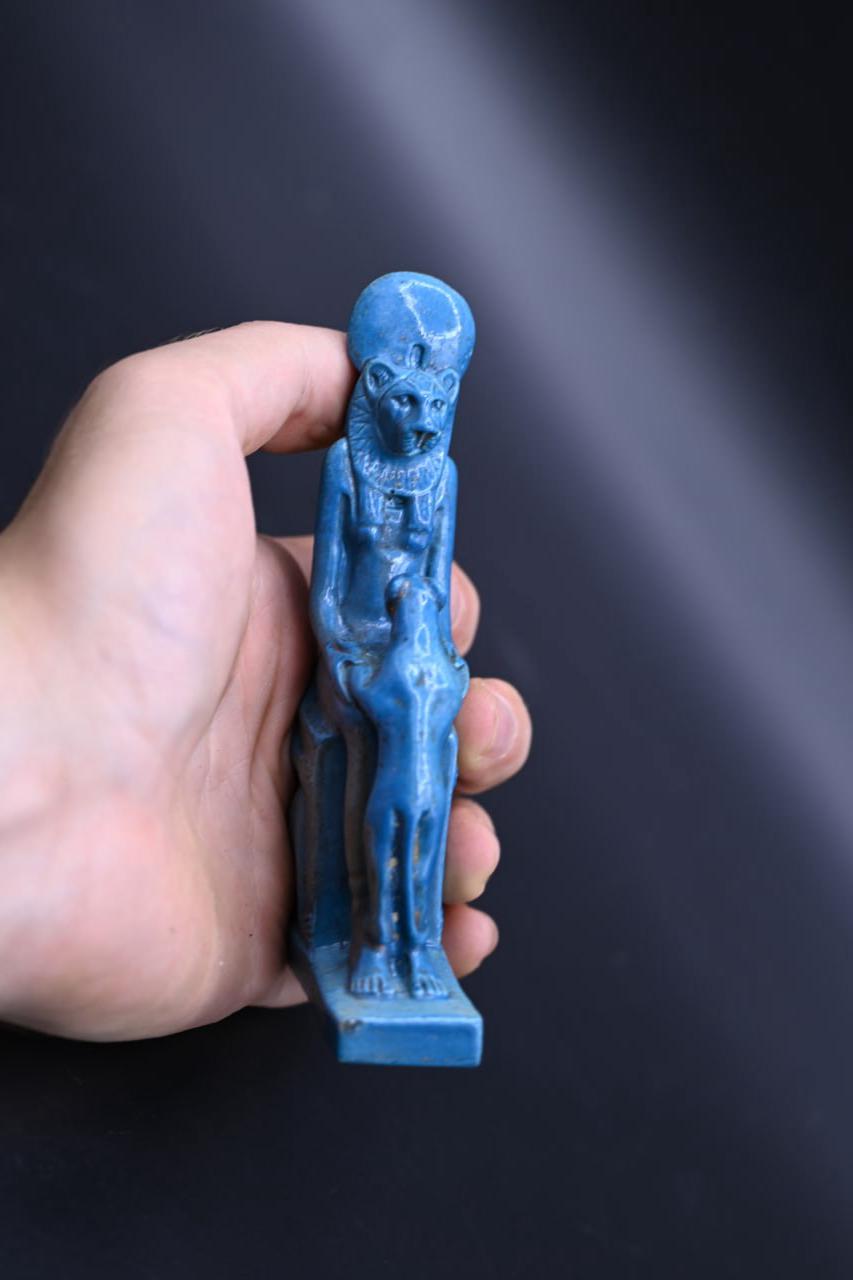
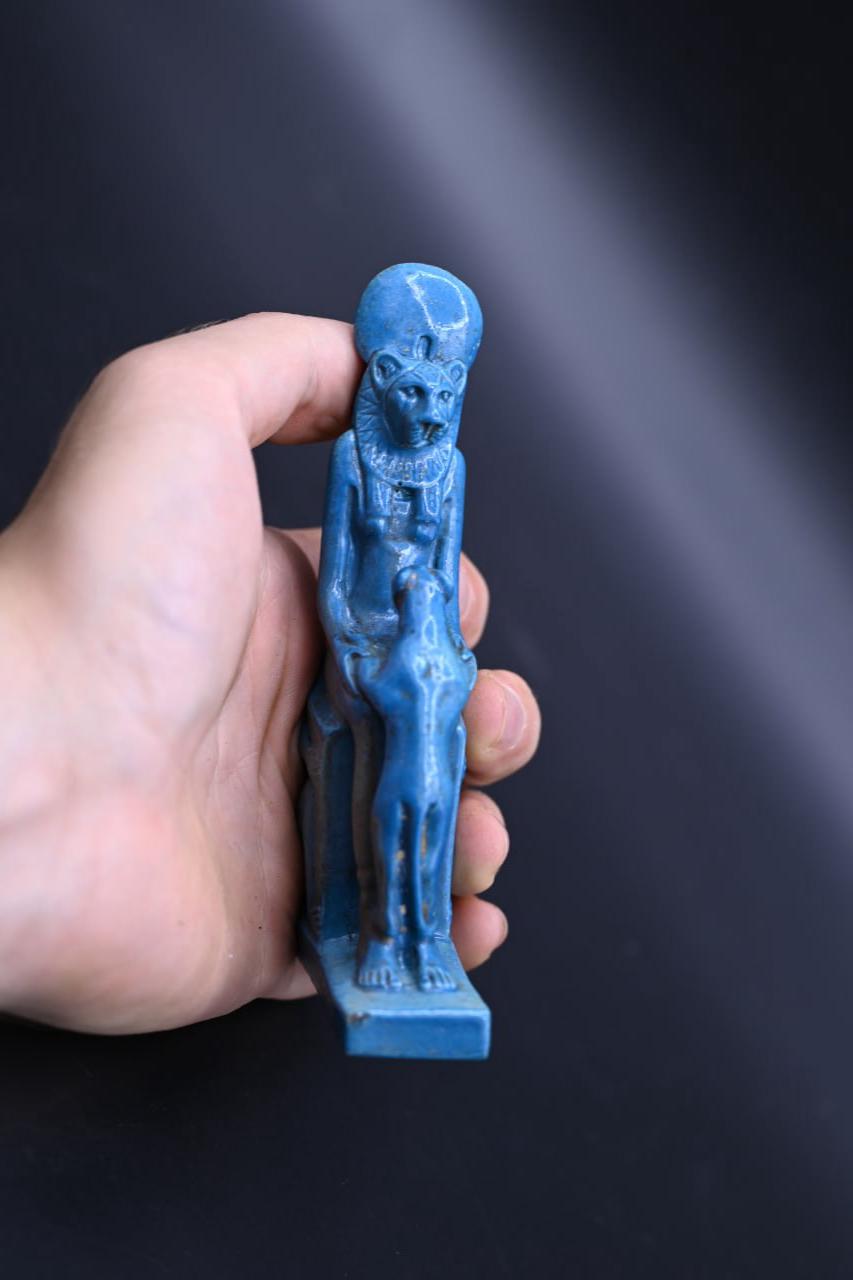
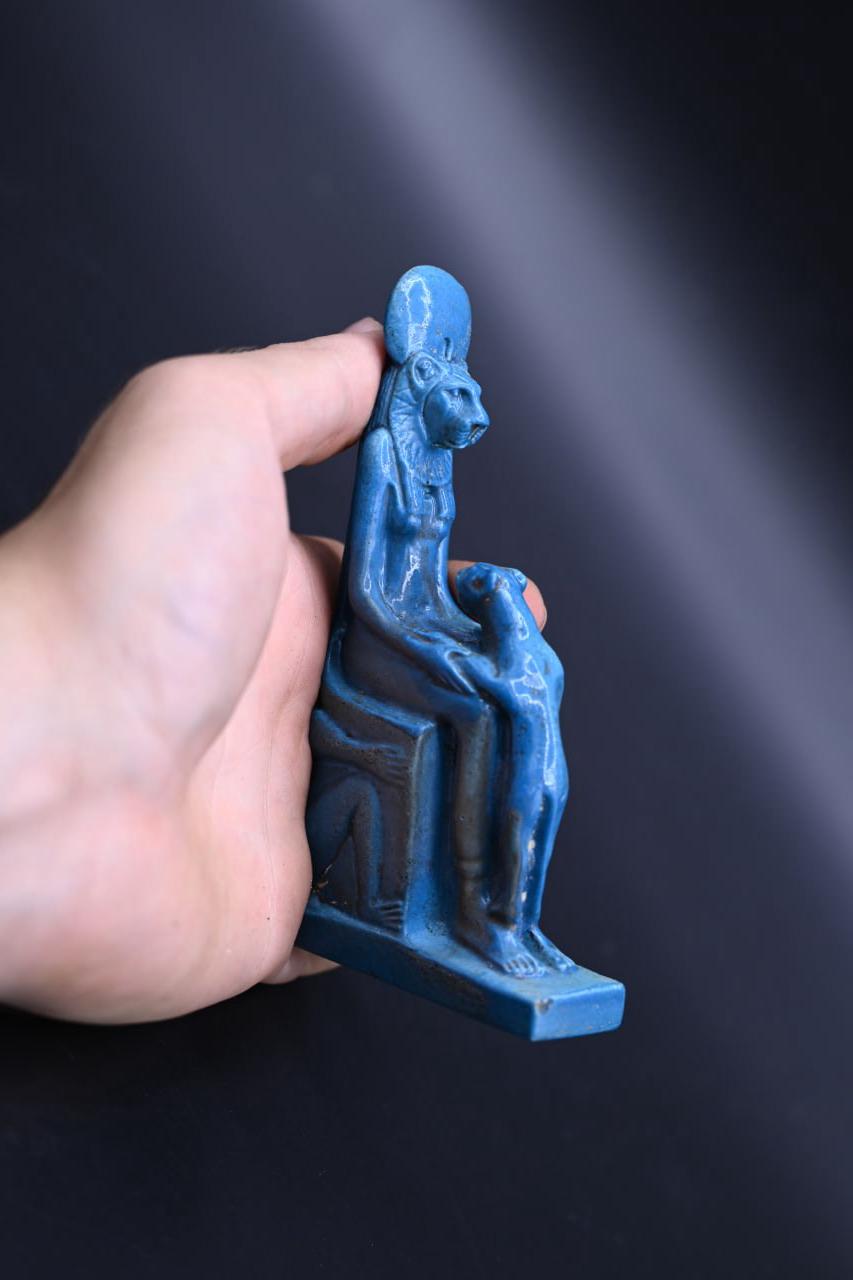
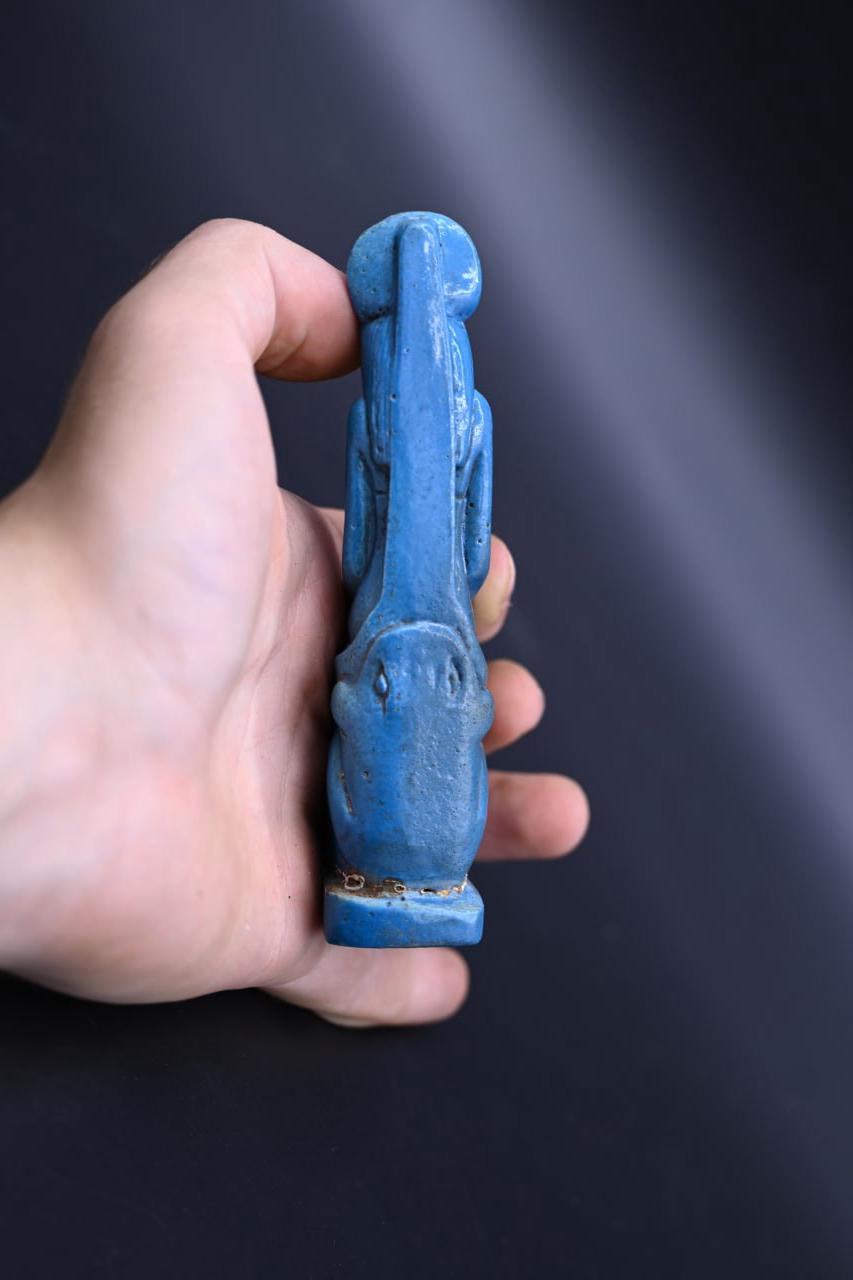
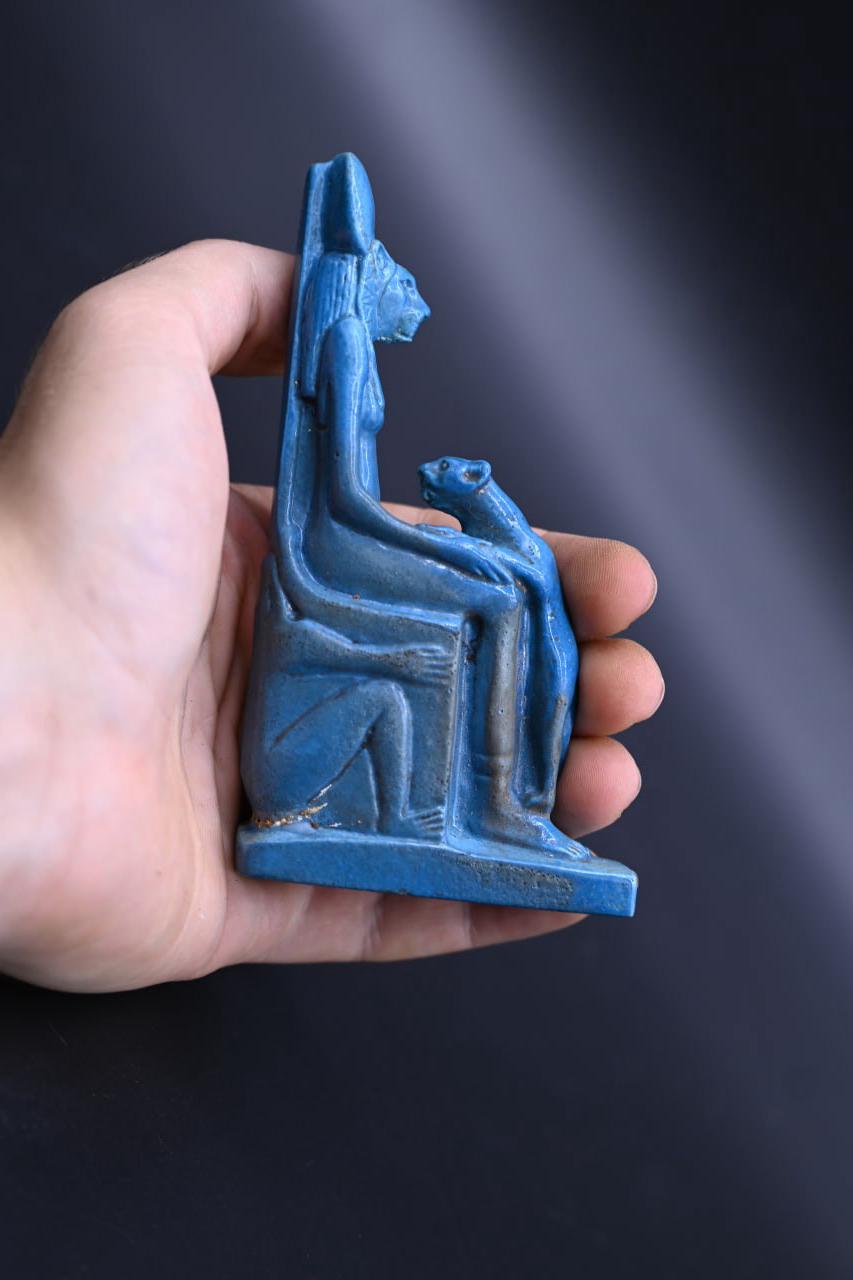
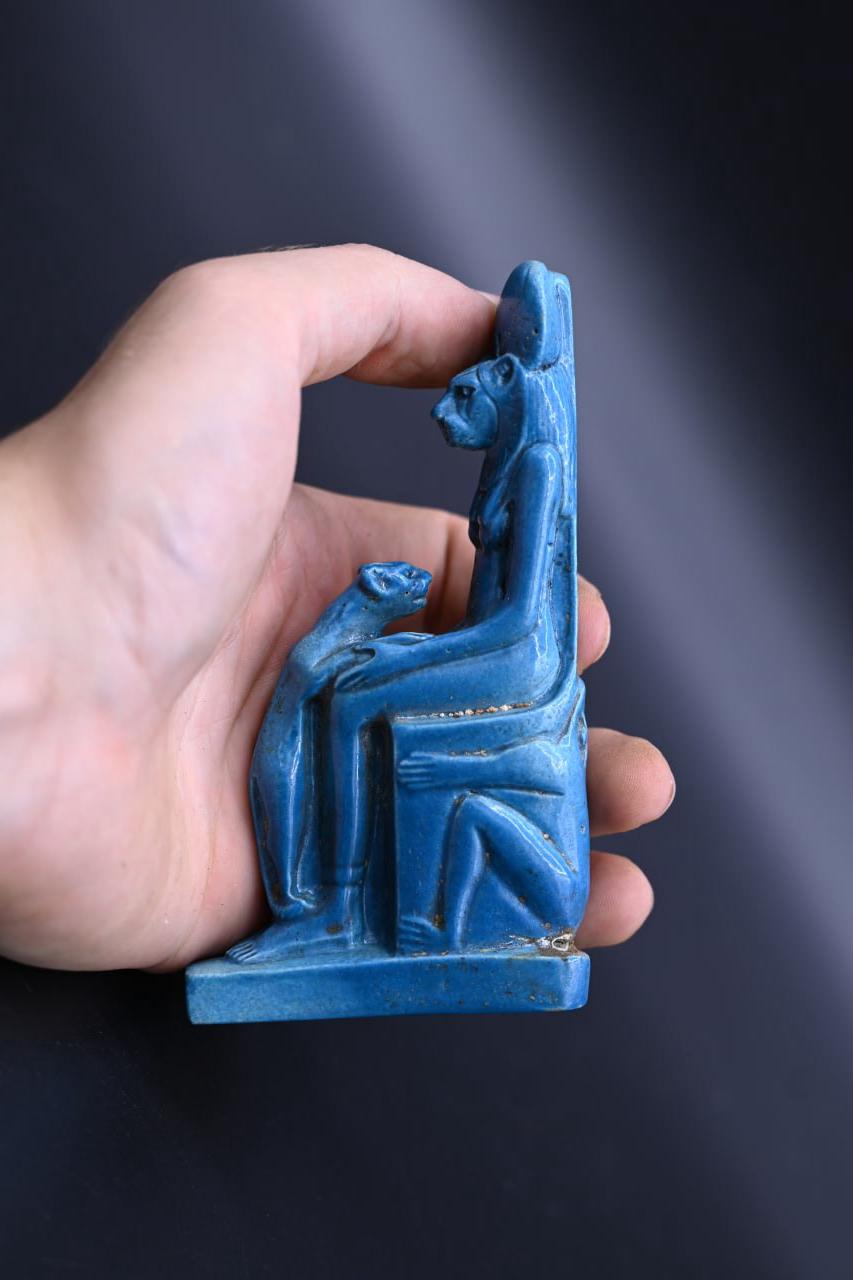
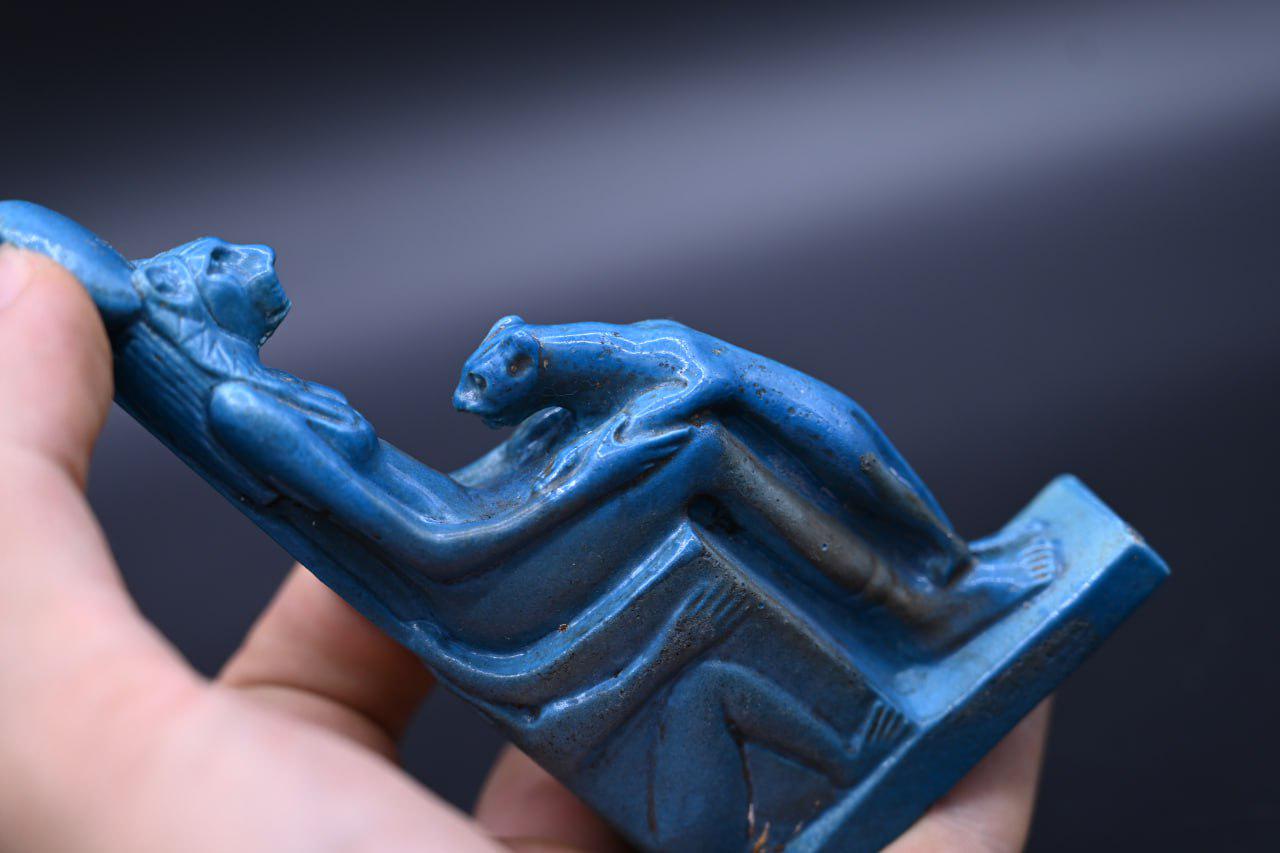
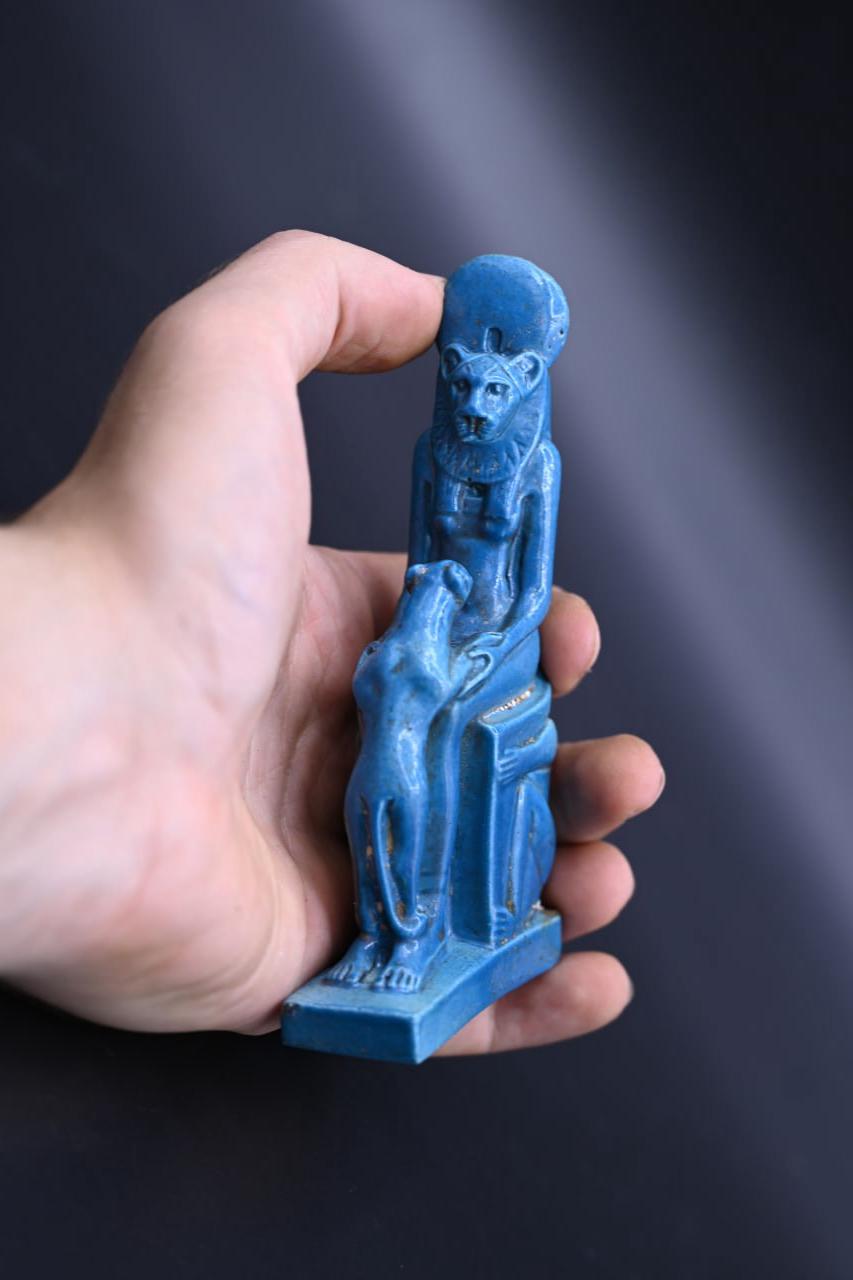
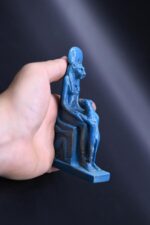
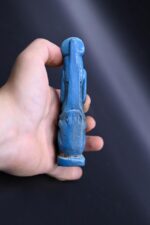
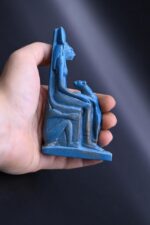
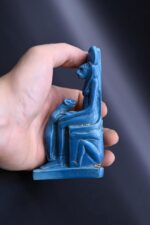
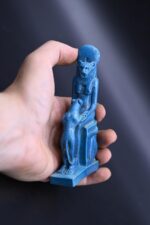
Add a powerful symbol of ancient Egyptian strength to your collection with this Stone Lioness Sekhmet Statue, crafted from stone and inspired by Sekhmet, the lioness goddess of war, protection, healing, medicine, and solar power. A distinctive choice for collectors, mythology lovers, Egyptian décor, museum-inspired displays, and unique cultural gifts.
Stone Lioness Sekhmet Statue – Egyptian Goddess Sculpture
Description of Art
Stone Lioness Sekhmet Statue inspired by one of the most powerful and recognizable goddesses of ancient Egyptian religion.
Crafted from stone, this decorative sculpture represents Sekhmet in her characteristic lioness form, reflecting her associations with war, protection, healing, medicine, destructive power, and solar energy.
Sekhmet’s fierce appearance and complex symbolism make this statue a distinctive addition to Egyptian mythology collections, home décor, offices, libraries, and museum-inspired displays.
Product Details
Material: Stone
Deity: Sekhmet
Form: Lioness-Headed Goddess
Main Associations: War, Protection, Healing, Medicine & Solar Power
Style: Ancient Egyptian Inspired
Type: Decorative Egyptian Goddess Sculpture
Dimensions: Not Provided
Who Was Sekhmet?
Sekhmet was one of ancient Egypt’s most powerful goddesses.
Her name is commonly translated as “The Powerful One,” an appropriate title for a deity whose character combined destructive force with protection and healing.
She was usually represented as a woman with the head of a lioness, often wearing a solar disk.
Her major associations included:
War
Protection
Destructive power
Healing
Medicine
Disease and epidemics
Solar power
Royal protection
For modern collectors, the Stone Lioness Sekhmet Statue can symbolically evoke:
Strength • Courage • Protection • Healing • Resilience
Sekhmet and the Lioness
The lioness was an ideal symbol for Sekhmet’s divine power.
Ancient Egyptians were familiar with the strength and danger of lions, and the lioness became closely connected with fierce protective and destructive forces.
Sekhmet’s lioness-headed appearance communicated both:
Danger and Protection
Her power could threaten enemies while also guarding the king and the Egyptian people.
Sekhmet and War
Sekhmet was strongly associated with warfare and royal protection.
Her fierce power could be invoked against enemies, and she represented the destructive force necessary to defend divine and royal order.
This connection made her especially important in royal ideology.
However, Sekhmet should not be understood only as a goddess of destruction.
Her mythology also reveals another important side: healing and medicine.
Sekhmet and Healing
One of Sekhmet’s most fascinating characteristics is the combination of destructive and healing powers.
Ancient Egyptians could associate disease with dangerous divine forces, but the same power that caused illness could also be invoked to prevent or cure it.
Sekhmet therefore became closely associated with:
Medicine • Healing • Protection from Disease
Her priests were also connected with medical knowledge and healing practices.
This duality makes Sekhmet one of the most complex deities in Egyptian mythology.
Sekhmet and the Sun
Sekhmet had strong solar associations and was linked with the fiery, destructive power of the sun.
Her connection with solar deities helped reinforce her role as an embodiment of intense divine energy.
For this reason, a Stone Lioness Sekhmet Statue can represent not only physical strength but also powerful protective solar force.
The Destruction of Mankind
One of the most famous myths involving Sekhmet appears in the story commonly called the Destruction of Mankind.
In the myth, humanity rebels against the aging sun god Ra, who sends his fierce Eye in the form of a destructive goddess to punish them.
The goddess becomes so violent that the destruction must eventually be stopped.
The original description says Ra turned the Nile River into beer.
That is not the best wording.
A more accurate version is that large quantities of beer were colored red to resemble blood and spread out for the goddess to drink. She consumed the beer, became intoxicated, and the destruction ended.
This story demonstrates Sekhmet’s extraordinary destructive power as well as the need to calm and transform that power.
Sekhmet and Hathor
The story is sometimes described as Sekhmet becoming Hathor after drinking the red beer.
The relationship between Sekhmet and Hathor is more complex than a simple permanent transformation.
Egyptian religious traditions could connect different goddesses through shared solar and Eye-of-Ra characteristics, but Sekhmet and Hathor remained distinct divine figures.
For product copy, it is better to avoid saying Sekhmet simply “returned to her form as Hathor.”
Sekhmet and the Memphite Triad
Sekhmet also played an important role in the religious traditions of Memphis.
She formed part of the Memphite Triad with:
Ptah – Creator God
Sekhmet – Powerful Lioness Goddess
Nefertem – Lotus and Fragrance God
This divine family became an important element of Egyptian religious tradition.
Sekhmet in the New Kingdom
Sekhmet was especially prominent during the New Kingdom, but her religious importance was not limited exclusively to that period.
One of the most remarkable examples of her popularity comes from the reign of Amenhotep III, who commissioned a very large number of Sekhmet statues.
These statues emphasized the goddess’s protective and powerful nature and helped make her lioness-headed form one of the most recognizable images in Egyptian art.
Protection and Powerful Symbolism
For modern decorative interpretation, Sekhmet imagery can symbolize:
Strength • Protection • Courage • Healing • Resilience • Powerful Feminine Energy
These modern meanings are inspired by her ancient religious roles.
This makes a Sekhmet sculpture particularly suitable as a meaningful gift or symbolic decorative object.
Stone Egyptian Sculpture
This Stone Lioness Sekhmet Statue is described simply as being made of stone.
Because no specific stone type is provided, avoid describing it as:
Basalt
Granite
Limestone
Marble
Onyx
unless the exact material is confirmed.
Keeping the product material as simply stone is the most accurate option.
Ideal for Egyptian-Inspired Interiors
The statue can work beautifully in:
Living rooms
Libraries
Offices
Bookshelves
Display cabinets
Collector rooms
Egyptian-themed interiors
Museum-inspired displays
Its lioness imagery gives it a strong visual presence even when displayed alongside other Egyptian deities.
A Unique Egyptian Gift
The Stone Lioness Sekhmet Statue is a distinctive choice for:
Sekhmet collectors
Egyptology enthusiasts
Ancient Egyptian mythology lovers
Lioness symbolism collectors
Goddess statue collections
Egyptian décor
History enthusiasts
Unique cultural gifts
Modern Sculpture, Not an Antiquity
Because this is a modern decorative product, avoid words such as:
Egyptian Antique
Authentic Ancient Artifact
Archaeological Statue
Better wording includes:
Ancient Egyptian-Inspired Sekhmet Statue
Egyptian Goddess Sculpture
Museum-Inspired Egyptian Decor
Product Specifications
Product: Stone Lioness Sekhmet Statue
Deity: Sekhmet
Material: Stone
Form: Lioness-Headed Goddess
Main Associations: War, Protection, Healing, Medicine & Solar Power
Symbolic Themes: Strength, Courage, Protection & Healing
Style: Ancient Egyptian Inspired
Type: Decorative Goddess Sculpture
Dimensions: Not Provided
Related products
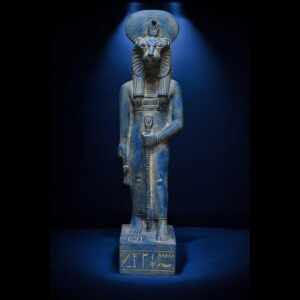
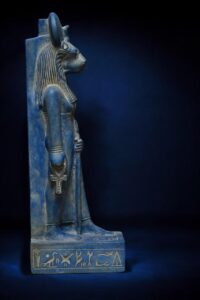
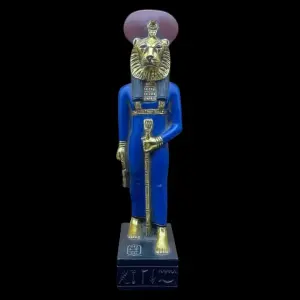
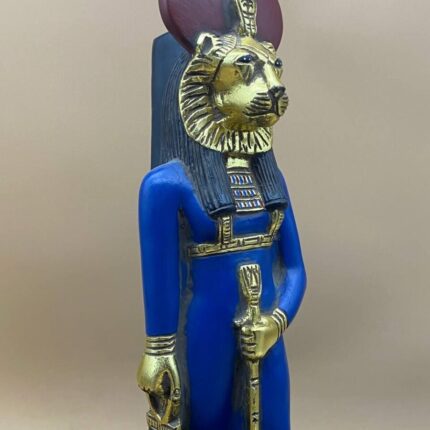
Sekhmet Statue: Egyptian Goddess of War, Stone Sculpture
Add a powerful symbol of ancient Egyptian heritage to your collection with this Sekhmet Lioness Goddess Statue, crafted from stone and inspired by the goddess of strength, protection, healing, and solar power. A striking piece for collectors, history lovers, Egyptian décor, and unique cultural gifts.
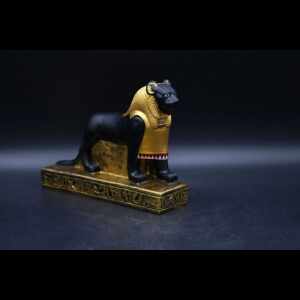
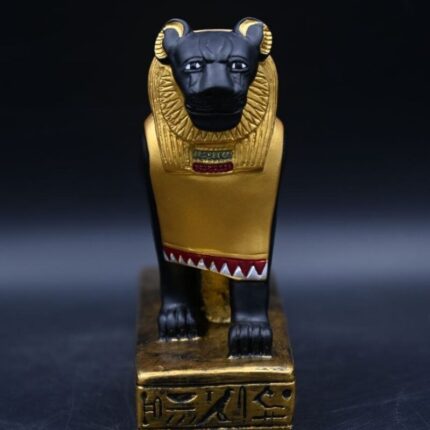

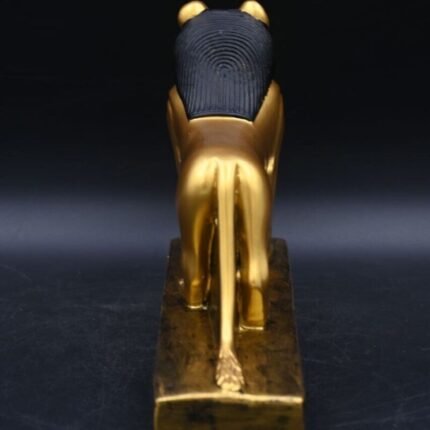
Gold Leaf Sekhmet Statue: Egyptian Lioness Goddess Replica
Add a powerful touch of ancient Egyptian heritage to your collection with this Egyptian Sekhmet Gold Statue, handcrafted from stone and covered with gold leaf. Inspired by Sekhmet, the lioness goddess of strength, protection, war, healing, and solar power, it is a striking choice for collectors, mythology lovers, Egyptian décor, and unique cultural gifts.
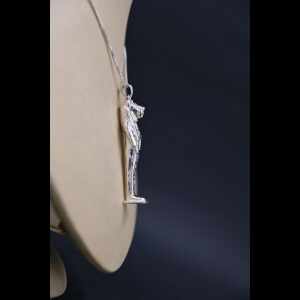
Sterling Silver Sekhmet Goddess Amulet
Add a powerful symbol of ancient Egyptian strength to your jewelry collection with this Pure Silver Sekhmet Amulet, inspired by Sekhmet, the lioness goddess of war, protection, healing, and solar power. Crafted from pure silver, it is a distinctive choice for mythology lovers, silver jewelry collectors, Egyptian-inspired accessories, and unique cultural gifts.
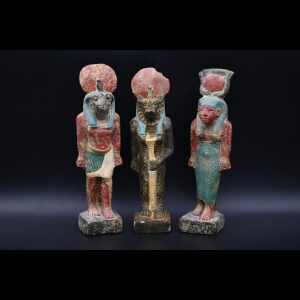
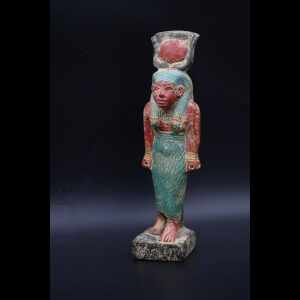
Hathor, Sekhmet, & Horus Statues: Egyptian Deities (20 cm)
Add a distinctive collection of ancient Egyptian symbolism to your space with this Hathor Sekhmet Horus Statue Set, featuring three 20 cm handcrafted statues made from colored natural stone. Representing joy and motherhood, strength and healing, and kingship and protection, this set is ideal for collectors, Egyptian décor, mythology lovers, and unique cultural gifts.
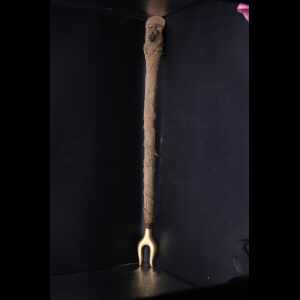
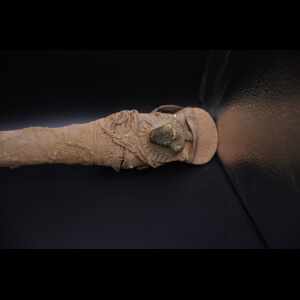
Sekhmet Scepter Was Stick, Egyptian Symbol of Strength, 50cm, Made in Egypt
Add a powerful symbol of ancient Egyptian authority to your collection with this 50 cm Sekhmet Was Scepter, handcrafted in Egypt from wood, linen, and copper. Featuring a Sekhmet-inspired design and the iconic Was symbol of dominion and power, it is a distinctive choice for Egyptology collectors, mythology lovers, Egyptian décor, and museum-inspired displays.


Reviews
There are no reviews yet.