
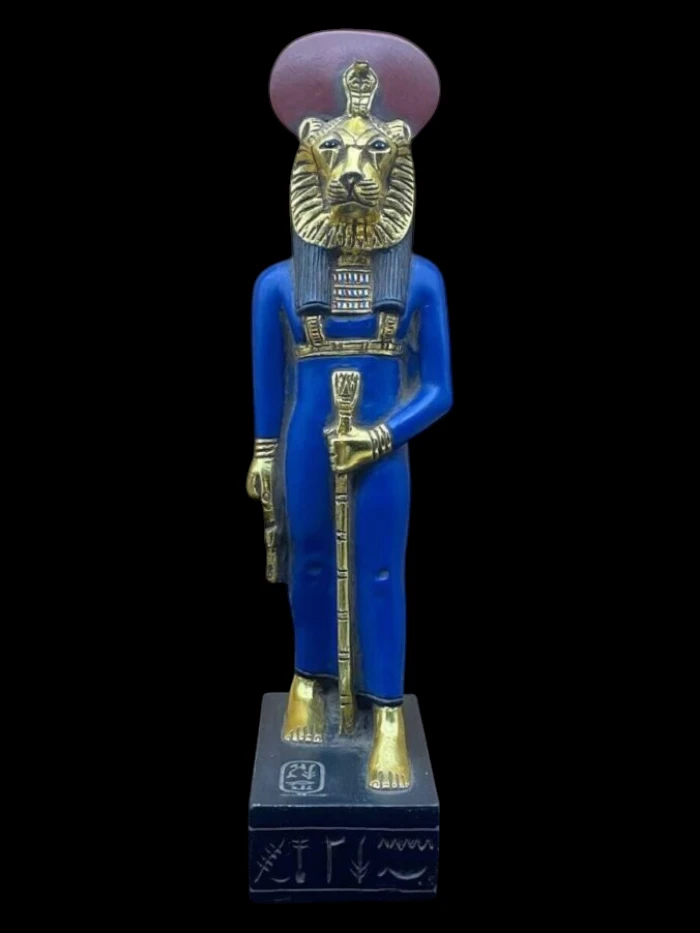
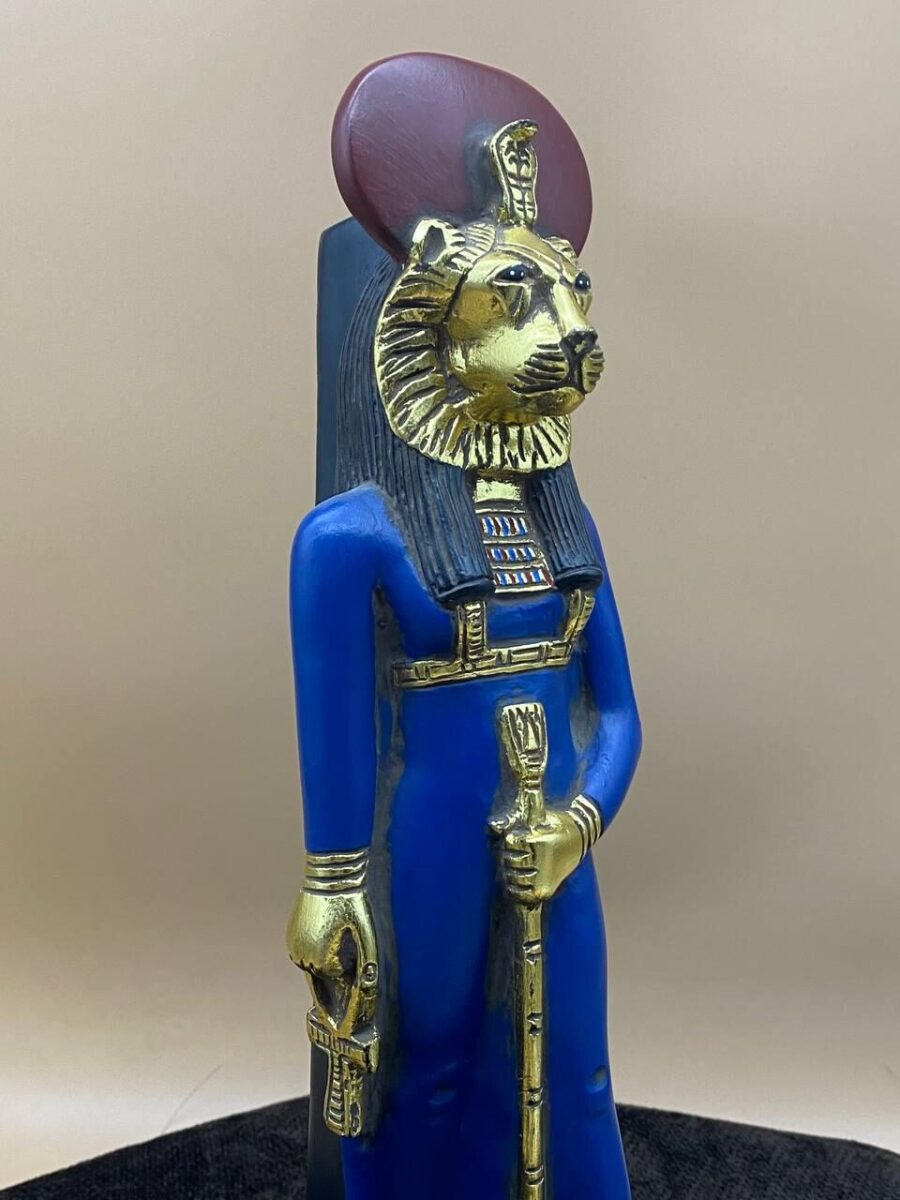
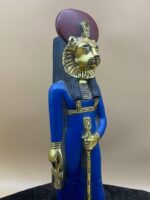
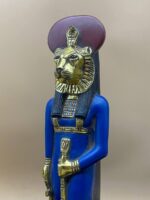
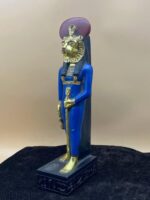
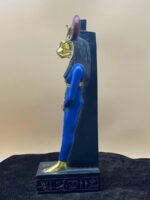
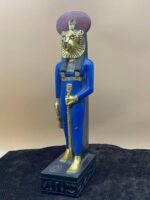
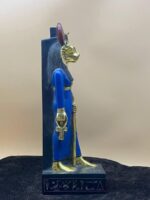
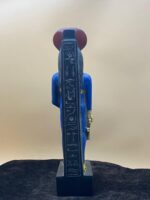
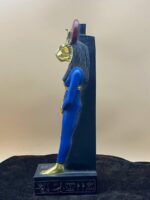
Sekhmet Statue: Egyptian Goddess of War, Stone Sculpture
$325.00
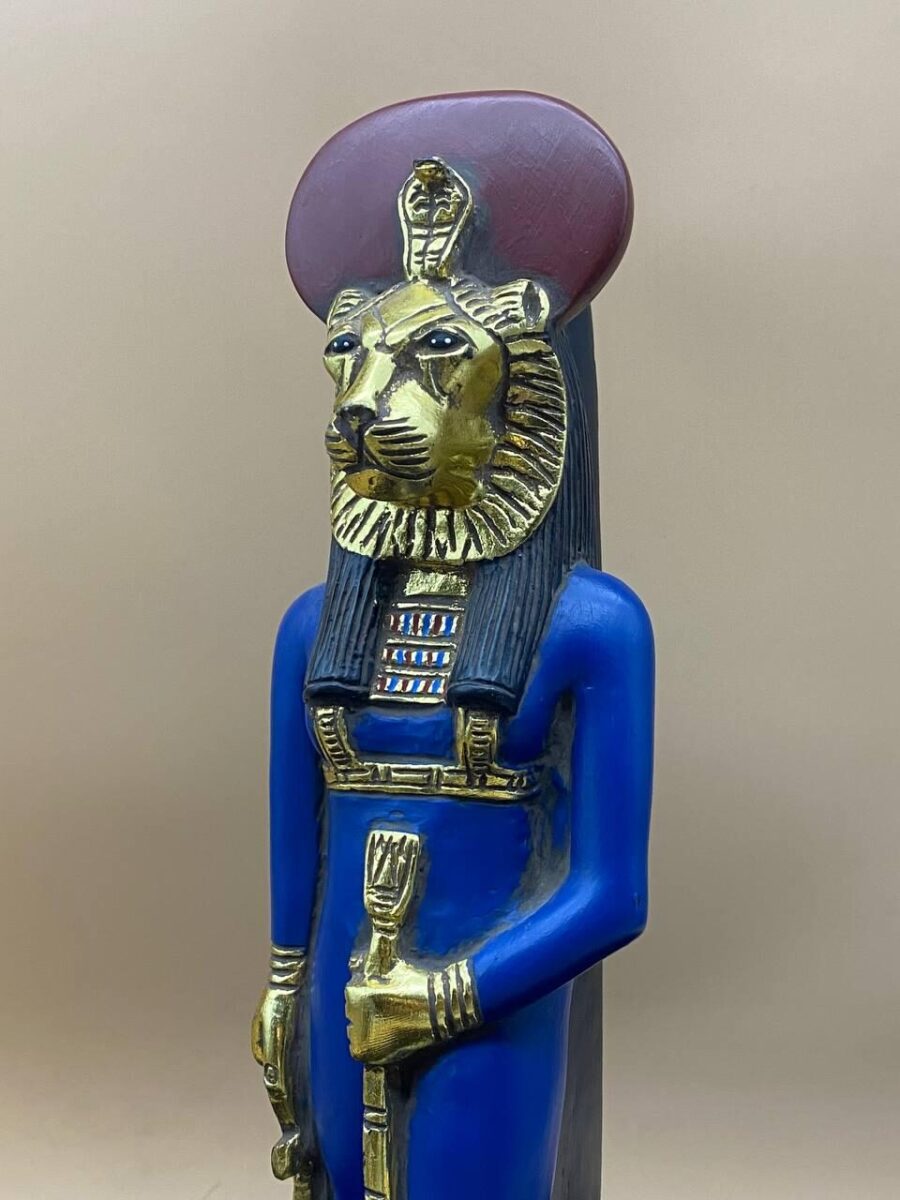
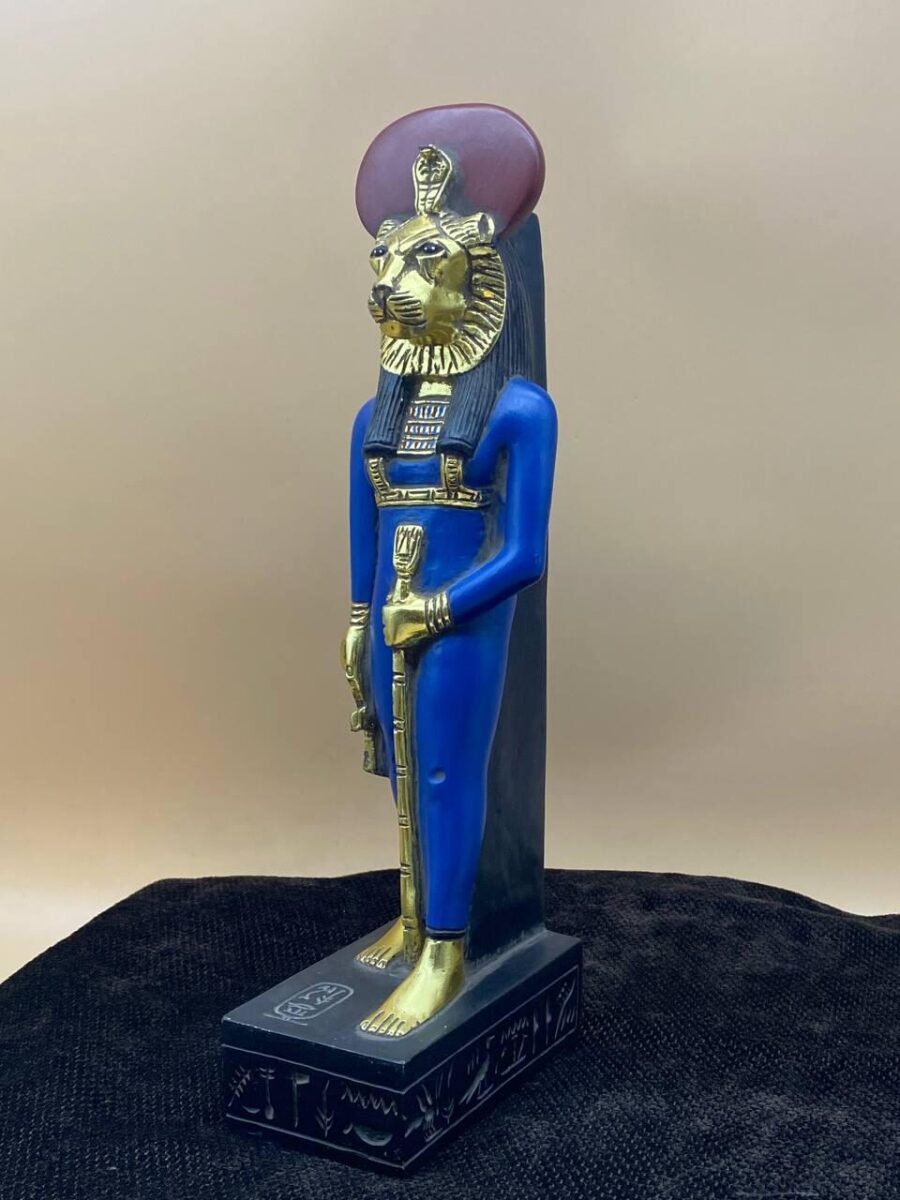
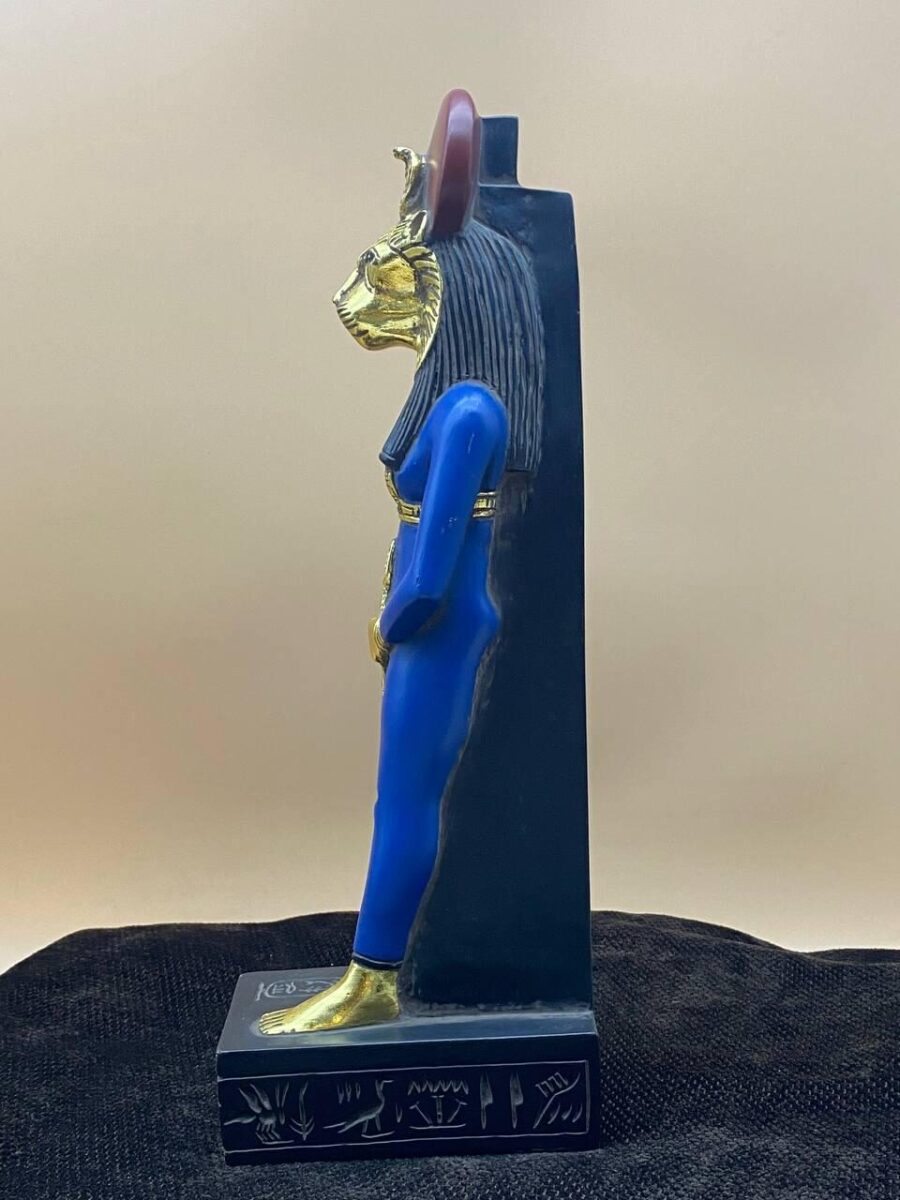
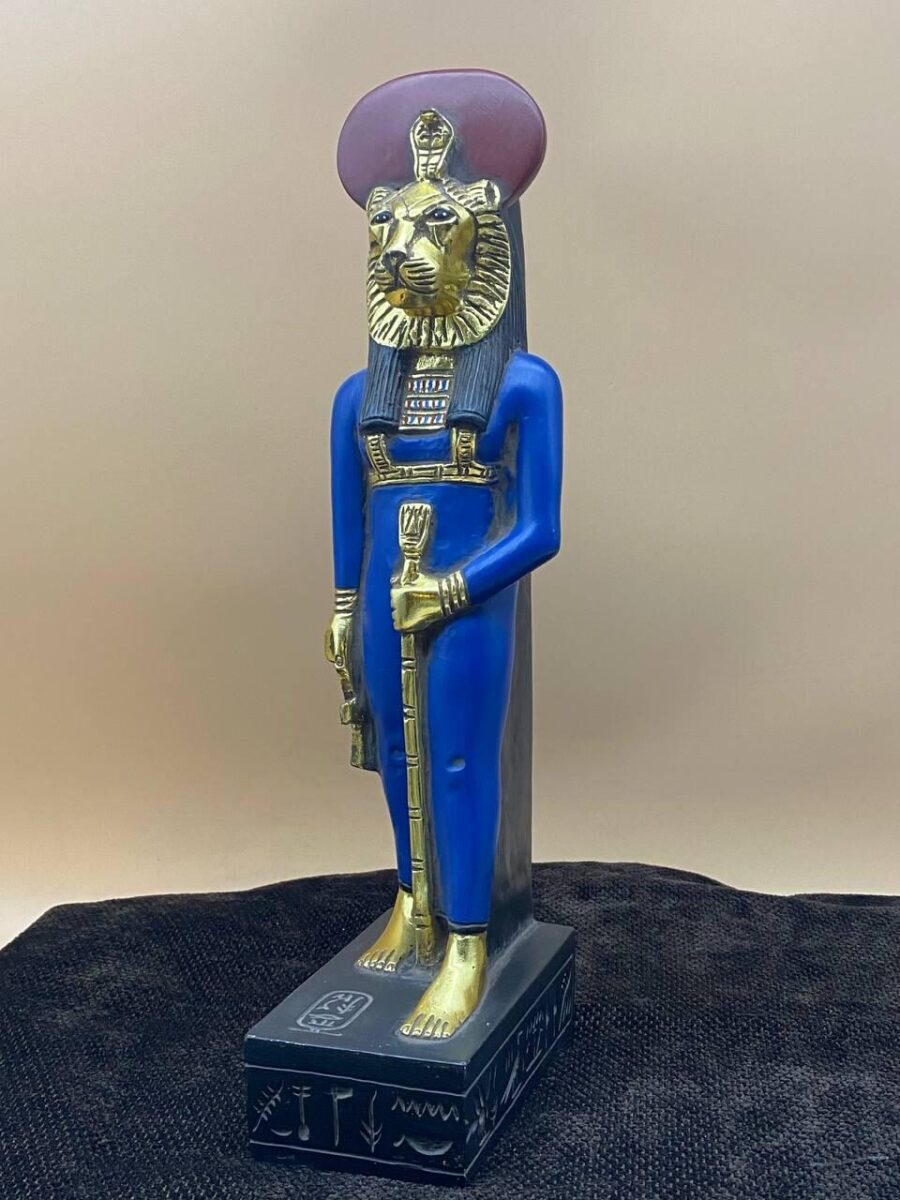
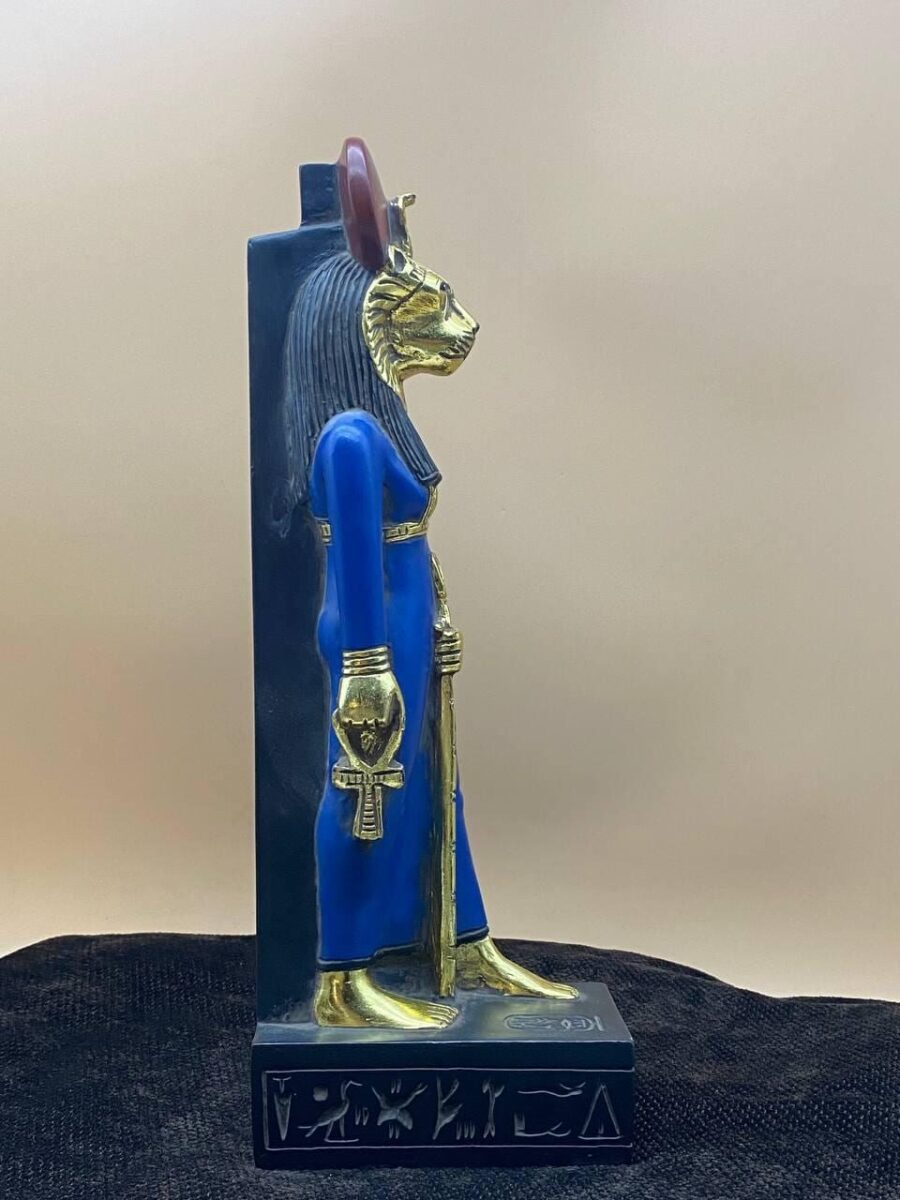
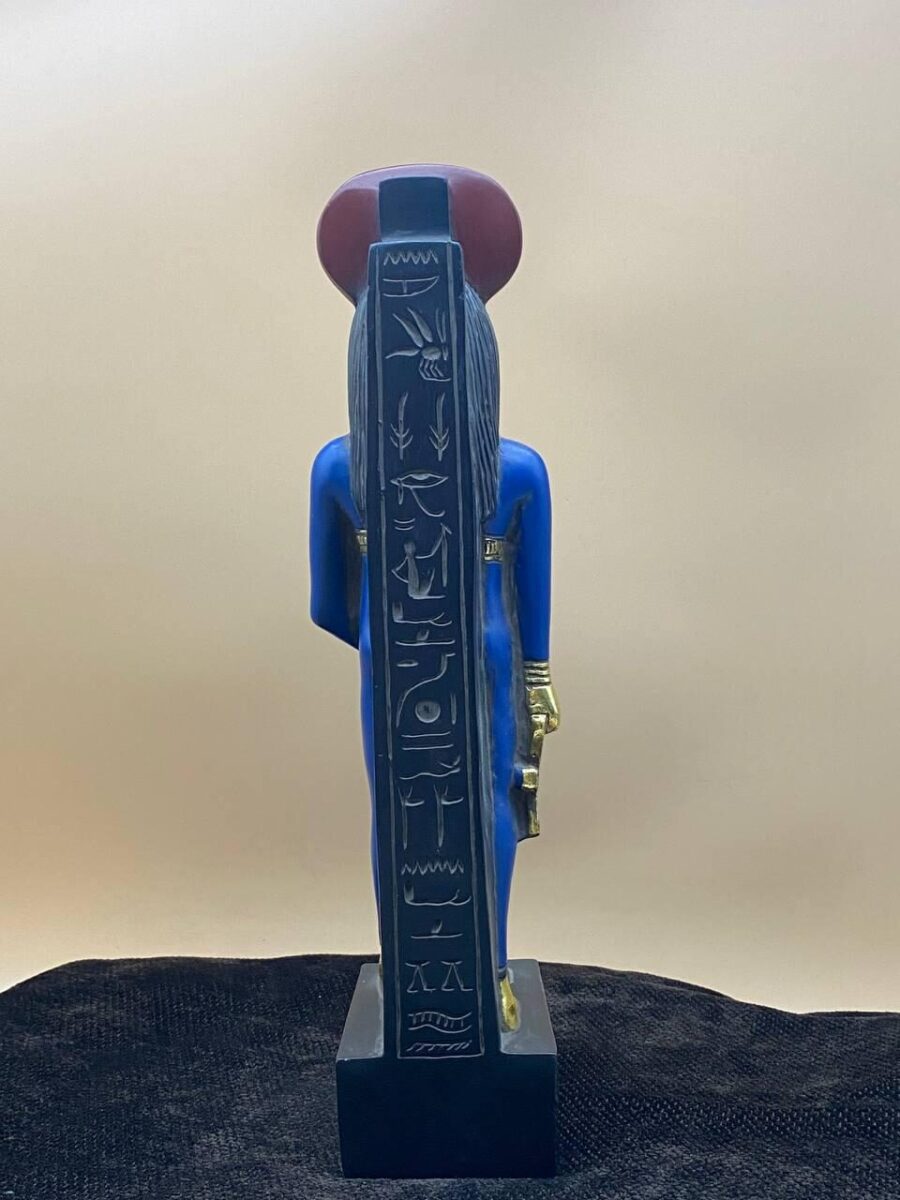
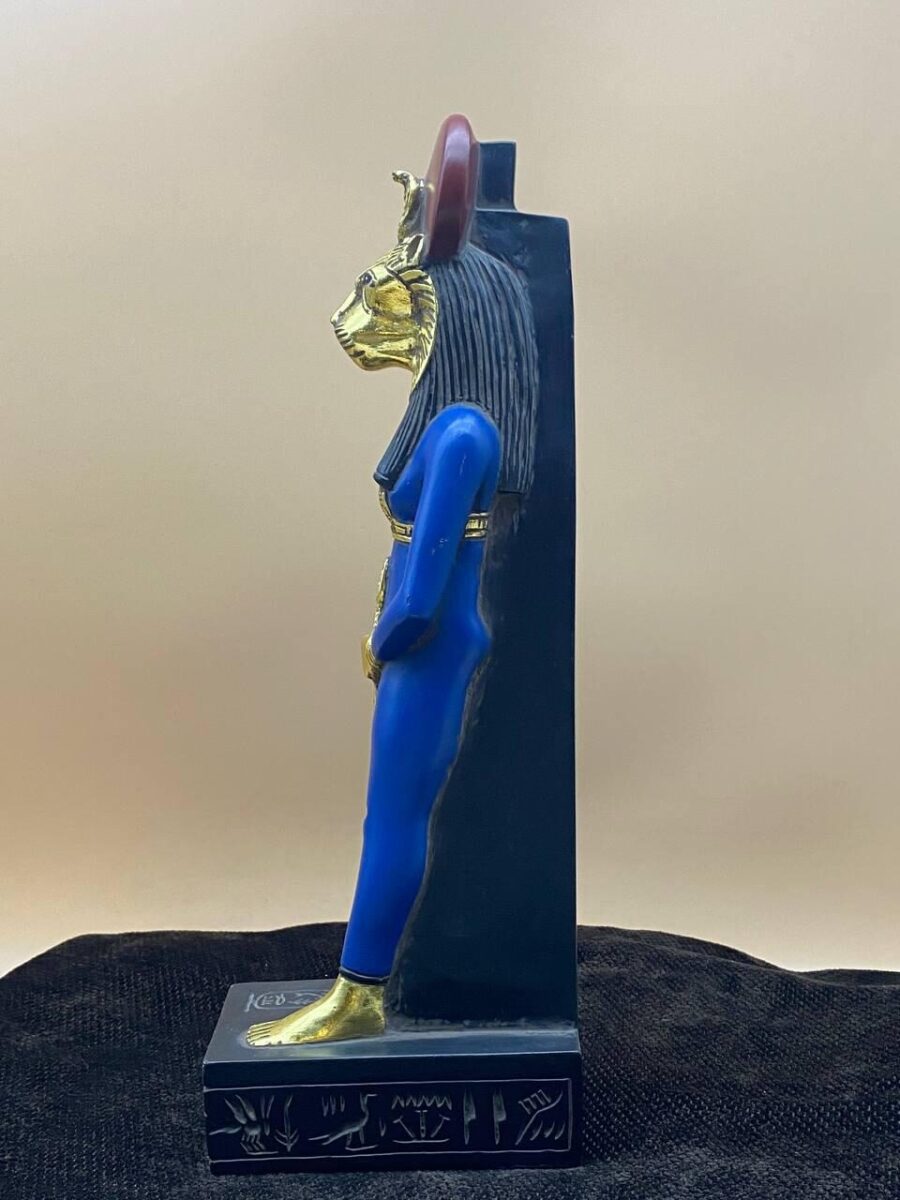
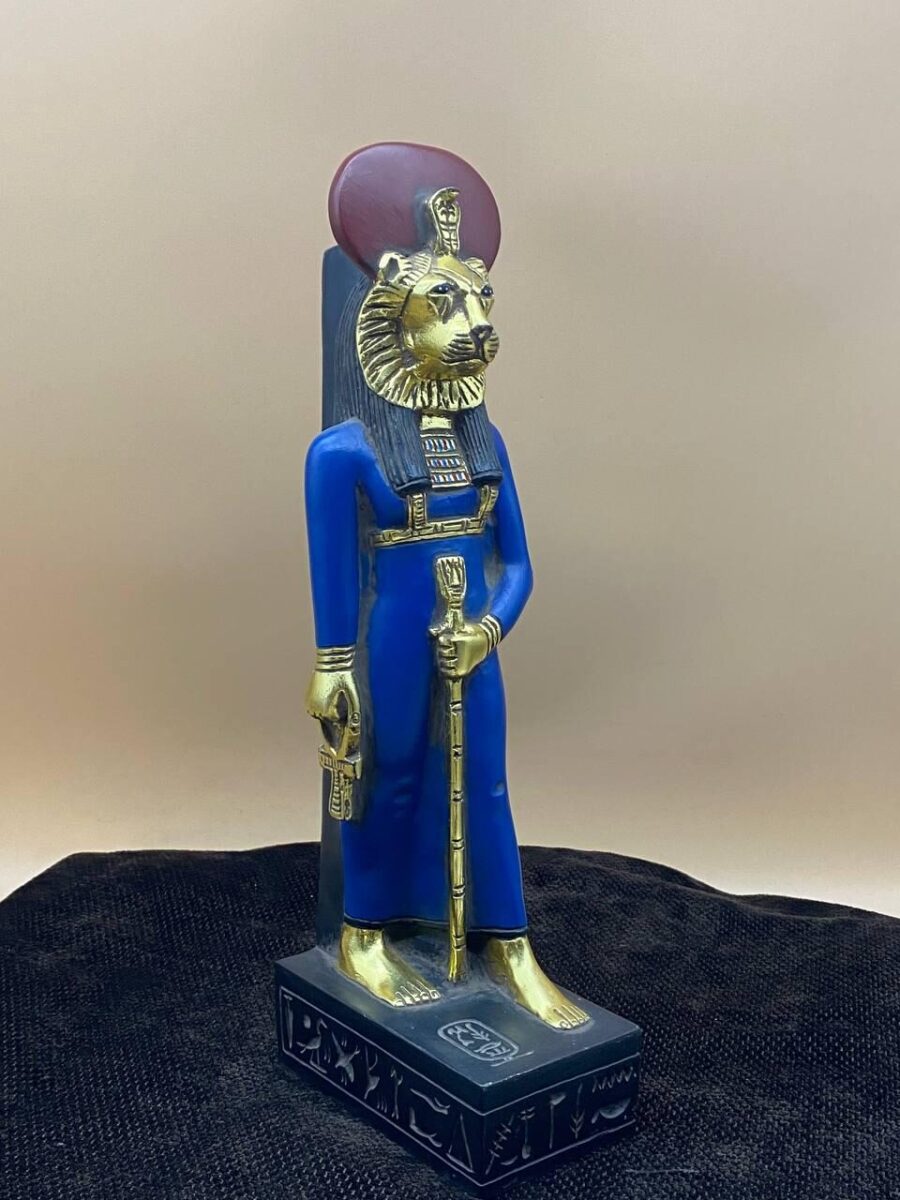
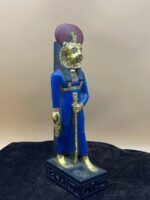
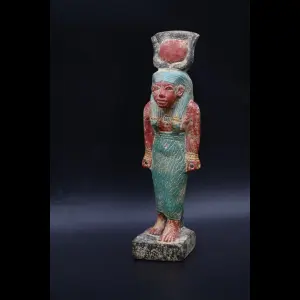
Add a powerful symbol of ancient Egyptian heritage to your collection with this Sekhmet Lioness Goddess Statue, crafted from stone and inspired by the goddess of strength, protection, healing, and solar power. A striking piece for collectors, history lovers, Egyptian décor, and unique cultural gifts.
Sekhmet Lioness Goddess Statue – Ancient Egyptian Stone Sculpture
Description of Art
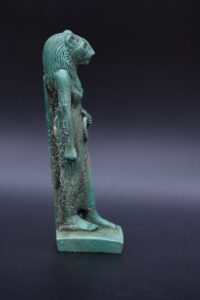
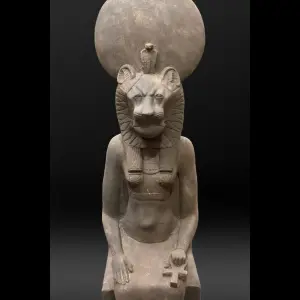
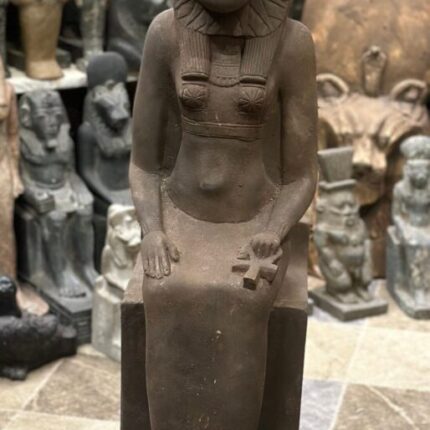
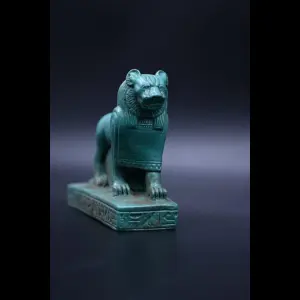
Sekhmet Lioness Goddess Statue made of stone and inspired by one of the most powerful and recognizable goddesses of ancient Egypt. Sekhmet was traditionally represented as a lioness-headed woman and was associated with strength, protection, warfare, solar power, and healing.
This Egyptian-inspired sculpture reflects the commanding appearance and symbolism of Sekhmet, making it a distinctive decorative piece for collectors, archaeology enthusiasts, mythology lovers, and admirers of ancient Egyptian culture.
The Sekhmet Lioness Goddess Statue can be displayed in a home, office, library, display cabinet, museum-inspired collection, or Egyptian-themed interior.
Its stone construction and striking lioness imagery make it an attractive addition to collections of ancient Egyptian gods, goddesses, and historical replicas.
History of Goddess Sekhmet
Sekhmet was an important goddess in ancient Egyptian religion and was especially prominent during the New Kingdom.
Her name is commonly interpreted as meaning “The Powerful One,” reflecting her fierce and commanding character.
Sekhmet was usually depicted as a woman with the head of a lioness, often wearing a solar disk. The lioness represented strength, danger, courage, and royal protection.
She was closely connected with the sun god Ra and was considered one of the powerful manifestations associated with the Eye of Ra.
The Sekhmet Lioness Goddess Statue reflects this famous combination of solar symbolism and lioness strength.
Sekhmet as a Goddess of Power and War
One of Sekhmet’s most recognizable roles was as a goddess of war and destruction.
Ancient Egyptians associated her with the fierce heat of the sun and with powerful forces capable of defeating enemies and protecting Egypt.
She could be invoked for the protection of the pharaoh and the country during times of conflict.
Her lioness form perfectly represented these qualities. Lions were admired for their strength, speed, courage, and ability to defend their territory.
For this reason, Sekhmet became a powerful symbol of royal strength and divine protection.
Sekhmet as a Protective Goddess
Despite her fearsome qualities, Sekhmet was also viewed as a protector.
Her destructive power could be directed against enemies, harmful forces, and threats to Egypt.
Statues and images of Sekhmet were placed in important religious settings and could serve as representations of divine protection.
This balance between destructive strength and protective power made Sekhmet one of the most complex goddesses in the Egyptian pantheon.
The Sekhmet Lioness Goddess Statue can therefore symbolize courage, protection, resilience, and strength.
Sekhmet and Healing
Sekhmet was also closely connected with healing and medicine.
This may appear surprising because she was associated with disease and destruction, but ancient Egyptian religion often connected the power to cause illness with the power to remove it.
Priests associated with Sekhmet were connected with healing practices, and the goddess could be invoked for protection against disease.
Her dual nature made her both a feared and respected deity.
She represented the idea that the same powerful force capable of destruction could also provide restoration and healing.
Sekhmet and the Sun God Ra
Sekhmet had a strong association with Ra, the ancient Egyptian sun god.
She was connected with the Eye of Ra, a concept that represented the protective and sometimes destructive power of the sun.
The scorching heat of the Egyptian sun reflected Sekhmet’s fierce nature, while her protective qualities supported divine and royal authority.
The solar disk frequently shown above her lioness head emphasized this relationship with Ra and solar power.
This makes the Sekhmet Lioness Goddess Statue particularly meaningful for collectors interested in Egyptian solar symbolism and mythology.
The Myth of Sekhmet and the Destruction of Humanity
One of the best-known stories associated with Sekhmet appears in ancient Egyptian mythology concerning the destruction of humanity.
In the story, Ra became angry with humans and sent his powerful Eye against them.
Sekhmet became associated with this destructive force and began attacking humanity.
To stop the destruction, a large quantity of beer was colored red and poured out so that it resembled blood.
Sekhmet drank the liquid, became intoxicated, and her destructive rage ended.
The story reflects the dual character of Sekhmet as both a terrifying force and a deity whose power could ultimately be calmed and redirected.
Sekhmet and Goddess Hathor
Sekhmet and Hathor were closely connected within Egyptian religious traditions.
Hathor was generally associated with love, beauty, music, fertility, joy, and motherhood, while Sekhmet represented fierce solar power, war, protection, and healing.
Both could be associated with the Eye of Ra.
This relationship demonstrates how ancient Egyptian deities could embody different aspects of divine power rather than existing as completely separate concepts.
The contrast between Hathor’s gentle qualities and Sekhmet’s fierce lioness nature remains one of the most fascinating aspects of Egyptian mythology.
Worship of Sekhmet in Ancient Egypt
Sekhmet was worshiped in several regions of ancient Egypt.
She became especially important in connection with Memphis, where she was associated with the god Ptah and the deity Nefertum.
Together, Ptah, Sekhmet, and Nefertum formed an important divine family connected with Memphis.
Large numbers of Sekhmet statues were also created during the reign of Pharaoh Amenhotep III.
These surviving sculptures demonstrate the importance of Sekhmet in royal and religious traditions during the New Kingdom.
Symbolism of Goddess Sekhmet
Sekhmet remains one of the most visually powerful figures of ancient Egyptian culture.
Her symbolism may represent:
- Strength
- Courage
- Protection
- Healing
- Solar power
- Royal authority
- Resilience
- Warfare
- Transformation
- Ancient Egyptian spirituality
These meanings make the Sekhmet Lioness Goddess Statue a distinctive decorative and symbolic object for collectors.
Sekhmet Lioness Goddess Statue for Collectors
This Sekhmet Lioness Goddess Statue is ideal for:
- Ancient Egyptian art collectors
- Egyptian mythology enthusiasts
- History and archaeology lovers
- Lion and wildlife art collectors
- Egyptian-themed home décor
- Office and library decoration
- Museum-inspired collections
- Symbolic and spiritual décor
- Historical sculpture displays
- Unique Egyptian gifts
Whether displayed individually or alongside statues of Bastet, Hathor, Isis, Maat, Anubis, Horus, Sobek, or other Egyptian deities, this Sekhmet sculpture can become a striking centerpiece in an ancient Egyptian collection.
Our Shop Policy
- Keep a close eye on your inbox for shipping updates and tracking information.
- Providing a valid phone number is mandatory for shipping purposes, especially for international orders.
- If you encounter any issues or concerns regarding your order, please do not hesitate to contact us. We will handle your case promptly and professionally and work toward a satisfactory resolution.
International Shipping
Please provide your phone number to complete the international shipping process.
Your Sekhmet Lioness Goddess Statue will be carefully prepared and securely packed to help ensure safe delivery to your destination.
Important Note: Your original description contains two conflicting customs statements. One states that customs duties, taxes, and import fees are included in the shipping price, while the other states that these charges are the buyer’s responsibility. Keep only the statement that matches your actual shop policy before publishing.
Related products
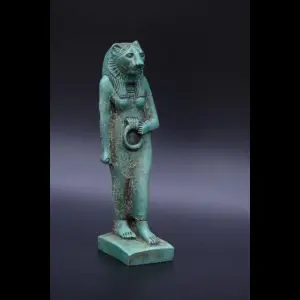

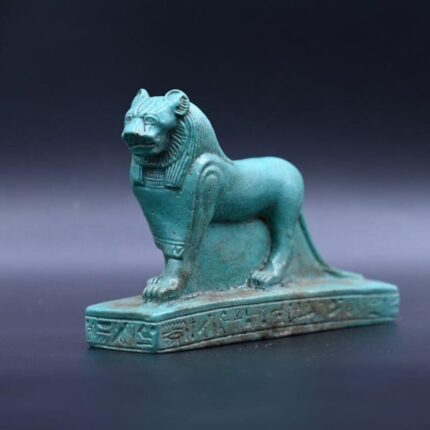
Sekhmet Statue: Egyptian Lioness Goddess of War Sculpture
Add a powerful symbol of ancient Egyptian strength to your collection with this Sekhmet Warrior Goddess Statue, inspired by Sekhmet, the lioness goddess of war, protection, healing, and solar power. A distinctive choice for mythology lovers, collectors, Egyptian décor, museum-inspired displays, and unique cultural gifts.
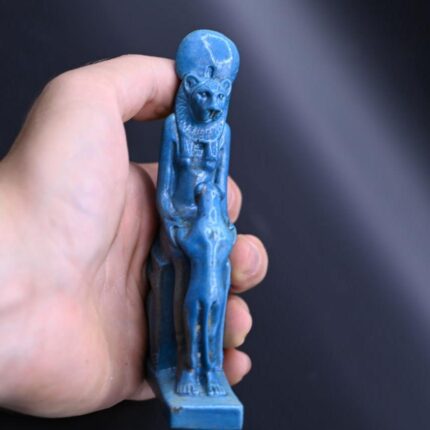
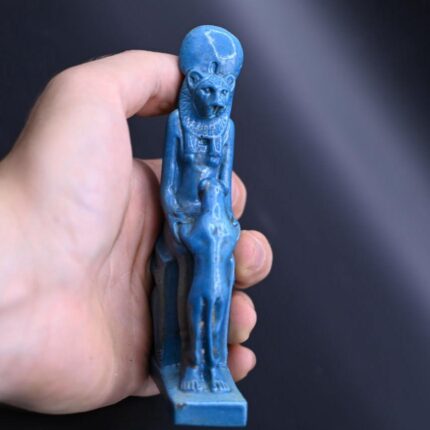
Sekhmet Statue: Egyptian Goddess of War, Stone Antiquity
Add a powerful symbol of ancient Egyptian strength to your collection with this Stone Lioness Sekhmet Statue, crafted from stone and inspired by Sekhmet, the lioness goddess of war, protection, healing, medicine, and solar power. A distinctive choice for collectors, mythology lovers, Egyptian décor, museum-inspired displays, and unique cultural gifts.
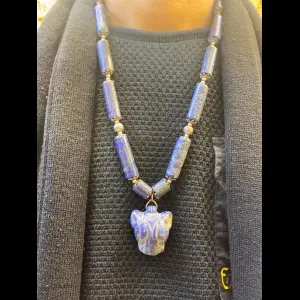
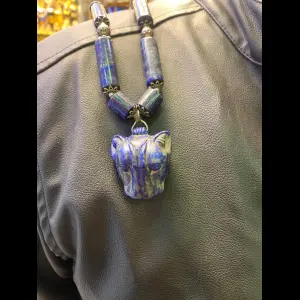
Handmade Lapis Lazuli Sekhmet Necklace: Egyptian Goddess Jewelry
Add a powerful touch of ancient Egyptian symbolism to your jewelry collection with this 150 g Lapis Sekhmet Necklace, handcrafted from natural lapis lazuli stone with elegant silver-tone metal accents. Inspired by Sekhmet, the lioness goddess of strength, protection, healing, and solar power, it is a striking choice for mythology lovers, statement-jewelry collectors, and unique cultural gifts.
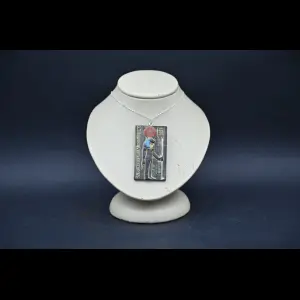
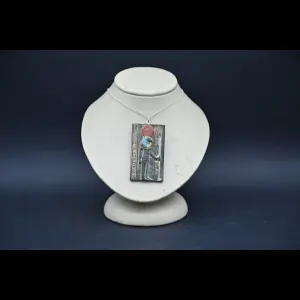
Handmade Stone Sekhmet Amulet, Egyptian Goddess of War
Add a powerful symbol of ancient Egyptian strength to your collection with this Sekhmet Stone Protection Amulet, crafted from stone and inspired by Sekhmet, the lioness goddess of war, protection, healing, medicine, and solar power. A distinctive choice for Egyptology enthusiasts, mythology lovers, symbolic décor collectors, and unique cultural gifts.
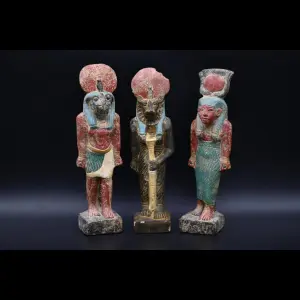
Handcrafted Hathor, Sekhmet, & Horus Statues: Egyptian Deities (20 cm)
Add a distinctive collection of ancient Egyptian symbolism to your space with this Hathor Sekhmet Horus Statue Set, featuring three 20 cm handcrafted statues made from colored natural stone. Representing love and motherhood, strength and healing, and kingship and protection, this set is ideal for collectors, Egyptian décor, mythology lovers, and unique cultural gifts.


Reviews
There are no reviews yet.