
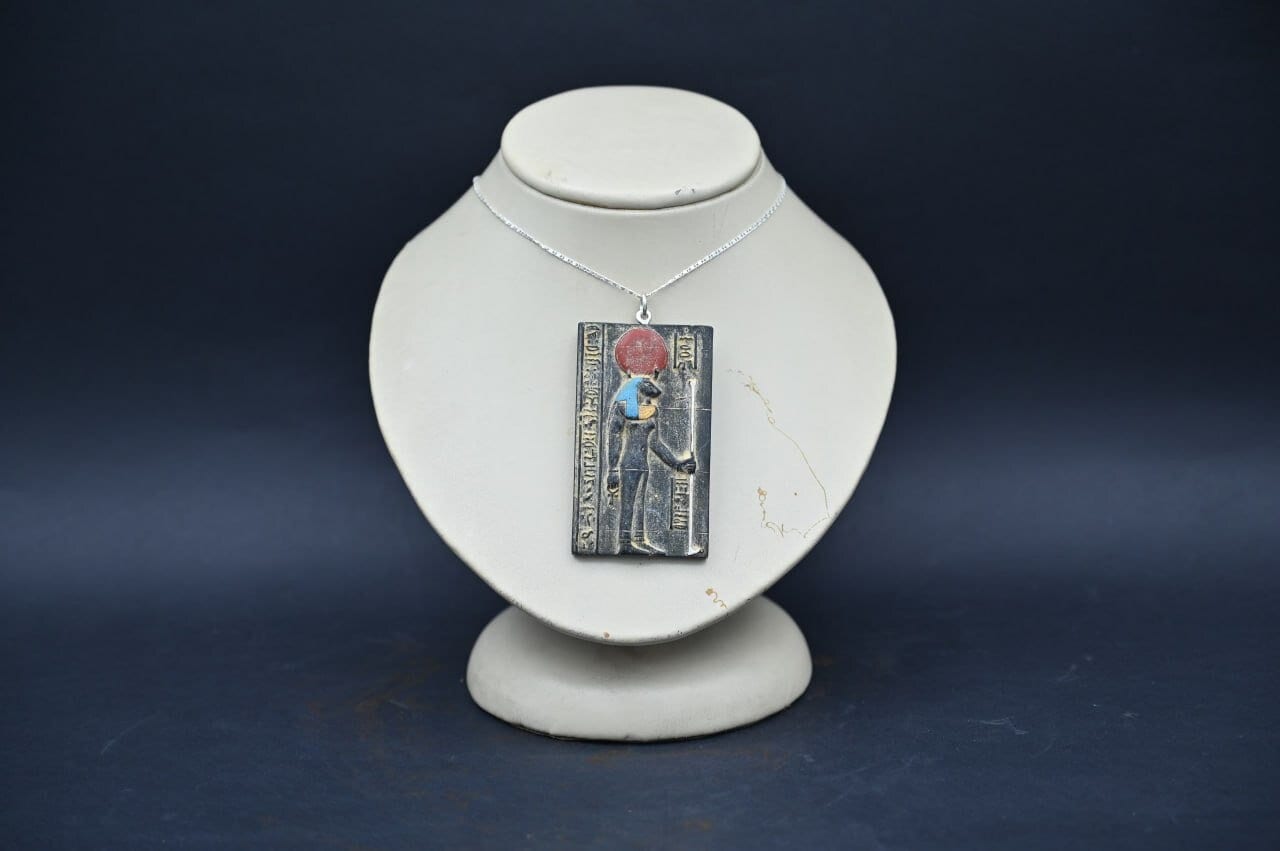
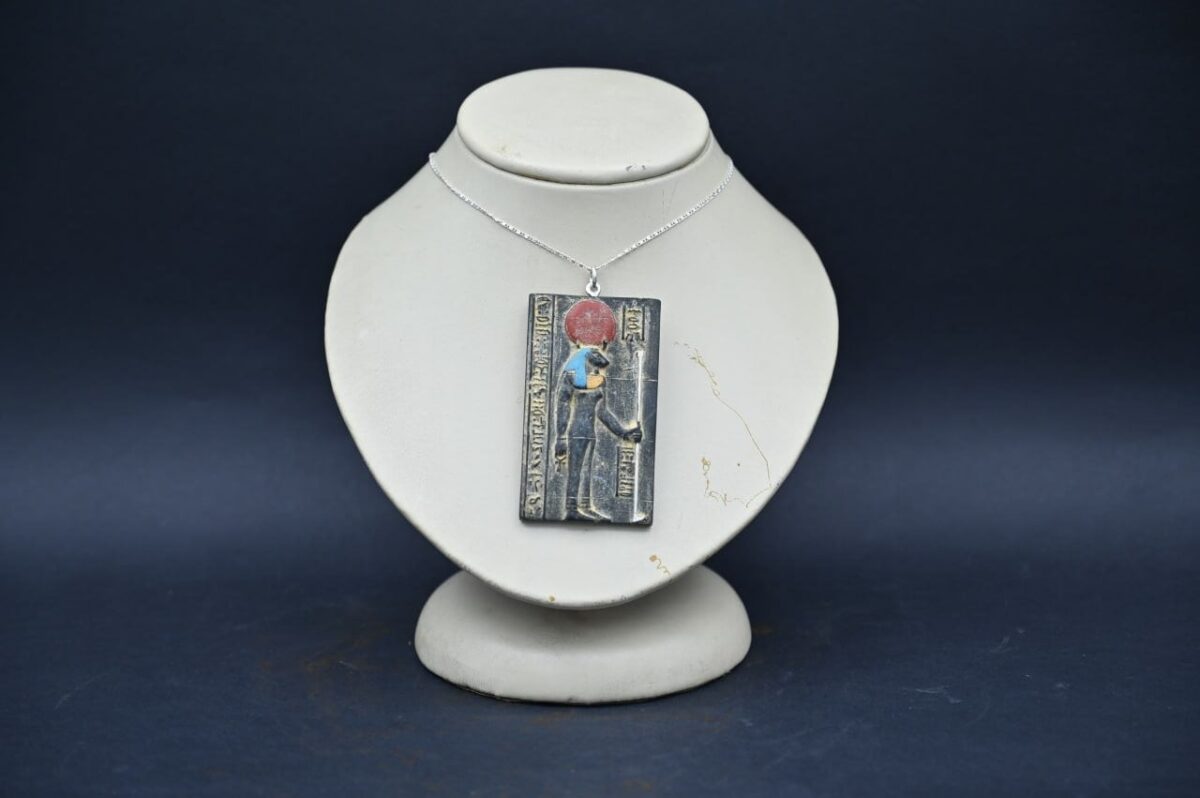
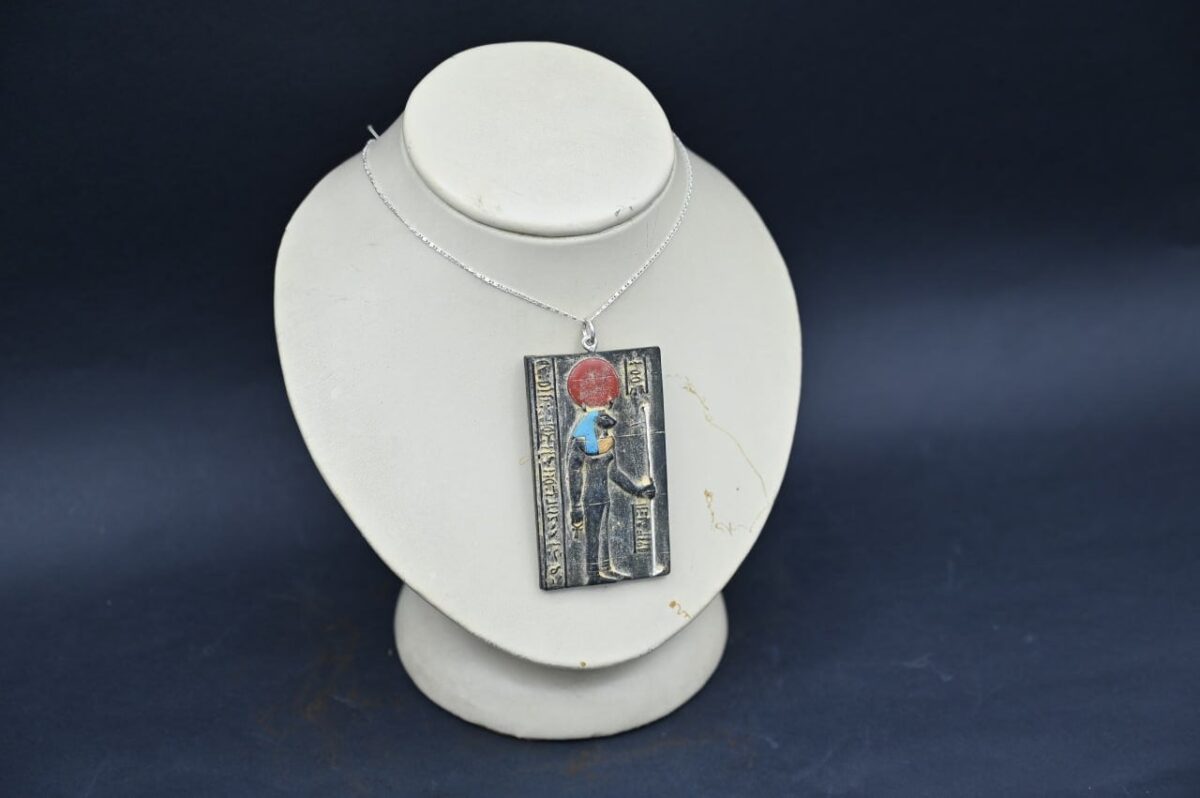
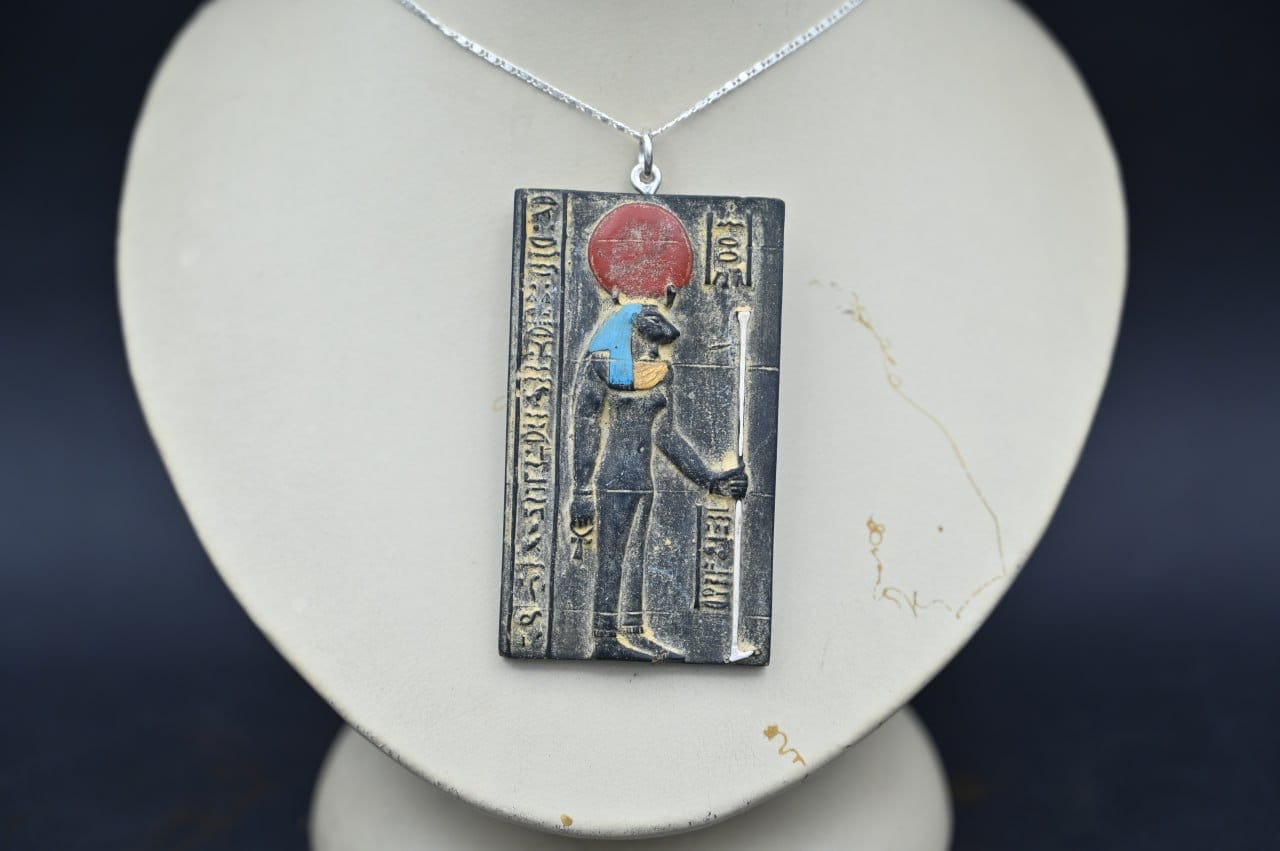
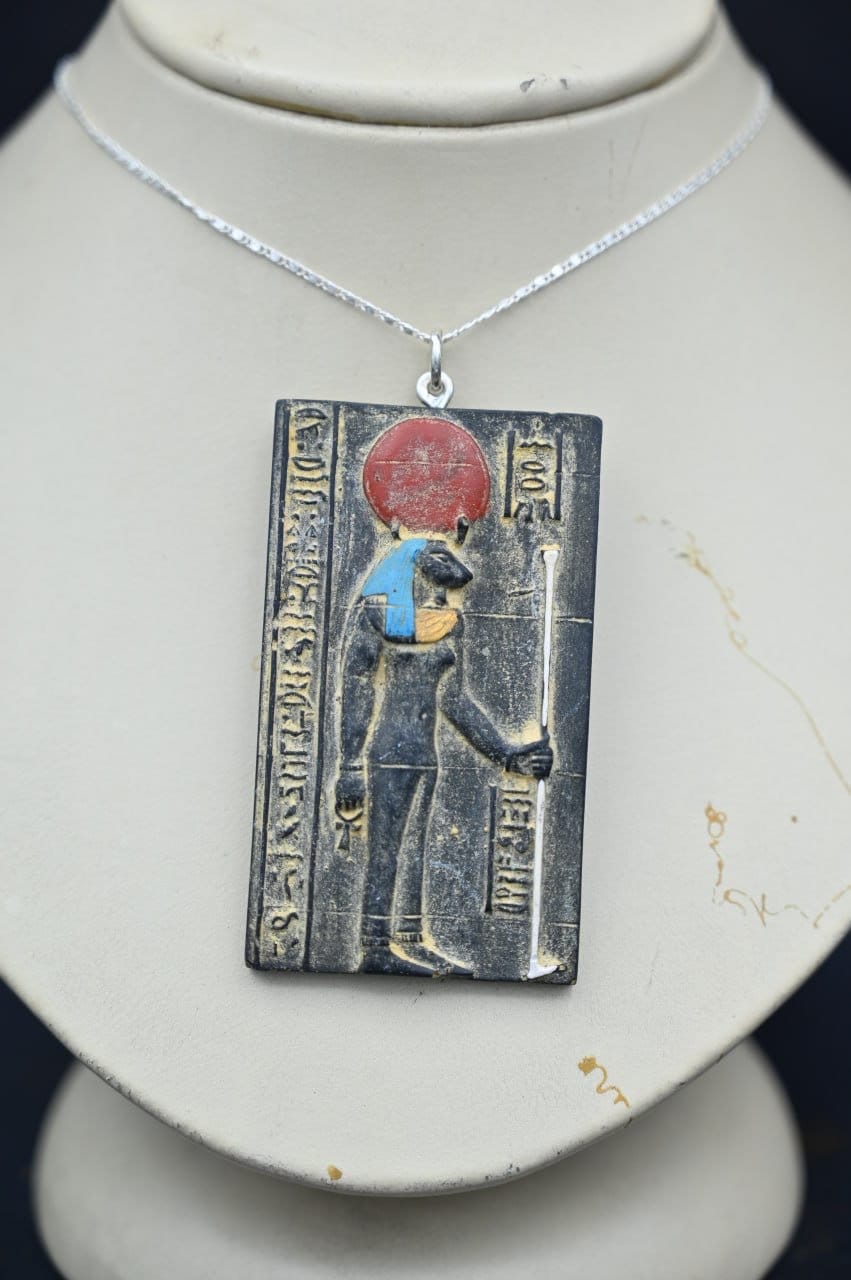
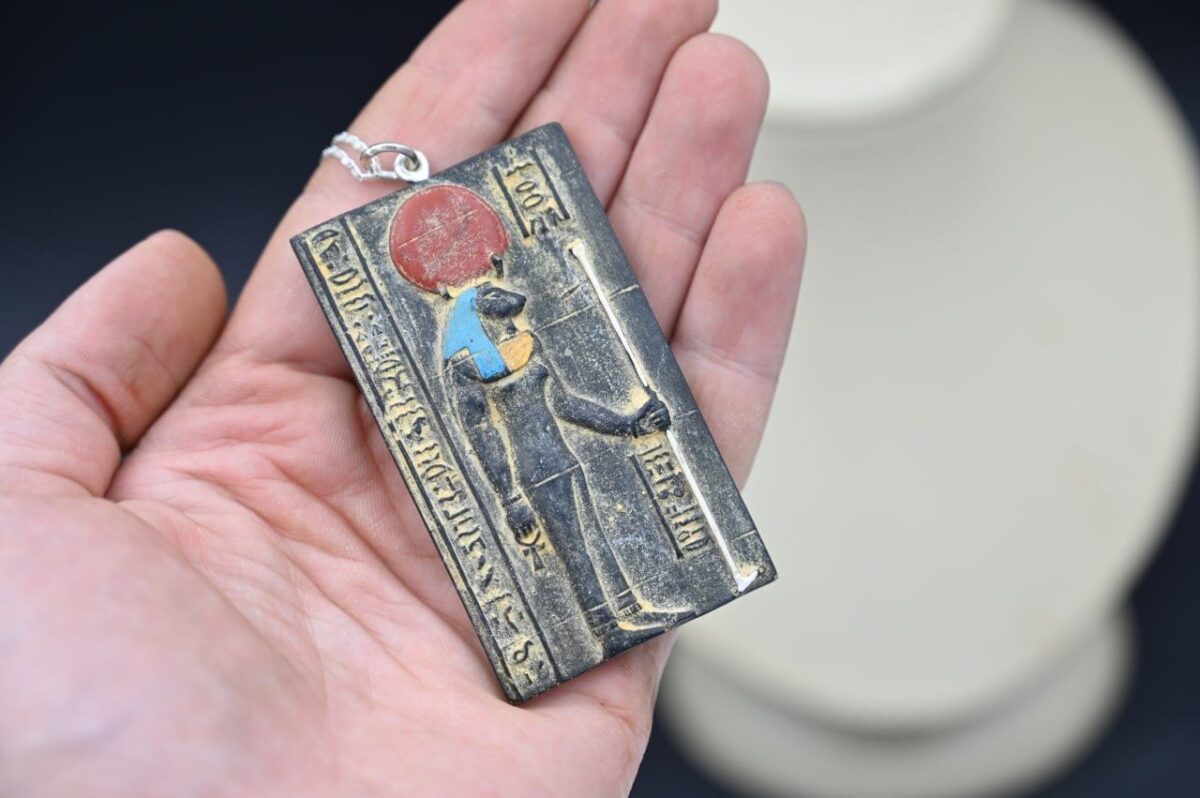
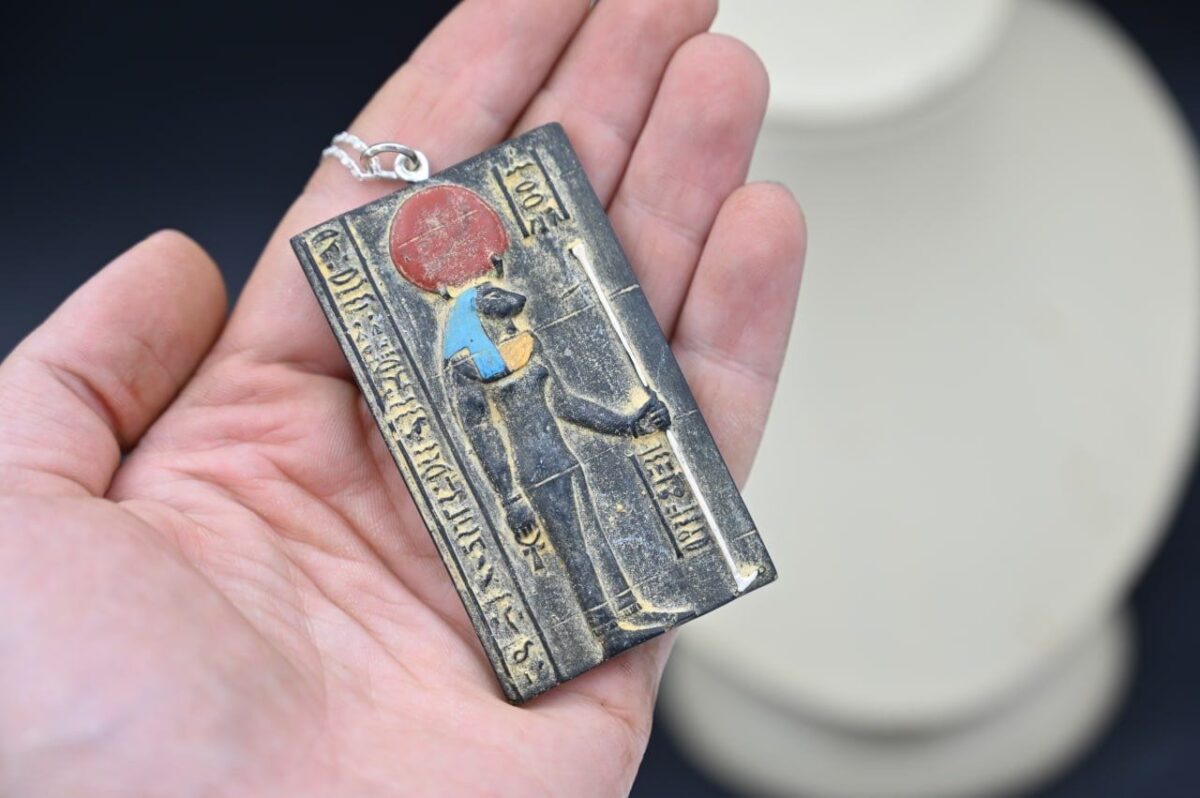
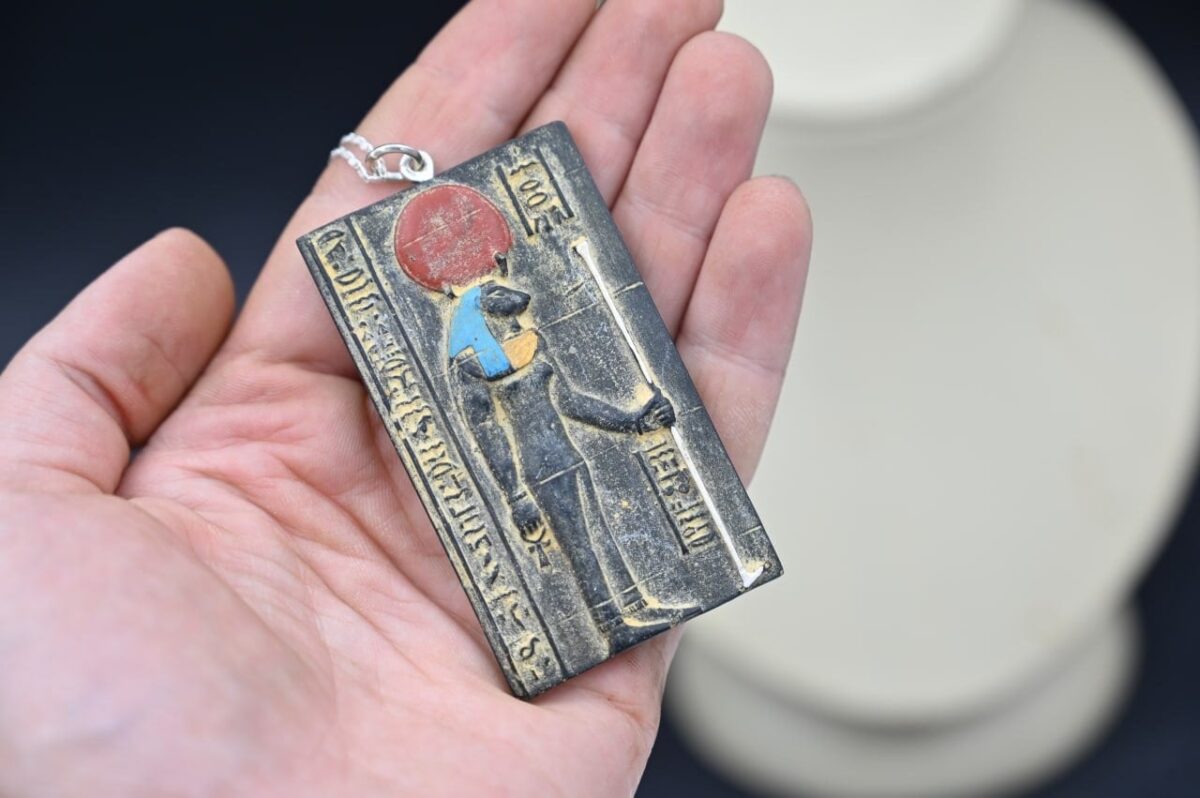
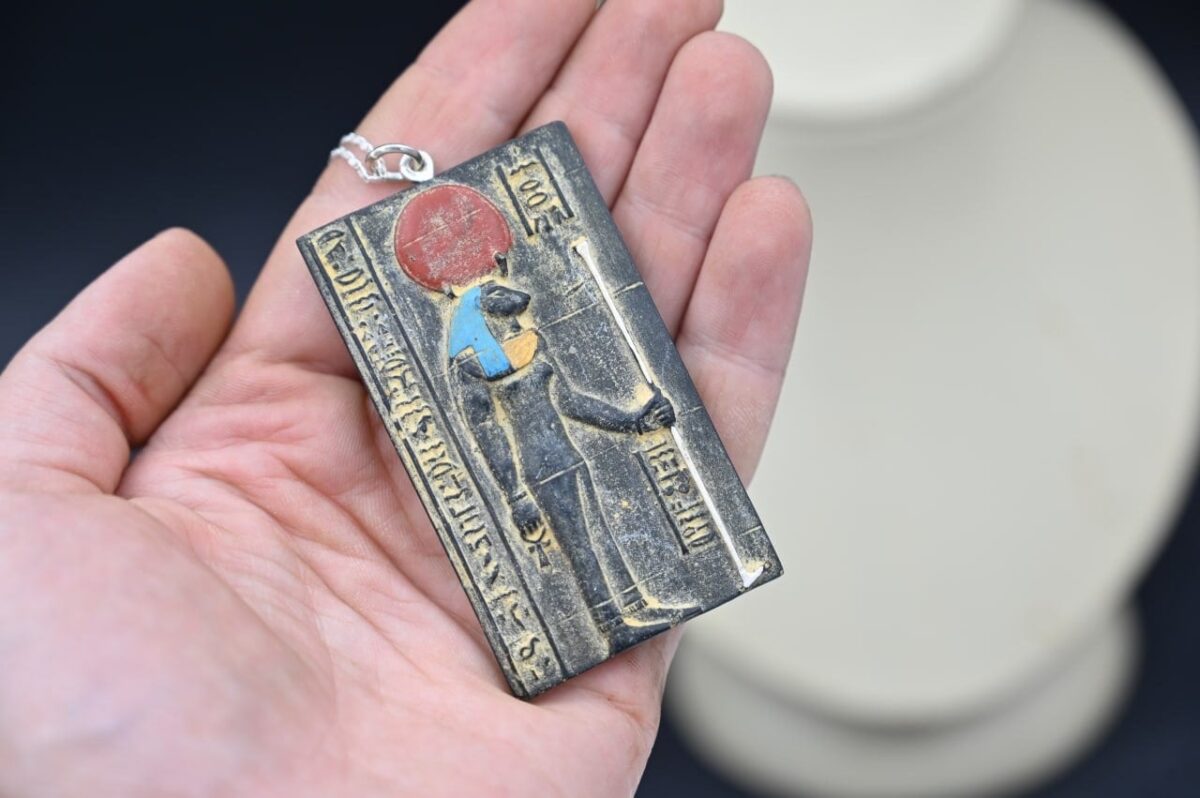
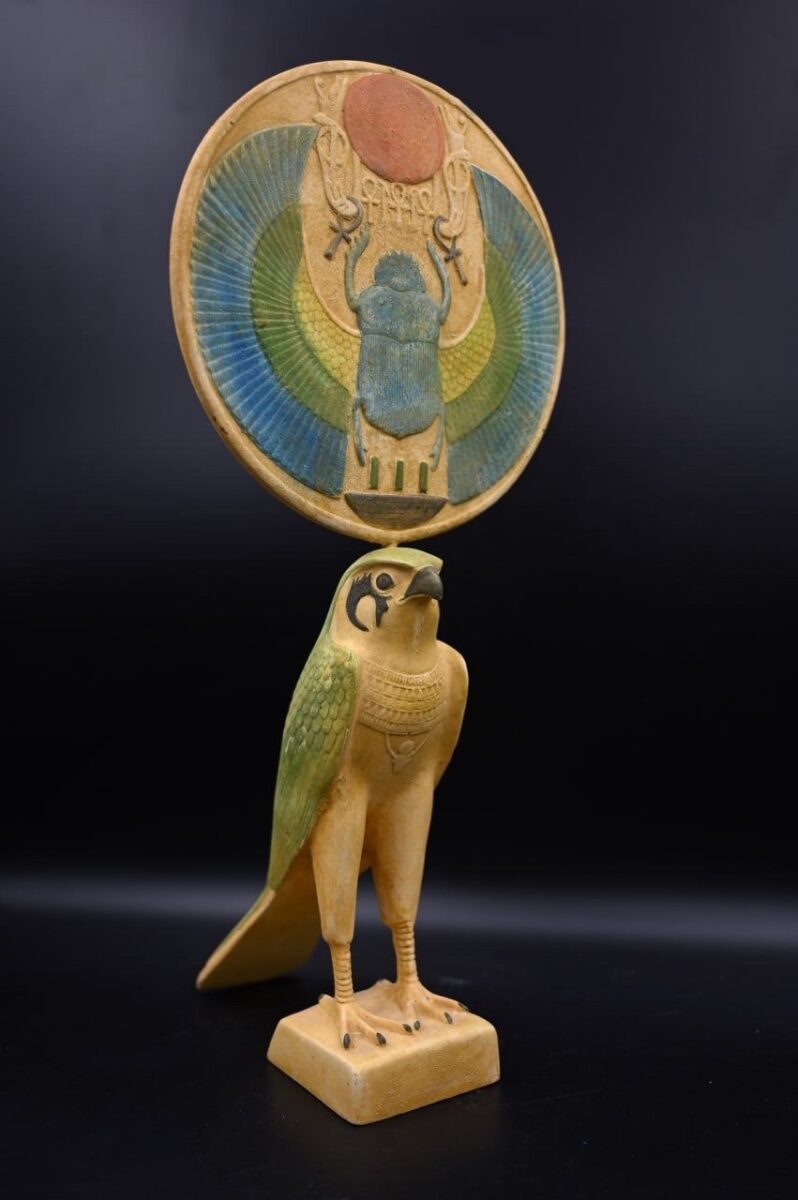
Stone Sekhmet Amulet, Egyptian Goddess of War
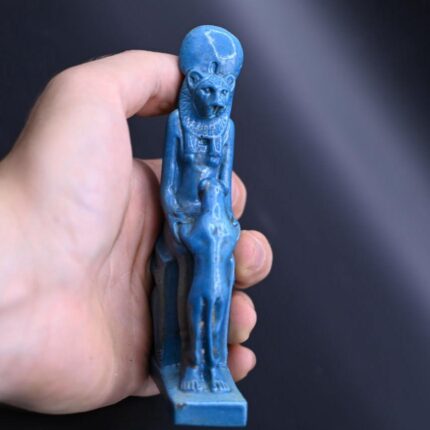
Add a powerful symbol of ancient Egyptian strength to your collection with this Sekhmet Stone Protection Amulet, crafted from stone and inspired by Sekhmet, the lioness goddess of war, protection, healing, and solar power. A distinctive choice for mythology lovers, amulet collectors, Egyptian décor, and unique cultural gifts.
Sekhmet Stone Protection Amulet – Ancient Egyptian Lioness Goddess Replica
Description of Art
Sekhmet Stone Protection Amulet made from stone and inspired by one of the most powerful goddesses of ancient Egyptian religion.
Sekhmet was traditionally represented as a lioness-headed woman or, less commonly, in complete lioness form. Her name is commonly translated as “The Powerful One,” reflecting her association with strength, warfare, royal protection, destructive solar force, disease, and healing.
This Egyptian-inspired stone amulet makes a distinctive collectible for mythology enthusiasts, Egyptology lovers, ancient Egyptian décor, symbolic displays, and unique cultural gifts.
Product Features
Material: Stone
Deity: Goddess Sekhmet
Design: Egyptian Amulet
Style: Ancient Egyptian Inspired
Main Symbolism: Strength, Protection & Healing
Who Was Goddess Sekhmet?
Sekhmet was one of ancient Egypt’s major lioness goddesses.
Her most important associations included:
- Strength
- Warfare
- Protection
- Healing
- Disease and epidemics
- Solar power
- Royal defense
Her religious identity reflects an important Egyptian concept: the same divine force capable of causing destruction could also become protective and healing when properly controlled.
For modern symbolic interpretation, the Sekhmet Stone Protection Amulet can therefore represent:
Power • Courage • Protection • Resilience • Healing
Sekhmet – “The Powerful One”
Sekhmet’s name is generally understood as meaning “The Powerful One.”
Her fierce lioness imagery expressed physical strength, dangerous divine force, and the ability to defend Egypt and its ruler.
She was not simply a destructive goddess. Her power could be directed toward protecting the pharaoh and defeating enemies, giving her an important defensive role in Egyptian religion.
Sekhmet and the Lioness
The lioness was one of ancient Egypt’s strongest symbols of female divine power.
Sekhmet was usually depicted with:
- The body of a woman
- The head of a lioness
- A solar disk
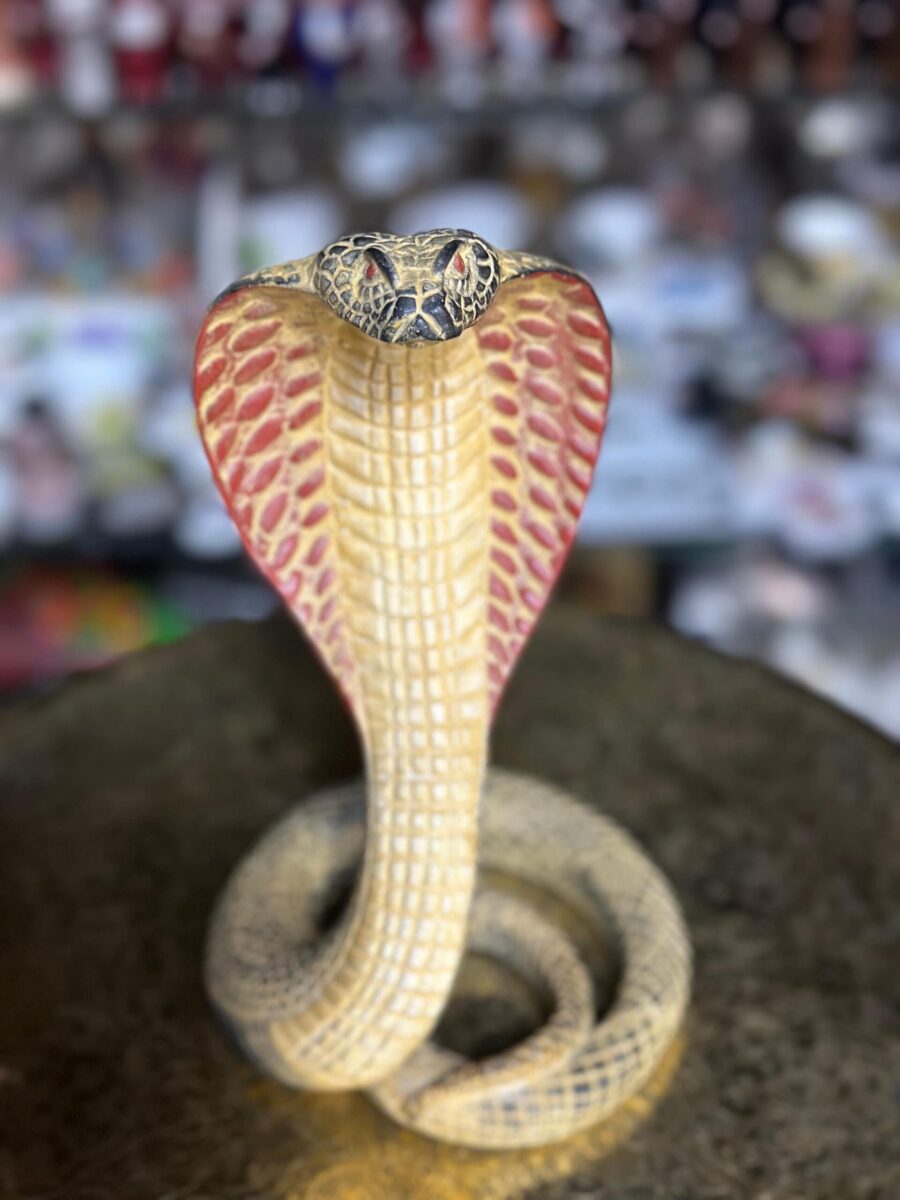
- Often a royal cobra or uraeus
Her lioness form communicated both danger and protection.
This makes Sekhmet imagery particularly appropriate for an amulet intended to evoke strength and guardianship.
Sekhmet and Protection
Sekhmet’s fierce nature made her a powerful protective deity.
Ancient Egyptians could appeal to dangerous deities not only because they feared their power, but because they believed that same force could be turned against enemies, illness, or other threats.
A modern Sekhmet Stone Protection Amulet can therefore symbolically evoke:
- Personal strength
- Protection
- Courage
- Determination
- Resilience
- Inner power
Sekhmet and Healing
One of the most fascinating aspects of Sekhmet is her strong connection with healing and medicine.
She could be associated with disease and epidemics, yet she was also invoked for protection from illness and recovery.
This apparent contradiction is central to her religious character.
Sekhmet represented a force powerful enough to cause harm but also powerful enough to remove or control it.
For this reason, healing is one of the strongest themes to include alongside her warrior symbolism.
Sekhmet and Solar Power
Sekhmet was also closely connected with solar religion.
She could function as a fierce manifestation of the Eye of Ra, representing the destructive and protective power of the sun.
Her solar character helps explain associations with:
Heat • Power • Protection • Destruction • Royal Defense
However, it is better not to describe her simply as a goddess who “controlled the sun.” Her relationship with solar power was part of a broader and more complex Egyptian theological tradition.
The Destruction of Mankind Myth
One of the best-known traditions involving Sekhmet is commonly called the Destruction of Mankind.
In the story, humanity faced destruction from a fierce solar goddess identified with Sekhmet.
To stop the violence, beer was dyed red to resemble blood. Sekhmet drank the red-colored beer, became intoxicated, and the destruction ended.
The original product text says Ra turned the Nile River into red beer, which is too literal.
A stronger version is:
“Ra arranged for red-colored beer to resemble blood, causing Sekhmet to drink it and ending her destructive rage.”
Sekhmet and Hathor
Some versions of the Destruction of Mankind tradition closely connect Sekhmet and Hathor, reflecting the Egyptian tendency for goddesses to share or transform between complementary divine aspects.
However, it is better not to say simply that Sekhmet permanently “turned back into Hathor.”
Sekhmet and Hathor remained distinct goddesses, even though Egyptian theology could closely associate them in particular myths and solar traditions.
Sekhmet During the New Kingdom
The original description presents Sekhmet as primarily a New Kingdom goddess.
She was certainly extremely prominent during this period, particularly because Amenhotep III commissioned hundreds of Sekhmet statues.
However, Sekhmet’s religious history was not limited to the New Kingdom.
A better description is:
“Sekhmet was an ancient Egyptian goddess whose worship became especially prominent in monumental art during the New Kingdom.”
The Memphite Triad
Sekhmet formed part of the important divine family associated with Memphis:
Ptah – Creator God and Patron of Craftsmen
Sekhmet – Lioness Goddess of Power and Healing
Nefertum – Lotus Deity of Fragrance and Renewal
This connection gives Sekhmet an important place within the religious traditions of Memphis.
Stone Egyptian Amulet
This Sekhmet Stone Protection Amulet is made from stone.
The stone construction gives the piece a traditional and substantial appearance suitable for:
- Collector displays
- Egyptian-themed décor
- Display cabinets
- Offices
- Libraries
- Mythology collections
- Museum-inspired displays
Because the description does not say whether the amulet has a hole, chain, or pendant attachment, it is safer not to describe it as wearable jewelry unless that feature is confirmed.
It can instead be marketed as a stone amulet, miniature collectible, or symbolic decorative piece.
Perfect for Collectors
The Sekhmet Stone Protection Amulet is a distinctive choice for:
- Sekhmet collectors
- Ancient Egyptian art enthusiasts
- Egyptology lovers
- Egyptian mythology fans
- Lioness goddess collectors
- Amulet collectors
- Stone art enthusiasts
- Egyptian décor
- Museum-inspired displays
- Unique cultural gifts
Product Details
Product: Sekhmet Stone Protection Amulet
Deity: Sekhmet
Material: Stone
Form: Egyptian Amulet
Typical Deity Appearance: Lioness-Headed Goddess
Main Associations: Strength, War, Protection, Healing & Solar Power
Symbolic Themes: Courage, Resilience & Guardianship
Style: Ancient Egyptian Inspired
Type: Decorative / Collectible Amulet
Use: Collection, Display, Egyptian Décor & Cultural Gift
| chain | 416, 417 |
|---|
Related products
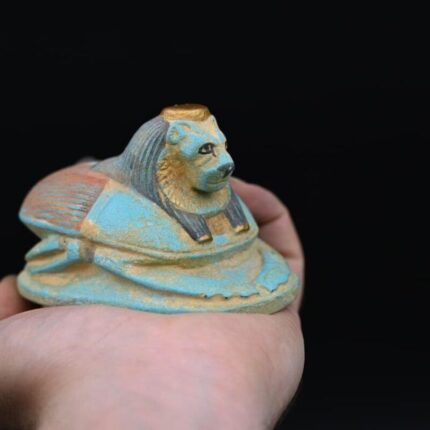
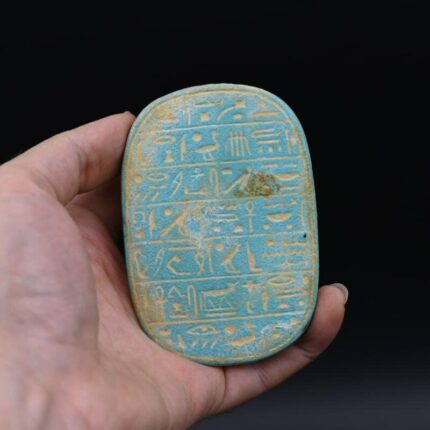
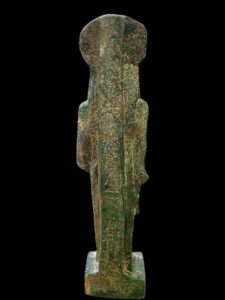
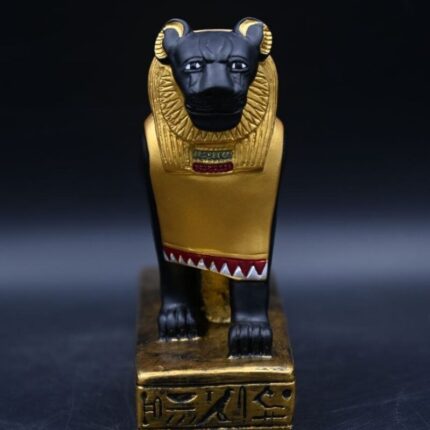
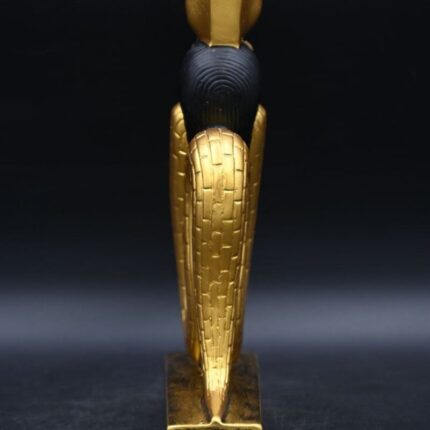
Sekhmet Statue: Egyptian Lioness Goddess of War Decor
Add a powerful symbol of ancient Egyptian heritage to your collection with this Egyptian Sekhmet Goddess Sculpture, inspired by the lioness goddess of strength, protection, healing, warfare, and solar power. A striking choice for collectors, history lovers, Egyptian décor, mythology enthusiasts, and unique cultural gifts.

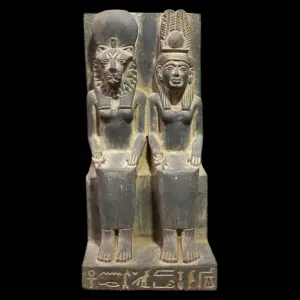
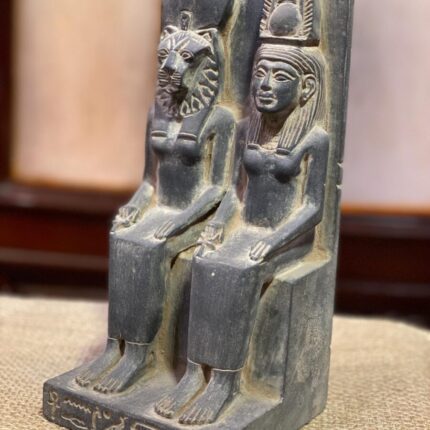
Hand-Carved Basalt Statue: Sekhmet & Hathor, Egyptian Goddesses
Add a distinctive piece of ancient Egyptian-inspired art to your collection with this Sekhmet Hathor Basalt Statue, hand-carved from basalt stone and standing 25 cm high. Combining Sekhmet’s symbolism of strength, protection, and healing with Hathor’s associations with love, beauty, music, and motherhood, it is ideal for collectors, Egyptian décor, and unique cultural gifts.
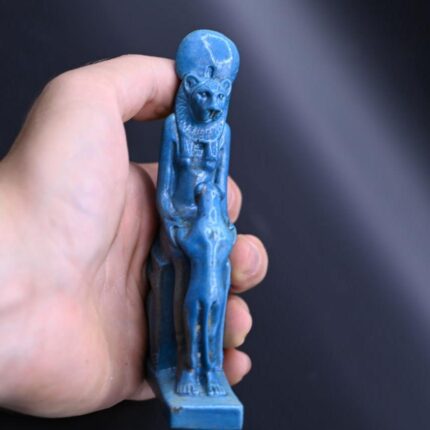
Sekhmet Statue: Egyptian Goddess of War, Stone Antiquity
Add a powerful symbol of ancient Egyptian strength to your collection with this Stone Lioness Sekhmet Statue, crafted from stone and inspired by Sekhmet, the lioness goddess of war, protection, healing, medicine, and solar power. A distinctive choice for collectors, mythology lovers, Egyptian décor, museum-inspired displays, and unique cultural gifts.
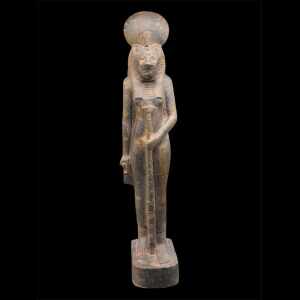
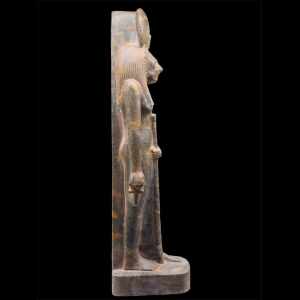
Rare Sekhmet Statue in Real Black Granite – 40 cm / 15.7 Inches Museum Quality Egyptian Goddess
Add a commanding symbol of ancient Egyptian strength to your collection with this 40 cm Black Granite Sekhmet Statue, carved from genuine black granite and standing 15.7 inches tall. Inspired by Sekhmet, the lioness goddess of war, protection, healing, and solar power, it is a striking choice for collectors, Egyptian décor, mythology lovers, and museum-inspired displays.


Reviews
There are no reviews yet.