
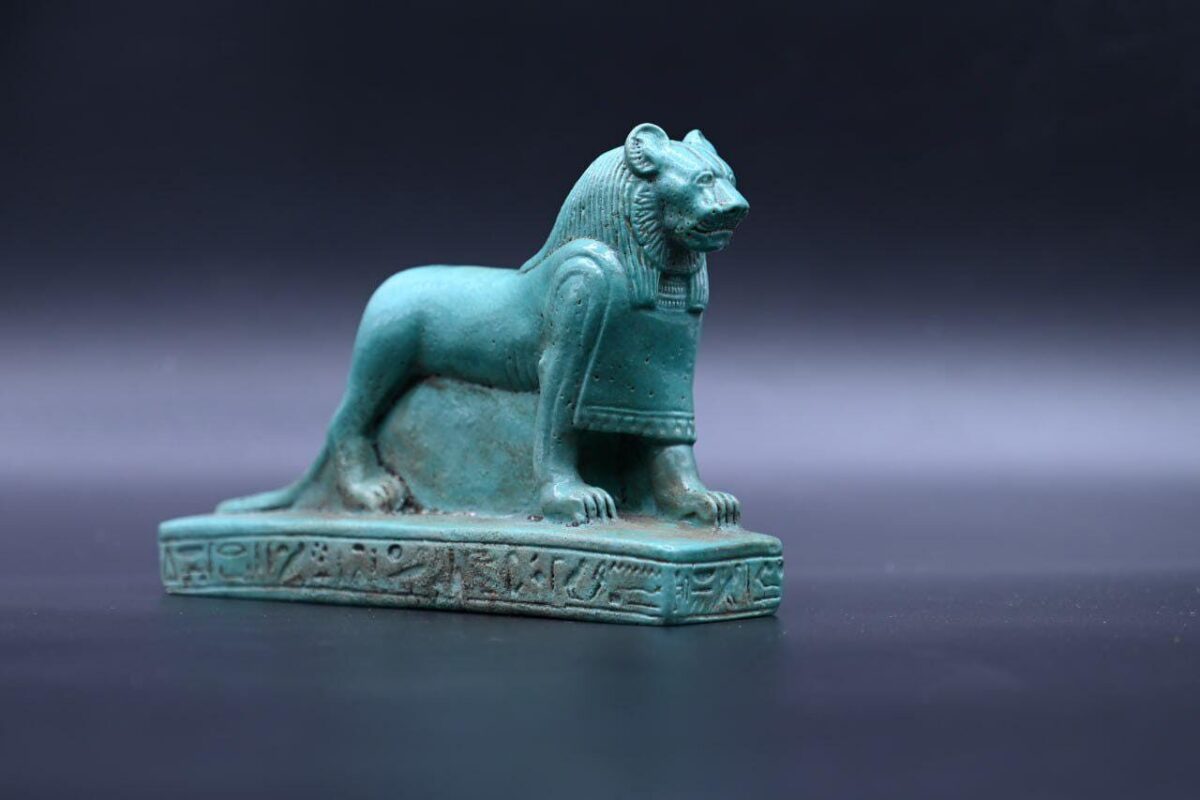
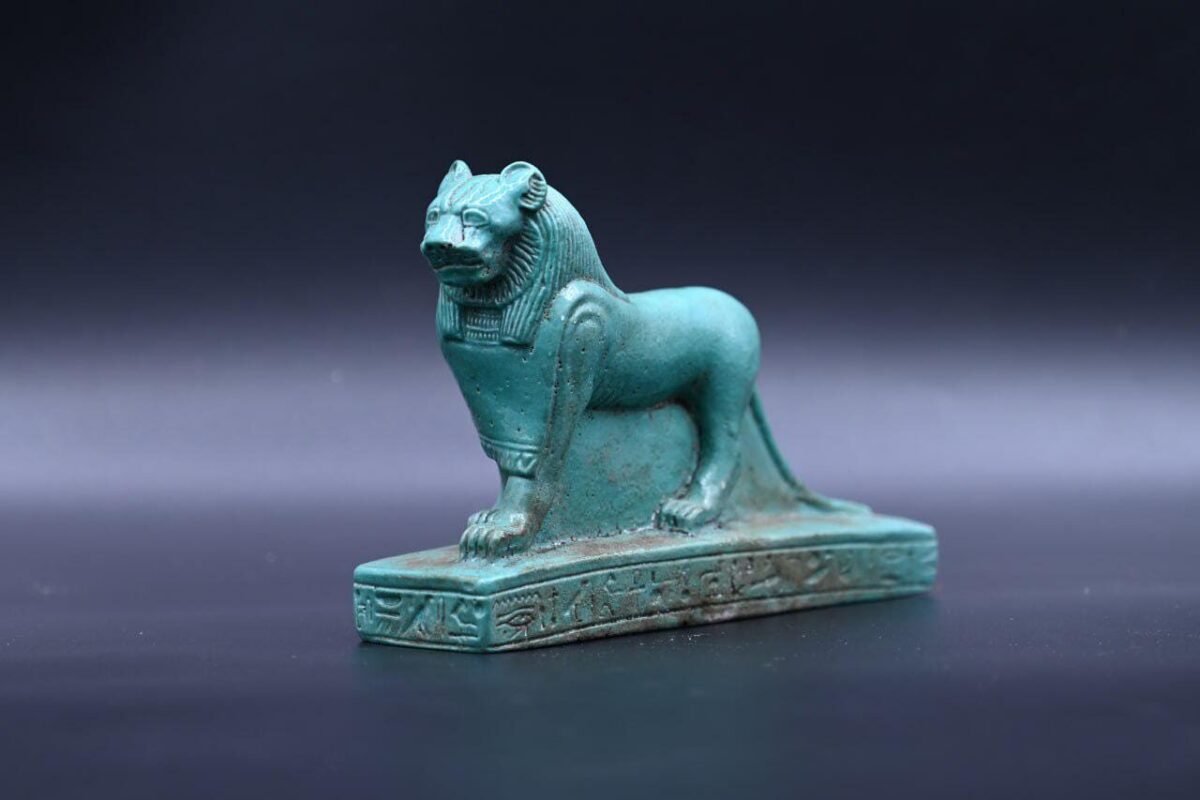
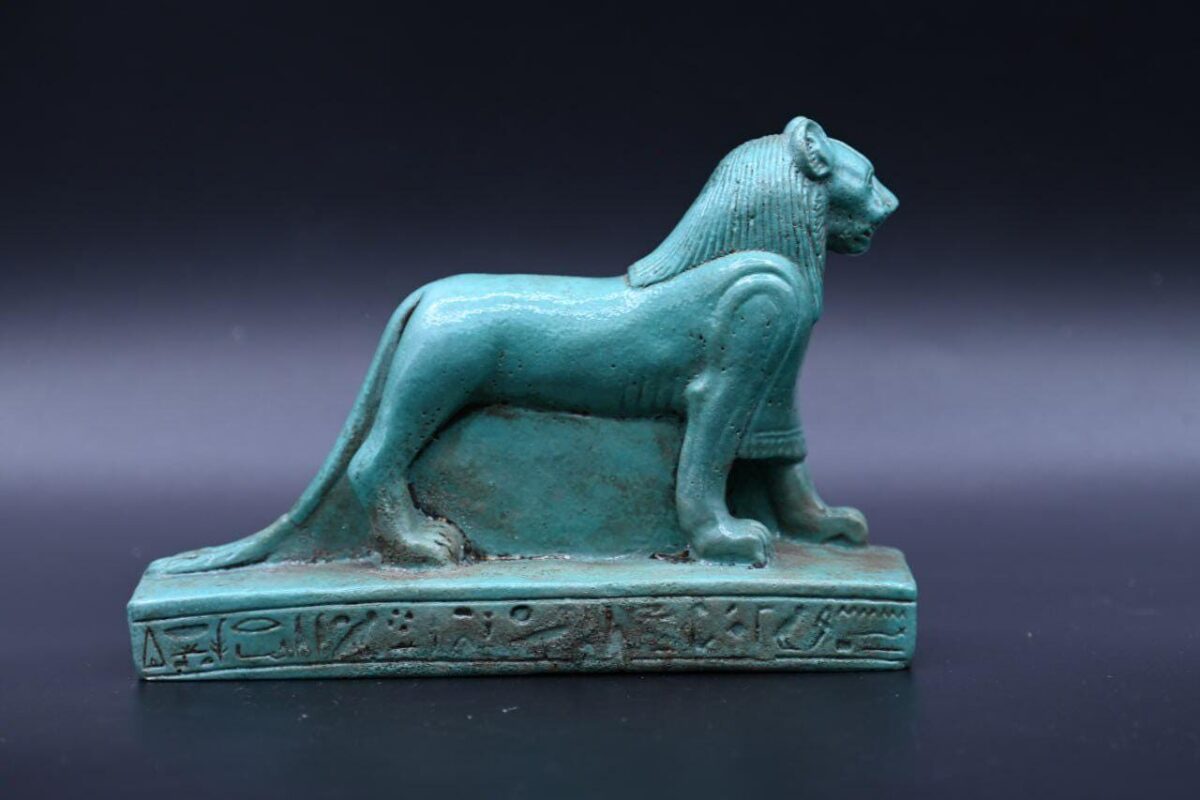
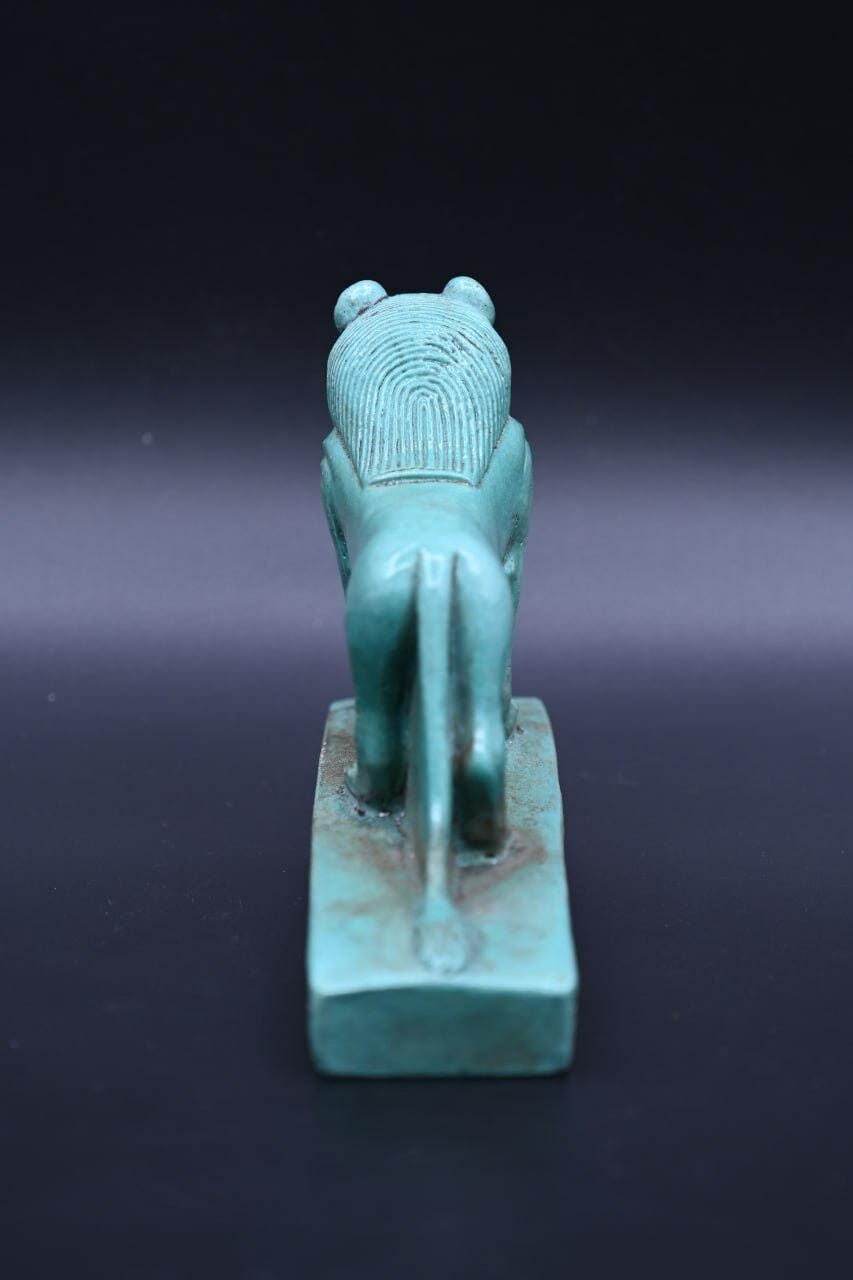
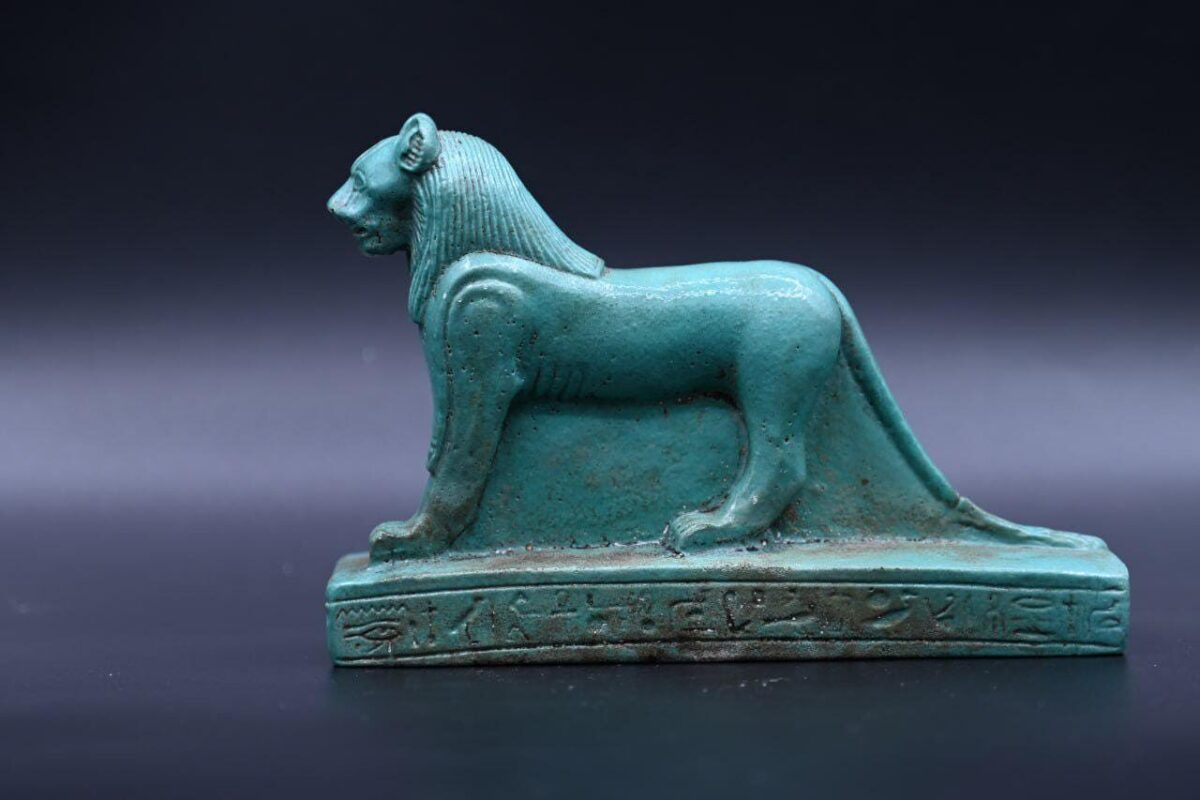
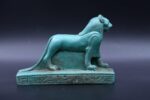
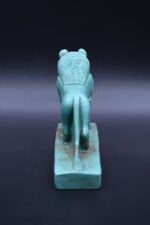
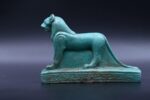
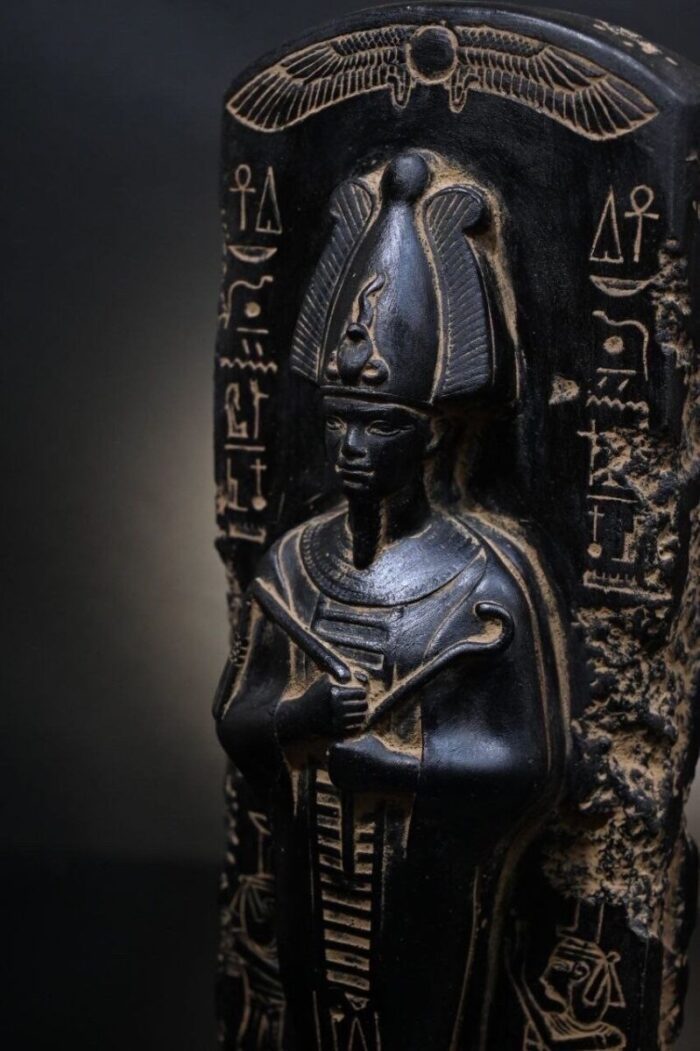
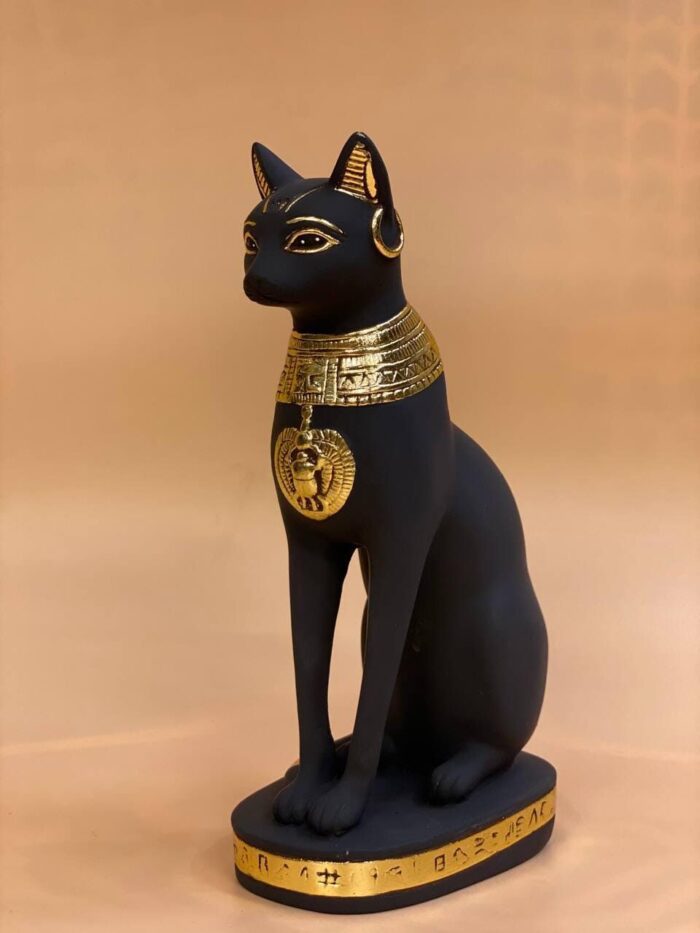
Sekhmet Statue: Egyptian Lioness Goddess of War Sculpture
$162.50
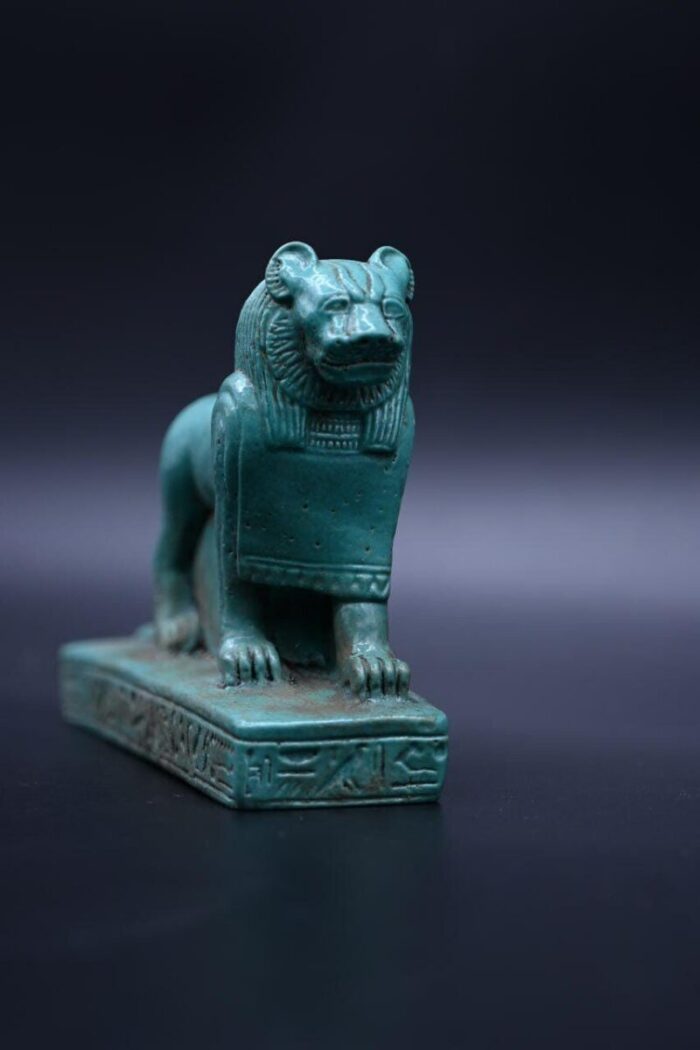
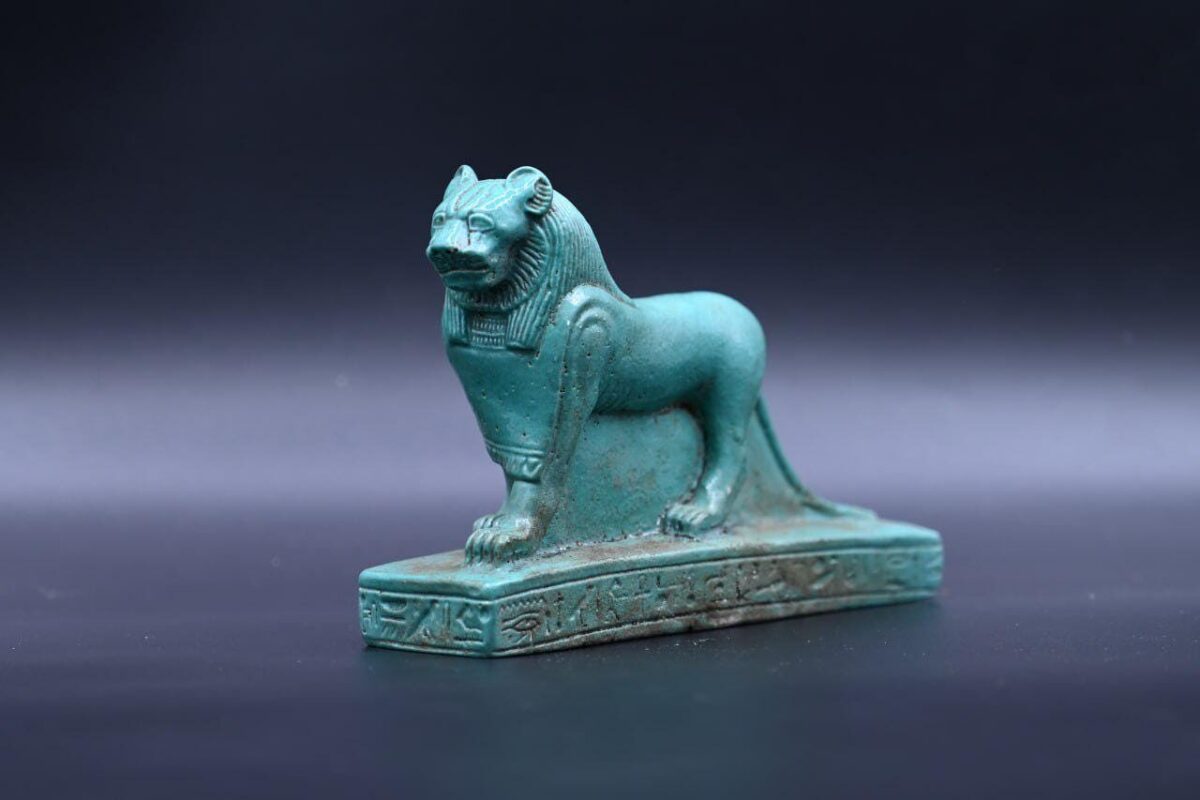
Add a powerful symbol of ancient Egyptian strength to your collection with this Sekhmet Warrior Goddess Statue, inspired by Sekhmet, the lioness goddess of war, protection, healing, and solar power. A distinctive choice for mythology lovers, collectors, Egyptian décor, museum-inspired displays, and unique cultural gifts.
Sekhmet Warrior Goddess Statue – Ancient Egyptian Lioness Deity Sculpture
Description of Art
Sekhmet Warrior Goddess Statue inspired by one of the most powerful and recognizable goddesses of ancient Egyptian religion.
Sekhmet was represented as a lioness-headed woman, reflecting her fierce character and extraordinary divine power. Her name is commonly understood as “The Powerful One,” and she was associated with warfare, destructive force, protection, disease, healing, and solar power.
This Egyptian-inspired statue makes a distinctive decorative piece for collectors, mythology lovers, Egyptology enthusiasts, offices, libraries, and museum-inspired interiors.
Who Was Goddess Sekhmet?
Sekhmet was one of ancient Egypt’s great warrior goddesses.
Her main associations included:
War
Strength
Power
Protection
Healing
Disease and pestilence
Solar force
Royal defense
Her character embodied a remarkable duality: the same goddess capable of destruction and disease could also provide protection and healing when her dangerous power was controlled or appeased. The Metropolitan Museum specifically describes Sekhmet as a goddess of war, violent forces, and pestilence whose power could also become protective and healing.
Sekhmet – “The Powerful One”
Sekhmet’s name is commonly translated as “The Powerful One.”
Her lioness head visually expressed this strength and ferocity. The British Museum describes her lioness imagery as reflecting her destructive and formidable character.
For modern collectors, a Sekhmet Warrior Goddess Statue can symbolically evoke:
Strength • Courage • Protection • Resilience • Healing • Power
Sekhmet as a Lioness Goddess
The lioness was an especially appropriate form for Sekhmet.
She was typically represented with:
A woman’s body
The head of a lioness
A solar disk
A royal cobra or uraeus in many representations
Her lioness form reflected the combination of fierce protection and potentially destructive divine power.
The Metropolitan Museum preserves numerous monumental statues showing Sekhmet with her characteristic lioness head.
Goddess of War and Protection
Sekhmet was strongly associated with warfare and the defense of Egypt and its ruler.
Her aggressive divine power could be directed against enemies, making her an important symbol of royal protection.
The British Museum describes Sekhmet as a goddess of war, destruction, power, and strength who could act as a warrior of Ra against his enemies.
This makes Sekhmet-inspired artwork especially meaningful as a modern symbol of:
Courage • Defense • Determination • Inner Strength
Sekhmet and Healing
Sekhmet’s role was not limited to destruction.
She also became profoundly connected with healing and medicine.
The Metropolitan Museum explains that Egyptian physicians could be associated with her priesthood because illness was understood partly in relation to Sekhmet’s destructive forces; when appeased, she could instead grant life and healing.
This duality is one of the most fascinating aspects of Sekhmet:
She could bring disease, yet she could also protect against and heal it.
For that reason, Sekhmet represents both dangerous power and restoration.
Sekhmet and the Sun
Sekhmet also possessed strong solar associations.
She could act as a fierce manifestation of the power of the sun and was closely linked with Ra.
Her destructive force could symbolize the overwhelming heat and intensity of solar power, while her protective role transformed that force into a defense against enemies and danger.
The Destruction of Mankind Myth
One of the best-known stories associated with Sekhmet is usually called the Destruction of Mankind.
In this tradition, humanity angered the solar deity, and a destructive Eye goddess in the form of Sekhmet attacked humankind.
To stop the slaughter, beer was colored red to resemble blood. Sekhmet drank the red-colored beer, became intoxicated, and her violent rampage ended.
Therefore, the original description saying that Ra simply “turned the Nile River into red-colored beer” is too literal.
A more accurate version is:
“Ra arranged for beer to be colored red to resemble blood, tricking Sekhmet into drinking it and ending her destructive rage.”
Sekhmet During the New Kingdom
Sekhmet became especially prominent in monumental art during Egypt’s New Kingdom.
A particularly famous group of statues dates to the reign of Amenhotep III. The Metropolitan Museum notes that approximately 600 statues of Sekhmet were created during his reign for major temple complexes at Thebes.
Because of this extraordinary surviving group, Sekhmet is especially visible in New Kingdom collections today.
However, it is better not to say that she was only or primarily a New Kingdom goddess. Her religious identity should not be restricted to that period.
Sekhmet and the Memphite Divine Family
Sekhmet was also strongly connected with Memphis.
In the well-known Memphite divine family, she was associated with:
Ptah – Creator God and Patron of Craftsmen
Sekhmet – Goddess of Power, Protection and Healing
Nefertum – Lotus Deity of Fragrance and Renewal
This relationship makes Sekhmet especially suitable for collectors building a broader Egyptian pantheon display alongside Ptah and Nefertum.
A Symbol of Strength and Healing
For a modern decorative interpretation, the Sekhmet Warrior Goddess Statue can represent:
Power • Courage • Protection • Healing • Resilience • Strength
These themes make Sekhmet especially appealing to collectors who appreciate Egyptian mythology centered on strong protective deities.
Egyptian-Inspired Decorative Statue
This statue can work beautifully as:
Egyptian home décor
Office decoration
Library décor
Shelf display
Collector-room artwork
Mythology-inspired décor
Museum-inspired display
Cultural gift
Because it is a modern piece, it is best marketed as an Egyptian-inspired statue or replica, rather than as an authentic Egyptian antiquity.
Perfect for Collectors
The Sekhmet Warrior Goddess Statue is a distinctive choice for:
Sekhmet collectors
Ancient Egyptian art enthusiasts
Egyptology lovers
Egyptian mythology fans
Lioness goddess collectors
Historical décor enthusiasts
Museum-inspired displays
Unique cultural gifts
It can also complement statues of Ptah, Nefertum, Ra, Bastet, Hathor, Isis, Anubis, and other ancient Egyptian deities.
Product Details
Product: Sekhmet Warrior Goddess Statue
Deity: Sekhmet
Typical Form: Lioness-Headed Goddess
Main Associations: War, Strength, Protection, Healing & Pestilence
Solar Association: Connected with Ra and solar power
Style: Ancient Egyptian Inspired
Type: Decorative Goddess Sculpture
Use: Collection, Home Décor, Office Décor & Cultural Gift
Related products
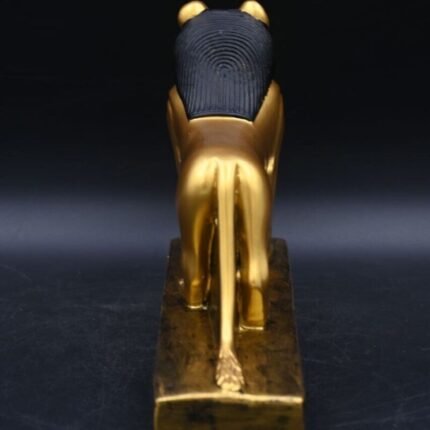
Gold Leaf Sekhmet Statue: Egyptian Lioness Goddess Replica
Add a powerful touch of ancient Egyptian heritage to your collection with this Egyptian Sekhmet Gold Statue, handcrafted from stone and covered with gold leaf. Inspired by Sekhmet, the lioness goddess of strength, protection, war, healing, and solar power, it is a striking choice for collectors, mythology lovers, Egyptian décor, and unique cultural gifts.
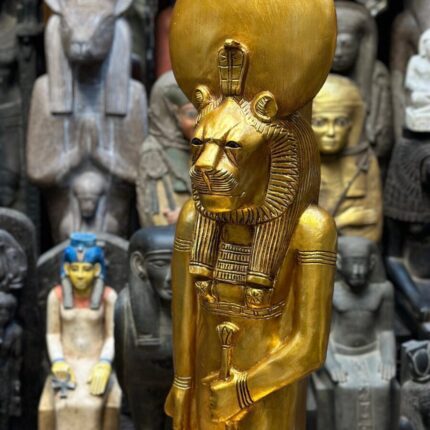
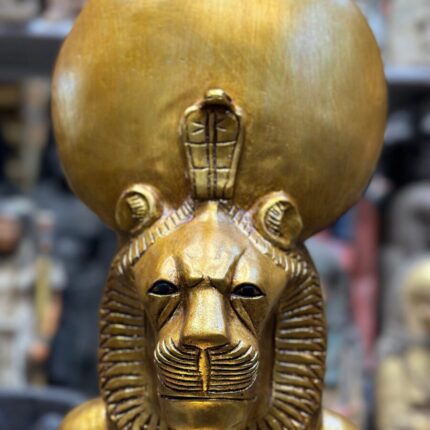
Marvellous sekhmet staute Red granite-goddess -Force-War,Pestilence,Desert Egyptian antiques-deities-mythology-sculpture gods
Add a powerful statement of ancient Egyptian heritage to your space with this Outdoor Sekhmet Red Granite Statue, handcrafted from red granite and standing 102 cm high. Inspired by Sekhmet, the lioness goddess of war, strength, protection, healing, and solar power, it is ideal for collectors, gardens, entrances, Egyptian décor, and museum-inspired displays.
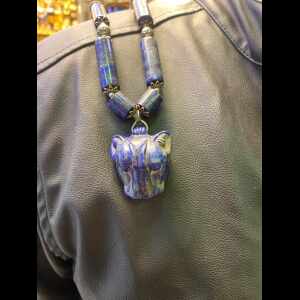
Lapis Lazuli Sekhmet Necklace: Egyptian Goddess Jewelry
Add a powerful touch of ancient Egyptian-inspired elegance with this Sekhmet Lapis Lazuli Necklace, handcrafted with natural lapis lazuli beads and silver-tone accents. Inspired by Sekhmet, the lioness goddess of strength, protection, courage, and healing, it is a distinctive choice for jewelry lovers, mythology enthusiasts, collectors, and unique cultural gifts.
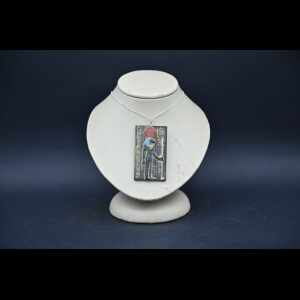
Stone Sekhmet Amulet, Egyptian Goddess of War
Add a powerful symbol of ancient Egyptian strength to your collection with this Sekhmet Stone Protection Amulet, crafted from stone and inspired by Sekhmet, the lioness goddess of war, protection, healing, and solar power. A distinctive choice for mythology lovers, amulet collectors, Egyptian décor, and unique cultural gifts.
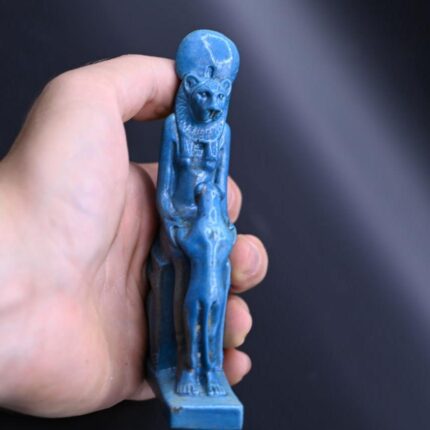
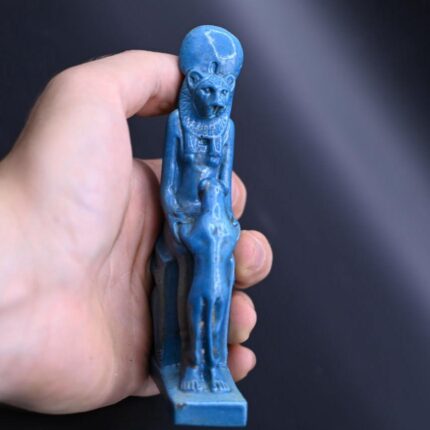
Sekhmet Statue: Egyptian Goddess of War, Stone Antiquity
Add a powerful symbol of ancient Egyptian strength to your collection with this Stone Lioness Sekhmet Statue, crafted from stone and inspired by Sekhmet, the lioness goddess of war, protection, healing, medicine, and solar power. A distinctive choice for collectors, mythology lovers, Egyptian décor, museum-inspired displays, and unique cultural gifts.
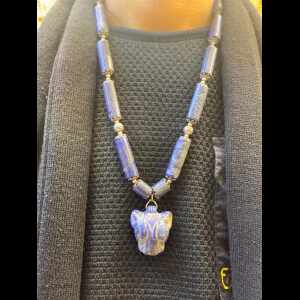
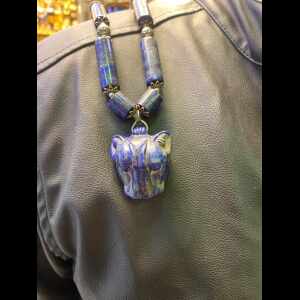
Handmade Lapis Lazuli Sekhmet Necklace: Egyptian Goddess Jewelry
Add a powerful touch of ancient Egyptian symbolism to your jewelry collection with this 150 g Lapis Sekhmet Necklace, handcrafted from natural lapis lazuli stone with elegant silver-tone metal accents. Inspired by Sekhmet, the lioness goddess of strength, protection, healing, and solar power, it is a striking choice for mythology lovers, statement-jewelry collectors, and unique cultural gifts.
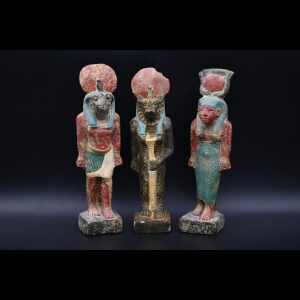
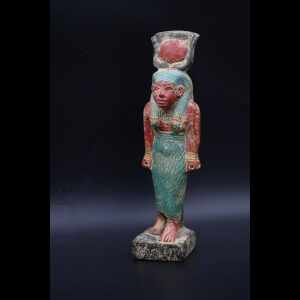
Handcrafted Hathor, Sekhmet, & Horus Statues: Egyptian Deities (20 cm)
Add a distinctive collection of ancient Egyptian symbolism to your space with this Hathor Sekhmet Horus Statue Set, featuring three 20 cm handcrafted statues made from colored natural stone. Representing love and motherhood, strength and healing, and kingship and protection, this set is ideal for collectors, Egyptian décor, mythology lovers, and unique cultural gifts.


Reviews
There are no reviews yet.