

Rosetta Stone Replica – Unlock the Secrets of Ancient Egyptian Hieroglyphs – Handmade Egyptian Antiques
$140.00
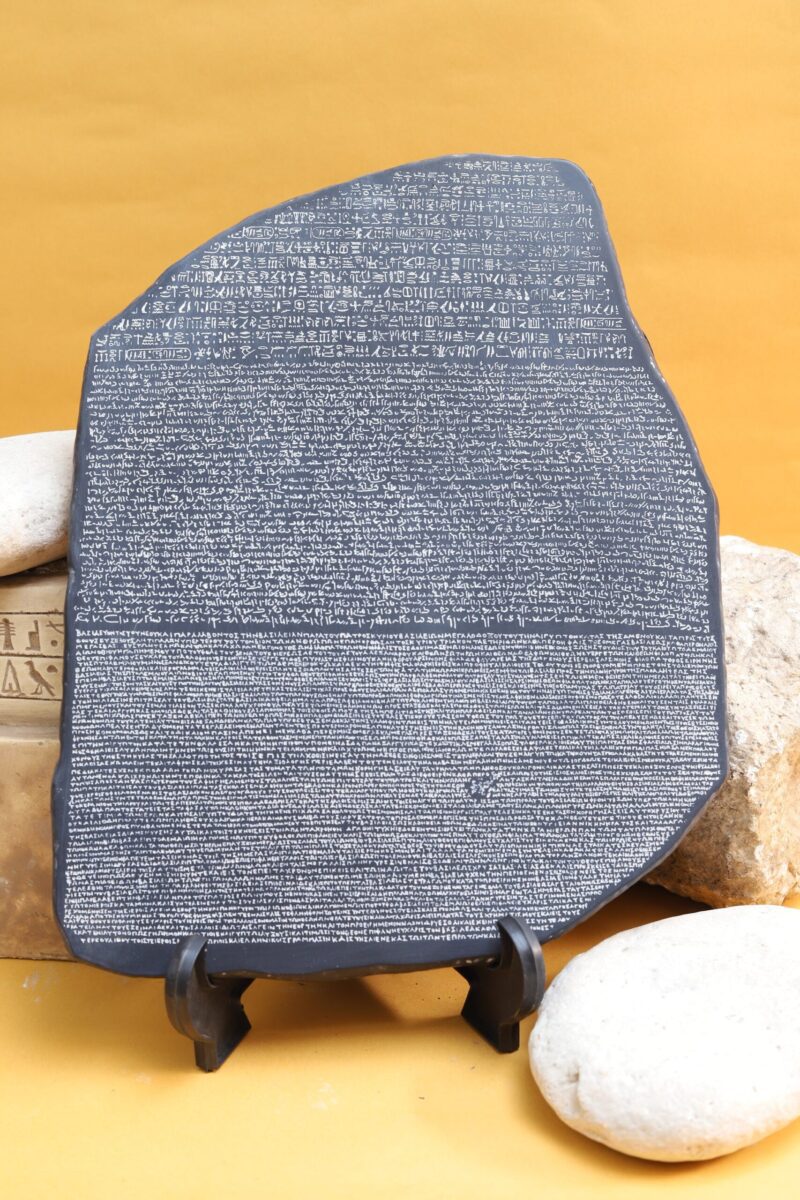
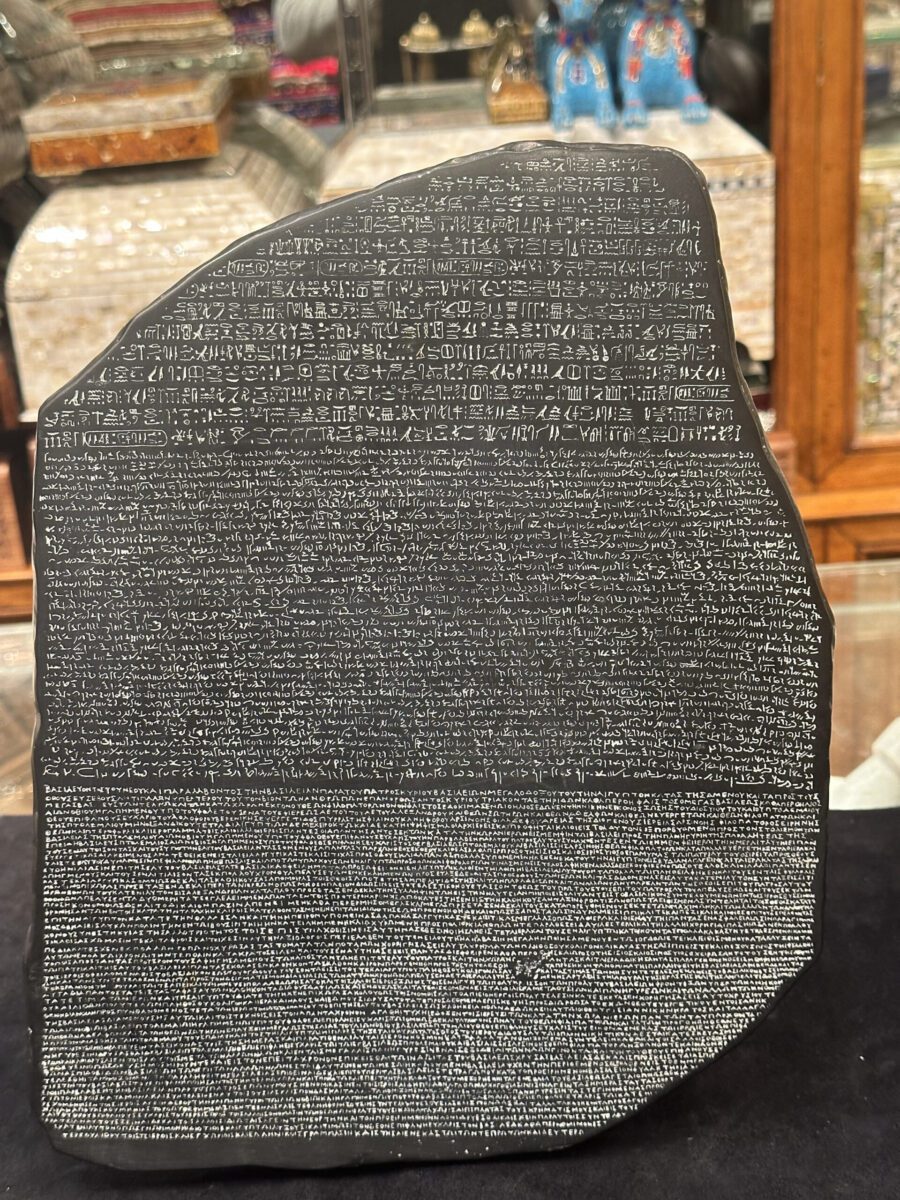
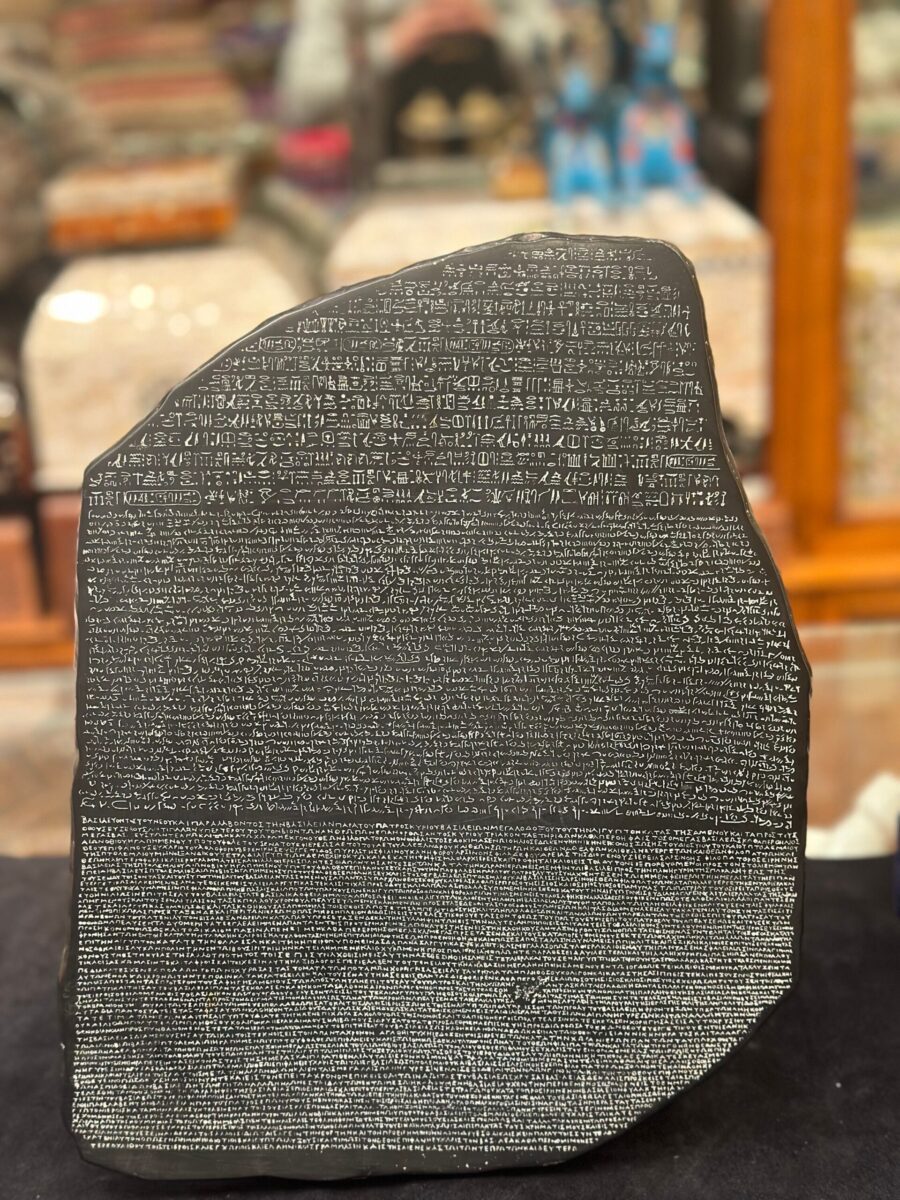
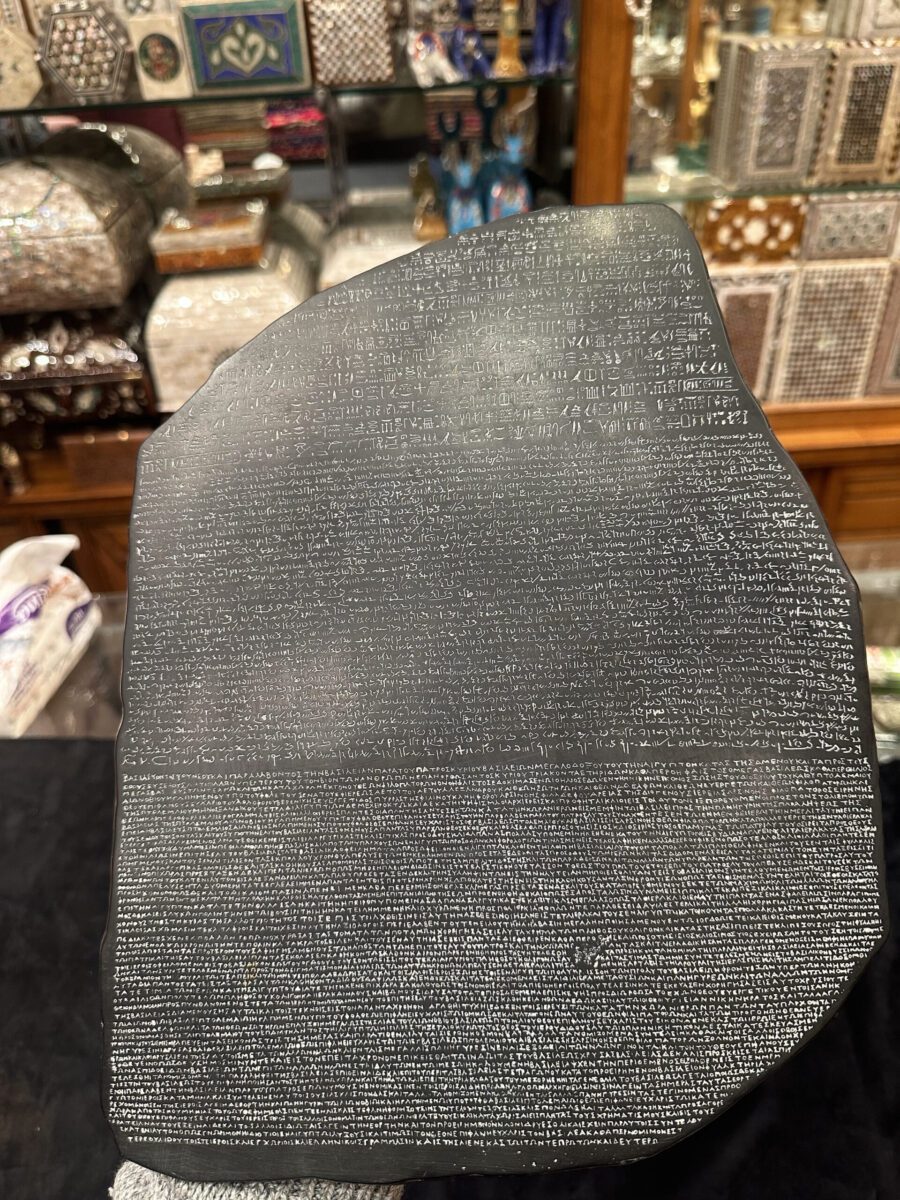
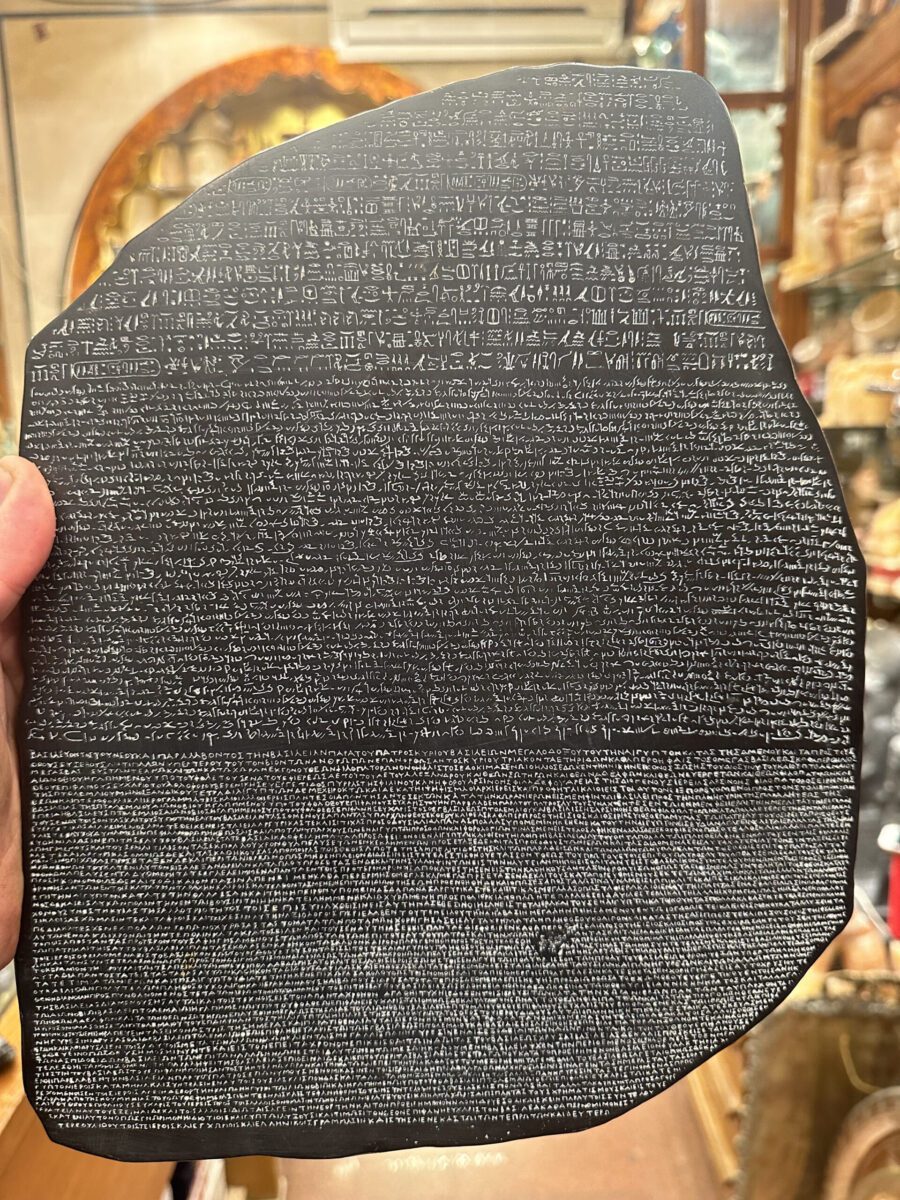
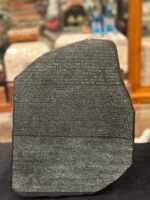
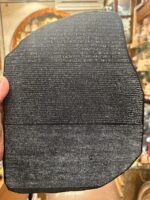
Bring a landmark of ancient Egyptian history into your collection with this 30 cm Rosetta Stone Wall Replica, handcrafted in Egypt and measuring 30 × 20 cm. Inspired by the famous 196 BCE artifact that helped scholars decipher Egyptian hieroglyphs, it can be displayed on a wall or stand and is ideal for Egyptology lovers, history collectors, educational décor, and unique cultural gifts.
30 cm Rosetta Stone Wall Replica – Egyptian Hieroglyphic Art
Description of Art
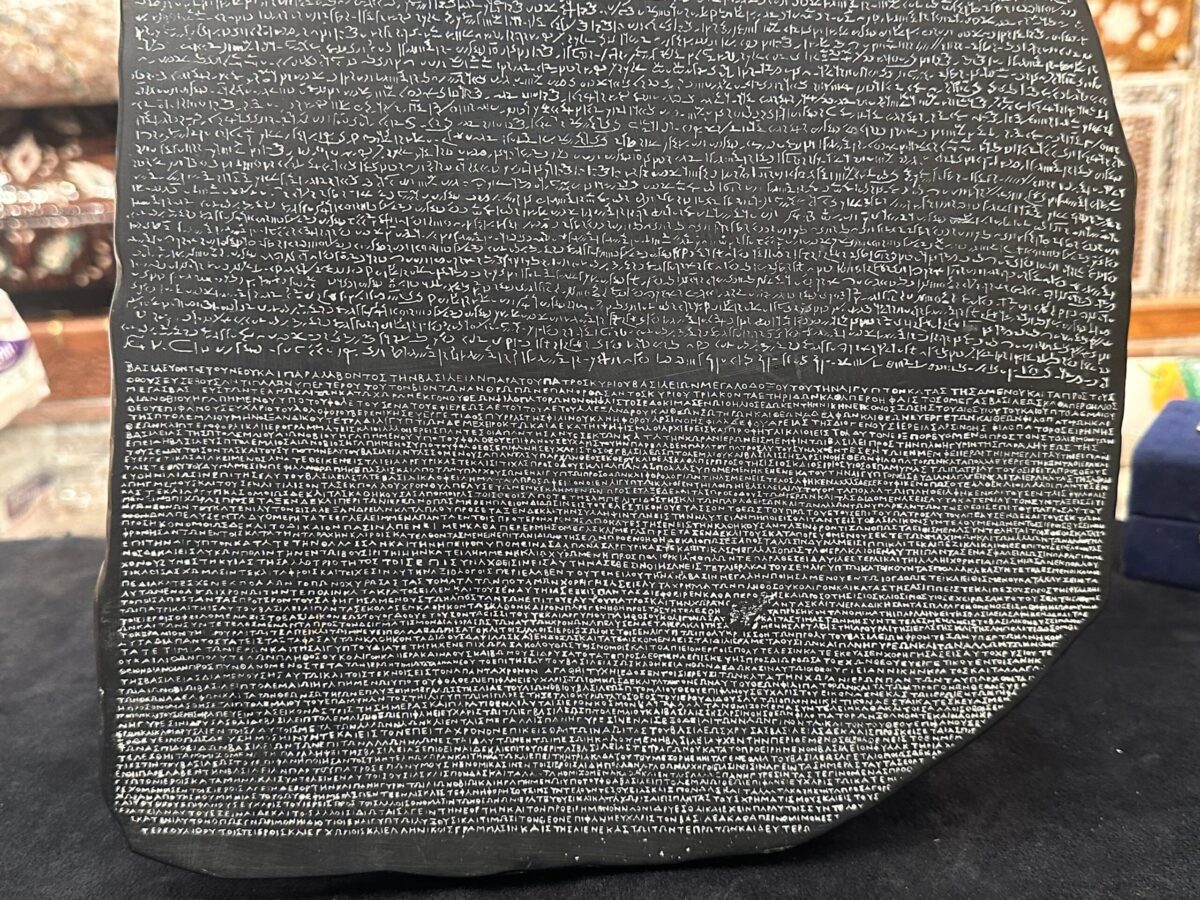
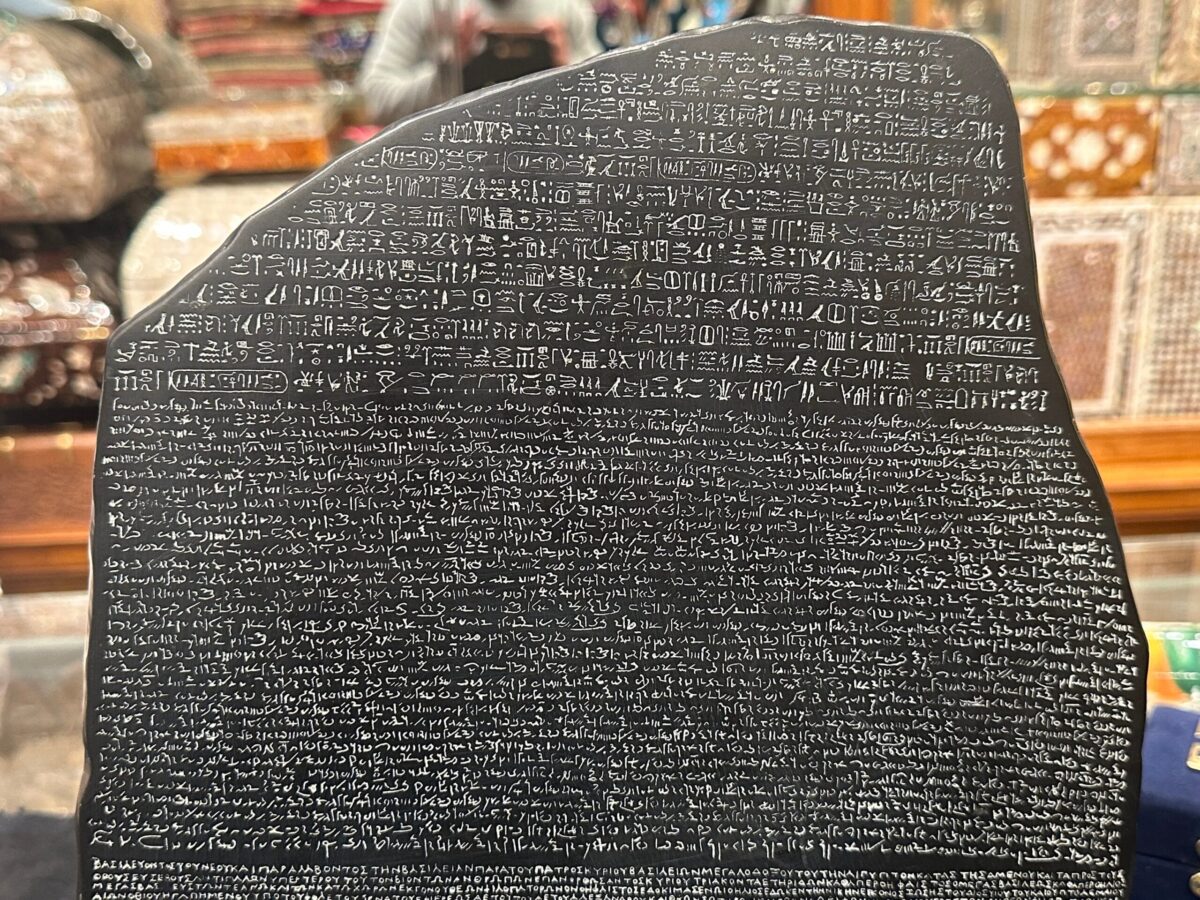
30 cm Rosetta Stone Wall Replica handcrafted in Egypt and inspired by one of the most important archaeological discoveries connected with understanding the ancient Egyptian language.
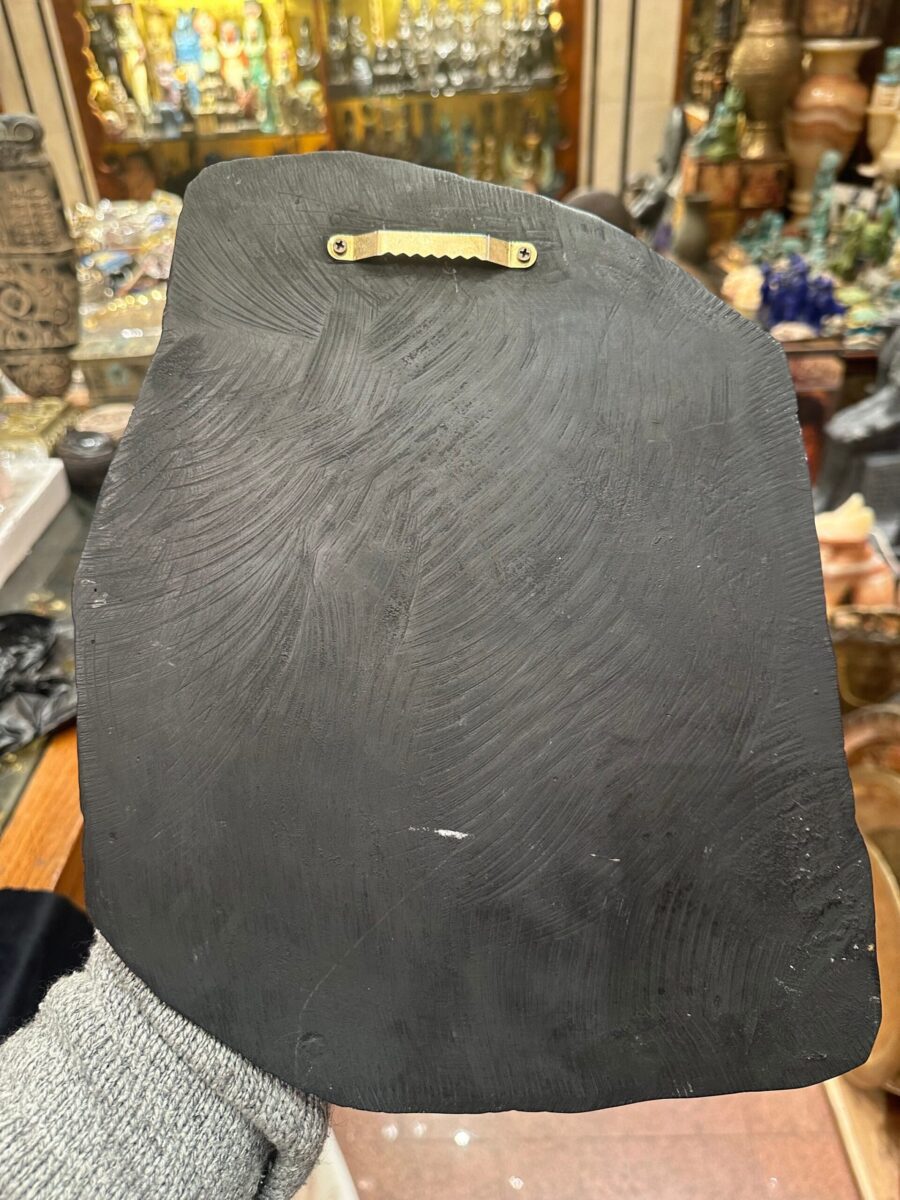
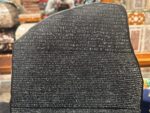
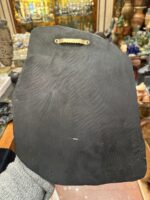
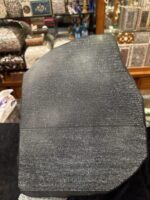
Measuring 30 cm high and 20 cm wide, this decorative replica features the distinctive inscribed appearance of the historic Rosetta Stone. It can be displayed on a wall using the attached hook or positioned on a suitable stand for presentation on a shelf, desk, library display, or collector cabinet.
Created by skilled Egyptian artisans, this piece offers an attractive way to celebrate ancient Egyptian history, writing, archaeology, and the remarkable story of deciphering hieroglyphs.
Product Details
Height: 30 cm
Width: 20 cm
Display: Wall Hanging or Stand Display
Design: Rosetta Stone Inspired
Craftsmanship: Handmade
Origin: Made in Egypt
Style: Ancient Egyptian / Archaeological Inspired
Material: Not Provided
What Is the Rosetta Stone?
The Rosetta Stone is one of the most famous archaeological artifacts in the world.
It was inscribed in 196 BCE, during the reign of Ptolemy V Epiphanes, and contains a decree presented in three different scripts.
These are:
Egyptian Hieroglyphic
Demotic
Ancient Greek
An important correction to the original description is that these are three scripts but only two languages: Egyptian and Greek.
The presence of comparable texts in different scripts eventually gave scholars an essential tool for understanding the ancient Egyptian writing system.
The Key to Deciphering Hieroglyphs
For centuries, scholars could see Egyptian hieroglyphs on temples, monuments, tombs, statues, and papyri but could no longer fully read the ancient writing system.
The discovery of the Rosetta Stone dramatically changed this.
Because scholars could read the Greek portion of the inscription, they were able to compare it with the Egyptian texts.
The stone became one of the most important sources in the long process of deciphering ancient Egyptian hieroglyphs.
Jean-François Champollion
French scholar Jean-François Champollion announced his major breakthrough in deciphering Egyptian hieroglyphs in 1822.
His work demonstrated that hieroglyphs could represent both sounds and ideas rather than functioning only as symbolic pictures.
Champollion’s achievement was foundational to the development of modern Egyptology.
However, the story was not the work of only one scholar.
Thomas Young also made important earlier contributions, especially in identifying relationships between signs and royal names.
For a historically accurate listing, it is therefore better to say that Champollion achieved the decisive breakthrough while building on a wider scholarly effort.
Discovery of the Rosetta Stone
The Rosetta Stone was discovered in 1799 by French soldiers during Napoleon’s campaign in Egypt.
It was found near Rashid, known in European languages as Rosetta, which gave the artifact its modern name.
The discovery eventually transformed the study of Egyptian history by helping scholars regain access to a written language that had been unreadable for centuries.
What Was the Original Stone Made From?
The source description calls the original Rosetta Stone a diorite monument.
This should be corrected.
The original Rosetta Stone is generally identified as granodiorite.
For your replica, however, no material has been supplied, so do not describe the product itself as granodiorite, basalt, stone, resin, or another material unless you confirm what it is actually made from.
Three Scripts on the Rosetta Stone
The three sections of the Rosetta Stone reflect different writing traditions used in Ptolemaic Egypt.
Hieroglyphic Script
Hieroglyphs were especially associated with formal religious and monumental contexts.
They appear prominently on temples, tombs, statues, and other ceremonial monuments.
Demotic Script
Demotic was a cursive Egyptian script widely used for administrative, legal, commercial, and everyday written documents during later periods of Egyptian history.
It should not simply be described as a separate “common language,” because it is primarily a script used to write the Egyptian language.
Ancient Greek
Greek was widely used in Ptolemaic administration and elite contexts following the establishment of Macedonian Greek rule in Egypt.
Because scholars in Europe could read ancient Greek, this portion was crucial to understanding the Egyptian sections.
Ptolemy V and the Decree
The inscription dates to the reign of Ptolemy V, ruler of Egypt during the Ptolemaic Period.
Rather than being a dictionary created to translate hieroglyphs, the Rosetta Stone preserves versions of the same official decree in different scripts.
This distinction is important.
The stone became a tool for decipherment centuries later because scholars could compare the texts.
A Landmark in Egyptology
The Rosetta Stone helped open an entirely new era in the study of ancient Egypt.
Once hieroglyphic texts could be systematically deciphered, scholars gained access to enormous quantities of information preserved on:
Temple walls
Tomb inscriptions
Funerary texts
Royal monuments
Statues
Stelae
Papyrus documents
This transformed modern understanding of ancient Egyptian religion, government, kingship, society, and everyday life.
Handmade Egyptian Replica
The 30 cm Rosetta Stone Wall Replica is handcrafted by Egyptian artisans as a modern decorative interpretation of the famous artifact.
Its detailed inscription-inspired surface makes it especially appropriate for:
Home offices
Libraries
Study rooms
Bookshelves
History classrooms
Egyptology collections
Archaeology displays
Museum-inspired interiors
Two Display Options
A particularly useful feature of this replica is its flexible display format.
It can be:
Hung on a wall using the attached hook.
or
Displayed upright using an appropriate stand.
This makes the piece suitable for both wall décor and tabletop collections.
Perfect for History and Egyptology Lovers
The 30 cm Rosetta Stone Wall Replica is an excellent choice for:
Egyptology enthusiasts
Archaeology lovers
Ancient history collectors
Hieroglyph enthusiasts
Teachers and students
Library décor
Office décor
Egyptian-themed interiors
Unique cultural gifts
Its historical subject also makes it particularly suitable as an educational display piece.
Modern Replica, Not an Antiquity
Because this is a newly handcrafted product, avoid terms such as:
Egyptian Antique
Authentic Ancient Rosetta Stone
Original Archaeological Artifact
Better descriptions include:
Rosetta Stone Replica
Museum-Inspired Egyptian Decor
Ancient Egyptian-Inspired Relief Art
Handmade Egyptian Historical Replica
Product Specifications
Product: 30 cm Rosetta Stone Wall Replica
Historical Inspiration: Rosetta Stone
Date of Original: 196 BCE
Historical Ruler: Ptolemy V
Scripts: Hieroglyphic, Demotic & Ancient Greek
Languages: Egyptian & Greek
Height: 30 cm
Width: 20 cm
Material: Not Provided
Display: Wall Hanging or Stand Display
Craftsmanship: Handmade
Origin: Made in Egypt
Style: Archaeological / Ancient Egyptian Inspired
Type: Decorative Historical Replica
Related products
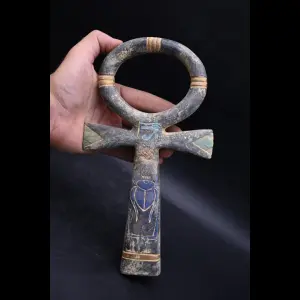
Ankh Statue: Key of Life, Scarab & Eye of Horus – Egyptian Symbol
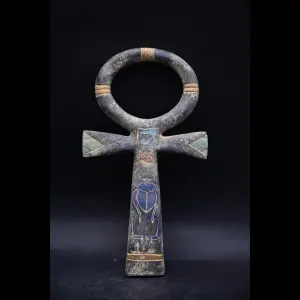
Add a meaningful combination of ancient Egyptian symbolism to your space with this Ankh Scarab Eye of Horus Statue, featuring the iconic Key of Life, protective Eye of Horus, and blue scarab. Symbolizing life, protection, restoration, rebirth, and renewal, it is a distinctive choice for Egyptology collectors, Egyptian décor, mythology lovers, and unique cultural gifts.
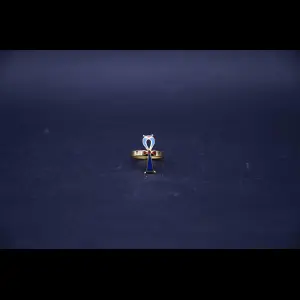
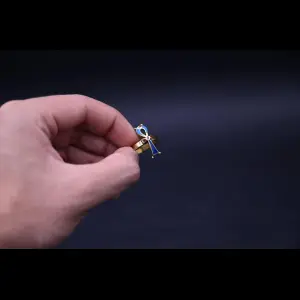
Egyptian Ankh Ring: Key of Life, Good Luck Symbol
Add a timeless symbol of ancient Egyptian life to your jewelry collection with this Unisex Ankh Key of Life Ring, handcrafted in Egypt with a flexible free-size design for women and men. Inspired by the iconic Ankh symbolizing life, vitality, renewal, and continuity, it is a distinctive choice for mythology lovers, Egyptology enthusiasts, pharaonic jewelry collectors, and unique cultural gifts.
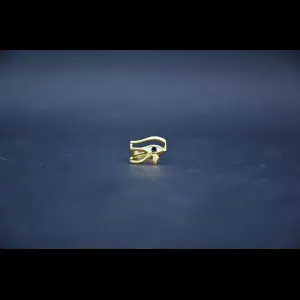
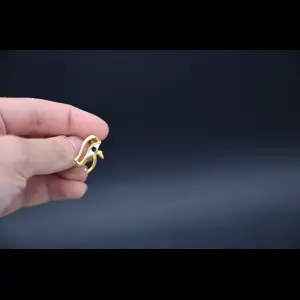
Egyptian Eye of Horus Ring, Ancient Symbol, Handmade in Egypt
Add a powerful symbol of ancient Egyptian kingship to your jewelry collection with this Egyptian Falcon God Horus Ring, handcrafted in Egypt with a unisex free-size design. Inspired by Horus, the falcon god of the sky, royal authority, and protection, it is a distinctive choice for women and men, mythology lovers, Egyptology enthusiasts, and unique cultural gifts.
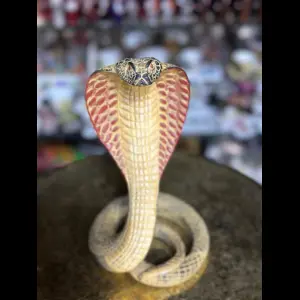
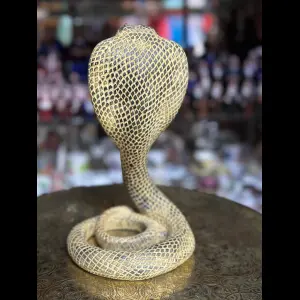
Handmade Egyptian Uraeus Cobra Statue, Wadjet Serpent Goddess
Add a powerful symbol of ancient Egyptian royal protection to your collection with this 25 cm Egyptian Uraeus Cobra, measuring 25 cm high and 12 cm wide. Inspired by Wadjet, the cobra goddess associated with Lower Egypt, kingship, guardianship, and divine protection, it is a distinctive choice for Egyptology collectors, Egyptian décor, mythology lovers, and unique cultural gifts.
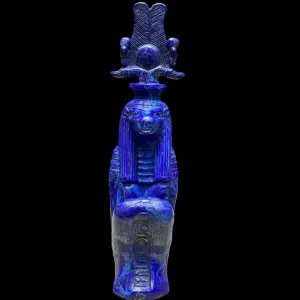
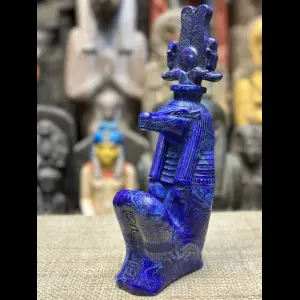
Handcrafted Lapis Lazuli Sobek Statue – Egyptian Crocodile God Art (33 cm)
Add a powerful symbol of ancient Egyptian strength to your collection with this 33 cm Lapis Lazuli Sobek Statue, handcrafted in Egypt and inspired by Sobek, the crocodile god associated with the Nile, fertility, protection, strength, and royal power. Measuring 33 × 7 × 10 cm, it is a striking choice for collectors, Egyptian décor, mythology lovers, and unique cultural gifts.
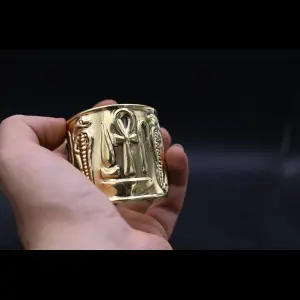
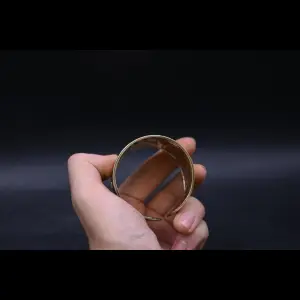
Brass Nile Key Bracelet: Winged Cobra Talisman, Egyptian Protection
Add a powerful combination of ancient Egyptian symbolism to your jewelry collection with this Brass Ankh Cobra Protection Bracelet, handcrafted in Egypt from brass and designed for women and men. Featuring the iconic Key of Life flanked by winged cobras, it symbolizes life, protection, guardianship, and royal authority, making it a distinctive choice for mythology lovers, collectors, and unique cultural gifts.
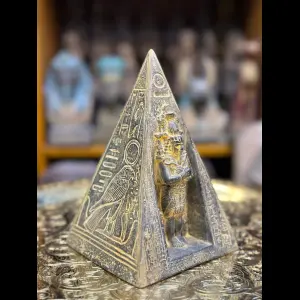
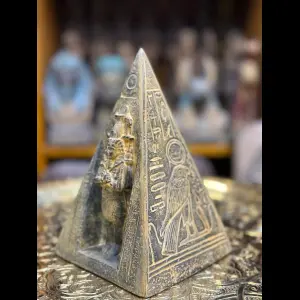
Egyptian Black Stone Pyramid – Handcrafted Horus Monument
Add a striking touch of ancient Egyptian symbolism to your space with this Black Stone Horus Pyramid, crafted from solid black stone and measuring 17 × 10 × 10 cm. Decorated with Horus and other Egyptian-inspired motifs, it is a distinctive choice for collectors, mythology lovers, office décor, Egyptian-themed interiors, and unique cultural gifts.
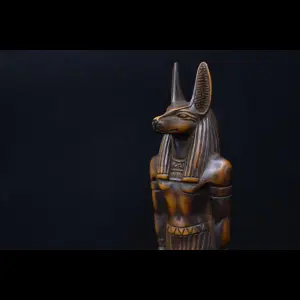
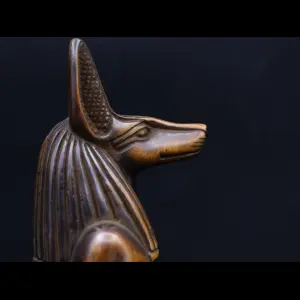
Handcrafted Anubis Statue: Egyptian God of Protection, Brown Stone (23cm)
Add a powerful symbol of ancient Egyptian protection to your collection with this 23 cm Brown Stone Anubis Statue, handcrafted in Egypt from natural stone. Inspired by Anubis, the canine-headed deity of mummification, funerary protection, and care of the deceased, it is a distinctive choice for collectors, Egyptian décor, museum-inspired displays, and unique cultural gifts.


Reviews
There are no reviews yet.