
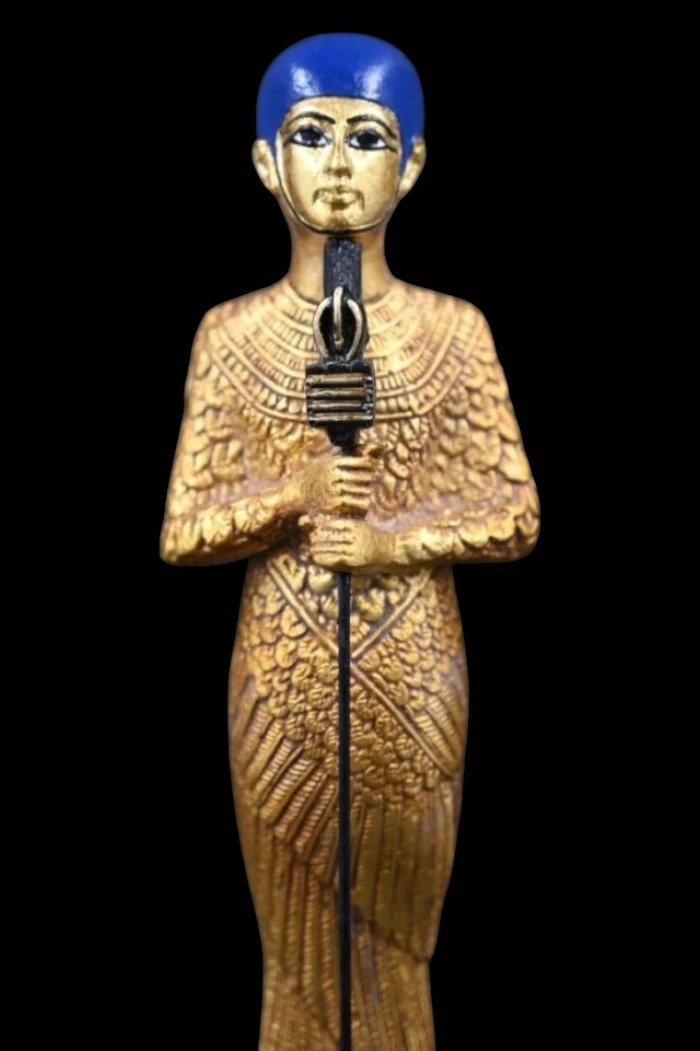
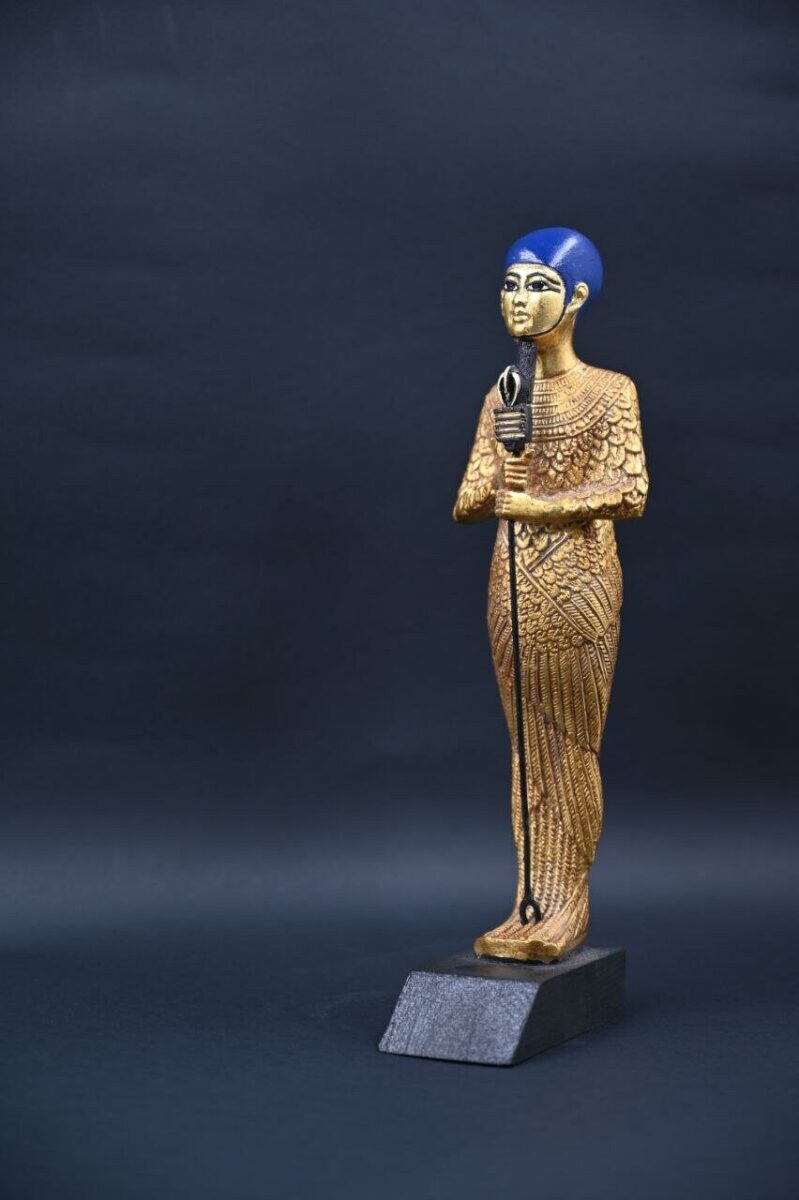
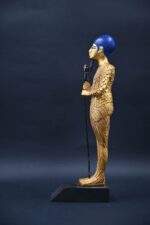
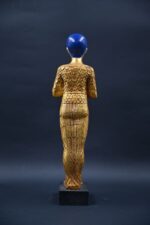
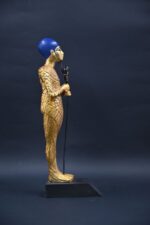
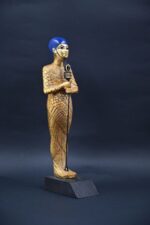
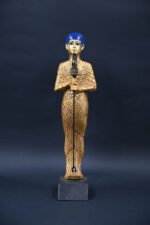
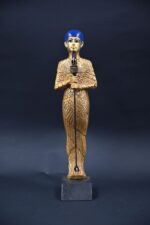
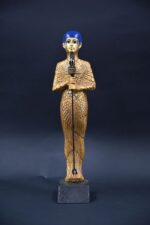
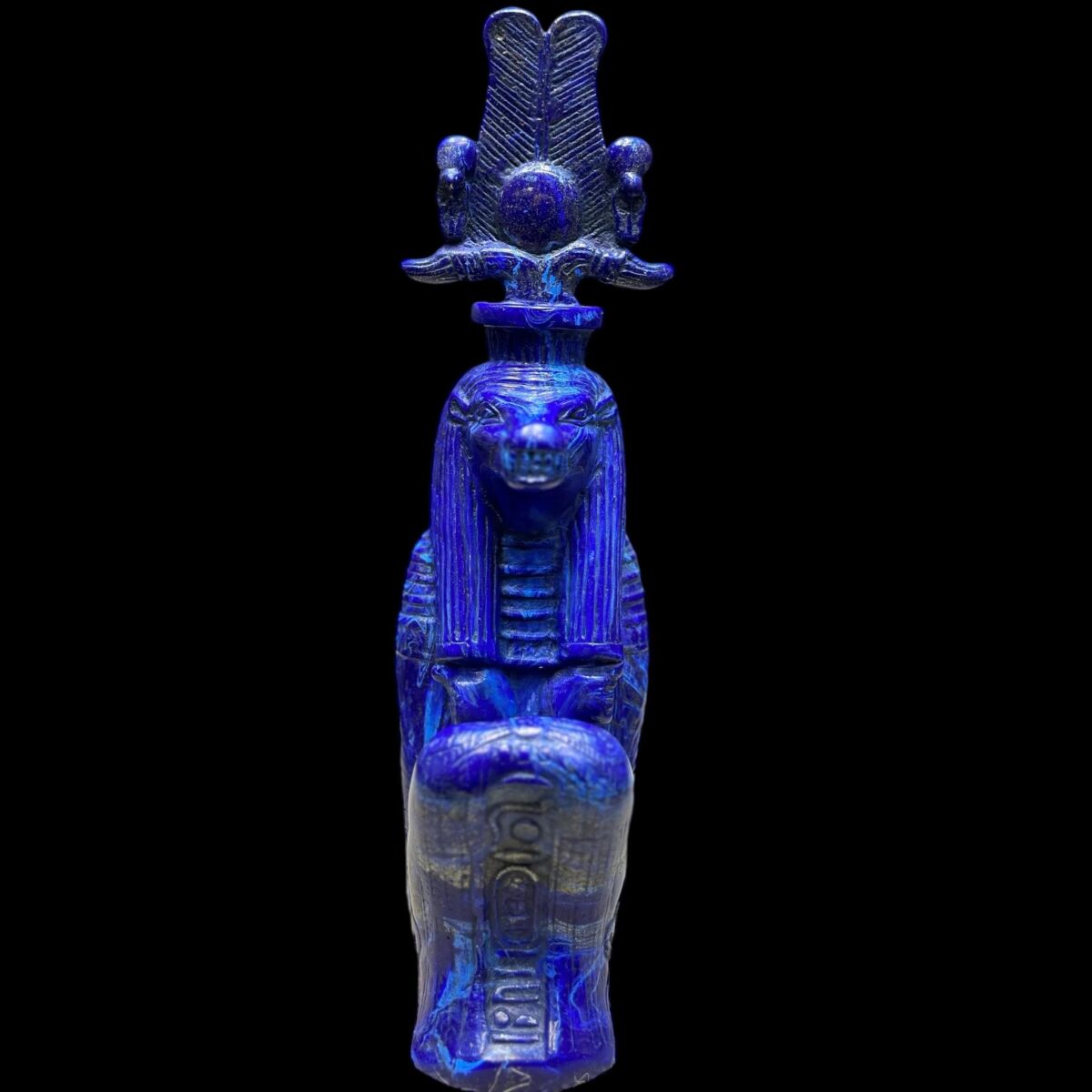
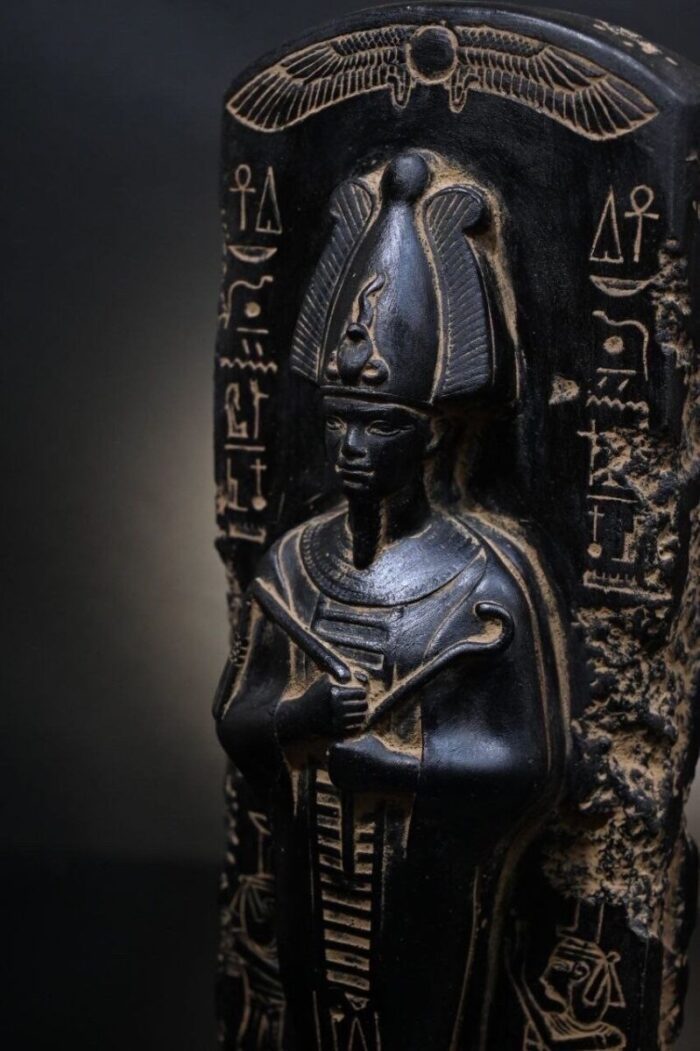
Egyptian God Ptah Statue, Supreme Creator, in Egypt
$286.00
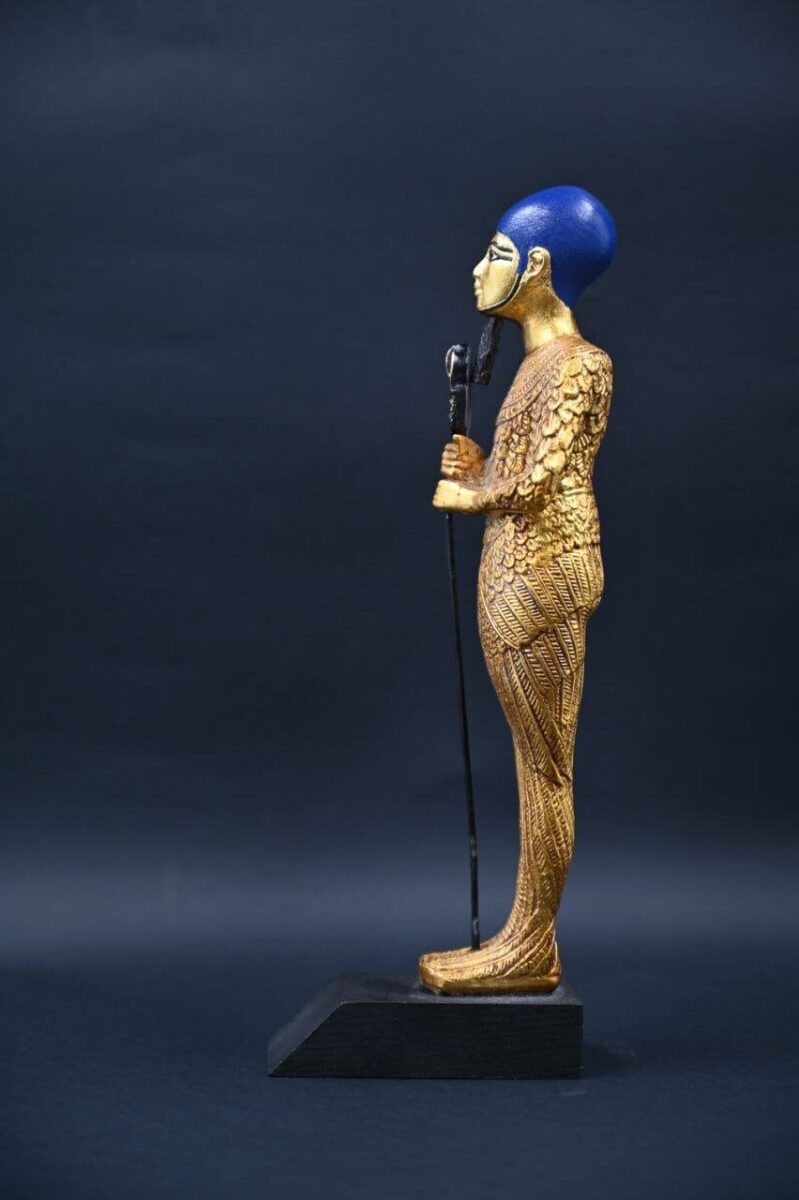
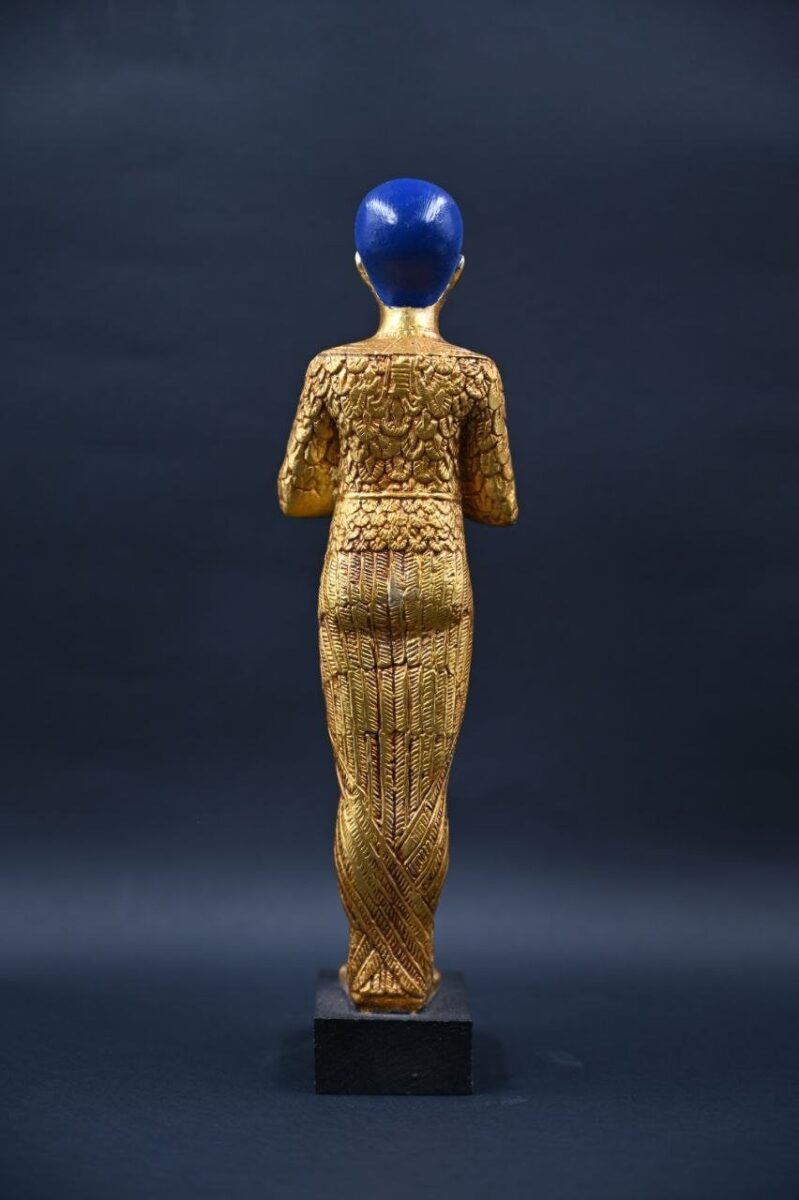
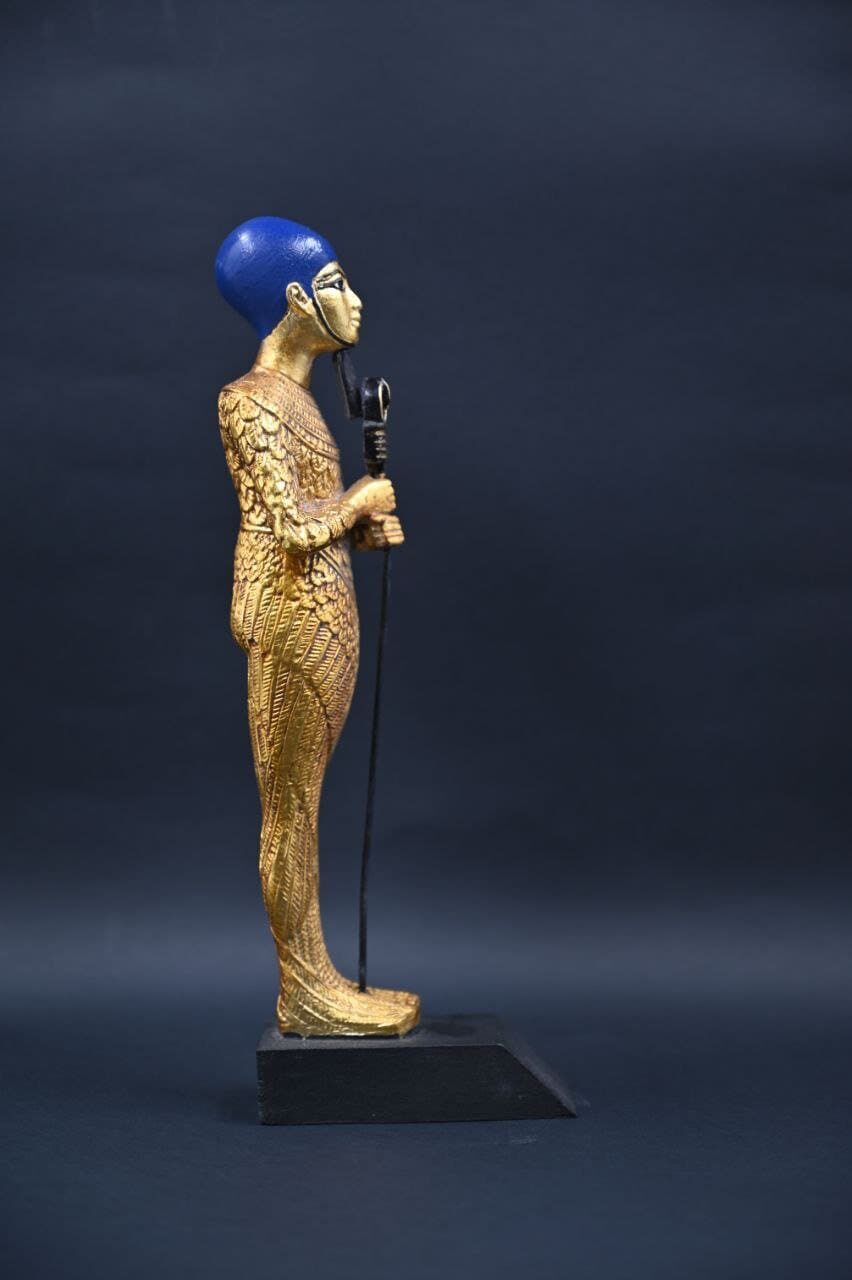
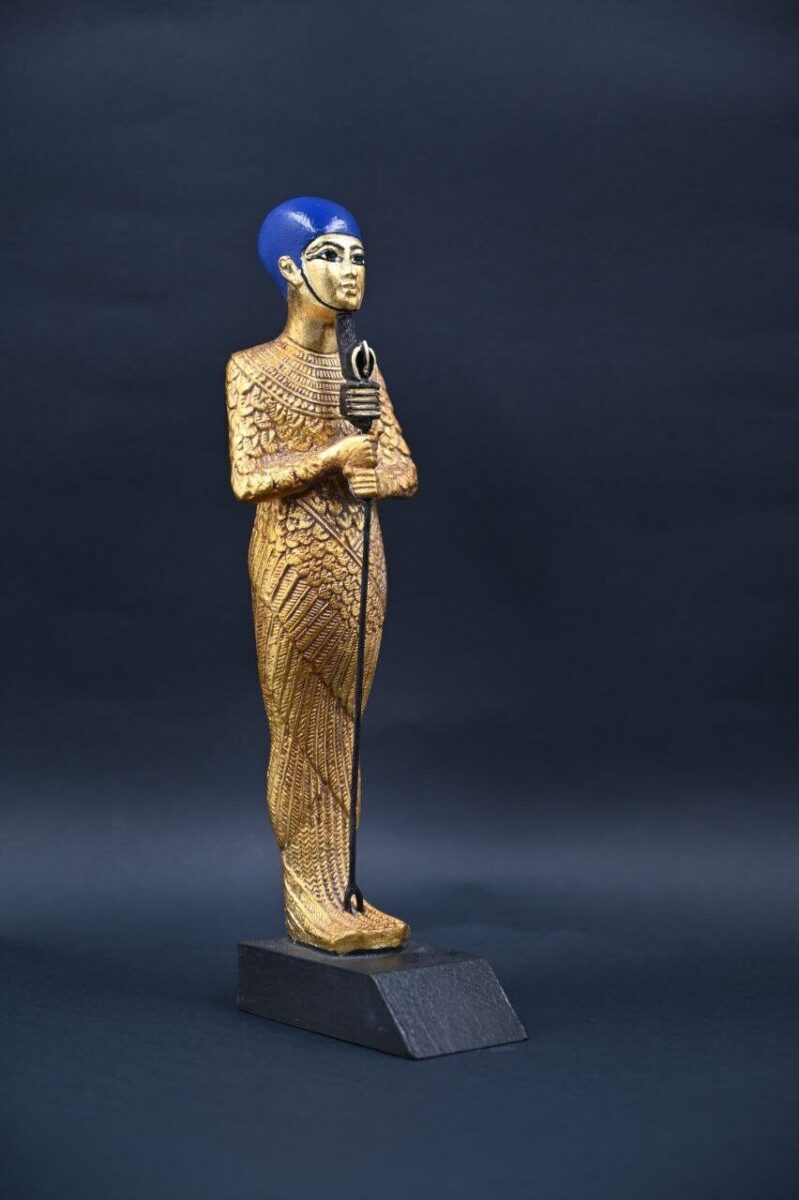
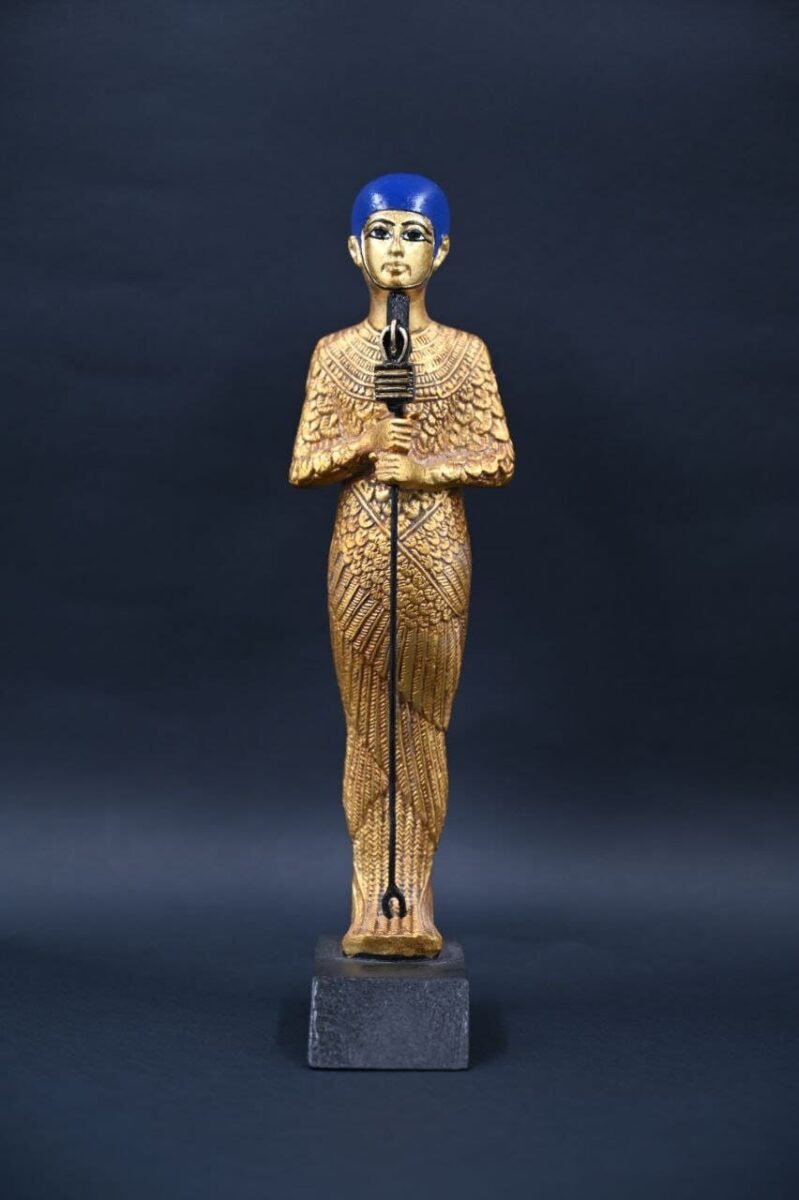
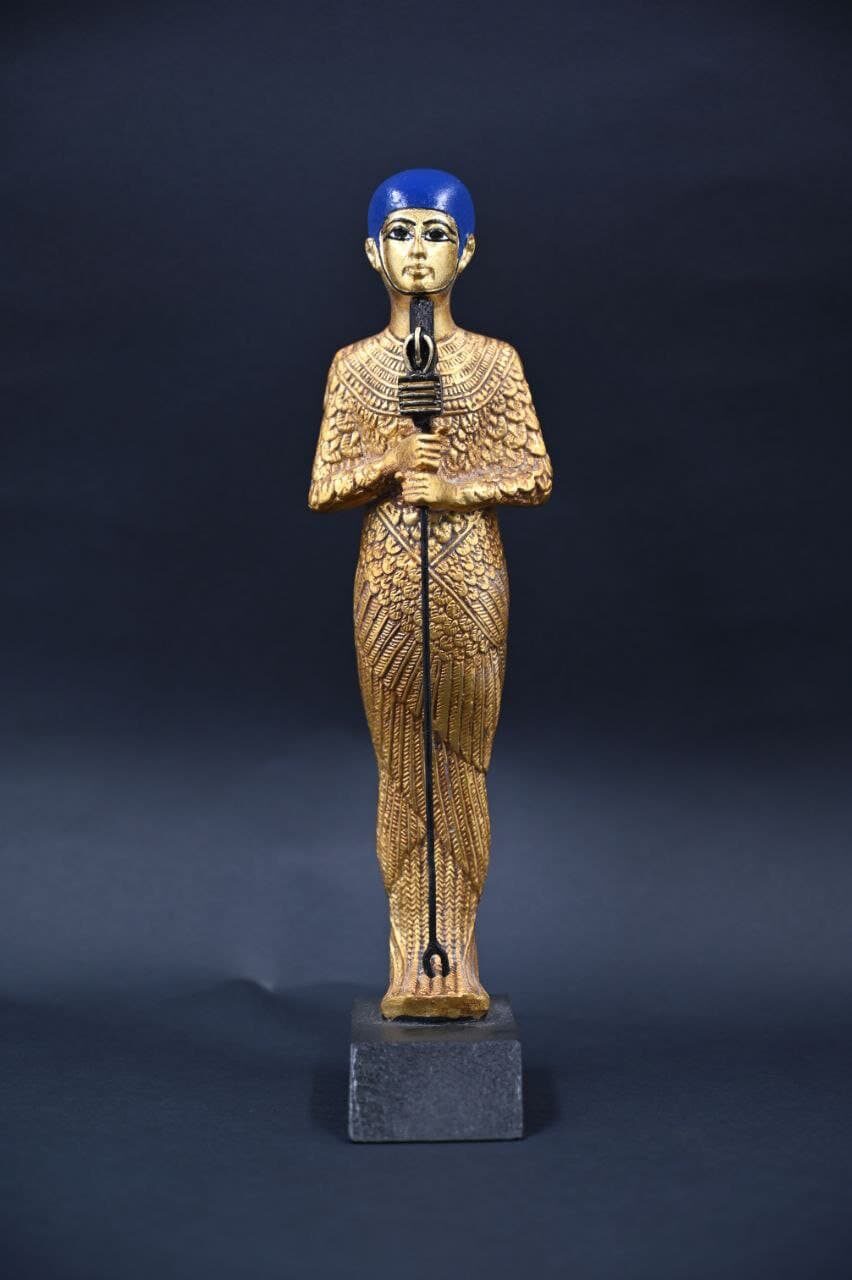
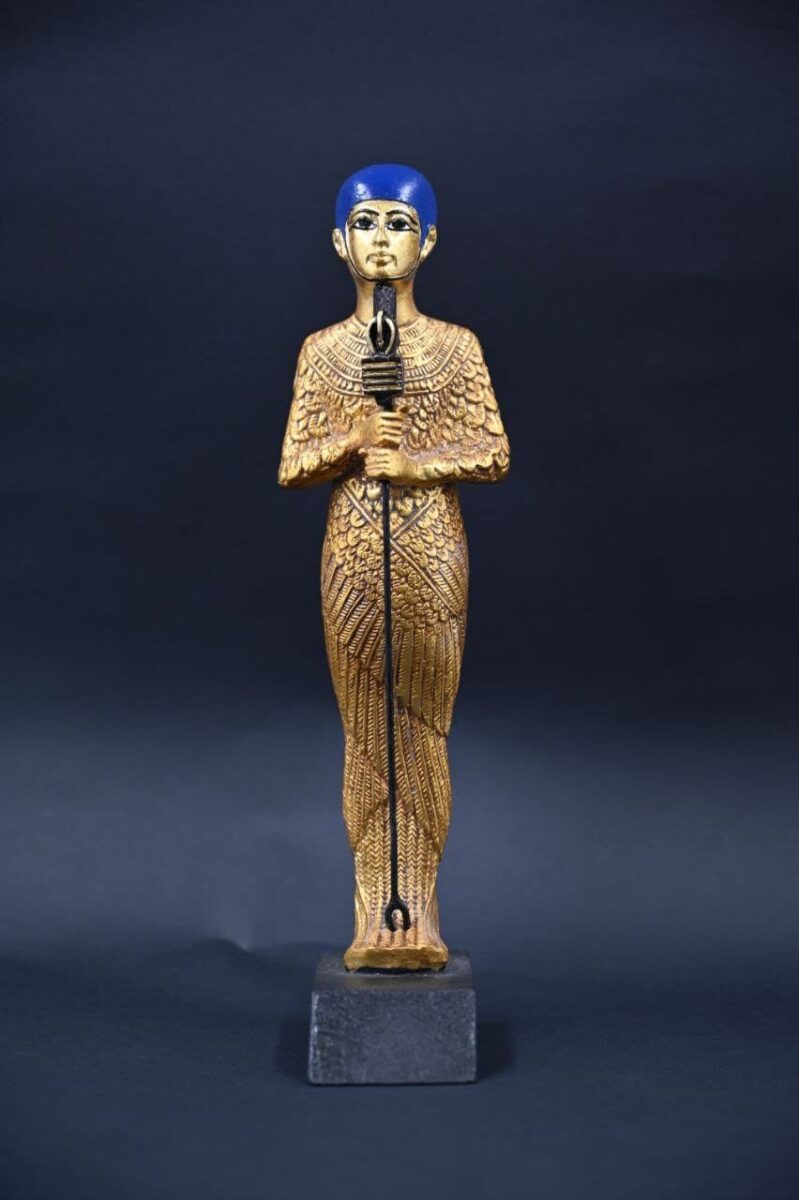
Add a meaningful symbol of ancient Egyptian creativity to your collection with this Ptah Creator God Statue, handcrafted in Egypt and standing 25 cm high. Inspired by Ptah, the god of creation, craftsmanship, architecture, and the arts, it is a distinctive choice for collectors, artists, designers, Egyptian décor, and unique cultural gifts.
Ptah Creator God Statue – Handmade Egyptian Deity Sculpture
Description of Art
Ptah Creator God Statue handcrafted by a skilled Egyptian artist and made in Egypt, inspired by one of the most important creator deities of ancient Egyptian religion.
Standing 25 cm high, this distinctive statue represents Ptah, the principal deity of ancient Memphis and a divine patron of craftsmen, architects, and artists. The British Museum identifies Ptah as the creator god of Memphis and god of craftsmen, while the Metropolitan Museum describes him as strongly associated with arts and crafts.
This Egyptian-inspired sculpture makes a meaningful addition to collections centered on ancient mythology, art, architecture, craftsmanship, and Egyptian cultural heritage.
Product Features
Height: 25 cm
Deity: Ptah
Craftsmanship: Handmade by Skilled Egyptian Artist
Origin: Made in Egypt
Style: Ancient Egyptian Inspired
Type: Decorative Deity Statue
Who Was the Egyptian God Ptah?
Ptah was one of ancient Egypt’s major creator gods and the principal deity associated with Memphis.
His major roles included:
Creation
Craftsmanship
Architecture
Art
Skilled labor
Sculpture and building
The British Museum describes Ptah specifically as the god of craftsmen, architects, and artists and as the main deity of Memphis.
This connection between divine creation and human craftsmanship gives the Ptah Creator God Statue particularly strong symbolism for artists, designers, architects, builders, and makers.
Ptah as a Creator God
One of Ptah’s most important religious roles was that of a creator deity.
In the theological tradition associated with Memphis, creation could be understood as occurring through divine thought and speech. The British Museum summarizes this tradition by noting that Ptah was associated with creation and was believed to have created the world by speaking it into existence.
This gives Ptah a distinctive form of creative power.
Rather than shaping the universe physically like a human artisan, his creative ability could be imagined through intention, thought, and divine speech.
For a modern symbolic interpretation, Ptah-inspired art can therefore evoke:
Creativity • Intelligence • Skill • Design • Inspiration • Creation
Patron of Craftsmen and Artists
Ptah’s relationship with craftsmanship is one of the best-established aspects of his identity.
The Metropolitan Museum describes him as primarily associated with arts and crafts and notes his close connection with craftsmen, builders, and artists.
This makes a Ptah Creator God Statue especially appropriate for:
Artists
Sculptors
Architects
Designers
Craftspeople
Builders
Creative professionals
As a decorative object, it can work particularly well in an art studio, design office, architectural workspace, library, or creative room.
Ptah and Memphis
Ptah’s most important cult center was Memphis, one of the great cities of ancient Egypt.
Egypt’s Ministry of Tourism and Antiquities identifies Memphis as a major center for the worship of Ptah and notes that his temple was among the most important religious institutions in ancient Egypt.
The British Museum similarly identifies Ptah as the main god of Memphis.
This close connection made Ptah one of the defining deities of the city’s religious identity.
The Memphite Triad
Ptah formed part of an important divine family commonly called the Memphite Triad.
The three principal deities were:
Ptah – Creator God & Patron of Craftsmen
Sekhmet – Lioness Goddess of Power, Protection & Healing
Nefertum – Lotus Deity Associated with Fragrance and Renewal
A British Museum papyrus explicitly depicts the triad of Memphis as Ptah, his consort Sekhmet, and Nefertum.
This is the strongest and safest family relationship to emphasize in product copy.
How Was Ptah Depicted?
Ptah has a very distinctive appearance in ancient Egyptian art.
He was commonly represented as a mummiform or tightly wrapped male figure wearing a close-fitting skullcap, with his hands emerging in front to hold a ceremonial sceptre. Both the British Museum and Metropolitan Museum identify these features as characteristic of Ptah.
This unusual form makes Ptah easy to distinguish from many other Egyptian gods.
Ptah’s Scepter
Ancient representations of Ptah often show him holding a complex ceremonial sceptre.
A Metropolitan Museum statue describes Ptah holding a sceptre incorporating was and djed symbols, while the British Museum also notes his characteristic sceptre in surviving figures.
These Egyptian symbols could evoke concepts such as authority and stability, further strengthening Ptah’s visual connection with divine power and cosmic order.
Ptah and Sekhmet
Ptah’s traditional divine consort was Sekhmet, the powerful lioness goddess.
The British Museum directly identifies Ptah as the consort of Sekhmet.
Together with their son Nefertum, they formed the central divine family of Memphis.
For collectors building a broader Egyptian mythology display, a Ptah statue pairs naturally with sculptures of Sekhmet and Nefertum.
Ptah and Nefertum
Nefertum was the lotus-associated deity traditionally presented as the son of Ptah and Sekhmet within the Memphite Triad. The Great Harris Papyrus in the British Museum preserves imagery of the three together.
This connection makes Ptah particularly interesting within collections devoted to Egyptian divine families and temple traditions.
Ptah-Sokar and Funerary Traditions
The original description correctly mentions Ptah’s connection with Sokar, but Egyptian religious syncretism developed further than simply “Ptah-Sokar.”
Ptah could be combined with Sokar, another Memphite deity with strong funerary associations, and the composite Ptah-Sokar-Osiris became particularly important in funerary religion.
For an e-commerce listing, however, it is best to keep this as a secondary historical detail rather than defining Ptah primarily through the afterlife, since his strongest identity remains that of the Memphite creator god and patron of craftsmen.
A Note About the Meaning of Ptah’s Name
The original description states that Ptah’s name means “The Opener.”
I would avoid presenting that translation as an established fact in the product listing.
Ancient Egyptian divine names can have uncertain or debated etymologies, so the strongest SEO copy should focus on Ptah’s well-attested religious roles rather than giving a definitive translation of his name.
Was Memphis the Capital During the New Kingdom?
The original description says that Ptah’s cult was especially prominent during the New Kingdom because Memphis served as the capital of Egypt.
That is too broad.
Memphis remained an extremely important political, administrative, military, and religious center across Egyptian history, but it should not simply be described as Egypt’s capital throughout the entire New Kingdom.
The stronger statement is:
“Memphis remained one of ancient Egypt’s major religious and administrative centers, and Ptah’s temple was among its most important sanctuaries.”
Egypt’s Ministry of Tourism and Antiquities confirms Memphis’s central importance as the cult center of Ptah.
Handmade in Egypt
The Ptah Creator God Statue is handcrafted by a skilled Egyptian artist and made in Egypt.
This gives the piece a meaningful connection with modern Egyptian craftsmanship while drawing inspiration from one of the ancient civilization’s most important artistic patron deities.
That relationship is particularly fitting for a statue of Ptah himself—the divine patron of craftsmen and artists.
Symbolism for Modern Collectors
For a modern collector, Ptah-inspired imagery can symbolically represent:
Creation • Creativity • Craftsmanship • Knowledge • Skill • Architecture • Artistic Inspiration
These themes make the statue especially meaningful for creative professionals as well as Egyptology enthusiasts.
Perfect for Collectors and Creative Professionals
The Ptah Creator God Statue is a distinctive choice for:
Ancient Egyptian art collectors
Ptah enthusiasts
Egyptology lovers
Architects
Artists
Sculptors
Designers
Craftspeople
Builders
Egyptian mythology enthusiasts
Office and studio décor
Museum-inspired displays
Unique cultural gifts
At 25 cm high, it is suitable for shelves, desks, display cabinets, studios, offices, libraries, and Egyptian-themed interiors.
Product Details
Product: Ptah Creator God Statue
Deity: Ptah
Height: 25 cm
Craftsmanship: Handmade by Skilled Egyptian Artist
Origin: Made in Egypt
Main Associations: Creation, Craftsmen, Architecture & Art
Principal Cult Center: Memphis
Divine Consort: Sekhmet
Divine Family: Ptah, Sekhmet & Nefertum
Typical Appearance: Mummiform figure with close-fitting skullcap and sceptre
Style: Ancient Egyptian Inspired
Type: Decorative Handmade Sculpture
Use: Collection, Home Décor, Studio Décor, Office Décor & Cultural Gift
| Dimensions | 25 in |
|---|
Related products
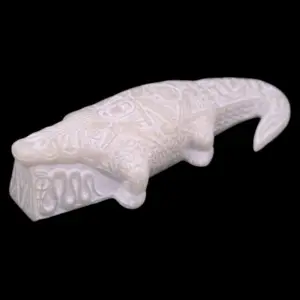
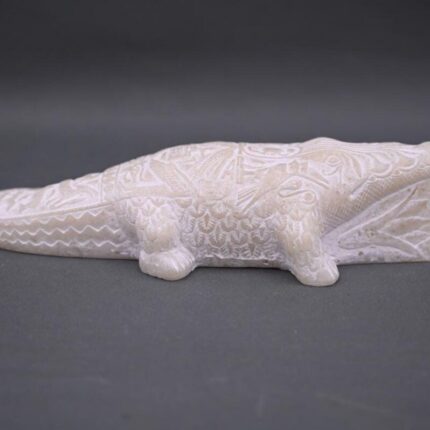
Stone Sobek Statue, Ancient Egyptian God Sculpture
Add a powerful symbol of ancient Egyptian heritage to your collection with this Egyptian Sobek Stone Sculpture, crafted from stone and inspired by the crocodile god of the Nile, fertility, strength, protection, and royal power. A distinctive choice for collectors, history lovers, Egyptian décor, mythology enthusiasts, and unique cultural gifts.
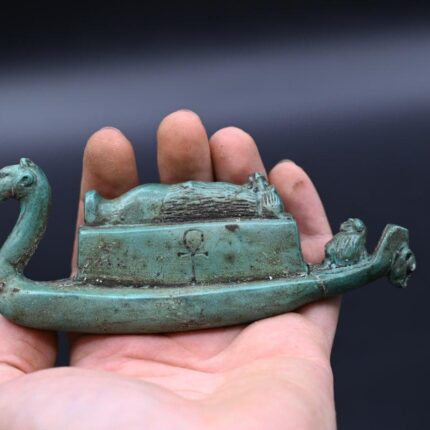
Stone Thoth Boat Statue: Egyptian Antiquity Replica
Add a distinctive piece of ancient Egyptian-inspired art to your collection with this Anubis Sobek Thoth Boat Statue, handcrafted from stone by skilled Egyptian artisans and made in Egypt. Featuring Anubis, Sobek, and Thoth in a boat-shaped composition, it symbolizes protection, strength, wisdom, and knowledge, making it ideal for collectors, Egyptian décor, and unique cultural gifts.
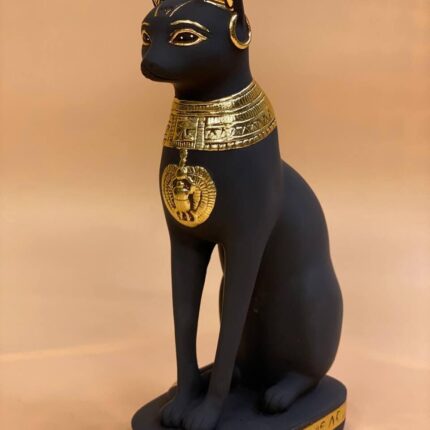
Bastet Statue: Egyptian Goddess of Home Decor
Add a meaningful symbol of ancient Egyptian protection to your collection with this Bastet Home Guardian Stone Statue, handcrafted in Egypt from stone. Inspired by Bastet, the feline goddess of home, family, fertility, protection, and joy, it is a distinctive choice for cat lovers, collectors, Egyptian décor, and unique cultural gifts.
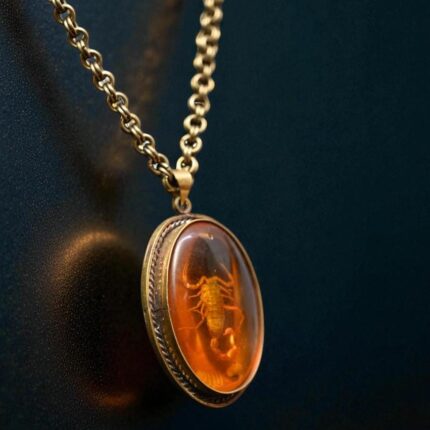
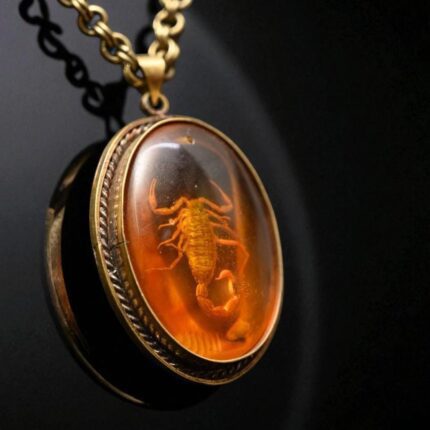
Egyptian Scorpion Amulet: Handcrafted Ancient Pendant Necklace
Add a powerful symbol of ancient Egyptian protection to your jewelry collection with this Egyptian Scorpion Talisman Pendant, featuring a detailed scorpion motif with a warm amber-toned appearance. Inspired by ancient scorpion symbolism of protection, defense, strength, and guardianship, it is a distinctive choice for mythology lovers, amulet collectors, symbolic jewelry enthusiasts, and unique cultural gifts.
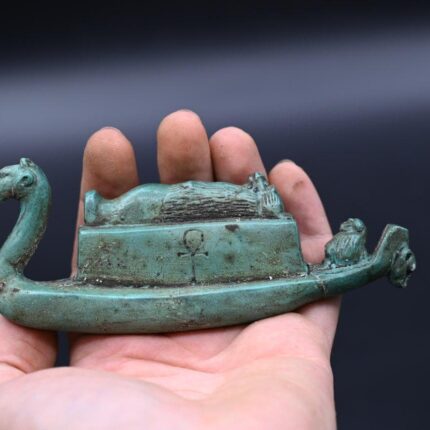
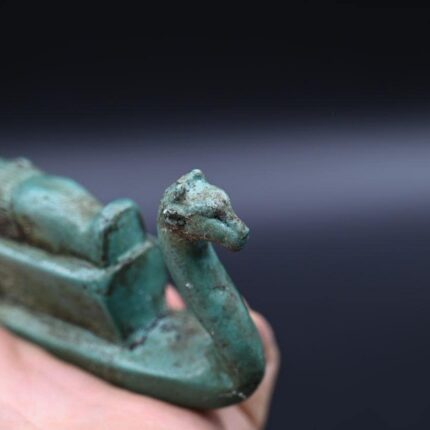
Handmade Stone Thoth Boat Statue: Egyptian Antiquity Replica
Add a distinctive collection of ancient Egyptian symbolism to your space with this Anubis Sobek Thoth Stone Boat, handmade in Egypt from stone and featuring three iconic deities in one decorative composition. Representing funerary protection, strength, the Nile, wisdom, and knowledge, it is an excellent choice for collectors, mythology lovers, Egyptian décor, and unique cultural gifts.
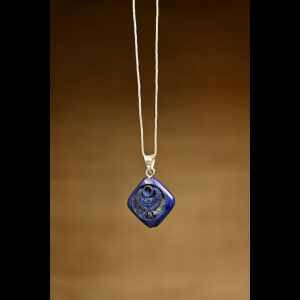
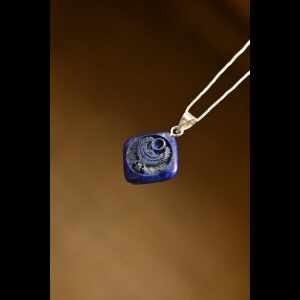
Ancient Egyptian Horus Falcon Amulet Pendant, Lapis Lazuli Carving
Add a powerful symbol of ancient Egyptian kingship and protection to your jewelry collection with this Horus Falcon Protection Amulet, inspired by Horus, the falcon god of the sky, royal authority, and guardianship. A distinctive choice for mythology lovers, Egyptology enthusiasts, protective-symbol collectors, Egyptian-inspired jewelry, and unique cultural gifts.
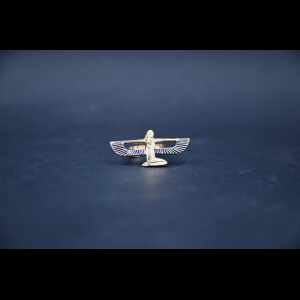
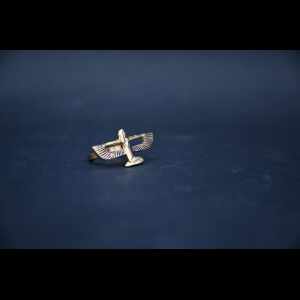
Isis ring-amazing Ring the symbol of good luck-good life-ancient Egyptian ornament-mythology
Add a meaningful symbol of ancient Egyptian protection to your jewelry collection with this Unisex Isis Egyptian Ring, handcrafted in Egypt with a flexible free-size design for women and men. Inspired by Isis, the goddess of motherhood, magic, protection, healing, and fertility, it is a distinctive choice for mythology lovers, Egyptology enthusiasts, symbolic jewelry collectors, and unique cultural gifts.


Reviews
There are no reviews yet.