
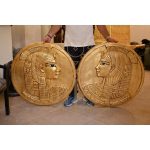
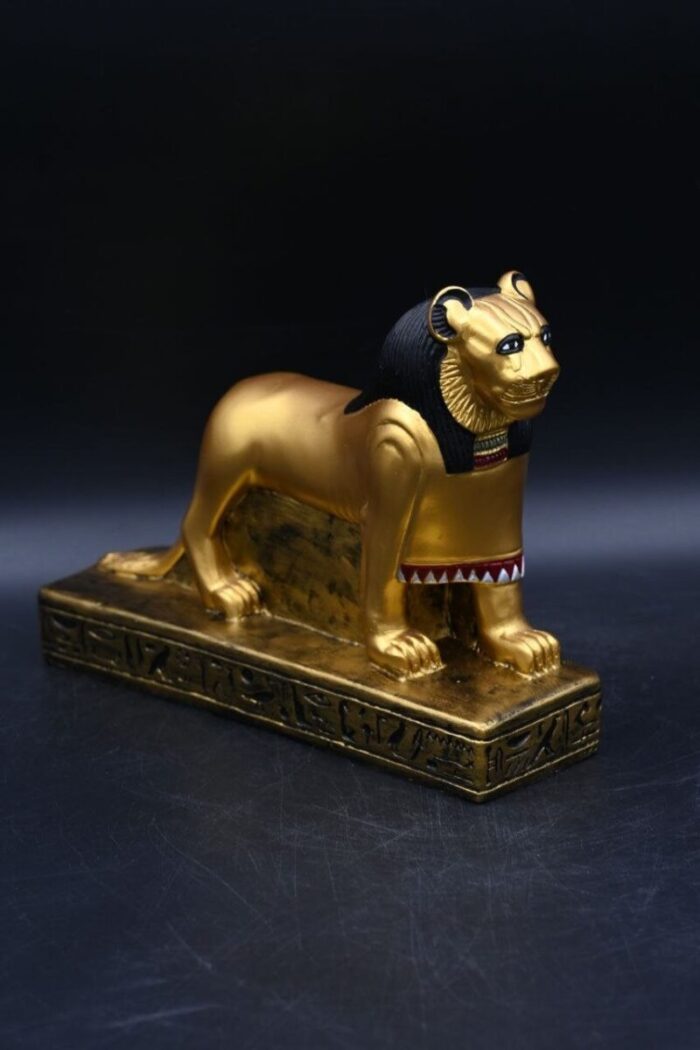
Ancient Egyptian Anubis Wall Relief Painting
$208.00
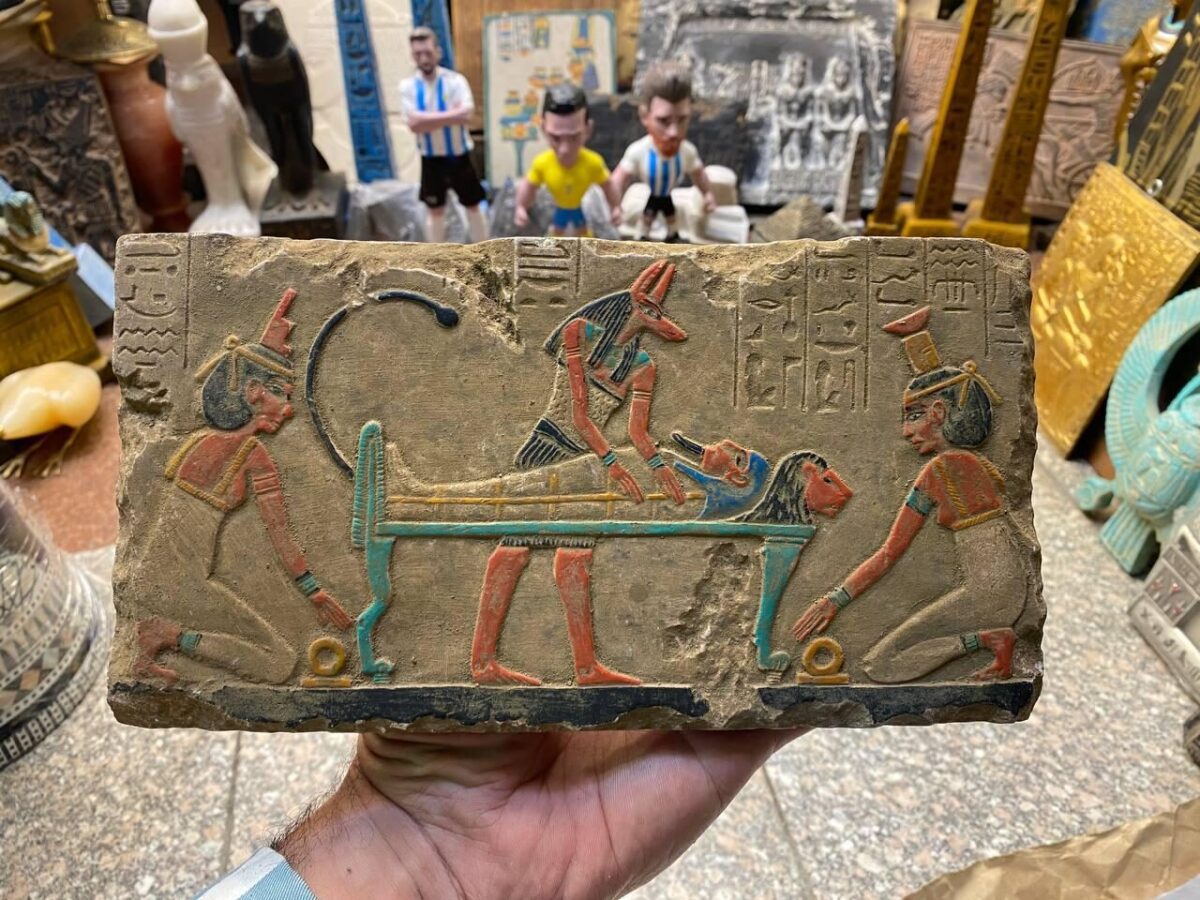
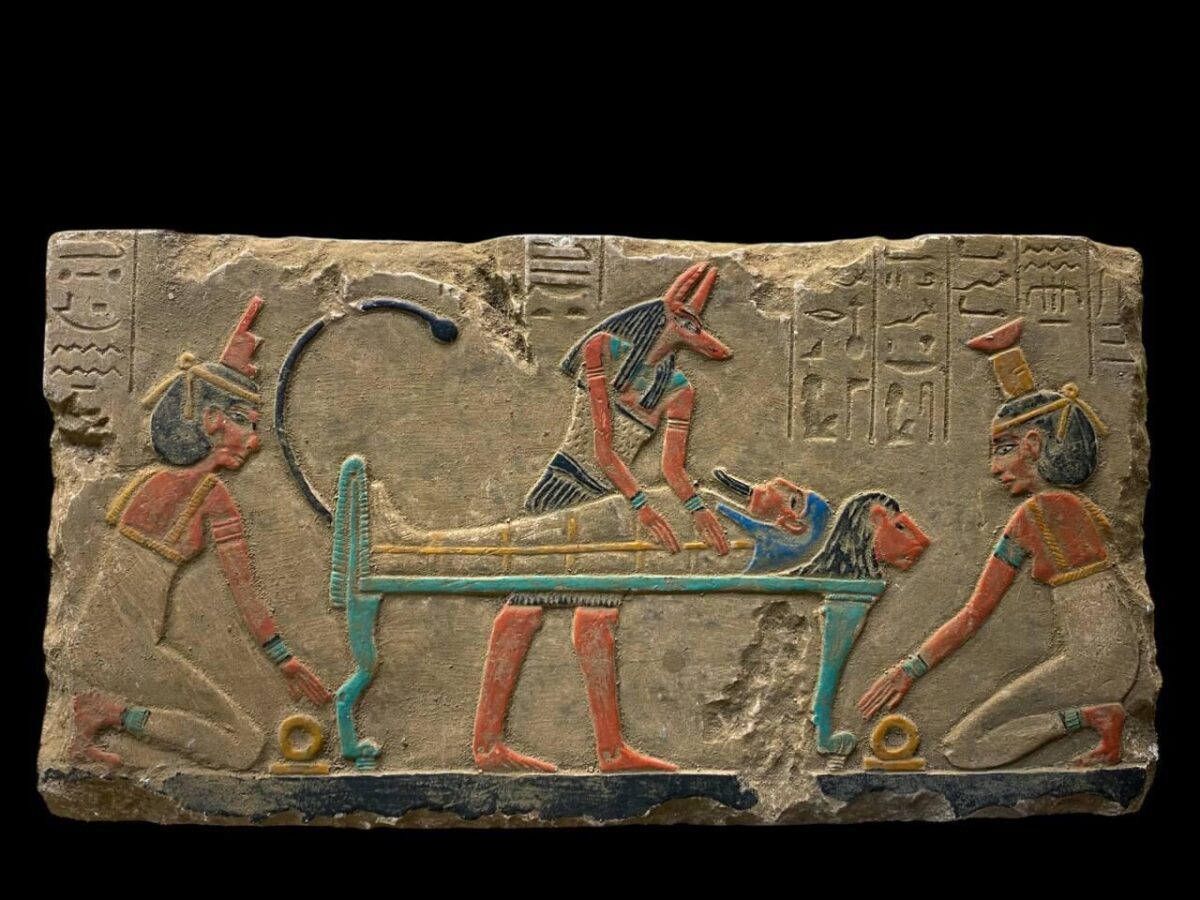
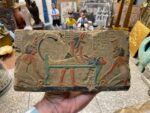
Anubis Jackal Wall Relief – Ancient Egyptian Wall Décor
Description of Art
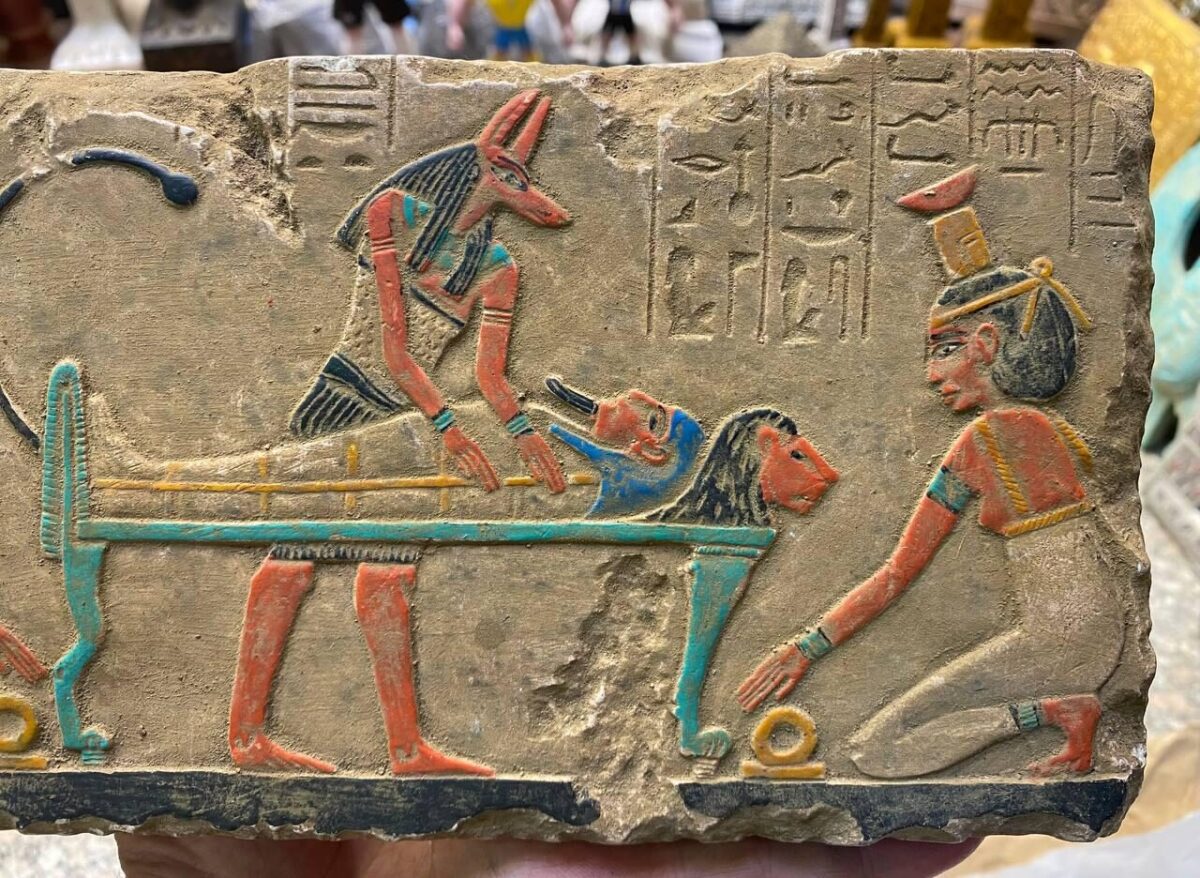
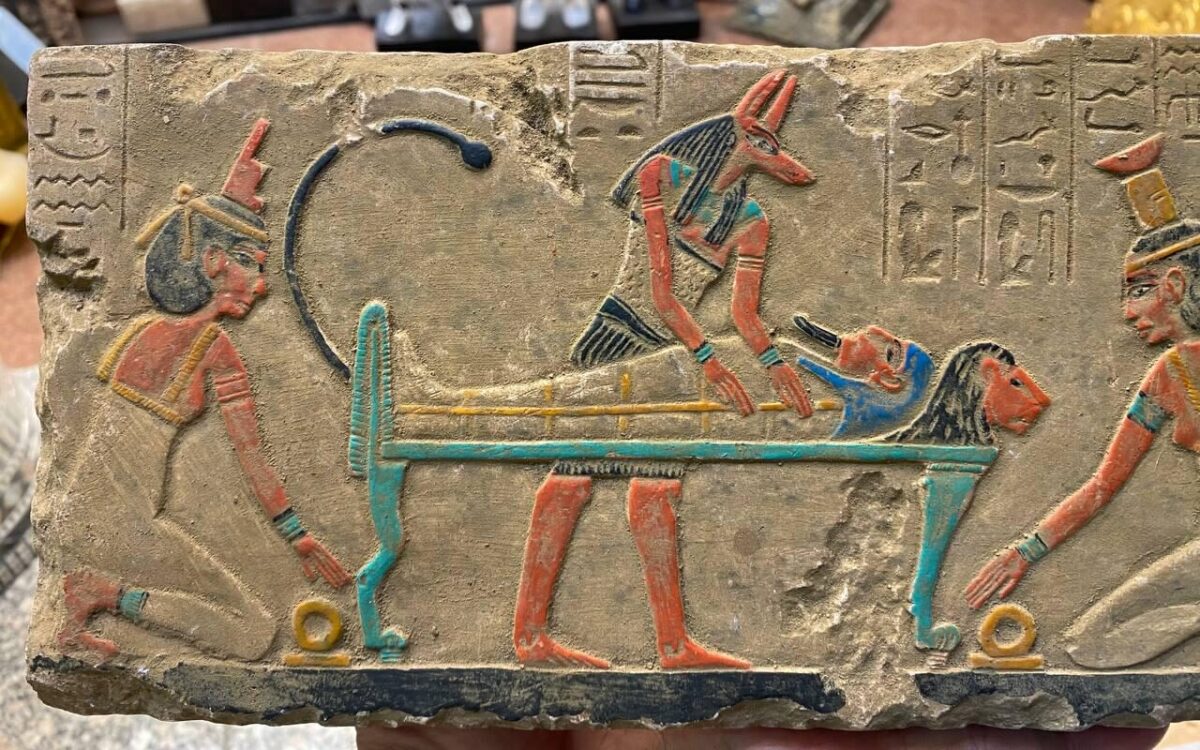
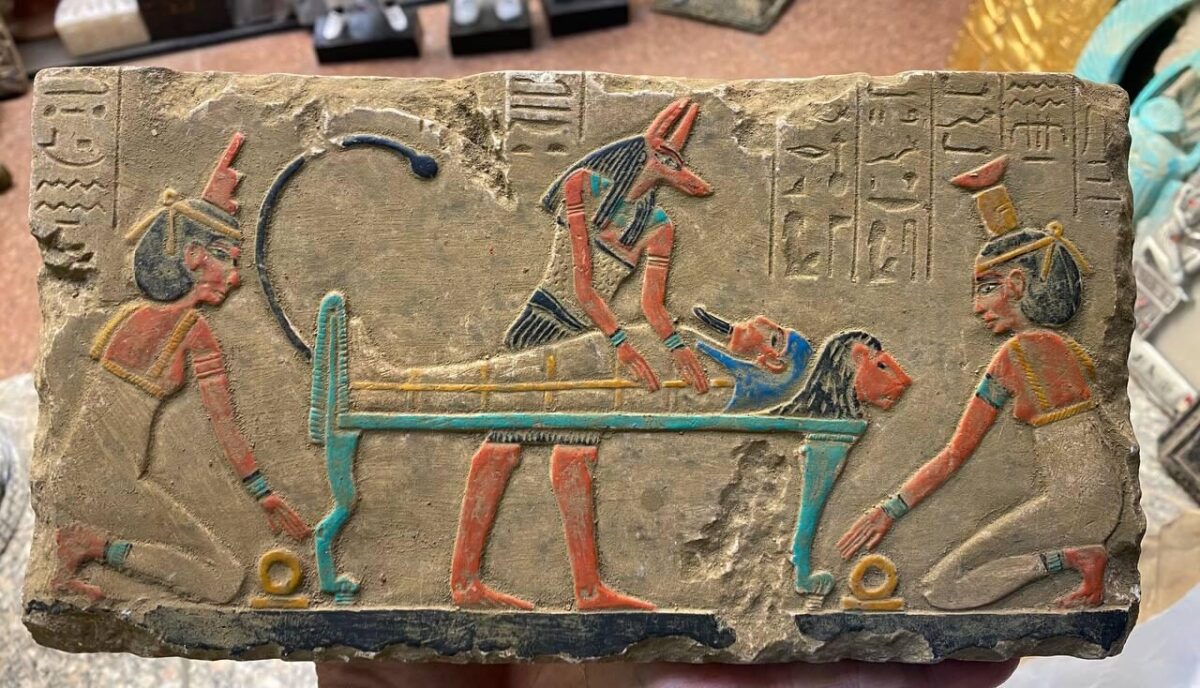
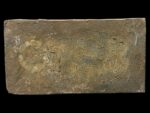
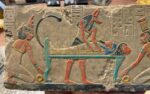
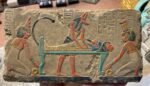
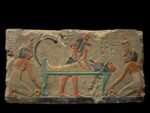
Anubis Jackal Wall Relief inspired by one of the most recognizable deities of ancient Egyptian religion.
This decorative wall relief represents Anubis in both standing anthropomorphic form and sacred jackal form, reflecting two of the most famous ways the deity appeared in ancient Egyptian art.
Anubis was closely associated with mummification, funerary rituals, protection of the deceased, cemeteries, and the journey into the afterlife.
With its distinctive Egyptian imagery, this Anubis Jackal Wall Relief makes an impressive addition to homes, offices, libraries, historical collections, Egyptian-themed interiors, and museum-inspired displays.
Who Was the Egyptian God Anubis?
Anubis was one of the oldest and most recognizable funerary deities of ancient Egypt.
He was commonly portrayed either as:
- A man with the head of a jackal
- A complete black jackal or canine
- A protective figure attending the deceased
- A divine participant in funerary ceremonies
His distinctive appearance made him immediately recognizable in tomb paintings, papyri, coffins, statues, amulets, and funerary objects.
Anubis and the Jackal
The jackal became Anubis’s defining sacred animal.
Jackals and other wild canines were associated with desert regions and areas surrounding cemeteries, helping explain their connection with funerary protection.
Ancient Egyptians transformed this potentially threatening animal into a powerful supernatural guardian.
The jackal form of Anubis therefore became closely connected with:
- Protection of tombs
- Protection of the deceased
- Cemeteries
- Burial rituals
- The afterlife
- Mummification
This symbolism makes the Anubis Jackal Wall Relief particularly meaningful for collectors interested in Egyptian funerary beliefs.
Anubis and Mummification
Anubis had an especially important association with embalming and mummification.
Egyptian religious traditions placed him at the center of the rituals used to prepare the deceased for burial and continued existence in the afterlife.
His connection with embalming was reinforced through the mythology of Osiris, where Anubis became associated with the preparation and protection of the dead body.
Because of this role, Anubis became one of the principal divine figures represented in ancient Egyptian funerary art.
Guardian of the Deceased
Anubis was much more than simply a deity associated with death.
His major role was protection.
He guarded cemeteries, watched over burial places, protected mummified bodies, and assisted the deceased during their transition into the afterlife.
For modern collectors, Anubis imagery can therefore symbolize:
- Protection
- Guardianship
- Transition
- Guidance
- Strength
- Ancient Egyptian spirituality
- The afterlife
- Egyptian heritage
The Weighing of the Heart
Anubis played an important role in the famous ancient Egyptian Weighing of the Heart ceremony.
According to Egyptian funerary belief, the heart of the deceased was weighed against the feather associated with Ma’at, representing truth, justice, and cosmic order.
Anubis was typically shown attending or operating the balance to ensure that the weighing was performed correctly.
Thoth, the divine scribe, then recorded the result.
If the deceased successfully passed the judgment, they could continue toward a blessed existence in the afterlife.
If the heart failed the judgment, it could be consumed by Ammit, bringing an end to the deceased’s hoped-for continued existence.
So it is more accurate to describe this fate as destruction or loss of continued afterlife rather than simply “eternal punishment.”
Anubis and Ma’at
The judgment scene connected Anubis with the Egyptian concept of Ma’at.
Ma’at represented:
- Truth
- Justice
- Balance
- Order
- Proper conduct
- Cosmic harmony
The weighing ceremony therefore evaluated whether the deceased had lived in accordance with this ideal.
Anubis’s presence within this scene emphasized his role as a trustworthy divine guardian during one of the most important moments of the deceased person’s journey.
Anubis and Osiris
Anubis also became closely connected with Osiris, the great god associated with regeneration and the afterlife.
As Osiris became increasingly important as ruler of the realm of the dead, Anubis continued to perform essential roles connected with embalming, funerary protection, and judgment.
Rather than being completely replaced by Osiris, Anubis remained an important divine figure within Egyptian funerary religion.
This relationship explains why the two gods frequently appear together in ancient religious imagery.
Why Anubis Is Black in Egyptian Art
Anubis was often represented with black skin or black fur.
This did not simply imitate the natural appearance of a jackal.
In ancient Egyptian symbolism, black could be associated with both the dark appearance of the mummified body and the fertile soil of the Nile Valley, giving it connections with regeneration and rebirth.
This symbolic use of color complements Anubis’s role as a guardian of the dead and protector of the transition into renewed existence.
Anubis in Ancient Egyptian Art
Images of Anubis appear throughout Egyptian funerary culture.
He can be found on:
- Tomb walls
- Coffins
- Funerary papyri
- Amulets
- Sarcophagi
- Burial equipment
- Statues
- Religious reliefs
He could appear standing as a jackal-headed man performing ritual duties or lying and standing in complete jackal form as a guardian.
This product’s combination of both forms gives the Anubis Jackal Wall Relief especially strong visual connection with traditional Egyptian iconography.
Anubis as a Symbol of Protection
Anubis remains popular today partly because his imagery carries strong protective symbolism.
For collectors and Egyptian art enthusiasts, he can represent:
- Protection
- Guidance
- Guardianship
- Transformation
- Rebirth
- Strength
- Balance
- The journey between worlds
These themes make an Anubis wall relief particularly suitable for symbolic and historical-inspired décor.
Egyptian Wall Décor for Collectors
The Anubis Jackal Wall Relief is ideal for:
- Ancient Egyptian art collectors
- Anubis enthusiasts
- Egyptian mythology lovers
- History and archaeology enthusiasts
- Pharaoh-themed interiors
- Museum-inspired displays
- Home and office decoration
- Egyptian wall-art collections
- Historical replica displays
- Unique cultural gifts
It can also complement decorative pieces inspired by Osiris, Isis, Horus, Thoth, Ma’at, Ra, Bastet, Sekhmet, and other ancient Egyptian deities.
Product Details
Product: Anubis Jackal Wall Relief
Deity: Anubis
Forms: Jackal-Headed Standing Figure & Full Jackal
Display: Wall Hanging
Style: Ancient Egyptian / Pharaonic Inspired
Symbolism: Mummification, Protection, Guardianship & Afterlife
Type: Decorative Egyptian-Inspired Wall Relief
Use: Home Décor, Office Décor, Historical Display & Cultural Collection
Our Shop Policy
- Keep a close eye on your inbox for shipping updates and tracking information.
- Providing a valid phone number is mandatory for international shipping purposes.
- If you encounter any issues or concerns regarding your order, please contact us. We will handle your case promptly and professionally.
International Shipping
Please provide your phone number to complete the international shipping process.
Your Anubis Jackal Wall Relief will be carefully prepared and securely packaged to help protect it during transportation.
Related products
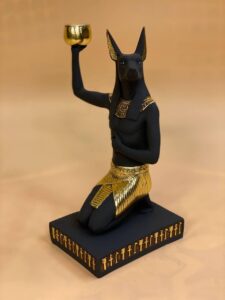
Egyptian Anubis Statue, God of Mummification Replica
Elevate your space with our God of Mummification Replica. Combining authentic ancient Egyptian symbolism with museum-quality artisan craftsmanship and rich hand-finished details, this protective Anubis statue offers a striking blend of historic authority, powerful presence, and timeless aesthetic value for any home or office display.
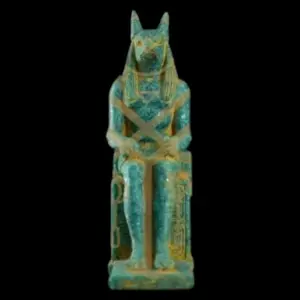
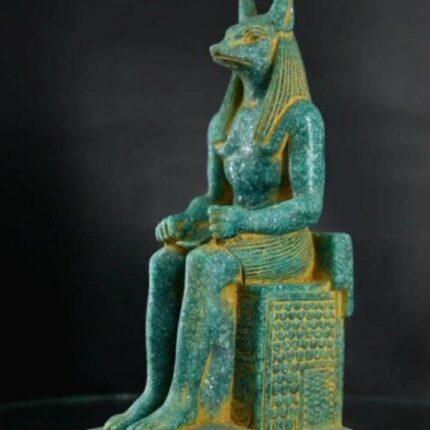
Egyptian Anubis Statue: God of Mummification Replica
Add a striking piece of ancient Egyptian symbolism to your collection with this Turquoise Anubis Statue, inspired by the god of mummification, funerary protection, and the afterlife. Featuring a distinctive seated design and turquoise finish, it is perfect for collectors, history lovers, Egyptian décor, and unique cultural gifts.
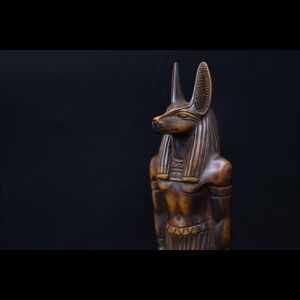
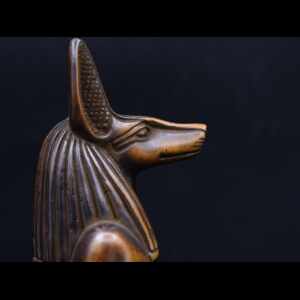
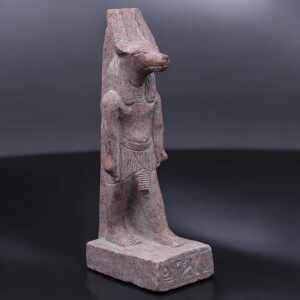
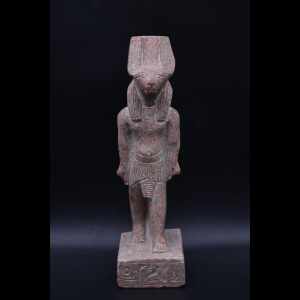
Anubis Statue: Egyptian God of Protection, Brown Stone (23cm)
Add a powerful symbol of ancient Egyptian protection to your collection with this 23 cm Brown Stone Anubis Statue, handcrafted in Egypt from natural stone. Inspired by Anubis, the jackal-headed god of mummification, funerary protection, and the afterlife, it is a distinctive choice for collectors, Egyptian décor, museum-inspired displays, and unique cultural gifts.
Red Granite Anubis Statue – Egyptian God of Afterlife (30cm)
Add a powerful symbol of ancient Egyptian protection to your collection with this 30 cm Red Granite Anubis Statue, handcrafted in Egypt from red granite. Inspired by Anubis, the jackal-headed god of mummification, funerary protection, and the afterlife, it is a striking choice for collectors, Egyptian décor, museum-inspired displays, and unique cultural gifts.
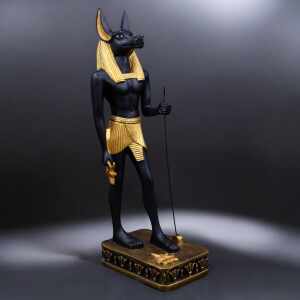
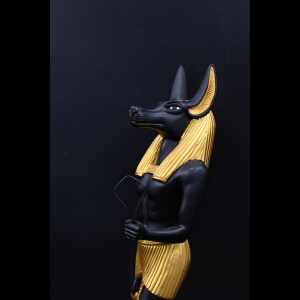
Anubis Statue: Egyptian God of Mummification, 40cm Natural Stone
Add a powerful symbol of ancient Egyptian protection to your collection with this 40 cm Natural Stone Anubis Statue, handcrafted in Egypt from natural stone. Inspired by Anubis, the jackal-headed god of mummification, funerary protection, and the afterlife, it is a striking choice for collectors, Egyptian décor, museum-inspired displays, and unique cultural gifts.
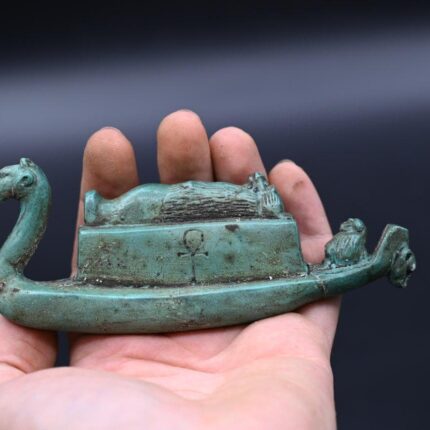
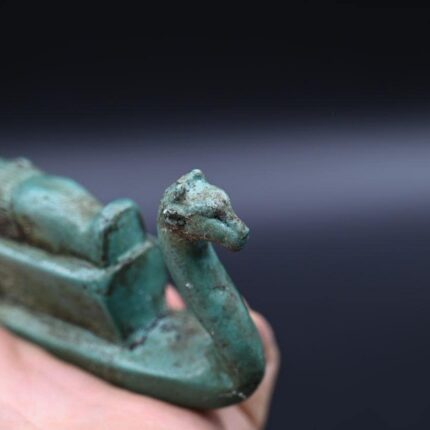
Handmade Stone Thoth Boat Statue: Egyptian Antiquity Replica
Add a distinctive collection of ancient Egyptian symbolism to your space with this Anubis Sobek Thoth Stone Boat, handmade in Egypt from stone and featuring three iconic deities in one decorative composition. Representing funerary protection, strength, the Nile, wisdom, and knowledge, it is an excellent choice for collectors, mythology lovers, Egyptian décor, and unique cultural gifts.
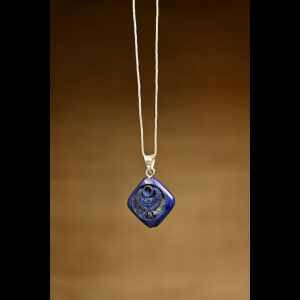
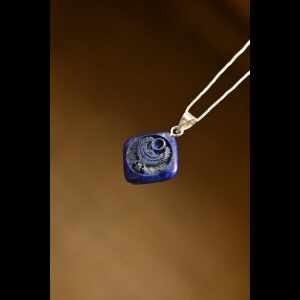
Ancient Egyptian Horus Falcon Amulet Pendant, Lapis Lazuli Carving
Add a powerful symbol of ancient Egyptian kingship and protection to your jewelry collection with this Horus Falcon Protection Amulet, inspired by Horus, the falcon god of the sky, royal authority, and guardianship. A distinctive choice for mythology lovers, Egyptology enthusiasts, protective-symbol collectors, Egyptian-inspired jewelry, and unique cultural gifts.
Handcrafted Anubis Statue: Egyptian God of Protection, Brown Stone (23cm)
Add a powerful symbol of ancient Egyptian protection to your collection with this 23 cm Brown Stone Anubis Statue, handcrafted in Egypt from natural stone. Inspired by Anubis, the canine-headed deity of mummification, funerary protection, and care of the deceased, it is a distinctive choice for collectors, Egyptian décor, museum-inspired displays, and unique cultural gifts.


Reviews
There are no reviews yet.