
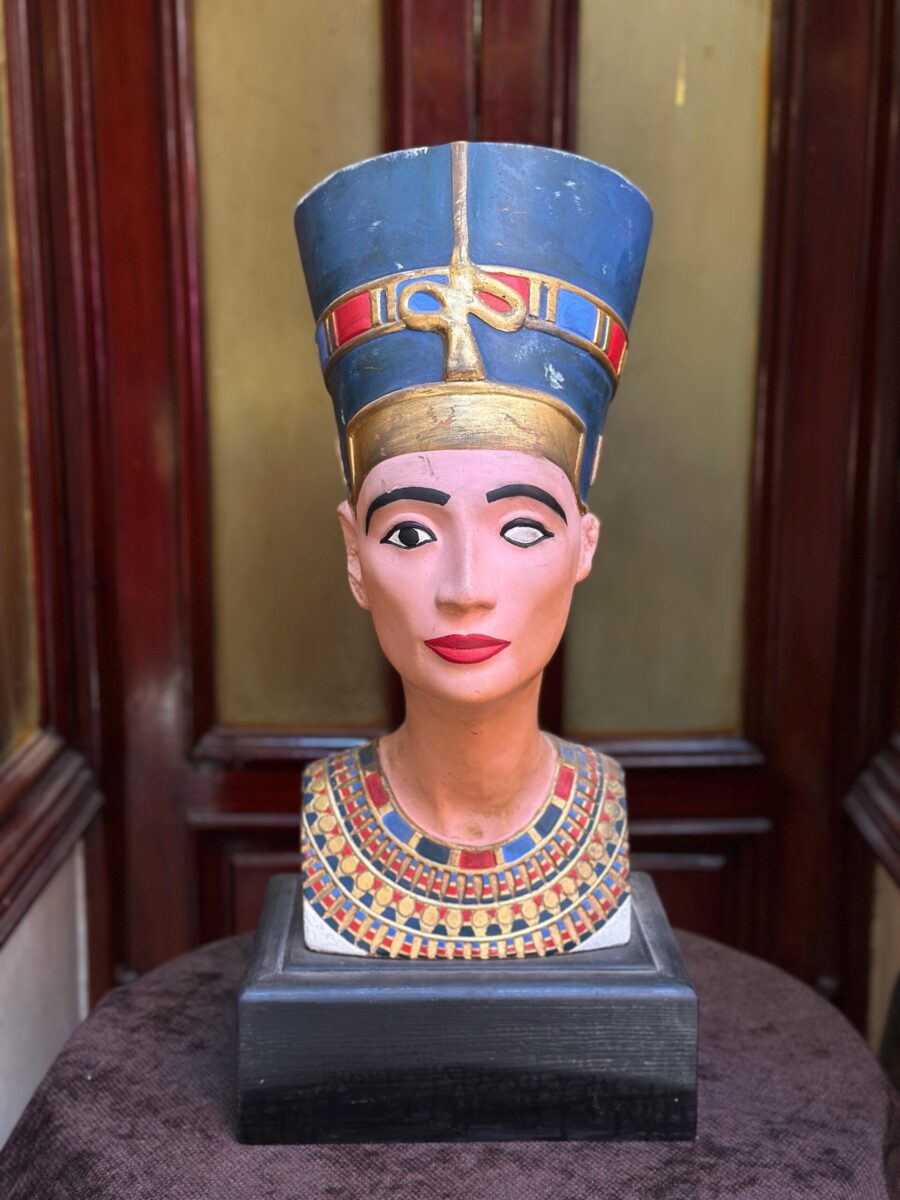
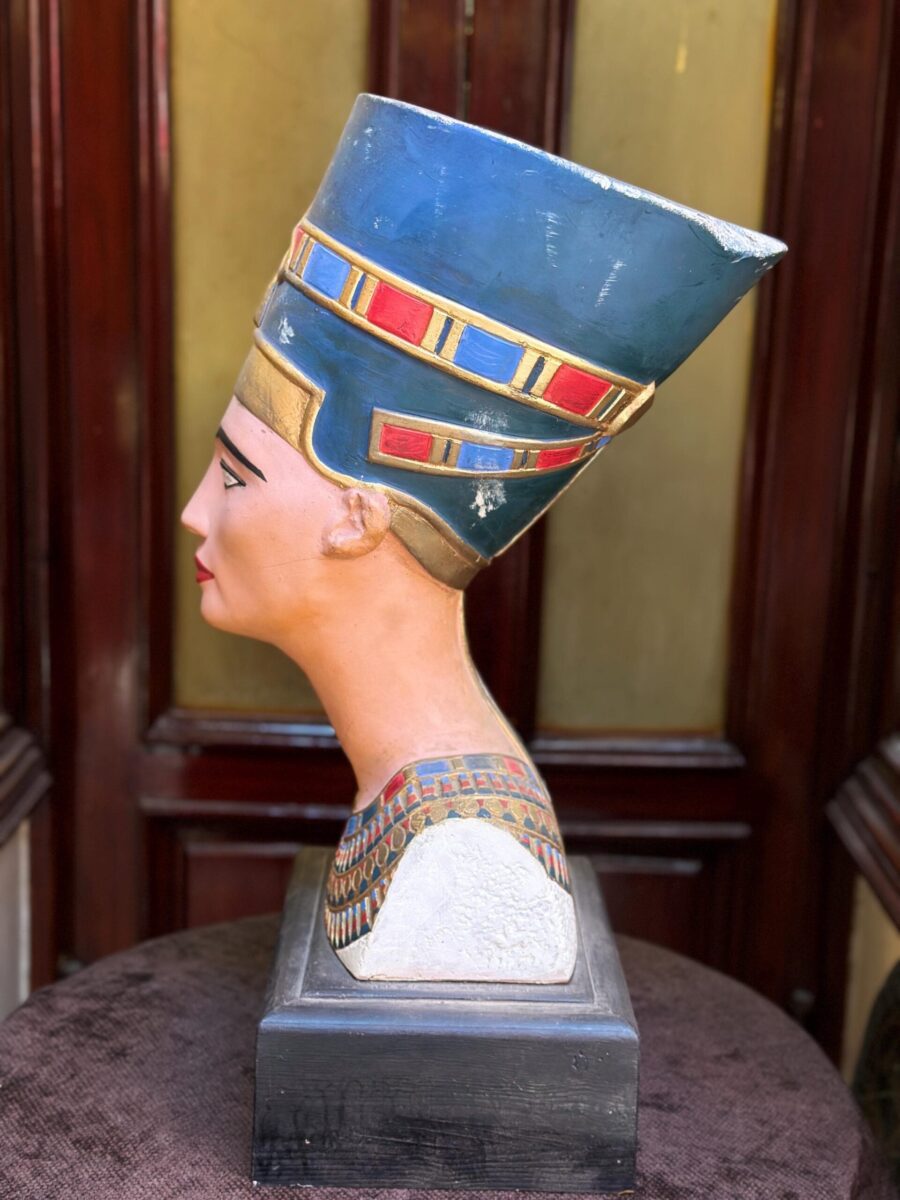
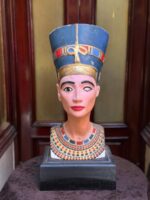
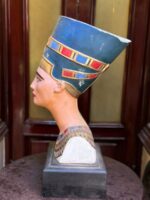
Queen Nefertiti Statue, Egyptian Queen Replica, Vintage Antique
$2,500.00
Add a graceful symbol of ancient Egyptian royalty to your collection with this Nefertiti Amarna Queen Statue, inspired by the Great Royal Wife of Pharaoh Akhenaten and the distinctive art of the Amarna Period. A striking choice for collectors, Egyptology lovers, Egyptian décor, royal history enthusiasts, and unique cultural gifts.
Nefertiti Amarna Queen Statue – Ancient Egyptian Royal Sculpture
Description of Art
Nefertiti Amarna Queen Statue inspired by one of the most celebrated royal women of ancient Egypt and the distinctive artistic traditions of the Amarna Period.
Queen Nefertiti was the Great Royal Wife of Pharaoh Akhenaten during Egypt’s 18th Dynasty. She appears prominently in royal reliefs alongside Akhenaten and their daughters, participating in religious ceremonies and intimate family scenes beneath the rays of the Aten.
Her elegant royal image, distinctive crowns, and extraordinary prominence in Amarna art have made Nefertiti one of the most recognizable figures of ancient Egyptian history.
Product Details
Subject: Queen Nefertiti
Historical Period: 18th Dynasty / Amarna Period
Style: Ancient Egyptian Inspired
Type: Decorative Royal Sculpture
Use: Collection, Egyptian Décor & Cultural Gift
Material and dimensions were not supplied, so they should not be added until confirmed.
Who Was Queen Nefertiti?
Nefertiti was the principal royal wife of Akhenaten, one of the most distinctive rulers of Egypt’s New Kingdom.
Her name is commonly translated as:
“The Beautiful One Has Come.”
She became particularly prominent during the religious and artistic transformation associated with Akhenaten’s reign.
For collectors, the Nefertiti Amarna Queen Statue represents a powerful connection with:
Royalty • Beauty • Amarna Art • Egyptian History • Queenship
Nefertiti and Akhenaten
Nefertiti was married to Pharaoh Akhenaten, originally known as Amenhotep IV.
During their reign, the royal court moved to the newly established city of Akhetaten, modern Tell el-Amarna.
The royal couple became central figures in a dramatic transformation of Egyptian religion, art, and royal representation.
Nefertiti appears unusually prominently in surviving artwork, sometimes performing ceremonial roles normally associated with royal authority.
The Aten Religious Reforms
The original description calls Atenism simply monotheistic worship.
That should be presented more carefully.
Akhenaten’s official royal religion became intensely centered on the Aten, the solar disk, while the traditional cults of other gods were greatly reduced or suppressed.
However, scholars continue to debate whether this system should be classified as strict monotheism, monolatry, or another form of exclusive royal solar worship.
A safer description is:
“Akhenaten and Nefertiti promoted a royal religion intensely centered on the Aten.”
Nefertiti in Amarna Art
One reason Nefertiti remains so famous is the unusual visibility of the royal family in Amarna-period art.
Reliefs can show:
Nefertiti beside Akhenaten
The royal couple with their daughters
Aten rays extending toward the family
Intimate domestic scenes
Religious offerings and ceremonies
This style differed dramatically from many earlier royal artistic conventions.
Nefertiti’s Six Daughters
Nefertiti and Akhenaten are known to have had six daughters:
Meritaten
Meketaten
Ankhesenpaaten
Neferneferuaten Tasherit
Neferneferure
Setepenre
The original description incorrectly lists Tutankhamun as one of their daughters.
Tutankhamun was a male pharaoh and was not one of Nefertiti’s six known daughters.
One of Nefertiti’s daughters, Ankhesenpaaten, later known as Ankhesenamun, became Tutankhamun’s wife.
Was Nefertiti Born in Akhmim?
Nefertiti’s exact parentage and place of birth remain uncertain.
The claim that she was definitely born in Akhmim should therefore be removed unless supported by specific evidence.
A more accurate statement is:
“Nefertiti’s origins and parentage remain uncertain.”
Several theories have been proposed, but no single origin has been conclusively established.
The Famous Nefertiti Bust
Nefertiti’s most famous surviving image is the painted bust discovered in 1912 by the archaeological team led by Ludwig Borchardt at Amarna.
The sculpture became one of the most recognizable works of ancient Egyptian art and is now displayed in Berlin’s Neues Museum.
Its elegant proportions, tall crown, and refined facial features strongly shaped the modern image of Nefertiti.
Nefertiti’s Crown
Nefertiti is often recognized by her distinctive tall blue crown, particularly in the famous Berlin bust.
Other representations show her wearing different royal headdresses and crowns.
If your statue includes her characteristic tall crown, this feature should be highlighted prominently in the product photographs and listing.
Royal Power and Queenship
Nefertiti’s prominence went far beyond her appearance.
She is depicted in important ceremonial and religious scenes and sometimes appears in poses emphasizing royal authority.
This has led scholars to debate the extent of her political and religious power during Akhenaten’s reign.
For modern symbolic interpretation, Nefertiti imagery can evoke:
Queenship • Authority • Elegance • Confidence • Royal Heritage
Nefertiti and the Aten
Nefertiti frequently appears beneath the rays of the Aten alongside Akhenaten and their daughters.
The Aten was represented as a solar disk whose rays terminated in hands, sometimes presenting Ankh symbols of life to members of the royal family.
These scenes became one of the defining artistic features of the Amarna Period.
Did Nefertiti Become Pharaoh?
Nefertiti’s fate later in Akhenaten’s reign remains one of the great unresolved questions of Egyptology.
Some scholars have proposed that she may have ruled under the name Neferneferuaten, possibly as a co-regent or successor.
However, this identification remains debated.
Therefore, avoid presenting the statement:
“Nefertiti definitely became Pharaoh Neferneferuaten.”
A safer version is:
“Some scholars have proposed that Nefertiti may have exercised royal authority as Neferneferuaten, but the identification remains uncertain.”
Nefertiti’s Tomb
The location of Nefertiti’s burial has not been conclusively identified.
Her final years, death, and burial remain subjects of archaeological research and scholarly debate.
This unresolved mystery contributes significantly to the continued fascination surrounding her life.
Nefertiti and Tutankhamun
Nefertiti is sometimes incorrectly described as Tutankhamun’s mother.
The exact identity of Tutankhamun’s mother remains a complex subject, and current evidence does not support casually listing Nefertiti as his confirmed mother.
What is securely known is that Nefertiti’s daughter Ankhesenpaaten / Ankhesenamun became Tutankhamun’s wife.
The Amarna Period
The Amarna Period is known for dramatic changes in:
Religion
Royal art
Temple practice
Royal imagery
Architecture
Representation of the royal family
Artwork from this period often features elongated body proportions, distinctive facial forms, and unusually intimate depictions of royalty.
A Nefertiti Amarna Queen Statue therefore represents one of the most visually distinctive eras of ancient Egyptian history.
A Striking Egyptian Décor Piece
This Nefertiti-inspired sculpture is suitable for:
Living rooms
Offices
Libraries
Bookshelves
Display cabinets
Collector rooms
Egyptian-themed interiors
Museum-inspired displays
Its royal subject makes it especially suitable for collectors interested in queens, Amarna art, and New Kingdom Egypt.
Modern Replica, Not an Antiquity
Because this is a newly produced piece, avoid describing it as:
Egyptian Antique
Authentic Ancient Artifact
Original Archaeological Statue
Better terminology includes:
Ancient Egyptian-Inspired Sculpture
Museum-Inspired Nefertiti Statue
Amarna Queen Replica
Perfect for Collectors
The Nefertiti Amarna Queen Statue is a distinctive choice for:
Nefertiti collectors
Ancient Egyptian art enthusiasts
Egyptology lovers
Amarna Period collectors
Egyptian royal history fans
Queen and female ruler collections
Museum-inspired décor
Historical displays
Unique cultural gifts
Product Specifications
Product: Nefertiti Amarna Queen Statue
Historical Figure: Queen Nefertiti
Dynasty: 18th Dynasty
Period: New Kingdom / Amarna Period
Royal Role: Great Royal Wife of Akhenaten
Known Children: Six Daughters
Associated City: Akhetaten / Amarna
Style: Ancient Egyptian Inspired
Type: Decorative Royal Sculpture
Material: Not Provided
Dimensions: Not Provided
Use: Collection, Egyptian Décor & Cultural Gift
Related products
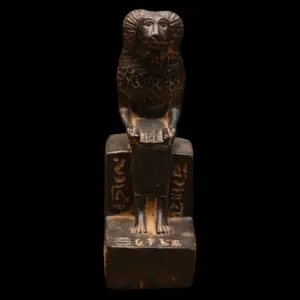
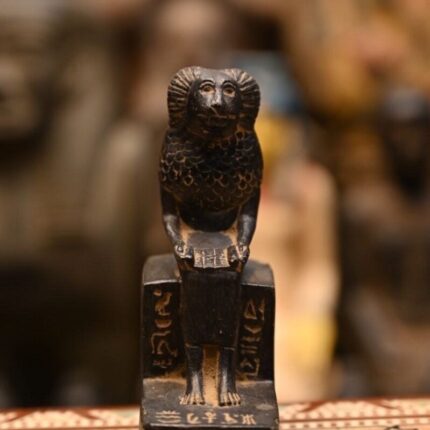
Thoth -vintage statue-Depicted in Baboon-Symbol of wisdom writing-moon-Egyptian antique statues -handcraft-Archeology/Egyptian mythology
Add a meaningful symbol of ancient Egyptian wisdom to your collection with this Seated Thoth Baboon Statue, handcrafted in Egypt and measuring 13 × 5 × 7.5 cm. Inspired by Thoth, the god of wisdom, writing, knowledge, magic, and the moon, it is a distinctive choice for collectors, scholars, Egyptian décor, and unique cultural gifts.
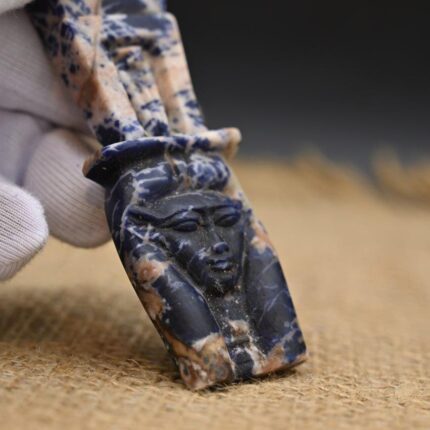
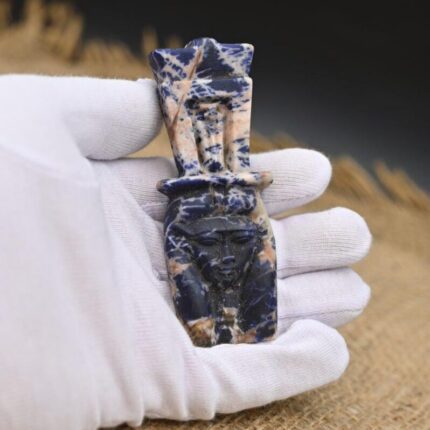
Amulet for Goddess Hathor – Egyptian Pendant – Nice Gift – Made in Egypt
Add a meaningful symbol of ancient Egyptian beauty and protection to your collection with this **Blue Stone Hathor Amulet**, crafted from a distinctive blue-toned stone with earthy variations. Inspired by Hathor, the goddess of love, joy, music, motherhood, fertility, and protection, it is a distinctive choice for collectors, mythology lovers, Egyptian-inspired jewelry, and unique cultural gifts.
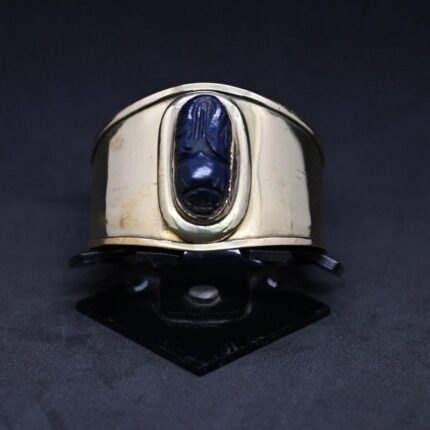
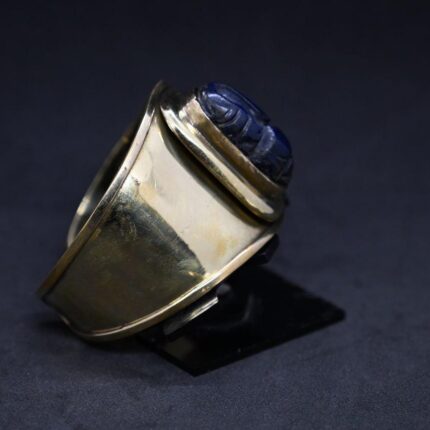
Egyptian Scarab Bracelet: Brass & Lapis Lazuli, Ancient Replica
Add a meaningful touch of ancient Egyptian symbolism to your style with this Brass Lapis Scarab Bracelet, handcrafted in Egypt from brass and decorated with lapis lazuli. Inspired by the scarab symbol of rebirth, renewal, transformation, and protection, it is a distinctive choice for jewelry lovers, collectors, Egyptology enthusiasts, and unique cultural gifts.
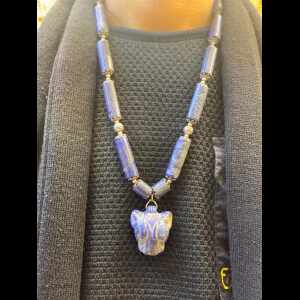
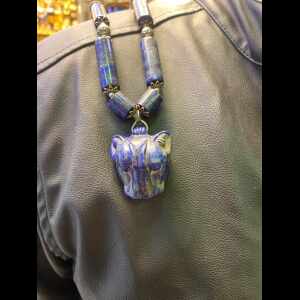
Handmade Lapis Lazuli Sekhmet Necklace: Egyptian Goddess Jewelry
Add a powerful touch of ancient Egyptian symbolism to your jewelry collection with this 150 g Lapis Sekhmet Necklace, handcrafted from natural lapis lazuli stone with elegant silver-tone metal accents. Inspired by Sekhmet, the lioness goddess of strength, protection, healing, and solar power, it is a striking choice for mythology lovers, statement-jewelry collectors, and unique cultural gifts.
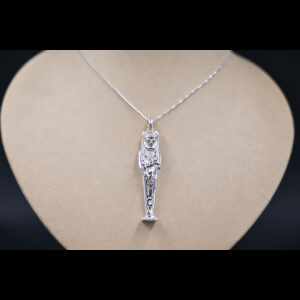
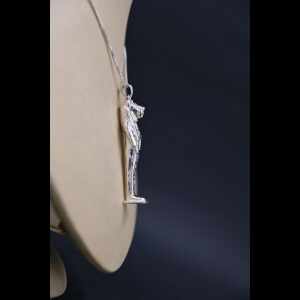
Handmade Sterling Silver Sekhmet Goddess Amulet
Add a powerful symbol of ancient Egyptian strength to your jewelry collection with this Pure Silver Sekhmet Amulet, crafted from pure silver and inspired by Sekhmet, the lioness goddess of war, protection, healing, medicine, and solar power. A distinctive choice for mythology lovers, silver jewelry collectors, Egyptology enthusiasts, and unique cultural gifts.
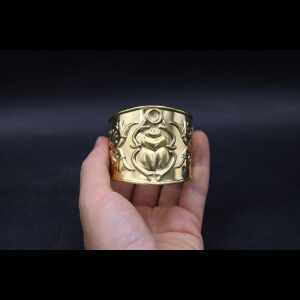
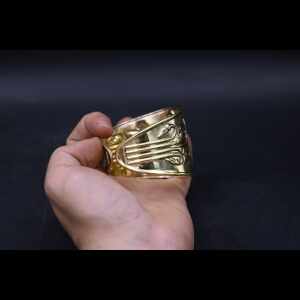
Egyptian Scarab Bracelet: Brass Beetle Amulet, Ancient Mythology Jewelry
Add a meaningful symbol of ancient Egyptian renewal to your jewelry collection with this Brass Scarab Beetle Bracelet, handcrafted in Egypt from brass and featuring a detailed scarab centerpiece. Inspired by the ancient symbolism of rebirth, transformation, solar renewal, and protection, it is a distinctive choice for mythology lovers, Egyptology enthusiasts, jewelry collectors, and unique cultural gifts.
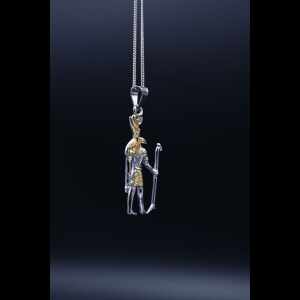
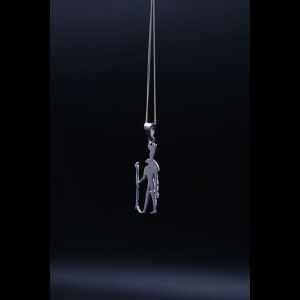
Silver God Seth Pendant – Egyptian Amulet Necklace
Add a powerful and distinctive figure of ancient Egyptian mythology to your jewelry collection with this Silver Seth God Amulet, made of silver and inspired by Seth, the complex deity associated with storms, desert regions, disorder, strength, and fierce protective power. A unique choice for mythology lovers, silver jewelry collectors, Egyptology enthusiasts, and cultural gifts.


Reviews
There are no reviews yet.