
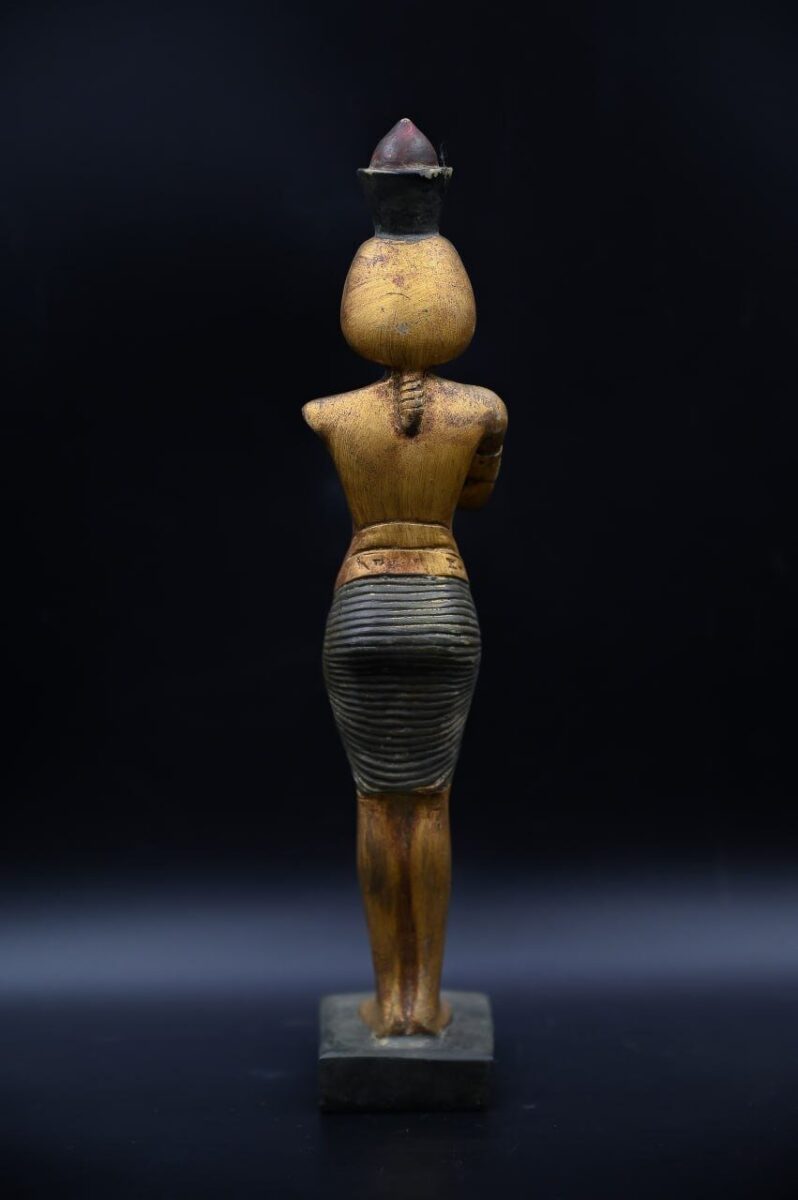
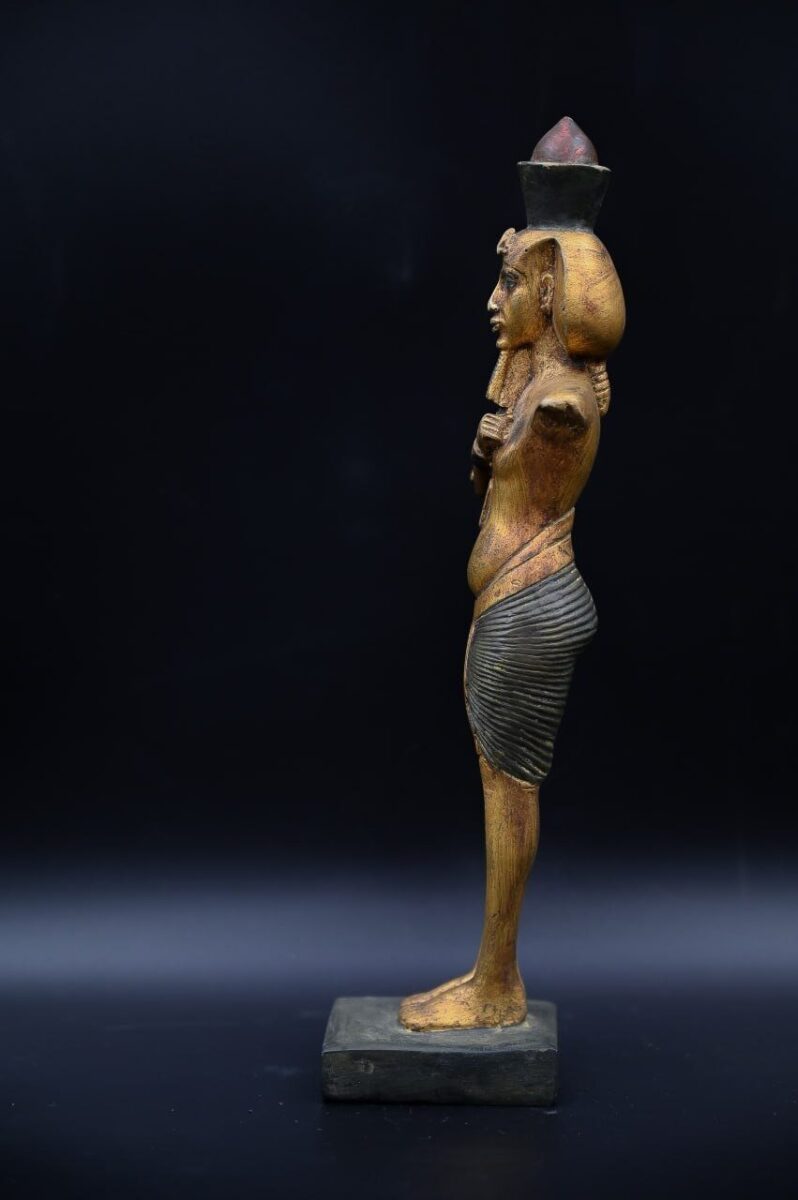
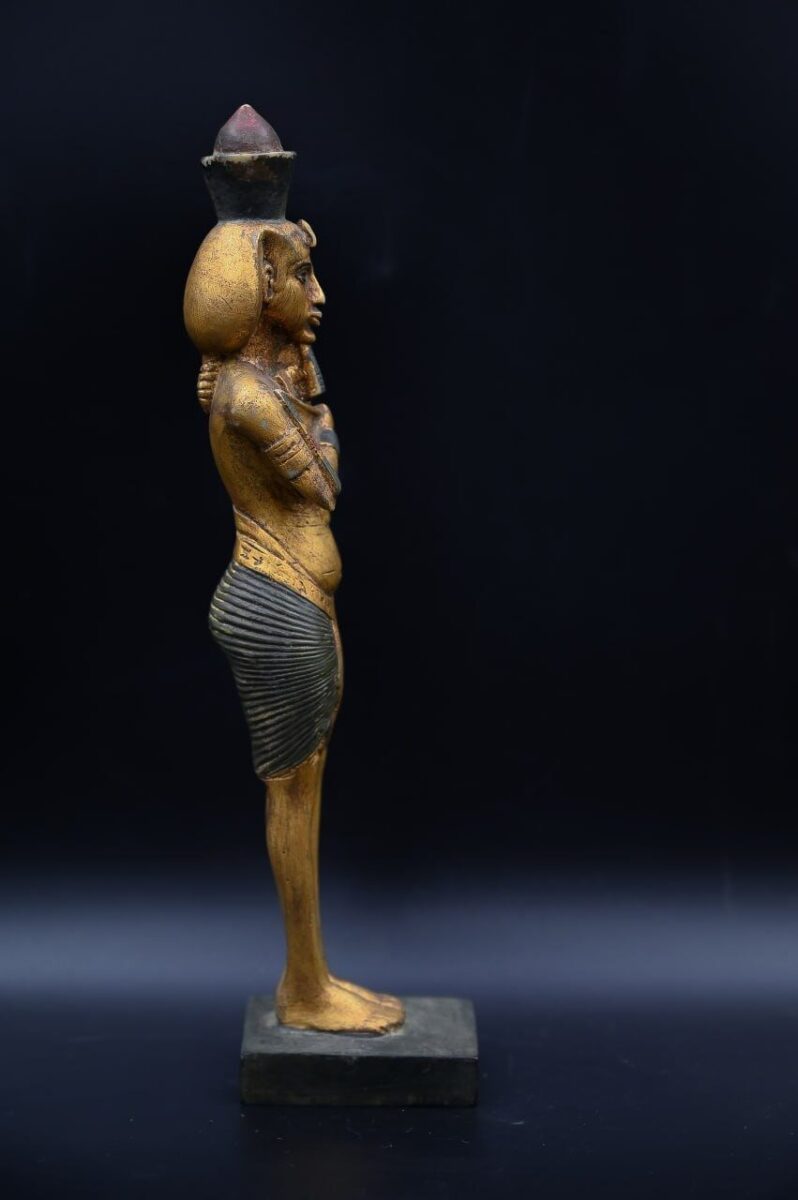
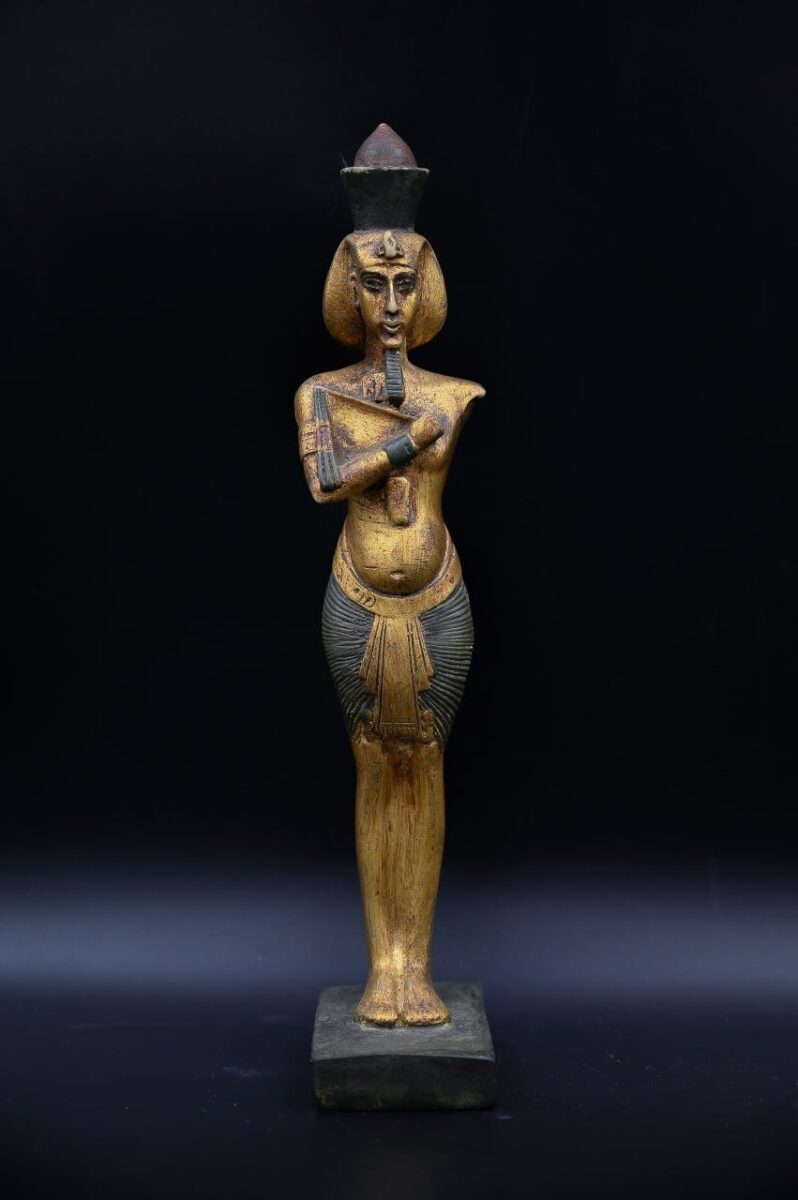
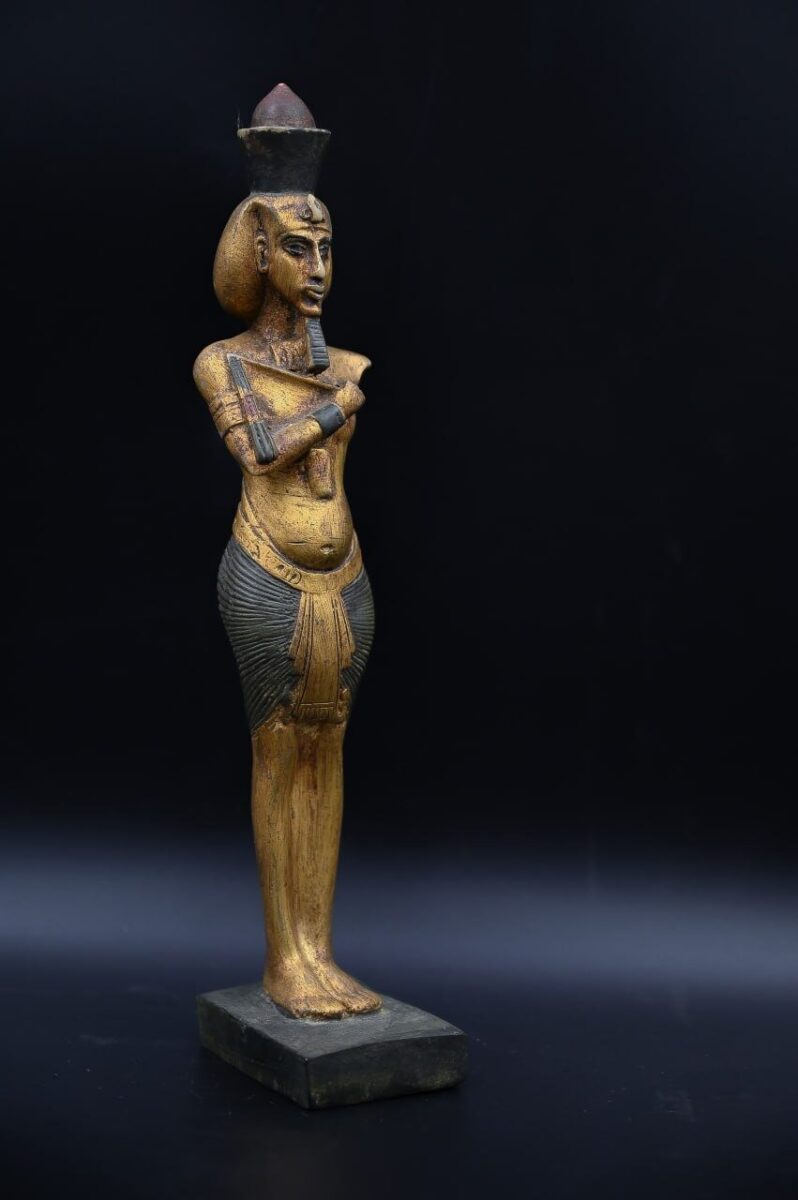
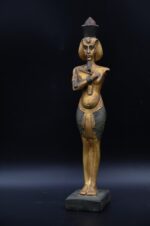
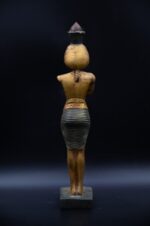
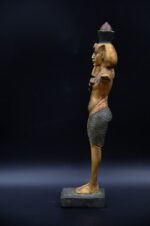
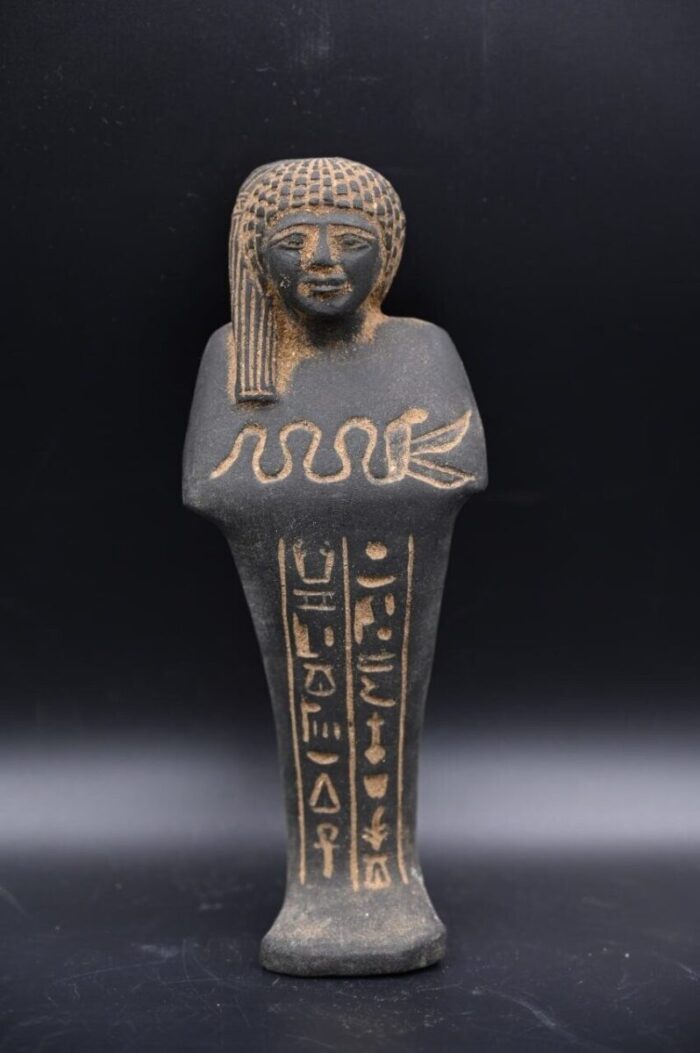
Akhenaten Statue: Egyptian Pharaoh Sculpture
$208.00
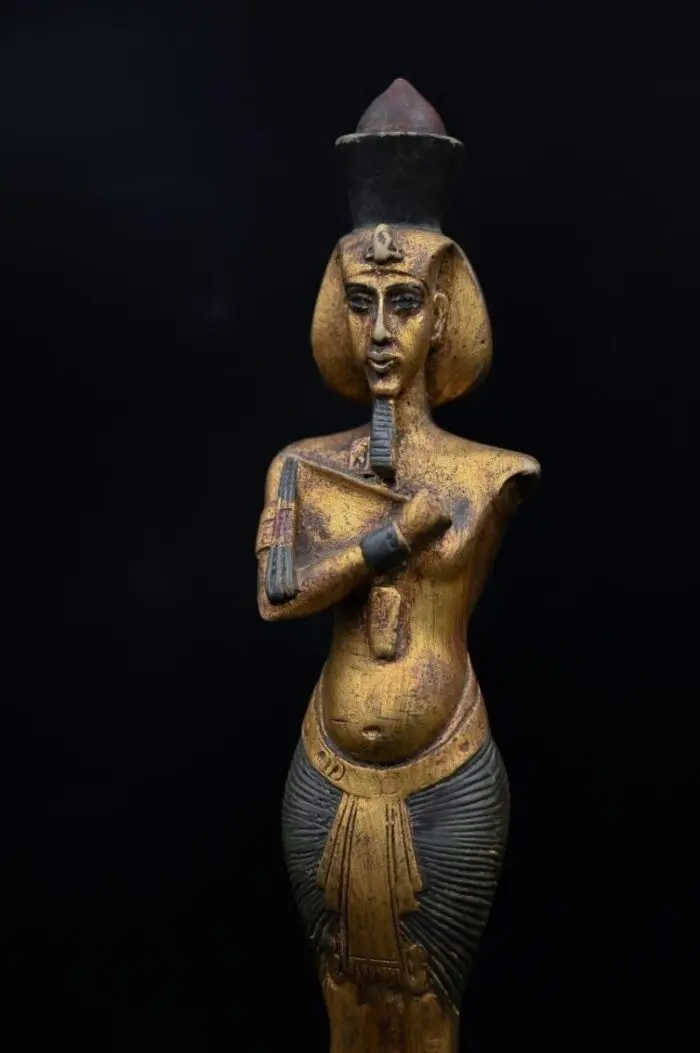
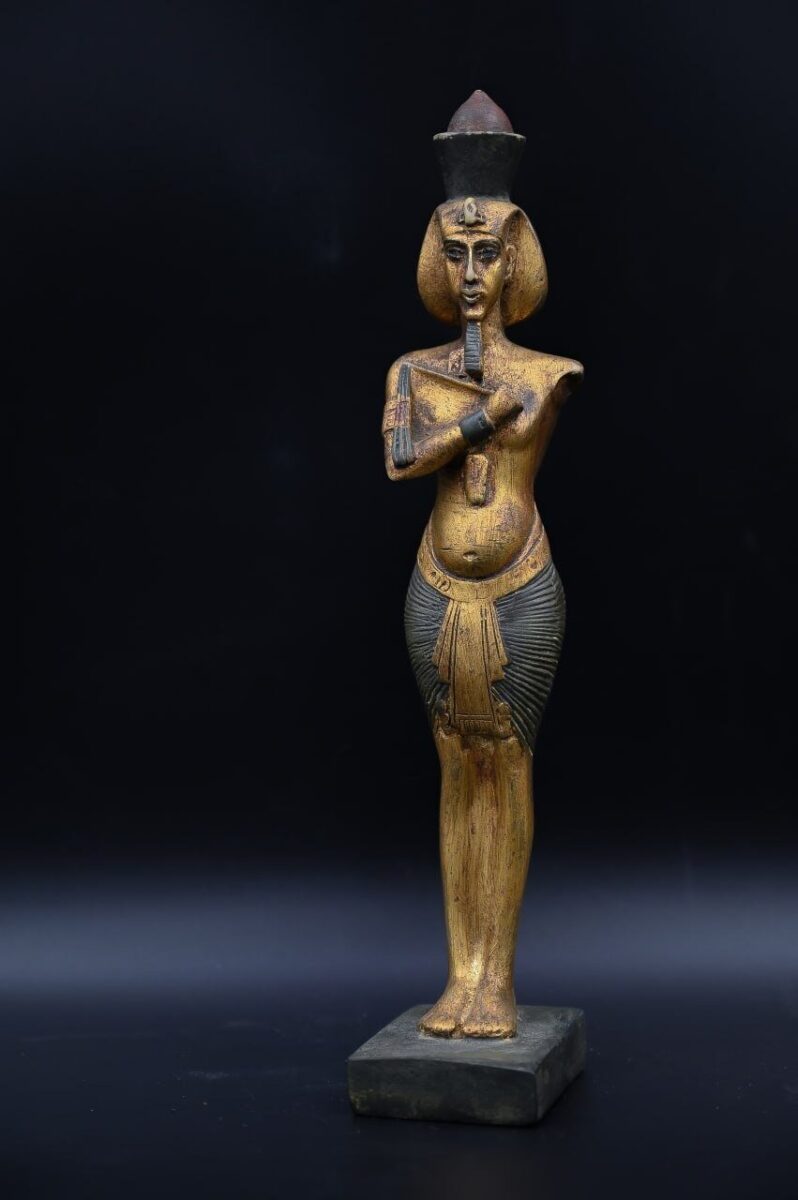
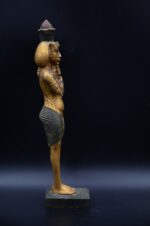
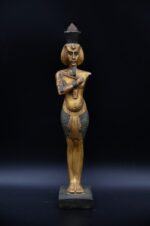
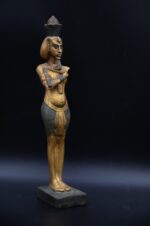
Add a distinctive piece of ancient Egyptian history to your collection with this Akhenaten Pharaoh Replica Statue, handcrafted in Egypt and inspired by the famous 18th Dynasty ruler and the unique art of the Amarna Period. A striking choice for collectors, history lovers, Egyptian décor, and unique cultural gifts.
Akhenaten Pharaoh Replica Statue – Handmade Egyptian Sculpture
Description of Art
Akhenaten Pharaoh Replica Statue handcrafted in Egypt and inspired by one of the most distinctive and influential rulers of ancient Egyptian history.
Akhenaten, originally known as Amenhotep IV, was a pharaoh of Egypt’s 18th Dynasty whose reign is associated with major changes in religion, royal imagery, architecture, and artistic style. The Metropolitan Museum dates his reign to approximately 1353–1336 BC, while the Egyptian Museum in Cairo similarly places him in Egypt’s New Kingdom and 18th Dynasty.
This handcrafted decorative replica celebrates the extraordinary visual character of the Amarna Period, making it an excellent piece for collectors, history enthusiasts, archaeology lovers, and admirers of ancient Egyptian art.
Made in Egypt, the Akhenaten Pharaoh Replica Statue can become a distinctive centerpiece in an Egyptian-themed interior, library, office, display cabinet, or historical collection.
Who Was King Akhenaten?
Akhenaten began his reign under the name Amenhotep IV before later adopting the name by which he is best known today.
He was the son of Amenhotep III and became one of the most unusual rulers of Egypt’s New Kingdom.
His reign marked a dramatic shift in official religious practice and royal representation. Akhenaten placed extraordinary emphasis on the Aten, represented as the sun disk whose rays extend toward the royal family.
Rather than describing Akhenaten simply as the first king to “unify all the gods,” it is historically safer to say that he centered official royal religion increasingly on the Aten and reduced the prominence of other major cults, particularly that of Amun. The surviving evidence also shows that worship or interest in some other deities continued among parts of the population.
Akhenaten and the Aten
The Aten became the central focus of Akhenaten’s religious program.
In Amarna art, the Aten was represented as a radiant sun disk, with rays terminating in hands extending toward Akhenaten, Nefertiti, and members of the royal family.
Akhenaten also assumed an unusually important intermediary role between the Aten and the population.
This transformation profoundly influenced temples, religious imagery, royal ceremonies, and the visual language of Egyptian kingship during his reign.
The Akhenaten Pharaoh Replica Statue therefore represents not merely an Egyptian ruler but a king associated with one of the most remarkable periods of religious and artistic experimentation in Egyptian history.
Akhenaten and Nefertiti
Queen Nefertiti was Akhenaten’s principal royal wife and played an exceptionally prominent role in the art and religious imagery of the Amarna Period.
The Metropolitan Museum describes Nefertiti as Akhenaten’s religious counterpart and notes that the royal couple were eventually represented with six daughters.
Scenes from the period frequently portray Akhenaten and Nefertiti together beneath the rays of the Aten, sometimes alongside their children.
Their unusually intimate family representations became one of the defining characteristics of Amarna art.
Akhenaten and Tutankhamun
Tutankhamun is closely connected with the royal family of the Amarna Period.
He was originally known as Tutankhaten, a name reflecting the Aten, before becoming Tutankhamun as Egypt returned to the prominence of Amun and the traditional religious system. The royal court subsequently left Akhetaten.
Tutankhamun is often identified as Akhenaten’s son, although aspects of the exact parentage and succession within the Amarna royal family have been subjects of scholarly discussion. The Metropolitan Museum specifically notes that questions concerning the identities and parentage of members of the Amarna royal family remain an area of scholarly study.
For this reason, the original description’s reference to “Phoenician Tutankhamun” should be removed, and Tutankhamun should not be described as Akhenaten’s brother.
The City of Akhetaten
One of Akhenaten’s most ambitious projects was the foundation of a new royal city called Akhetaten, meaning “Horizon of the Aten,” at the site now known as Tell el-Amarna in Middle Egypt.
Akhenaten proclaimed the foundation of the city around year five of his reign.
The new capital included temples dedicated to the Aten, royal palaces, official residences, burial areas, and other structures created to support the king’s religious and political program.
Today, this location gives its name to the Amarna Period, one of the most fascinating chapters in ancient Egyptian art.
The Unique Amarna Art Style
Akhenaten’s reign introduced striking changes in Egyptian royal art.
Representations of the king and royal family became noticeably different from many earlier formal conventions.
Figures could feature elongated faces, narrow eyes, pronounced chins, heavier hips, curved bodies, and more fluid outlines. The Metropolitan Museum notes these distinctive proportions in sculptures and reliefs created during the Amarna Period.
Royal scenes also introduced more intimate subjects, including Akhenaten and Nefertiti interacting with their children beneath the rays of the Aten.
These artistic characteristics make an Akhenaten Pharaoh Replica Statue immediately recognizable within a collection of Egyptian-inspired sculpture.
Surviving Statues of Akhenaten
Important ancient sculptures of Akhenaten survive in museum collections today.
The Egyptian Museum in Cairo, for example, preserves a monumental sandstone colossus of Amenhotep IV/Akhenaten discovered at Karnak Temple. The sculpture dates to the 18th Dynasty and stands approximately 239 cm high.
The Metropolitan Museum likewise preserves numerous sculptures, relief fragments, inscriptions, and architectural pieces connected with Akhenaten, Nefertiti, the Aten, and the city of Amarna.
This modern replica draws inspiration from that distinctive heritage of royal Egyptian sculpture.
After the Reign of Akhenaten
Akhenaten’s religious and political program did not survive for long after his death.
During Tutankhamun’s reign, the royal court abandoned Akhetaten, traditional relations with Thebes were restored, and Amun again received official prominence.
Later, during the reign of Horemheb, construction associated with Akhenaten at Thebes was dismantled, while buildings at Amarna were also taken apart. Some blocks were eventually reused in later Egyptian building projects.
Despite these attempts to dismantle aspects of his legacy, Akhenaten remains one of the most recognizable pharaohs in Egyptian history.
Akhenaten Pharaoh Replica Statue for Collectors
This Akhenaten Pharaoh Replica Statue is ideal for:
- Ancient Egyptian art collectors
- Akhenaten and Nefertiti enthusiasts
- Amarna Period collectors
- Archaeology and history lovers
- Pharaoh-themed décor
- Egyptian-inspired interiors
- Office and library decoration
- Museum-inspired collections
- Historical replica displays
- Unique Egyptian cultural gifts
Its distinctive royal subject makes it an excellent companion piece to replicas inspired by Nefertiti, Tutankhamun, Aten imagery, Horus, Ra, Anubis, Isis, and other figures of ancient Egyptian history.
Product Details
Product: Akhenaten Pharaoh Replica Statue
King: Akhenaten / Amenhotep IV
Dynasty: 18th Dynasty Inspired
Period: New Kingdom / Amarna Period Inspired
Craftsmanship: Handcrafted
Origin: Made in Egypt
Type: Modern Decorative Replica
Style: Ancient Egyptian / Pharaonic
Theme: Akhenaten, Aten & Amarna Art
Use: Collectible, Home Décor, Office Décor, Historical Display & Cultural Gift
Our Shop Policy
- Please ask for a live photo of your product before shipping if you would like to see the exact piece before dispatch.
- Keep a close eye on your inbox for shipping updates and tracking information.
- Providing a valid phone number is mandatory for international shipping purposes.
- If you encounter any issues or concerns regarding your order, please contact us. We will handle your case promptly and professionally and work toward a satisfactory resolution.
International Shipping
Please provide your phone number to complete the international shipping process.
Your Akhenaten Pharaoh Replica Statue will be carefully prepared and securely packaged to help protect it during transportation.
Related products
Rare Sekhmet Statue in Real Black Granite – 40 cm / 15.7 Inches Museum Quality Egyptian Goddess
Add a commanding symbol of ancient Egyptian strength to your collection with this 40 cm Black Granite Sekhmet Statue, carved from genuine black granite and standing 15.7 inches tall. Inspired by Sekhmet, the lioness goddess of war, protection, healing, and solar power, it is a striking choice for collectors, Egyptian décor, mythology lovers, and museum-inspired displays.
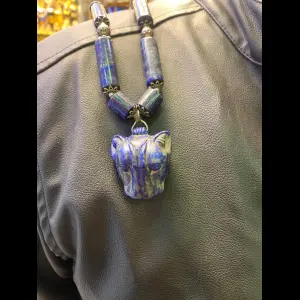
Handmade Lapis Lazuli Sekhmet Necklace: Egyptian Goddess Jewelry
Add a powerful touch of ancient Egyptian symbolism to your jewelry collection with this 150 g Lapis Sekhmet Necklace, handcrafted from natural lapis lazuli stone with elegant silver-tone metal accents. Inspired by Sekhmet, the lioness goddess of strength, protection, healing, and solar power, it is a striking choice for mythology lovers, statement-jewelry collectors, and unique cultural gifts.
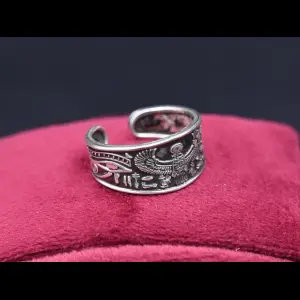
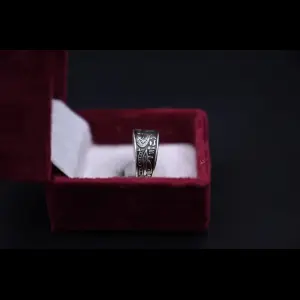
Horus ring-amazing Ring the symbol of good luck-good life-ancient Egyptian ornament-mythology
Add a powerful symbol of ancient Egyptian kingship to your jewelry collection with this Pure Silver Horus Ring, handcrafted in Egypt from pure silver with a unisex free-size design. Inspired by Horus, the falcon god of the sky, royal authority, and protection, it is a distinctive choice for silver jewelry collectors, mythology lovers, Egyptology enthusiasts, and unique cultural gifts.
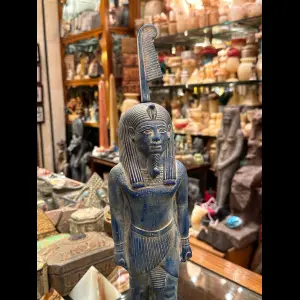
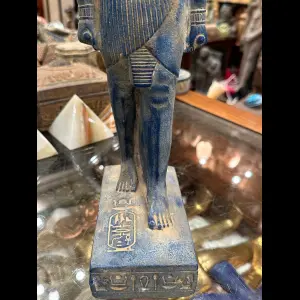
Handmade Blue Stone Statue: Egyptian God Shu, God of Air (35 cm)
Add a distinctive symbol of ancient Egyptian creation mythology to your collection with this Blue Stone Shu God Statue, handmade in Egypt and measuring 35 × 7 × 9 cm. Inspired by Shu, the god of air and atmosphere who separated the sky goddess Nut from the earth god Geb, it is ideal for collectors, Egyptian décor, mythology lovers, and unique cultural gifts.

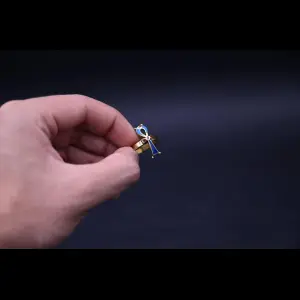
Egyptian Ankh Ring: Key of Life, Good Luck Symbol
Add a timeless symbol of ancient Egyptian life to your jewelry collection with this Unisex Ankh Key of Life Ring, handcrafted in Egypt with a flexible free-size design for women and men. Inspired by the iconic Ankh symbolizing life, vitality, renewal, and continuity, it is a distinctive choice for mythology lovers, Egyptology enthusiasts, pharaonic jewelry collectors, and unique cultural gifts.
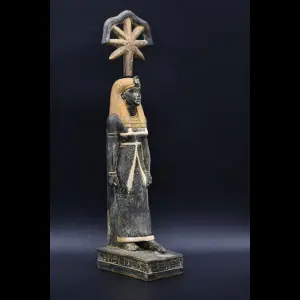
Seshat Statue: Egyptian Goddess of Wisdom Stone Sculpture
Add a distinctive symbol of ancient Egyptian knowledge to your collection with this 35 cm Seshat Stone Statue, handcrafted in Egypt and measuring 35 × 7 × 9 cm. Inspired by Seshat, the goddess of writing, record keeping, measurement, mathematics, and building planning, it is an exceptional choice for Egyptology collectors, writers, libraries, offices, and unique cultural gifts.
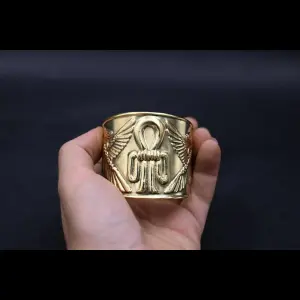
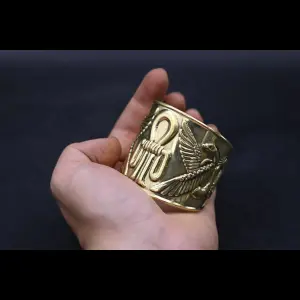
Brass Hathor Knot Bracelet: Egyptian Winged Cobra Talisman
Add a powerful touch of ancient Egyptian symbolism to your jewelry collection with this Brass Winged Cobra Egyptian Bracelet, crafted from brass and featuring an Egyptian-inspired knot centerpiece flanked by protective winged cobras. Inspired by ancient themes of guardianship and royal power, it is a distinctive choice for mythology lovers, Egyptology enthusiasts, statement-jewelry collectors, and unique cultural gifts.
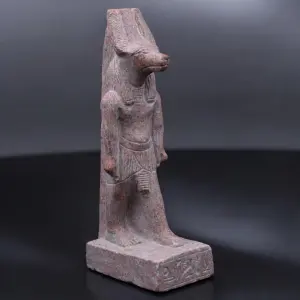
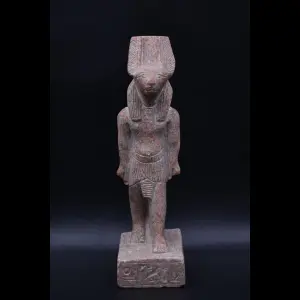
Handcrafted Red Granite Anubis Statue – Egyptian God of Afterlife (30cm)
Add a powerful symbol of ancient Egyptian protection to your collection with this 30 cm Red Granite Anubis Statue, handcrafted in Egypt from red granite. Inspired by Anubis, the canine-headed deity of mummification, funerary protection, and care of the deceased, it is a striking choice for collectors, Egyptian décor, museum-inspired displays, and unique cultural gifts.


Reviews
There are no reviews yet.