
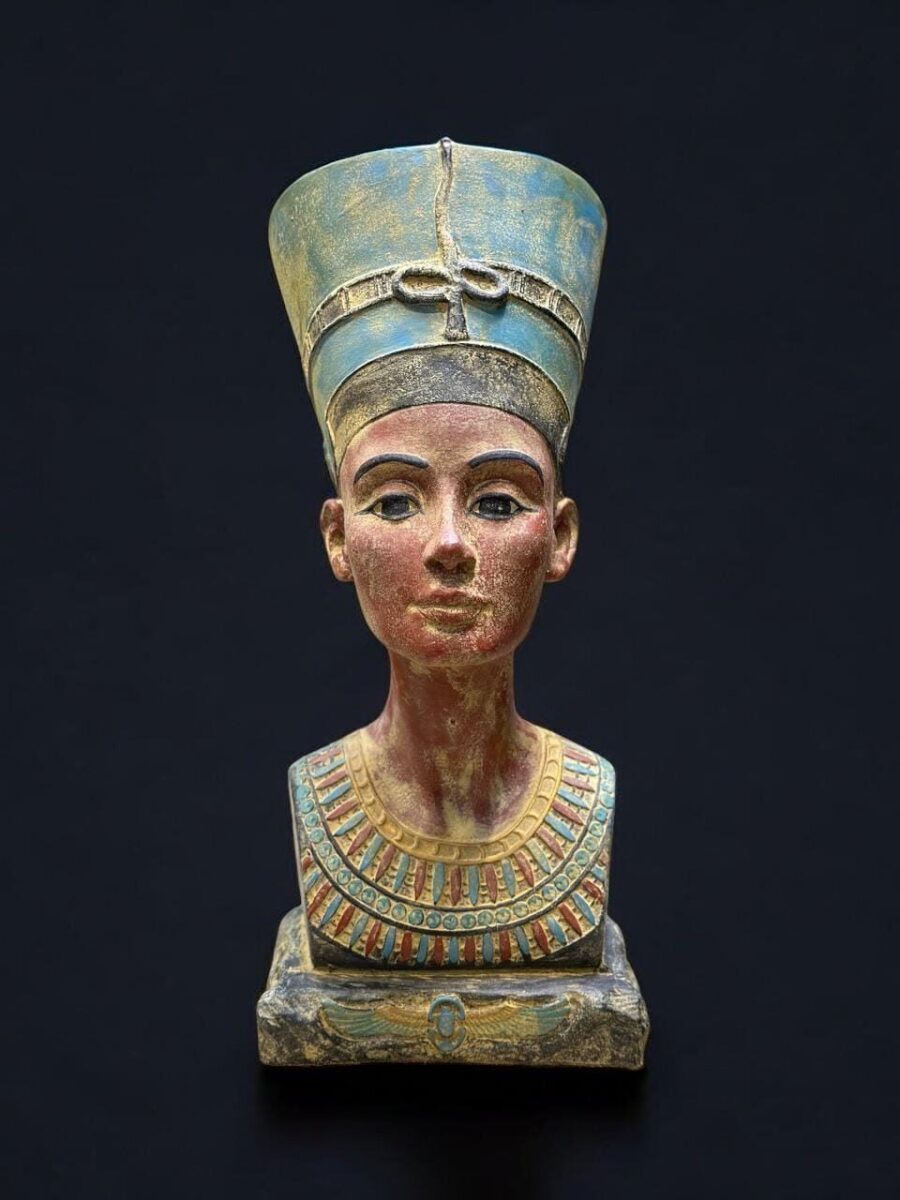
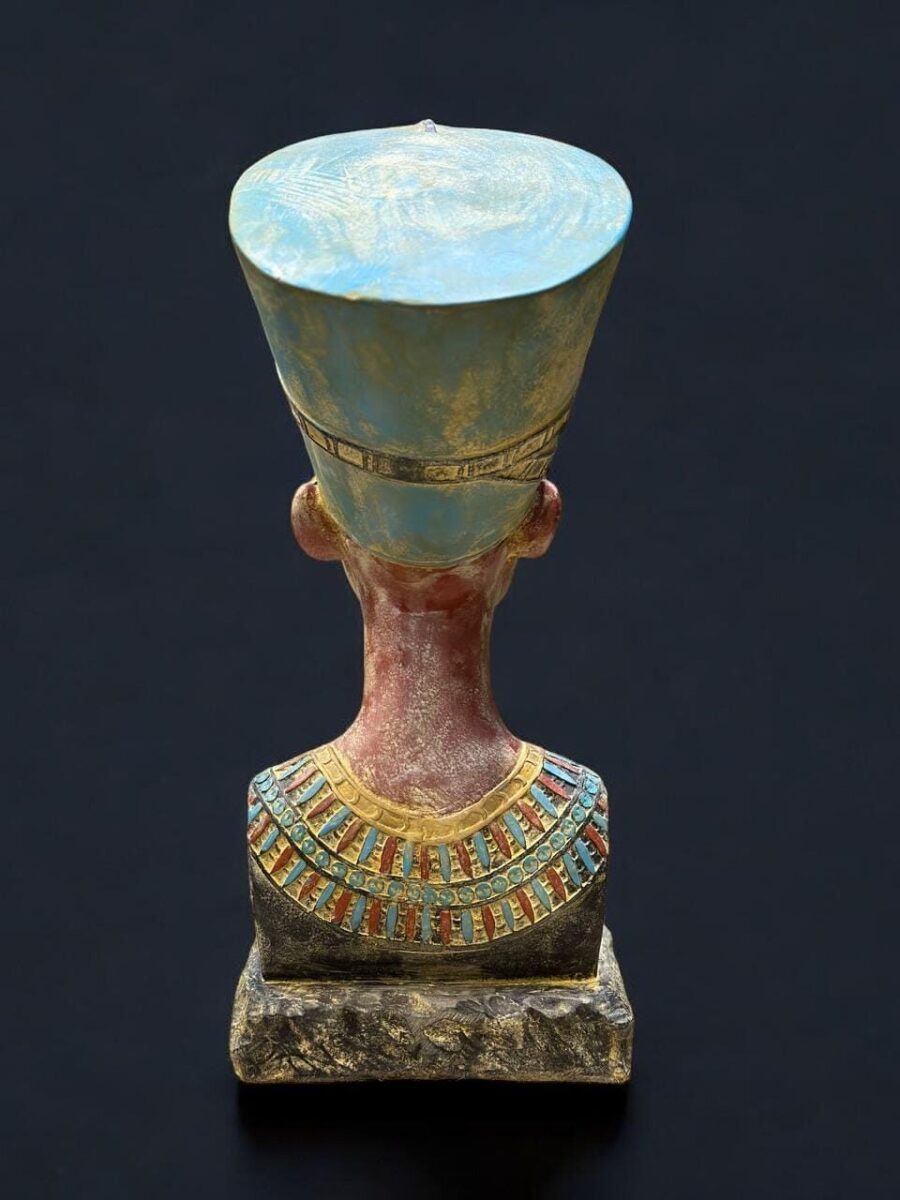
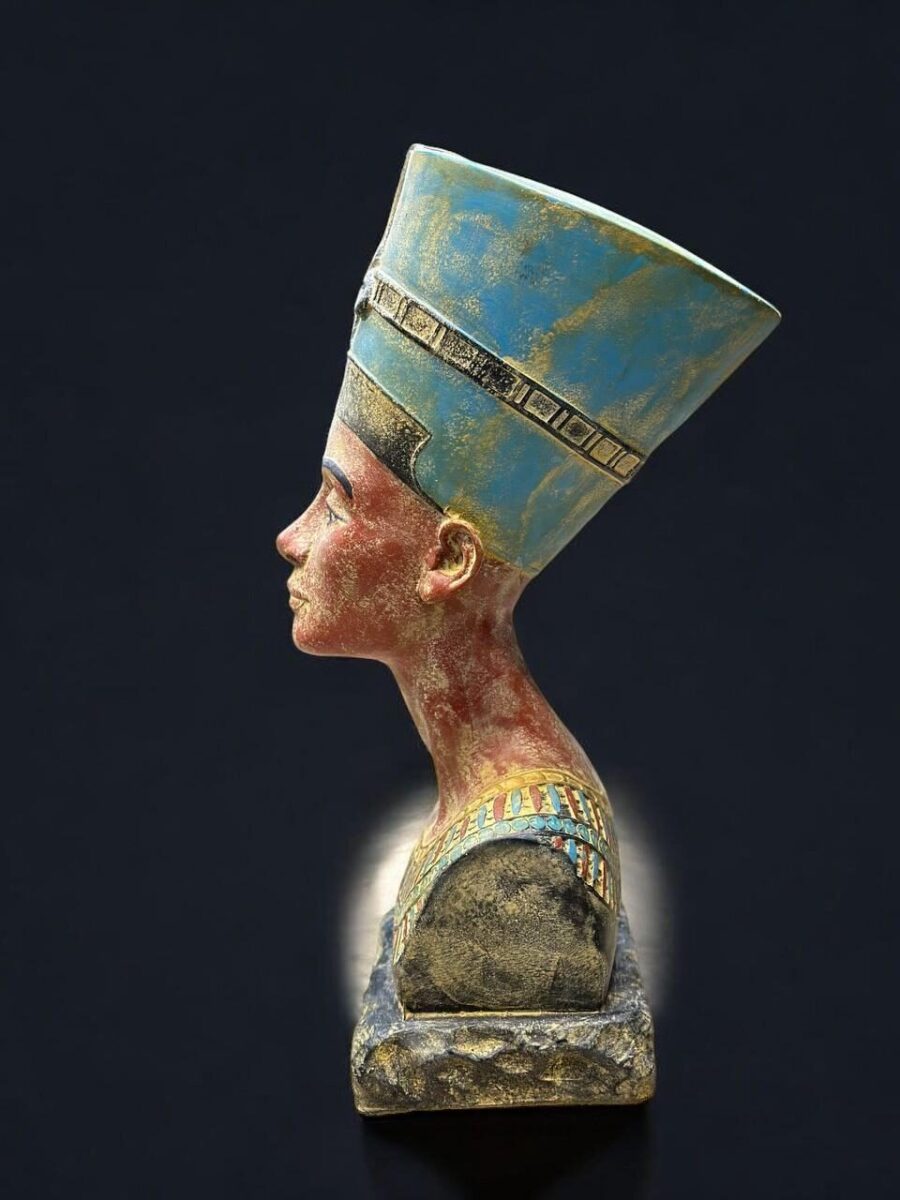
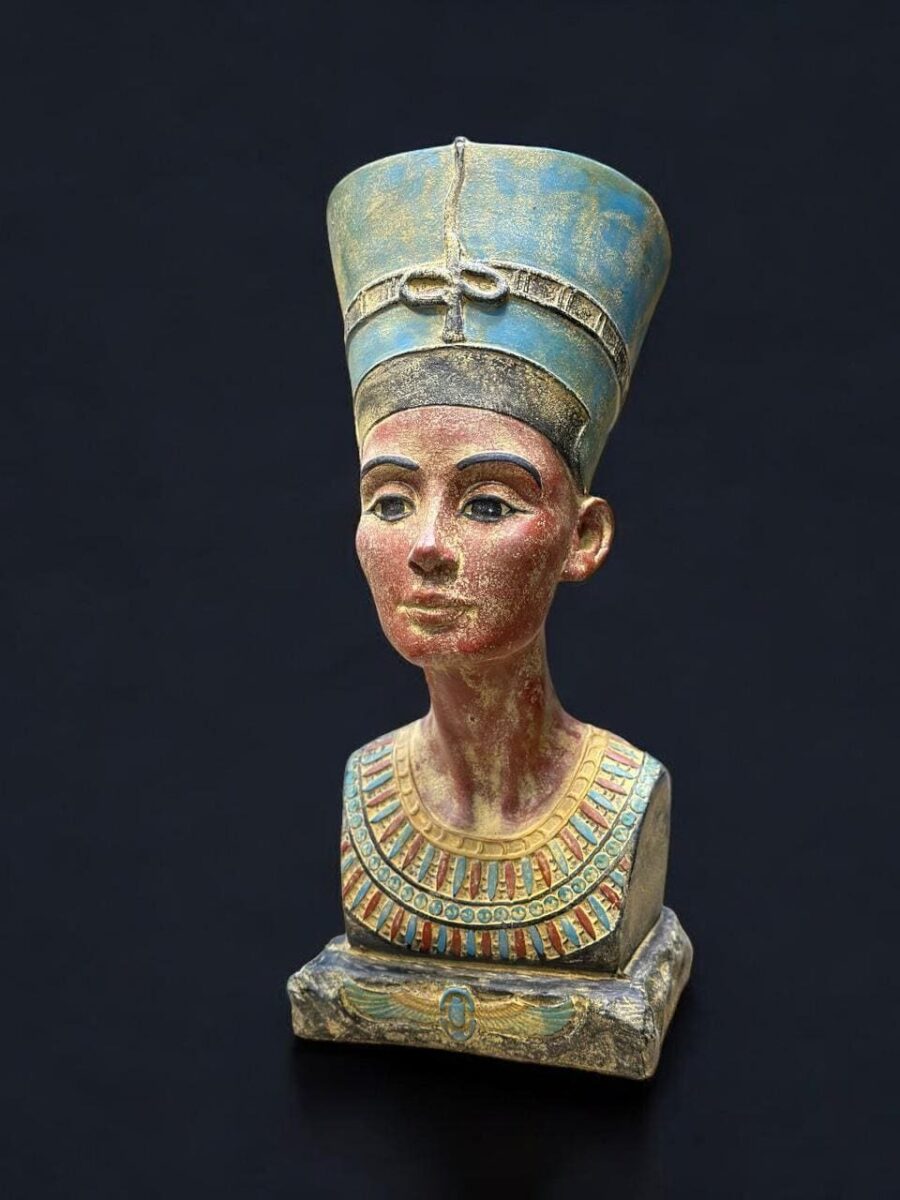
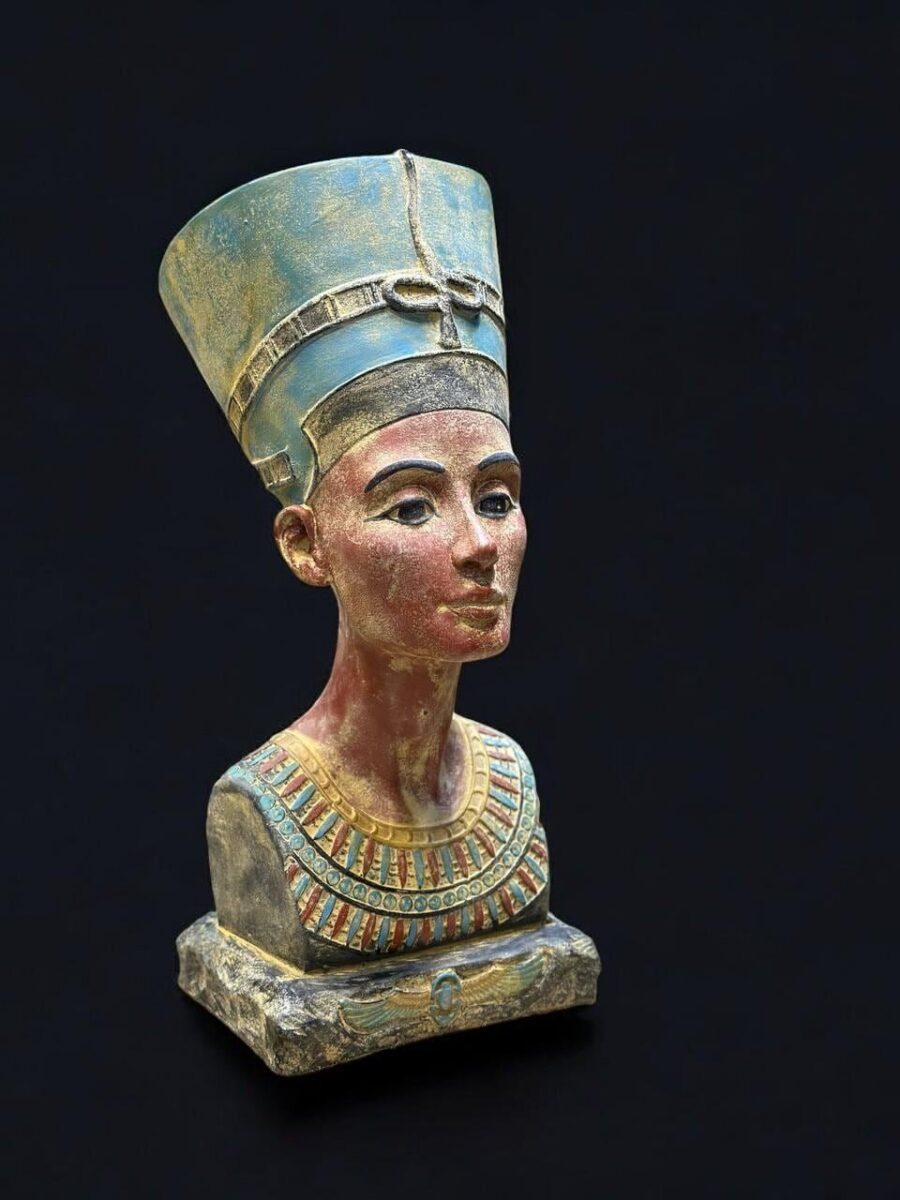
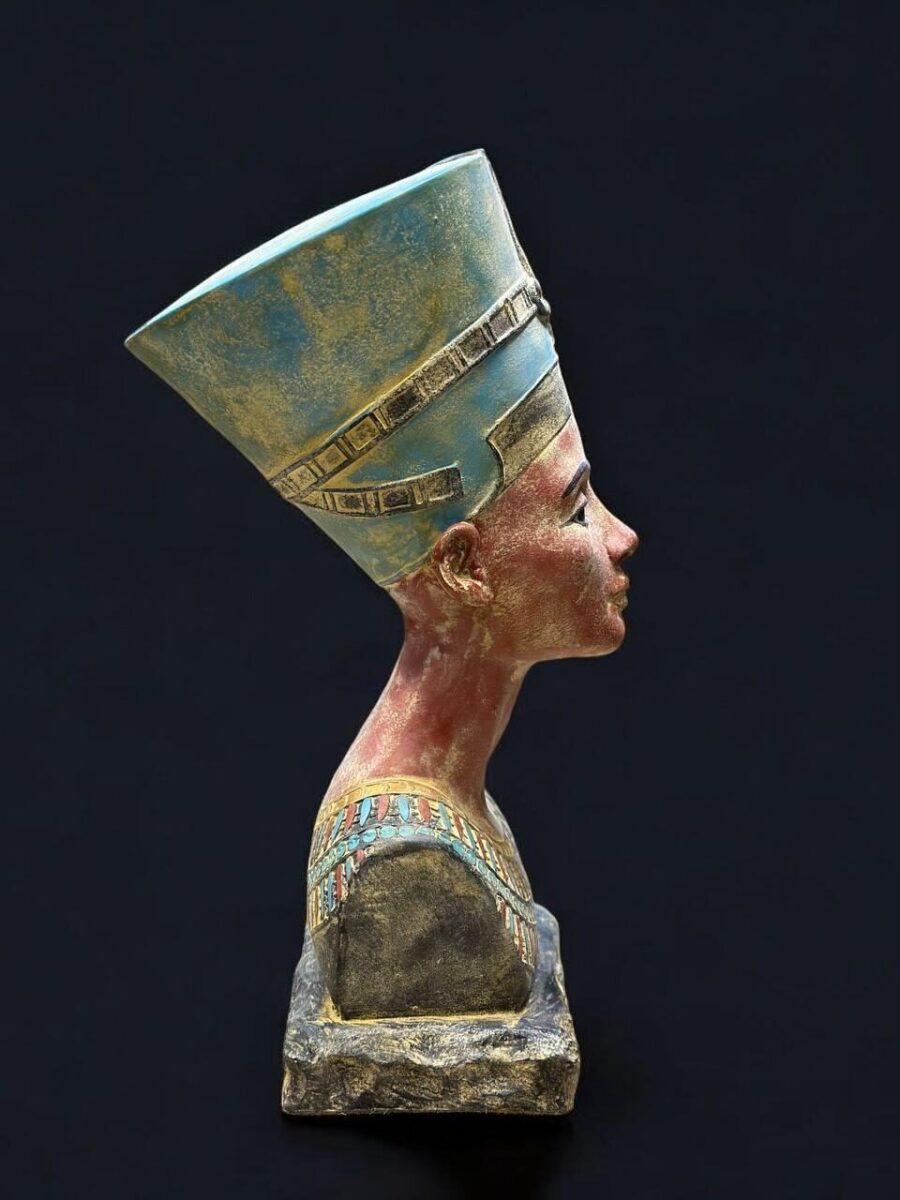
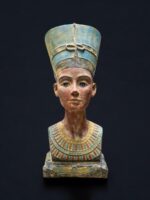
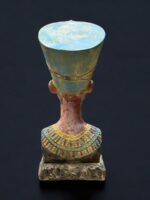
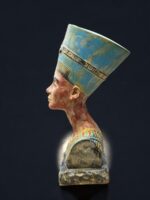
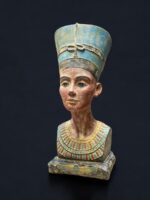
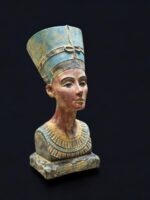
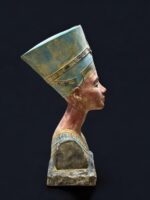
Queen Nefertiti Bust Statue – 30cm Egyptian Replica, Stone Finish Decor
Add a timeless symbol of ancient Egyptian royalty to your collection with this Queen Nefertiti Egyptian Statue, inspired by the powerful royal wife of Akhenaten and the distinctive art of the Amarna Period. A graceful choice for collectors, history lovers, Egyptian décor, museum-inspired displays, and unique cultural gifts.
Queen Nefertiti Egyptian Statue – Ancient Egyptian Royal Replica
Description of Art
Queen Nefertiti Egyptian Statue inspired by one of the most celebrated royal women of ancient Egypt and the distinctive artistic traditions of the Amarna Period.
Nefertiti lived during Egypt’s 18th Dynasty in the 14th century BCE and was the principal wife of Pharaoh Amenhotep IV, later known as Akhenaten. She played an unusually prominent role in royal and religious imagery during his reign.
This Egyptian-inspired decorative statue celebrates Nefertiti’s enduring royal image and makes a distinctive choice for collectors, history enthusiasts, archaeology lovers, and admirers of Pharaonic art.
Who Was Queen Nefertiti?
Nefertiti was the principal royal wife of Akhenaten and one of the most prominent women represented in Amarna-period art. Her name is commonly translated as “The Beautiful One Has Come” or “The Beautiful One Is Here.”
Historical information about her origins remains limited. The Egyptian Museum and Papyrus Collection in Berlin notes that surviving written records provide relatively little certain information about her parentage, early life, marriage, political position, and death. For this reason, claims that she was definitely born in Akhmim should be treated cautiously rather than presented as established fact.
Nefertiti and Akhenaten
Nefertiti was married to Amenhotep IV, who later changed his name to Akhenaten.
She was far more visible in royal imagery than many earlier Egyptian queens. The Metropolitan Museum notes that Nefertiti participated in religious rituals alongside Akhenaten and occupied an exceptional position within the royal court.
Reliefs and other surviving objects frequently show Akhenaten and Nefertiti together beneath the rays of the Aten, sometimes accompanied by their daughters.
This prominent royal imagery contributes greatly to the appeal of a Queen Nefertiti Egyptian Statue for collectors interested in powerful female figures from ancient history.
Nefertiti and the Aten
Akhenaten’s reign introduced major changes to Egypt’s official religious life, with extraordinary emphasis placed on the Aten, represented as the solar disk.
Nefertiti acted as an important religious counterpart to Akhenaten, and surviving scenes frequently show the royal couple participating together in the cult of the Aten.
It is safer to describe this period as one in which royal religion became intensely centered on the Aten rather than simply stating without qualification that Akhenaten and Nefertiti introduced the world’s first monotheistic religion. Scholars continue to debate how concepts such as monotheism, monolatry, and henotheism should be applied to Atenism.
Nefertiti and Her Six Daughters
Akhenaten and Nefertiti are represented with six daughters in Amarna-period sources. The Metropolitan Museum specifically describes the royal family as Akhenaten, Nefertiti, and their six daughters.
The Berlin museum identifies them as Meritaten, Meketaten, Ankhesenpaaten, Neferneferuaten Tasherit, Neferneferure, and Setepenre.
Tutankhamun was not one of these six daughters. In fact, Nefertiti’s daughter Ankhesenpaaten—later known as Ankhesenamun—became the wife of Tutankhamun.
This is an important correction to the original product history.
The Amarna Period
Nefertiti’s life is closely associated with Akhetaten, the new royal city established by Akhenaten at the site now known as Tell el-Amarna.
The city became the center of the royal court and the Aten cult during Akhenaten’s reign.
Art created during this period developed unusual stylistic characteristics that distinguish it from many earlier Egyptian royal traditions.
Royal family scenes could be more intimate and expressive, portraying Akhenaten and Nefertiti interacting with their daughters beneath the rays of the Aten.
The Famous Bust of Nefertiti
Nefertiti’s most famous surviving image is the painted bust discovered at Tell el-Amarna on December 6, 1912, during excavations led by Ludwig Borchardt.
The sculpture dates to the 14th century BCE and has become one of the most internationally recognized images of ancient Egyptian art. The Berlin museum’s documentation traces the bust from its ancient creation through its discovery and modern reception.
Its elegant facial features, tall blue crown, and exceptional preservation have helped establish Nefertiti as an enduring icon of Egyptian royal art.
Nefertiti as a Powerful Royal Figure
Nefertiti was not represented merely as a passive royal consort.
The Metropolitan Museum describes her as a powerful figure at court and notes that she participated in religious rituals alongside her husband in a manner that gave her an unusually prominent position.
Surviving inscriptions and images confirm her importance within Akhenaten’s royal program, although many details about her precise political authority remain uncertain.
Because the evidence is incomplete, theories that Nefertiti later ruled independently or under the name Neferneferuaten should be presented as scholarly possibilities rather than established facts.
Symbolism of a Nefertiti Statue
For modern collectors, a Queen Nefertiti Egyptian Statue may evoke themes of:
- Ancient Egyptian royalty
- Beauty and elegance
- Female power
- The Amarna Period
- Royal authority
- Egyptian heritage
- Historical art
- Akhenaten and the Aten
- Archaeology
- Ancient civilization
These associations make Nefertiti one of the most recognizable royal subjects in Egyptian-inspired décor.
Perfect for Collectors and Egyptian Décor
This Queen Nefertiti Egyptian Statue is ideal for:
- Ancient Egyptian art collectors
- Nefertiti enthusiasts
- Amarna Period collectors
- Akhenaten history enthusiasts
- Archaeology lovers
- Egyptian-themed interiors
- Museum-inspired displays
- Home and office decoration
- Historical replica collections
- Unique Egyptian cultural gifts
It can also complement pieces inspired by Akhenaten, Tutankhamun, Hatshepsut, Amarna princesses, Horus, Isis, and other important figures of ancient Egypt.
Product Details
Product: Queen Nefertiti Egyptian Statue
Subject: Queen Nefertiti
Dynasty: 18th Dynasty Inspired
Period: New Kingdom / Amarna Period Inspired
Style: Ancient Egyptian / Pharaonic
Type: Decorative Replica
Theme: Egyptian Royalty, Amarna Art & Nefertiti
Use: Collectible, Home Décor, Office Décor, Historical Display & Cultural Gift
Our Shop Policy
- Please ask for a live photo of your product before shipping if you would like to see the exact piece before dispatch.
- Keep a close eye on your inbox for shipping updates and tracking information.
- Providing a valid phone number is mandatory for international shipping purposes.
- If you encounter any issues or concerns regarding your order, please contact us. We will handle your case promptly and professionally.
International Shipping
Please provide your phone number to complete the international shipping process.
Your Queen Nefertiti Egyptian Statue will be carefully prepared and securely packaged to help protect it during transportation.
| Weight & Build | Hollow-Lightweight, Solid–Heavy&premium |
|---|
Related products
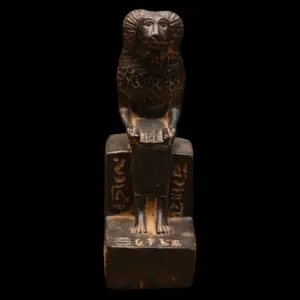
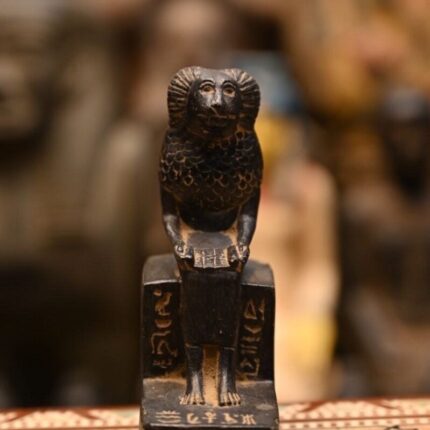
Thoth -vintage statue-Depicted in Baboon-Symbol of wisdom writing-moon-Egyptian antique statues -handcraft-Archeology/Egyptian mythology
Add a meaningful symbol of ancient Egyptian wisdom to your collection with this Seated Thoth Baboon Statue, handcrafted in Egypt and measuring 13 × 5 × 7.5 cm. Inspired by Thoth, the god of wisdom, writing, knowledge, magic, and the moon, it is a distinctive choice for collectors, scholars, Egyptian décor, and unique cultural gifts.
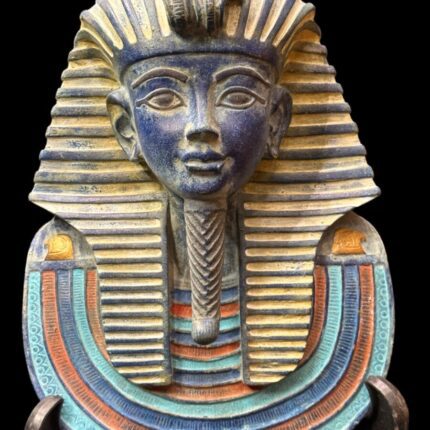
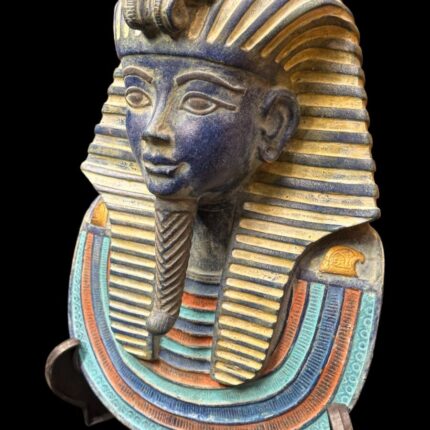
King Tutankhamun Mask Wall Sculpture – Handcrafted Egyptian Decor
Add an iconic touch of ancient Egyptian royalty to your space with this 30 cm Tutankhamun Wall Mask, crafted from hollow artificial stone with a striking golden painted finish. Designed for wall hanging or desk display, it is a distinctive choice for Tutankhamun collectors, Egyptian décor, history lovers, and unique cultural gifts.
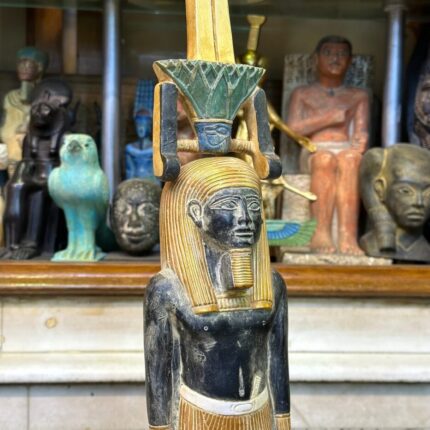
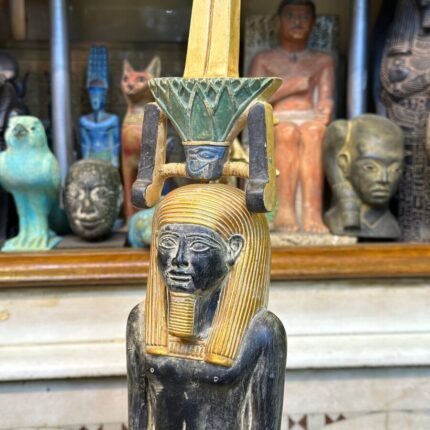
Pretty statue of Nefertem-God of healing-beauty-perfumes during the ancient Egypt-antiques-deities-Egyptian mythology-sculpture.
Add a vibrant symbol of ancient Egyptian renewal to your collection with this 35 cm Colorful Nefertem Statue, handcrafted in Egypt and featuring a colorful decorative finish. Inspired by Nefertem, the god of the lotus, fragrance, rebirth, renewal, and youthful solar power, it is a distinctive choice for collectors, Egyptian décor, and unique cultural gifts.
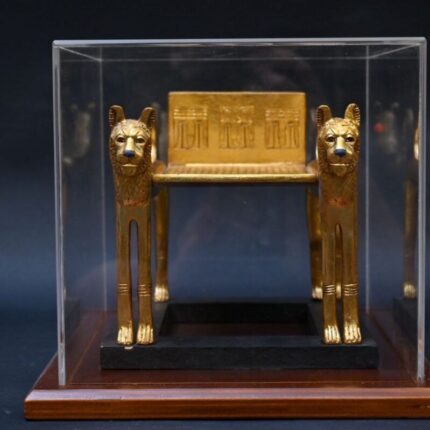
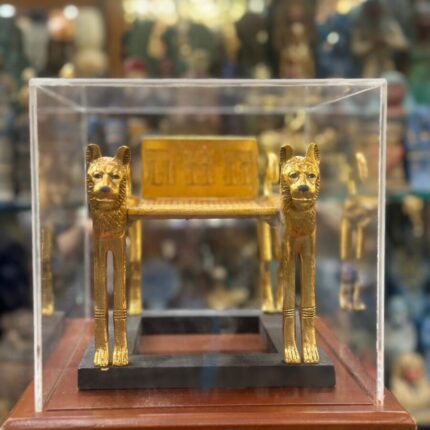
Tutankhamun lions bad-replica museum piece-ancient Egyptian religion,mythology-sculpture Egyptian antiquities-made in Egypt
Add a distinctive piece of ancient Egyptian royal heritage to your collection with this Tutankhamun Lioness Funerary Bed, handcrafted in Egypt and inspired by the lioness-headed ceremonial couch discovered in King Tutankhamun’s tomb. Measuring 25 cm high and 28 cm deep, it is ideal for Egyptology collectors, museum-inspired décor, and unique cultural gifts.
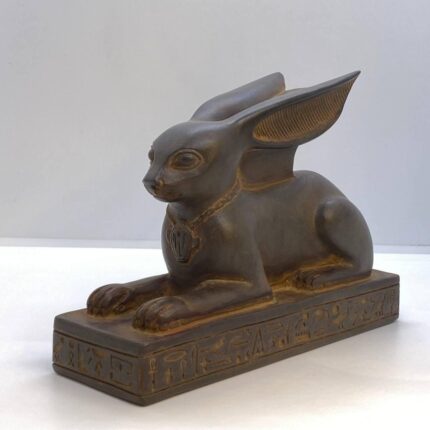
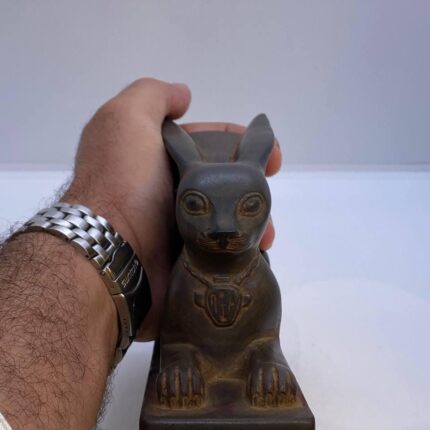
Basalt Stone Rabbit Statue: Ancient Egyptian Goddess Unut
Add a charming natural-stone accent to your space with this Basalt Rabbit Statue, crafted from basalt stone and featuring an elegant rabbit-inspired design. Its distinctive dark appearance makes it a beautiful choice for rabbit lovers, animal sculpture collectors, home décor, office displays, nature-inspired interiors, and unique gifts.
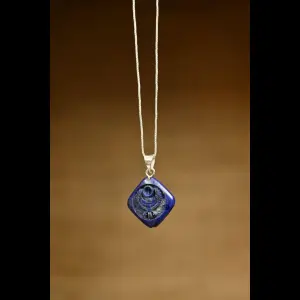
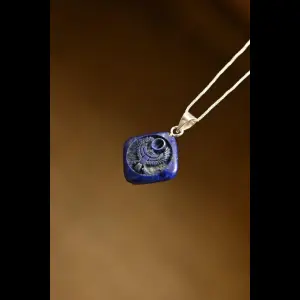
Ancient Egyptian Horus Falcon Amulet Pendant, Lapis Lazuli Carving
Add a powerful symbol of ancient Egyptian kingship and protection to your jewelry collection with this Horus Falcon Protection Amulet, inspired by Horus, the falcon god of the sky, royal authority, and guardianship. A distinctive choice for mythology lovers, Egyptology enthusiasts, protective-symbol collectors, Egyptian-inspired jewelry, and unique cultural gifts.
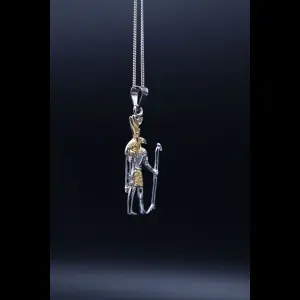
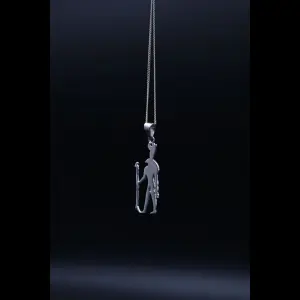
Silver God Seth Pendant – Egyptian Amulet Necklace
Add a powerful and distinctive figure of ancient Egyptian mythology to your jewelry collection with this Silver Seth God Amulet, made of silver and inspired by Seth, the complex deity associated with storms, desert regions, disorder, strength, and fierce protective power. A unique choice for mythology lovers, silver jewelry collectors, Egyptology enthusiasts, and cultural gifts.


Reviews
There are no reviews yet.