
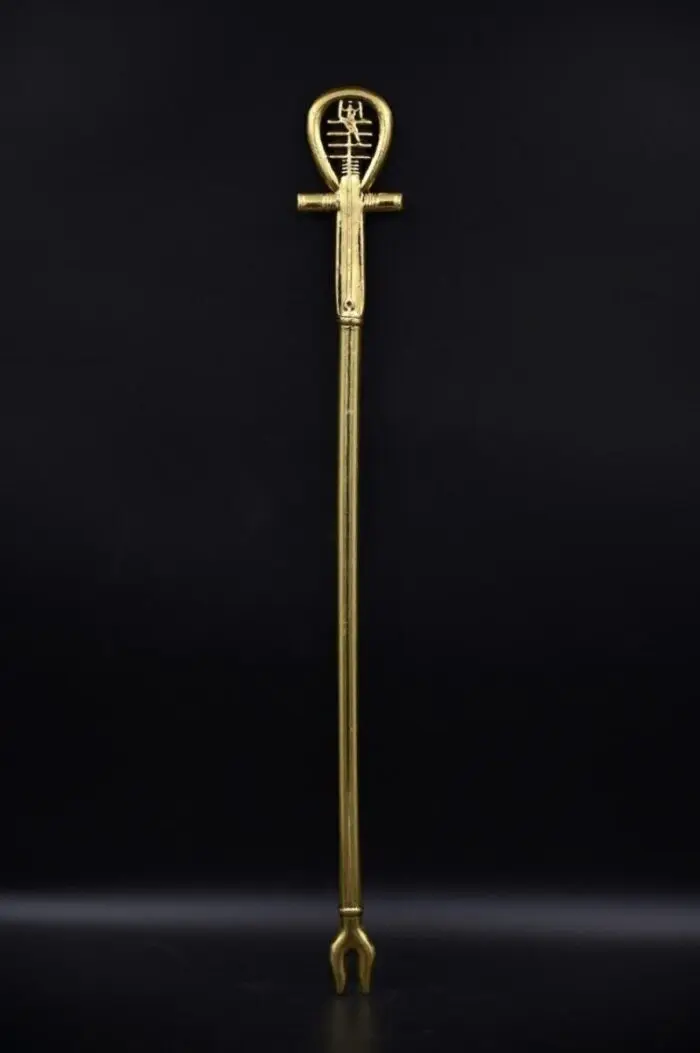
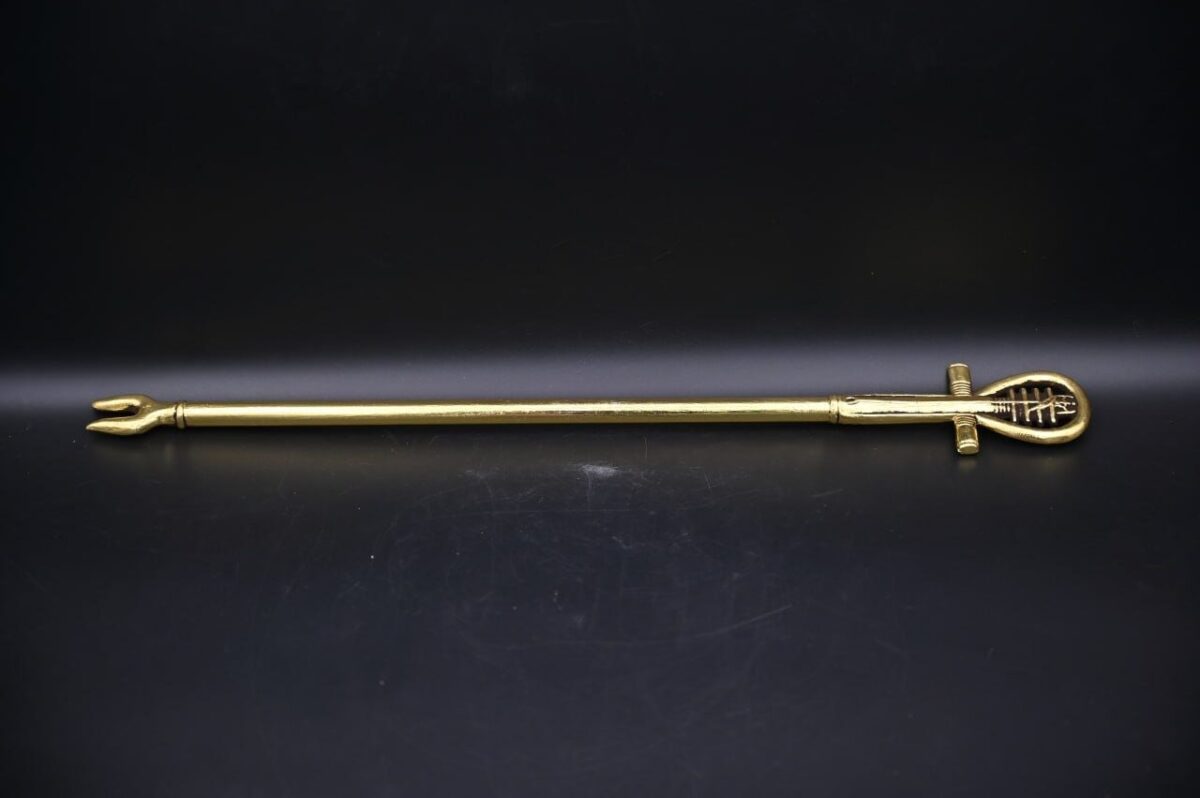
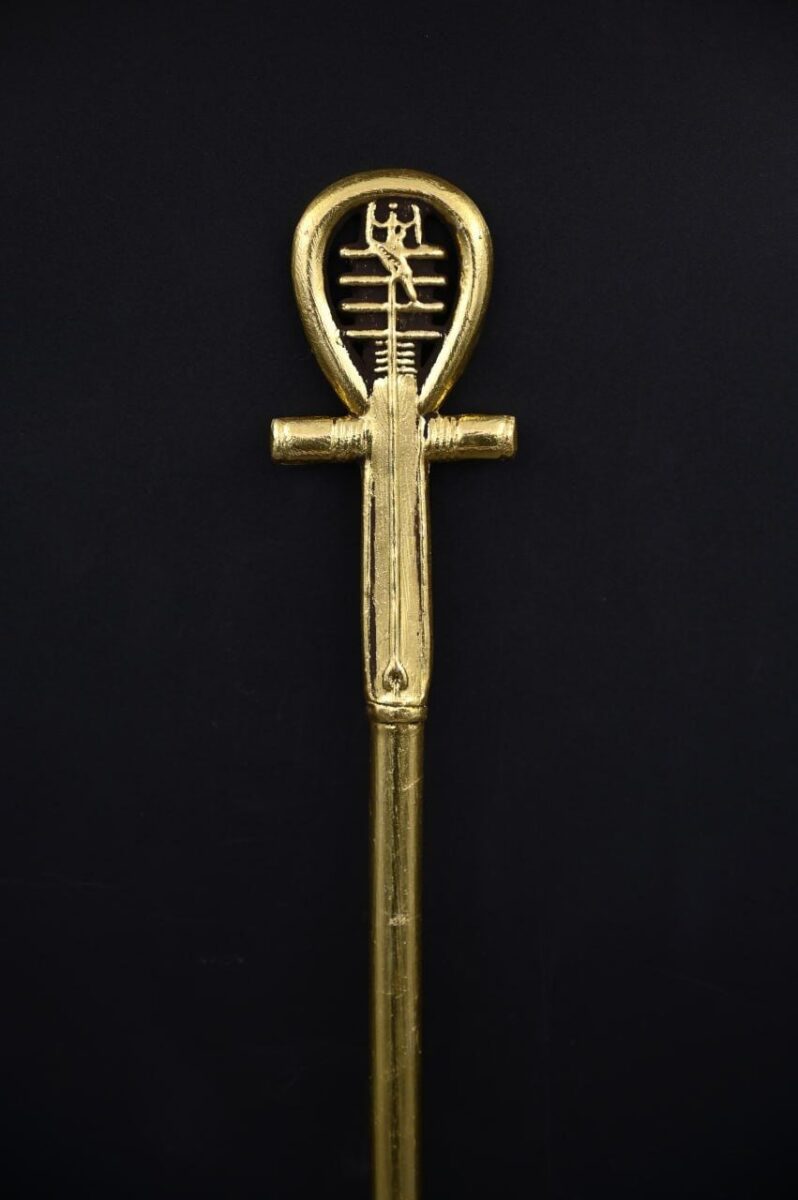
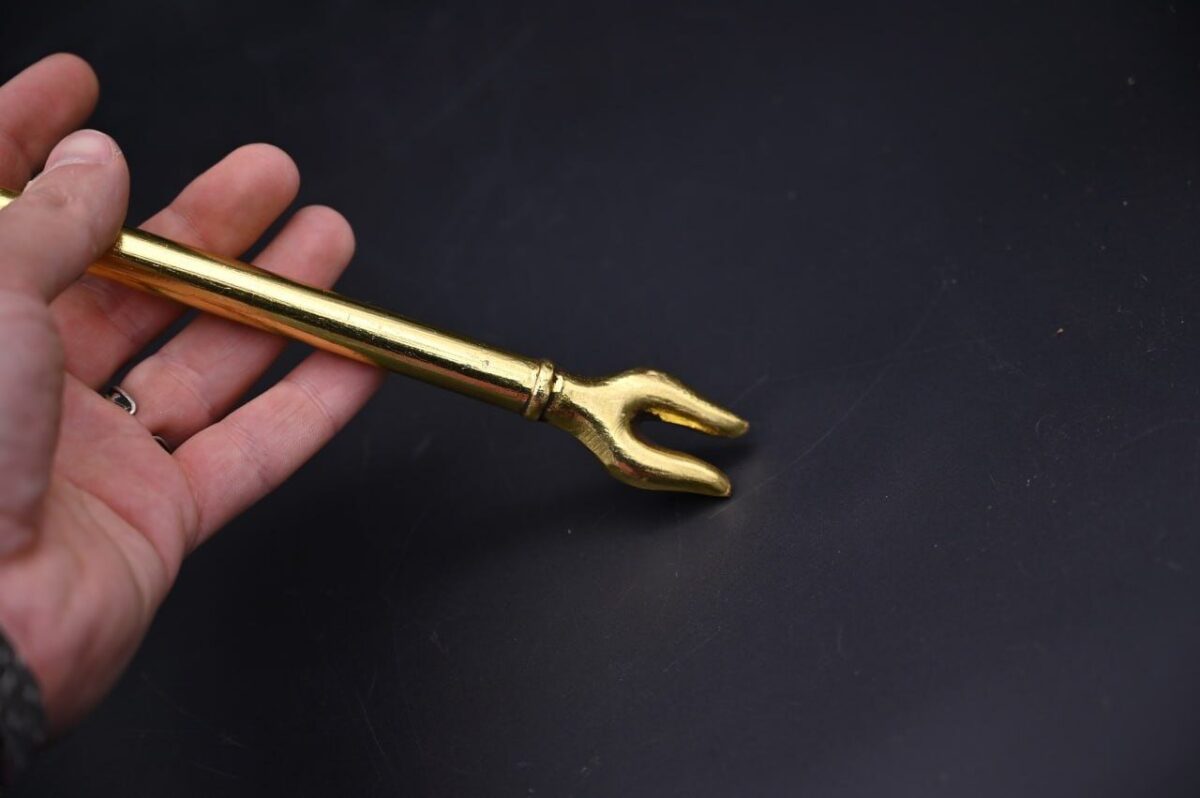
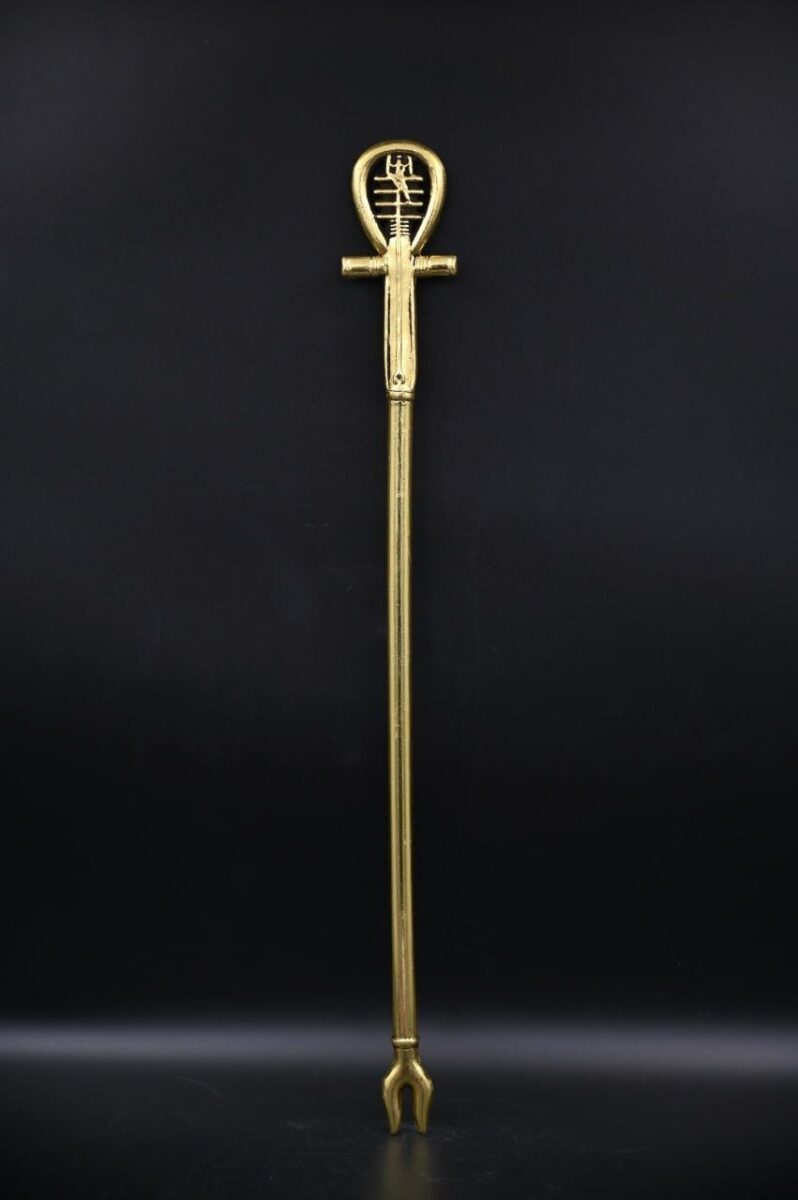
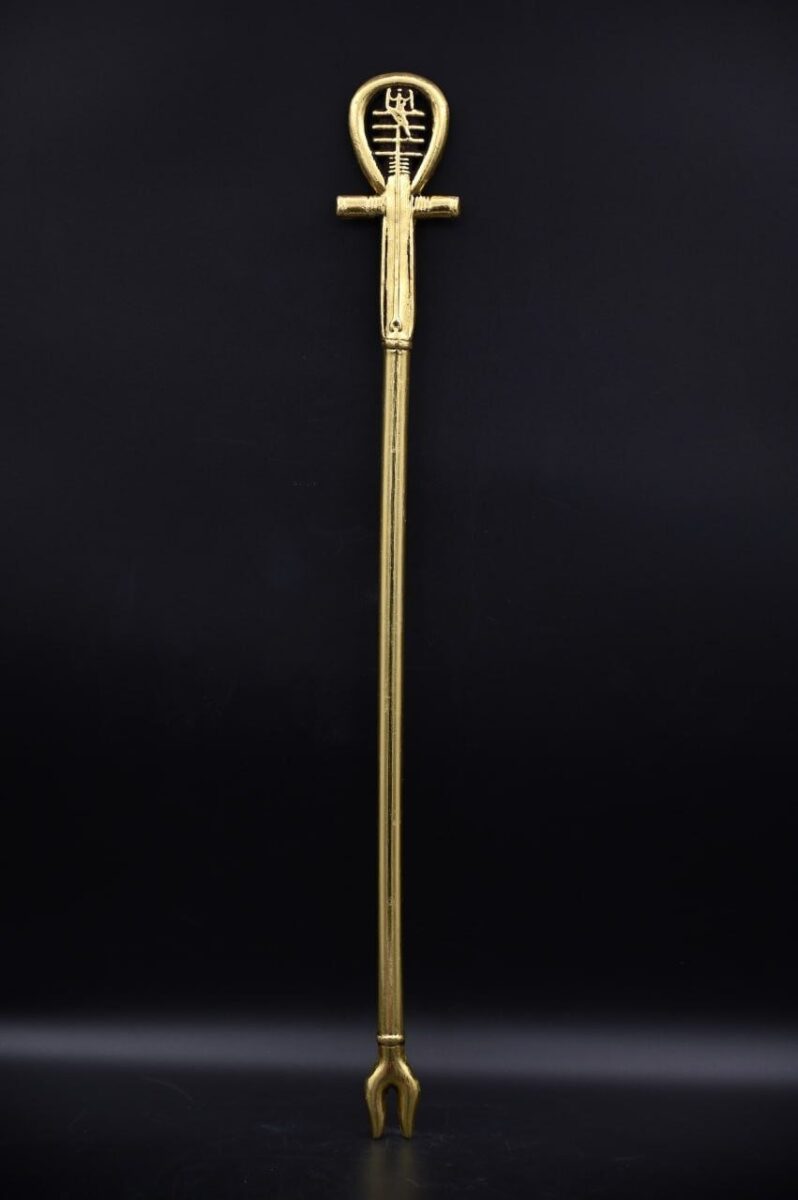
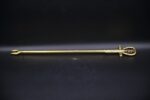
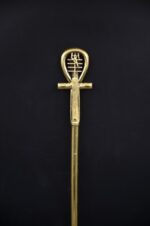
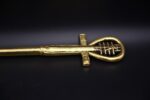
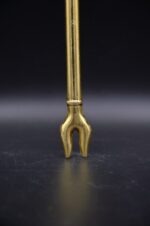
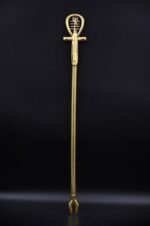
Brass Ankh Djed Was Scepter, Egyptian Symbol of Life
$357.50
Ankh Djed Was Egyptian Scepter – Ancient Egyptian Symbolic Replica
Description of Art
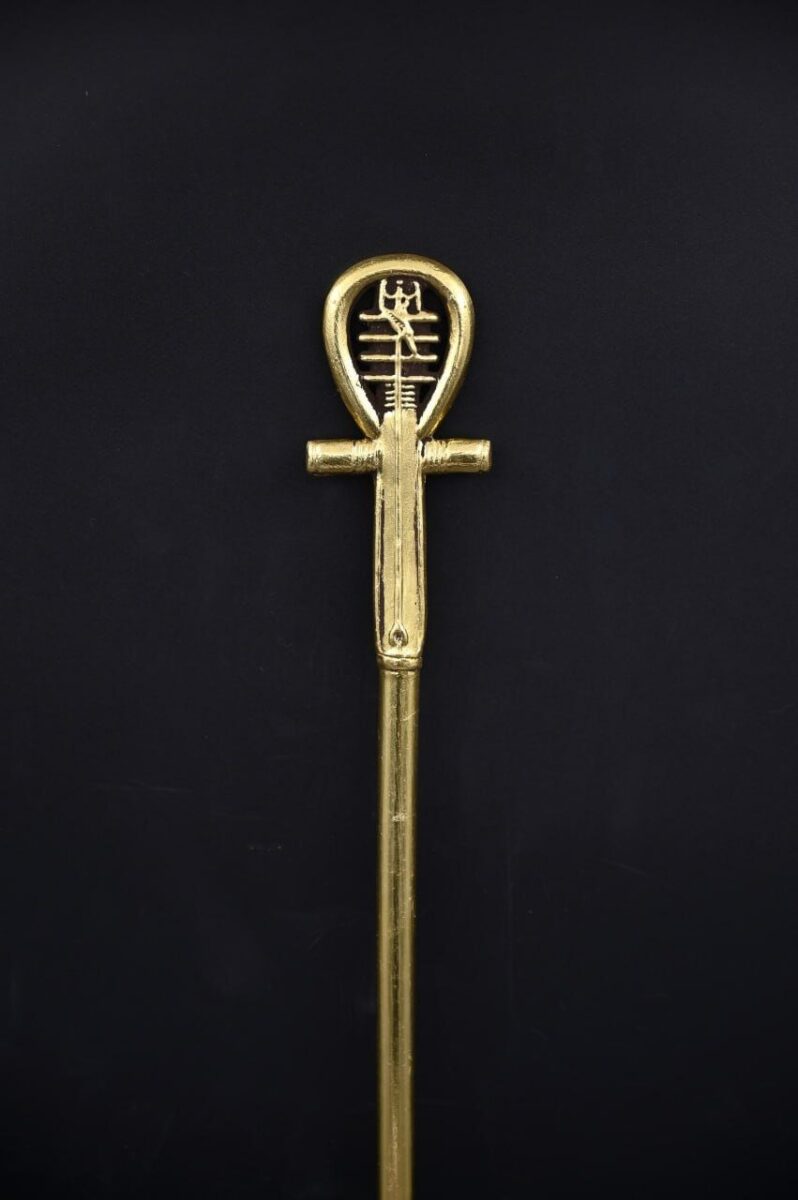
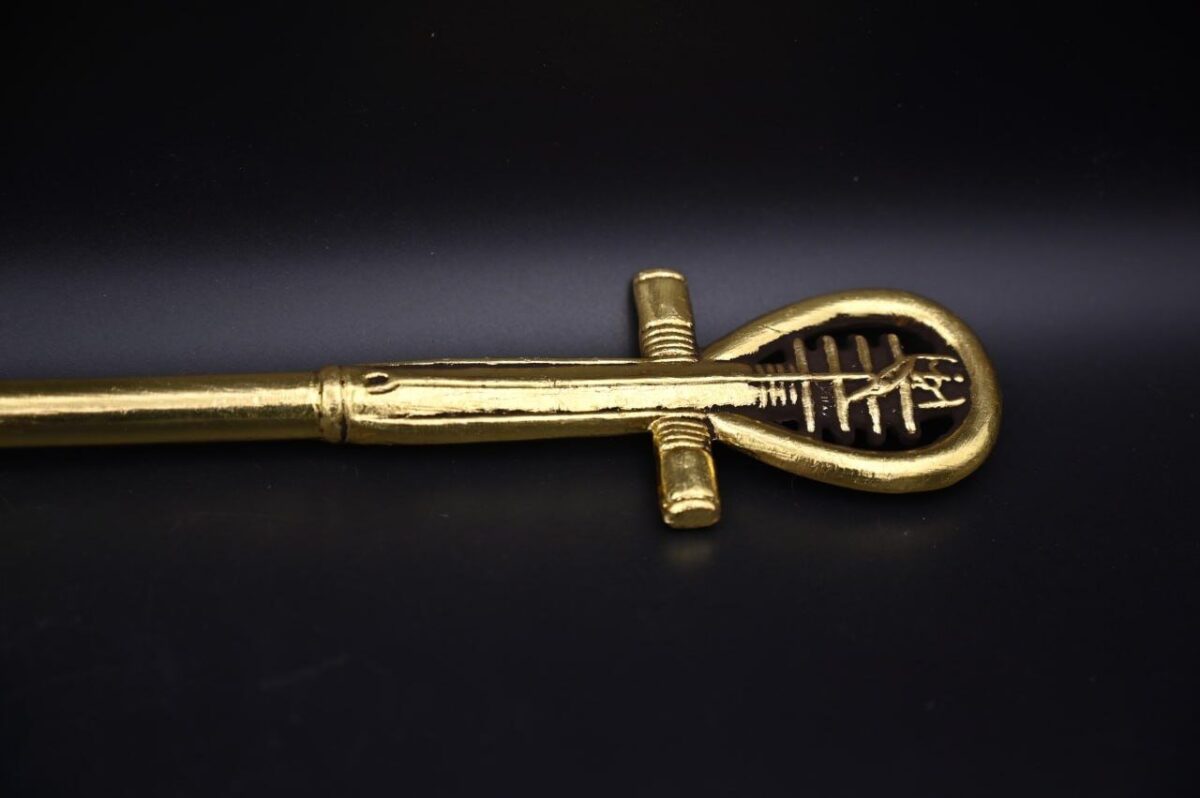
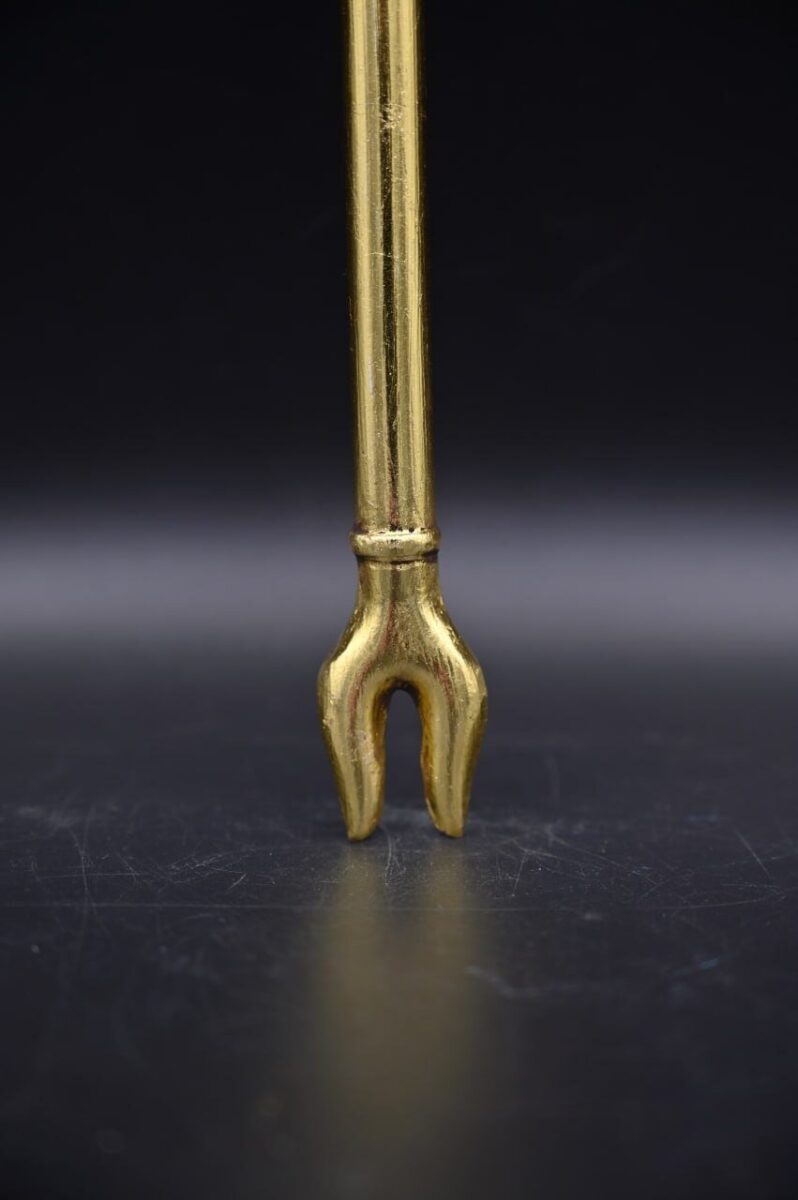
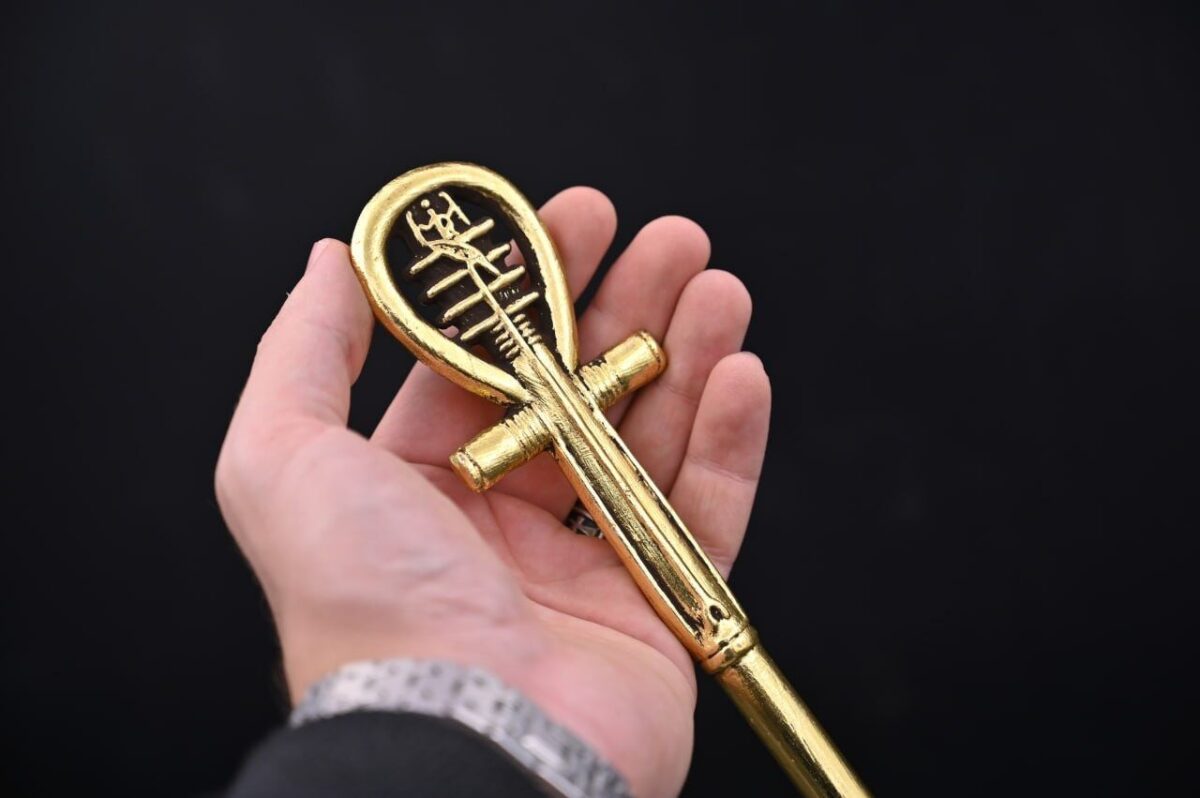
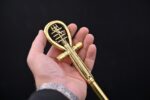
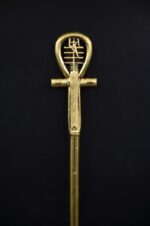
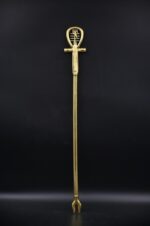
Ankh Djed Was Egyptian Scepter inspired by three of the most recognizable symbols of ancient Egyptian art: the Ankh, Djed pillar, and Was sceptre.
These three signs were genuinely combined in ancient Egyptian artworks and ritual objects. The Metropolitan Museum records examples where the Ankh represents life, the Djed represents stability, and the Was represents dominion.
This decorative piece brings all three symbols together in one striking design, making it an excellent choice for collectors, history enthusiasts, Egyptian décor, symbolic displays, and museum-inspired collections.
Three Powerful Egyptian Symbols in One Design
Ancient Egyptian artists frequently combined important hieroglyphic symbols to communicate wishes or concepts associated with divine and royal power.
The British Museum preserves an ancient composite sceptre that combines an Ankh, Djed pillar, and Was sceptre in a single object.
Another British Museum amulet explicitly combines the meanings of life, endurance/stability, and dominion through these symbols.
This makes the combination historically grounded and particularly suitable for an Egyptian-inspired replica.
The Ankh – Symbol of Life
The Ankh is one of the most famous symbols of ancient Egypt.
Its hieroglyphic meaning is life, and it appears repeatedly in Egyptian art in the hands of gods and kings. The British Museum identifies the Ankh directly as both the hieroglyphic word for life and a symbol of life.
For modern collectors, the Ankh can evoke:
- Life
- Vitality
- Continuity
- Ancient Egyptian heritage
- Divine blessing
- Eternal existence
Because of its distinctive looped form, it has also become popularly known today as the Key of Life.
It is safer, however, not to present interpretations such as the loop representing femininity, the lower section masculinity, or the symbol representing “earth and sky” as established ancient Egyptian meanings. The historically secure meaning is life.
The Djed – Symbol of Stability
The Djed pillar represents stability, permanence, and endurance.
The Metropolitan Museum identifies the Djed as a symbol of stability and notes that from the New Kingdom onward it became strongly associated with Osiris, eventually being interpreted as his backbone.
This gave the Djed powerful connections with:
- Stability
- Strength
- Permanence
- Endurance
- Regeneration
- Osiris
- Continued existence
Ancient Egyptian objects frequently incorporated the Djed into funerary and protective symbolism because of these associations.
The Djed and Osiris
The Djed’s relationship with Osiris became particularly important in Egyptian funerary religion.
Osiris was closely associated with regeneration and continued existence after death, while the upright Djed represented permanence and stability.
The Metropolitan Museum records ancient Djed amulets designed to connect the deceased with Osiris and ensure permanence.
This symbolism gives the Djed an especially meaningful position within the Ankh Djed Was Egyptian Scepter.
The Was Sceptre – Symbol of Dominion
The Was sceptre represented dominion or authority.
The Metropolitan Museum specifically explains that the hieroglyph for the Was staff came to signify “dominion,” and gods are frequently represented carrying it.
For modern decorative interpretation, the Was may therefore evoke:
- Authority
- Power
- Dominion
- Divine strength
- Royal authority
- Egyptian kingship
Together with the Ankh and Djed, it creates a powerful visual combination of life, stability, and dominion.
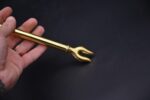
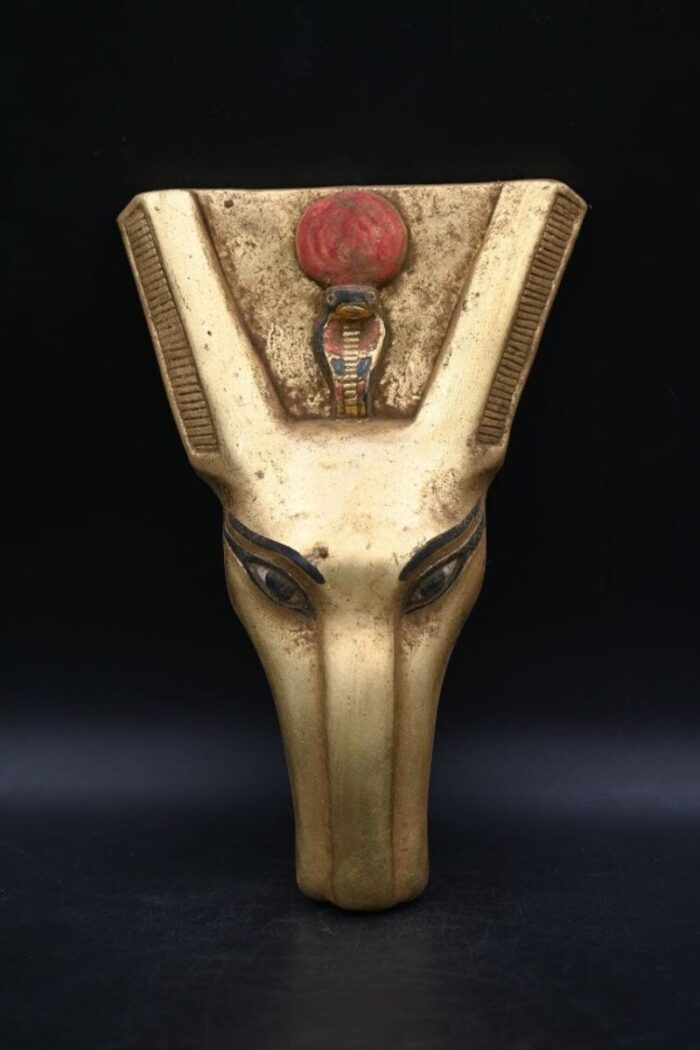
The Distinctive Was Animal Head
The original description identifies the top of the Was sceptre simply as a dog or possibly Anubis, but this is not the strongest historical interpretation.
The Was typically features an unusual animal head with a long snout and distinctive ears. Its exact origin remains debated, though it has a particularly strong association with Seth/Set.
For accurate product copy, it is better to describe it as the characteristic animal-headed Was sceptre rather than confidently identifying the head as Anubis.
Ankh, Djed, and Was Together
The combination of these three symbols is not simply a modern decorative invention.
The Metropolitan Museum preserves an ancient composition featuring the Ankh, Djed, and Was together, explicitly interpreting them as life, stability, and dominion.
The British Museum also preserves composite sceptres in which these same elements appear together.
The god Ptah was commonly portrayed holding a composite sceptre incorporating these three signs.
This makes the Ankh Djed Was Egyptian Scepter especially appealing for collectors looking for a design grounded in authentic Egyptian iconographic traditions.
Symbolism of the Combined Piece
Together, the three symbols can be summarized as:
Ankh — Life
Djed — Stability / Permanence
Was — Dominion / Authority
This combination creates a strong symbolic statement connected with life, endurance, and divine or royal power.
I would avoid claiming that they represented “the three laws of creation” unless you have a specific historical source for that interpretation, because the museum evidence more securely supports the meanings above.
Perfect for Egyptian Art Collectors
The Ankh Djed Was Egyptian Scepter is ideal for:
- Ancient Egyptian art collectors
- Ankh enthusiasts
- Osiris and Djed collectors
- Egyptian mythology lovers
- History and archaeology enthusiasts
- Symbolic décor collections
- Pharaoh-themed interiors
- Museum-inspired displays
- Home and office decoration
- Unique Egyptian cultural gifts
Its combination of three major hieroglyphic symbols makes it especially distinctive among Egyptian-inspired decorative pieces.
Product Details
Product: Ankh Djed Was Egyptian Scepter
Symbols: Ankh, Djed & Was
Ankh Meaning: Life
Djed Meaning: Stability / Permanence
Was Meaning: Dominion / Authority
Associated Deity: Djed strongly associated with Osiris
Style: Ancient Egyptian / Pharaonic Inspired
Type: Decorative Symbolic Replica
Use: Collectible, Home Décor, Office Décor, Historical Display & Cultural Gift
Shipping
All products are carefully packaged to help protect each piece from scratches or damage during transportation.
Orders are shipped via DHL according to the available service for the destination.
Please provide a valid phone number to complete the international shipping process.
Related products
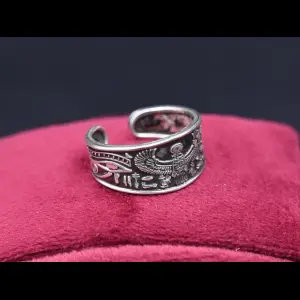
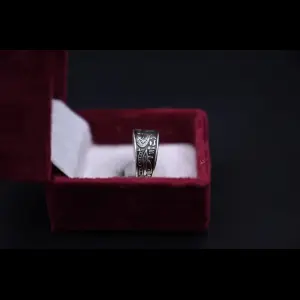
Horus ring-amazing Ring the symbol of good luck-good life-ancient Egyptian ornament-mythology
Add a powerful symbol of ancient Egyptian kingship to your jewelry collection with this Pure Silver Horus Ring, handcrafted in Egypt from pure silver with a unisex free-size design. Inspired by Horus, the falcon god of the sky, royal authority, and protection, it is a distinctive choice for silver jewelry collectors, mythology lovers, Egyptology enthusiasts, and unique cultural gifts.
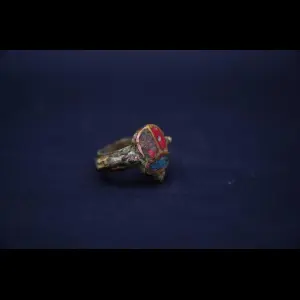
Scarab ring-amazing Ring the symbol of good luck-good life-ancient Egyptian ornament-mythology
Add a meaningful symbol of ancient Egyptian renewal to your jewelry collection with this Unisex Egyptian Scarab Ring, handcrafted in Egypt with a flexible free-size design for women and men. Inspired by the scarab’s ancient associations with rebirth, transformation, solar regeneration, and protection, it is a distinctive choice for mythology lovers, Egyptology enthusiasts, and unique cultural gifts.
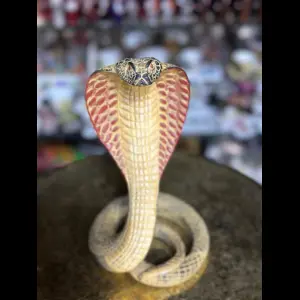
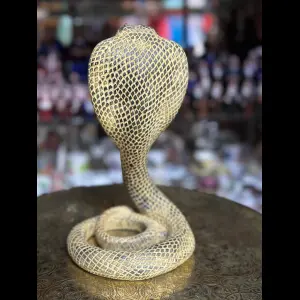
Handmade Egyptian Uraeus Cobra Statue, Wadjet Serpent Goddess
Add a powerful symbol of ancient Egyptian royal protection to your collection with this 25 cm Egyptian Uraeus Cobra, measuring 25 cm high and 12 cm wide. Inspired by Wadjet, the cobra goddess associated with Lower Egypt, kingship, guardianship, and divine protection, it is a distinctive choice for Egyptology collectors, Egyptian décor, mythology lovers, and unique cultural gifts.
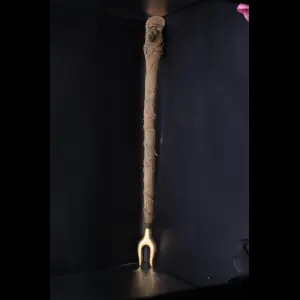
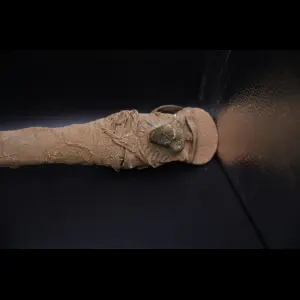
Sekhmet Scepter Was Stick, Egyptian Symbol of Strength, 50cm, Made in Egypt
Add a powerful symbol of ancient Egyptian authority to your collection with this 50 cm Sekhmet Was Scepter, handcrafted in Egypt from wood, linen, and copper. Featuring a Sekhmet-inspired design and the iconic Was symbol of dominion and power, it is a distinctive choice for Egyptology collectors, mythology lovers, Egyptian décor, and museum-inspired displays.
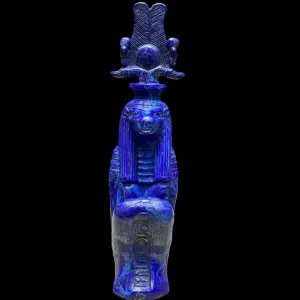
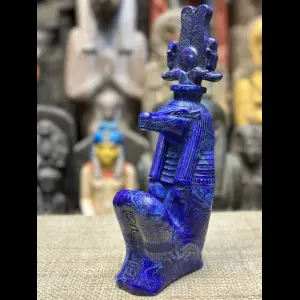
Handcrafted Lapis Lazuli Sobek Statue – Egyptian Crocodile God Art (33 cm)
Add a powerful symbol of ancient Egyptian strength to your collection with this 33 cm Lapis Lazuli Sobek Statue, handcrafted in Egypt and inspired by Sobek, the crocodile god associated with the Nile, fertility, protection, strength, and royal power. Measuring 33 × 7 × 10 cm, it is a striking choice for collectors, Egyptian décor, mythology lovers, and unique cultural gifts.
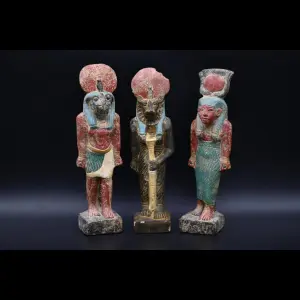
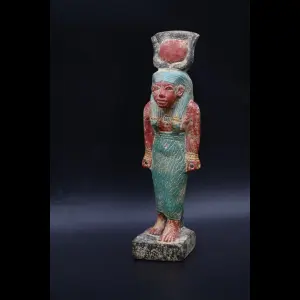
Handcrafted Hathor, Sekhmet, & Horus Statues: Egyptian Deities (20 cm)
Add a distinctive collection of ancient Egyptian symbolism to your space with this Hathor Sekhmet Horus Statue Set, featuring three 20 cm handcrafted statues made from colored natural stone. Representing love and motherhood, strength and healing, and kingship and protection, this set is ideal for collectors, Egyptian décor, mythology lovers, and unique cultural gifts.
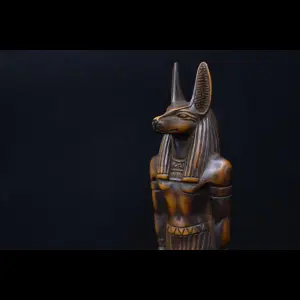
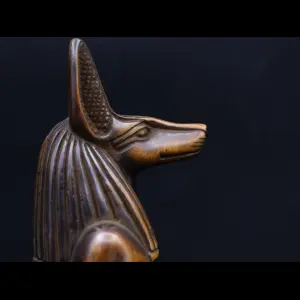
Handcrafted Anubis Statue: Egyptian God of Protection, Brown Stone (23cm)
Add a powerful symbol of ancient Egyptian protection to your collection with this 23 cm Brown Stone Anubis Statue, handcrafted in Egypt from natural stone. Inspired by Anubis, the canine-headed deity of mummification, funerary protection, and care of the deceased, it is a distinctive choice for collectors, Egyptian décor, museum-inspired displays, and unique cultural gifts.
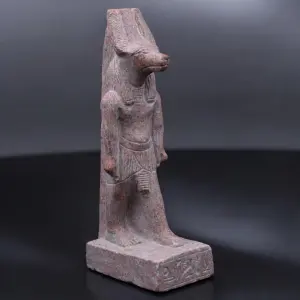
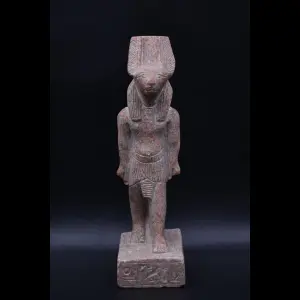
Handcrafted Red Granite Anubis Statue – Egyptian God of Afterlife (30cm)
Add a powerful symbol of ancient Egyptian protection to your collection with this 30 cm Red Granite Anubis Statue, handcrafted in Egypt from red granite. Inspired by Anubis, the canine-headed deity of mummification, funerary protection, and care of the deceased, it is a striking choice for collectors, Egyptian décor, museum-inspired displays, and unique cultural gifts.


Reviews
There are no reviews yet.