
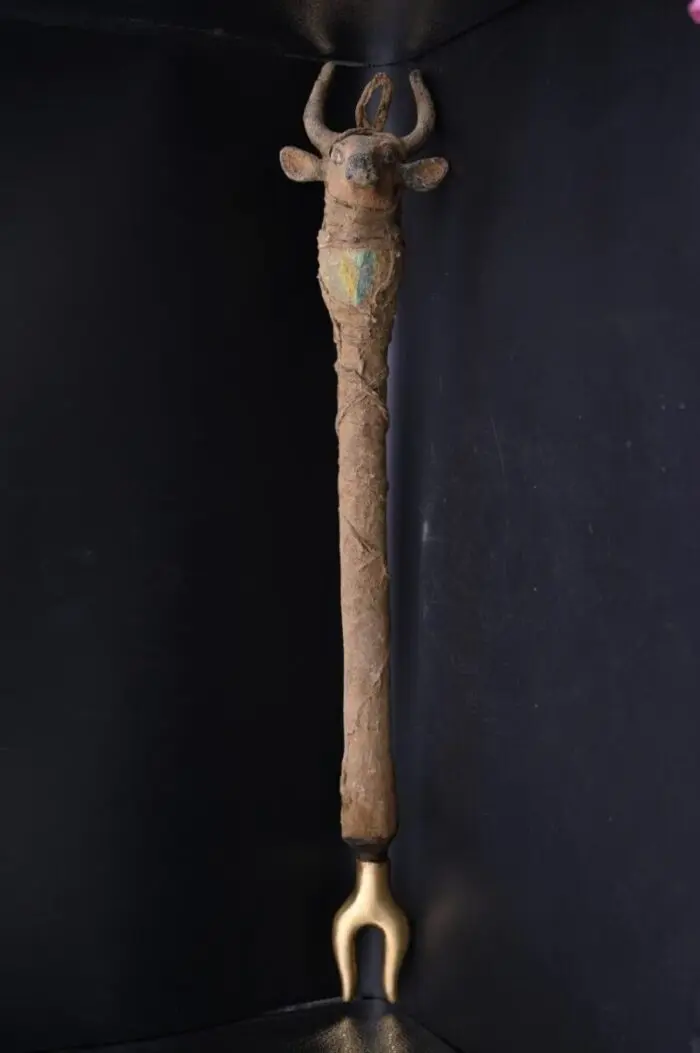
Tutankhamun Was Scepter, Egyptian Mythology Decor
$357.50
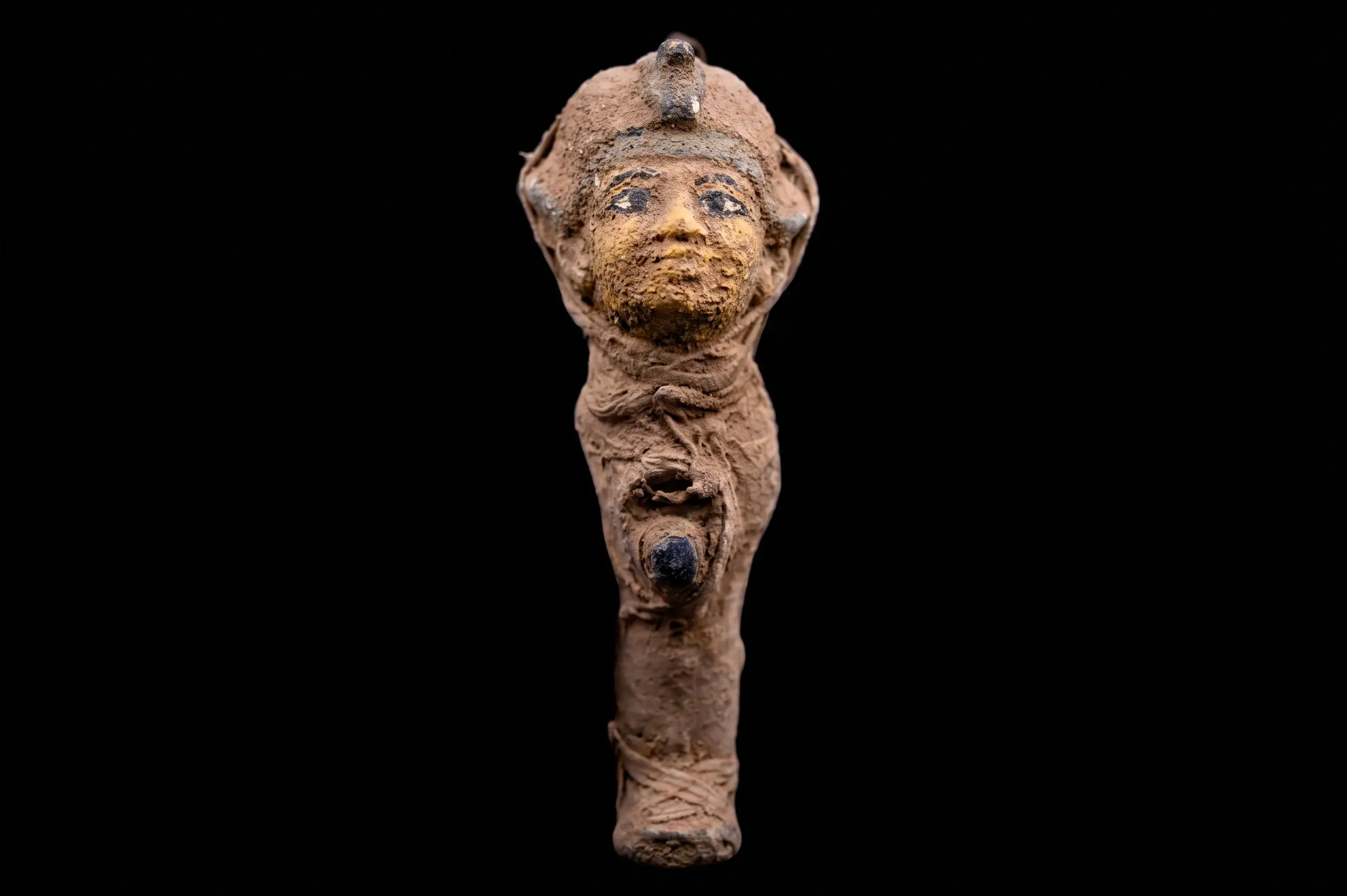
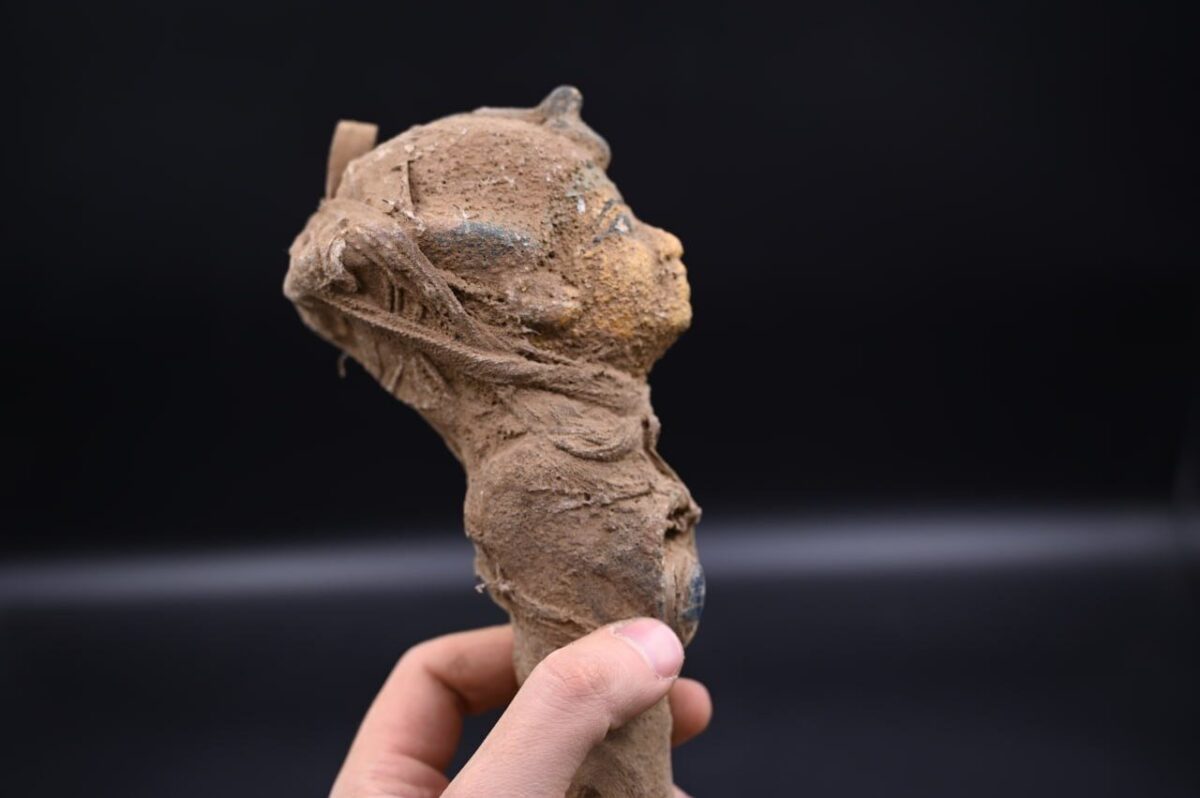
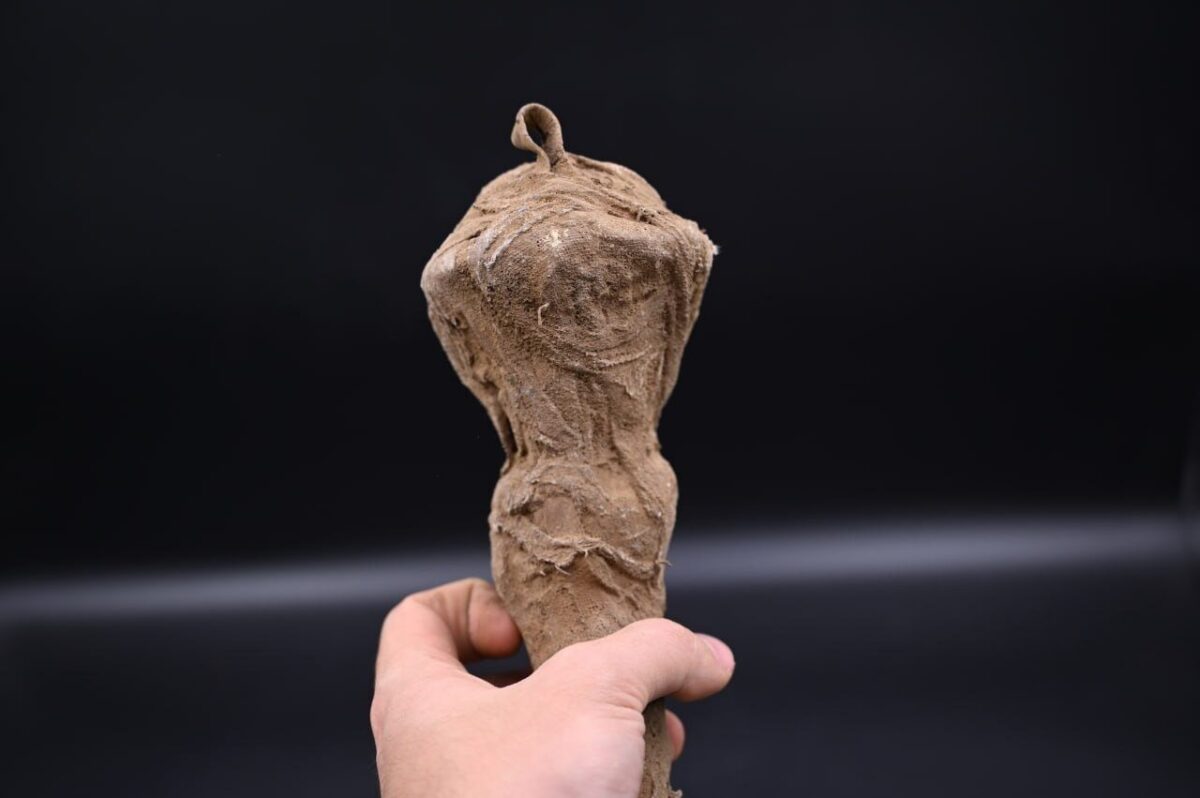
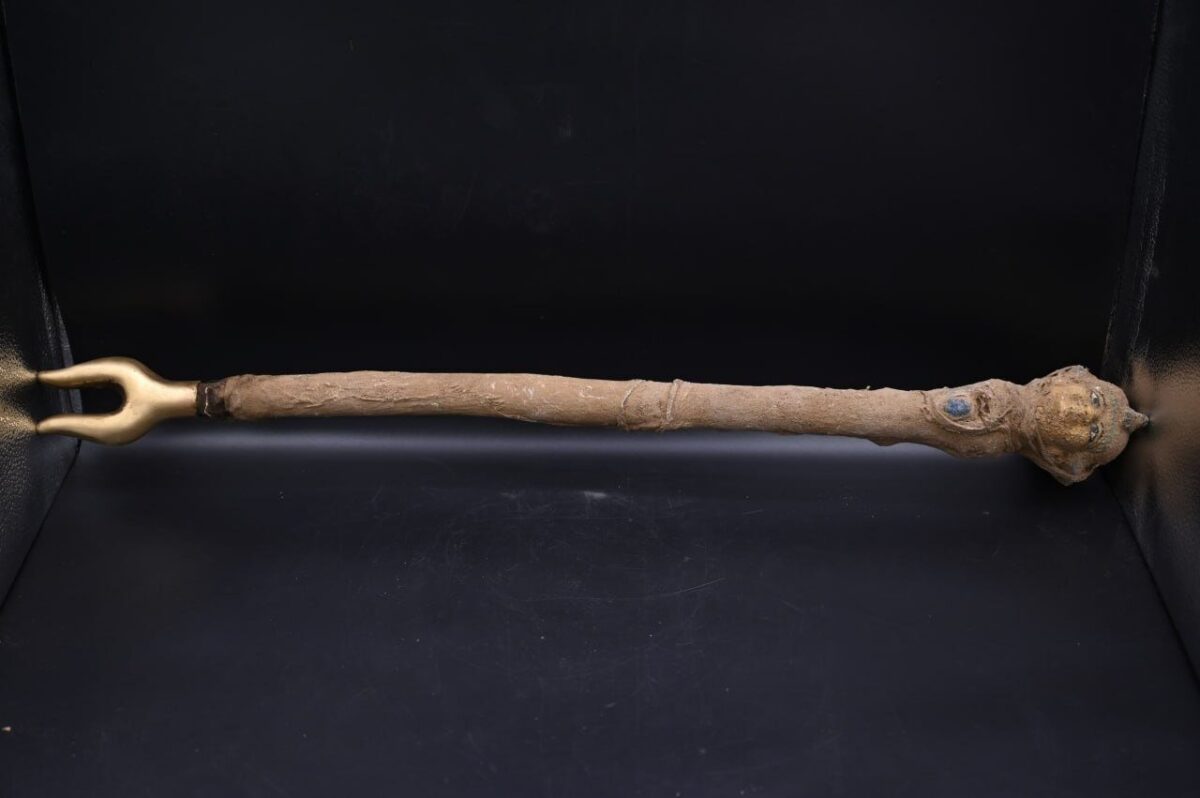
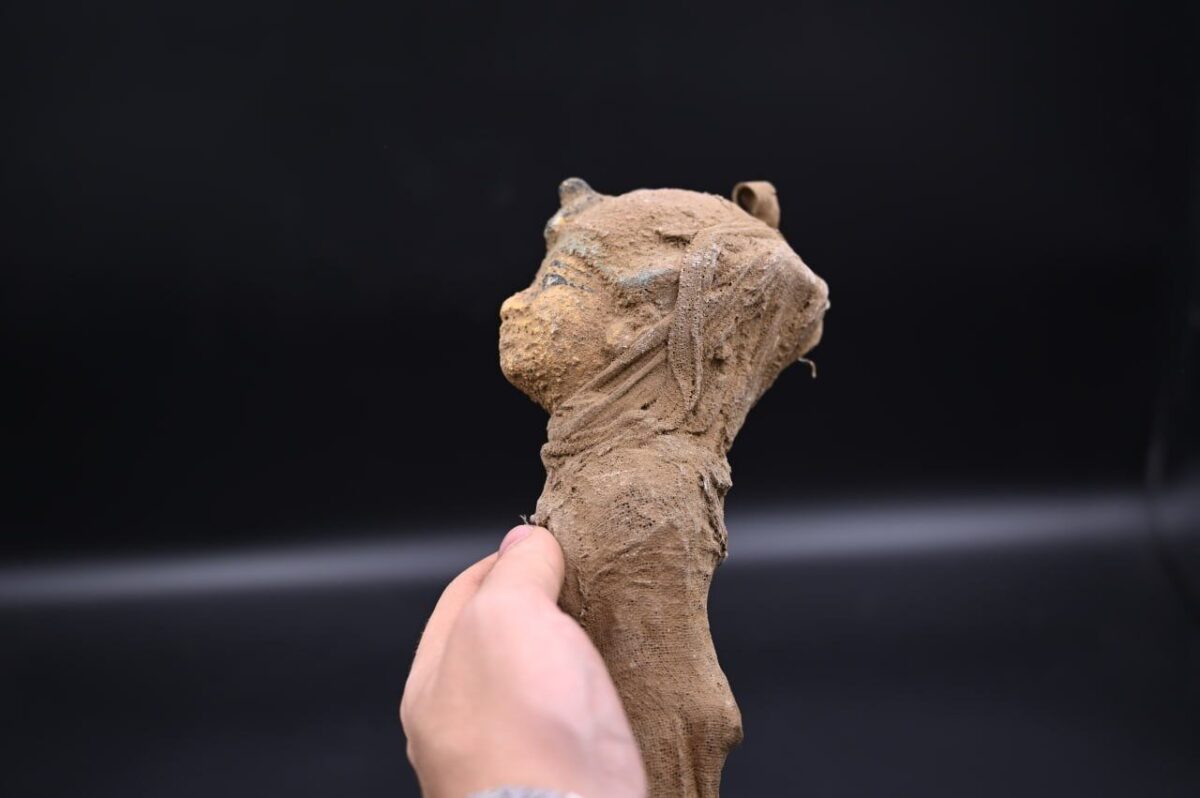
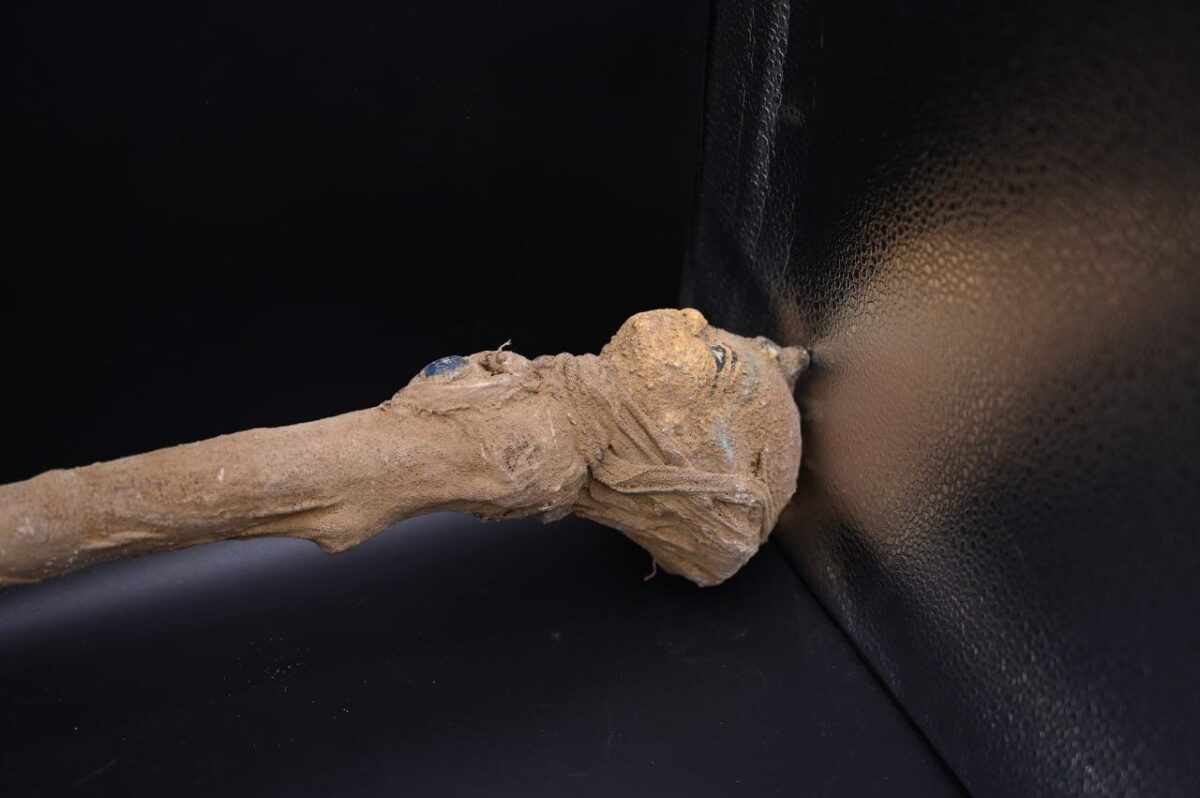
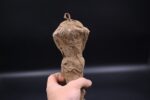
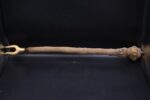
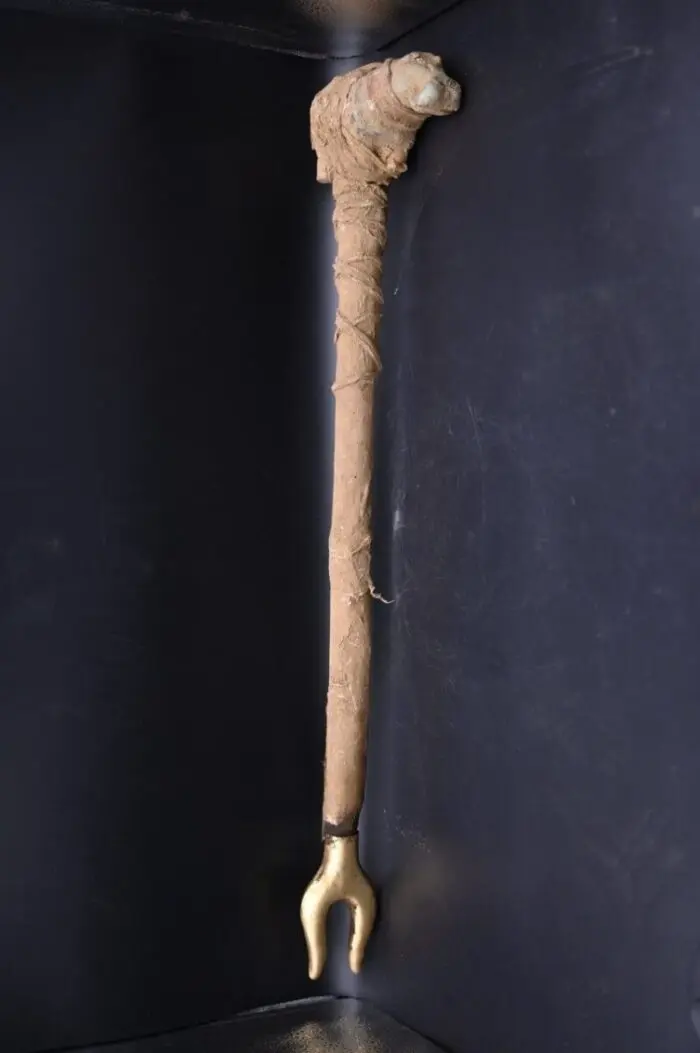
Add a striking symbol of ancient Egyptian authority to your collection with this Tutankhamun Was Scepter Replica, handcrafted in Egypt from wood, linen, and copper and standing 50 cm high. Featuring a Tutankhamun-inspired design and the ancient Was symbol of dominion and power, it is a distinctive choice for collectors, Egyptian décor, and unique cultural gifts.
Tutankhamun Was Scepter Replica – Handmade Egyptian Symbol of Power
Description of Art
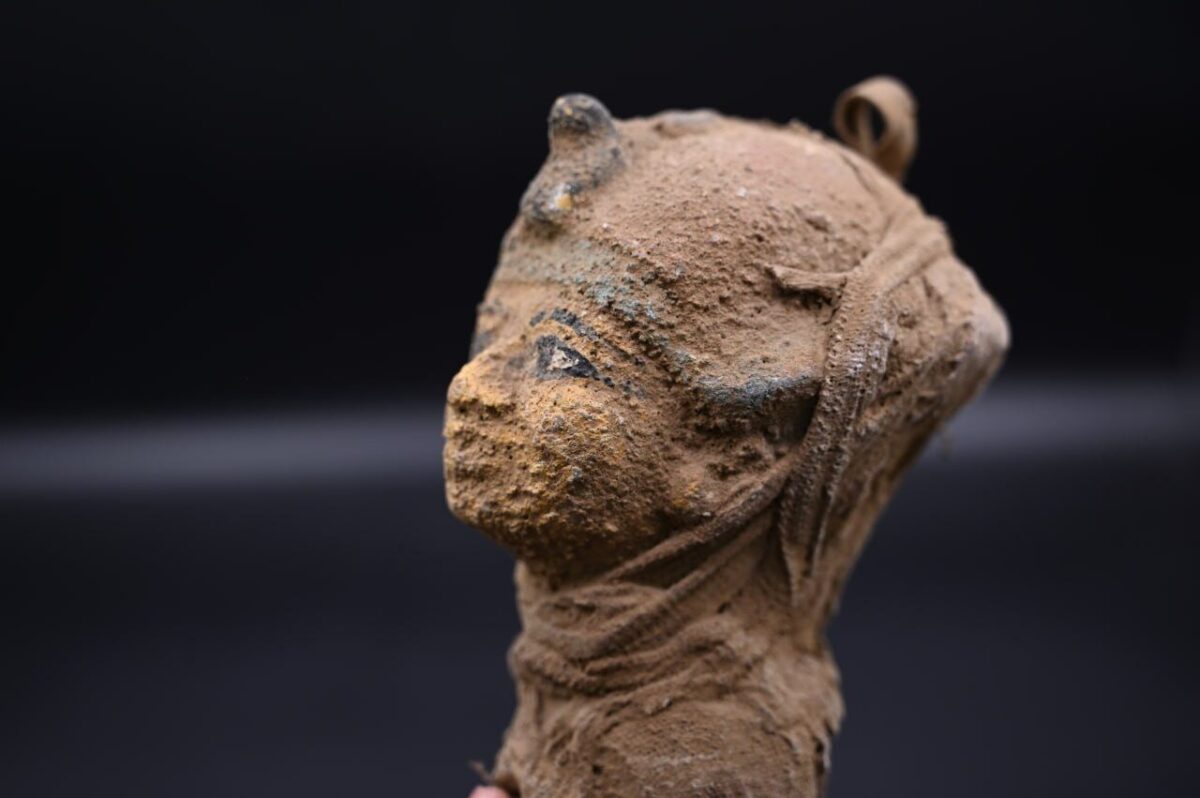
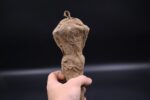
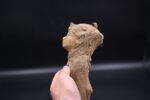
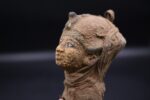
Tutankhamun Was Scepter Replica handcrafted by skilled Egyptian artisans and made in Egypt, combining the recognizable form of the ancient Egyptian Was scepter with a decorative representation of King Tutankhamun.
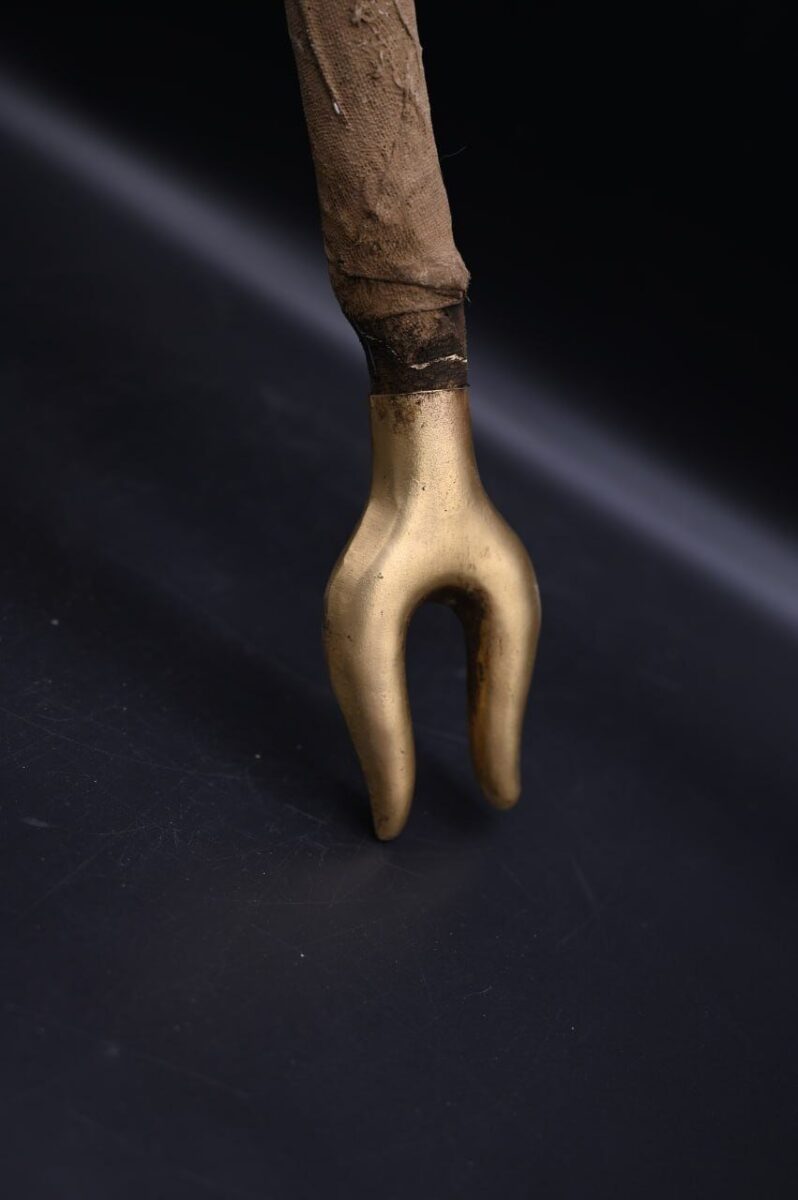
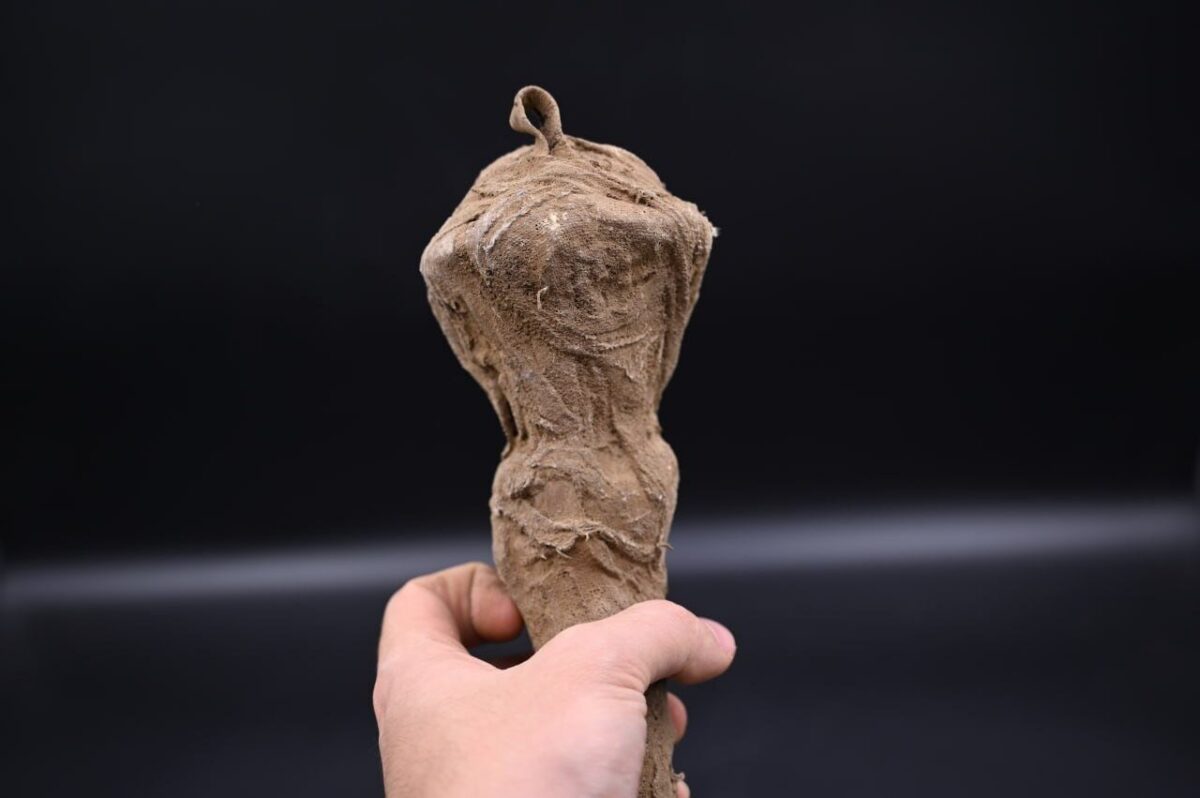
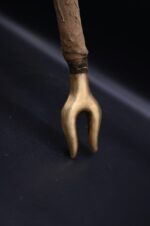
Standing 50 cm high, this distinctive Egyptian-inspired piece is constructed from wood wrapped with linen and finished with a copper base.
The design combines one of ancient Egypt’s most famous symbols of authority with imagery inspired by one of its most recognizable pharaohs, creating a striking decorative collectible for Egyptian-themed interiors, offices, libraries, historical collections, and museum-inspired displays.
Product Features
Height: 50 cm
Main Material: Wood
Covering: Linen
Base: Copper
Decorative Theme: King Tutankhamun
Craftsmanship: Handmade by Egyptian Artisans
Origin: Made in Egypt
Style: Ancient Egyptian / Pharaonic Inspired
What Is the Was Scepter?
The Was scepter was one of the most recognizable symbols appearing in ancient Egyptian religious and royal imagery.
Its core symbolism was connected primarily with:
Dominion
Authority
Power
Divine control
Egyptian gods were frequently shown holding Was scepters, emphasizing their supernatural authority and control.
For modern collectors, the Tutankhamun Was Scepter Replica can therefore symbolically evoke:
Power • Authority • Leadership • Royal Heritage
The Distinctive Was Scepter Design
A traditional Was staff normally has a distinctive form consisting of:
A long staff
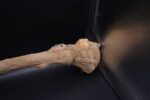
A stylized animal head at the top
A characteristic forked lower end
The identity of the animal represented at the top is not completely certain.
It is sometimes associated with the mysterious Set animal, but it should not automatically be called a dog, fox, or Anubis.
This is important because your particular product adds King Tutankhamun’s face as a decorative artistic element.
Therefore, it is best described as:
“A modern Tutankhamun-themed interpretation of the ancient Egyptian Was scepter.”
rather than suggesting that ancient Was scepters traditionally featured Tutankhamun’s face.
King Tutankhamun
Tutankhamun was a pharaoh of Egypt’s 18th Dynasty during the New Kingdom.
He became king at a young age and is now among the most internationally recognizable rulers of ancient Egypt, largely because of the discovery of his tomb in the Valley of the Kings in 1922.
The extraordinary collection found inside the tomb transformed Tutankhamun into an enduring symbol of:
Ancient Egyptian royalty
Pharaohs
New Kingdom art
Archaeological discovery
Egyptian cultural heritage
The decorative Tutankhamun element gives this Was scepter replica an immediately recognizable royal character.
Tutankhamun and Royal Authority
Ancient Egyptian kingship relied heavily on visual symbols of divine and royal authority.
Although the Was scepter was especially common in the hands of deities, its symbolism of dominion fits naturally within Egyptian royal imagery.
For a modern decorative interpretation, combining Tutankhamun with the Was can evoke:
Royal Power • Leadership • Authority • Ancient Egyptian Kingship
This makes the product particularly appealing to Tutankhamun collectors and enthusiasts of Egyptian royal art.
Ankh, Djed, and Was
The original description discusses three of ancient Egypt’s most recognizable symbols:
Ankh – Life
Djed – Stability
Was – Dominion / Authority
These symbols frequently appeared individually and in combinations across Egyptian art, religious objects, amulets, and funerary contexts.
They created a powerful group of concepts associated with divine and royal well-being.
For historically accurate wording, it is better to present them simply as symbols of:
Life • Stability • Dominion
rather than describing them as the formal “three laws of creation,” which is not a securely established ancient Egyptian doctrine.
The Ankh – Symbol of Life
The Ankh was one of ancient Egypt’s most enduring hieroglyphic symbols.
Its primary and securely established meaning is:
Life
It was often shown in the hands of Egyptian gods or presented toward the king in religious scenes.
Modern explanations sometimes assign separate meanings to individual parts of its shape, such as male and female principles, heaven and earth, or the morning sun.
These interpretations are much less certain.
For historically stronger product copy, simply use:
“The Ankh represented life and continued existence.”
The Djed – Symbol of Stability
The Djed pillar represented:
Stability
Endurance
Permanence
Continuity
It also became strongly associated with Osiris, particularly in later Egyptian religious traditions, and could be interpreted symbolically as his backbone.
The original description mistakenly translates Djed as “grandfather.”
That should be removed.
The correct historical emphasis is:
Djed = Stability
The Was – Symbol of Dominion
The Was is the central symbol represented by this product.
Its most useful historical meaning is:
Dominion / Authority / Power
The original description also connects it with stability, but stability is more specifically represented by the Djed.
For SEO purposes, the clearest distinction is:
Ankh – Life
Djed – Stability
Was – Dominion and Power
Was It an Anubis Head?
The original historical text states that the Was was topped with a dog head and may have represented Anubis during the New Kingdom.
This is too definite.
The animal represented on traditional Was scepters remains unusual and somewhat enigmatic. It has particularly strong visual associations with the mysterious animal linked to Set, although scholarly interpretation is not completely straightforward.
Therefore, avoid:
“Anubis head”
“dog head”
“fox head”
unless discussing a specific documented artifact.
Use:
“stylized animal-headed Was scepter.”
A Modern Tutankhamun Interpretation
The important distinction with this product is that its decorative top features King Tutankhamun’s face.
That should be highlighted as a feature of the modern handmade design, not as a historically standard feature of ancient Was staffs.
A strong listing sentence would be:
“This modern Egyptian-inspired interpretation combines the ancient Was symbol of dominion with a decorative image of King Tutankhamun.”
This keeps the listing both attractive and historically accurate.
Handmade Egyptian Craftsmanship
The Tutankhamun Was Scepter Replica is handcrafted by skilled Egyptian artisans using:
Wood
Linen Wrapping
Copper Base
Its 50 cm height gives the piece enough presence to function as a statement object.
It can be displayed in:
Egyptian-themed homes
Offices
Libraries
Collector rooms
Display cabinets
History-themed spaces
Museum-inspired interiors
Photography or exhibition displays
A Distinctive Egyptian Collectible
Unlike a conventional Tutankhamun mask or statue, this product combines royal imagery with one of ancient Egypt’s major symbolic staffs.
For modern collectors, it can represent:
Power • Dominion • Authority • Leadership • Egyptian Royal Heritage
This unusual combination helps distinguish it from more common Egyptian-inspired decorative objects.
Modern Replica, Not an Antiquity
The original description refers to the piece as a “unique museum piece.”
Because the item is newly handcrafted, it is better to describe it as:
Museum-Inspired Replica
Handmade Egyptian Was Scepter
Tutankhamun-Inspired Egyptian Decor
Ancient Egyptian-Style Ceremonial Staff
Avoid Egyptian antique or wording that suggests the product itself is an original archaeological artifact.
Likewise, unless the linen is genuinely historical material, use “linen wrapping” rather than “old linen” if “old” could suggest archaeological age.
Perfect for Collectors
The Tutankhamun Was Scepter Replica is a distinctive choice for:
Tutankhamun collectors
Ancient Egyptian art enthusiasts
Egyptology lovers
Pharaoh collectors
Egyptian mythology fans
Symbolic art collectors
Museum-inspired displays
Office and library décor
Egyptian-themed interiors
Unique cultural gifts
It can complement collections featuring Ankh symbols, Djed pillars, scarabs, Horus imagery, royal masks, obelisks, and Egyptian deity statues.
Product Details
Product: Tutankhamun Was Scepter Replica
Symbol: Was Scepter
Decorative Theme: King Tutankhamun
Height: 50 cm
Materials: Wood, Linen & Copper
Craftsmanship: Handmade by Skilled Egyptian Artisans
Origin: Made in Egypt
Was Symbolism: Dominion, Power & Authority
Related Symbols: Ankh & Djed
Ankh Meaning: Life
Djed Meaning: Stability & Endurance
Style: Ancient Egyptian / Pharaonic Inspired
Type: Decorative Museum-Inspired Replica
Use: Collection, Home Décor, Office Décor & Cultural Gift
| Dimensions | 50 in |
|---|
Related products
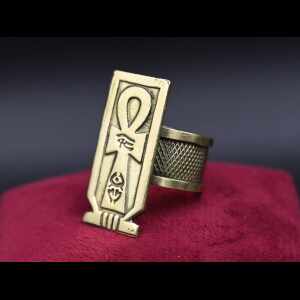
Oxidized Copper Ankh Ring: Ancient Egyptian Key of Life Symbol
Add a timeless symbol of ancient Egyptian life to your jewelry collection with this Oxidized Copper Ankh Ring, handcrafted in Egypt from oxidized copper with a unisex free-size design. Inspired by the iconic Key of Life representing life, vitality, renewal, and continuity, it is a distinctive choice for mythology lovers, copper jewelry collectors, and unique cultural gifts.
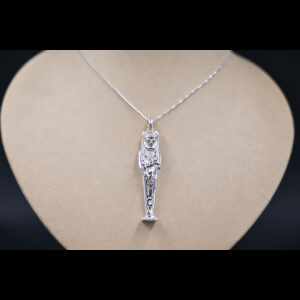
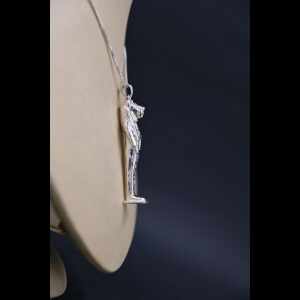
Handmade Sterling Silver Sekhmet Goddess Amulet
Add a powerful symbol of ancient Egyptian strength to your jewelry collection with this Pure Silver Sekhmet Amulet, crafted from pure silver and inspired by Sekhmet, the lioness goddess of war, protection, healing, medicine, and solar power. A distinctive choice for mythology lovers, silver jewelry collectors, Egyptology enthusiasts, and unique cultural gifts.
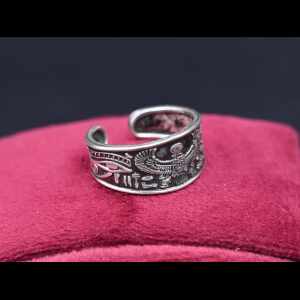
Horus ring-amazing Ring the symbol of good luck-good life-ancient Egyptian ornament-mythology
Add a powerful symbol of ancient Egyptian kingship to your jewelry collection with this Pure Silver Horus Ring, handcrafted in Egypt from pure silver with a unisex free-size design. Inspired by Horus, the falcon god of the sky, royal authority, and protection, it is a distinctive choice for silver jewelry collectors, mythology lovers, Egyptology enthusiasts, and unique cultural gifts.
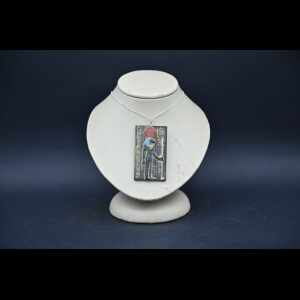
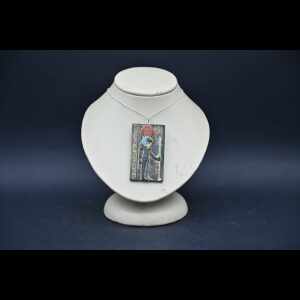
Handmade Stone Sekhmet Amulet, Egyptian Goddess of War
Add a powerful symbol of ancient Egyptian strength to your collection with this Sekhmet Stone Protection Amulet, crafted from stone and inspired by Sekhmet, the lioness goddess of war, protection, healing, medicine, and solar power. A distinctive choice for Egyptology enthusiasts, mythology lovers, symbolic décor collectors, and unique cultural gifts.
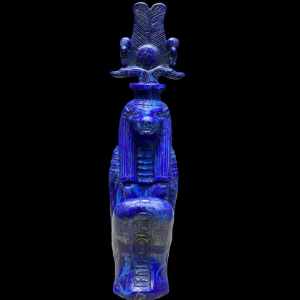
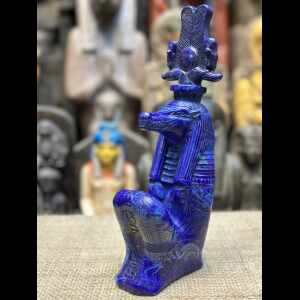
Handcrafted Lapis Lazuli Sobek Statue – Egyptian Crocodile God Art (33 cm)
Add a powerful symbol of ancient Egyptian strength to your collection with this 33 cm Lapis Lazuli Sobek Statue, handcrafted in Egypt and inspired by Sobek, the crocodile god associated with the Nile, fertility, protection, strength, and royal power. Measuring 33 × 7 × 10 cm, it is a striking choice for collectors, Egyptian décor, mythology lovers, and unique cultural gifts.
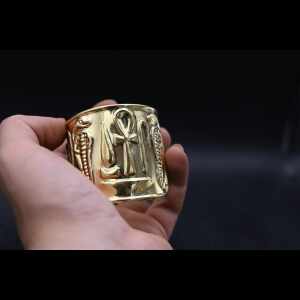
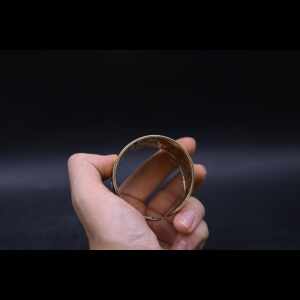
Brass Nile Key Bracelet: Winged Cobra Talisman, Egyptian Protection
Add a powerful combination of ancient Egyptian symbolism to your jewelry collection with this Brass Ankh Cobra Protection Bracelet, handcrafted in Egypt from brass and designed for women and men. Featuring the iconic Key of Life flanked by winged cobras, it symbolizes life, protection, guardianship, and royal authority, making it a distinctive choice for mythology lovers, collectors, and unique cultural gifts.
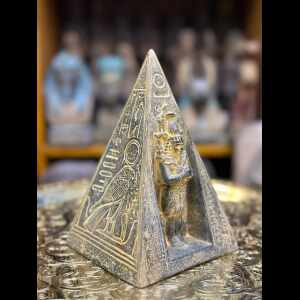
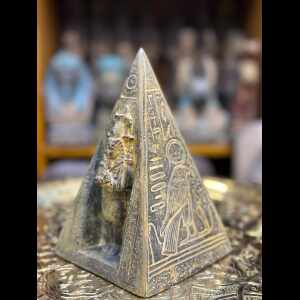
Egyptian Black Stone Pyramid – Handcrafted Horus Monument
Add a striking touch of ancient Egyptian symbolism to your space with this Black Stone Horus Pyramid, crafted from solid black stone and measuring 17 × 10 × 10 cm. Decorated with Horus and other Egyptian-inspired motifs, it is a distinctive choice for collectors, mythology lovers, office décor, Egyptian-themed interiors, and unique cultural gifts.
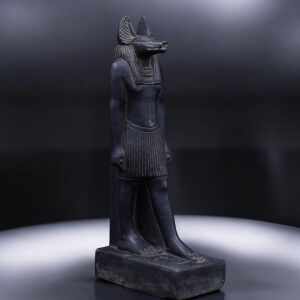
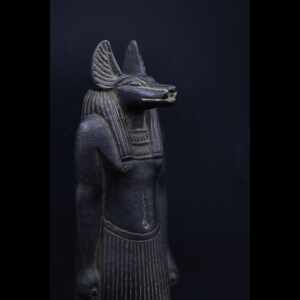
Handcrafted Basalt Stone Anubis Statue – Egyptian Mythology Decor (30cm)
Add a powerful symbol of ancient Egyptian protection to your collection with this 30 cm Basalt Anubis Statue, handcrafted in Egypt from natural basalt stone. Inspired by Anubis, the canine-headed deity of mummification, funerary protection, and care of the deceased, it is a distinctive choice for collectors, Egyptian décor, museum-inspired displays, and unique cultural gifts.


Reviews
There are no reviews yet.