
Hathor Scepter, Egyptian Was Stick, Symbol of Power
$357.50
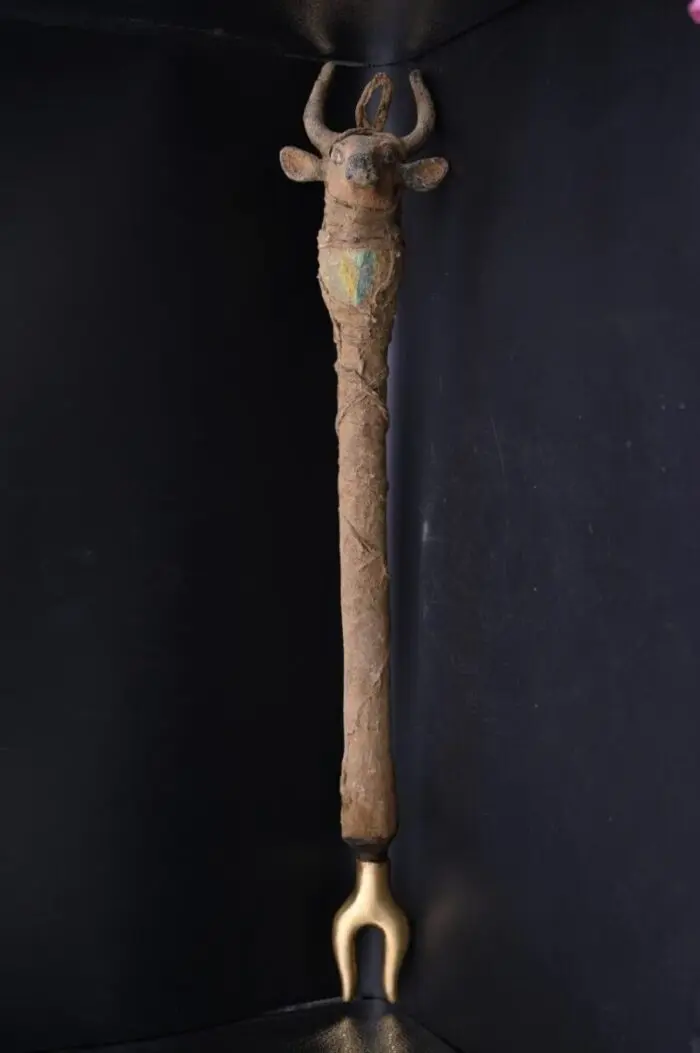
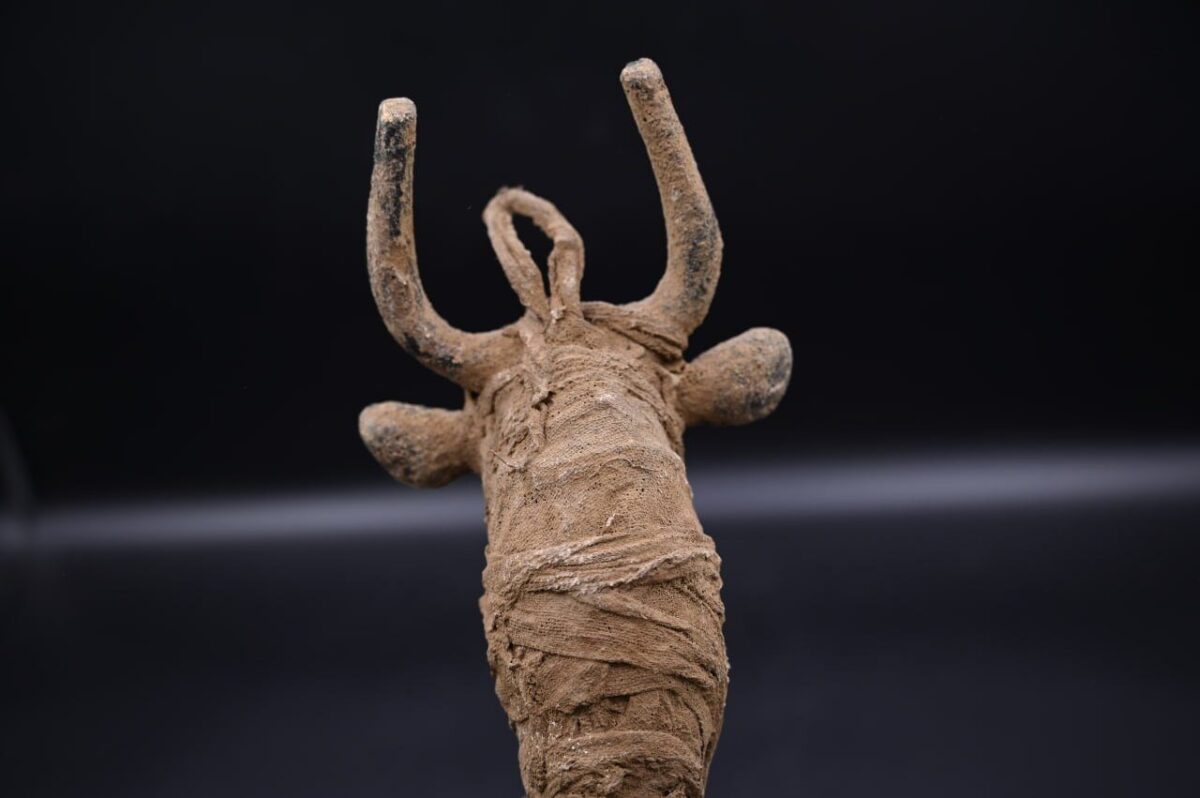
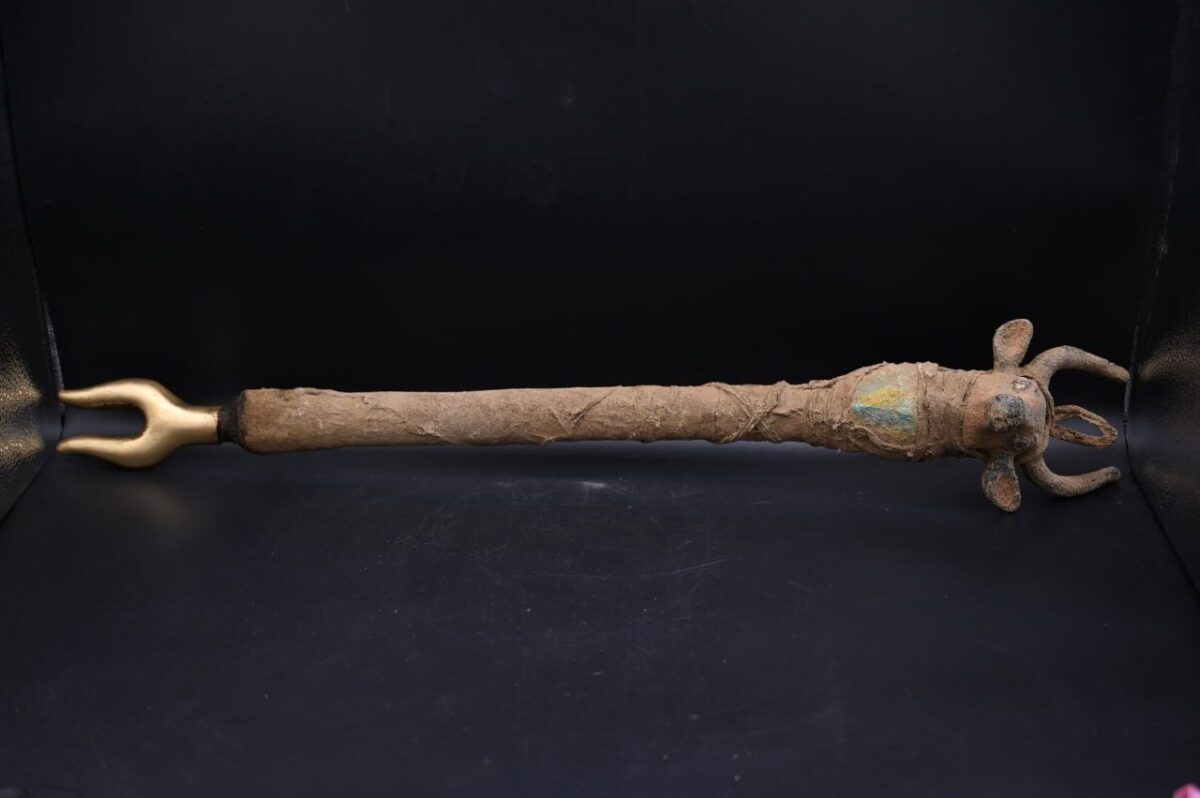
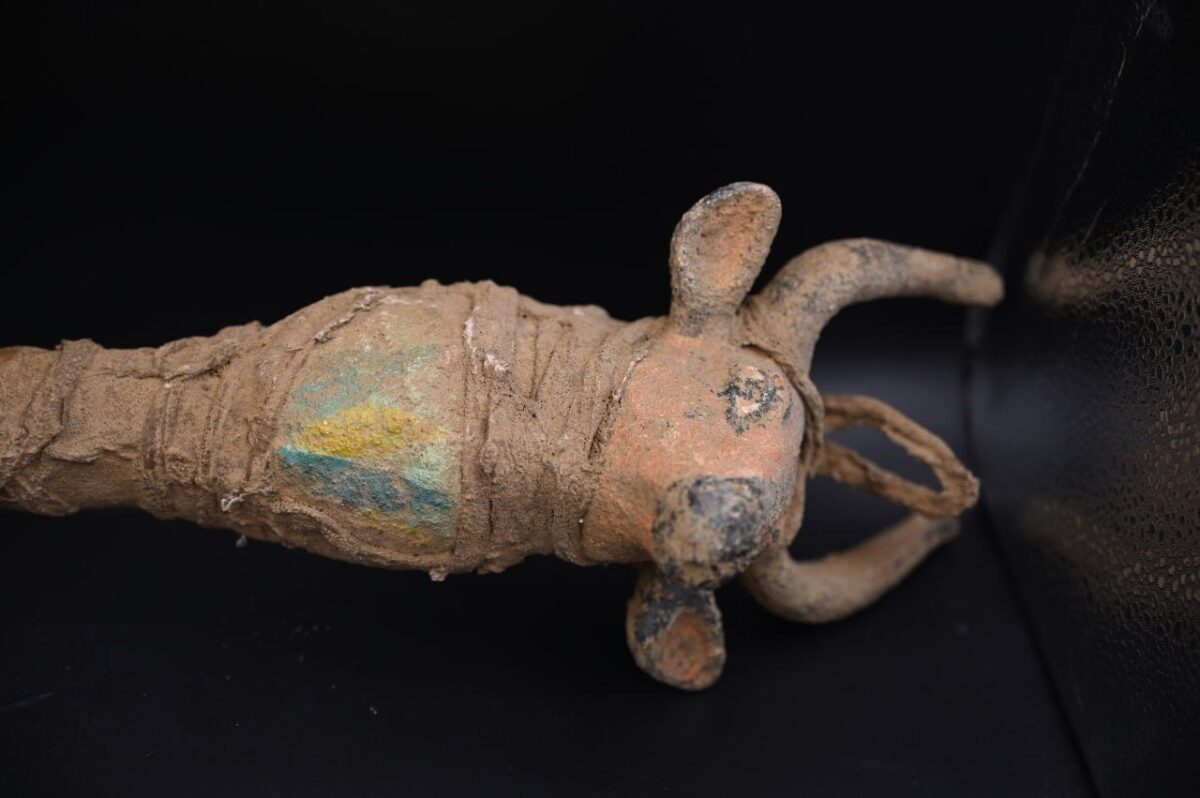
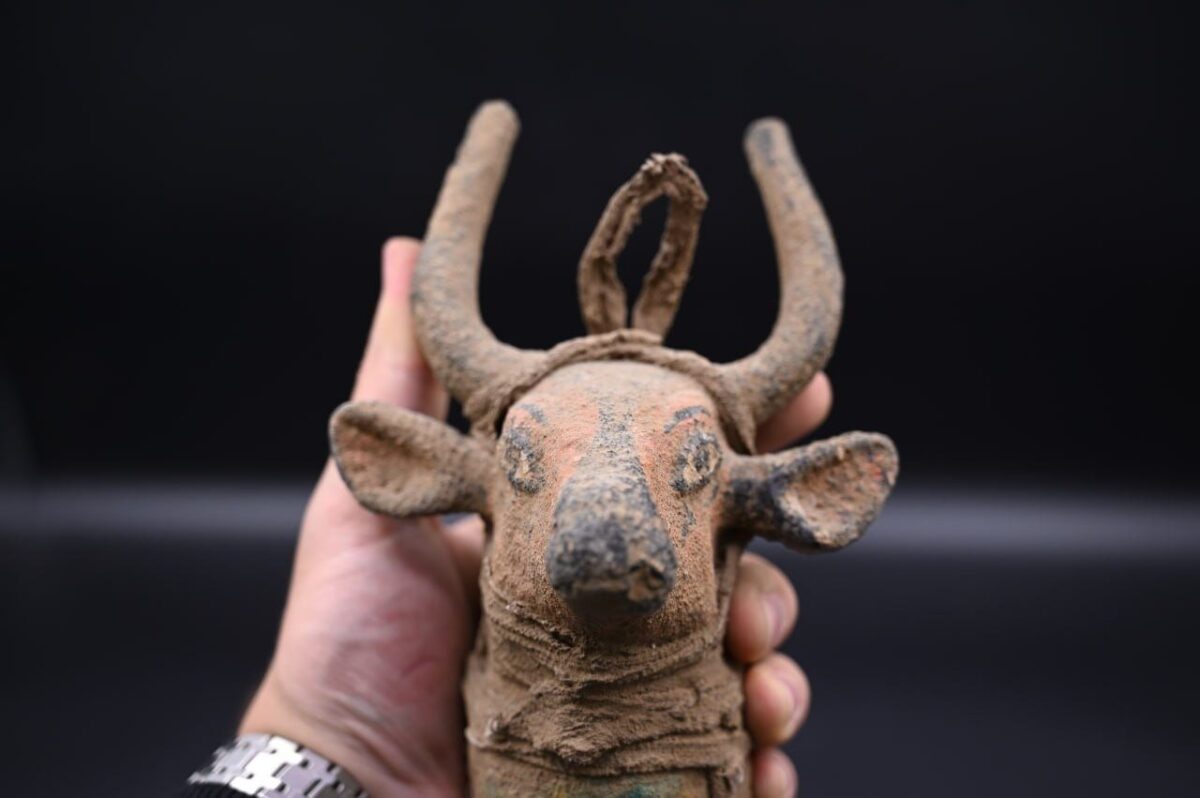
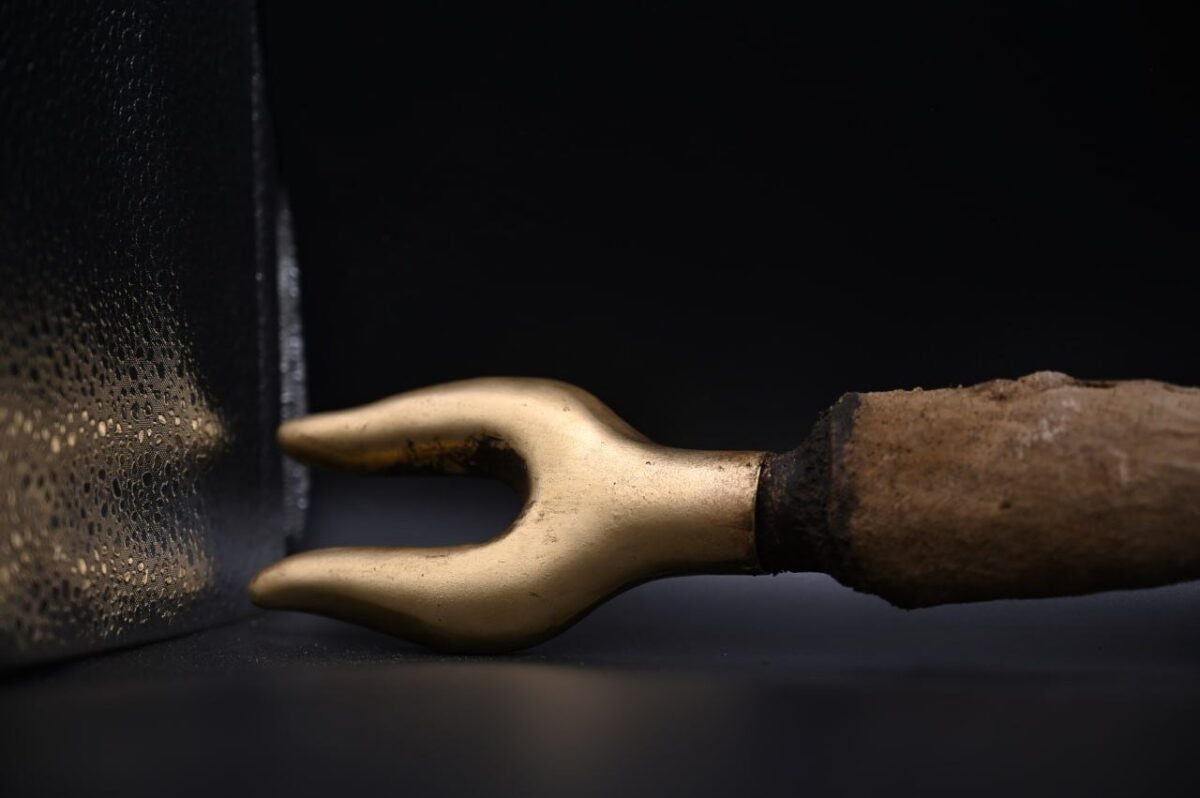
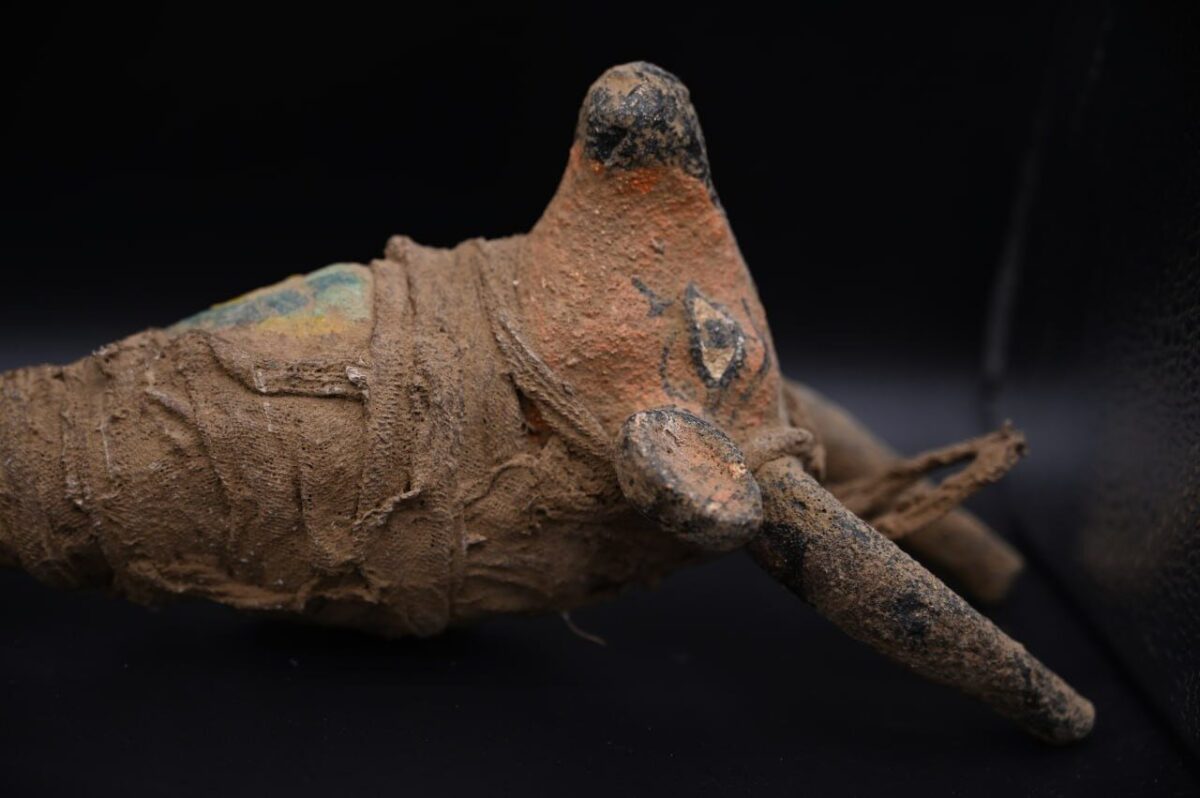
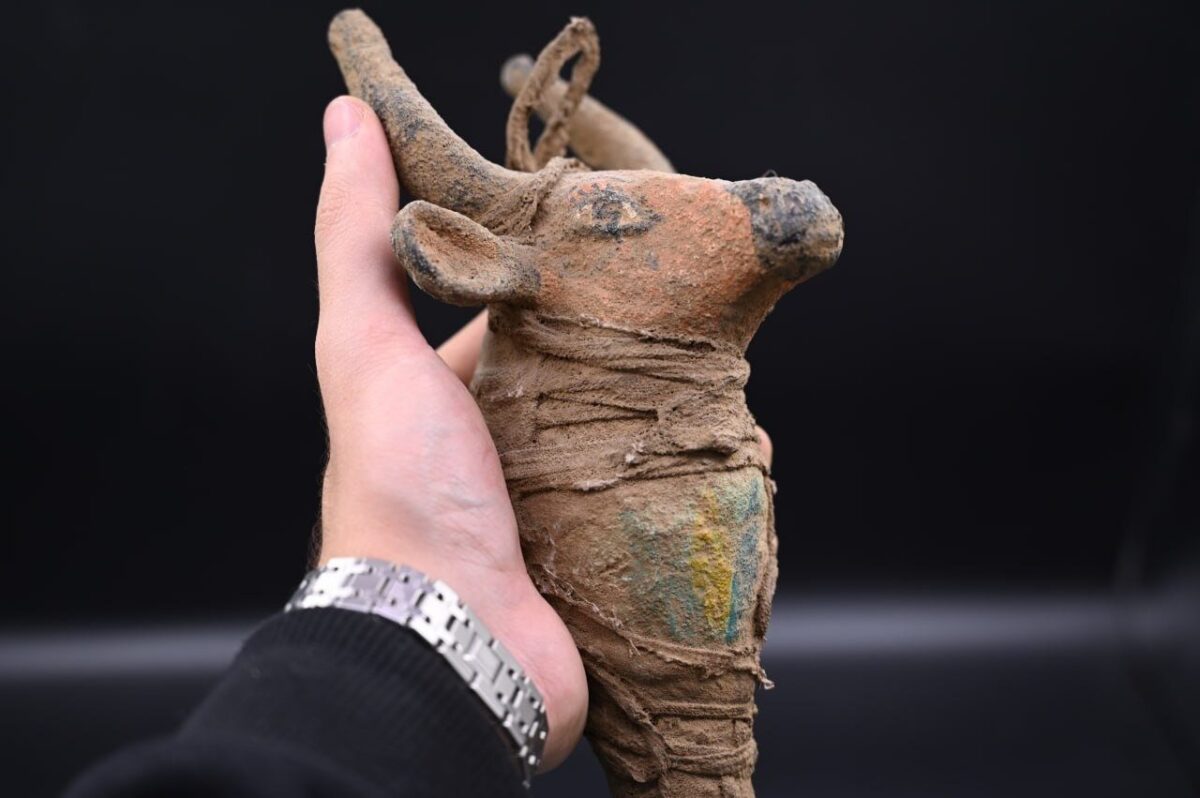
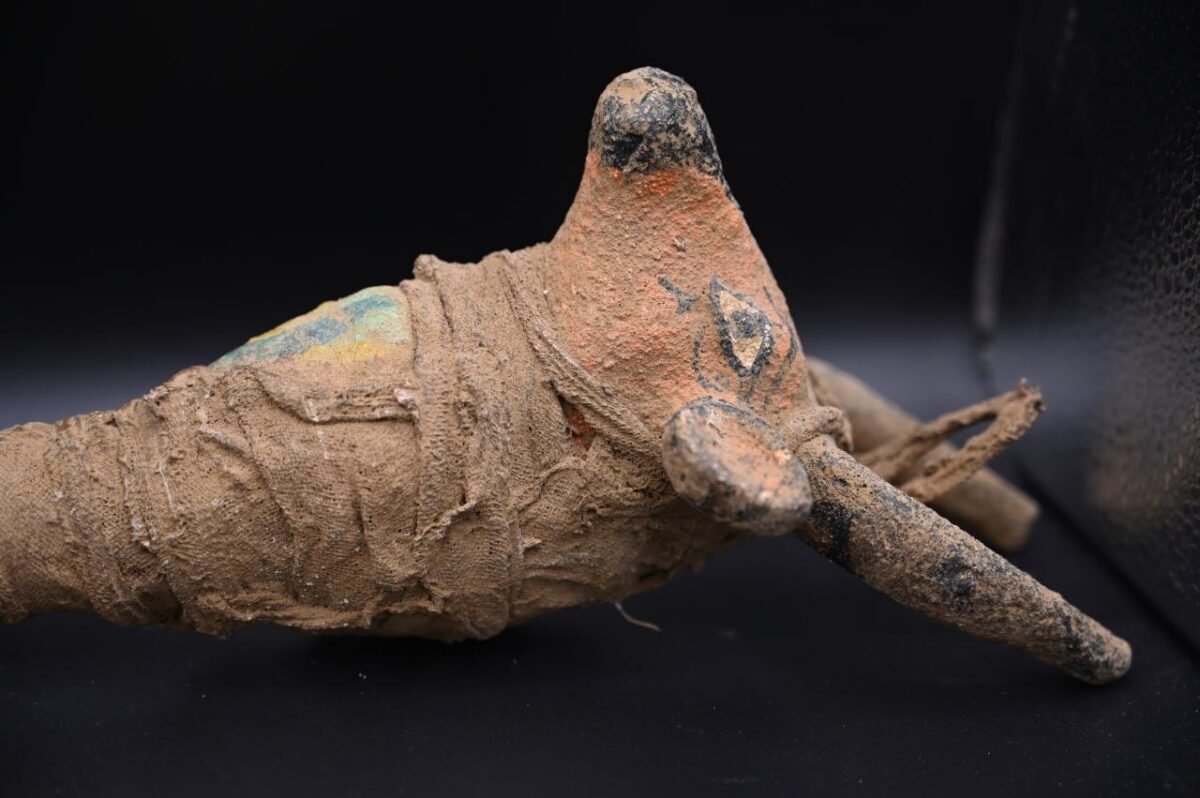
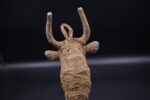
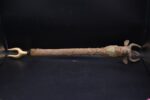
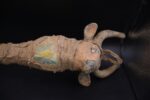
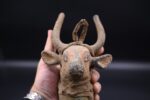
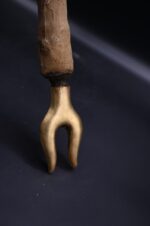
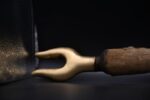
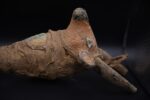
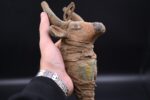
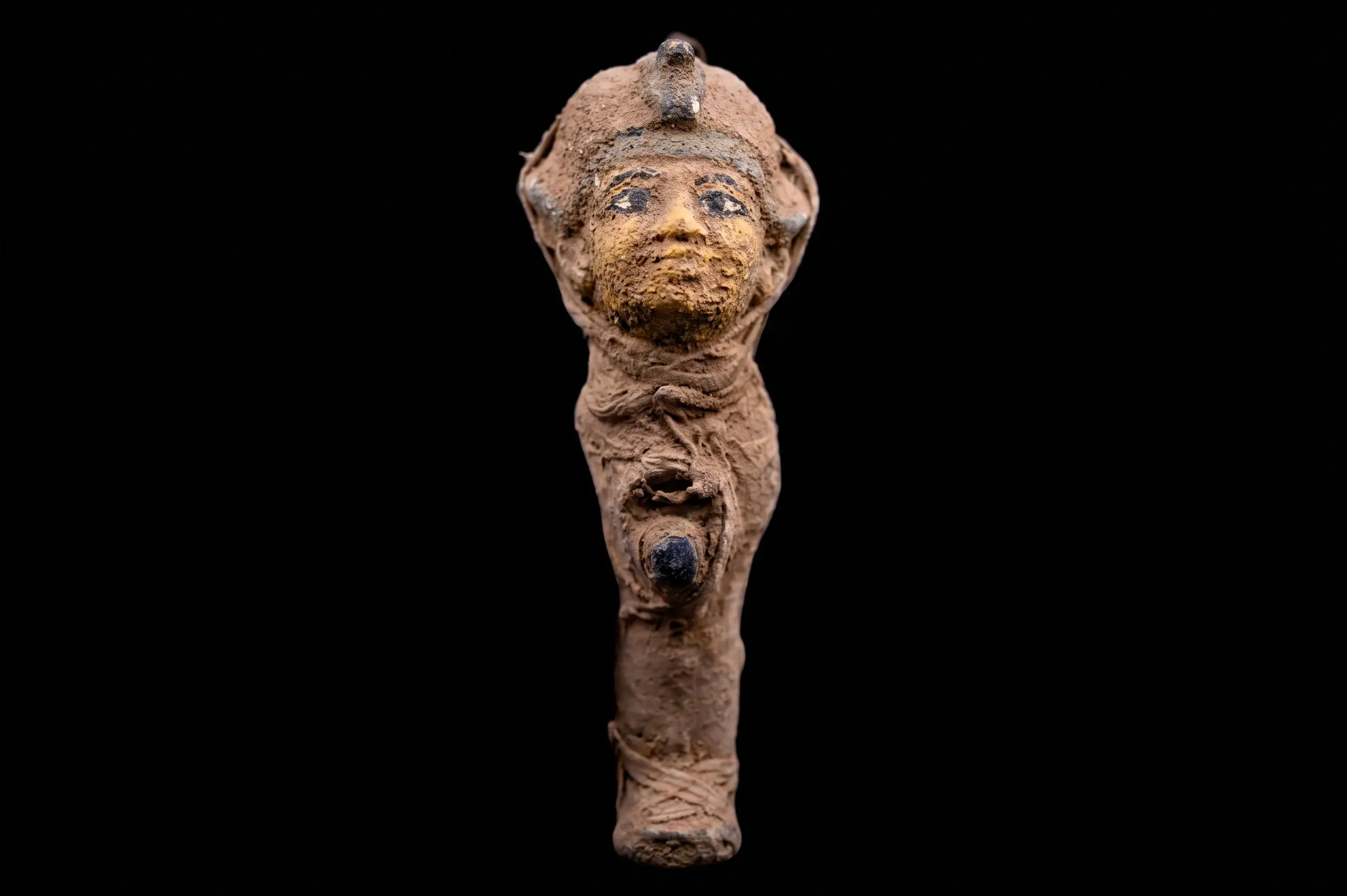
Add a distinctive touch of ancient Egyptian symbolism to your collection with this Hathor Was Scepter Replica, handcrafted in Egypt from wood, linen, and copper and standing 50 cm high. Featuring a Hathor-inspired face and the ancient Was symbol of dominion and power, it is a unique choice for collectors, Egyptian décor, and cultural gifts.
Hathor Was Scepter Replica – Handmade Egyptian Goddess Symbol of Power
Description of Art
Hathor Was Scepter Replica handcrafted by skilled Egyptian artisans and made in Egypt, combining the distinctive form of the ancient Egyptian Was scepter with a decorative representation of Goddess Hathor.
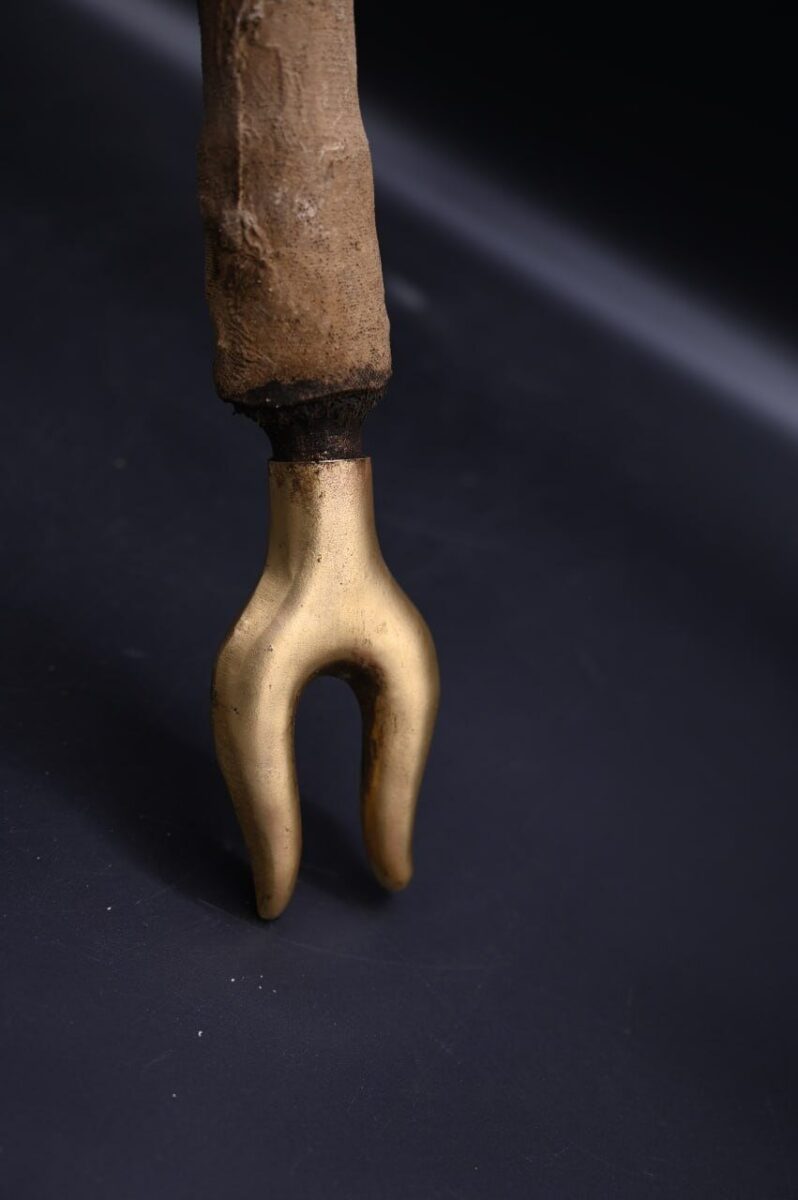
Standing 50 cm high, this unique Egyptian-inspired piece is made from wood wrapped with linen and finished with a copper base.
The design combines the ancient Was symbolism of power and dominion with imagery inspired by Hathor, one of ancient Egypt’s major goddesses of love, music, dance, motherhood, and joy. Hathor’s religious identity is well documented in Egyptian material culture and museum collections.
Product Features
Height: 50 cm
Main Material: Wood
Covering: Linen
Base: Copper
Decorative Theme: Goddess Hathor
Craftsmanship: Handmade by Egyptian Artisans
Origin: Made in Egypt
Style: Ancient Egyptian / Pharaonic Inspired
What Is the Was Scepter?
The Was scepter was an important symbol of ancient Egyptian divine authority.
Its hieroglyphic meaning became associated with dominion, and Egyptian gods could be represented holding the staff as an expression of divine power. The Metropolitan Museum also notes that the Was had a long history reaching back into early Egyptian imagery.
Its principal symbolic themes include:
- Dominion
- Authority
- Power
- Divine control
For a modern collector, the Hathor Was Scepter Replica can therefore evoke:
Power • Authority • Strength • Egyptian Heritage
The Traditional Shape of the Was
The Was has a distinctive appearance.
It traditionally features a stylized animal head at the top and a characteristic forked lower section. The Metropolitan Museum identifies the Was as a forked staff with an animal-headed form and notes its meaning as power or dominion.
The identity of the animal is not completely straightforward.
The Was is strongly associated with Seth, but it appears in the hands of many different Egyptian gods and should not automatically be described simply as an Anubis or dog-headed staff.
Hathor – Goddess of Love, Music and Joy
Hathor was one of ancient Egypt’s most important and popular goddesses.
Her major associations included:
- Love
- Music
- Dance
- Joy
- Motherhood
- Celestial symbolism
- Royal motherhood
- Funerary protection
The British Museum describes Hathor as a cow goddess, symbolic mother of the pharaoh, and goddess of love, music, and dance.
These qualities make Hathor-inspired imagery particularly recognizable in Egyptian decorative art.
Hathor’s Distinctive Appearance
Hathor could appear as a cow, a woman with bovine characteristics, or through her characteristic frontal face with cow ears.
Ancient objects associated with Hathor frequently emphasize these features, and museum examples also connect her imagery with the sistrum and other ritual objects.
For this product, Hathor’s face provides the central decorative theme.
Was Hathor Traditionally Shown on the Was Scepter?
This is an important distinction for your listing.
The traditional Was scepter normally features its characteristic animal-headed top, not a Hathor face. Museum examples describe the Was with a slanting or distinctive animal head.
Therefore, your product is best presented as a:
“Modern Hathor-themed interpretation of the ancient Egyptian Was scepter.”
This is more historically accurate than suggesting that Hathor-faced Was scepters were the standard ancient form.
Hathor and Egyptian Ritual Objects
Although the Was was not specifically Hathor’s defining symbol, Hathor was strongly connected with other ceremonial objects, especially the sistrum.
Surviving Egyptian objects frequently incorporate Hathor’s frontal face and cow ears into sistrum designs, reflecting her close association with music, joy, and religious celebration.
This helps explain why Hathor’s recognizable face works naturally within a modern Egyptian-inspired ceremonial art piece.
Ankh, Djed and Was
The supplied history discusses three famous Egyptian symbols:
Ankh – Life
Djed – Stability
Was – Dominion
These symbols genuinely occurred together in Egyptian religious art.
The Metropolitan Museum explicitly identifies the combined meanings as life, stability, and dominion, while other museum examples show these elements incorporated into composite Egyptian sceptres.
This combination makes them some of the most recognizable symbolic forms associated with ancient Egyptian art.
The Ankh – Life
The Ankh’s strongest and most securely established meaning is life.
It appeared widely in religious imagery and could be shown in the hands of Egyptian deities.
The original description assigns specific meanings such as male and female principles, earth and sky, and the morning sun to individual parts of the Ankh.
Those interpretations are much less certain.
For stronger historical copy, use:
“The Ankh represented life and continued existence.”
The Djed – Stability
The Djed pillar represented stability and endurance.
It became particularly associated with Osiris and could be interpreted within later traditions as representing his backbone.
For your listing, the clearest meaning is:
Djed = Stability
The word “grandfather” in the original text appears to result from an incorrect translation and should not be used.
The Was – Dominion and Power
The Was is the central symbol of this particular product.
Museum descriptions specifically identify its meaning as dominion, while educational material from the Metropolitan Museum summarizes it as a symbol of power.
The strongest SEO wording is therefore:
Was = Dominion, Authority and Power
rather than stability, which is more specifically represented by the Djed.
Not “Three Laws of Creation”
The original description calls the Ankh, Djed, and Was the “three laws of creation.”
I recommend removing that statement.
Ancient artifacts certainly show the three symbols together, but museum interpretations describe them through the individual concepts of life, stability, and dominion, not as a formal Egyptian doctrine called the “three laws of creation.”
A stronger phrase would be:
“Three of ancient Egypt’s most recognizable symbols, representing life, stability, and dominion.”
A Hathor-Inspired Interpretation
The distinctive feature of this Hathor Was Scepter Replica is the addition of Hathor’s face to the traditional staff concept.
For modern decorative symbolism, the composition can combine:
Was: Power & Dominion
Hathor: Love, Music, Joy & Motherhood
This creates an unusual piece that blends strong authoritative symbolism with one of ancient Egypt’s most celebrated female deities.
Handmade Egyptian Craftsmanship
The piece is handcrafted in Egypt using:
Wood
Linen Wrapping
Copper Base
At 50 cm high, it has enough presence to work as a statement decorative object.
It can be displayed in:
- Egyptian-themed interiors
- Offices
- Libraries
- Collector rooms
- Display cabinets
- Historical-inspired spaces
- Museum-inspired collections
- Mythology displays
Modern Replica, Not an Antiquity
Because the product is newly handcrafted, avoid describing it as an authentic “museum piece” or Egyptian antique.
Stronger wording includes:
Museum-Inspired Replica
Hathor-Themed Was Scepter
Handmade Egyptian Ceremonial Decor
Ancient Egyptian-Inspired Scepter
Likewise, unless the linen is genuinely old material, I recommend replacing “old linen” with simply “linen wrapping.”
This avoids giving buyers the impression that the material itself is archaeological.
Perfect for Collectors
The Hathor Was Scepter Replica is a distinctive choice for:
- Hathor collectors
- Ancient Egyptian art enthusiasts
- Egyptology lovers
- Egyptian mythology fans
- Pharaonic symbol collectors
- Goddess art collectors
- Egyptian décor enthusiasts
- Museum-inspired displays
- Offices and libraries
- Unique cultural gifts
It can complement collections featuring Hathor statues, sistra, Ankh symbols, Djed pillars, Horus imagery, scarabs, and other Egyptian-inspired pieces.
Product Details
Product: Hathor Was Scepter Replica
Symbol: Was Scepter
Decorative Theme: Goddess Hathor
Height: 50 cm
Materials: Wood, Linen & Copper
Craftsmanship: Handmade by Skilled Egyptian Artisans
Origin: Made in Egypt
Was Symbolism: Dominion, Authority & Power
Hathor Associations: Love, Music, Dance, Joy & Motherhood
Related Symbols: Ankh & Djed
Ankh Meaning: Life
Djed Meaning: Stability
Style: Ancient Egyptian / Pharaonic Inspired
Type: Decorative Museum-Inspired Replica
Use: Collection, Home Décor, Office Décor & Cultural Gift
| Dimensions | 50 in |
|---|
Related products
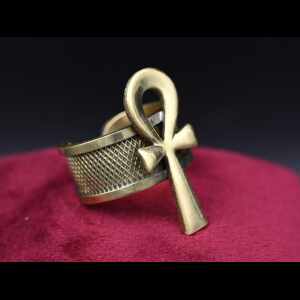
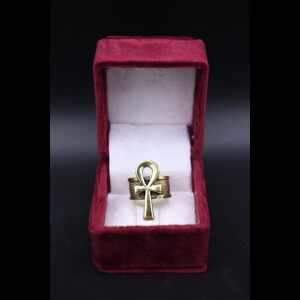
Oxidized Copper Ankh Ring: Egyptian Key of Life Symbol
Add a timeless symbol of ancient Egyptian life to your jewelry collection with this Oxidized Copper Ankh Ring, handcrafted in Egypt from oxidized copper with a unisex free-size design. Inspired by the Ankh, the iconic Key of Life symbolizing life, vitality, regeneration, and continuity, it is a distinctive choice for mythology lovers, copper jewelry collectors, and unique cultural gifts.
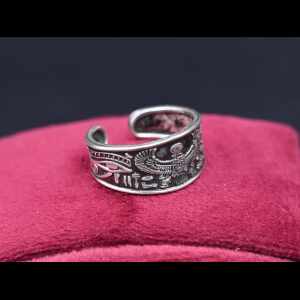
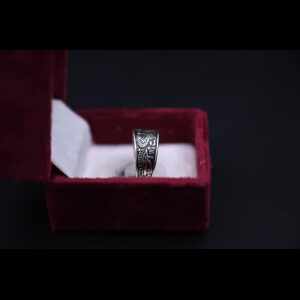
Horus ring-amazing Ring the symbol of good luck-good life-ancient Egyptian ornament-mythology
Add a powerful symbol of ancient Egyptian kingship to your jewelry collection with this Pure Silver Horus Ring, handcrafted in Egypt from pure silver with a unisex free-size design. Inspired by Horus, the falcon god of the sky, royal authority, and protection, it is a distinctive choice for silver jewelry collectors, mythology lovers, Egyptology enthusiasts, and unique cultural gifts.
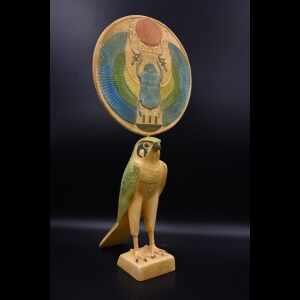
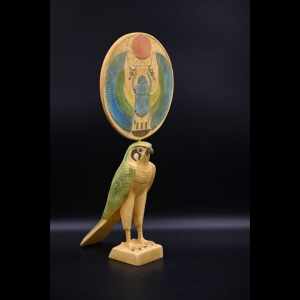
Handcrafted Limestone Horus Statue, Egyptian God of Protection (35cm)
Add a powerful symbol of ancient Egyptian kingship to your collection with this 35 cm Limestone Horus Statue, handcrafted in Egypt and featuring solar and winged scarab motifs. Inspired by Horus, the falcon god of the sky, royal authority, and protection, it is a striking choice for Egyptology collectors, Egyptian décor, mythology lovers, and museum-inspired displays.
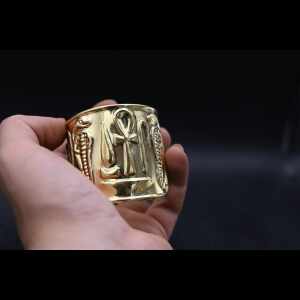
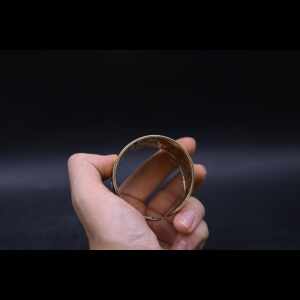
Brass Nile Key Bracelet: Winged Cobra Talisman, Egyptian Protection
Add a powerful combination of ancient Egyptian symbolism to your jewelry collection with this Brass Ankh Cobra Protection Bracelet, handcrafted in Egypt from brass and designed for women and men. Featuring the iconic Key of Life flanked by winged cobras, it symbolizes life, protection, guardianship, and royal authority, making it a distinctive choice for mythology lovers, collectors, and unique cultural gifts.
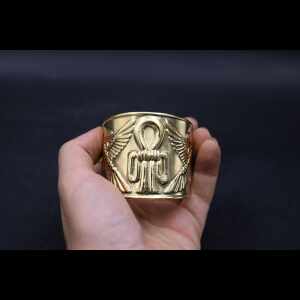
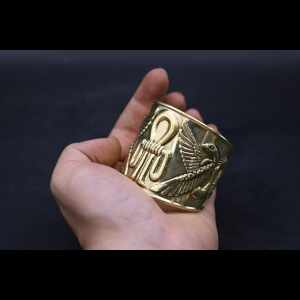
Brass Hathor Knot Bracelet: Egyptian Winged Cobra Talisman
Add a powerful touch of ancient Egyptian symbolism to your jewelry collection with this Brass Winged Cobra Egyptian Bracelet, crafted from brass and featuring an Egyptian-inspired knot centerpiece flanked by protective winged cobras. Inspired by ancient themes of guardianship and royal power, it is a distinctive choice for mythology lovers, Egyptology enthusiasts, statement-jewelry collectors, and unique cultural gifts.
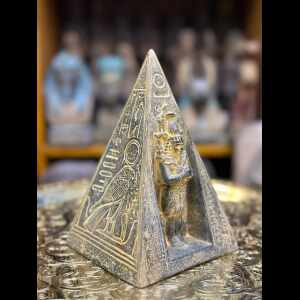
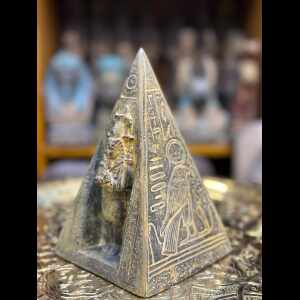
Egyptian Black Stone Pyramid – Handcrafted Horus Monument
Add a striking touch of ancient Egyptian symbolism to your space with this Black Stone Horus Pyramid, crafted from solid black stone and measuring 17 × 10 × 10 cm. Decorated with Horus and other Egyptian-inspired motifs, it is a distinctive choice for collectors, mythology lovers, office décor, Egyptian-themed interiors, and unique cultural gifts.
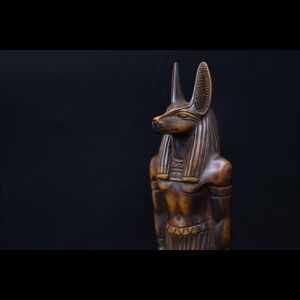
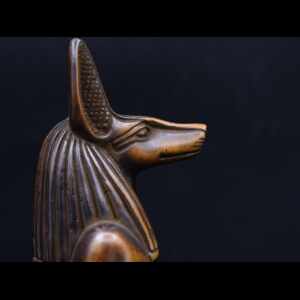
Handcrafted Anubis Statue: Egyptian God of Protection, Brown Stone (23cm)
Add a powerful symbol of ancient Egyptian protection to your collection with this 23 cm Brown Stone Anubis Statue, handcrafted in Egypt from natural stone. Inspired by Anubis, the canine-headed deity of mummification, funerary protection, and care of the deceased, it is a distinctive choice for collectors, Egyptian décor, museum-inspired displays, and unique cultural gifts.
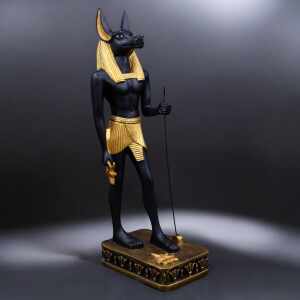
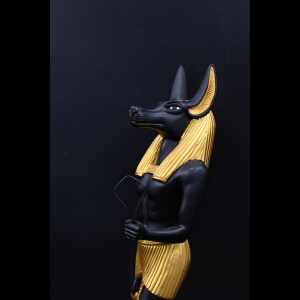
Handcrafted Anubis Statue: Egyptian God of Mummification, 40cm Natural Stone
Add a powerful symbol of ancient Egyptian protection to your collection with this 40 cm Natural Stone Anubis Statue, handcrafted in Egypt from natural stone. Inspired by Anubis, the canine-headed deity of mummification, funerary protection, and care of the deceased, it is a striking choice for collectors, Egyptian décor, museum-inspired displays, and unique cultural gifts.


Reviews
There are no reviews yet.