
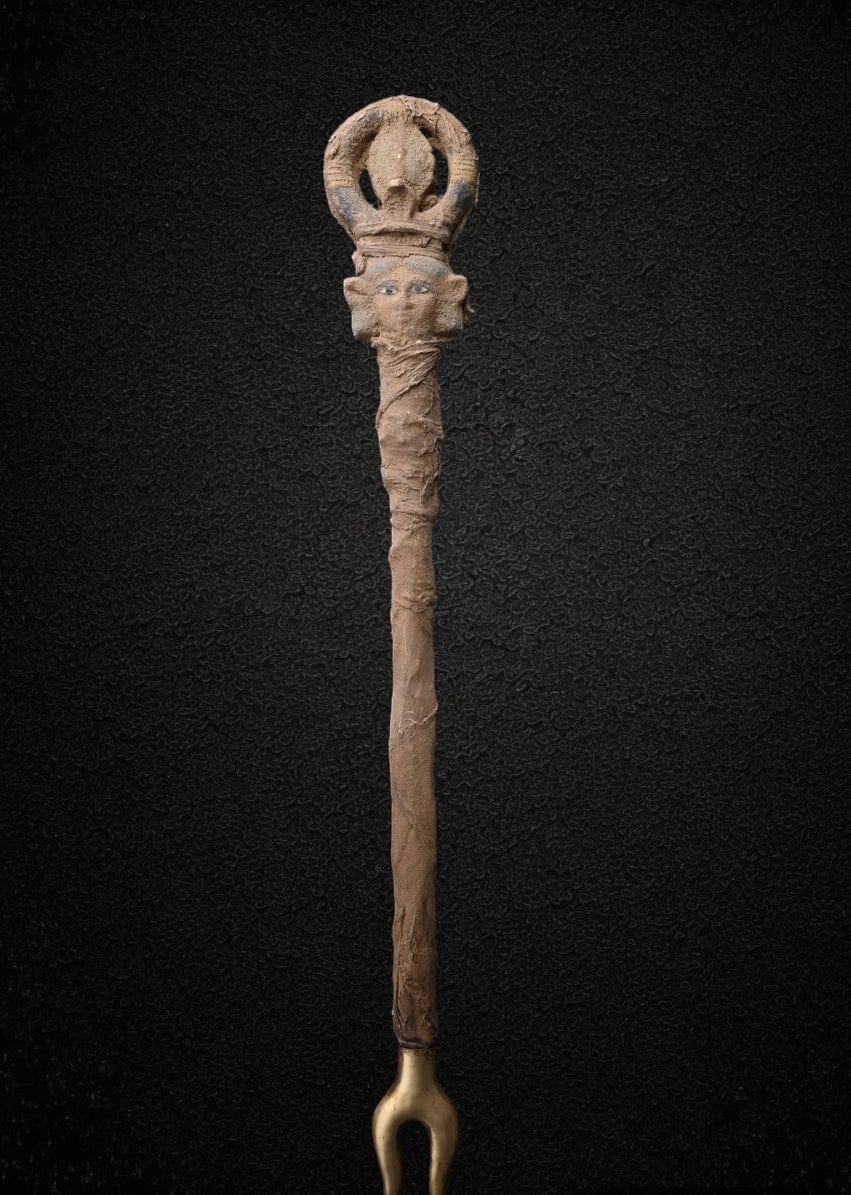
Sekhmet Scepter Was Stick, Egyptian Symbol of Strength, 50cm, Made in Egypt
$357.50
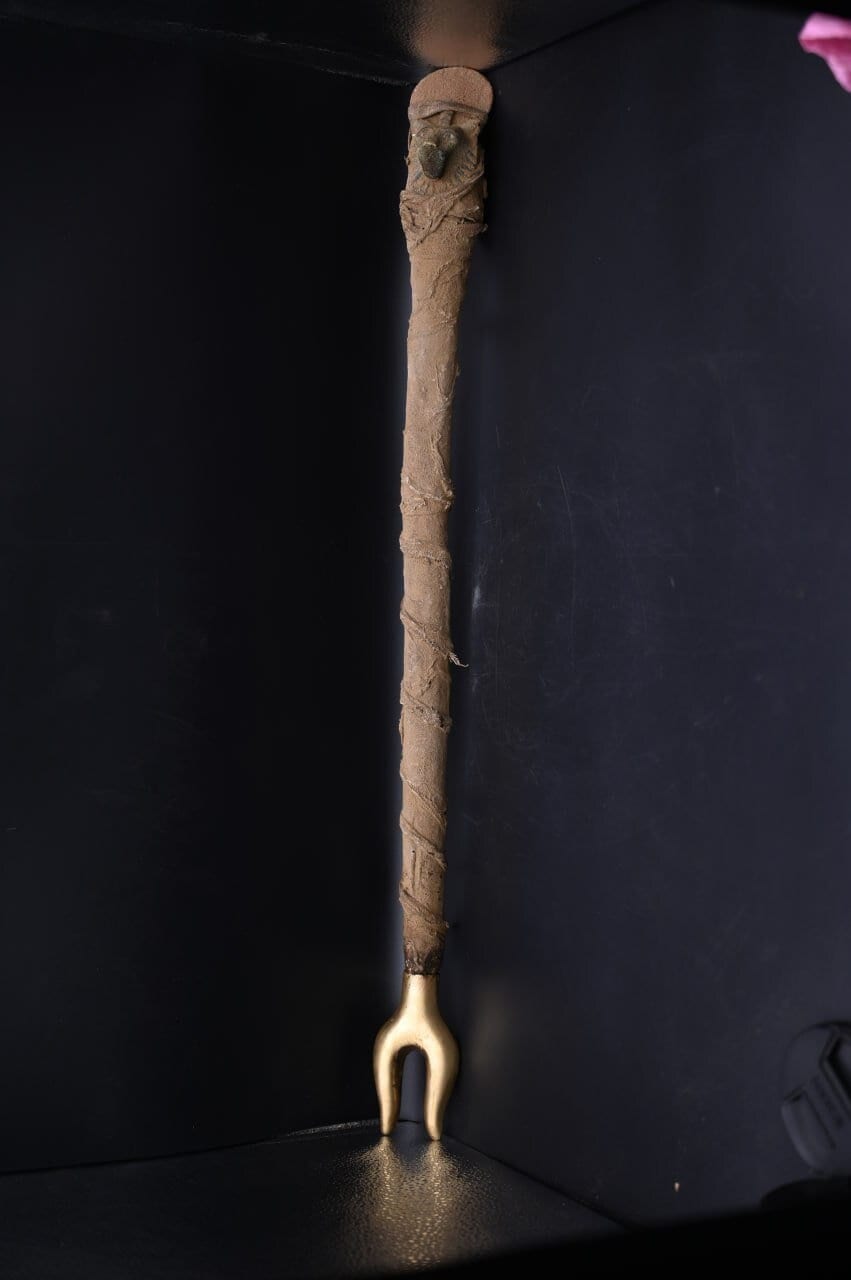
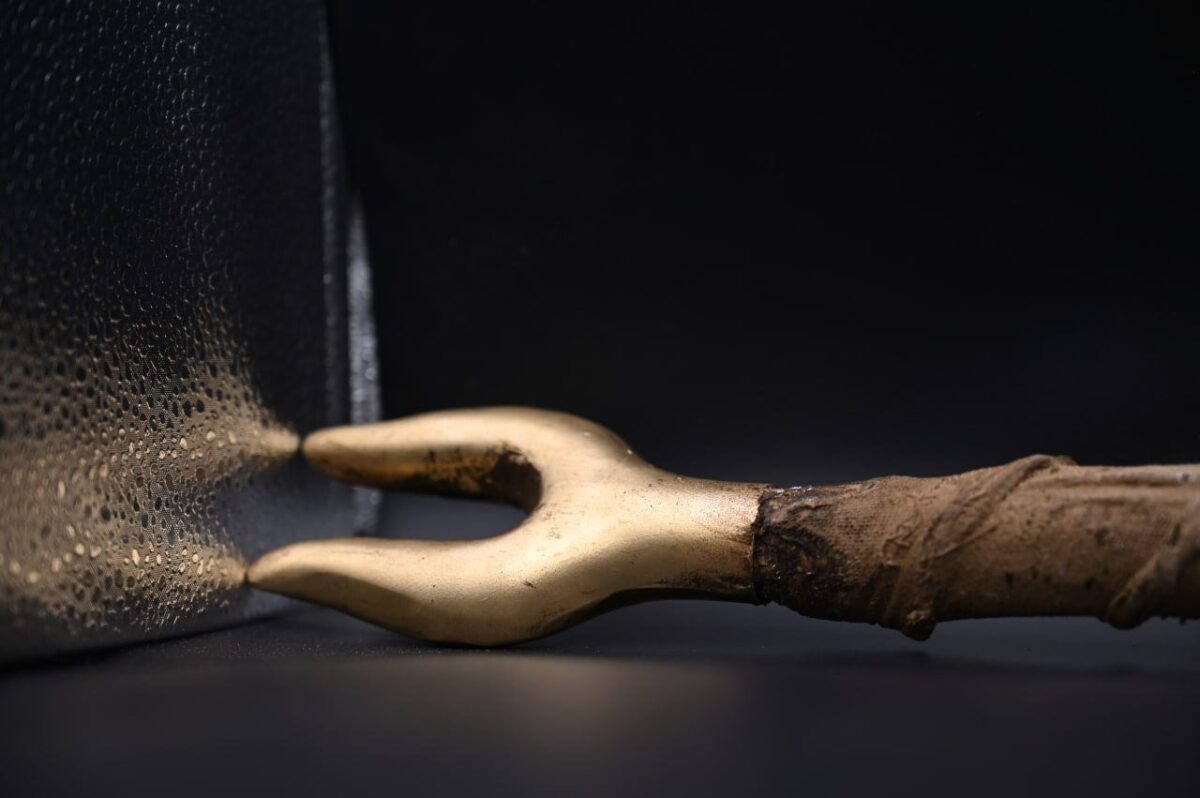
Add a powerful symbol of ancient Egyptian authority to your collection with this 50 cm Sekhmet Was Scepter, handcrafted in Egypt from wood, linen, and copper. Featuring a Sekhmet-inspired design and the iconic Was symbol of dominion and power, it is a distinctive choice for Egyptology collectors, mythology lovers, Egyptian décor, and museum-inspired displays.
50 cm Sekhmet Was Scepter – Egyptian Power Symbol Replica
Description of Art
50 cm Sekhmet Was Scepter handcrafted in Egypt and inspired by one of the most recognizable symbols of divine authority and power in ancient Egyptian art.
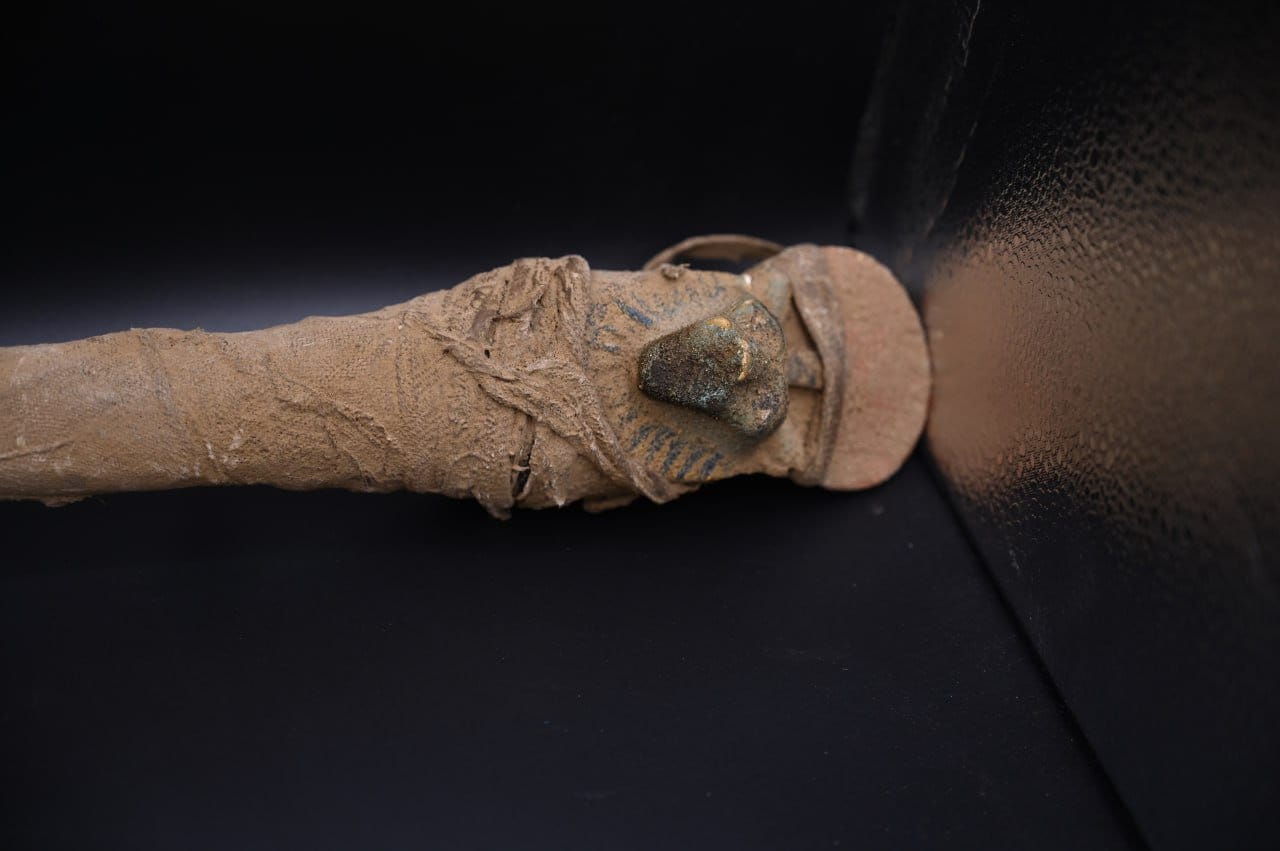
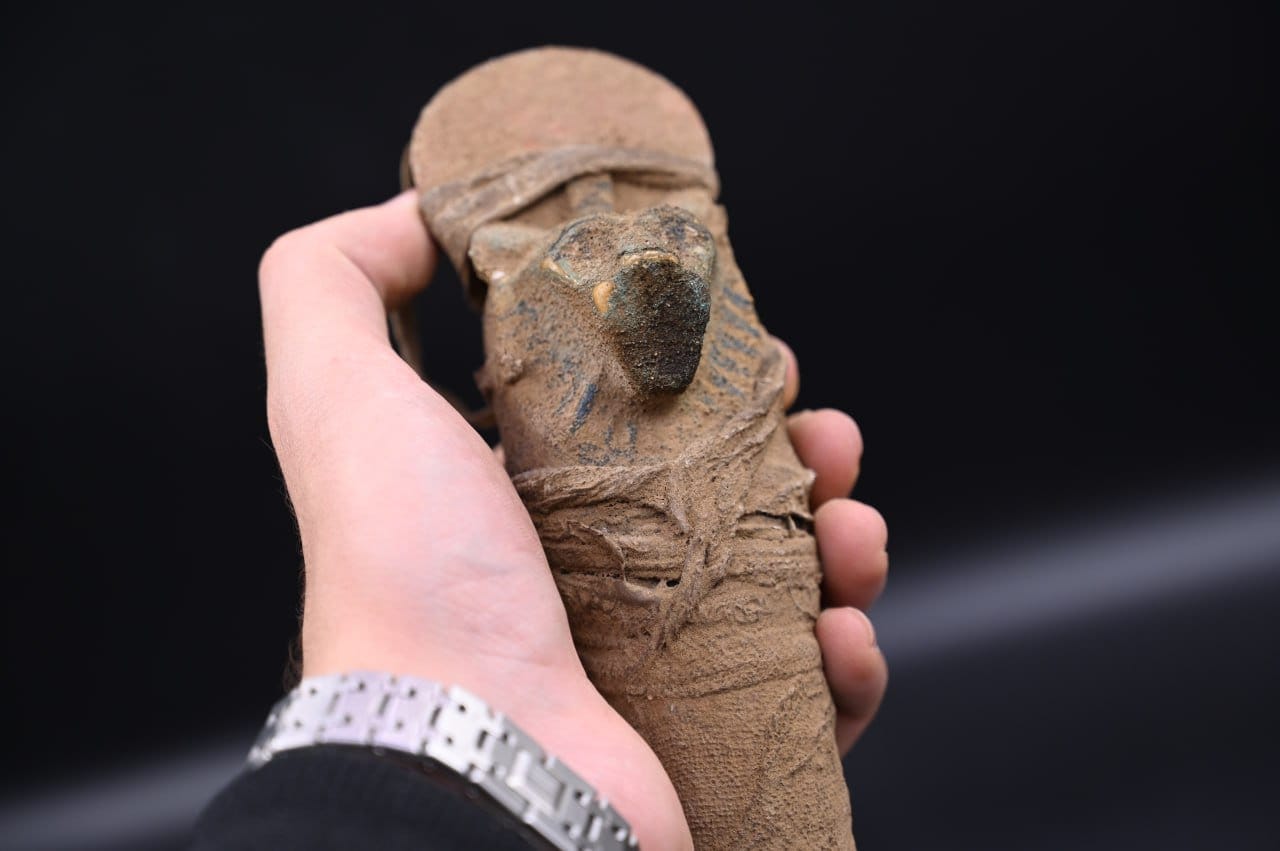
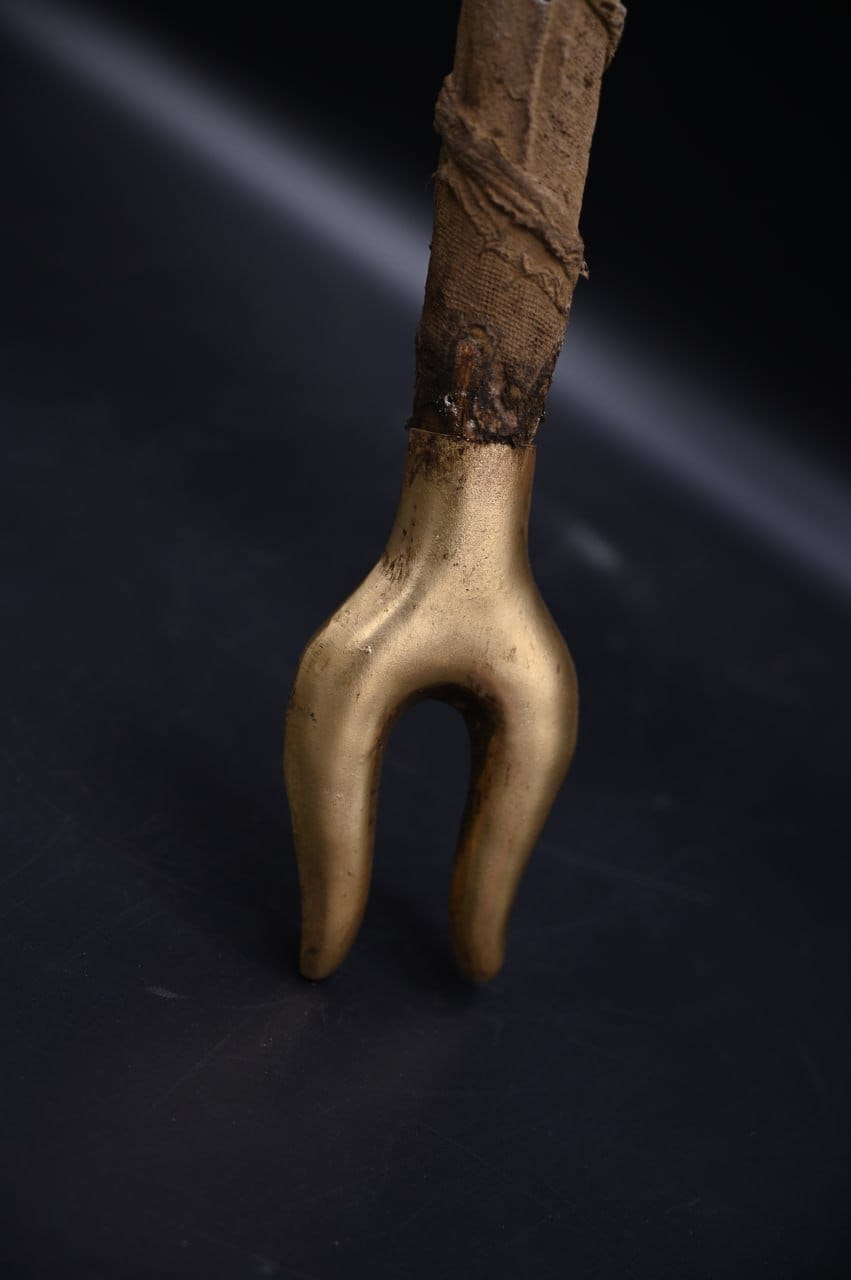
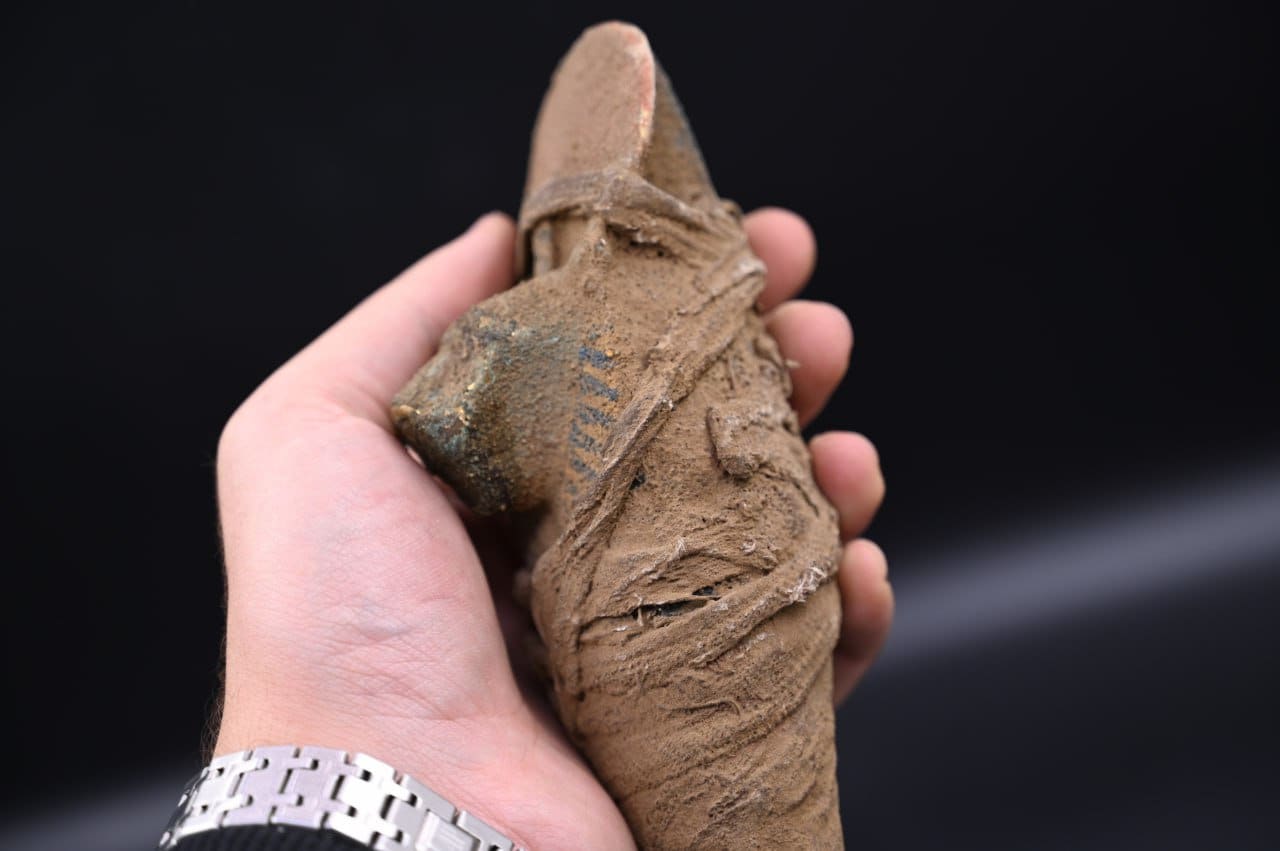
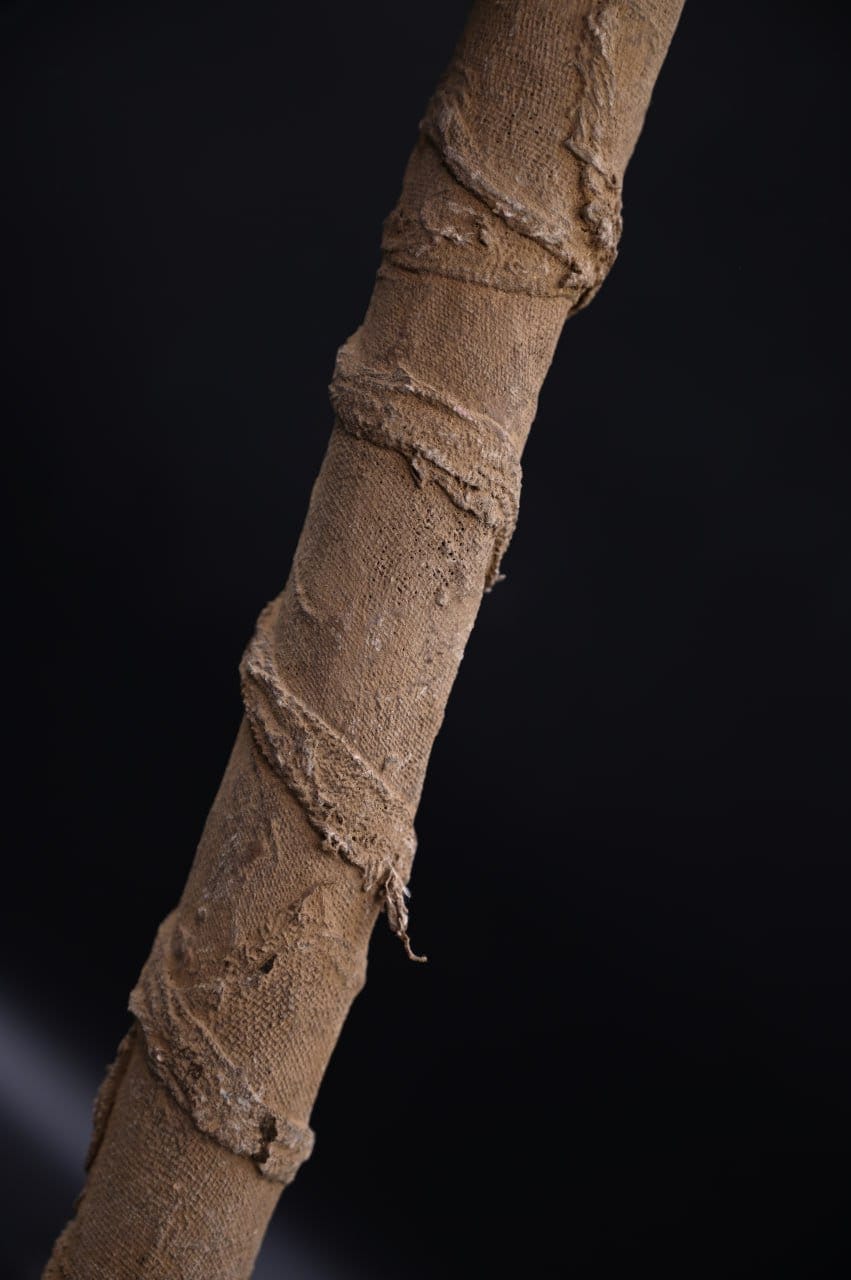
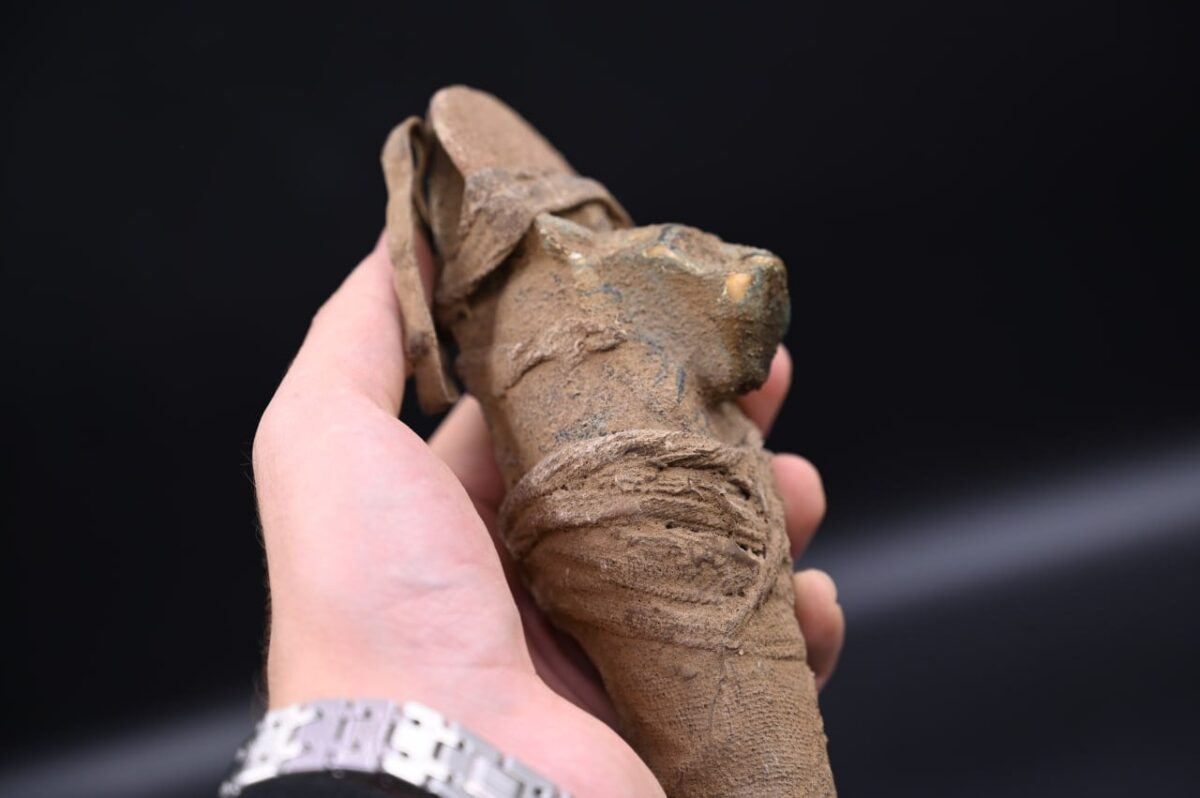
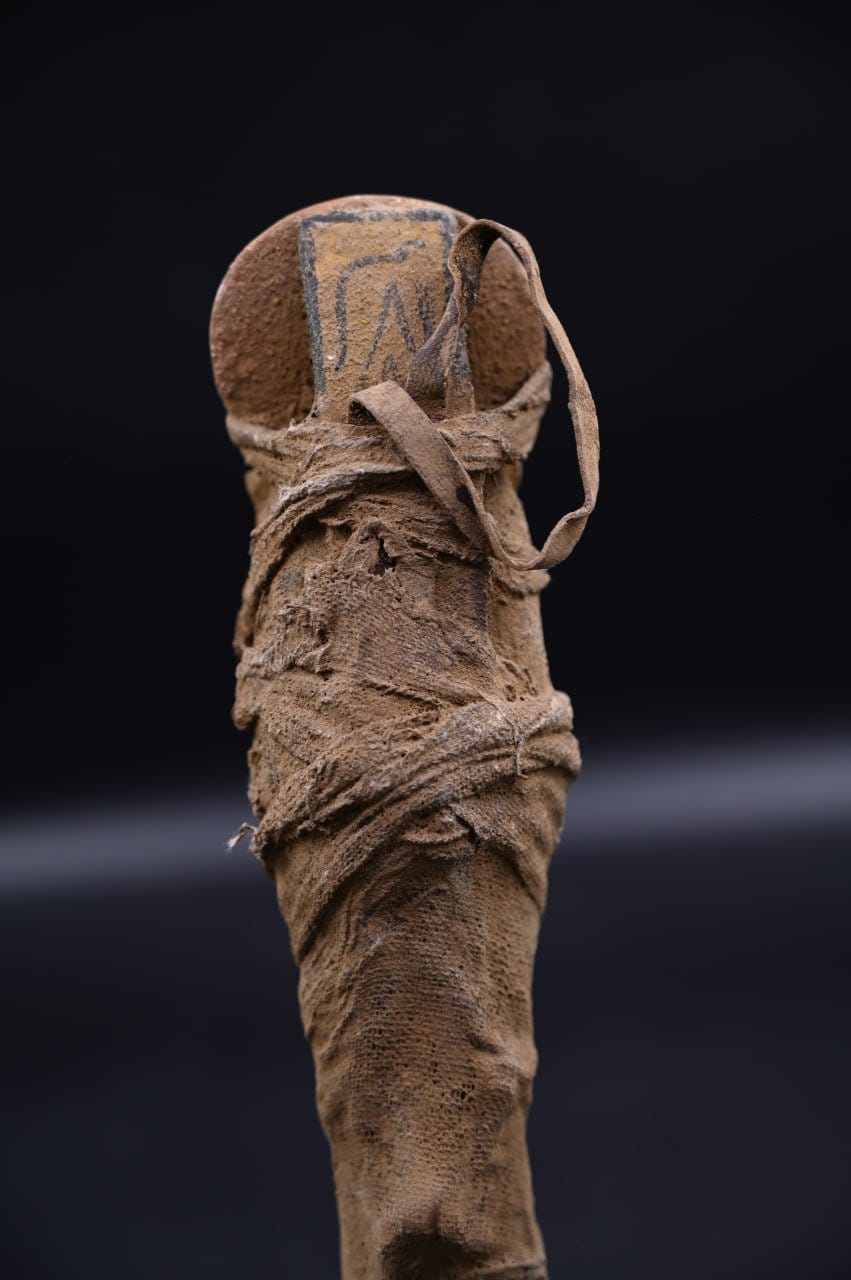
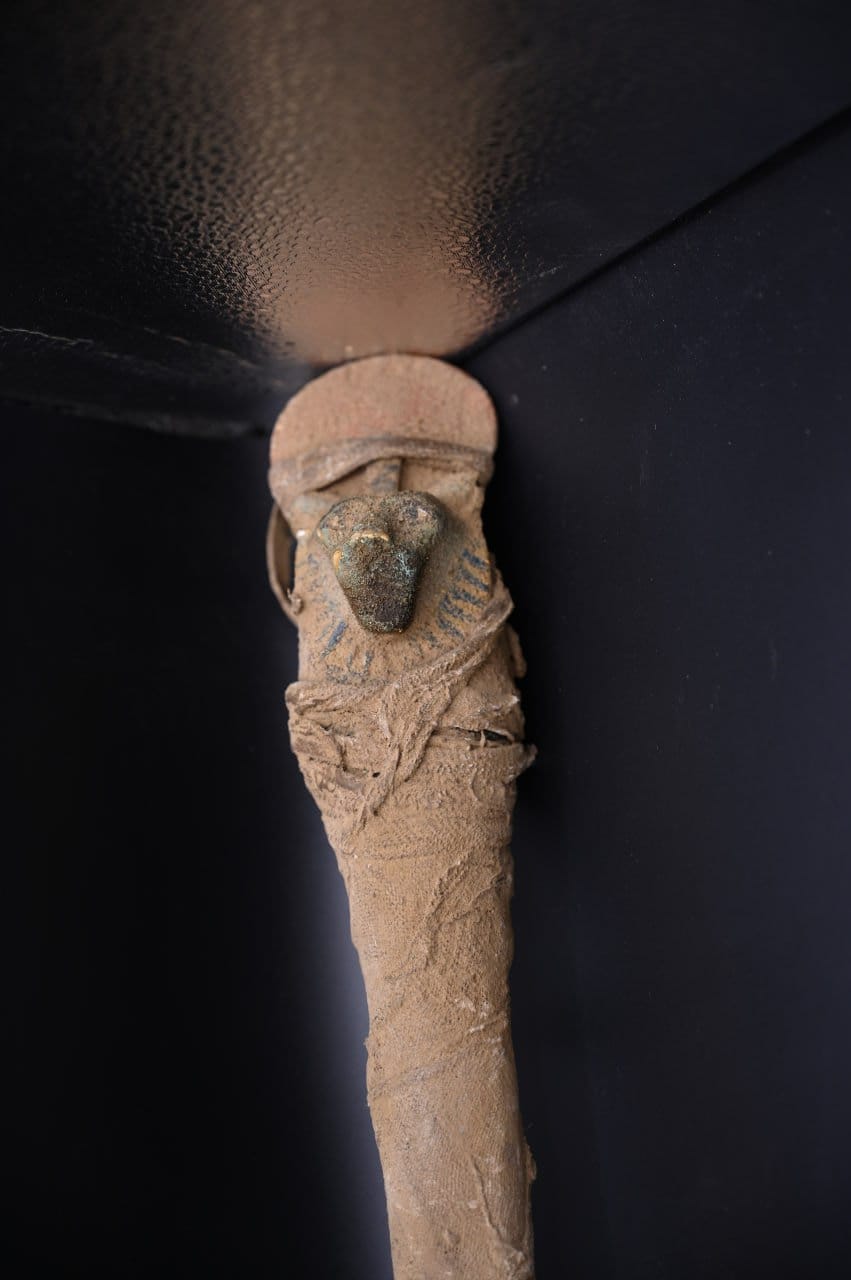
Standing 50 cm tall, this decorative scepter is made from wood covered with aged-style linen and finished with a copper base. The design also incorporates the face of Sekhmet, the powerful lioness goddess associated with war, protection, healing, and solar force.
The combination of Was symbolism and Sekhmet imagery creates a distinctive modern Egyptian-inspired piece suitable for collectors, offices, libraries, display cabinets, mythology collections, and museum-inspired interiors.
Product Details
Height: 50 cm
Materials: Wood, Linen & Copper
Main Symbol: Was Scepter
Deity Motif: Sekhmet
Craftsmanship: Handcrafted
Origin: Made in Egypt
Style: Ancient Egyptian Inspired
Type: Decorative Scepter Replica
What Is the Was Scepter?
The Was scepter was one of the most recognizable symbols of ancient Egyptian religion.
It was strongly associated with:
Power
Dominion
Authority
Divine control
Egyptian gods and kings could be depicted holding Was scepters as signs of supernatural or royal authority.
For modern symbolic interpretation, the 50 cm Sekhmet Was Scepter can evoke:
Power • Authority • Protection • Strength
The Shape of the Was Scepter
The Was scepter traditionally has a long staff ending in a forked lower section and topped with the head of a mysterious animal.
The original description identifies this head as a dog or Anubis.
That should be corrected.
The animal is more accurately described as the mysterious Set/Seth animal, whose exact zoological identity remains uncertain.
It should therefore not automatically be called:
Dog Head
Jackal Head
Anubis Head
A historically safer phrase is:
“The traditional Was scepter features the head of the mysterious Set animal.”
Sekhmet Face on This Design
This particular product adds the face of Sekhmet to the traditional Was-inspired design.
That should be presented as a modern artistic interpretation, rather than implying that all ancient Was scepters historically featured Sekhmet.
A good description is:
“A modern Egyptian-inspired Was scepter incorporating Sekhmet imagery.”
This makes the product distinctive while keeping the historical explanation accurate.
Who Was Sekhmet?
Sekhmet was one of ancient Egypt’s most powerful goddesses.
She was typically depicted as a lioness-headed woman and was strongly associated with:
War
Strength
Protection
Healing
Medicine
Solar power
Her name is commonly translated as “The Powerful One.”
For modern collectors, Sekhmet imagery can symbolically represent:
Strength • Courage • Protection • Healing • Resilience
Combining Sekhmet with a Was scepter therefore creates a visually appropriate modern design centered on strength and authority.
Ankh, Djed and Was
Three Egyptian symbols frequently appear together in ancient art:
Ankh – Life
Djed – Stability and Endurance
Was – Dominion and Power
These symbols could appear together in inscriptions, temple scenes, and ceremonial compositions.
A very concise interpretation is:
Life • Stability • Power
This combination became one of the most recognizable symbolic groupings in ancient Egyptian visual culture.
The Ankh
The Ankh, commonly called the Key of Life, represented:
Life • Divine Vitality • Continued Existence
The original description assigns several speculative meanings to individual parts of the Ankh, including femininity, masculinity, earth, and sky.
Those interpretations should not be presented as established historical facts.
The strongest and safest meaning is simply:
Life
The Djed Pillar
The Djed represented:
Stability • Endurance • Continuity
It later developed an especially strong association with Osiris and could be interpreted as symbolically connected with his backbone.
The “Raising of the Djed” became an important ritual associated with stability, renewal, and regeneration.
Also, Djed does not mean “grandfather.” That is a mistranslation in the source text.
Was and Divine Authority
The Was scepter could appear in the hands of many Egyptian gods, where it represented divine power and dominion.
Its visual form became an enduring symbol of authority throughout Egyptian art.
This makes it particularly suitable for a modern Sekhmet-inspired piece because both the Was and Sekhmet communicate themes of strength and powerful protection.
Handmade Materials
The 50 cm Sekhmet Was Scepter is described as being made from:
Wood
Aged-Style Linen Covering
Copper Base
These materials give the piece a layered, handcrafted appearance inspired by ancient ceremonial objects.
Because the description says “old linen,” it is safer to use:
“aged-style linen”
unless the linen is genuinely antique material.
Handmade in Egypt
The piece is handcrafted by skilled Egyptian artisans and made in Egypt.
Its 50 cm height gives it enough visual presence to work as a decorative focal point in:
Offices
Libraries
Living rooms
Collector displays
Egyptian-themed interiors
Museum-inspired spaces
Mythology collections
A Distinctive Egyptian Gift
The 50 cm Sekhmet Was Scepter is a distinctive choice for:
Sekhmet collectors
Egyptology enthusiasts
Ancient Egyptian symbolism lovers
Was scepter collectors
Egyptian mythology fans
Historical décor enthusiasts
Museum-inspired displays
Unique cultural gifts
Modern Replica, Not a Museum Artifact
The original source calls it “one unique museum piece.”
Unless the product is actually part of a recognized museum collection, avoid this wording.
Better alternatives include:
Museum-Inspired Replica
Collector Display Piece
Ancient Egyptian-Inspired Scepter
Likewise, the addition of Sekhmet’s face should be presented as a creative modern design, not necessarily an exact reproduction of a specific archaeological artifact.
Product Specifications
Product: 50 cm Sekhmet Was Scepter
Main Symbol: Was Scepter
Deity Motif: Sekhmet
Height: 50 cm
Materials: Wood, Linen & Copper
Was Symbolism: Power, Dominion & Authority
Sekhmet Associations: Strength, Protection, Healing & Solar Power
Craftsmanship: Handcrafted
Origin: Made in Egypt
Style: Ancient Egyptian Inspired
Type: Decorative Scepter Replica
Related products
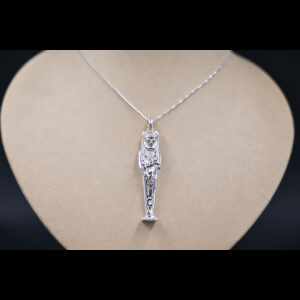
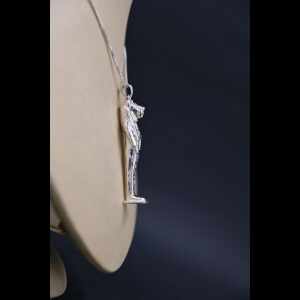
Sterling Silver Sekhmet Goddess Amulet
Add a powerful symbol of ancient Egyptian strength to your jewelry collection with this Pure Silver Sekhmet Amulet, inspired by Sekhmet, the lioness goddess of war, protection, healing, and solar power. Crafted from pure silver, it is a distinctive choice for mythology lovers, silver jewelry collectors, Egyptian-inspired accessories, and unique cultural gifts.
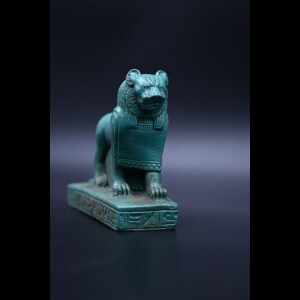
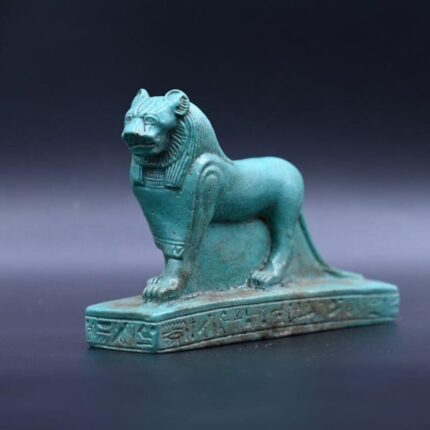
Sekhmet Statue: Egyptian Lioness Goddess of War Sculpture
Add a powerful symbol of ancient Egyptian strength to your collection with this Sekhmet Warrior Goddess Statue, inspired by Sekhmet, the lioness goddess of war, protection, healing, and solar power. A distinctive choice for mythology lovers, collectors, Egyptian décor, museum-inspired displays, and unique cultural gifts.
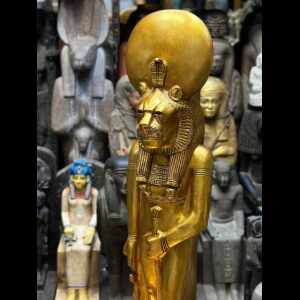
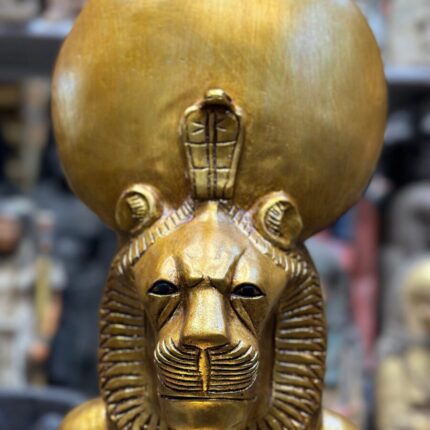
Marvellous sekhmet staute handcrafted Red granite-goddess -Force-War,Pestilence,Desert Egyptian antiques-deities-mythology-sculpture gods
Add a powerful symbol of ancient Egyptian strength to your collection with this Large Red Granite Sekhmet Statue, handcrafted from red granite and measuring 102 × 37 × 24 cm. Inspired by Sekhmet, the lioness goddess of war, protection, healing, and solar power, it is a striking choice for indoor or outdoor décor, collectors, and unique cultural displays.
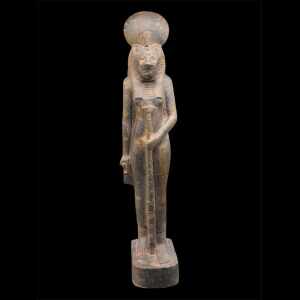
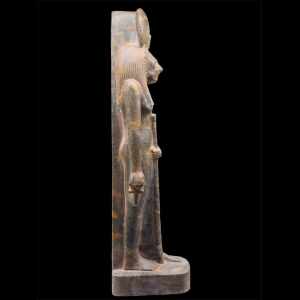
Rare Sekhmet Statue in Real Black Granite – 40 cm / 15.7 Inches Museum Quality Egyptian Goddess
Add a commanding symbol of ancient Egyptian strength to your collection with this 40 cm Black Granite Sekhmet Statue, carved from genuine black granite and standing 15.7 inches tall. Inspired by Sekhmet, the lioness goddess of war, protection, healing, and solar power, it is a striking choice for collectors, Egyptian décor, mythology lovers, and museum-inspired displays.
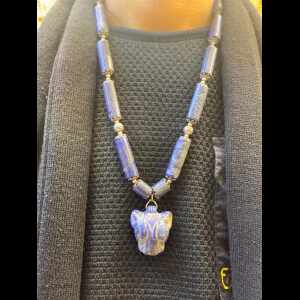
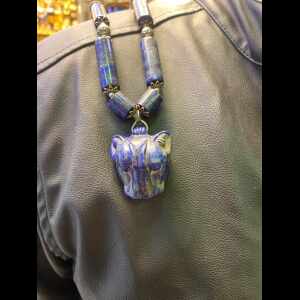
Handmade Lapis Lazuli Sekhmet Necklace: Egyptian Goddess Jewelry
Add a powerful touch of ancient Egyptian symbolism to your jewelry collection with this 150 g Lapis Sekhmet Necklace, handcrafted from natural lapis lazuli stone with elegant silver-tone metal accents. Inspired by Sekhmet, the lioness goddess of strength, protection, healing, and solar power, it is a striking choice for mythology lovers, statement-jewelry collectors, and unique cultural gifts.
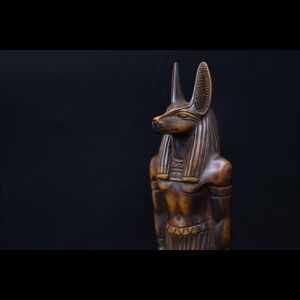
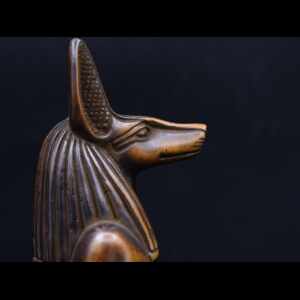
Handcrafted Anubis Statue: Egyptian God of Protection, Brown Stone (23cm)
Add a powerful symbol of ancient Egyptian protection to your collection with this 23 cm Brown Stone Anubis Statue, handcrafted in Egypt from natural stone. Inspired by Anubis, the canine-headed deity of mummification, funerary protection, and care of the deceased, it is a distinctive choice for collectors, Egyptian décor, museum-inspired displays, and unique cultural gifts.
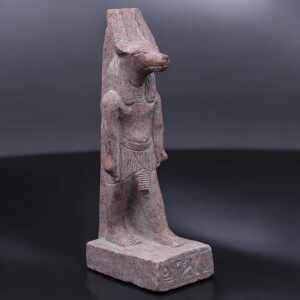
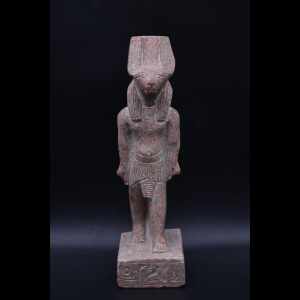
Handcrafted Red Granite Anubis Statue – Egyptian God of Afterlife (30cm)
Add a powerful symbol of ancient Egyptian protection to your collection with this 30 cm Red Granite Anubis Statue, handcrafted in Egypt from red granite. Inspired by Anubis, the canine-headed deity of mummification, funerary protection, and care of the deceased, it is a striking choice for collectors, Egyptian décor, museum-inspired displays, and unique cultural gifts.


Reviews
There are no reviews yet.