
Uraeus Cobra Statue: Egyptian Deity Carving
$371.80
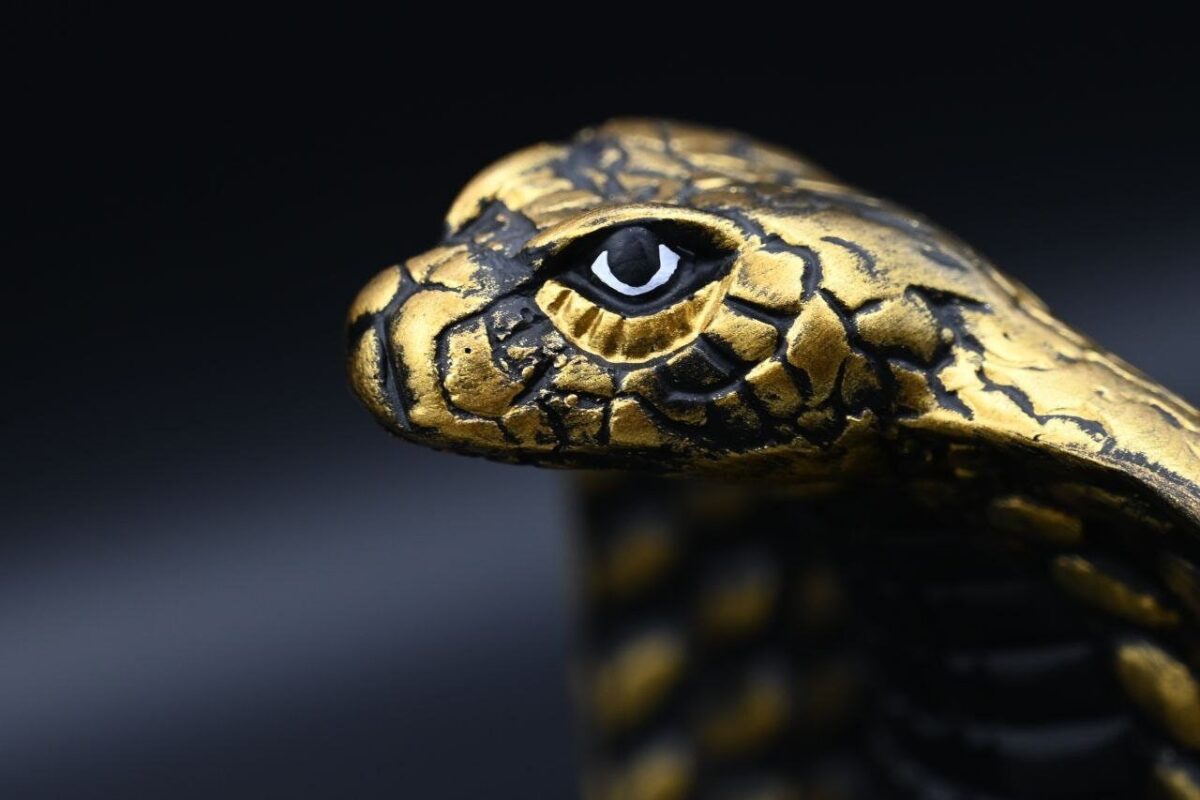
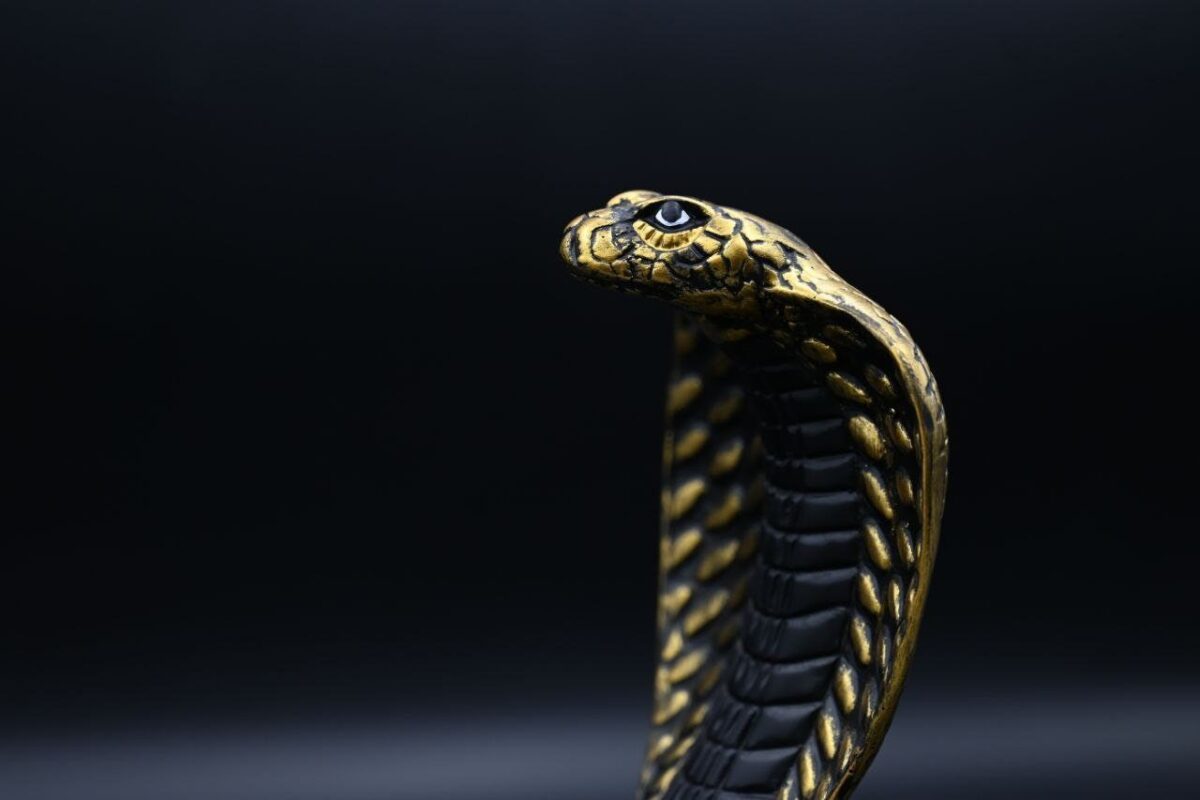
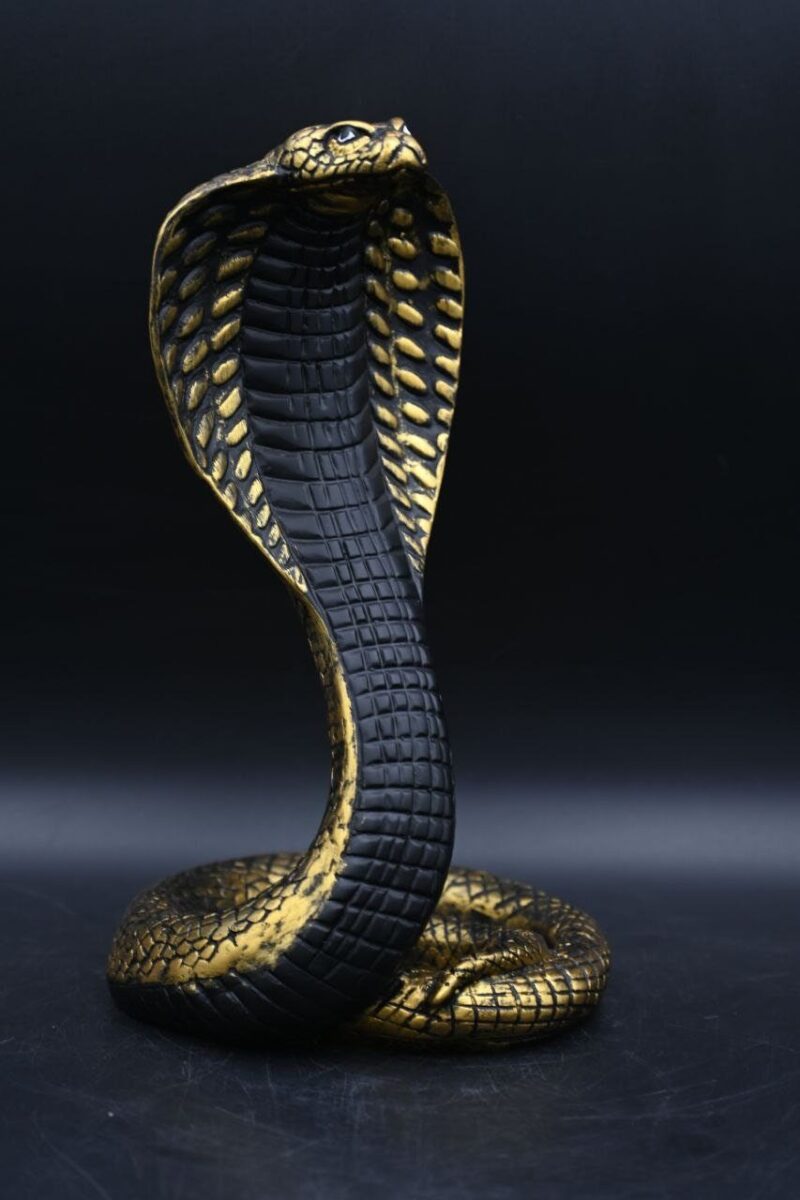
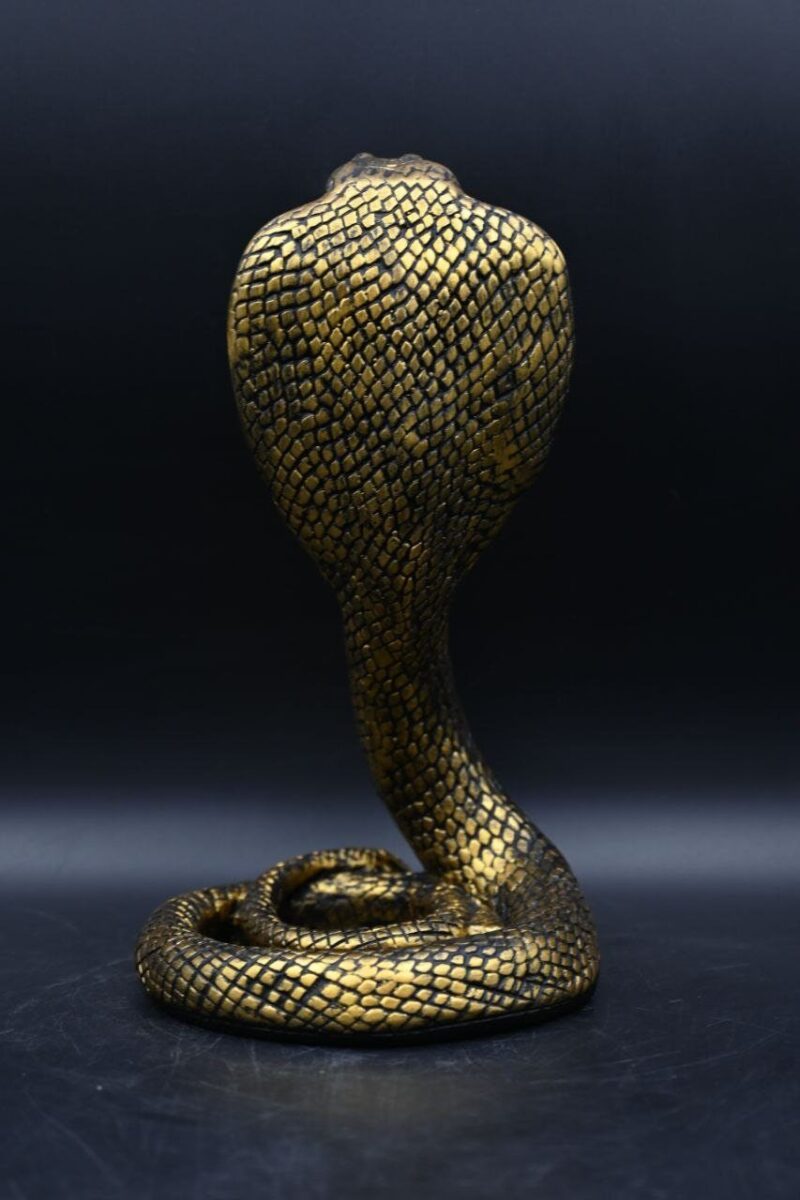
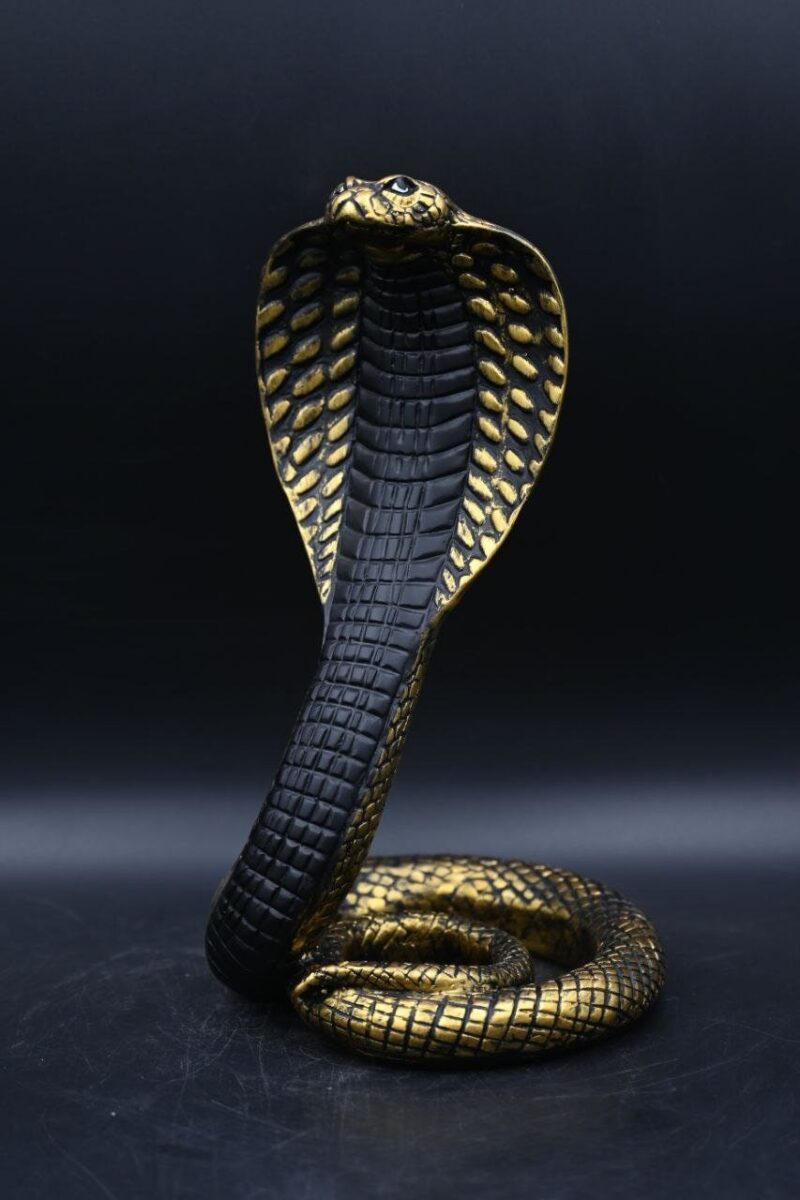
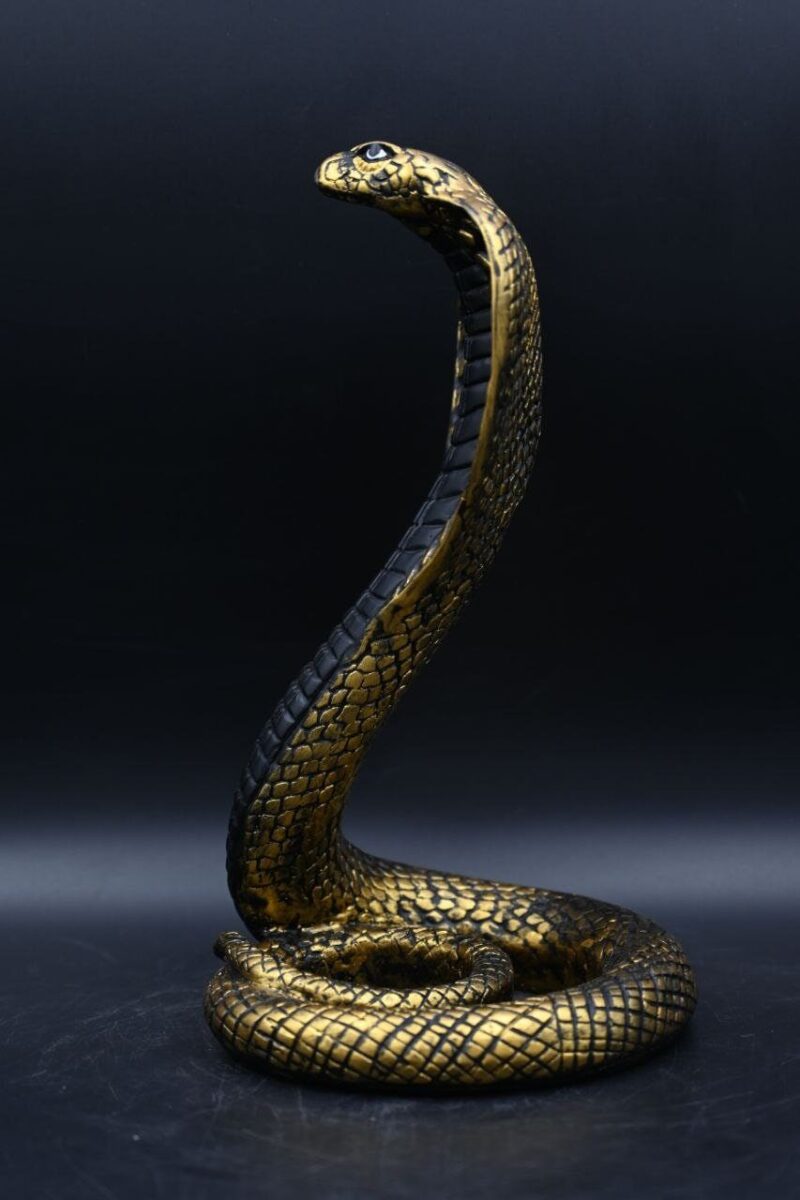
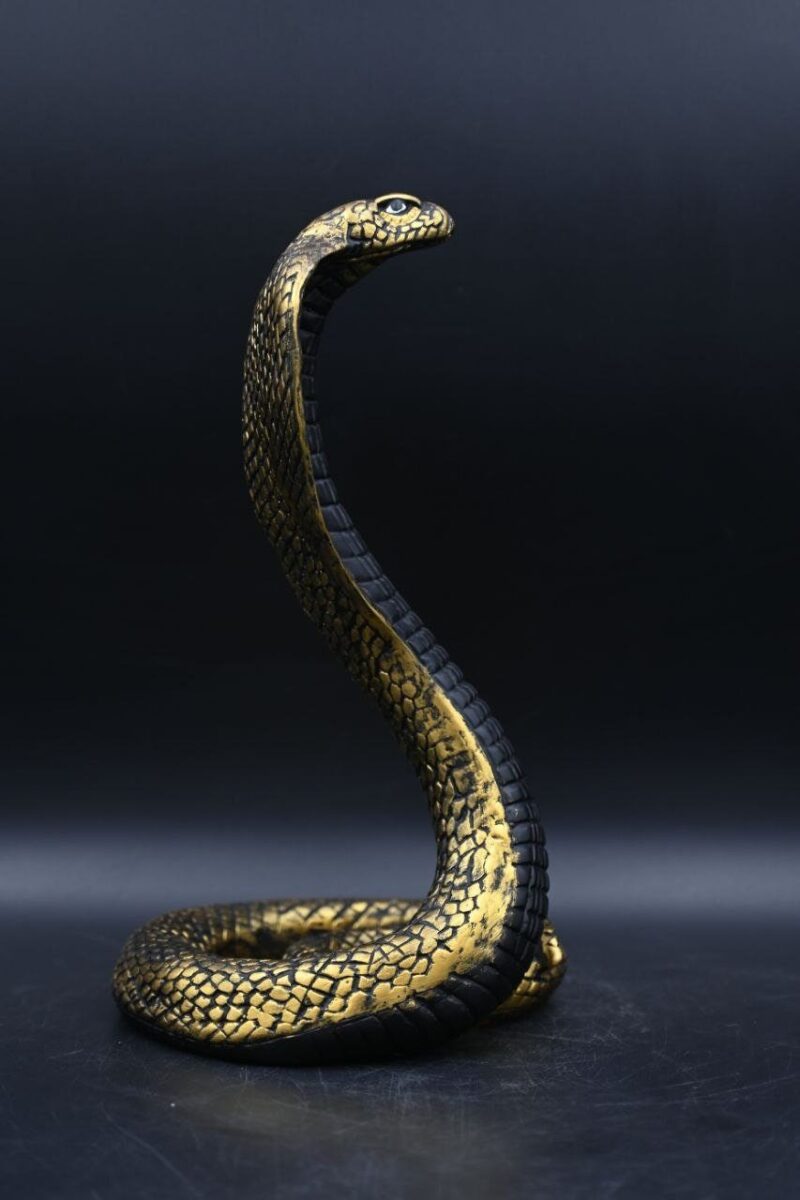
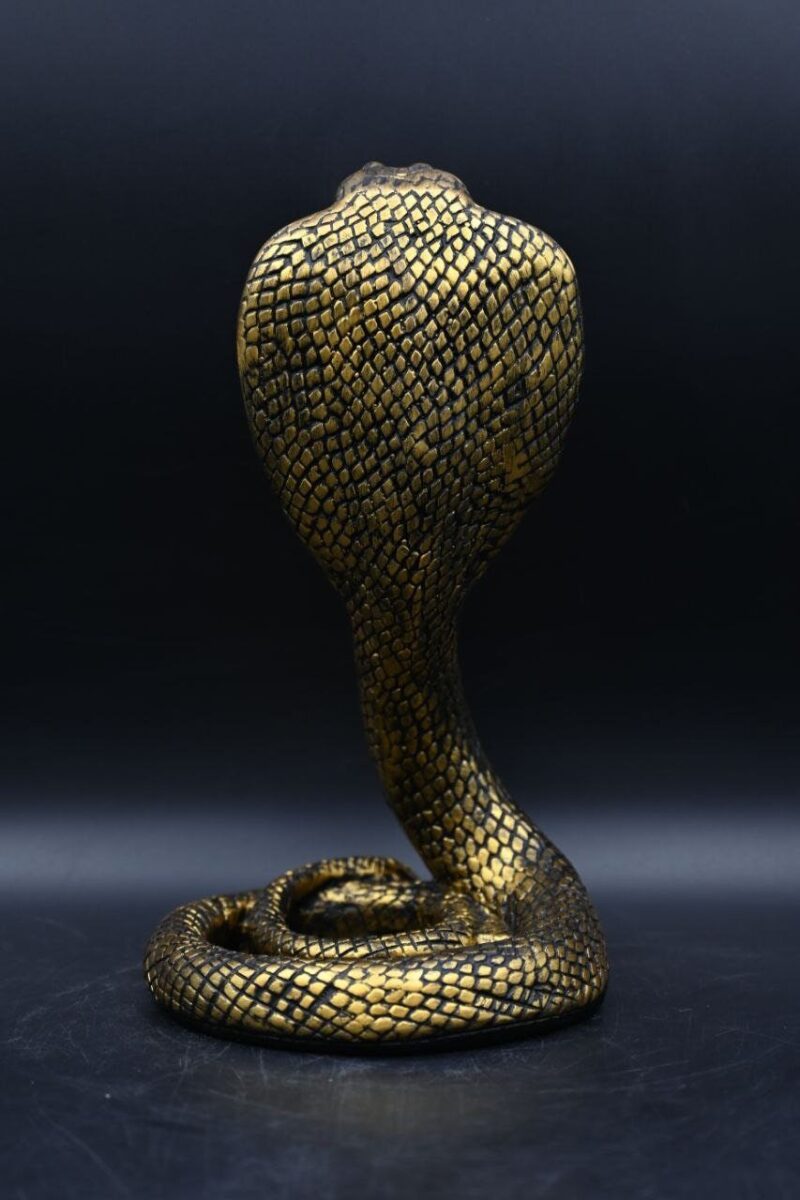
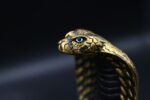
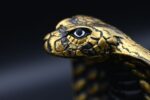
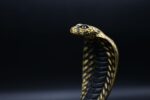
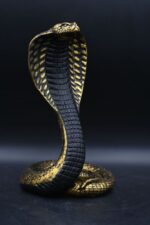
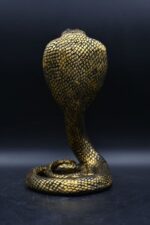
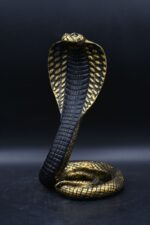
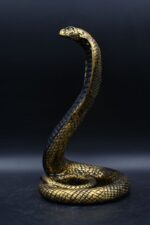
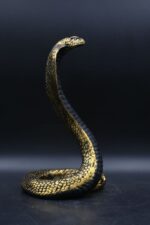
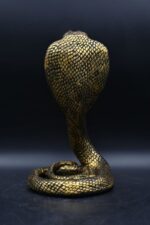
Add a powerful symbol of ancient Egyptian royalty to your collection with this Wadjet Uraeus Cobra Sculpture, inspired by the sacred cobra goddess associated with protection, kingship, and divine authority. A striking choice for collectors, history lovers, Egyptian décor, mythology enthusiasts, and unique cultural gifts.
Wadjet Uraeus Cobra Sculpture – Ancient Egyptian Royal Symbol
Description of Art
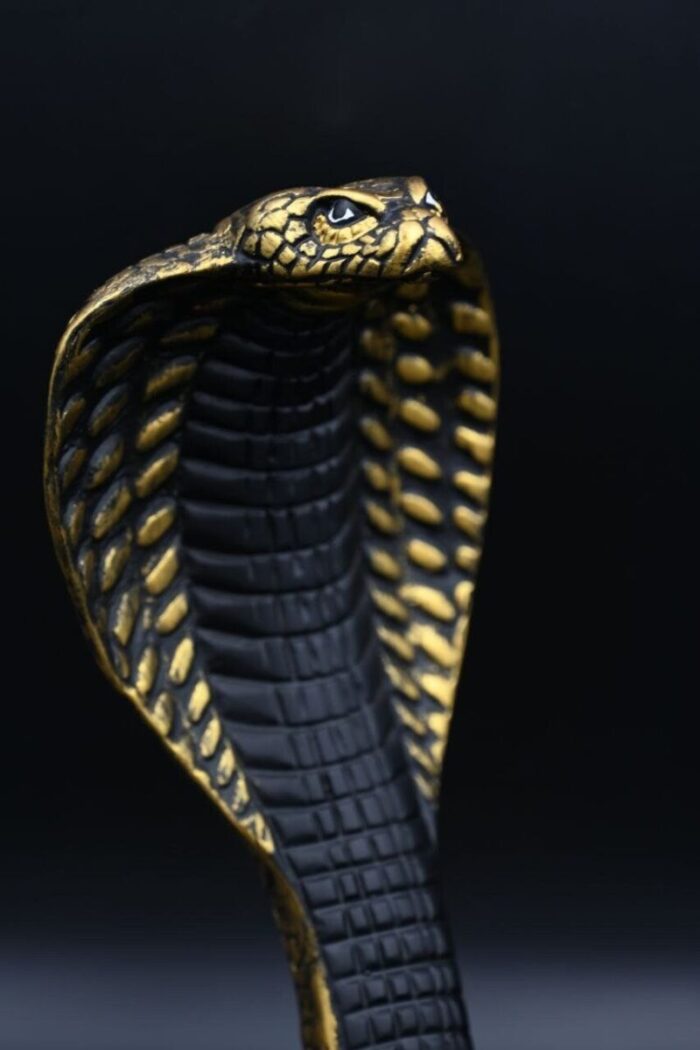
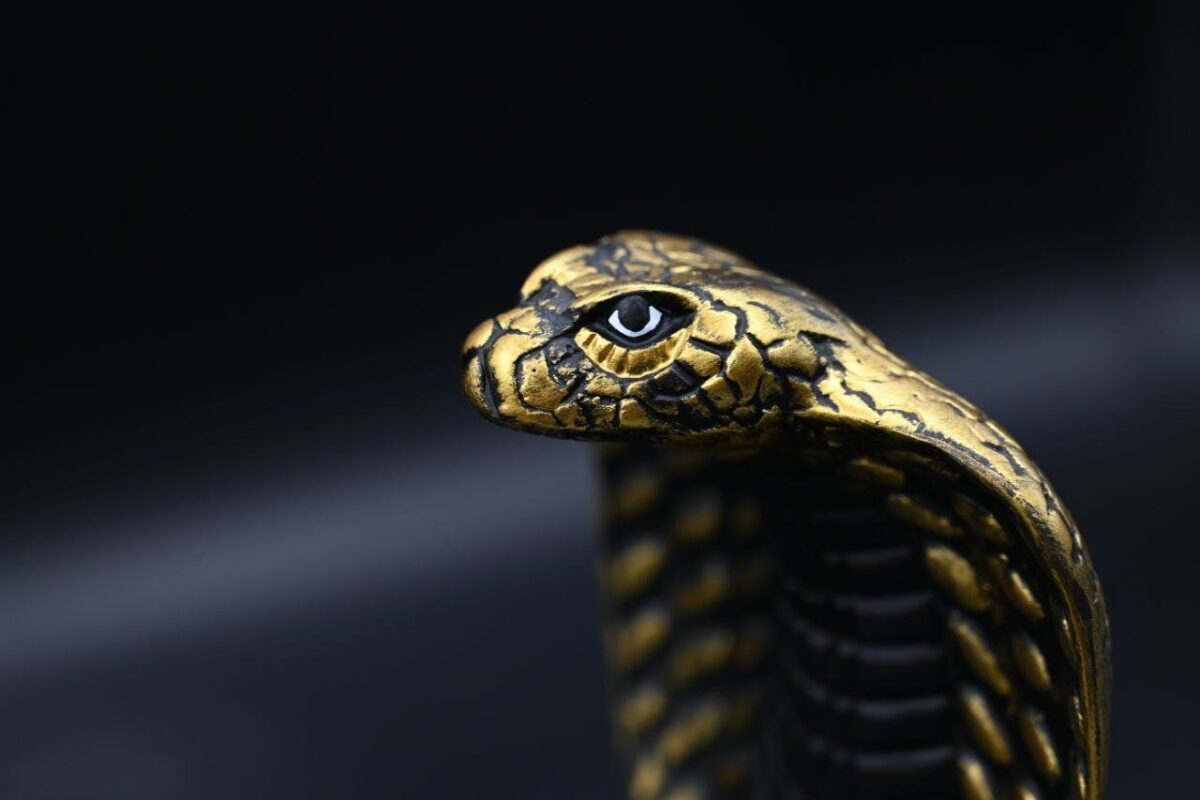
Wadjet Uraeus Cobra Sculpture inspired by one of the most recognizable symbols of protection and kingship in ancient Egyptian art.
The Uraeus takes the form of a rearing cobra with its hood expanded. It was closely associated with Wadjet, the ancient cobra goddess connected with Lower Egypt, royal authority, and the protection of the pharaoh. The Metropolitan Museum describes the Uraeus as one of the principal symbols of Egyptian royalty.
With its distinctive serpent form and powerful Pharaonic symbolism, this sculpture makes a striking addition to Egyptian-themed interiors, historical collections, offices, libraries, and museum-inspired displays.
What Is the Uraeus Cobra?
The Uraeus is the famous upright or rearing cobra seen on the crowns and headdresses of Egyptian kings and certain deities.
Its raised head and expanded hood represented a cobra prepared to strike, creating a powerful visual symbol of supernatural protection.
The Metropolitan Museum explains that the rearing cobra was a symbol of protection and that Uraei appeared on royal and divine headdresses facing forward against the enemies of Egypt.
For this reason, the Wadjet Uraeus Cobra Sculpture can symbolize:
- Protection
- Royal authority
- Kingship
- Strength
- Divine guardianship
- Sovereignty
- Ancient Egyptian heritage
- Pharaonic power
Goddess Wadjet
Wadjet was an important cobra goddess in ancient Egyptian religion.
The British Museum identifies her as the cobra goddess of Buto, a preserver of royal authority in northern Egypt and, in the form of the Uraeus, a protector of the pharaoh.
She was therefore strongly associated with both the cobra and Egyptian kingship.
Ancient artworks could portray Wadjet directly as a cobra, reinforcing the close relationship between the goddess and the royal Uraeus symbol.
Wadjet and Lower Egypt
Wadjet had a particularly strong association with Lower Egypt.
The Metropolitan Museum identifies her as the patron deity of Lower, or northern, Egypt and explains that the Uraeus could embody several protective goddesses, especially Wadjet.
Her connection with royal authority helped make the cobra one of the most recognizable emblems of Egyptian kingship.
The Uraeus and the Pharaoh
The Uraeus was often displayed prominently on the forehead of the Egyptian king.
Its position directly above the brow visually emphasized the ruler’s royal status and supernatural protection.
The Metropolitan Museum describes the cobra on the king’s brow as ready to attack if necessary and calls the Uraeus a defining symbol of royalty.
This imagery made the royal cobra much more than a decorative motif.
It communicated the idea that the ruler was protected by divine power.
A Symbol of Divine Protection
Protection was one of the central meanings of Uraeus imagery.
Ancient Egyptian representations could imagine the cobra confronting the enemies of Egypt with fire or venom.
Winged representations of Wadjet also emphasized protection and support, with the goddess acting as a protector of kings and gods.
This powerful protective symbolism makes the Wadjet Uraeus Cobra Sculpture particularly appealing for collectors interested in the deeper meanings behind ancient Egyptian art.
Uraeus vs. Apep
The Uraeus should not be confused with Apep or Apophis.
The Uraeus represented protective royal cobra imagery, particularly connected with Wadjet and the pharaoh.
Apep, by contrast, was a great serpent associated with chaos and was considered an enemy of the sun god Ra.
Therefore, for a protective upright royal cobra statue, Wadjet Uraeus Cobra Sculpture is the historically more appropriate product description.
Egyptian Royal Cobra Décor
The distinctive shape of the Uraeus makes this sculpture ideal for anyone fascinated by Egyptian kingship and ancient symbolism.
It is suitable for:
- Ancient Egyptian art collectors
- Wadjet enthusiasts
- Egyptian mythology lovers
- Pharaoh collectors
- History and archaeology enthusiasts
- Cobra and serpent art collectors
- Egyptian-themed home décor
- Office and library decoration
- Museum-inspired displays
- Unique cultural gifts
The sculpture can also be displayed alongside representations of pharaohs or Egyptian deities such as Horus, Ra, Isis, Sekhmet, Bastet, Anubis, and Maat.
Product Details
Product: Wadjet Uraeus Cobra Sculpture
Symbol: Uraeus / Royal Cobra
Associated Goddess: Wadjet
Style: Ancient Egyptian / Pharaonic Inspired
Symbolism: Protection, Kingship, Royal Authority & Divine Guardianship
Type: Decorative Egyptian-Inspired Sculpture
Use: Collectible, Home Décor, Office Décor, Historical Display & Cultural Gift
Our Shop Policy
- Please ask for a live photo of your product before shipping if you would like to see the exact piece before dispatch.
- Keep a close eye on your inbox for shipping updates and tracking information.
- Providing a valid phone number is mandatory for international shipping purposes.
- If you encounter any issues or concerns regarding your order, please contact us. We will handle your case promptly and professionally and work toward a satisfactory resolution.
International Shipping
Please provide your phone number to complete the international shipping process.
Your Wadjet Uraeus Cobra Sculpture will be carefully prepared and securely packaged to help protect it during transportation.
Related products
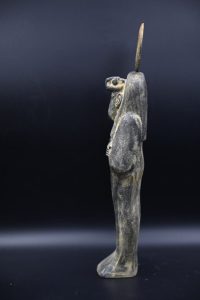
Apep Serpent Statue – Egyptian Mythology Replica
Elevate your collection with our Apep Serpent Statue. Combining authentic ancient Egyptian symbolism with fine artisan craftsmanship and rich hand-finished details, this dramatic serpent sculpture offers a captivating blend of mythological history, bold presence, and dark aesthetic power for any home or office display.
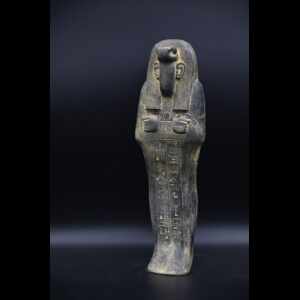
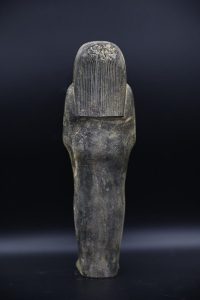
Apep Serpent Statue – Egyptian God of Protection, Stone Sculpture
Elevate your decor with our Egyptian God of Protection Stone sculpture. Combining authentic ancient Egyptian symbolism with fine artisan craftsmanship and striking hand-finished details, this powerful guardian deity statue offers a timeless blend of rich history, majestic presence, and protective aura for any home or office display.
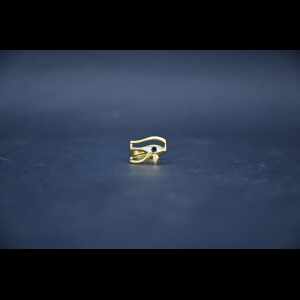
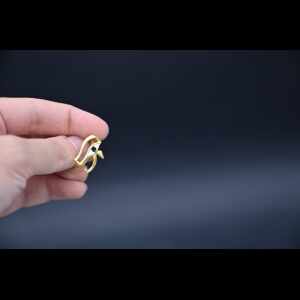
Egyptian Eye of Horus Ring, Ancient Symbol, Handmade in Egypt
Add a powerful symbol of ancient Egyptian kingship to your jewelry collection with this Egyptian Falcon God Horus Ring, handcrafted in Egypt with a unisex free-size design. Inspired by Horus, the falcon god of the sky, royal authority, and protection, it is a distinctive choice for women and men, mythology lovers, Egyptology enthusiasts, and unique cultural gifts.
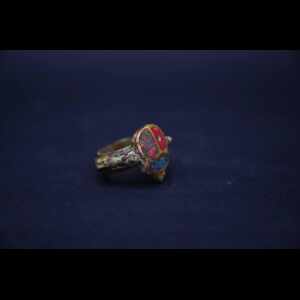
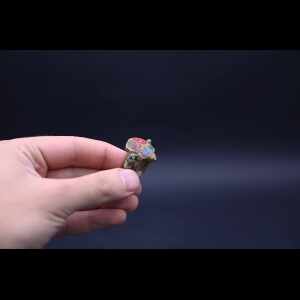
Scarab ring-amazing Ring the symbol of good luck-good life-ancient Egyptian ornament-mythology
Add a meaningful symbol of ancient Egyptian renewal to your jewelry collection with this Unisex Egyptian Scarab Ring, handcrafted in Egypt with a flexible free-size design for women and men. Inspired by the scarab’s ancient associations with rebirth, transformation, solar regeneration, and protection, it is a distinctive choice for mythology lovers, Egyptology enthusiasts, and unique cultural gifts.
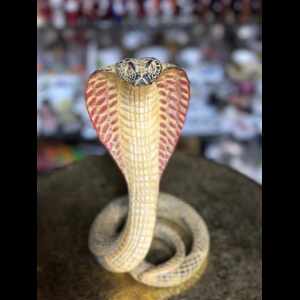
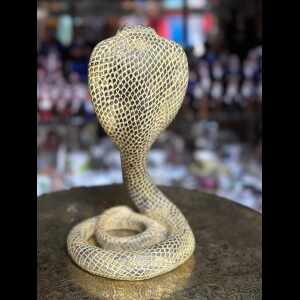
Handmade Egyptian Uraeus Cobra Statue, Wadjet Serpent Goddess
Add a powerful symbol of ancient Egyptian royal protection to your collection with this 25 cm Egyptian Uraeus Cobra, measuring 25 cm high and 12 cm wide. Inspired by Wadjet, the cobra goddess associated with Lower Egypt, kingship, guardianship, and divine protection, it is a distinctive choice for Egyptology collectors, Egyptian décor, mythology lovers, and unique cultural gifts.
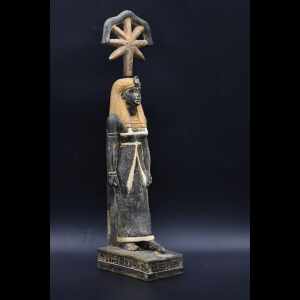
Seshat Statue: Egyptian Goddess of Wisdom Stone Sculpture
Add a distinctive symbol of ancient Egyptian knowledge to your collection with this 35 cm Seshat Stone Statue, handcrafted in Egypt and measuring 35 × 7 × 9 cm. Inspired by Seshat, the goddess of writing, record keeping, measurement, mathematics, and building planning, it is an exceptional choice for Egyptology collectors, writers, libraries, offices, and unique cultural gifts.
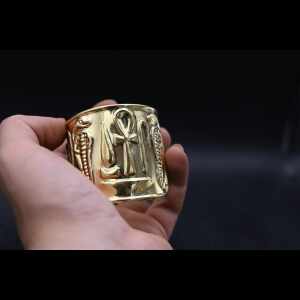
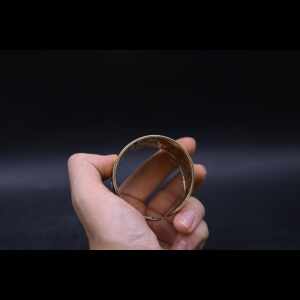
Brass Nile Key Bracelet: Winged Cobra Talisman, Egyptian Protection
Add a powerful combination of ancient Egyptian symbolism to your jewelry collection with this Brass Ankh Cobra Protection Bracelet, handcrafted in Egypt from brass and designed for women and men. Featuring the iconic Key of Life flanked by winged cobras, it symbolizes life, protection, guardianship, and royal authority, making it a distinctive choice for mythology lovers, collectors, and unique cultural gifts.
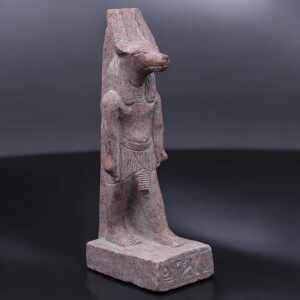
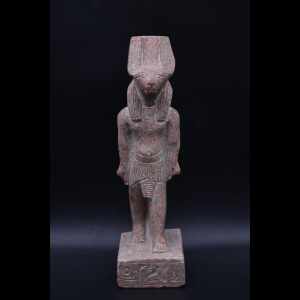
Handcrafted Red Granite Anubis Statue – Egyptian God of Afterlife (30cm)
Add a powerful symbol of ancient Egyptian protection to your collection with this 30 cm Red Granite Anubis Statue, handcrafted in Egypt from red granite. Inspired by Anubis, the canine-headed deity of mummification, funerary protection, and care of the deceased, it is a striking choice for collectors, Egyptian décor, museum-inspired displays, and unique cultural gifts.


Reviews
There are no reviews yet.