
Neith Egyptian Goddess Statue: Ancient Mythology Sculpture
$325.00
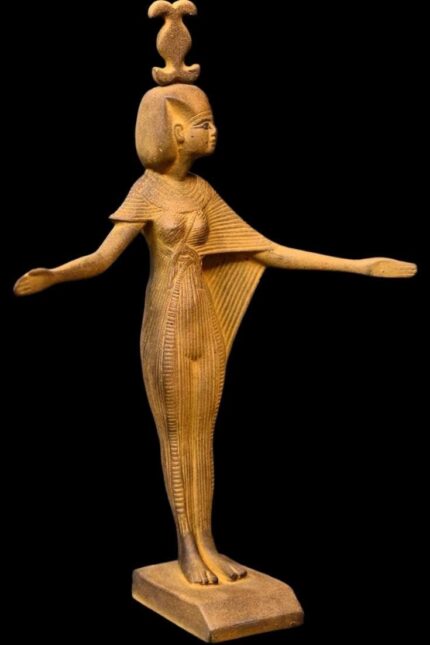
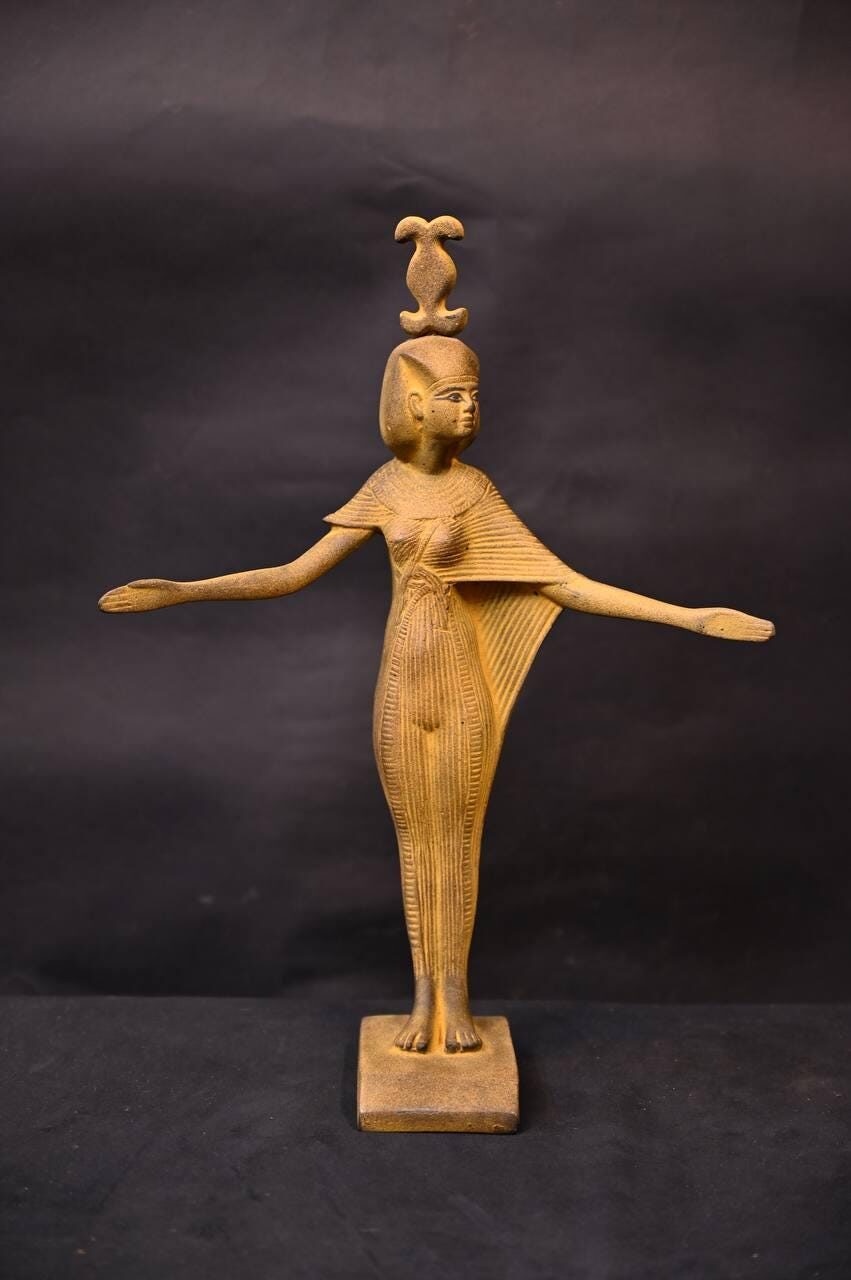
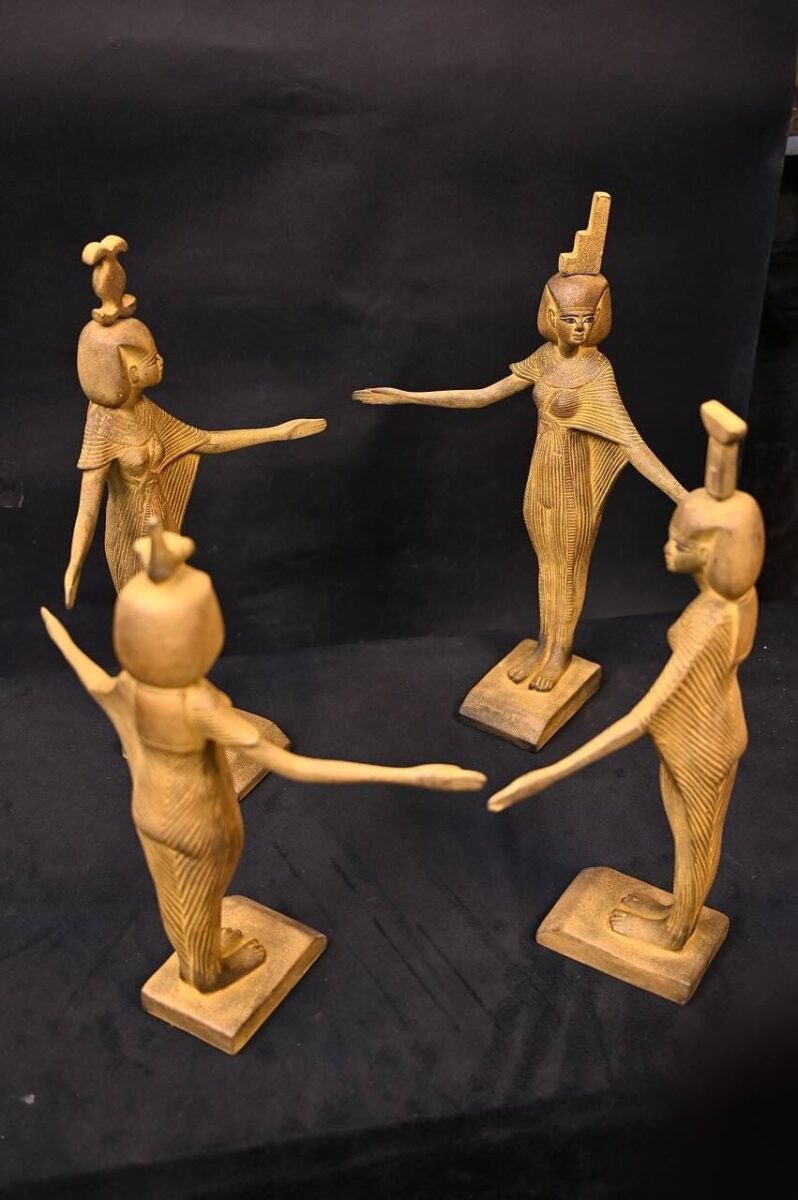
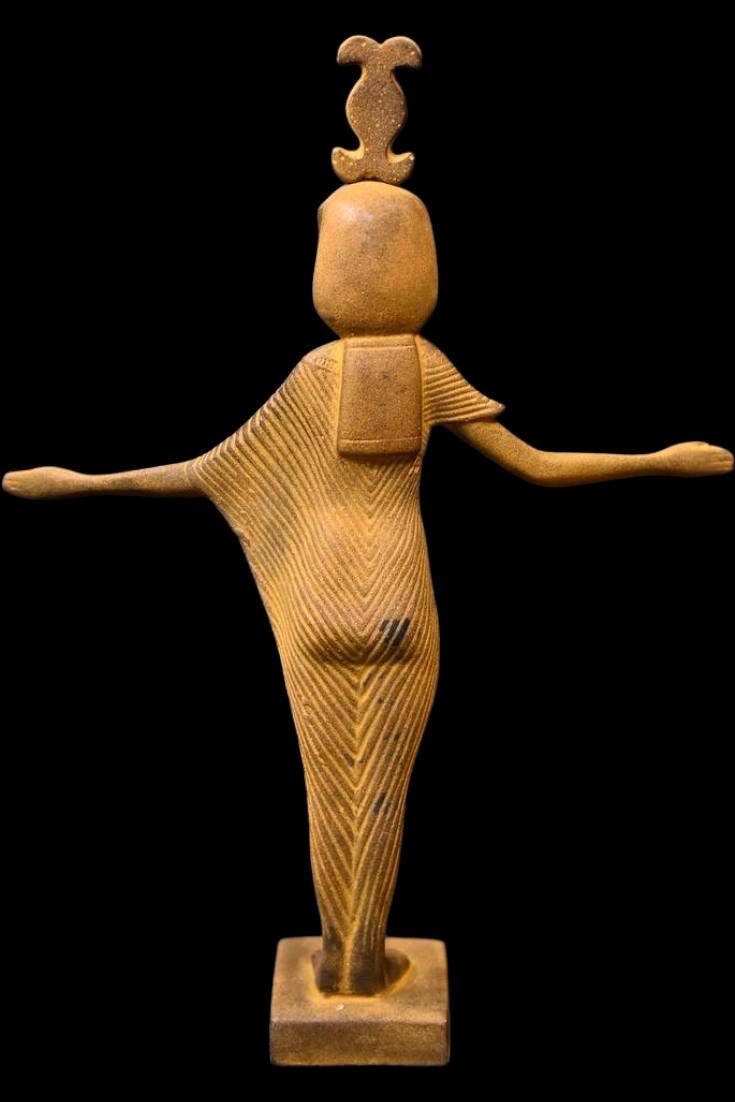
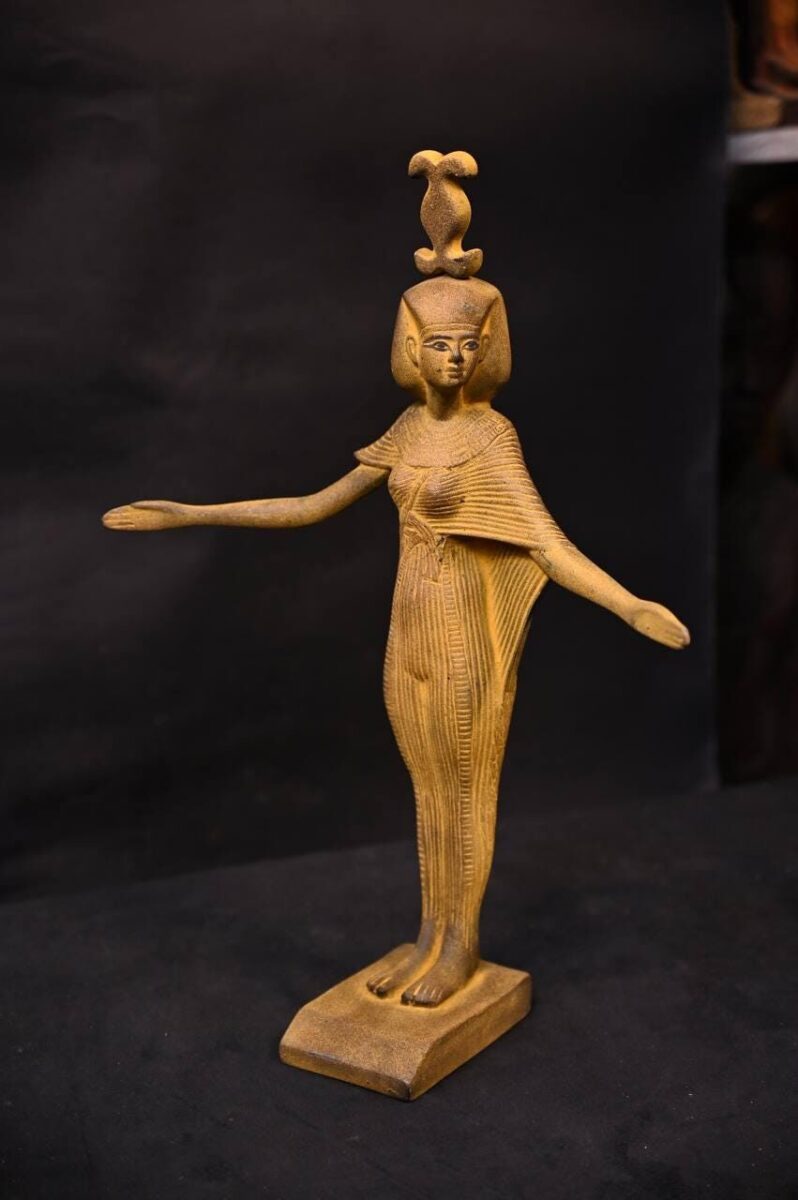
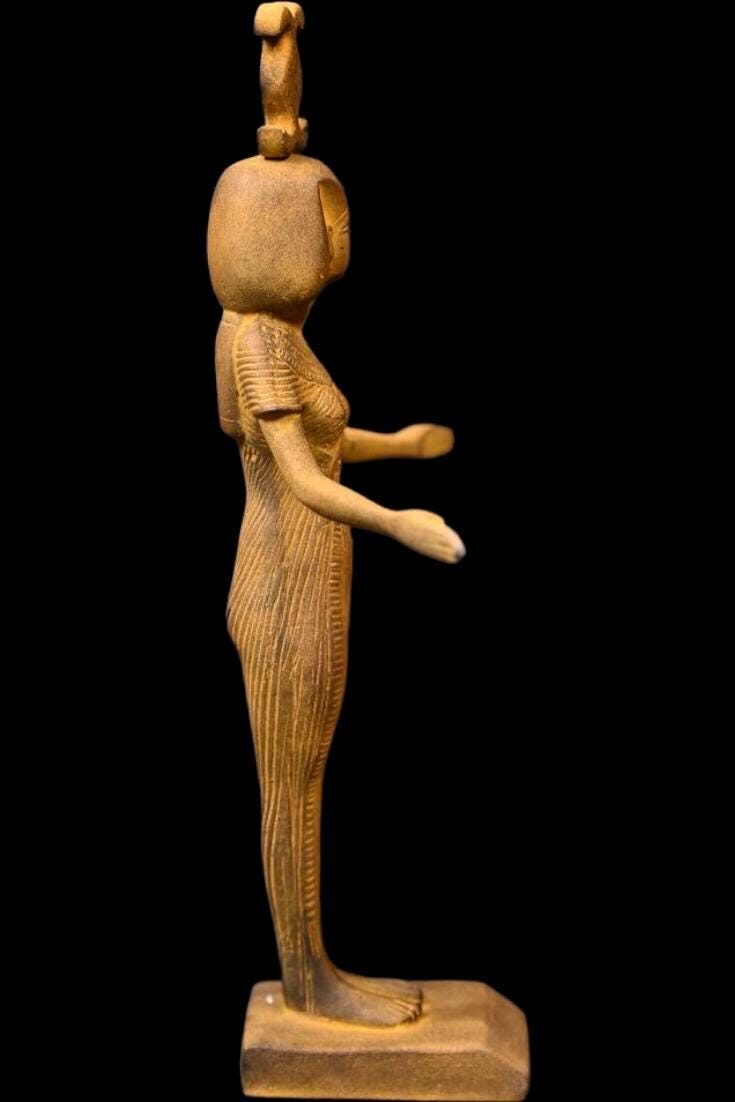
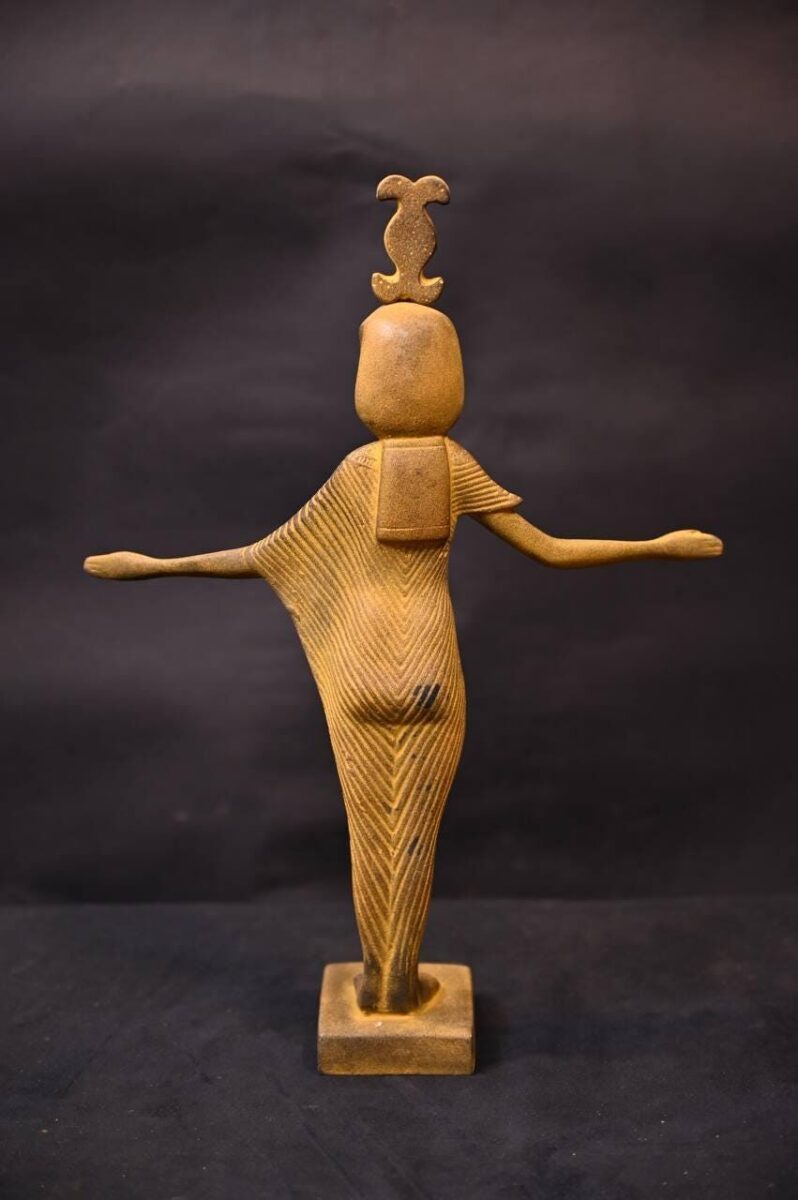
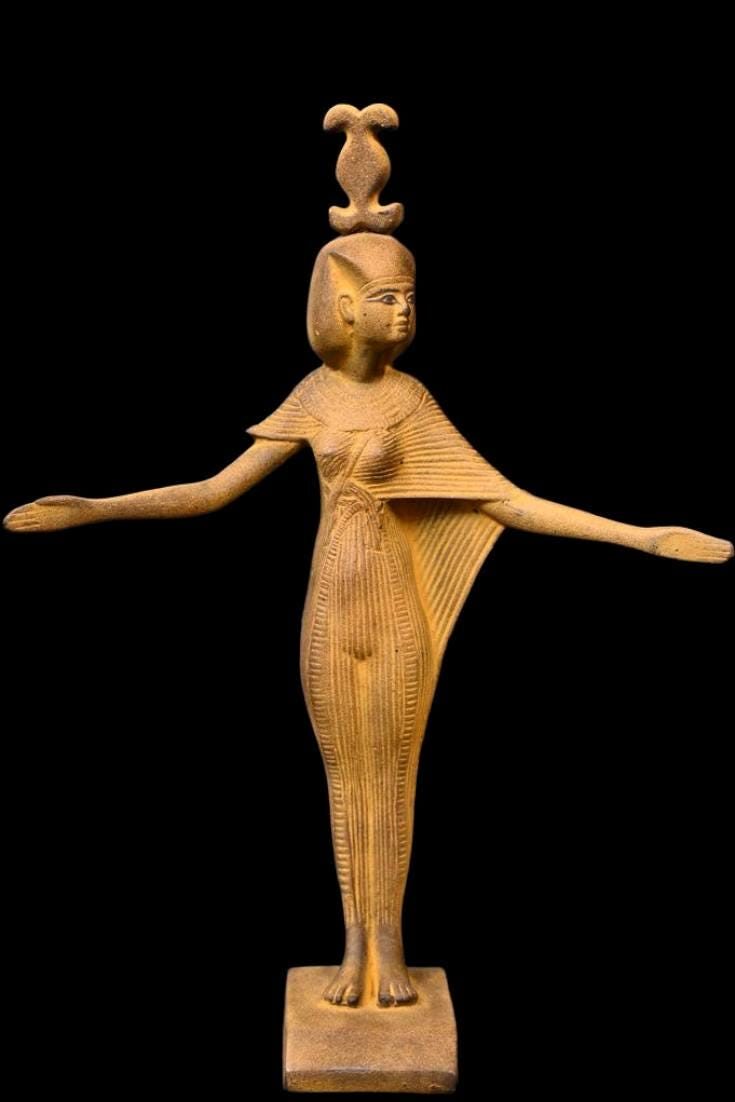
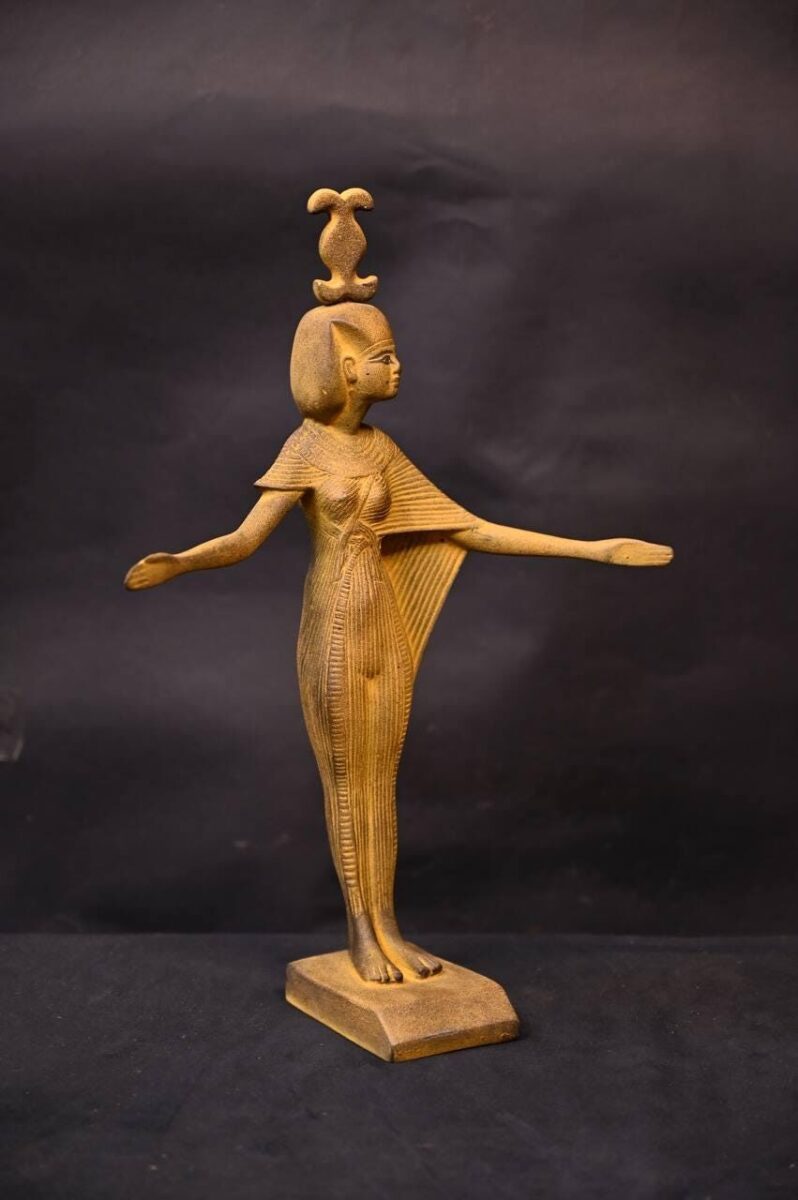
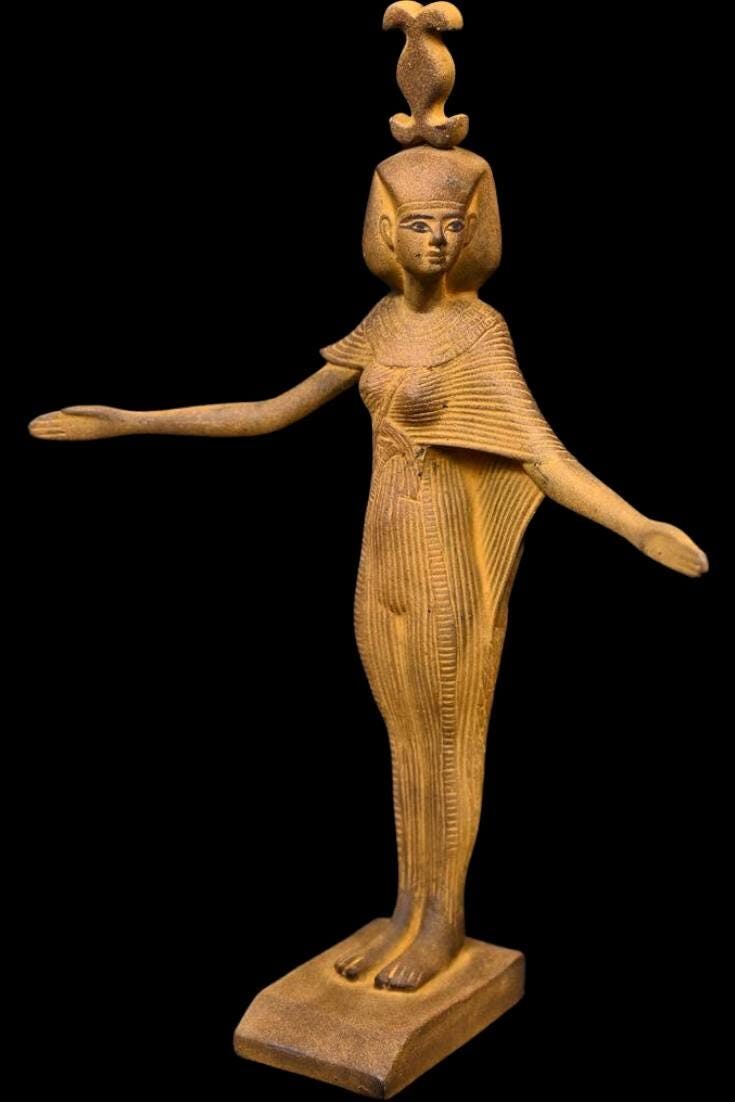
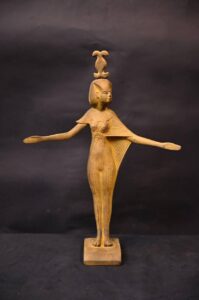
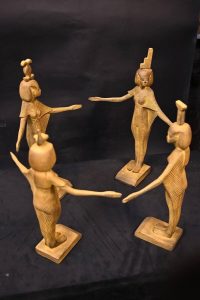
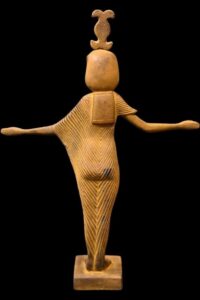
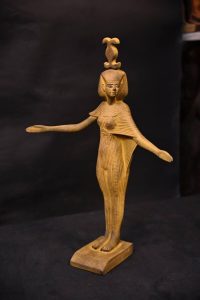
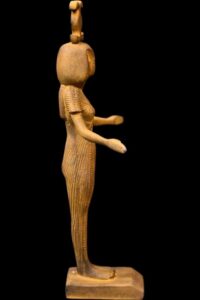
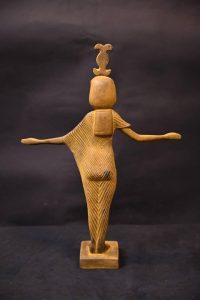
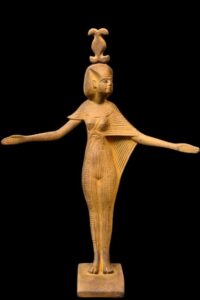
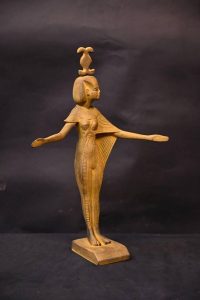
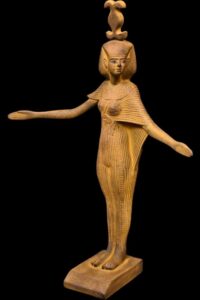
Neith Statue — a hand-painted stone museum replica of the Egyptian goddess of war, weaving, and creation.
Neith Statue — a beautiful statue for the Egyptian goddess Neith, holding her symbol above her head.
Goddess of war, weaving, and a creator goddess, this Egyptian antique is handcrafted mythology at its finest.
Title: The Virgin Mother Goddess. It symbolizes the goddess of war and weaving and a creator goddess.
Neith (also pronounced Neit) is an ancient Egyptian deity that appeared early in Egyptian history, and was the protective deity of Sao, the capital of the fifth district of Lower Egypt (present-day Saa al-Hajar).
The center of her worship was in the western Nile Delta, appearing as early as the First Dynasty era.
This Neith Statue is made of hand-painted stone. It’s a well-made museum replica.
History:
Neith was the goddess of war and hunting, as her emblem clearly indicates: two crossed arrows on a shield.
However, she is a much more complex deity than is generally known, as some ancient texts only hint at her true nature.
In her usual representation, she is always presented as a fierce goddess, a human female wearing a red crown and wielding a bow and arrow, or in other cases a spear.
In fact, the hieroglyphs of her name contain elements used by archers. With the shield symbol explained above, there are two bows (opposite), intersected by two arrows (usually attached to the bows). Her symbol has also been unified with the city of Sao.
This symbol was placed on top of her head when depicted in Egyptian art. In her form as a goddess of war, she was considered a maker of weapons for warriors and a guardian of their bodies at their death.
As a goddess, Neith usually appears carrying the Was scepter (a symbol of rule and power) and the Ankh sign (a symbol of life).
She is also called with cosmic attributes such as the “cow of the sky,” as a sky goddess similar to Nut, as well as the great flood of the Nile (the goddess Wert Mahet), and as a cow that gives birth to the sun daily.
In these forms she was associated with the creation of primordial time and the “re-creation” of everyday time.
As a protector of the royal house, she was represented in the form of the uraeus, acting in place of the unbridled wrath of the sun. Over time, she also became an embodiment of the primordial waters from which creation began in the Egyptian creation story.
She was identified with the Great Mother Goddess as creator.
As a female deity and personification of the primeval waters, Neith included some masculine elements as well, making her able to give birth (create) without the opposite sex. She is the feminine form of the god Ptah-Nun, with her feminine nature integrating with the masculine attributes symbolized by the bow and arrow.
Neith is one of the most ancient deities associated with ancient Egyptian culture.
Flinders Petrie (in his book Diospolis Parva, 1901) indicated that the earliest depiction of her was known in the pre-dynastic period, seen in a representation of a ship bearing her symbols (crossed arrows), now displayed in the Ashmolean Museum in Oxford.
The first human anthropomorphic representation of her appeared in the early dynastic period, on the diorite vessel of King Netter of the Second Dynasty, found in the pyramid of Djoser (the Third Dynasty) in Saqqara.
Her worship prevailed in the early dynastic period, appearing in approximately 40% of the personal names of members of the ruling families in this early era of Egypt’s history, especially among four women members of the royal families of the First Dynasty.
This confirms the importance of this goddess’s relationship with society at that time, with special emphasis on the royal house.
In very early periods of Egyptian history, the main pictorial representation of this goddess seems to have been limited to the characteristics of hunting and war, although there is no Egyptian mythological reference to support this basic characteristic attributed to her.
It has been suggested that Neith’s hunting and warfare characteristics may indicate that she was originally from Libya or western and southwestern Egypt, and that she was a deity of the warrior peoples there.
The main Neith cult center in the Old Kingdom was established in Sais (present-day Saa al-Hajar) by King Hor-Aha of the First Dynasty, in an attempt to attract the people of Lower Egypt to accept him as ruler of the newly unified Egypt.
Textual and iconographic evidence suggests she was somewhat an official deity of the state during the era of the Old Kingdom, with her own temples in Memphis, the capital at that time.
While Neith is generally considered a goddess of Lower Egypt, her worship reached a peak in Sais and apparently also in Memphis in the era of the Old Kingdom, remaining important, albeit to a lesser degree, in the Middle and New Kingdoms.
Her worship regained its political and religious importance during the Twenty-sixth Dynasty, when the city of Sais flourished, and was also widespread in this era in Esna in Upper Egypt.
The hieroglyphic symbol of Neith bears a resemblance to a spinning and weaving loom, coinciding with later Egyptian religion in the Roman era, when she also became a goddess of weaving.
At this time, her role as a creator merged with the goddess Athena, the deity who wove the whole world on her loom, according to Greek and Roman religion.
Every Neith Statue we craft honors this ancient and multifaceted goddess of war, creation, and weaving.
Our shop policy:
*Keep a close eye on your inbox for shipping updates and tracking information.
*Providing a valid phone number is mandatory for shipping purposes, especially for international orders from the heart of Egypt.
*If you encounter any issues or concerns regarding your order, please don’t hesitate to contact us. Rest assured, we will handle the case promptly and professionally, ensuring a satisfactory resolution.
For Personalization :-
Please provide your phone number to complete the international shipping process 📞
✅ All customs duties, taxes, and import fees are already included in the shipping price.
Your order will arrive safely at your door with no extra charges.
Note:
Please be aware that any customs duties, import taxes, or additional charges imposed by your country are the buyer’s responsibility.
Related products
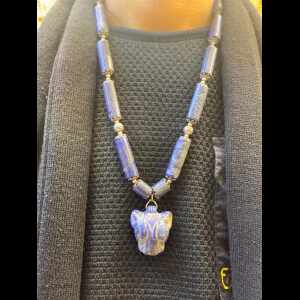
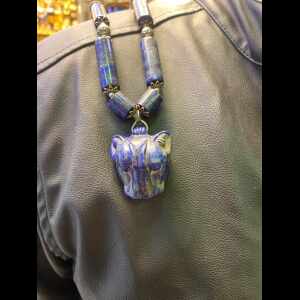
Handmade Lapis Lazuli Sekhmet Necklace: Egyptian Goddess Jewelry
Add a powerful touch of ancient Egyptian symbolism to your jewelry collection with this 150 g Lapis Sekhmet Necklace, handcrafted from natural lapis lazuli stone with elegant silver-tone metal accents. Inspired by Sekhmet, the lioness goddess of strength, protection, healing, and solar power, it is a striking choice for mythology lovers, statement-jewelry collectors, and unique cultural gifts.
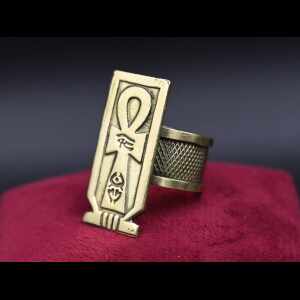
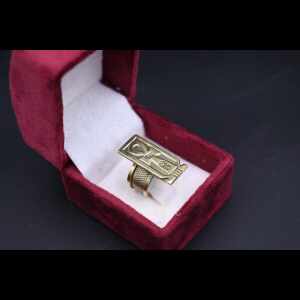
Oxidized Copper Ankh Ring: Ancient Egyptian Key of Life Symbol
Add a timeless symbol of ancient Egyptian life to your jewelry collection with this Oxidized Copper Ankh Ring, handcrafted in Egypt from oxidized copper with a unisex free-size design. Inspired by the iconic Key of Life representing life, vitality, renewal, and continuity, it is a distinctive choice for mythology lovers, copper jewelry collectors, and unique cultural gifts.
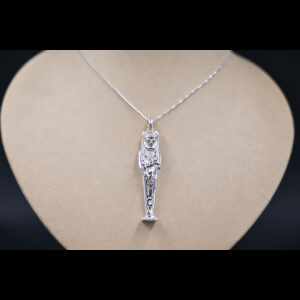
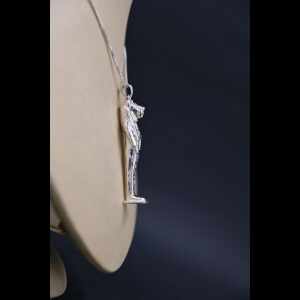
Handmade Sterling Silver Sekhmet Goddess Amulet
Add a powerful symbol of ancient Egyptian strength to your jewelry collection with this Pure Silver Sekhmet Amulet, crafted from pure silver and inspired by Sekhmet, the lioness goddess of war, protection, healing, medicine, and solar power. A distinctive choice for mythology lovers, silver jewelry collectors, Egyptology enthusiasts, and unique cultural gifts.
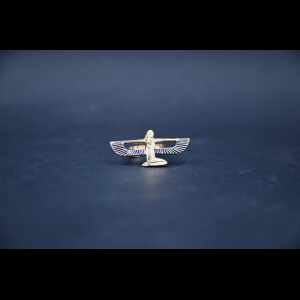
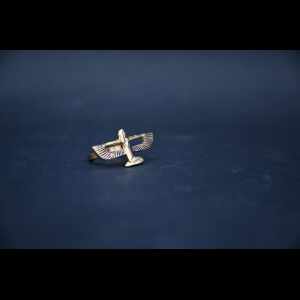
Isis ring-amazing Ring the symbol of good luck-good life-ancient Egyptian ornament-mythology
Add a meaningful symbol of ancient Egyptian protection to your jewelry collection with this Unisex Isis Egyptian Ring, handcrafted in Egypt with a flexible free-size design for women and men. Inspired by Isis, the goddess of motherhood, magic, protection, healing, and fertility, it is a distinctive choice for mythology lovers, Egyptology enthusiasts, symbolic jewelry collectors, and unique cultural gifts.
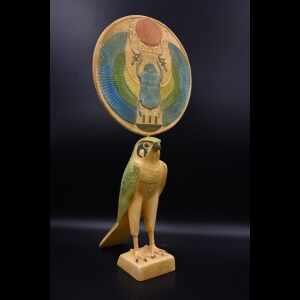
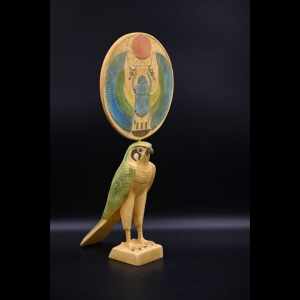
Handcrafted Limestone Horus Statue, Egyptian God of Protection (35cm)
Add a powerful symbol of ancient Egyptian kingship to your collection with this 35 cm Limestone Horus Statue, handcrafted in Egypt and featuring solar and winged scarab motifs. Inspired by Horus, the falcon god of the sky, royal authority, and protection, it is a striking choice for Egyptology collectors, Egyptian décor, mythology lovers, and museum-inspired displays.
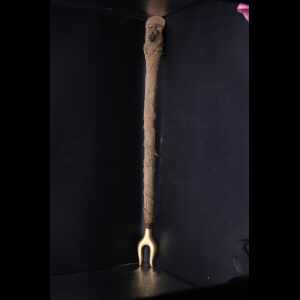
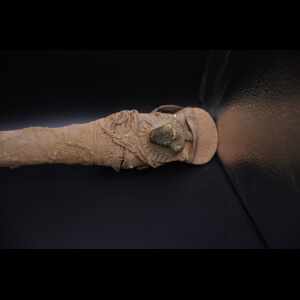
Sekhmet Scepter Was Stick, Egyptian Symbol of Strength, 50cm, Made in Egypt
Add a powerful symbol of ancient Egyptian authority to your collection with this 50 cm Sekhmet Was Scepter, handcrafted in Egypt from wood, linen, and copper. Featuring a Sekhmet-inspired design and the iconic Was symbol of dominion and power, it is a distinctive choice for Egyptology collectors, mythology lovers, Egyptian décor, and museum-inspired displays.
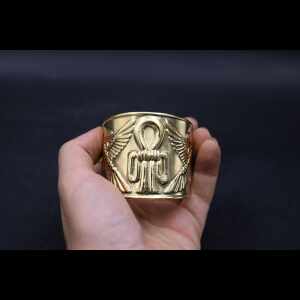
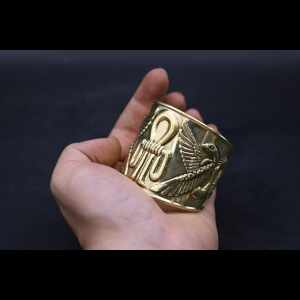
Brass Hathor Knot Bracelet: Egyptian Winged Cobra Talisman
Add a powerful touch of ancient Egyptian symbolism to your jewelry collection with this Brass Winged Cobra Egyptian Bracelet, crafted from brass and featuring an Egyptian-inspired knot centerpiece flanked by protective winged cobras. Inspired by ancient themes of guardianship and royal power, it is a distinctive choice for mythology lovers, Egyptology enthusiasts, statement-jewelry collectors, and unique cultural gifts.
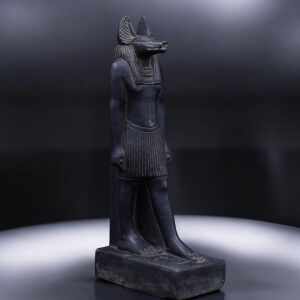
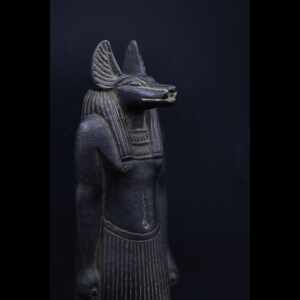
Handcrafted Basalt Stone Anubis Statue – Egyptian Mythology Decor (30cm)
Add a powerful symbol of ancient Egyptian protection to your collection with this 30 cm Basalt Anubis Statue, handcrafted in Egypt from natural basalt stone. Inspired by Anubis, the canine-headed deity of mummification, funerary protection, and care of the deceased, it is a distinctive choice for collectors, Egyptian décor, museum-inspired displays, and unique cultural gifts.


Reviews
There are no reviews yet.