
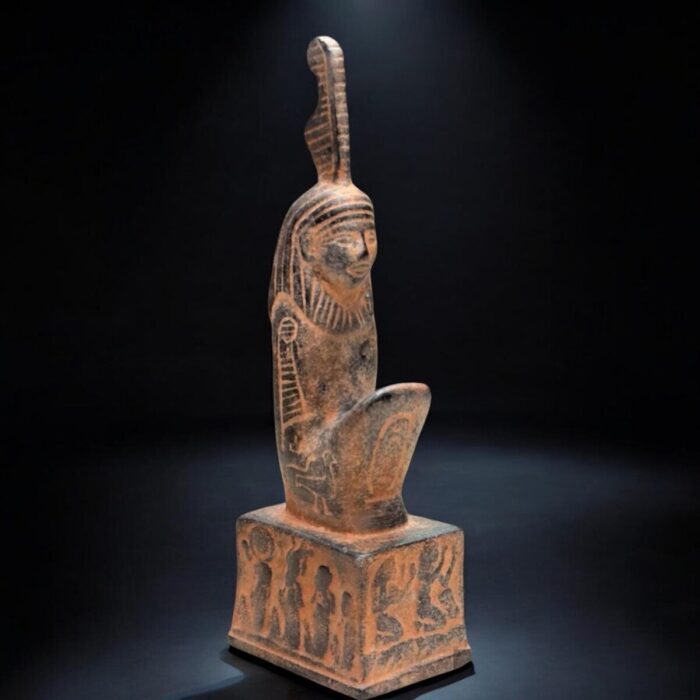
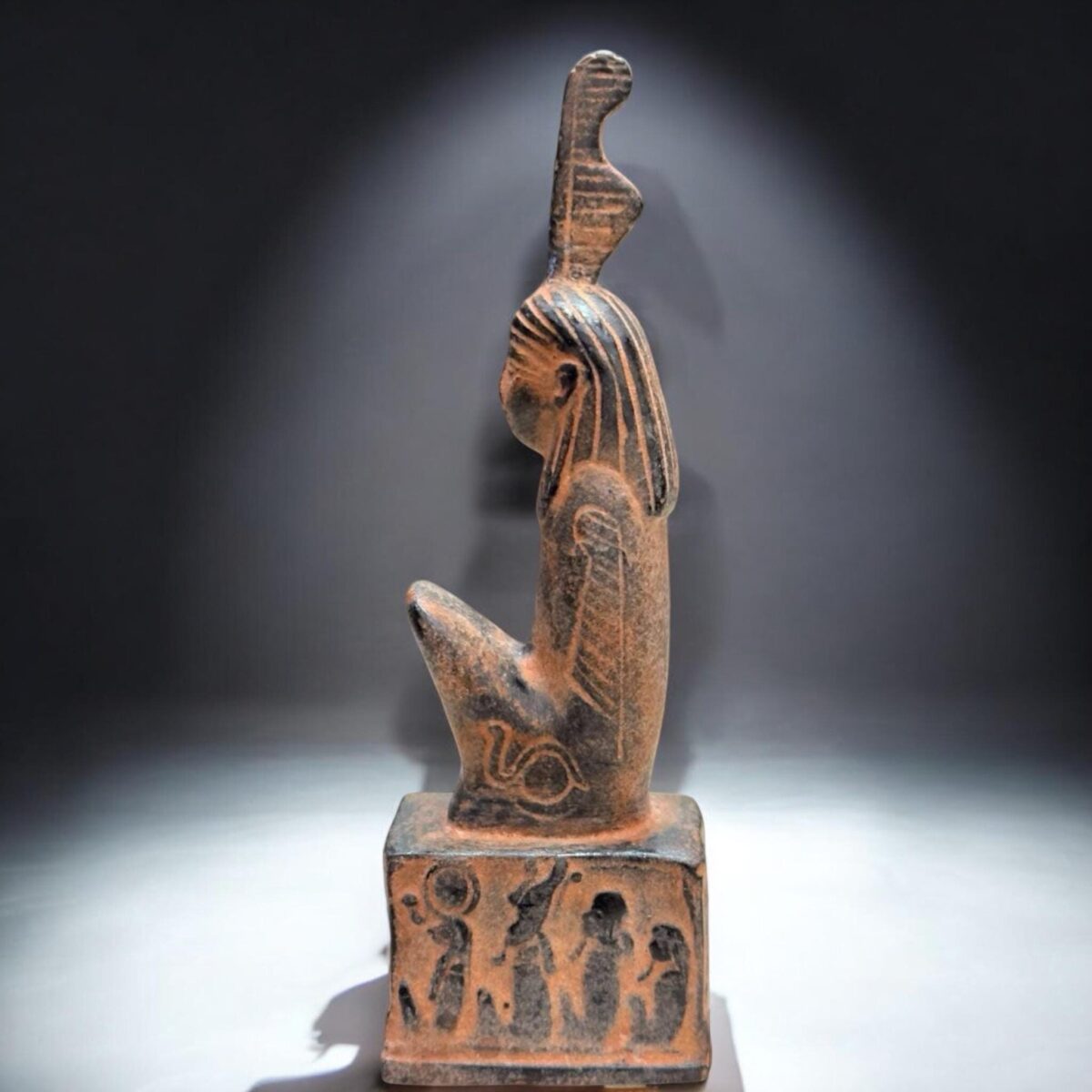
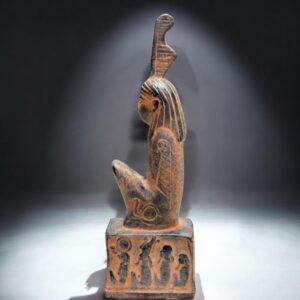
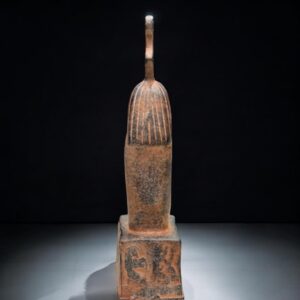
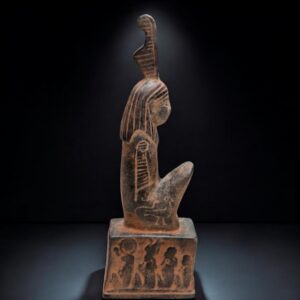
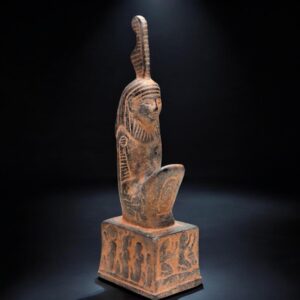
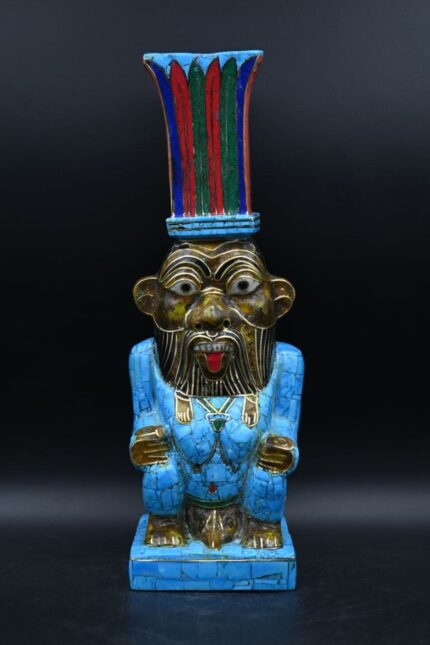
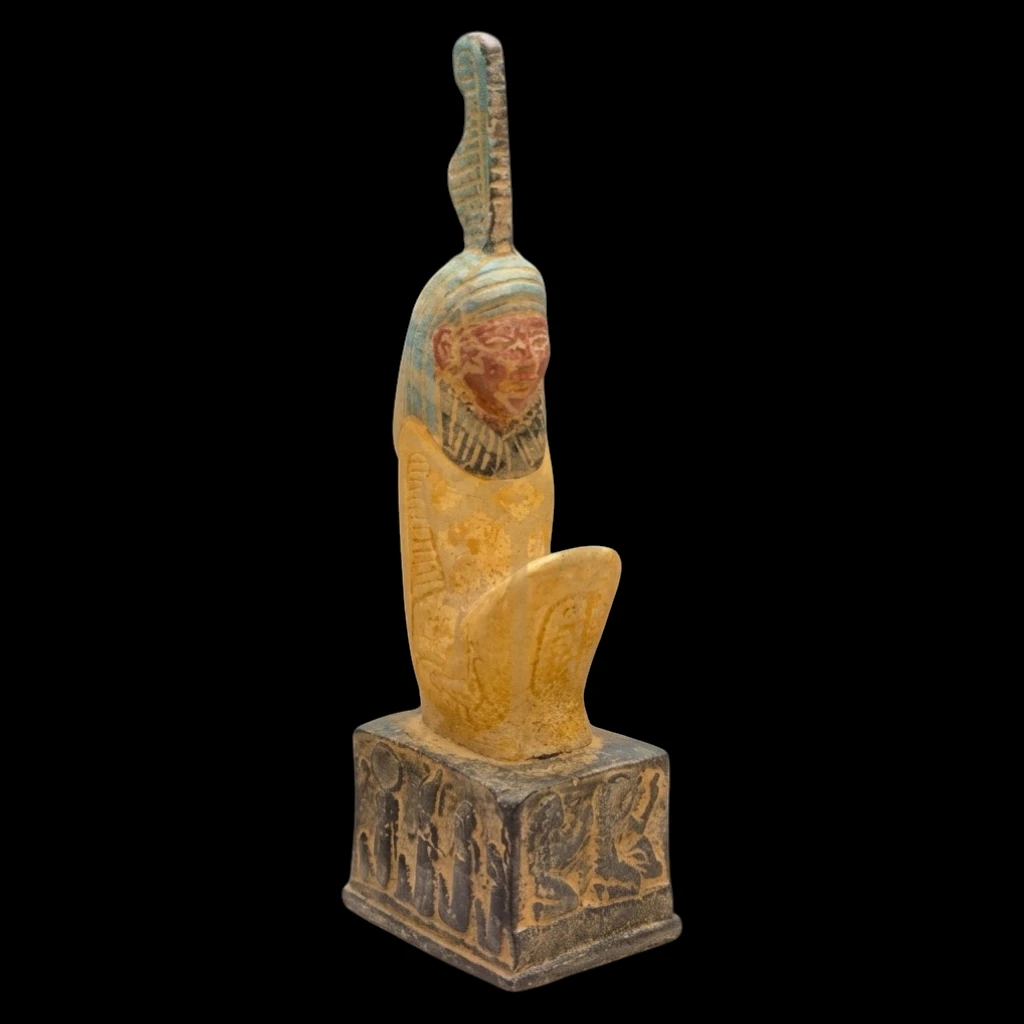
Maat Statue – Egyptian Goddess of Truth and Justice
$145.60
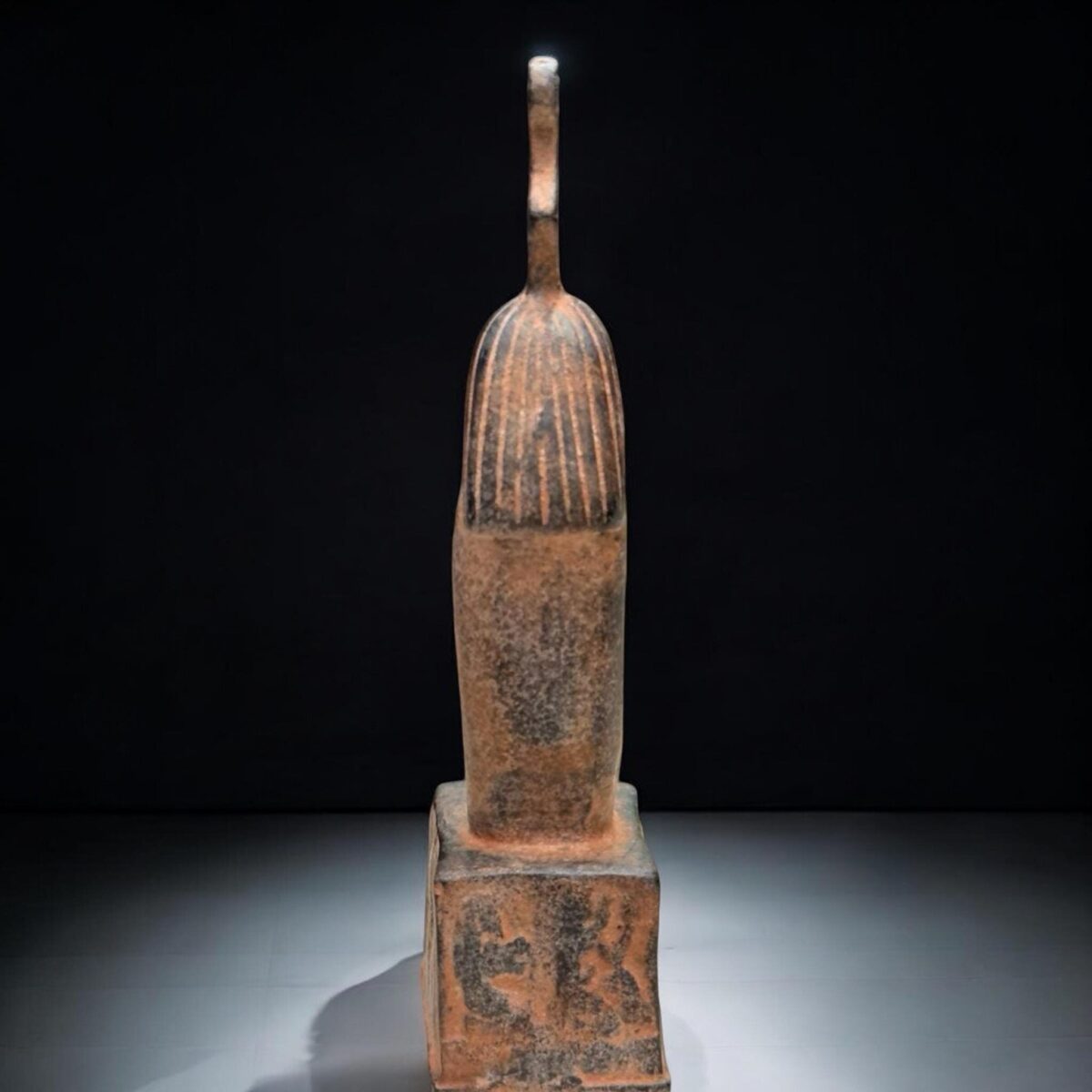
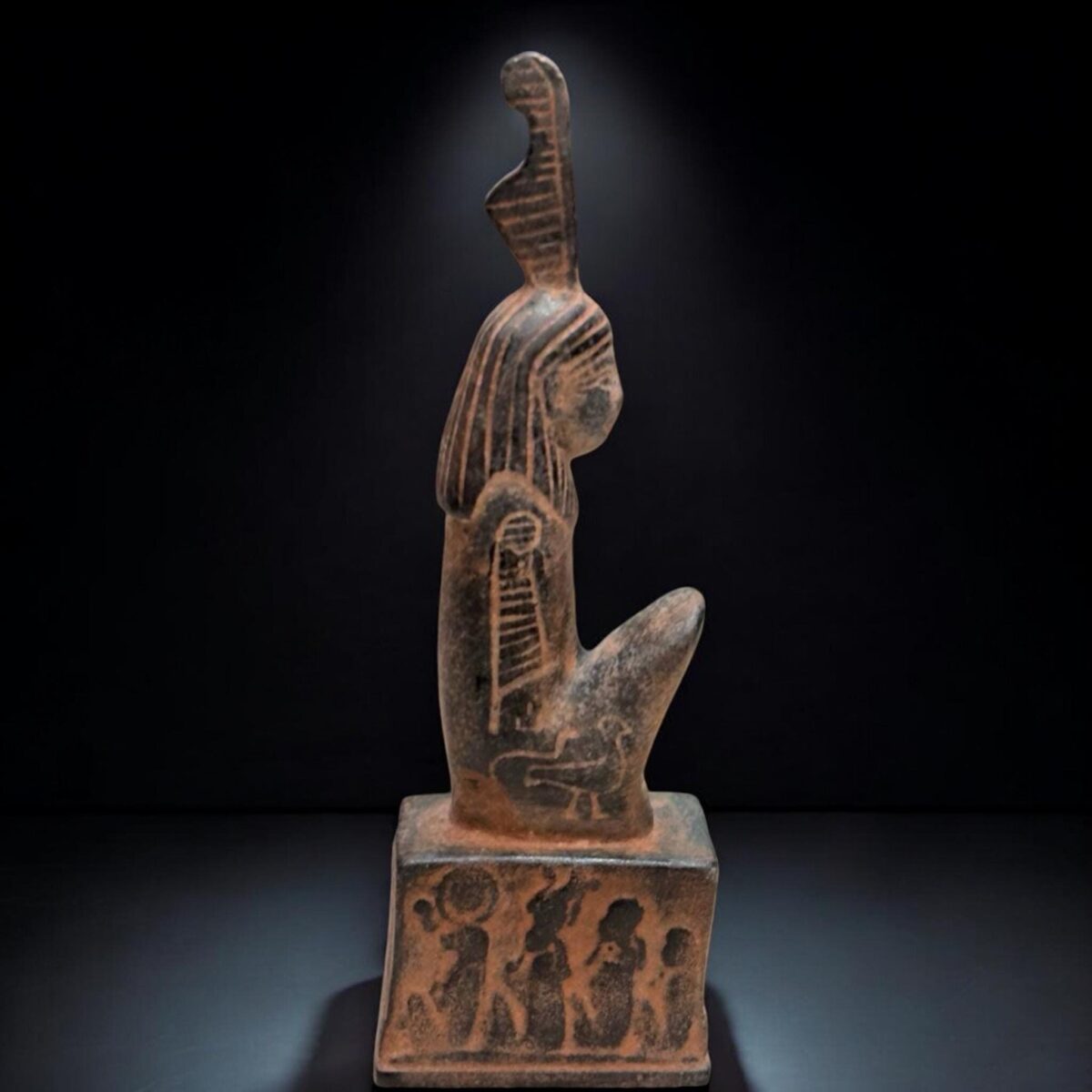
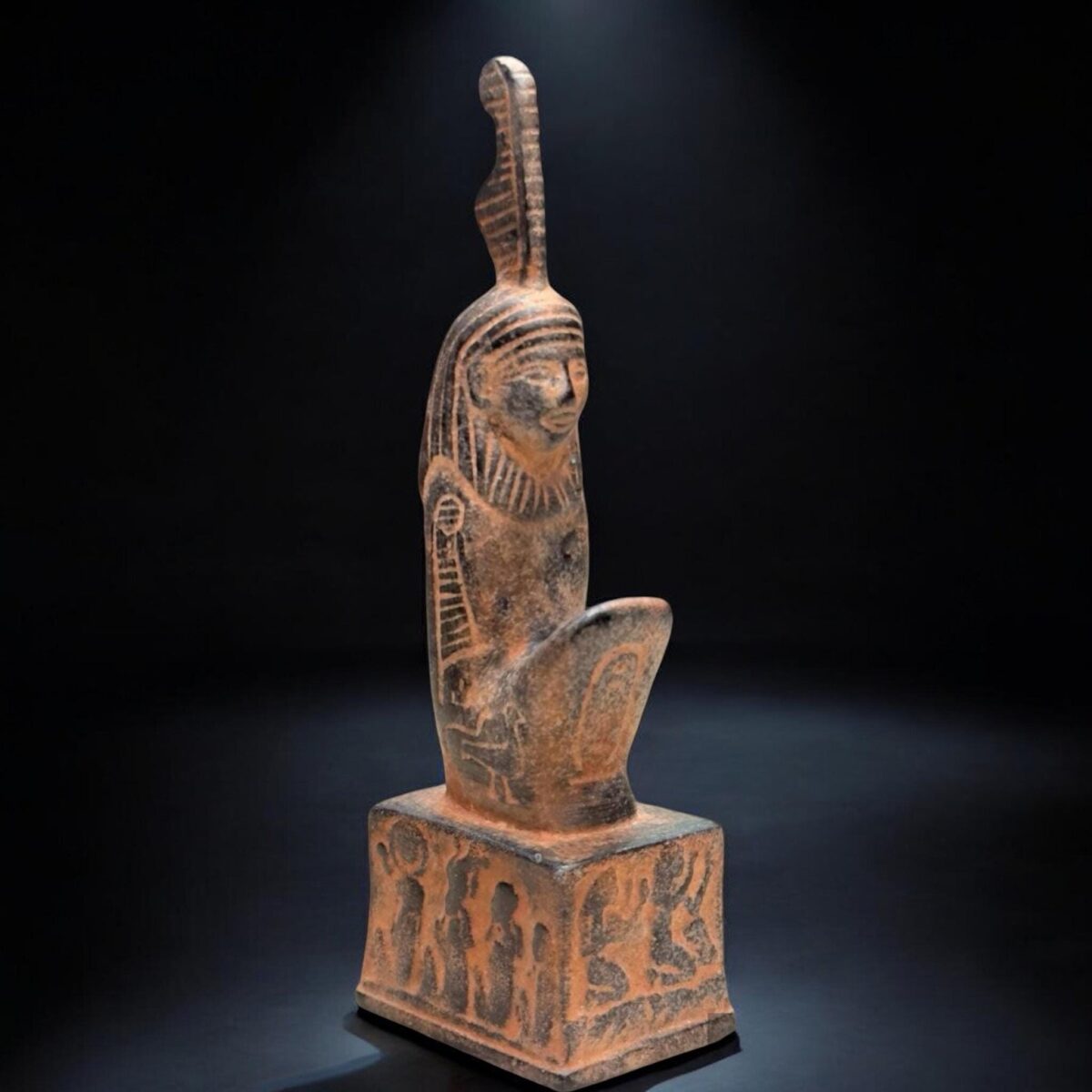
Add a meaningful symbol of ancient Egyptian heritage to your collection with this Maat Truth and Justice Statue, inspired by the goddess of truth, justice, balance, and cosmic order. A distinctive piece for Egyptian décor, history lovers, collectors, and symbolic cultural gifts.
Description of Art
Maat Truth and Justice Statue inspired by one of the most important goddesses and spiritual concepts of ancient Egypt. Maat represented truth, justice, balance, harmony, morality, and cosmic order.
This beautiful Egyptian-inspired sculpture reflects the powerful symbolism of Goddess Maat and her famous feather, which played an important role in ancient Egyptian beliefs about morality, judgment, and the afterlife.
The statue is a distinctive choice for collectors of ancient Egyptian art, history enthusiasts, archaeology lovers, and anyone fascinated by Egyptian mythology and symbolic décor.
The Maat Truth and Justice Statue can be displayed in a home, office, library, display cabinet, meditation space, museum-inspired collection, or Egyptian-themed interior.
History of Goddess Maat
Maat was one of the most important figures in ancient Egyptian religion and philosophy.
She personified the principles of truth, justice, balance, harmony, order, morality, and proper conduct. Ancient Egyptians believed that these principles were essential for maintaining stability throughout society and the universe.
Maat was therefore more than simply a goddess. She represented a fundamental idea that influenced religion, government, royal authority, morality, law, and daily life.
The pharaoh was expected to preserve Maat by governing fairly, maintaining order, honoring the gods, and protecting Egypt against chaos and disorder.
This connection between Maat and responsible leadership made her one of the most meaningful symbols of ancient Egyptian civilization.
The Feather of Maat
One of the most recognizable symbols associated with Maat is the ostrich feather.
Maat was commonly represented as a woman wearing an ostrich feather on her head. This feather became a powerful symbol of truth, justice, fairness, and moral balance.
It played a central role in ancient Egyptian funerary beliefs, particularly during the judgment of the deceased.
The Maat Truth and Justice Statue reflects this famous symbolism and can represent honesty, integrity, fairness, wisdom, and responsibility.
Maat and the Weighing of the Heart
One of the best-known scenes in ancient Egyptian religion is the Weighing of the Heart.
Ancient Egyptian funerary texts describe how the heart of the deceased was weighed against the feather of Maat.
The heart was considered an important center of personality, memory, intention, and moral conduct.
During the judgment scene, the god Anubis was commonly shown supervising the scales, while Thoth, the god associated with wisdom and writing, recorded the result.
If the deceased had lived according to the principles of Maat, they could continue toward a blessed existence in the afterlife.
If the heart failed the judgment, it could be consumed by Ammit, a supernatural creature traditionally depicted with features of a crocodile, lion, and hippopotamus.
This scene made Maat’s feather one of the strongest symbols of justice and accountability in ancient Egyptian culture.
Maat in the Book of the Dead
Maat also played an important role in the ancient Egyptian Book of the Dead.
The Book of the Dead contained funerary spells and instructions intended to help the deceased successfully navigate the afterlife.
One of the most famous surviving examples is the Papyrus of Hunefer, which contains a detailed representation of the Weighing of the Heart.
In this scene, Hunefer’s heart is weighed against the feather representing Maat. Anubis attends the balance while Thoth records the outcome.
The scene demonstrates the importance ancient Egyptians placed on moral behavior, truth, justice, and proper conduct during life.
The Negative Confession
Ancient Egyptian funerary traditions also included declarations commonly known as the Negative Confession.
The deceased would declare that they had not committed various immoral or harmful acts during life.
These declarations reflected many of the principles represented by Maat, including honesty, fairness, respect for others, responsibility, and good conduct.
The concept demonstrates how deeply Maat influenced ancient Egyptian ideas about personal morality and accountability.
For ancient Egyptians, living according to Maat meant living a life that contributed to harmony rather than disorder.
Maat and Ancient Egyptian Justice
The principles of Maat were important not only in funerary beliefs but also in everyday life.
They influenced royal authority, social relationships, legal concepts, religious ceremonies, and personal behavior.
Egyptian rulers were expected to uphold Maat by protecting the country, administering justice, maintaining stability, and preserving proper relationships between society and the gods.
The opposite of Maat was associated with chaos, injustice, disorder, and imbalance.
For this reason, maintaining Maat was believed to be necessary for the continued wellbeing of Egypt and the universe.
The Maat Truth and Justice Statue therefore carries powerful symbolism connected with justice, responsibility, balance, and truth.
Symbolism of the Maat Statue
A representation of Goddess Maat can symbolize many important qualities, including:
- Truth
- Justice
- Balance
- Harmony
- Integrity
- Fairness
- Wisdom
- Moral responsibility
- Cosmic order
- Ancient Egyptian spirituality
These meanings make the Maat Truth and Justice Statue a distinctive piece for people who appreciate symbolic art as well as Egyptian history.
Maat Truth and Justice Statue for Collectors
This Maat Truth and Justice Statue is a wonderful choice for:
- Ancient Egyptian art collectors
- Egyptian mythology enthusiasts
- History and archaeology lovers
- Egyptian-themed home décor
- Office and library decoration
- Museum-inspired collections
- Symbolic and spiritual décor
- Historical sculpture displays
- Unique Egyptian gifts
- Ancient Egyptian replica collections
Whether displayed as a standalone centerpiece or alongside statues of Anubis, Osiris, Isis, Horus, Bastet, Thoth, or other ancient Egyptian deities, this sculpture can become a meaningful addition to an Egyptian collection.
Customer Service
For more details or if you would like a live photo of the product before purchasing, please contact us through Etsy.
We are happy to answer your questions and provide additional information about the item.
Please provide a reachable phone number and email address when required so the shipping company can contact you during the delivery process.
Shipping
All products are carefully packaged to help protect each piece against scratches, breakage, and other damage during transportation.
Orders may be shipped using DHL or another trusted international shipping provider depending on the destination and available service.
Please keep a close eye on your inbox for shipping updates and tracking information.
International Shipping
Please provide your phone number to complete the international shipping process.
Your Maat Truth and Justice Statue will be carefully prepared and securely packed before shipment.
Important Note: Your original text contains two conflicting customs statements. One says customs duties, taxes, and import fees are included in the shipping price, while another says these charges are the buyer’s responsibility. Keep only the statement that matches your actual shop policy before publishing.
Related products
Handmade Lapis Lazuli Sekhmet Necklace: Egyptian Goddess Jewelry
Add a powerful touch of ancient Egyptian symbolism to your jewelry collection with this 150 g Lapis Sekhmet Necklace, handcrafted from natural lapis lazuli stone with elegant silver-tone metal accents. Inspired by Sekhmet, the lioness goddess of strength, protection, healing, and solar power, it is a striking choice for mythology lovers, statement-jewelry collectors, and unique cultural gifts.
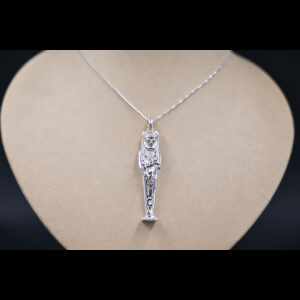
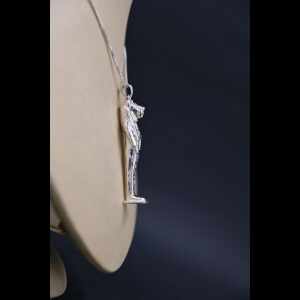
Handmade Sterling Silver Sekhmet Goddess Amulet
Add a powerful symbol of ancient Egyptian strength to your jewelry collection with this Pure Silver Sekhmet Amulet, crafted from pure silver and inspired by Sekhmet, the lioness goddess of war, protection, healing, medicine, and solar power. A distinctive choice for mythology lovers, silver jewelry collectors, Egyptology enthusiasts, and unique cultural gifts.
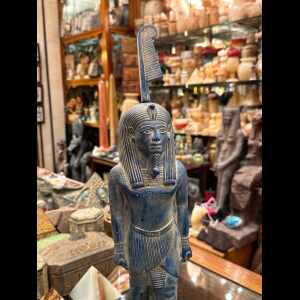
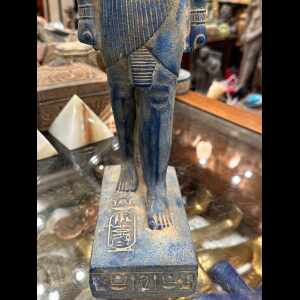
Handmade Blue Stone Statue: Egyptian God Shu, God of Air (35 cm)
Add a distinctive symbol of ancient Egyptian creation mythology to your collection with this Blue Stone Shu God Statue, handmade in Egypt and measuring 35 × 7 × 9 cm. Inspired by Shu, the god of air and atmosphere who separated the sky goddess Nut from the earth god Geb, it is ideal for collectors, Egyptian décor, mythology lovers, and unique cultural gifts.
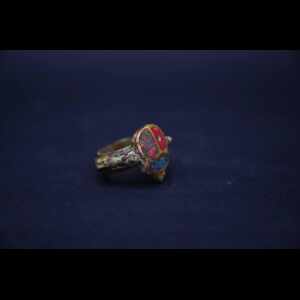
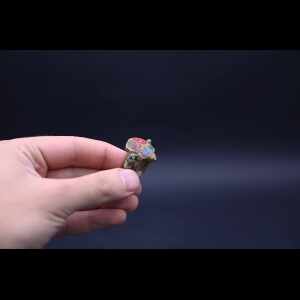
Scarab ring-amazing Ring the symbol of good luck-good life-ancient Egyptian ornament-mythology
Add a meaningful symbol of ancient Egyptian renewal to your jewelry collection with this Unisex Egyptian Scarab Ring, handcrafted in Egypt with a flexible free-size design for women and men. Inspired by the scarab’s ancient associations with rebirth, transformation, solar regeneration, and protection, it is a distinctive choice for mythology lovers, Egyptology enthusiasts, and unique cultural gifts.
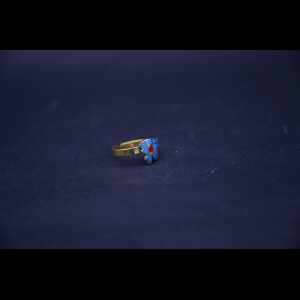
Egyptian Eye of Horus Ring: Ancient Symbol, Handmade in Egypt
Add a powerful symbol of ancient Egyptian kingship to your jewelry collection with this Unisex Horus Pharaonic Ring, handcrafted in Egypt with a flexible free-size design for women and men. Inspired by Horus, the falcon god of the sky, royal authority, and protection, it is a distinctive choice for mythology lovers, Egyptology enthusiasts, symbolic jewelry collectors, and unique cultural gifts.
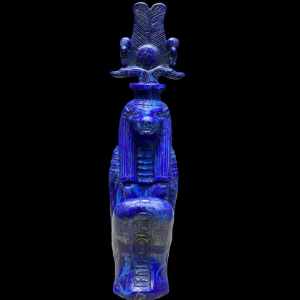
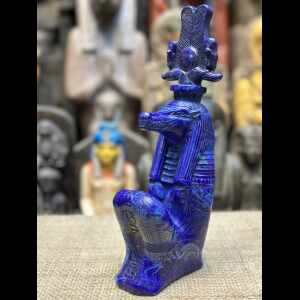
Handcrafted Lapis Lazuli Sobek Statue – Egyptian Crocodile God Art (33 cm)
Add a powerful symbol of ancient Egyptian strength to your collection with this 33 cm Lapis Lazuli Sobek Statue, handcrafted in Egypt and inspired by Sobek, the crocodile god associated with the Nile, fertility, protection, strength, and royal power. Measuring 33 × 7 × 10 cm, it is a striking choice for collectors, Egyptian décor, mythology lovers, and unique cultural gifts.
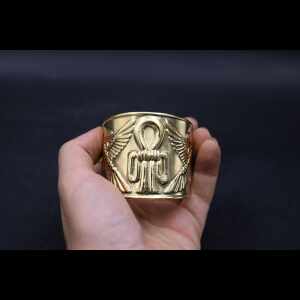
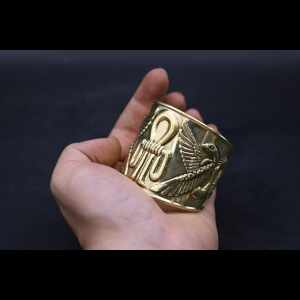
Brass Hathor Knot Bracelet: Egyptian Winged Cobra Talisman
Add a powerful touch of ancient Egyptian symbolism to your jewelry collection with this Brass Winged Cobra Egyptian Bracelet, crafted from brass and featuring an Egyptian-inspired knot centerpiece flanked by protective winged cobras. Inspired by ancient themes of guardianship and royal power, it is a distinctive choice for mythology lovers, Egyptology enthusiasts, statement-jewelry collectors, and unique cultural gifts.
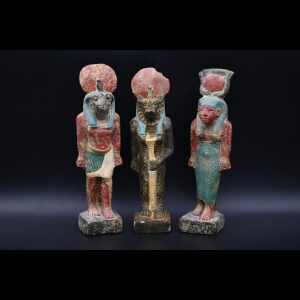
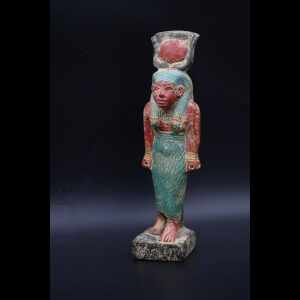
Handcrafted Hathor, Sekhmet, & Horus Statues: Egyptian Deities (20 cm)
Add a distinctive collection of ancient Egyptian symbolism to your space with this Hathor Sekhmet Horus Statue Set, featuring three 20 cm handcrafted statues made from colored natural stone. Representing love and motherhood, strength and healing, and kingship and protection, this set is ideal for collectors, Egyptian décor, mythology lovers, and unique cultural gifts.


Reviews
There are no reviews yet.