
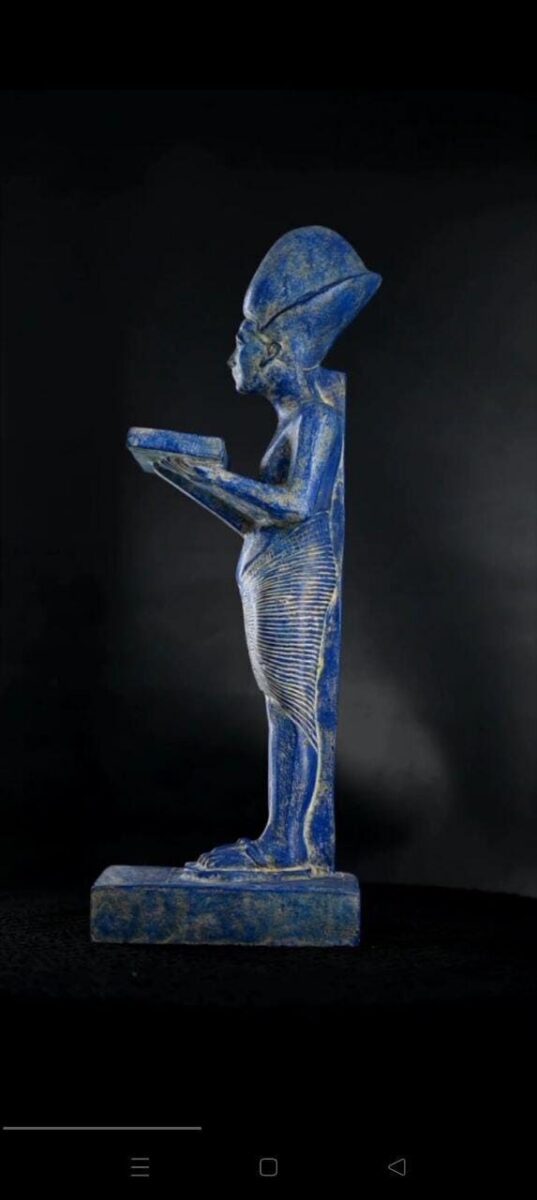
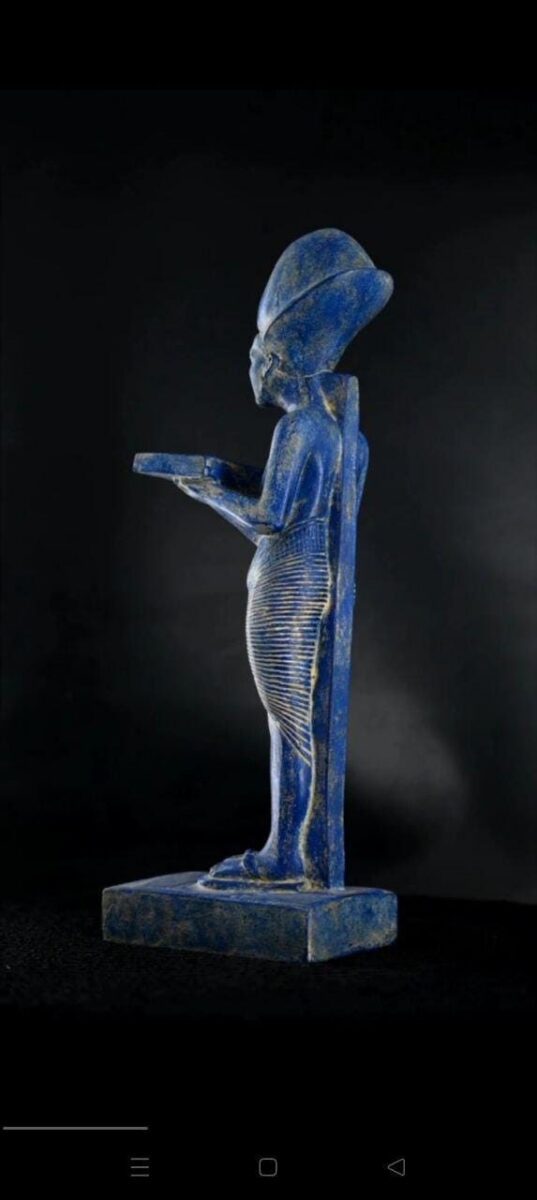
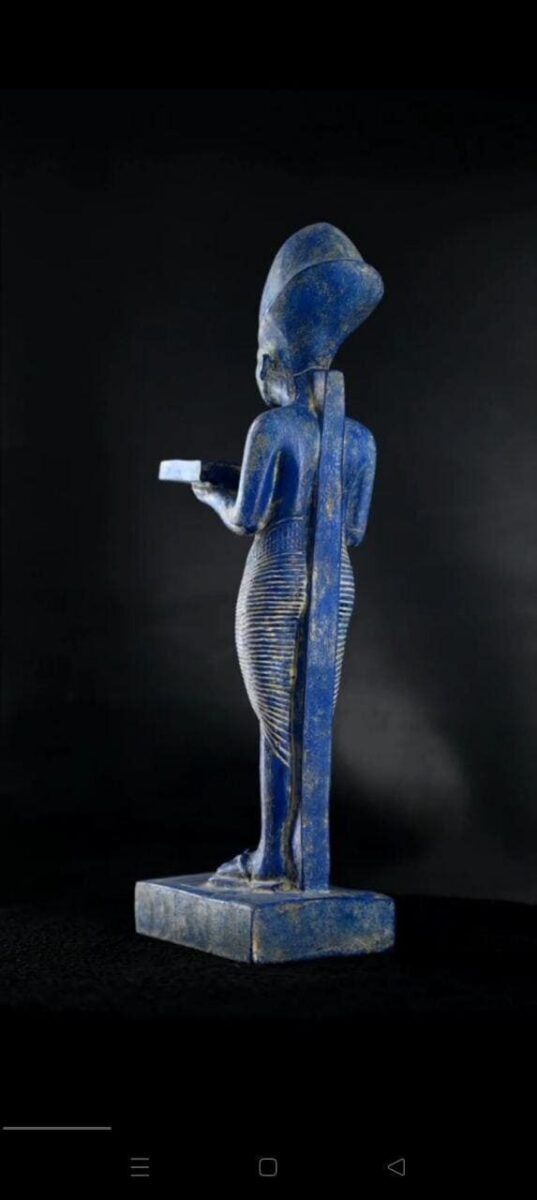
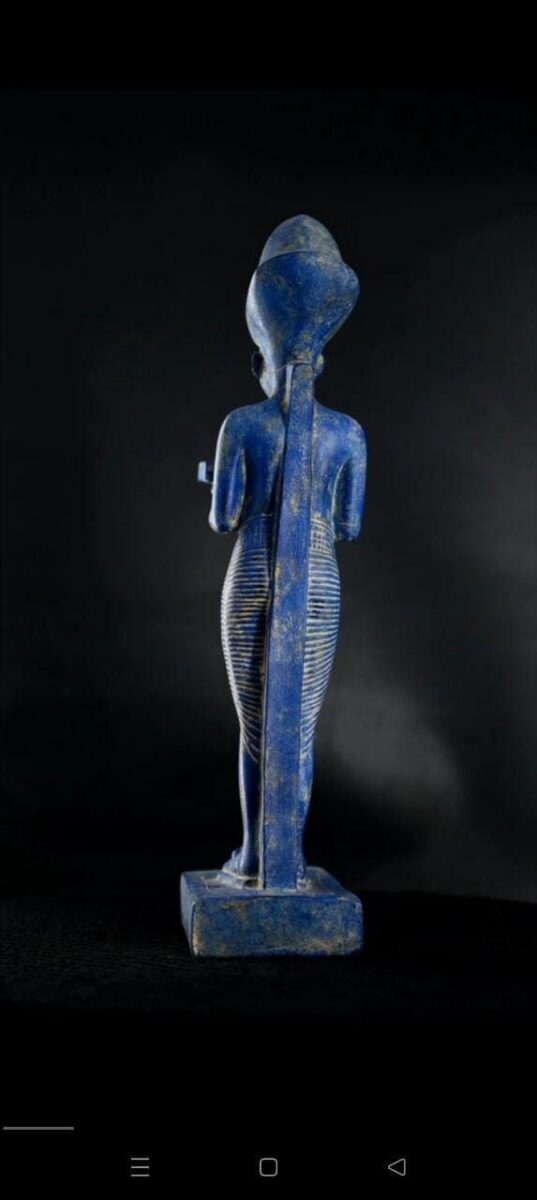
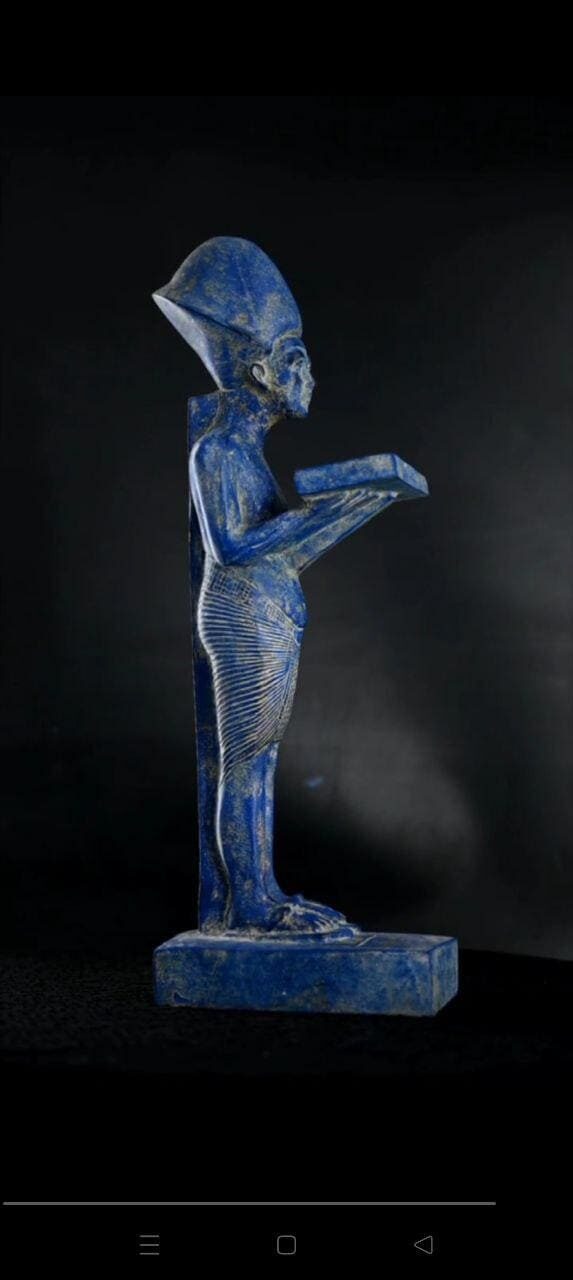
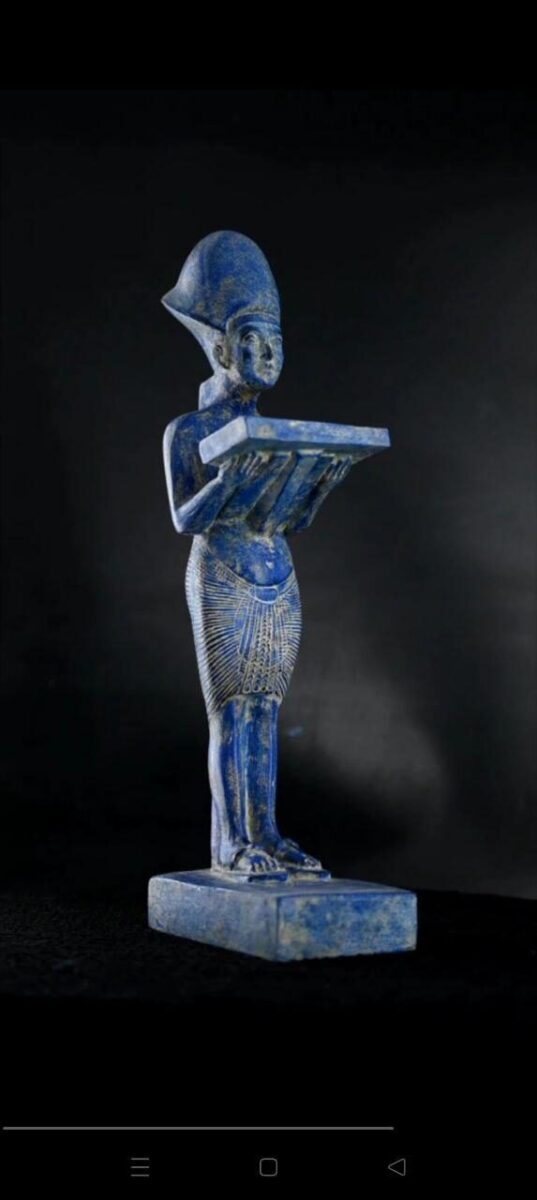
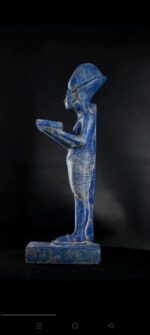
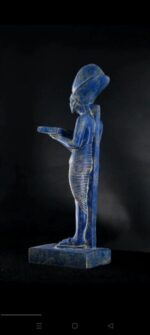
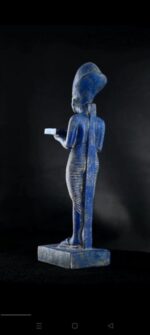
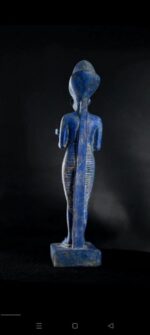
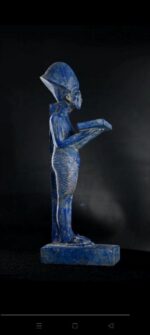
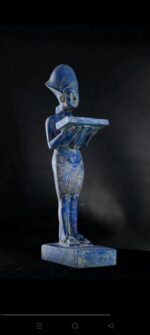
Akhenaten Statue: Egyptian King Stone Replica
$266.50
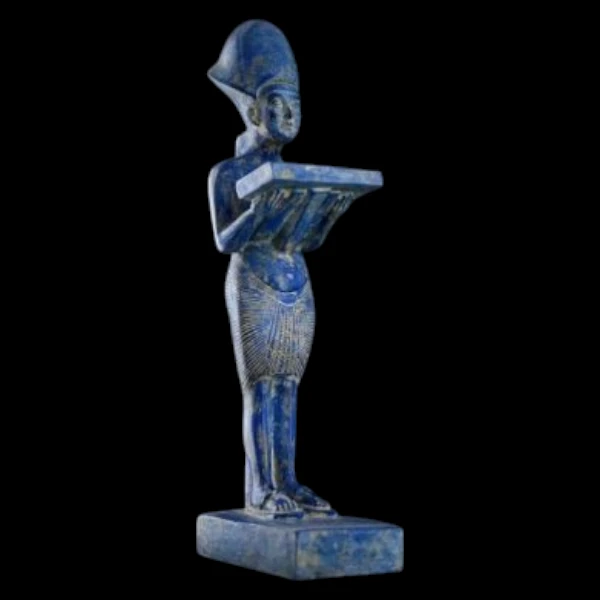
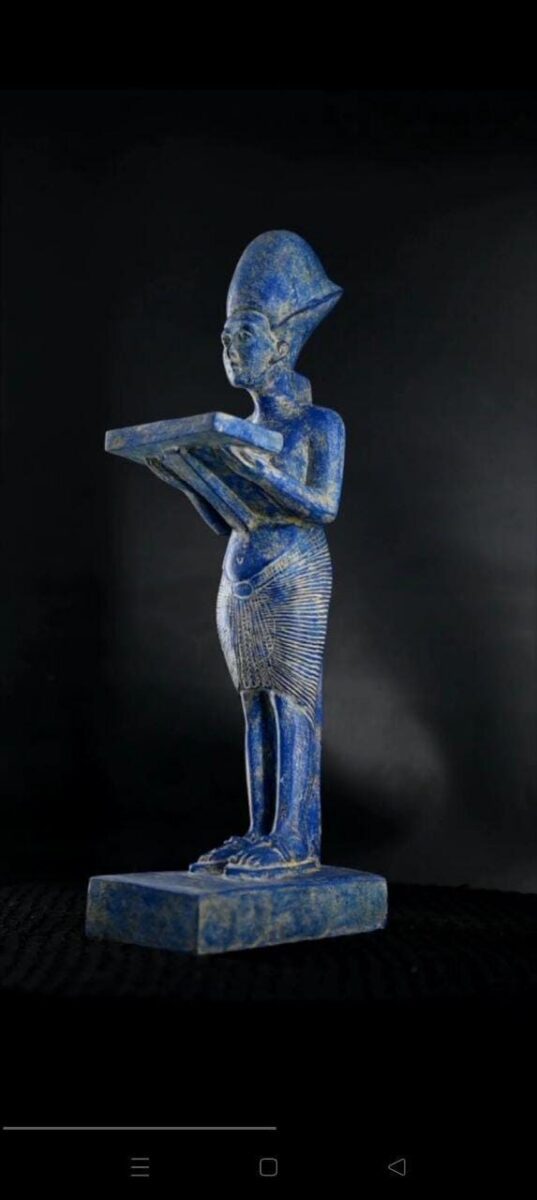
Add a distinctive piece of ancient Egyptian history to your collection with this King Akhenaten Stone Statue, handcrafted in Egypt from stone and inspired by the famous 18th Dynasty pharaoh and the unique art of the Amarna Period. A striking choice for collectors, history lovers, Egyptian décor, and cultural gifts.
King Akhenaten Stone Statue – Egyptian Pharaoh Replica
Description of Art
King Akhenaten Stone Statue handcrafted by skilled Egyptian artisans and inspired by one of the most fascinating and revolutionary rulers of ancient Egypt.
Made of stone, this decorative replica reflects the distinctive artistic character associated with Pharaoh Akhenaten and the famous Amarna Period.
Akhenaten was a pharaoh of Egypt’s 18th Dynasty and the husband of Queen Nefertiti. His reign became famous for major religious and artistic changes centered on the worship of the Aten, represented as the solar disk.
This King Akhenaten Stone Statue is handcrafted in Egypt and makes a distinctive piece for collectors, archaeology enthusiasts, Egyptian history lovers, and admirers of Pharaonic art.
Made in Egypt.
History of Pharaoh Akhenaten
Akhenaten was originally known as Amenhotep IV and ruled during Egypt’s New Kingdom as a king of the 18th Dynasty.
He was the son of Pharaoh Amenhotep III and Queen Tiye and became one of the most discussed rulers in Egyptian history because of the dramatic religious and cultural changes that occurred during his reign.
During the course of his reign, Amenhotep IV changed his name to Akhenaten and increasingly focused royal worship on the Aten, represented by the sun disk.
His reign is generally dated to approximately 1353–1336 BC.
Akhenaten and Queen Nefertiti
Queen Nefertiti was the principal wife of Akhenaten and one of the most recognizable royal women of ancient Egypt.
Ancient reliefs and sculptures frequently portray Akhenaten and Nefertiti together participating in religious ceremonies and making offerings to the Aten.
Unlike many earlier Egyptian royal representations, Amarna art also depicted intimate scenes of the royal family.
Akhenaten and Nefertiti are shown with their daughters beneath the rays of the Aten, creating some of the most distinctive royal imagery surviving from ancient Egypt.
These remarkable representations make the royal couple among the most recognizable figures of the Amarna Period.
The Religious Revolution of Akhenaten
Akhenaten is best known for dramatically changing Egyptian religious practice.
Traditional Egyptian religion included many gods and goddesses, including Amun, Ra, Osiris, Isis, Hathor, and numerous other deities.
During Akhenaten’s reign, royal religious activity became increasingly centered on the Aten, the solar disk.
The Egyptian Museum describes Amenhotep IV/Akhenaten as replacing the old religious system with the worship of the sun disk and moving the royal capital away from Thebes.
Because of these changes, Akhenaten remains one of the most unusual and controversial pharaohs in Egyptian history.
Akhetaten – The New Capital
Akhenaten established a new royal city called Akhetaten, meaning approximately “Horizon of the Aten.”
The site is known today as Tell el-Amarna or simply Amarna.
The new city became the center of the royal court and the religious worship of the Aten.
Archaeological remains from Amarna include temples, palaces, houses, workshops, tombs, sculptures, and reliefs that provide important information about life during Akhenaten’s reign.
The Metropolitan Museum records numerous works from Akhetaten dating to the reign of Akhenaten, approximately 1353–1336 BC.
The Distinctive Art of the Amarna Period
One of the most fascinating aspects of Akhenaten’s reign was the development of a distinctive artistic style.
Royal figures were portrayed differently from the idealized conventions familiar from many earlier periods of Egyptian art.
Akhenaten could be depicted with an elongated face, prominent lips, narrow shoulders, a rounded abdomen, and an elongated body.
Nefertiti and other members of the royal family were also portrayed according to this recognizable Amarna artistic vocabulary.
Surviving sculptures and reliefs from the period demonstrate how distinctive these royal representations became.
The King Akhenaten Stone Statue draws inspiration from this remarkable period of ancient Egyptian sculpture.
Akhenaten and the Aten
The Aten was represented primarily as a solar disk whose rays extended downward toward the royal family.
In Amarna art, some rays terminate in hands, occasionally presenting the ankh, the ancient Egyptian symbol of life, to Akhenaten or Nefertiti.
These scenes emphasized the special religious relationship between the Aten and the royal family.
A surviving Metropolitan Museum relief shows the Aten interacting with the royal couple, demonstrating the central position of solar imagery in Amarna religious art.
Akhenaten’s Legacy
After Akhenaten’s death, the religious system he promoted was abandoned and traditional Egyptian religious practices were restored.
The royal center at Akhetaten was eventually abandoned, and later rulers attempted to remove or reuse monuments associated with Akhenaten and the Amarna Period.
The Egyptian Museum notes that the Aten-centered religious system was abolished after Akhenaten’s death.
Despite these efforts, enough artwork, inscriptions, architecture, and archaeological evidence survived to make Akhenaten one of the most extensively discussed pharaohs today.
His unusual religious program, remarkable royal art, relationship with Nefertiti, and establishment of Akhetaten continue to fascinate historians and collectors.
King Akhenaten Stone Statue for Collectors
This King Akhenaten Stone Statue is ideal for:
- Ancient Egyptian art collectors
- Pharaoh statue collectors
- Akhenaten and Nefertiti enthusiasts
- Egyptian mythology lovers
- History and archaeology enthusiasts
- Egyptian-themed home décor
- Office and library decoration
- Museum-inspired displays
- Pharaonic replica collections
- Unique Egyptian cultural gifts
Whether displayed individually or alongside statues of Nefertiti, Tutankhamun, Amenhotep III, Ramses II, or other ancient Egyptian rulers, this statue makes a distinctive addition to an Egyptian collection.
Handcrafted in Egypt
The King Akhenaten Stone Statue is handcrafted by skilled Egyptian artisans and made from stone.
Its design is inspired by ancient Egyptian representations of Akhenaten while being produced as a modern decorative replica.
Handcrafted production may result in slight differences between individual pieces, helping give each statue its own unique character.
Product Details
Product: King Akhenaten Stone Statue
Pharaoh: Akhenaten / Amenhotep IV
Material: Stone
Type: Handcrafted Replica
Style: Ancient Egyptian / Amarna / Pharaonic
Craftsmanship: Handcrafted by Skilled Egyptian Artisans
Origin: Made in Egypt
Use: Collectible, Home Décor, Historical Display, Cultural Gift
Our Shop Policy
- Keep a close eye on your inbox for shipping updates and tracking information.
- Providing a valid phone number is mandatory for international shipping purposes.
- If you encounter any issues or concerns regarding your order, please contact us. We will handle your case promptly and professionally and work toward a satisfactory resolution.
International Shipping
Please provide your phone number to complete the international shipping process.
Your King Akhenaten Stone Statue will be carefully prepared and securely packed to help protect it from scratches or damage during transportation.
Important Note: Keep only one customs statement on your final listing. The original text says both that customs duties and taxes are included and that they are the buyer’s responsibility, which creates conflicting information.
Related products
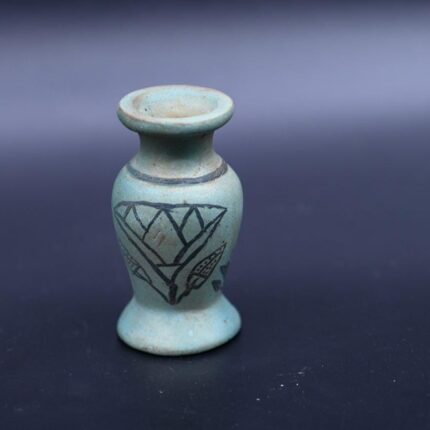
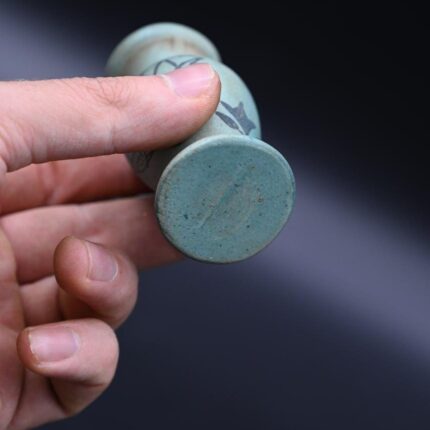
Hand Carved Stone Vase: Egyptian Decor Sculpture
Add a distinctive touch of ancient Egyptian artistry to your space with this Hand Carved Egyptian Stone Vase, crafted from real stone and decorated with engraved pharaonic-inspired gods and symbols. Its detailed handcrafted design makes it a striking choice for Egyptology collectors, Egyptian décor, history lovers, offices, libraries, and unique cultural gifts.
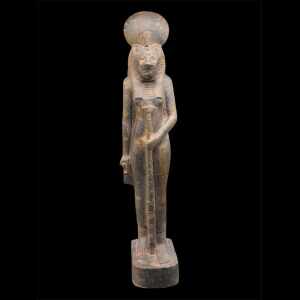
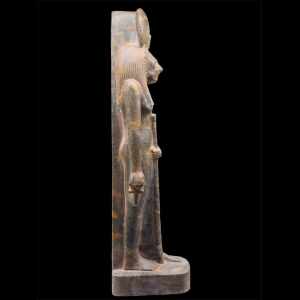
Rare Sekhmet Statue in Real Black Granite – 40 cm / 15.7 Inches Museum Quality Egyptian Goddess
Add a commanding symbol of ancient Egyptian strength to your collection with this 40 cm Black Granite Sekhmet Statue, carved from genuine black granite and standing 15.7 inches tall. Inspired by Sekhmet, the lioness goddess of war, protection, healing, and solar power, it is a striking choice for collectors, Egyptian décor, mythology lovers, and museum-inspired displays.
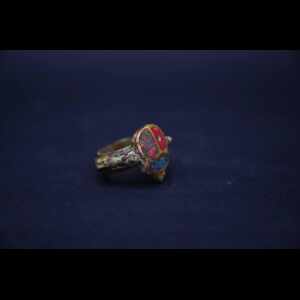
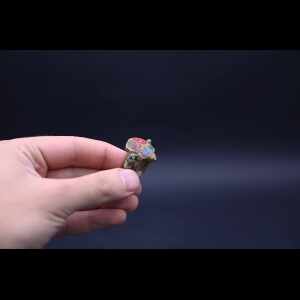
Scarab ring-amazing Ring the symbol of good luck-good life-ancient Egyptian ornament-mythology
Add a meaningful symbol of ancient Egyptian renewal to your jewelry collection with this Unisex Egyptian Scarab Ring, handcrafted in Egypt with a flexible free-size design for women and men. Inspired by the scarab’s ancient associations with rebirth, transformation, solar regeneration, and protection, it is a distinctive choice for mythology lovers, Egyptology enthusiasts, and unique cultural gifts.
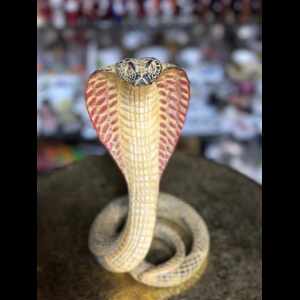
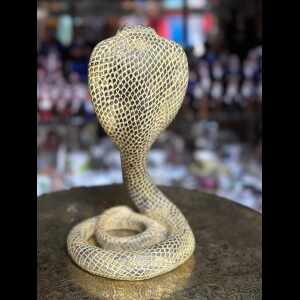
Handmade Egyptian Uraeus Cobra Statue, Wadjet Serpent Goddess
Add a powerful symbol of ancient Egyptian royal protection to your collection with this 25 cm Egyptian Uraeus Cobra, measuring 25 cm high and 12 cm wide. Inspired by Wadjet, the cobra goddess associated with Lower Egypt, kingship, guardianship, and divine protection, it is a distinctive choice for Egyptology collectors, Egyptian décor, mythology lovers, and unique cultural gifts.
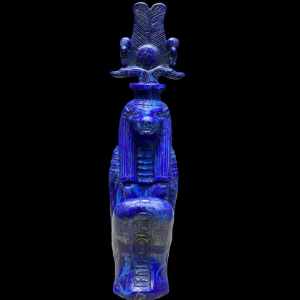
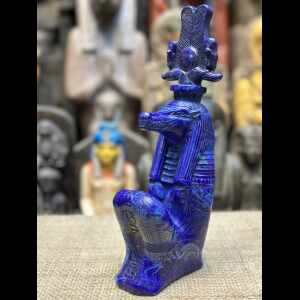
Handcrafted Lapis Lazuli Sobek Statue – Egyptian Crocodile God Art (33 cm)
Add a powerful symbol of ancient Egyptian strength to your collection with this 33 cm Lapis Lazuli Sobek Statue, handcrafted in Egypt and inspired by Sobek, the crocodile god associated with the Nile, fertility, protection, strength, and royal power. Measuring 33 × 7 × 10 cm, it is a striking choice for collectors, Egyptian décor, mythology lovers, and unique cultural gifts.
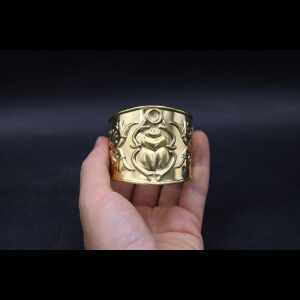
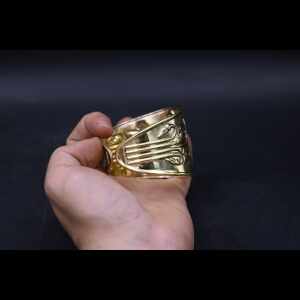
Egyptian Scarab Bracelet: Brass Beetle Amulet, Ancient Mythology Jewelry
Add a meaningful symbol of ancient Egyptian renewal to your jewelry collection with this Brass Scarab Beetle Bracelet, handcrafted in Egypt from brass and featuring a detailed scarab centerpiece. Inspired by the ancient symbolism of rebirth, transformation, solar renewal, and protection, it is a distinctive choice for mythology lovers, Egyptology enthusiasts, jewelry collectors, and unique cultural gifts.
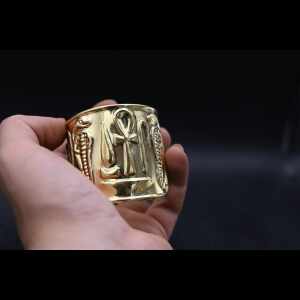

Brass Nile Key Bracelet: Winged Cobra Talisman, Egyptian Protection
Add a powerful combination of ancient Egyptian symbolism to your jewelry collection with this Brass Ankh Cobra Protection Bracelet, handcrafted in Egypt from brass and designed for women and men. Featuring the iconic Key of Life flanked by winged cobras, it symbolizes life, protection, guardianship, and royal authority, making it a distinctive choice for mythology lovers, collectors, and unique cultural gifts.
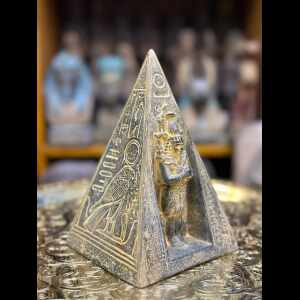
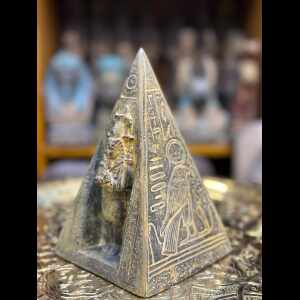
Egyptian Black Stone Pyramid – Handcrafted Horus Monument
Add a striking touch of ancient Egyptian symbolism to your space with this Black Stone Horus Pyramid, crafted from solid black stone and measuring 17 × 10 × 10 cm. Decorated with Horus and other Egyptian-inspired motifs, it is a distinctive choice for collectors, mythology lovers, office décor, Egyptian-themed interiors, and unique cultural gifts.


Reviews
There are no reviews yet.