
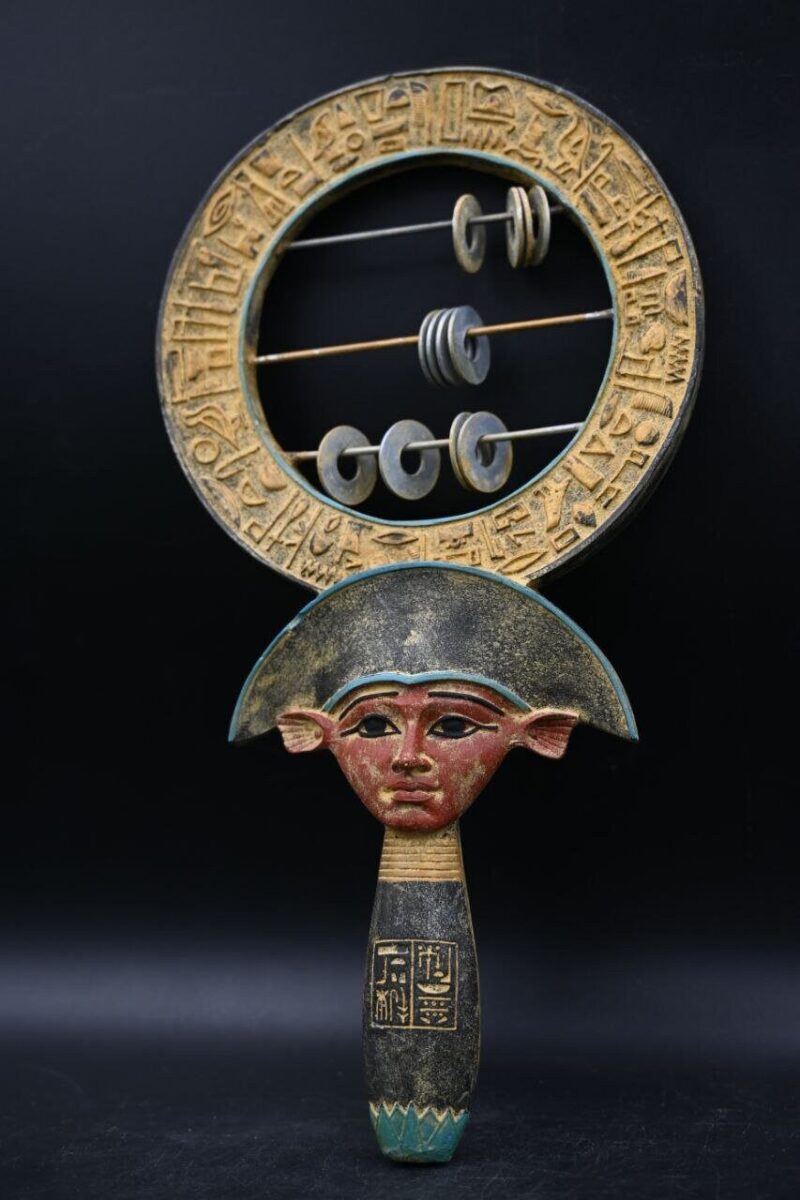
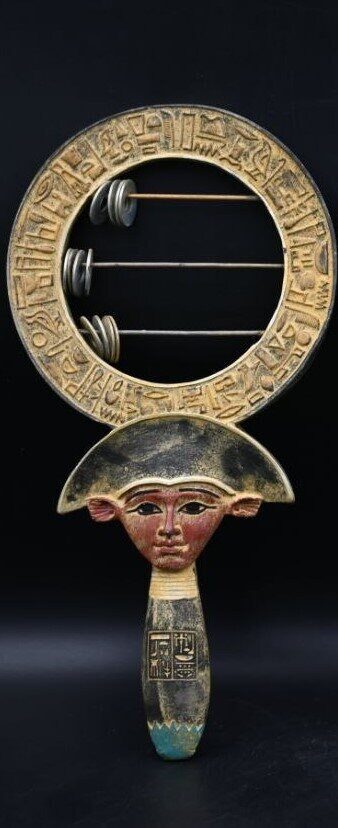
Hathor Sistrum: Egyptian Religious Instrument Replica
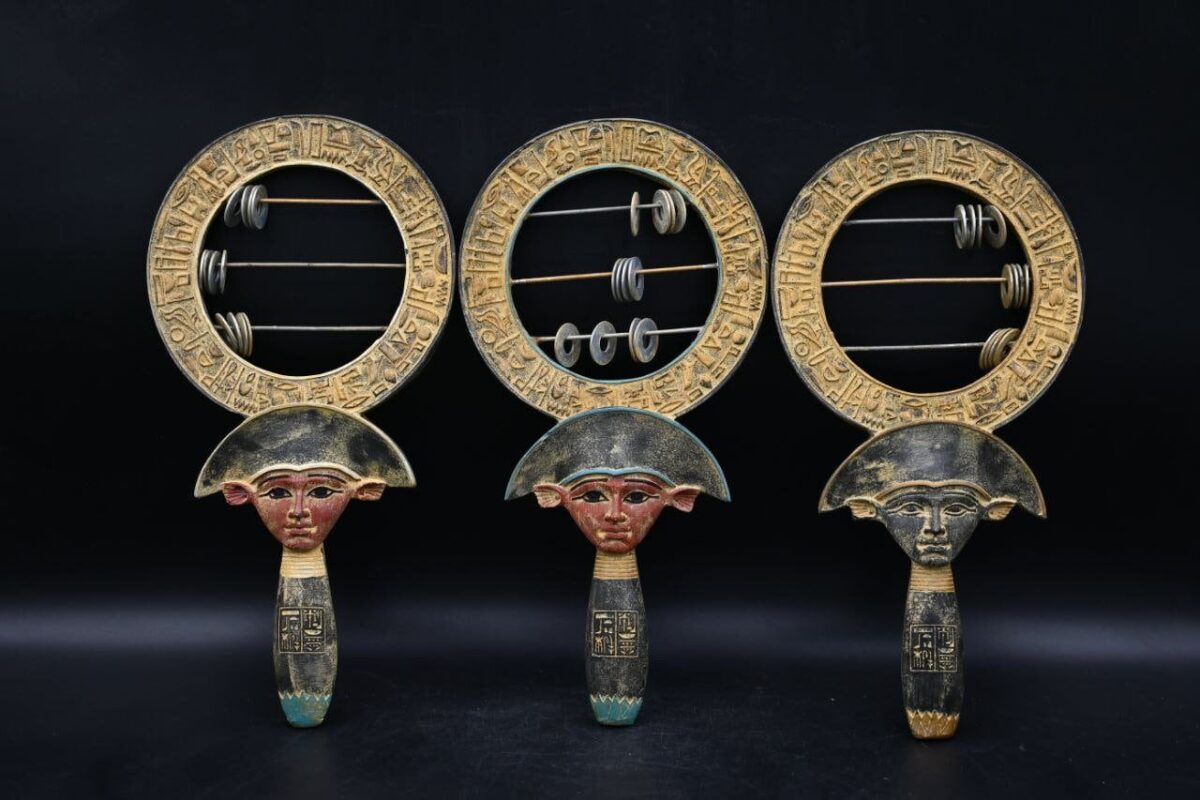
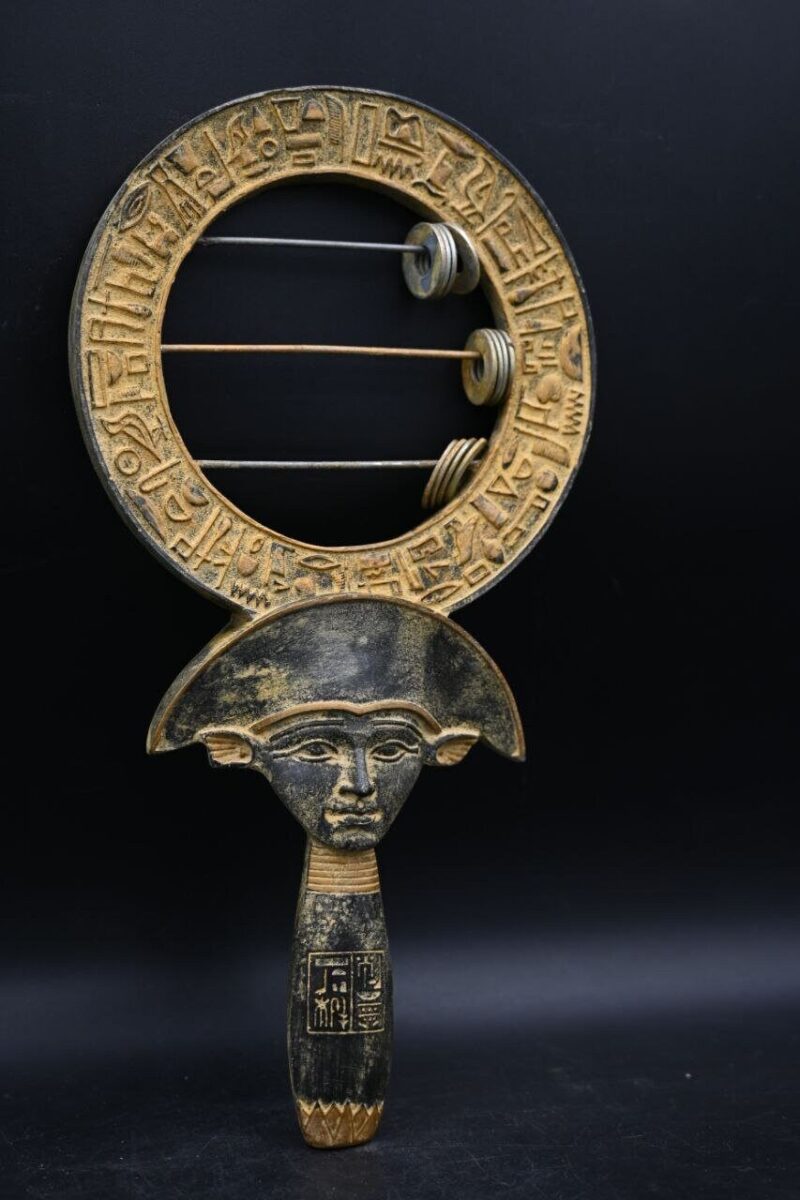
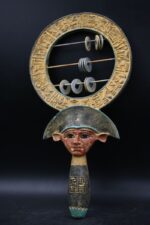
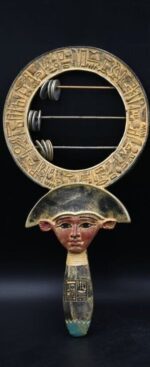
Handcrafted Hathor Sistrum made of stone and inspired by the sacred musical instruments of Ancient Egypt. Closely associated with Goddess Hathor, this Pharaonic-style piece symbolizes music, joy, celebration, and divine femininity. Perfect for collectors, Egyptian décor, mythology lovers, and unique historical gifts.
Hathor Sistrum is a distinctive stone sculpture inspired by one of the most important sacred musical instruments of Ancient Egypt. Closely associated with Goddess Hathor, the sistrum was used in religious ceremonies, temple rituals, music, and celebrations.
Crafted from stone, this Egyptian-inspired piece reflects the rich spiritual and artistic traditions connected with Hathor, the ancient Egyptian goddess of love, beauty, joy, music, motherhood, and fertility.
Description of Art
This Hathor Sistrum is made from stone and inspired by traditional ancient Egyptian representations of the sacred sistrum.
The original sistrum was a musical percussion instrument that produced a distinctive rattling sound when shaken. It played an important role in religious ceremonies and was particularly associated with the worship of Goddess Hathor.
Material: Stone
Style: Ancient Egyptian / Pharaonic
Subject: Goddess Hathor
Type: Decorative Sistrum Replica / Sculpture
Inspiration: Ancient Egyptian Sacred Music
What Is a Sistrum?
The sistrum was an important ritual musical instrument in Ancient Egypt.
It generally consisted of a handle supporting a frame containing movable metal rods or elements that produced sound when shaken.
The instrument was used during:
- Religious ceremonies
- Temple rituals
- Sacred processions
- Music and dance
- Festivals
- Worship of Egyptian deities
Its sound was believed to play an important role in religious ceremonies and was closely associated with joy, celebration, and divine presence.
The Sistrum and Goddess Hathor
The Hathor Sistrum is particularly significant because Hathor was one of the Egyptian deities most closely connected with music and celebration.
Hathor was the goddess of:
- Love
- Beauty
- Music
- Dance
- Joy
- Motherhood
- Fertility
- Celebration
Priestesses and worshippers could use sistra during rituals dedicated to Hathor.
The instrument therefore became one of the most recognizable symbols associated with her worship.
Symbolism of the Hathor Sistrum
The shape and decoration of some ancient Egyptian sistra incorporated imagery connected with Hathor.
Certain examples featured the face of Hathor or architectural forms associated with her temples.
Cow horns and other bovine imagery were also closely linked with Hathor because she could be depicted as a cow or as a woman wearing cow horns surrounding a solar disk.
The Hathor Sistrum therefore carries strong symbolic connections with music, divine femininity, joy, protection, and sacred celebration.
Hathor and Sacred Music
Music had an important place in ancient Egyptian religion.
Musicians, singers, dancers, and priestesses performed during temple ceremonies and religious festivals.
Hathor’s association with music made the sistrum especially important in rituals connected with her.
The rattling sound of the instrument accompanied sacred performances and helped create the ceremonial atmosphere of temple worship.
The Origins of the Sistrum
The sistrum has a long history in ancient Egyptian religious culture.
Its origins may be connected with early Egyptian traditions and deities including Bat, an ancient cow goddess who shared several characteristics with Hathor.
Over time, the instrument became particularly associated with Hathor and remained an important symbol in Egyptian religious art.
Hathor in Ancient Egyptian Religion
Hathor was one of the most widely worshipped goddesses in Ancient Egypt.
She represented joy, love, beauty, music, fertility, motherhood, and celestial power.
She was also connected with the sky, the sun, and the afterlife.
Her multiple roles made her an important goddess for both everyday life and religious ceremonies.
The famous Temple of Hathor at Dendera became one of the principal centers of her worship and contains numerous representations connected with her symbolism and rituals.
Stone Craftsmanship
This Hathor Sistrum is crafted from stone, giving it a substantial appearance inspired by ancient Egyptian decorative and ritual art.
As a decorative replica, it is ideal for display rather than use as a functional musical instrument.
Its Egyptian-inspired design makes it suitable for collections dedicated to archaeology, history, mythology, or Pharaonic art.
Perfect for Collectors and Egyptian Décor
This stone sistrum is ideal for:
- Ancient Egyptian art collectors
- Egyptian mythology enthusiasts
- Hathor devotees and admirers
- History and archaeology lovers
- Pharaonic home décor
- Museum-inspired displays
- Offices and libraries
- Egyptian-themed collections
- Unique historical gifts
Whether displayed on a shelf, desk, cabinet, or within a dedicated Ancient Egyptian collection, the piece offers a fascinating connection to the sacred music and religious traditions of Ancient Egypt.
A Unique Egyptian-Inspired Gift
A Hathor Sistrum can make a distinctive gift for anyone interested in Egyptian mythology, ancient music, history, archaeology, symbolic art, or Goddess Hathor.
Its connection with music, joy, beauty, and ancient religious ceremonies gives the piece deeper meaning beyond its decorative appearance.
Our Shop Policy
Please ask for a live photo of your product before shipping if you would like to see the actual piece prepared for your order.
Keep a close eye on your inbox for shipping updates and tracking information.
Providing a valid phone number is required for international shipping from Egypt.
If you encounter any issue or concern regarding your order, please contact us. We will handle your request promptly and professionally and work toward a satisfactory resolution.
Shipping Information
Please provide your phone number to complete the international shipping process. 📞
Your Hathor Sistrum will be carefully prepared and packaged for shipping, with tracking information provided whenever available.
This distinctive stone replica celebrates the sacred music, symbolism, and artistic heritage of Goddess Hathor and Ancient Egypt.
| form | 604, 606, 833 |
|---|
Related products
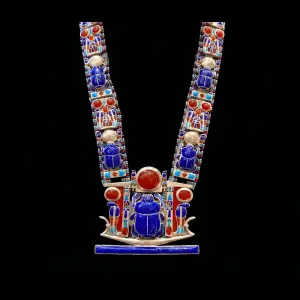
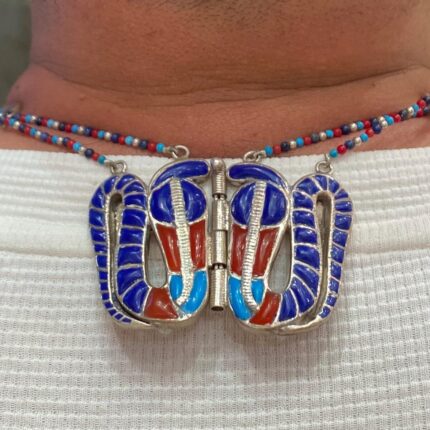
King Tutankhamun Scarab Necklace, Sterling Silver Gemstone Inlay
Elevate your jewelry collection with our King Tutankhamun Scarab Necklace. Combining authentic ancient Egyptian iconography with fine artisan craftsmanship and striking hand-finished details, this protective royal pendant offers a compelling blend of rich history, opulent style, and timeless symbolic energy for any occasion.
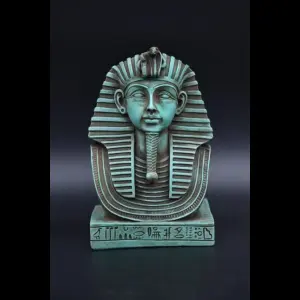
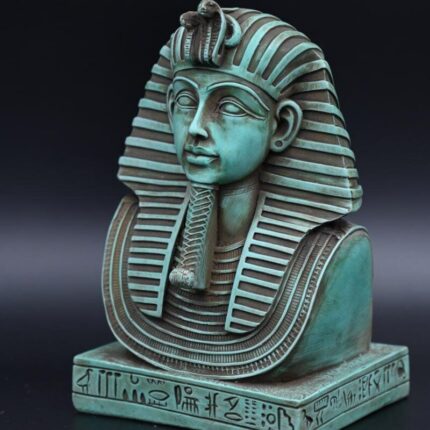
King Tut Mask Replica – Ancient Egyptian Museum Art
Elevate your collection with our Ancient Egyptian Museum Art sculpture. Combining authentic pharaonic iconography with fine artisan craftsmanship and rich hand-finished textures, this historical replica offers a compelling blend of deep history, regal aesthetic presence, and timeless symbolic value for any home or office display.
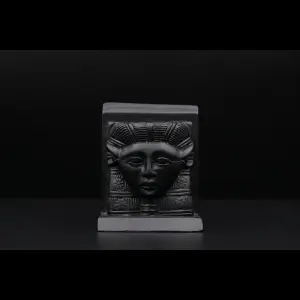
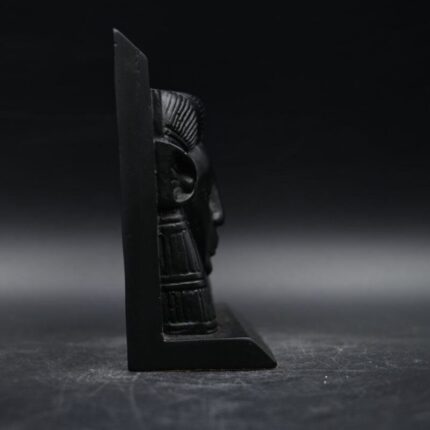
Basalt Hathor Mask Sculpture: Egyptian Goddess Replica
Add a distinctive piece of ancient Egyptian heritage to your collection with this Hathor Basalt Stone Mask, inspired by the goddess of love, beauty, joy, fertility, and motherhood. Crafted from basalt stone, it is perfect for shelf or desk display, Egyptian décor, collectors, history enthusiasts, and unique cultural gifts.


Reviews
There are no reviews yet.