
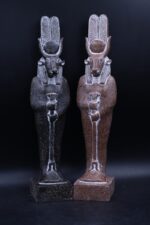
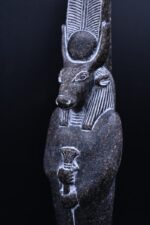
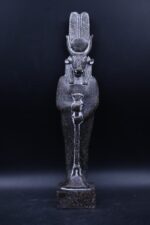
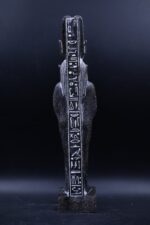
Granite Hathor Statue – Egyptian Goddess of Love, Replica
Granite Hathor Goddess Statue – Ancient Egyptian Goddess Sculpture
Description of Art
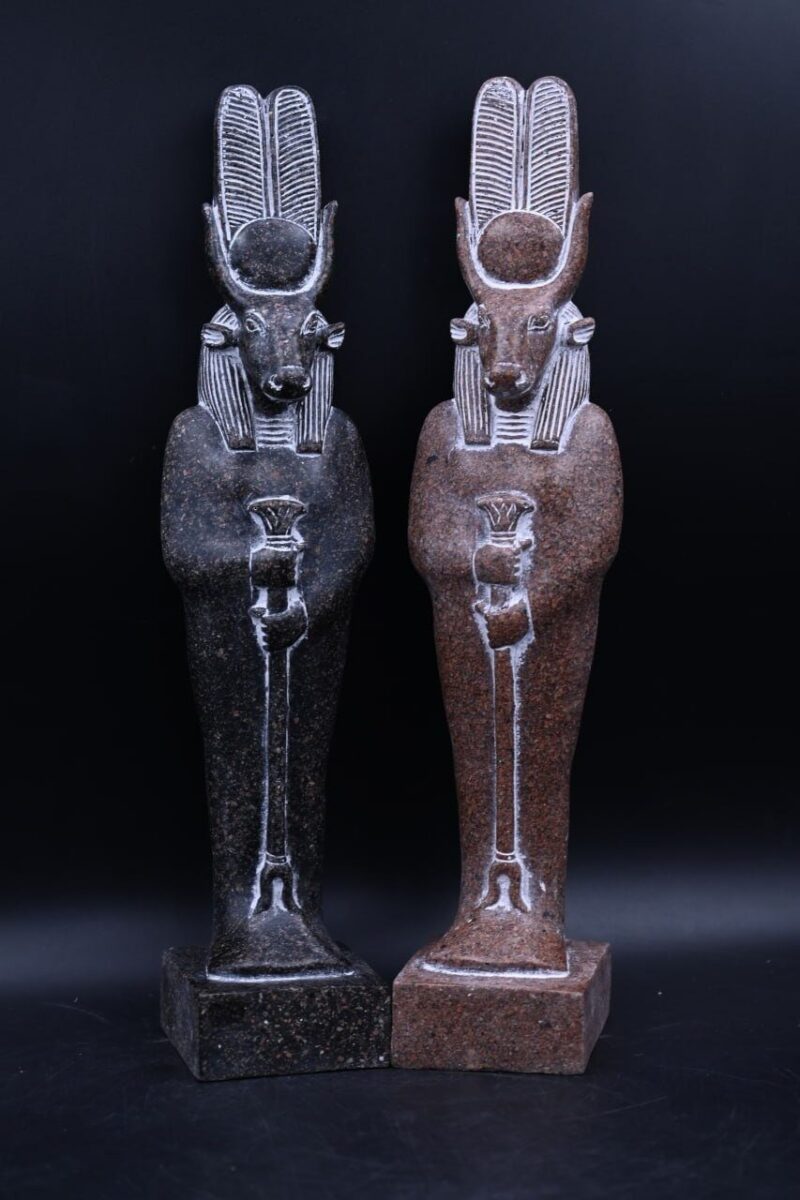
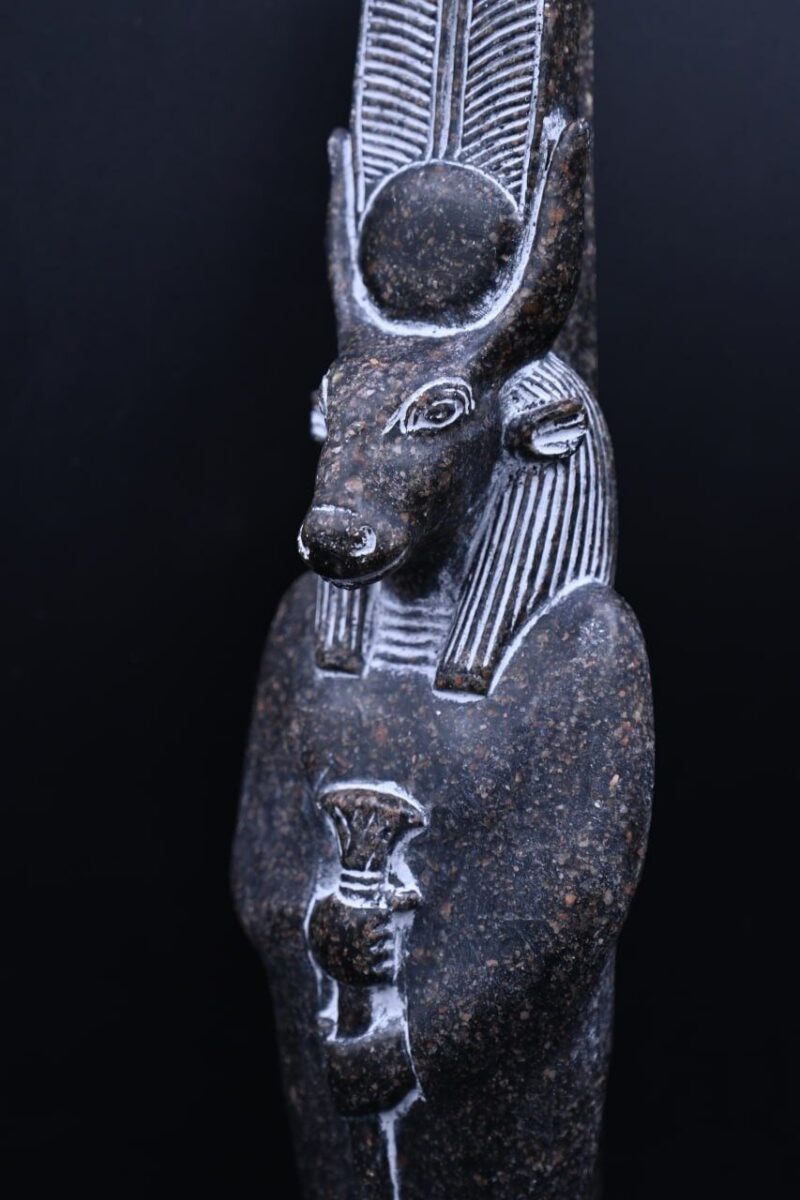
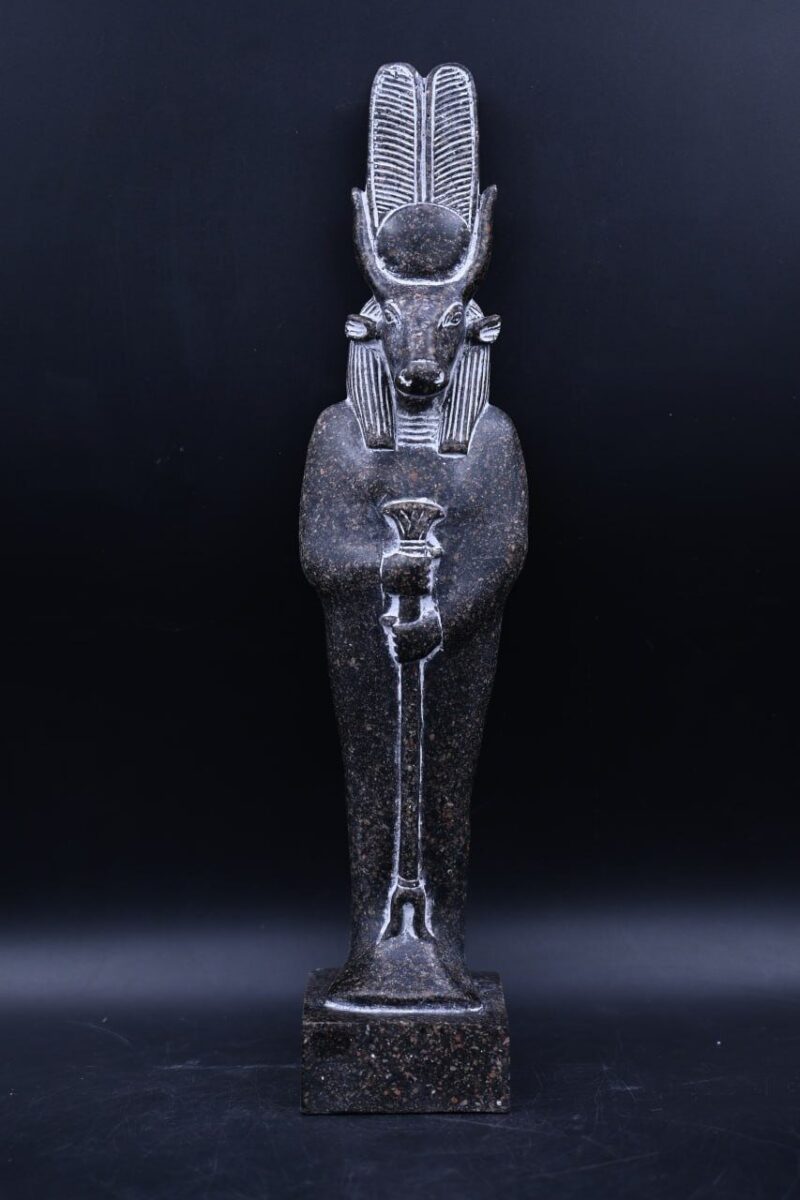
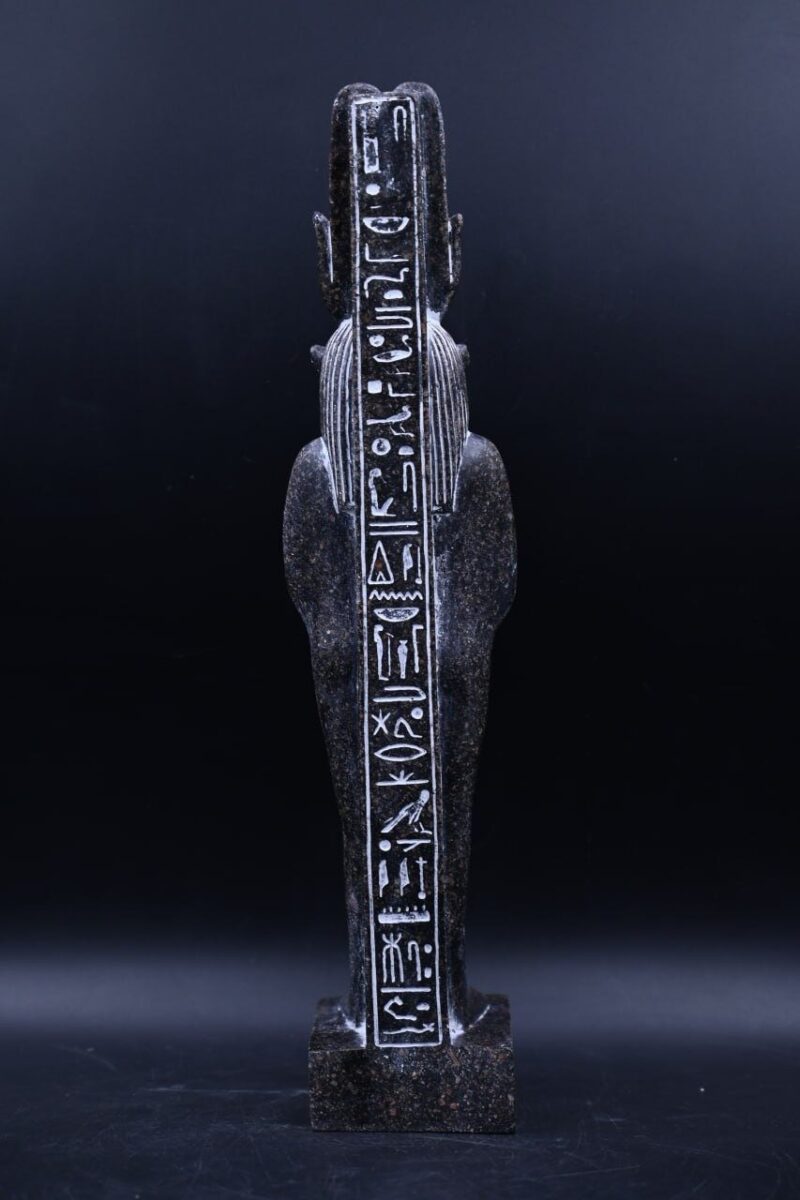
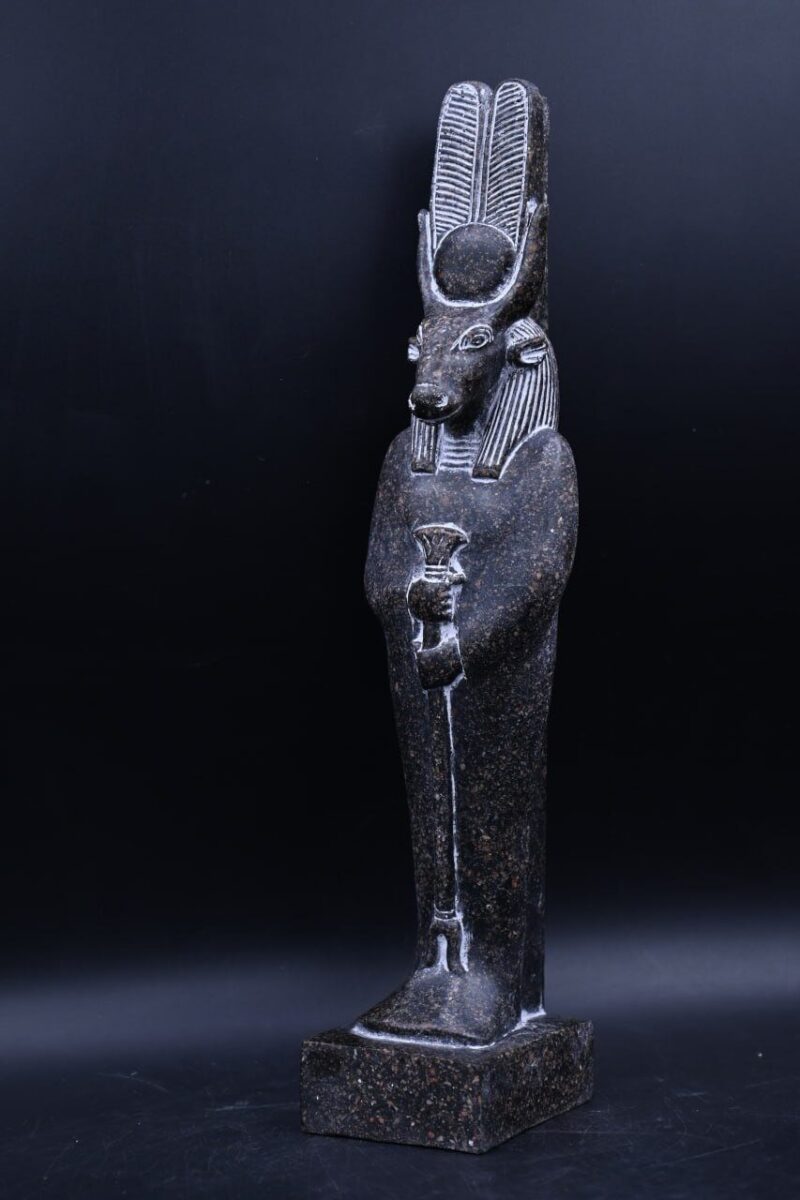
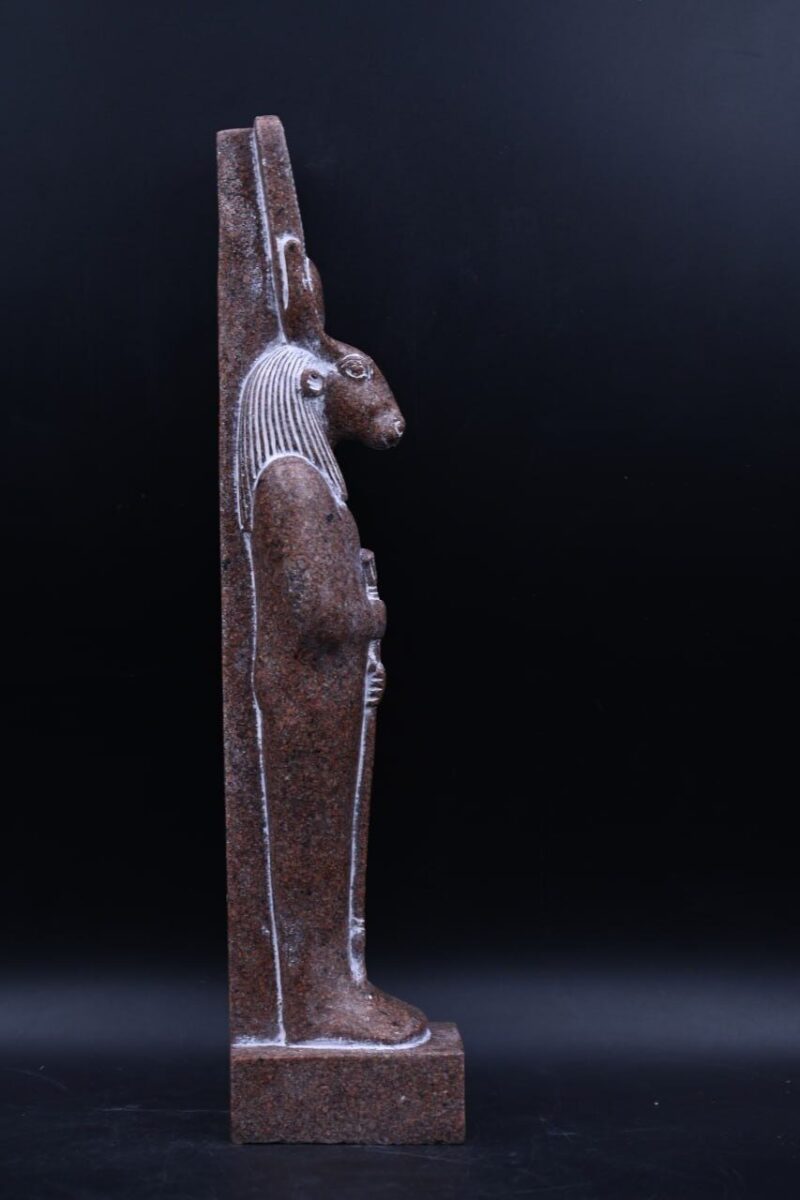
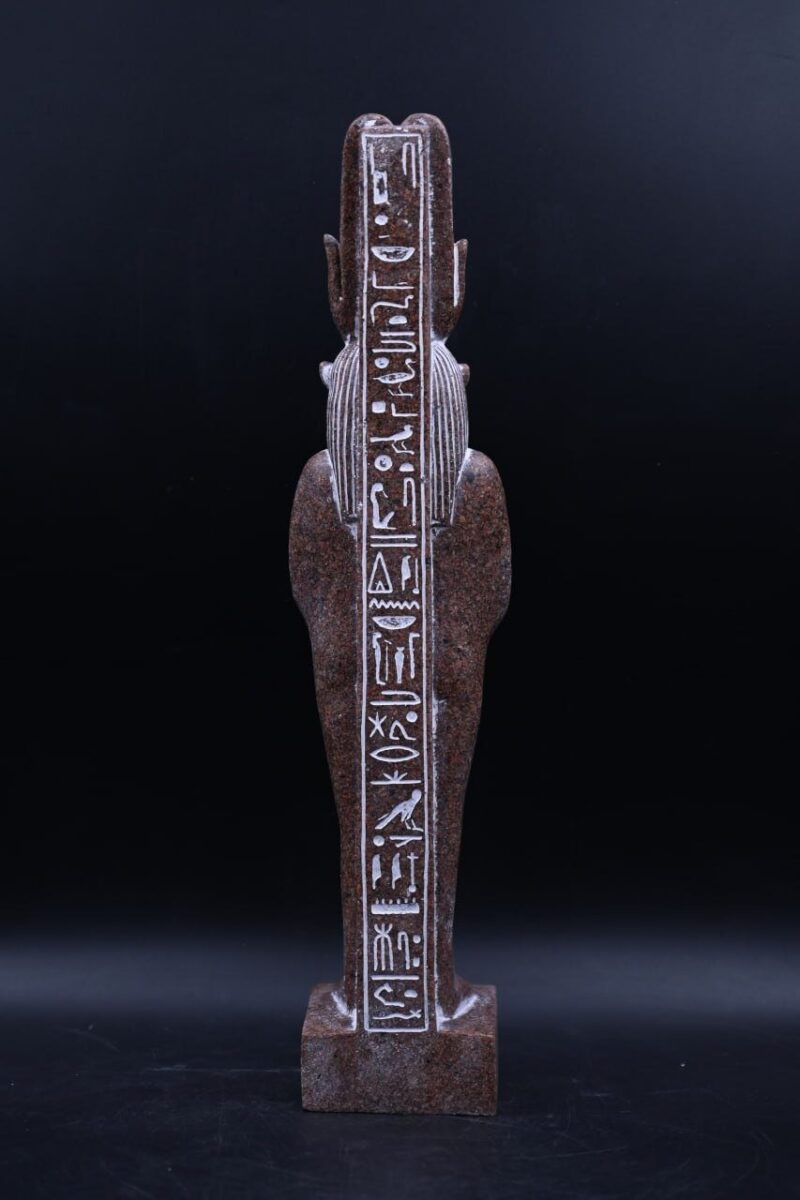
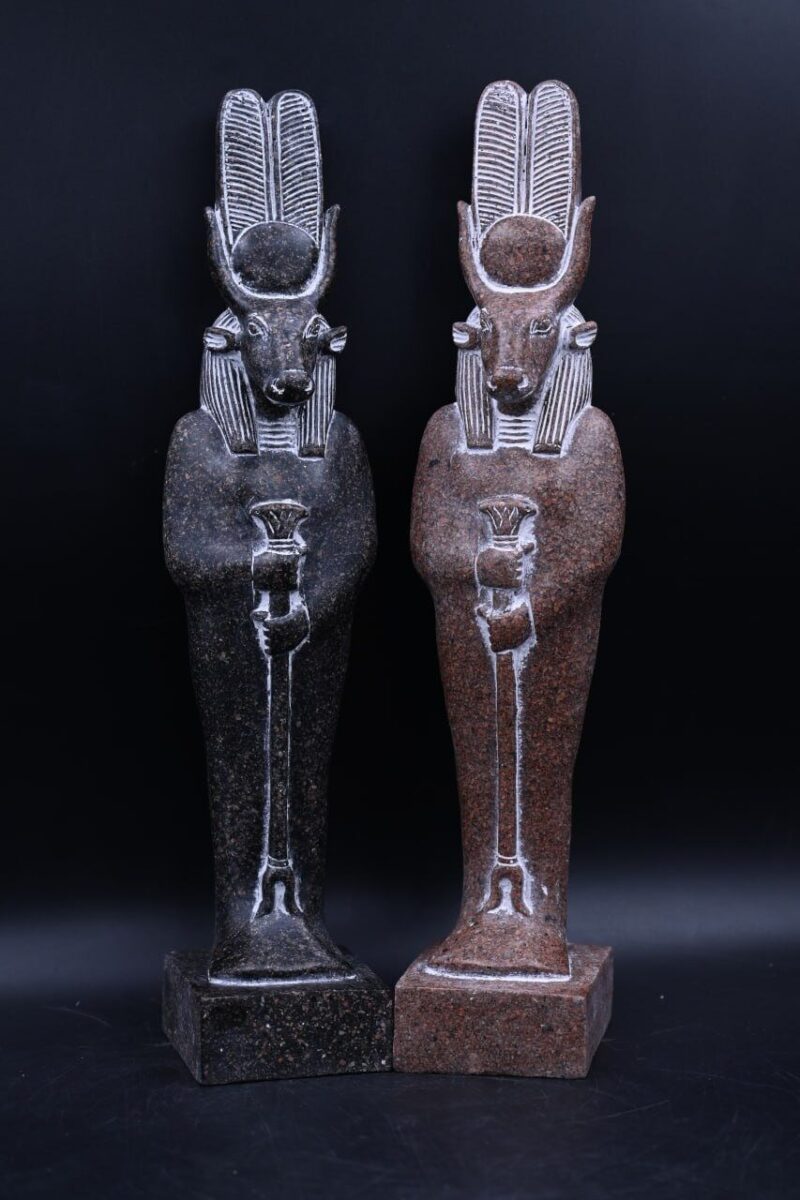
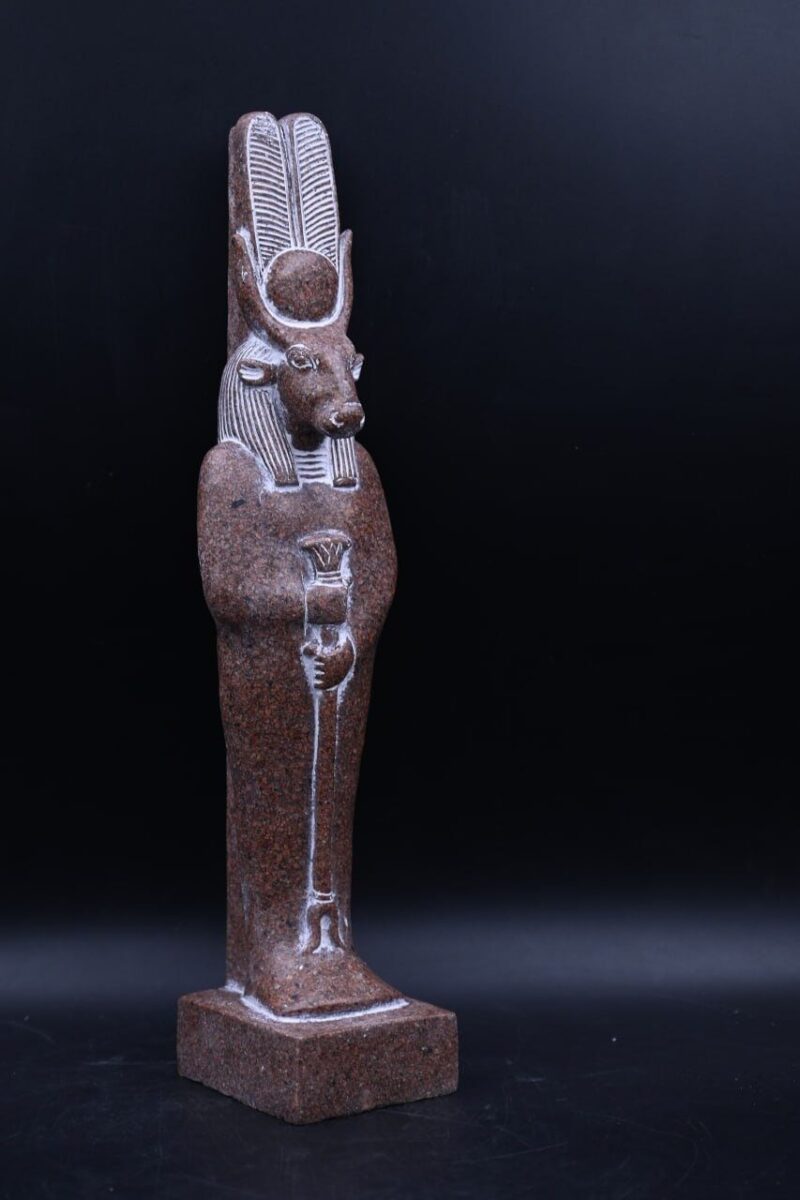
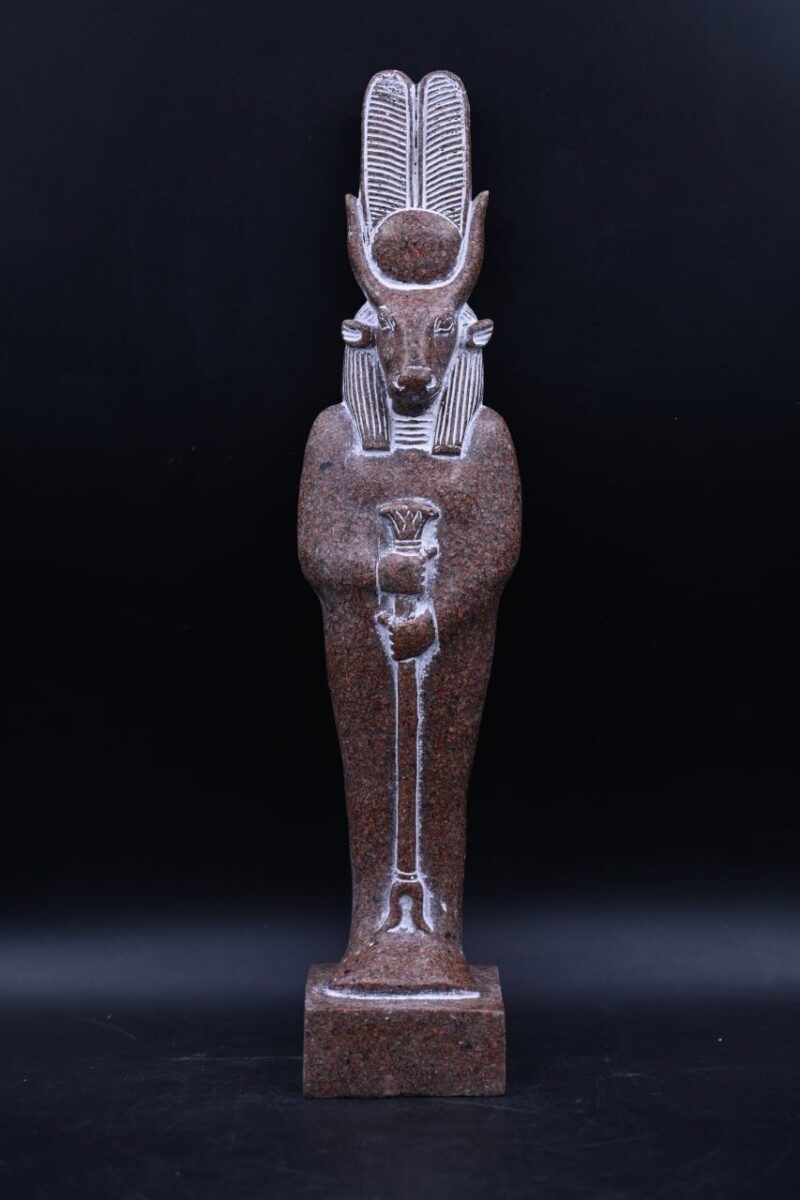
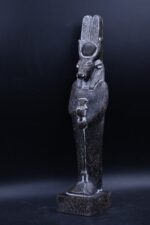
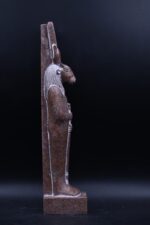
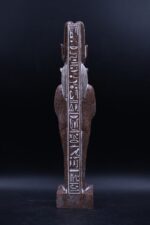
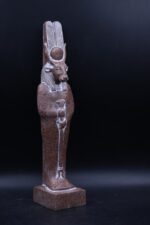
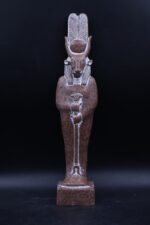
Granite Hathor Goddess Statue crafted from granite stone and inspired by one of the most beloved and important goddesses of ancient Egyptian religion.
Hathor was strongly associated with love, joy, beauty, music, motherhood, fertility, celebration, and celestial symbolism. She was frequently represented as a cow, as a woman with cow ears, or as a woman wearing the famous cow horns surrounding a solar disk.
The natural granite construction gives this Egyptian-inspired sculpture a substantial and timeless appearance, making it an attractive addition to historical collections, Egyptian-themed interiors, offices, libraries, and museum-inspired displays.
Who Was Goddess Hathor?
Hathor was one of the most versatile goddesses in ancient Egyptian religion.
Her principal associations included:
- Love
- Joy
- Beauty
- Music
- Dance
- Motherhood
- Fertility
- Celebration
- Celestial and solar symbolism
- Protection of the deceased
Her broad religious identity helped make Hathor one of the most widely revered female deities throughout ancient Egyptian history.
Hathor and the Cow
The cow was one of Hathor’s most recognizable sacred forms.
She could be depicted as an entire cow or as a human woman incorporating bovine characteristics.
Her most famous headdress features:
Cow Horns + Solar Disk
This imagery connected Hathor with maternal care, fertility, nourishment, solar power, and divine femininity.
The distinctive symbolism makes a Granite Hathor Goddess Statue particularly recognizable within an Egyptian art collection.
Hathor and Love
Love was one of Hathor’s strongest associations.
She represented affection, pleasure, celebration, and positive emotional life.
Her cult therefore became connected with many joyful aspects of Egyptian society and religious festivals.
For modern collectors, Hathor-inspired imagery can evoke:
Love • Harmony • Happiness • Beauty • Joy
Hathor and Beauty
Hathor also represented beauty and feminine grace.
Her images appeared extensively in Egyptian temples, jewelry, amulets, ritual objects, and decorative art.
Her association with beauty makes this granite sculpture an especially suitable piece for elegant Egyptian-themed décor.
Hathor, Music, and Dance
Music played a major role in Hathor’s religious identity.
One of the instruments most closely associated with her was the sistrum, a ritual rattle used during religious ceremonies and festivals.
Hathor’s association with music extended naturally to:
- Dancing
- Celebration
- Festivals
- Joy
- Artistic expression
This joyful aspect distinguishes her from more martial goddesses such as Sekhmet.
Hathor and Motherhood
Hathor was also an important maternal goddess.
Her cow imagery naturally expressed nurturing and nourishment, while Egyptian traditions connected her with motherhood, women, fertility, and royal care.
For modern symbolic interpretation, Hathor can therefore represent:
Motherhood • Nurturing • Fertility • Care • New Life
Hathor and Solar Symbolism
Hathor had important connections with the sun and solar religion.
The solar disk frequently represented between her cow horns visually expresses this relationship.
However, ancient Egyptian divine relationships varied between periods and traditions.
The original description states that Hathor was simply the daughter of Horus and wife of Ra, but this is too simplified. Hathor could appear as a daughter, mother, or consort of different deities depending on the religious context.
For accurate product copy, it is stronger to emphasize her solar and celestial associations without presenting one family relationship as universally fixed.
Hathor and the Sky
Hathor could also possess celestial characteristics.
Her imagery connected her with the heavens and with the movement and regeneration of the sun.
These celestial associations complemented her roles in fertility, motherhood, and renewal.
This gives the Granite Hathor Goddess Statue symbolism connected with both earthly life and divine celestial power.
Hathor and the Afterlife
Hathor was not only concerned with love and fertility.
She also had an important funerary role and could be associated with the western horizon, where the setting sun entered the realm of the dead.
In this role, she could welcome and protect the deceased.
Her funerary symbolism connected her with:
- Protection
- Renewal
- The western horizon
- Transition
- Regeneration
- The afterlife
This adds another layer of meaning to Hathor-inspired sculpture.
Hathor at Dendera
One of the most famous centers of Hathor’s worship was Dendera.
The temple complex dedicated to Hathor became one of the most impressive surviving religious monuments associated with the goddess.
The temple’s reliefs, columns, and decorative imagery preserve many aspects of her cult and iconography.
This strong temple tradition makes Hathor one of the most visually recognizable goddesses of Egyptian religious art.
Granite Stone Sculpture
This Granite Hathor Goddess Statue is made of granite stone.
Granite provides a substantial natural stone appearance that complements ancient Egyptian-inspired decorative sculpture.
The piece is suitable for:
- Living rooms
- Offices
- Libraries
- Display cabinets
- Collector rooms
- Egyptian-themed interiors
- Historical displays
- Museum-inspired spaces
As a modern decorative piece, it is best described as an Egyptian-inspired sculpture or replica, rather than an authentic ancient Egyptian antiquity.
Symbolism of the Hathor Statue
For modern collectors, Hathor-inspired imagery can symbolize:
- Love
- Joy
- Beauty
- Music
- Motherhood
- Fertility
- Celebration
- Protection
- Renewal
- Ancient Egyptian heritage
These positive themes make Hathor statues especially versatile as both collectibles and meaningful cultural gifts.
Perfect for Collectors
The Granite Hathor Goddess Statue is ideal for:
- Ancient Egyptian art collectors
- Hathor enthusiasts
- Egyptian mythology lovers
- Goddess statue collectors
- History enthusiasts
- Archaeology lovers
- Granite sculpture collectors
- Egyptian décor
- Museum-inspired displays
- Unique cultural gifts
It can also complement sculptures inspired by Isis, Sekhmet, Bastet, Neith, Mut, Ra, Horus, and other ancient Egyptian deities.
Product Details
Product: Granite Hathor Goddess Statue
Deity: Hathor
Material: Granite Stone
Style: Ancient Egyptian / Pharaonic Inspired
Main Associations: Love, Joy, Beauty, Music, Motherhood & Fertility
Additional Themes: Solar Symbolism, Protection & Afterlife
Iconography: Cow / Cow Horns & Solar Disk
Type: Decorative Egyptian-Inspired Sculpture
Use: Collection, Home Décor, Office Décor & Cultural Gift
Shipping
You may request a live photo of the product before shipping.
Please provide a valid and reachable phone number to complete the international shipping process and keep an eye on your inbox for tracking updates.
The Granite Hathor Goddess Statue should be carefully packaged to help protect the stone sculpture during transportation.
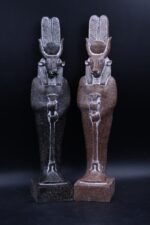
| Matrial | Black Grantie, Red Grantie |
|---|
Related products
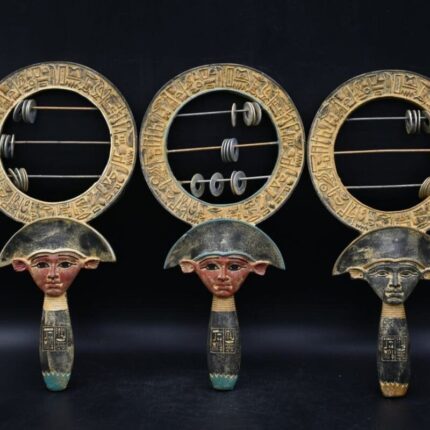
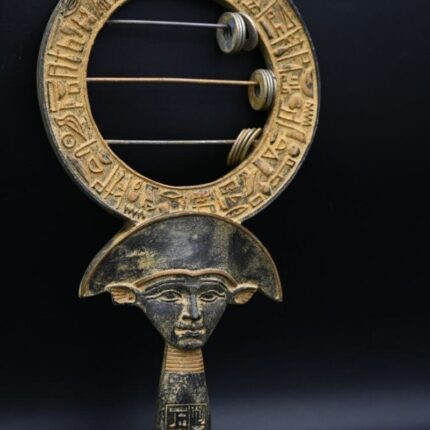
Hathor Sistrum: Egyptian Religious Instrument Replica
Handcrafted Hathor Sistrum made of stone and inspired by the sacred musical instruments of Ancient Egypt. Closely associated with Goddess Hathor, this Pharaonic-style piece symbolizes music, joy, celebration, and divine femininity. Perfect for collectors, Egyptian décor, mythology lovers, and unique historical gifts.
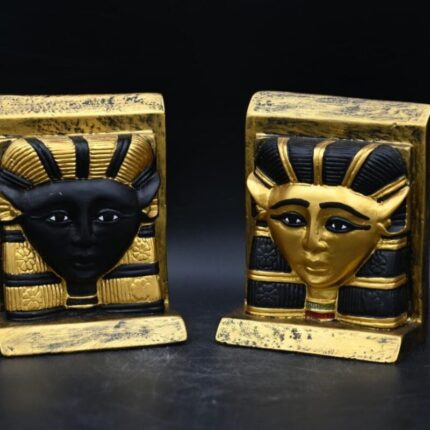
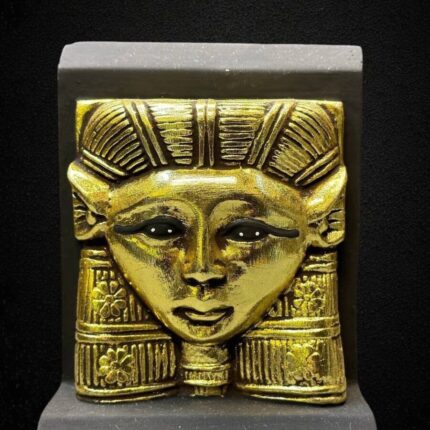
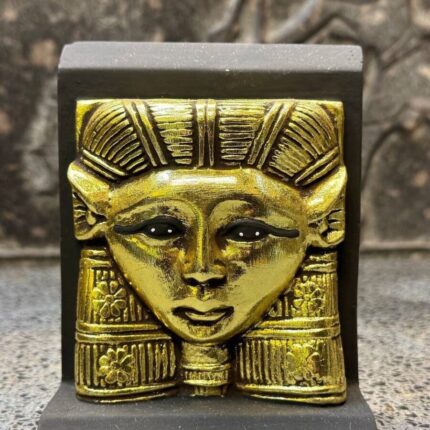
Hathor Mask Statue: Egyptian Goddess Sculpture
Bring the beauty and symbolism of ancient Egypt into your space with this Egyptian Goddess Hathor Mask, inspired by the goddess of love, beauty, joy, fertility, and motherhood. Designed as a unique decorative replica for shelf or desk display, it is perfect for Egyptian art collectors, history enthusiasts, and lovers of ancient Egyptian décor.
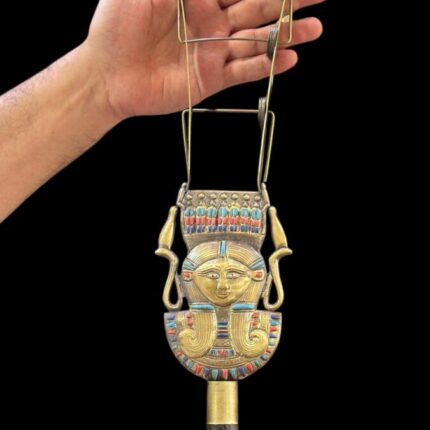
Hathor Sistrum: Copper, Ebony & Gemstone Egyptian Instrument
Add a luxurious touch of ancient Egyptian heritage to your collection with this Copper Ebony Hathor Sistrum, handcrafted in Egypt from copper and ebony wood with turquoise, lapis lazuli, and red coral details. Standing 40 cm high, it is inspired by Hathor, the goddess of music, joy, love, and beauty, making it a distinctive collectible and cultural gift.
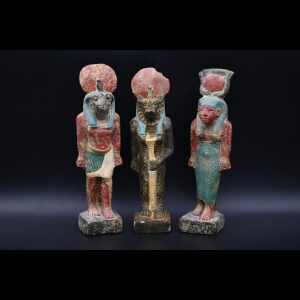
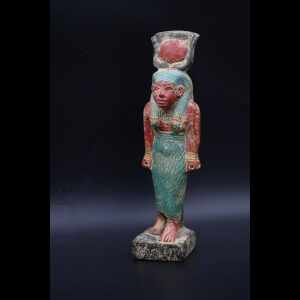
Hathor, Sekhmet, & Horus Statues: Egyptian Deities (20 cm)
Add a distinctive collection of ancient Egyptian symbolism to your space with this Hathor Sekhmet Horus Statue Set, featuring three 20 cm handcrafted statues made from colored natural stone. Representing joy and motherhood, strength and healing, and kingship and protection, this set is ideal for collectors, Egyptian décor, mythology lovers, and unique cultural gifts.
Handcrafted Hathor Sistrum: Copper, Ebony & Gemstone Egyptian Instrument
Add a luxurious touch of ancient Egyptian heritage to your collection with this 40 cm Hathor Gemstone Sistrum, handcrafted in Egypt from copper and ebony wood with turquoise, lapis lazuli, and red coral details. Inspired by Hathor, the goddess of music, joy, love, and beauty, it is a distinctive choice for collectors, Egyptian décor, and unique cultural gifts.
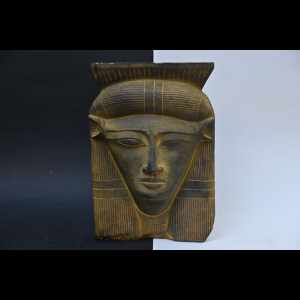
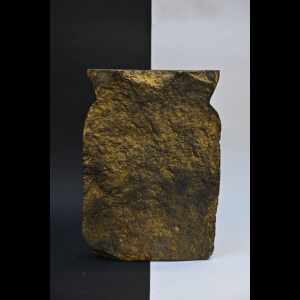
Handcrafted Hathor Mask, Egyptian Goddess Statue, Ancient Mythology Decor
Add an elegant symbol of ancient Egyptian beauty and joy to your space with this 30 cm Black Hathor Wall Mask, handcrafted in Egypt and measuring 30 × 23 cm. Inspired by Hathor, the goddess of love, music, motherhood, fertility, celebration, and protection, it can be displayed on a wall, table, or shelf and is ideal for collectors and Egyptian décor.
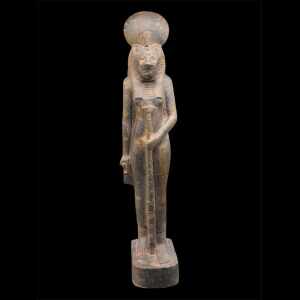
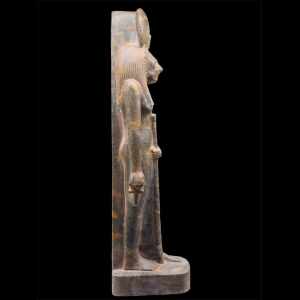
Rare Sekhmet Statue in Real Black Granite – 40 cm / 15.7 Inches Museum Quality Egyptian Goddess
Add a commanding symbol of ancient Egyptian strength to your collection with this 40 cm Black Granite Sekhmet Statue, carved from genuine black granite and standing 15.7 inches tall. Inspired by Sekhmet, the lioness goddess of war, protection, healing, and solar power, it is a striking choice for collectors, Egyptian décor, mythology lovers, and museum-inspired displays.


Reviews
There are no reviews yet.