
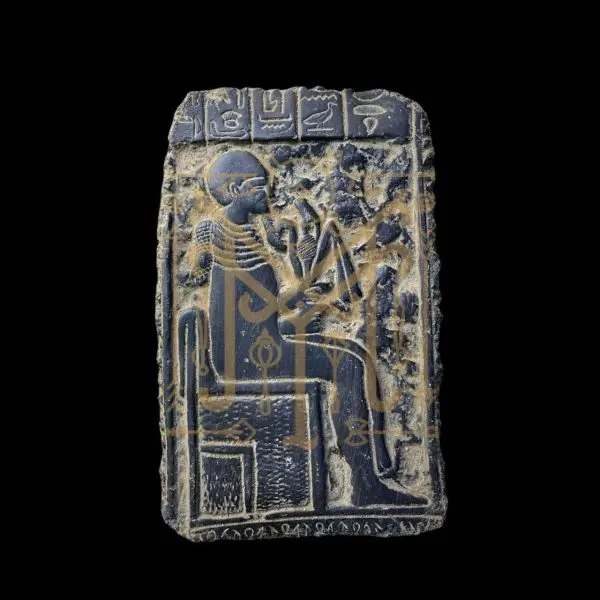
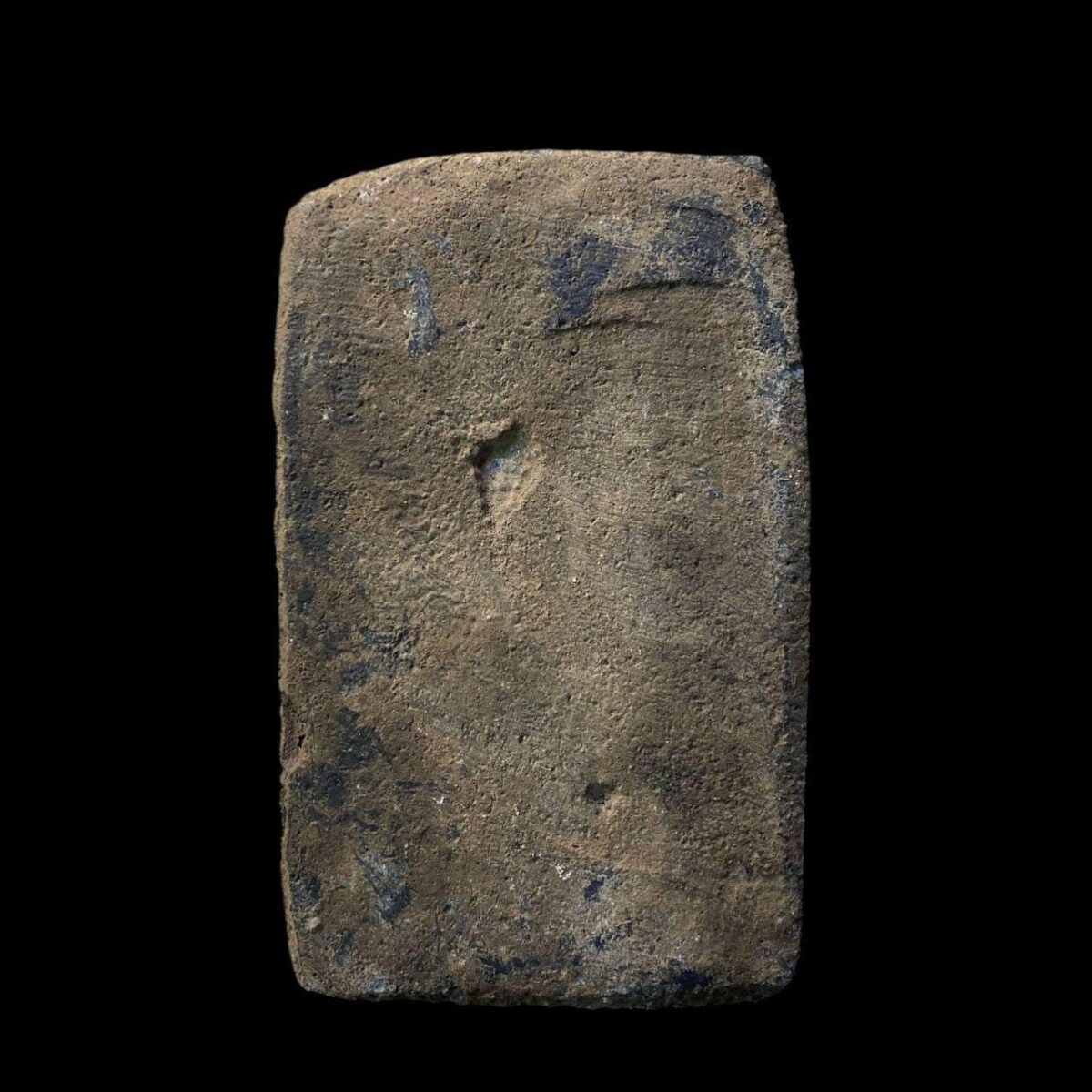
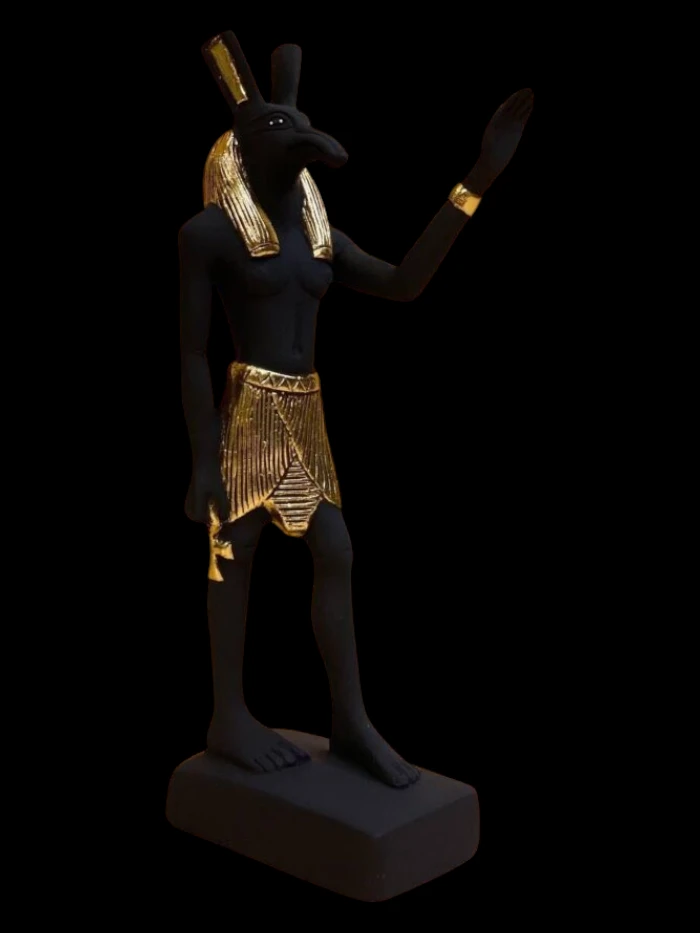
Egyptian God Ptah Relief: Ancient Replica Museum Piece
$215.80
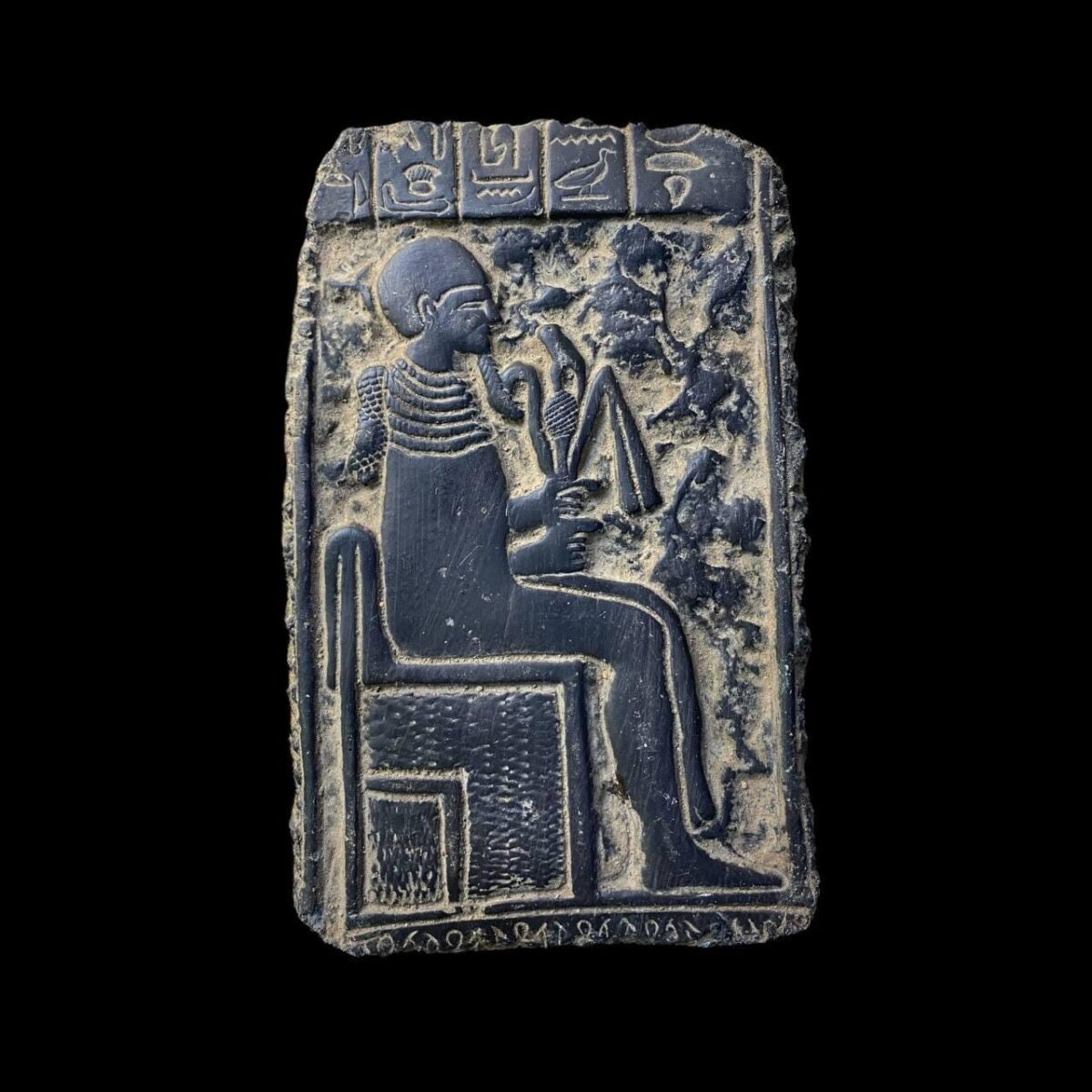
Bring the spirit of ancient Egyptian craftsmanship into your space with this Egyptian Ptah Relief, inspired by the creator god and patron of craftsmen, architects, and artists. A distinctive decorative piece for collectors, history lovers, creative professionals, Egyptian-themed interiors, and unique cultural gifts.
Egyptian Ptah Relief – Ancient Egyptian Creator God Art
Description of Art
Egyptian Ptah Relief inspired by one of the most important creator deities of ancient Egypt. This decorative relief celebrates Ptah, the chief god of Memphis and a deity strongly associated with craftsmen, builders, artists, and creative skill.
Featuring an ancient Egyptian-inspired carved appearance, this piece brings the distinctive character of Pharaonic temple and monument art into a modern decorative setting.
The relief is ideal for display in homes, offices, libraries, Egyptian-themed interiors, historical collections, and museum-inspired spaces.
The Egyptian Ptah Relief is an excellent choice for collectors, archaeology enthusiasts, history lovers, artists, architects, and anyone fascinated by ancient Egyptian mythology and craftsmanship.
History of the Egyptian God Ptah
Ptah was one of the major gods of ancient Egypt and was particularly associated with the city of Memphis. Museum collections identify him as the chief or patron deity of Memphis and as a god closely connected with arts and crafts.
He became known as a creator deity as well as the divine patron of craftsmen, architects, builders, and artists.
This relationship between Ptah and skilled craftsmanship made him an especially appropriate deity for people involved in creative and technical work.
The Metropolitan Museum notes that his designation as a creator god was closely connected with his relationship to craftsmen, builders, and artists.
Ptah as the Patron of Craftsmen
One of Ptah’s most recognizable roles was his connection with craftsmanship.
The British Museum describes Ptah specifically as the god of craftsmen, architects, and artists.
Ancient Egyptian craftsmanship required extraordinary expertise in:
- Stone carving
- Sculpture
- Architecture
- Metalworking
- Jewelry
- Painting
- Monument construction
- Decorative arts
Ptah’s association with these professions made him an important divine symbol of creativity, skill, and artistic achievement.
For this reason, the Egyptian Ptah Relief can be especially meaningful for artists, designers, architects, sculptors, craftspeople, and collectors of Egyptian art.
Ptah as a Creator God
Ptah also held an important role as a creator deity.
Ancient Egyptian religious traditions included several different concepts of creation, and Ptah developed a particularly important position within the theology associated with Memphis.
His creative power was closely connected with craftsmanship and the act of giving form to existence.
This idea suited his identity perfectly: just as a craftsman transforms an idea into a physical object, Ptah was viewed as a divine creative force.
The Egyptian Ptah Relief therefore carries symbolism connected with creation, imagination, craftsmanship, and the transformation of ideas into reality.
How Ptah Was Depicted
Ptah had a highly recognizable appearance in ancient Egyptian art.
He was typically represented as a mummiform man wearing a close-fitting skullcap and holding a sceptre. The British Museum and Metropolitan Museum both preserve examples showing these distinctive characteristics.
His body was often enclosed in a tight garment, with only his hands emerging to hold his staff or sceptre.
Other characteristic features could include:
- A close-fitting skullcap
- A straight divine beard
- A broad collar
- A mummiform garment
- A ceremonial sceptre
These features make Ptah easily distinguishable from many other Egyptian gods.
The Sceptre of Ptah
Ptah is frequently represented holding an elaborate sceptre combining important ancient Egyptian symbols.
A Metropolitan Museum statuette of Ptah includes a sceptre combining was and djed symbolism, together with imagery connected with universal order.
Such symbols could communicate ideas including power, stability, authority, and enduring order.
The inclusion of these attributes gave Ptah’s image a powerful and formal appearance suitable for an important creator deity.
Ptah and Memphis
Memphis was one of the great religious and administrative centers of ancient Egypt, and Ptah was its principal god.
The close relationship between Ptah and Memphis is repeatedly reflected in surviving statues, inscriptions, and votive objects. The Metropolitan Museum identifies him as the chief god of Memphis, while the British Museum describes him as the creator god of Memphis.
His worship remained important across long periods of Egyptian history.
Memphis was also associated with a divine family consisting of Ptah, Sekhmet, and Nefertum. A British Museum papyrus explicitly presents these three as the triad of Memphis.
Ptah, Sekhmet, and Nefertum
In the traditional Memphite triad, Ptah was associated with the lioness goddess Sekhmet and the deity Nefertum.
Sekhmet represented powerful protective and healing forces, while Nefertum was associated with the lotus and regeneration.
Together, these deities formed one of the important divine families of ancient Egyptian religion.
This makes Ptah particularly interesting for collectors who already own representations of Sekhmet or other gods connected with Memphis.
Ptah-Sokar and Funerary Religion
Ptah could also be combined with other gods in Egyptian religious tradition.
One particularly important association connected Ptah with Sokar, an ancient funerary deity associated with Memphis.
Over time, complex forms such as Ptah-Sokar and Ptah-Sokar-Osiris developed, linking themes of creation, death, regeneration, and resurrection.
These combinations demonstrate how Egyptian religious ideas could merge different divine aspects rather than treating every deity as completely separate.
Egyptian Ptah Relief as Symbolic Decor
For modern collectors, Ptah can represent:
- Creativity
- Craftsmanship
- Artistic skill
- Architecture
- Creation
- Knowledge
- Stability
- Divine power
- Ancient Egyptian heritage
These associations give the Egyptian Ptah Relief particular appeal for creative professionals and lovers of symbolic décor.
It can make a distinctive decorative piece for an artist’s studio, architecture office, design workspace, library, study room, or Egyptian-themed interior.
Egyptian Ptah Relief for Collectors
This Egyptian Ptah Relief is ideal for:
- Ancient Egyptian art collectors
- Ptah enthusiasts
- Egyptian mythology lovers
- History and archaeology enthusiasts
- Artists and designers
- Architects and craftspeople
- Egyptian-themed home décor
- Office and library decoration
- Museum-inspired displays
- Unique Egyptian cultural gifts
It can be displayed individually or alongside pieces representing Sekhmet, Nefertum, Anubis, Horus, Isis, Osiris, Bastet, Maat, or other ancient Egyptian deities.
Product Details
Product: Egyptian Ptah Relief
Deity: Ptah
Style: Ancient Egyptian / Pharaonic Inspired
Artwork Type: Decorative Relief
Symbolism: Creation, Craftsmanship, Art & Architecture
Theme: Ancient Egyptian God Ptah
Use: Collectible, Wall Décor, Historical Display, Office Décor, Cultural Gift
Our Shop Policy
- Keep a close eye on your inbox for shipping updates and tracking information.
- Providing a valid phone number is mandatory for international shipping purposes.
- If you encounter any issues or concerns regarding your order, please contact us. We will handle your case promptly and professionally and work toward a satisfactory resolution.
International Shipping
Please provide your phone number to complete the international shipping process.
Your Egyptian Ptah Relief will be carefully prepared and securely packed to help protect it during transportation.
Important Note: Keep only one customs policy in the final listing. Your original text says both that customs duties and taxes are included in the shipping price and that they are the buyer’s responsibility.
Related products
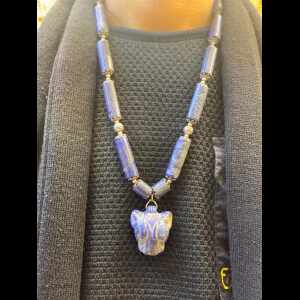
Handmade Lapis Lazuli Sekhmet Necklace: Egyptian Goddess Jewelry
Add a powerful touch of ancient Egyptian symbolism to your jewelry collection with this 150 g Lapis Sekhmet Necklace, handcrafted from natural lapis lazuli stone with elegant silver-tone metal accents. Inspired by Sekhmet, the lioness goddess of strength, protection, healing, and solar power, it is a striking choice for mythology lovers, statement-jewelry collectors, and unique cultural gifts.
Oxidized Copper Ankh Ring: Ancient Egyptian Key of Life Symbol
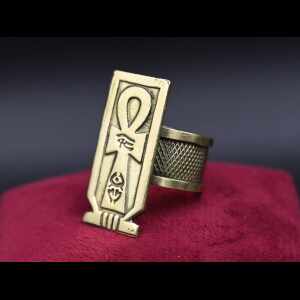
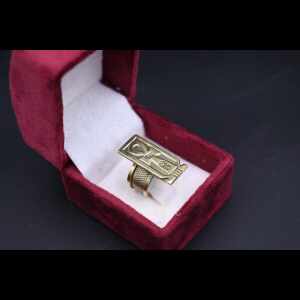
Add a timeless symbol of ancient Egyptian life to your jewelry collection with this Oxidized Copper Ankh Ring, handcrafted in Egypt from oxidized copper with a unisex free-size design. Inspired by the iconic Key of Life representing life, vitality, renewal, and continuity, it is a distinctive choice for mythology lovers, copper jewelry collectors, and unique cultural gifts.
Handmade Sterling Silver Sekhmet Goddess Amulet
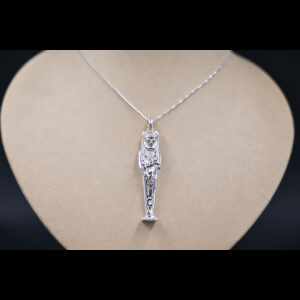
Add a powerful symbol of ancient Egyptian strength to your jewelry collection with this Pure Silver Sekhmet Amulet, crafted from pure silver and inspired by Sekhmet, the lioness goddess of war, protection, healing, medicine, and solar power. A distinctive choice for mythology lovers, silver jewelry collectors, Egyptology enthusiasts, and unique cultural gifts.
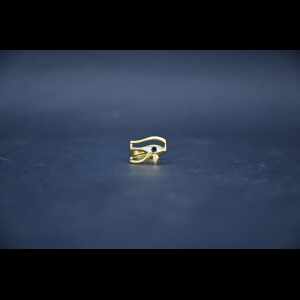
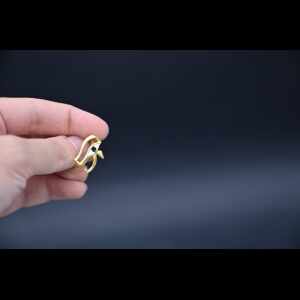
Egyptian Eye of Horus Ring, Ancient Symbol, Handmade in Egypt
Add a powerful symbol of ancient Egyptian kingship to your jewelry collection with this Egyptian Falcon God Horus Ring, handcrafted in Egypt with a unisex free-size design. Inspired by Horus, the falcon god of the sky, royal authority, and protection, it is a distinctive choice for women and men, mythology lovers, Egyptology enthusiasts, and unique cultural gifts.


Egyptian Eye of Horus Ring: Ancient Symbol, Handmade in Egypt
Add a powerful symbol of ancient Egyptian kingship to your jewelry collection with this Unisex Horus Pharaonic Ring, handcrafted in Egypt with a flexible free-size design for women and men. Inspired by Horus, the falcon god of the sky, royal authority, and protection, it is a distinctive choice for mythology lovers, Egyptology enthusiasts, symbolic jewelry collectors, and unique cultural gifts.
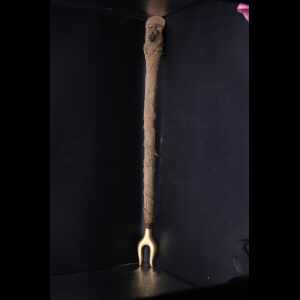
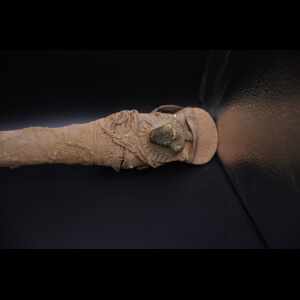
Sekhmet Scepter Was Stick, Egyptian Symbol of Strength, 50cm, Made in Egypt
Add a powerful symbol of ancient Egyptian authority to your collection with this 50 cm Sekhmet Was Scepter, handcrafted in Egypt from wood, linen, and copper. Featuring a Sekhmet-inspired design and the iconic Was symbol of dominion and power, it is a distinctive choice for Egyptology collectors, mythology lovers, Egyptian décor, and museum-inspired displays.
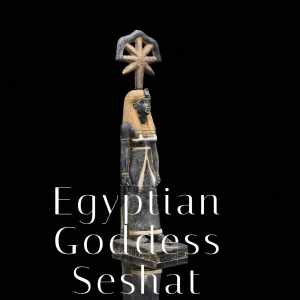
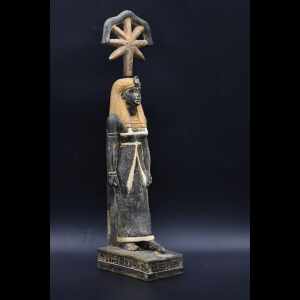
Seshat Statue: Egyptian Goddess of Wisdom Stone Sculpture
Add a distinctive symbol of ancient Egyptian knowledge to your collection with this 35 cm Seshat Stone Statue, handcrafted in Egypt and measuring 35 × 7 × 9 cm. Inspired by Seshat, the goddess of writing, record keeping, measurement, mathematics, and building planning, it is an exceptional choice for Egyptology collectors, writers, libraries, offices, and unique cultural gifts.
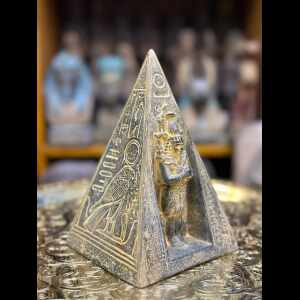
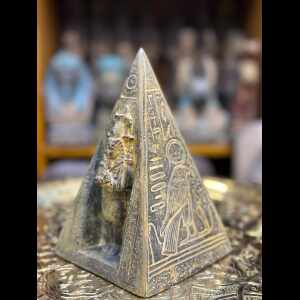
Egyptian Black Stone Pyramid – Handcrafted Horus Monument
Add a striking touch of ancient Egyptian symbolism to your space with this Black Stone Horus Pyramid, crafted from solid black stone and measuring 17 × 10 × 10 cm. Decorated with Horus and other Egyptian-inspired motifs, it is a distinctive choice for collectors, mythology lovers, office décor, Egyptian-themed interiors, and unique cultural gifts.


Reviews
There are no reviews yet.