
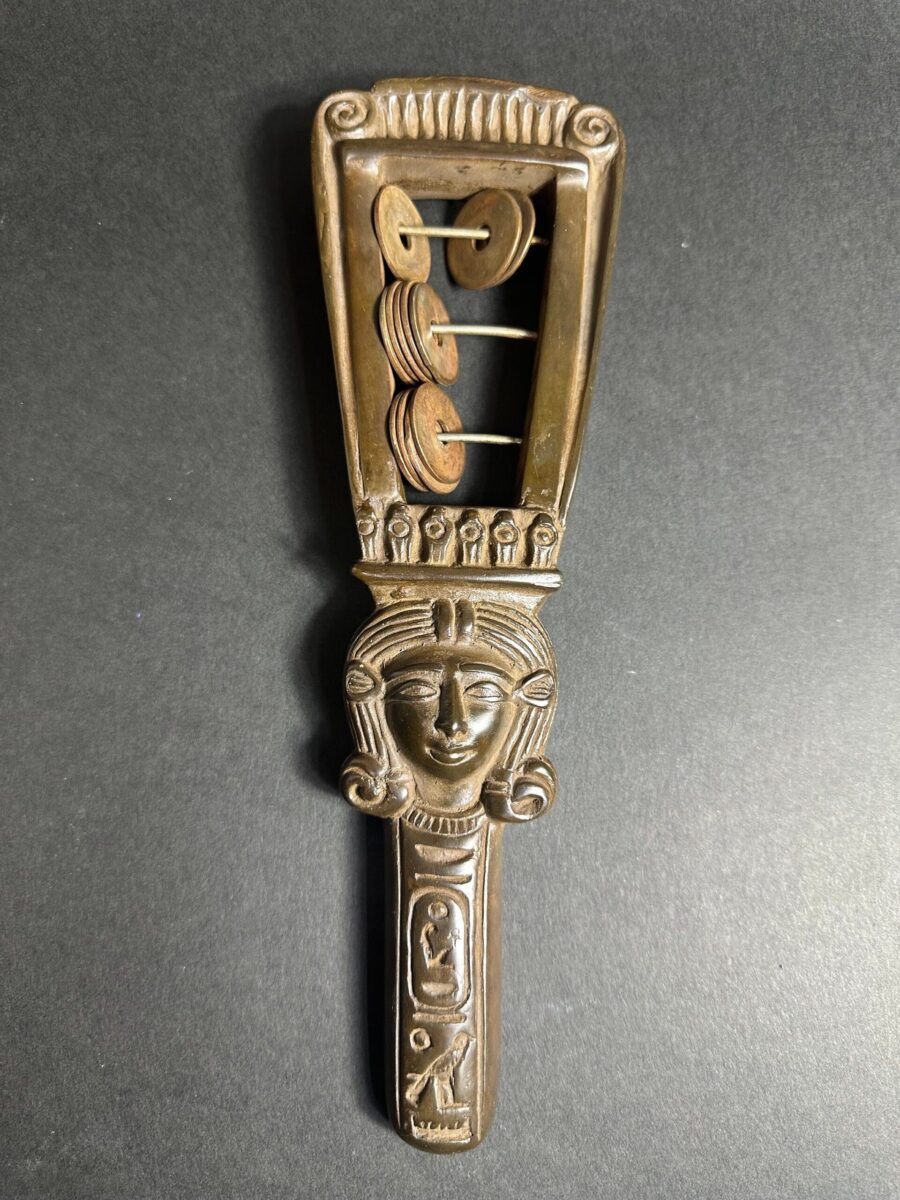
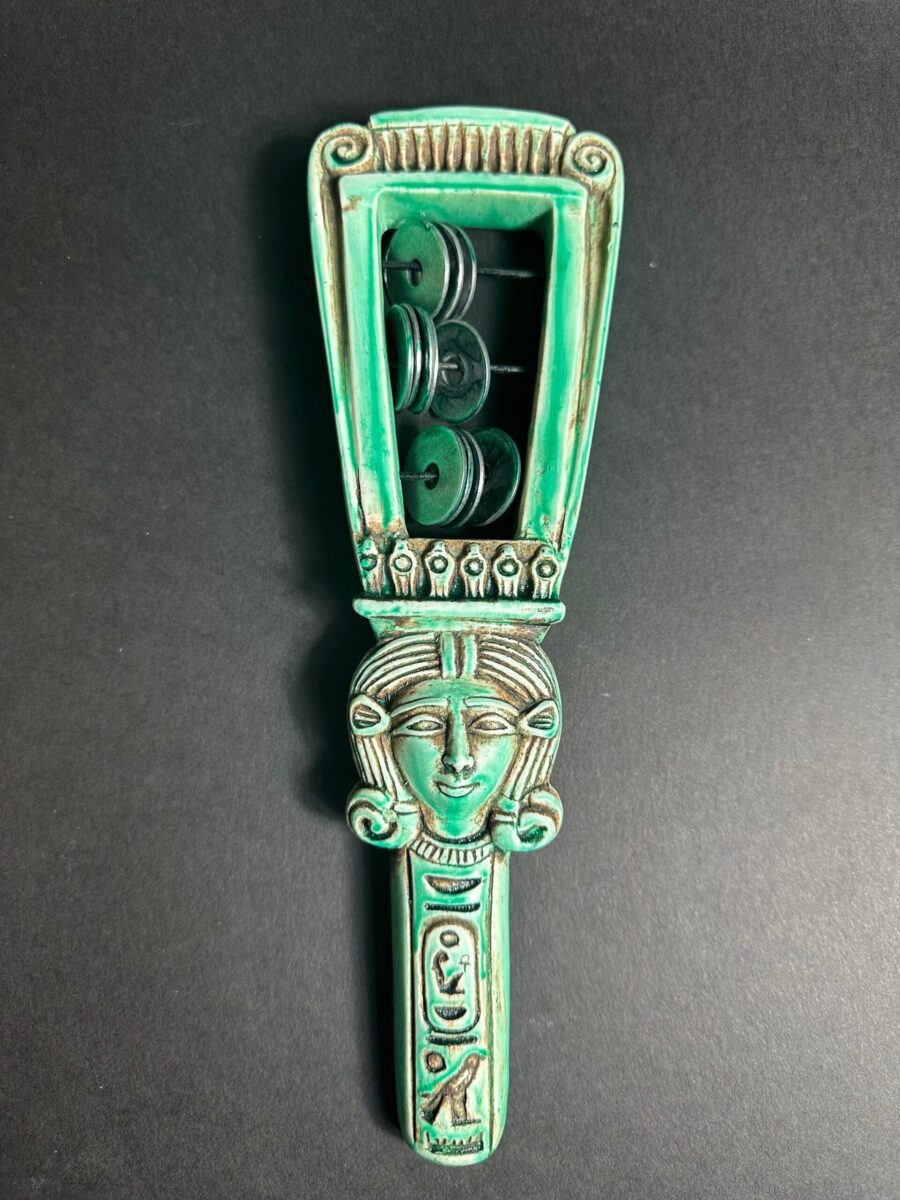
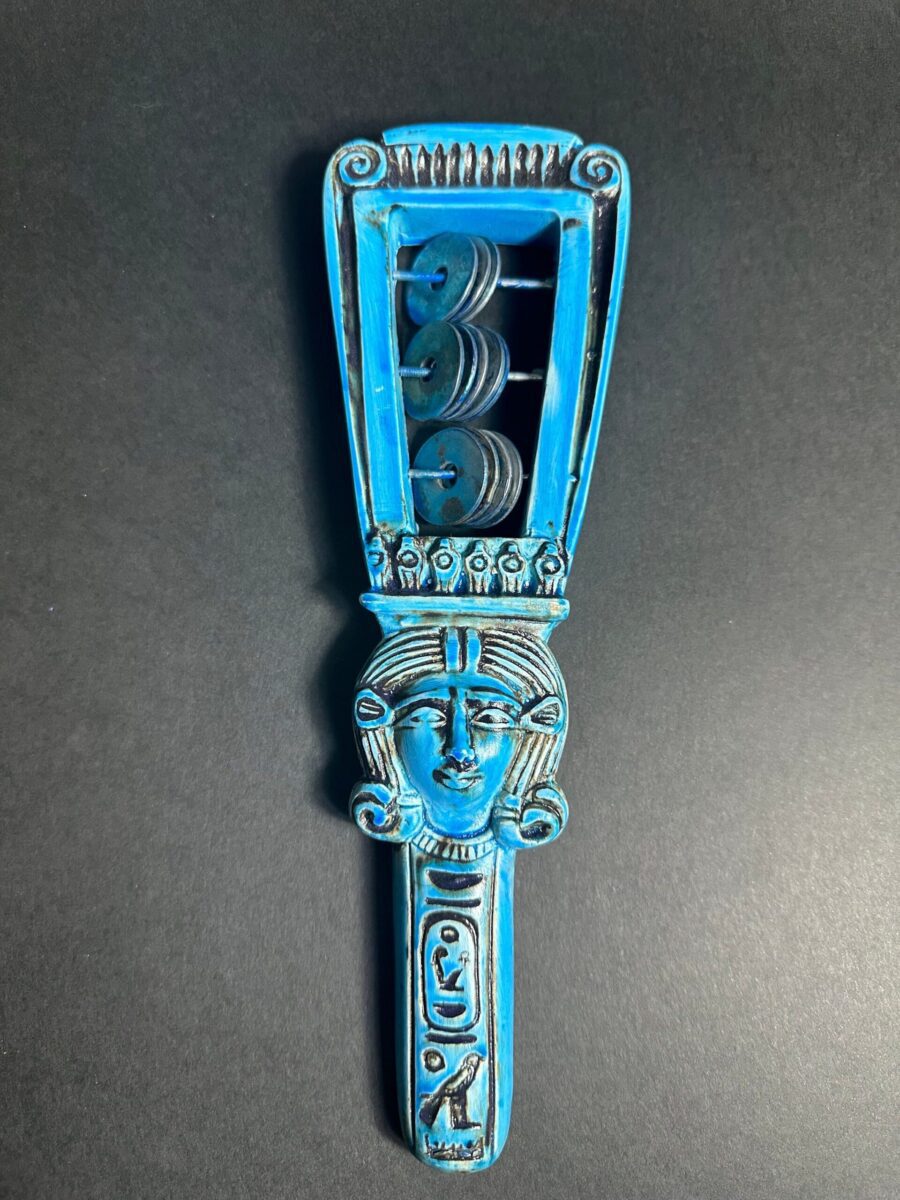
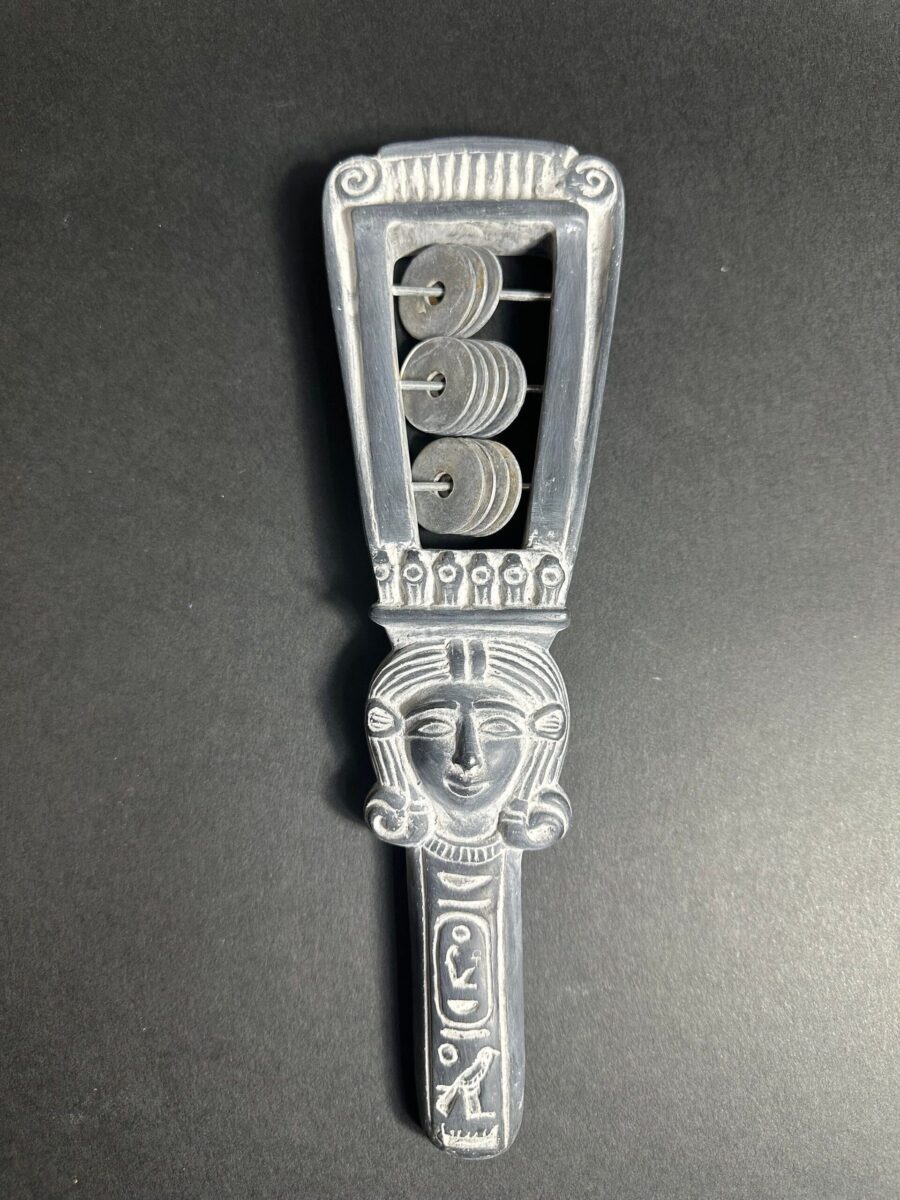
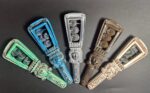
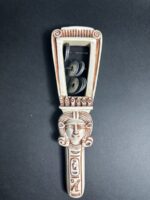
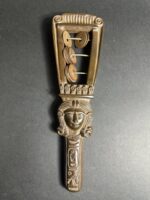
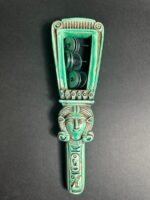
Egyptian Sistrum – Sacred Musical Instrument of Goddess Hathor -Altar Egypt Replica Museum Quality made in Egypt
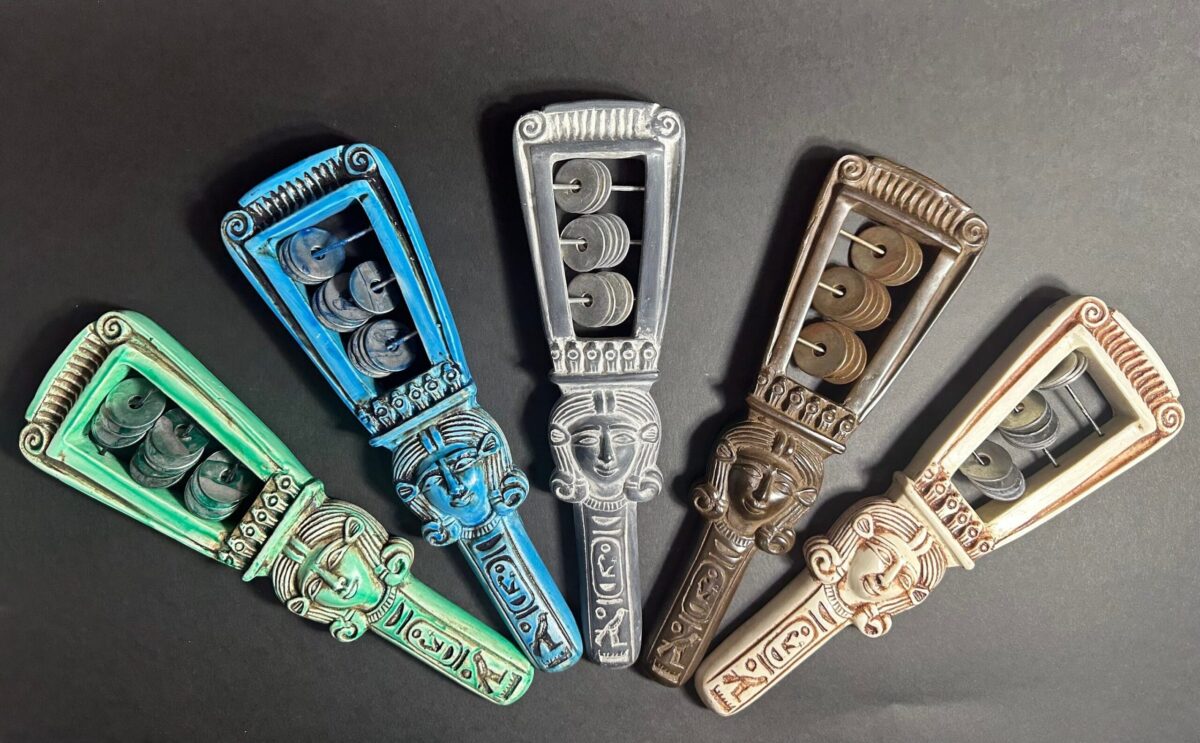
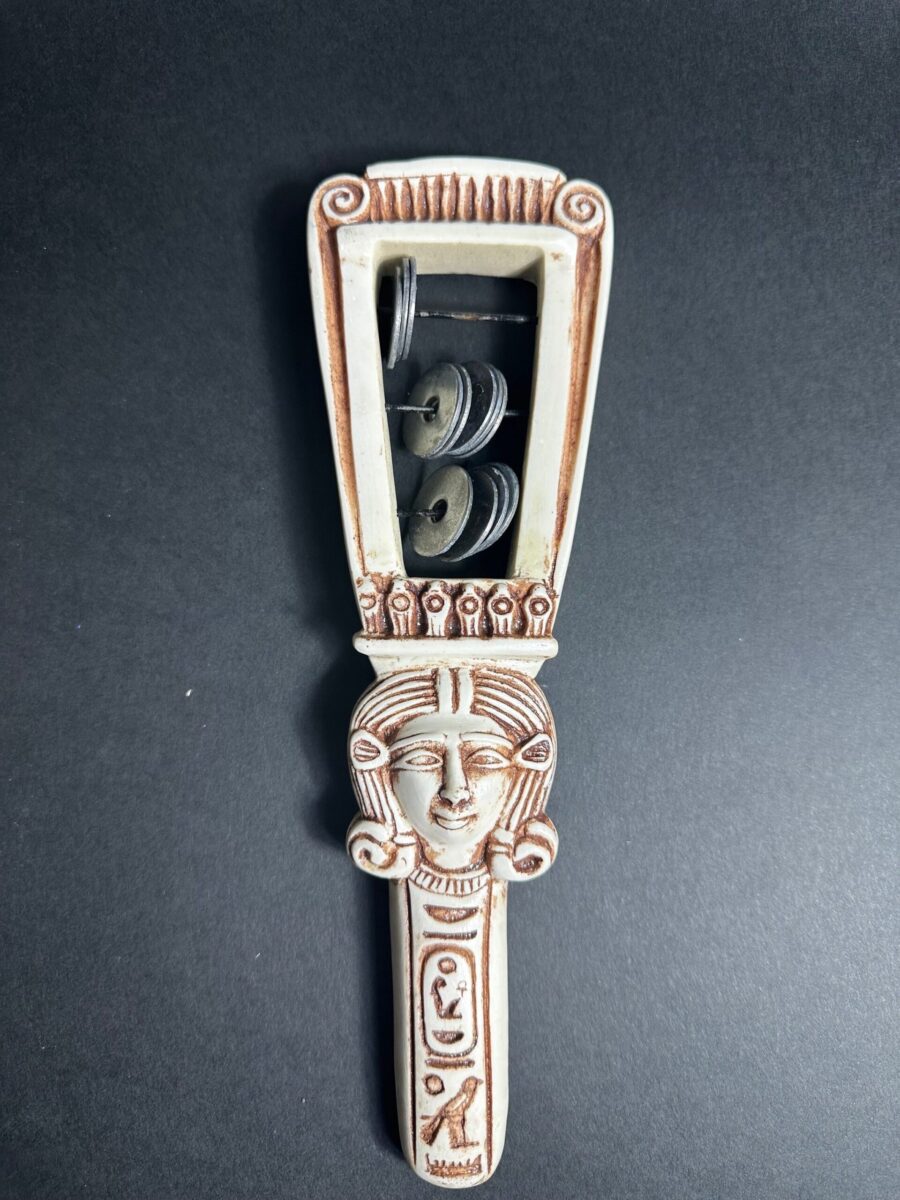
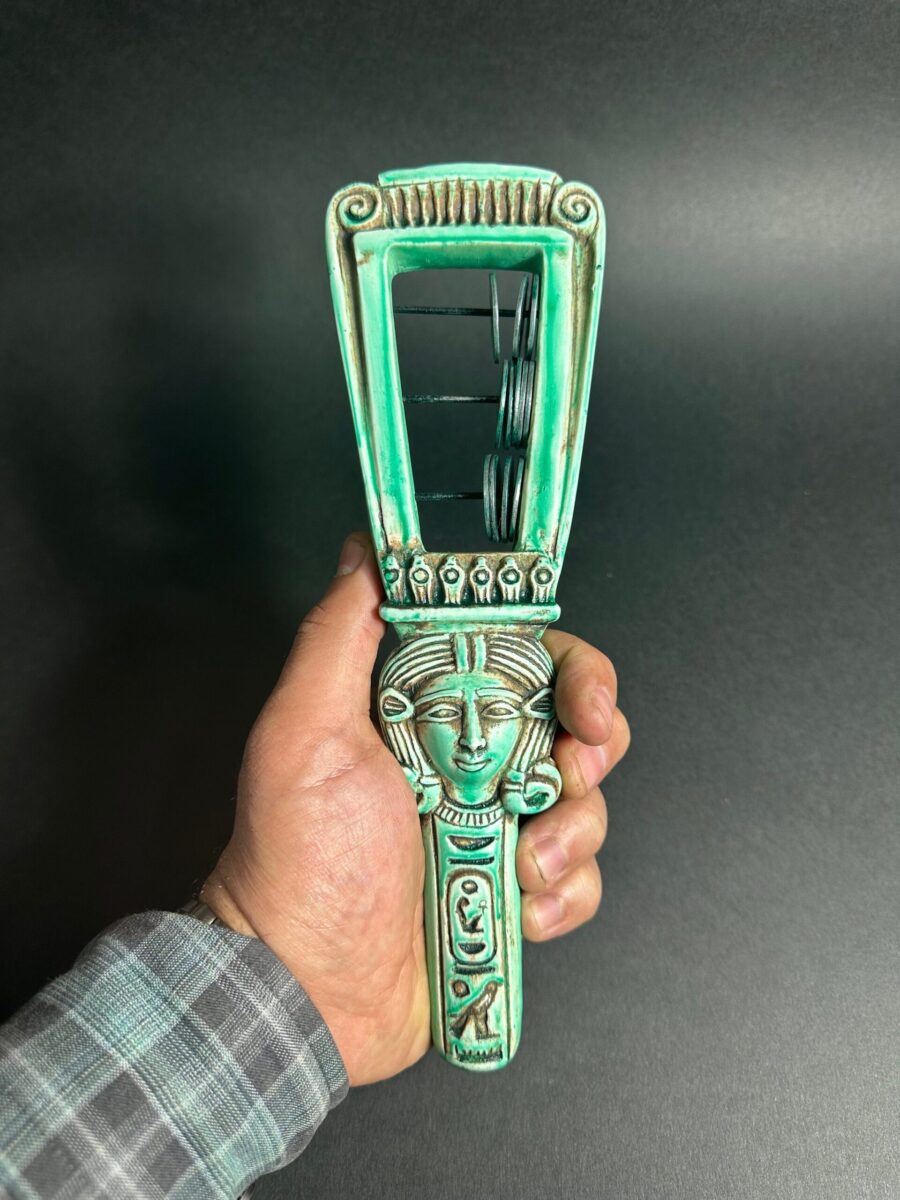
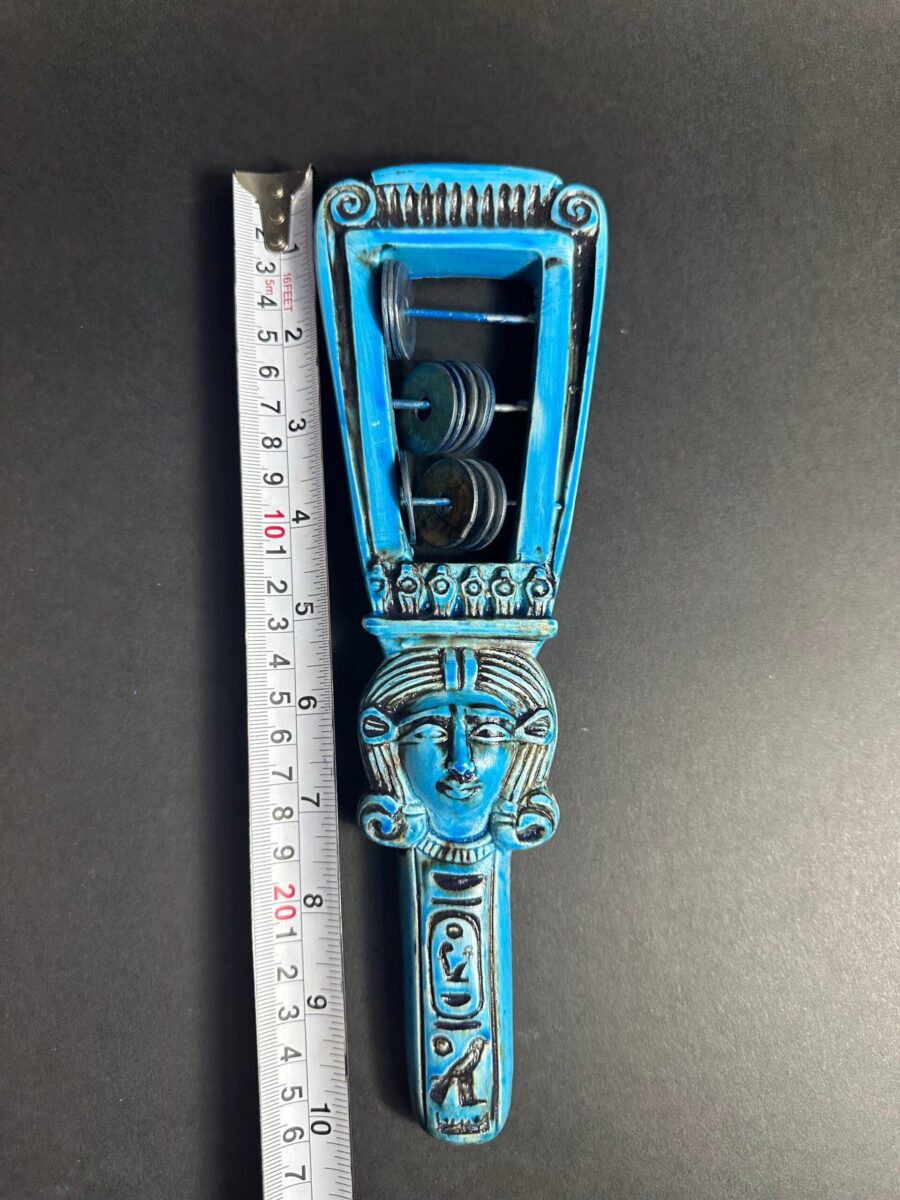
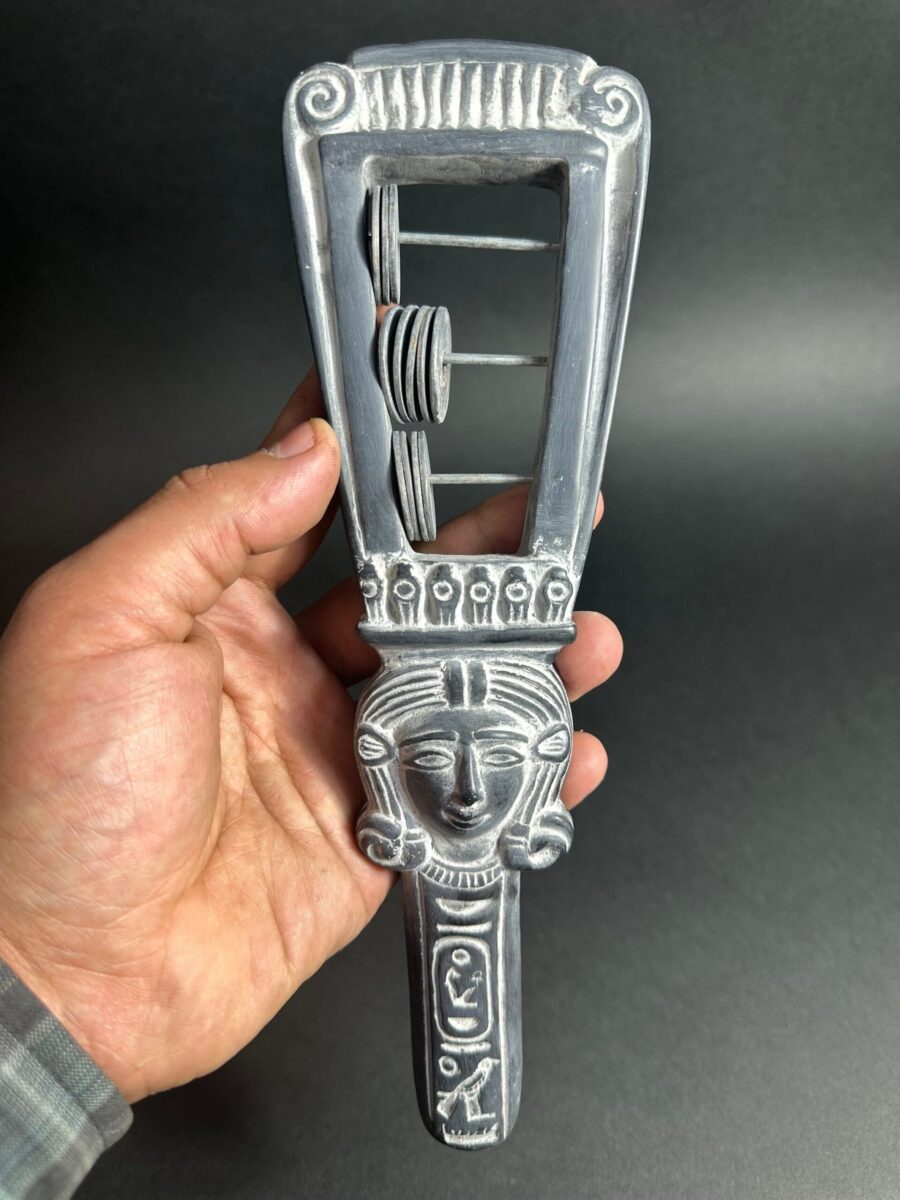
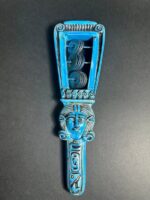
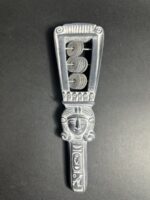
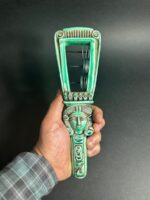
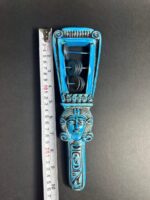
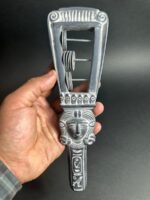
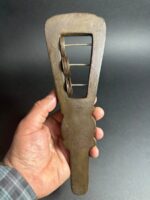
Bring the beauty of ancient Egyptian ritual art into your collection with this Egyptian Hathor Sistrum, handcrafted in Egypt and inspired by the sacred musical instrument associated with Goddess Hathor. Measuring 27 cm in height, this museum-quality replica is perfect for collectors, history lovers, Egyptian décor, and unique cultural gifts.
Egyptian Hathor Sistrum – Handcrafted Sacred Musical Instrument Replica
Description of Art
Egyptian Hathor Sistrum handcrafted in Egypt and inspired by one of the most important sacred musical instruments of ancient Egyptian religion. Closely associated with Goddess Hathor, the sistrum was used during religious ceremonies, temple rituals, festivals, and royal celebrations.
This museum-quality replica reflects the distinctive form and symbolism of the ancient Egyptian sistrum and makes a fascinating addition to any collection of Egyptian art and historical replicas.
Handcrafted with attention to traditional Egyptian design, this Egyptian Hathor Sistrum is ideal for collectors, archaeology enthusiasts, history lovers, musicians, and anyone fascinated by the religious and artistic heritage of ancient Egypt.
Size:
Height: 27 cm
Made in Egypt.
History of the Ancient Egyptian Sistrum
The sistrum was much more than a musical instrument in ancient Egypt. It was also an important religious object closely connected with divine worship, ritual purification, celebration, and protection.
The English word sistrum comes through Greek, while the instrument was known by different names in ancient Egyptian sources.
When shaken, the instrument produced a distinctive rattling sound. This sound accompanied religious rituals and ceremonial performances and was believed to have symbolic importance.
The sistrum became particularly associated with Goddess Hathor, one of the most beloved deities of ancient Egypt.
The Sistrum and Goddess Hathor
Hathor was the ancient Egyptian goddess of love, beauty, joy, music, dance, fertility, motherhood, and celebration.
Because music and dance were central aspects of her worship, the sistrum became one of her most recognizable ritual objects.
Priestesses, musicians, and worshippers could shake the instrument during ceremonies dedicated to Hathor. Its rhythmic sound contributed to the atmosphere of religious festivals and temple rituals.
Representations of Hathor were also incorporated into the design of many ancient sistra.
The Egyptian Hathor Sistrum therefore represents an important connection between ancient Egyptian music, religious practice, artistic symbolism, and the worship of Hathor.
Development of the Sistrum in Ancient Egypt
Different forms of the sistrum developed throughout Egyptian history.
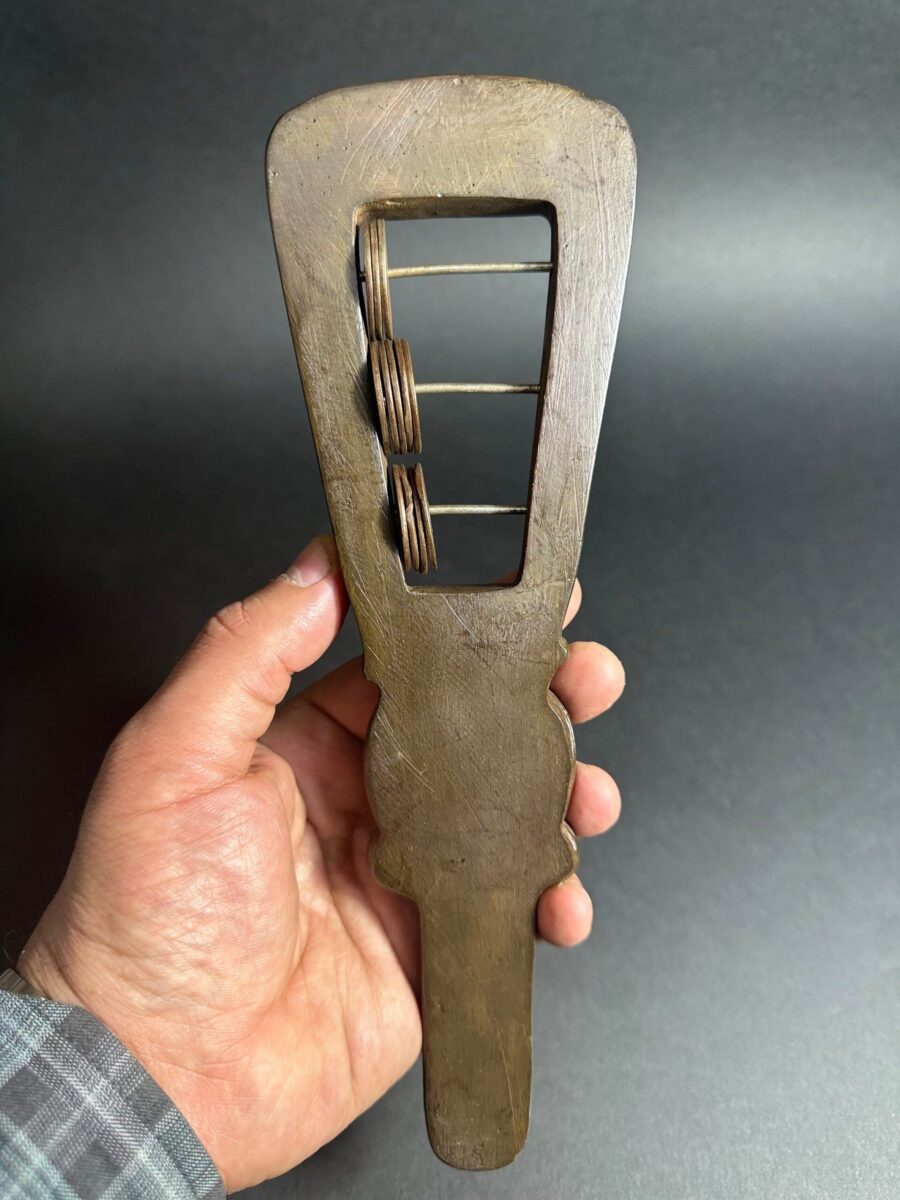
One important type featured an architectural form resembling a shrine or naos. Another developed with a curved upper section through which metal rods or movable elements could create sound when shaken.
Over time, the instrument evolved in appearance while maintaining its religious importance.
The sistrum became a recognizable object in temple scenes, tomb decorations, statues, reliefs, and ceremonial imagery.
Its long history demonstrates the important role music played in Egyptian religious life.
The Sistrum in Temple Rituals
Ancient Egyptian temples were active religious centers filled with ritual ceremonies, offerings, processions, prayers, music, and sacred performances.
The sistrum was commonly used during ceremonies honoring gods and goddesses.
Its sound was particularly associated with celebration and divine worship. In rituals connected with Hathor, musicians could use the instrument together with singing and movement.
For ancient Egyptians, music was not simply entertainment. It could form part of communication with the divine and help create the proper atmosphere for sacred ceremonies.
This makes the Egyptian Hathor Sistrum an especially interesting collectible for anyone studying the relationship between music and religion in ancient Egypt.
Sistrum Imagery in Ancient Egyptian Art
The sistrum appears in numerous scenes from ancient Egyptian temples and tombs.
Royal women, priestesses, and other figures are sometimes shown holding or shaking the instrument during ceremonies.
During the New Kingdom, its imagery became especially prominent in religious and royal contexts.
Examples connected with the Amarna Period and the age of Tutankhamun demonstrate that the sistrum remained an important ceremonial instrument across changing religious traditions.
These artistic representations provide valuable evidence for understanding how the instrument was held, used, and understood by ancient Egyptians.
The Sistrum Beyond Hathor
Although the instrument was strongly associated with Hathor, its symbolism was not limited to her worship.
The sistrum also became connected with other Egyptian goddesses, particularly Isis and Bastet.
During the Greco-Roman Period, the worship of Isis spread throughout the Mediterranean world, carrying Egyptian religious symbols and traditions far beyond Egypt.
The sistrum became one of the recognizable ritual objects connected with the cult of Isis.
This expansion demonstrates how an instrument that developed within ancient Egyptian religion eventually became known across different regions and cultures.
Symbolism of the Egyptian Sistrum
The ancient Egyptian sistrum can be associated with several important ideas:
- Goddess Hathor
- Sacred music
- Celebration
- Joy
- Temple worship
- Religious ceremonies
- Protection
- Egyptian mythology
- Ritual performance
- Ancient Egyptian art
For modern collectors, an Egyptian Hathor Sistrum provides a meaningful connection with the musical, artistic, and religious traditions of ancient Egypt.
Handcrafted Egyptian Replica
This Egyptian Hathor Sistrum is handcrafted in Egypt as a decorative museum-quality replica inspired by ancient examples.
Its distinctive design makes it suitable for:
- Ancient Egyptian art collectors
- Archaeology enthusiasts
- Egyptian mythology lovers
- Museum-inspired displays
- Historical replica collections
- Egyptian-themed home décor
- Music history enthusiasts
- Office or library decoration
- Cultural gifts
- Collectors of Hathor artifacts
With a height of 27 cm, the piece can be displayed attractively on a shelf, desk, cabinet, or within a larger Egyptian collection.
Product Details
Product: Egyptian Hathor Sistrum
Type: Handcrafted Replica
Height: 27 cm
Origin: Made in Egypt
Theme: Ancient Egyptian / Goddess Hathor
Use: Collectible, décor, historical display, cultural gift
Customer Service
For more details or if you would like a live photo of the product before purchasing, please contact us through Etsy.
We are happy to answer your questions and provide additional information about the item.
Please provide a reachable phone number and email address when required so the shipping company can contact you during the delivery process.
Shipping
All products are carefully packaged to help protect each piece from scratches or breakage during transportation.
Orders are shipped using DHL or another appropriate international shipping service when applicable.
Please keep an eye on your inbox for shipping updates and tracking information.
International Shipping
Please provide your phone number to complete the international shipping process.
All customs duties, taxes, and import fees are included in the shipping price according to the stated shop policy.
Your Egyptian Hathor Sistrum will be carefully prepared and securely packed to help ensure safe delivery to your door.
| Primary color | Blue, Brown, Gray, Green, White |
|---|
Related products
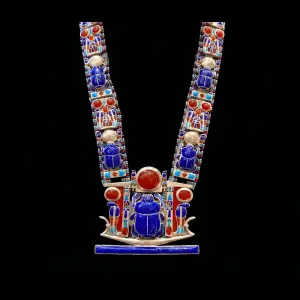
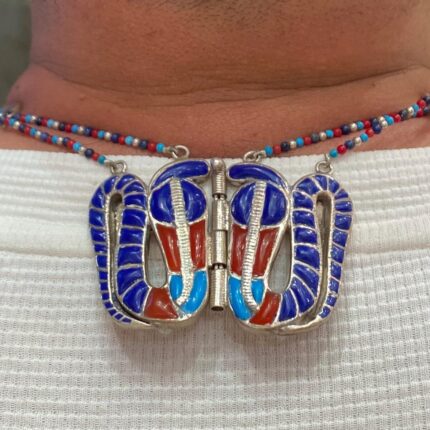
King Tutankhamun Scarab Necklace, Sterling Silver Gemstone Inlay
Elevate your jewelry collection with our King Tutankhamun Scarab Necklace. Combining authentic ancient Egyptian iconography with fine artisan craftsmanship and striking hand-finished details, this protective royal pendant offers a compelling blend of rich history, opulent style, and timeless symbolic energy for any occasion.
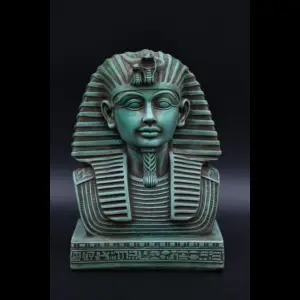
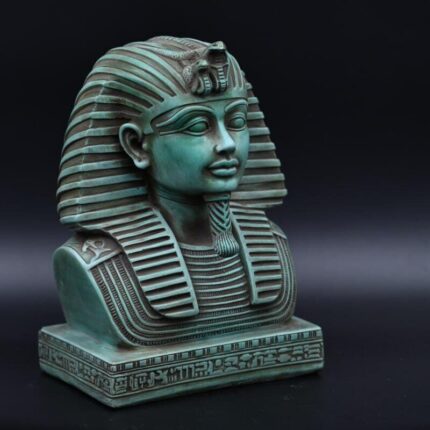
King Tutankhamun Mask: Egyptian Museum Replica
Elevate your collection with our King Tutankhamun Mask. Combining authentic museum-style pharaonic iconography with fine artisan craftsmanship and brilliant hand-finished golden details, this iconic royal treasure sculpture offers a compelling blend of deep history, powerful presence, and timeless symbolic prestige for any home or office display.
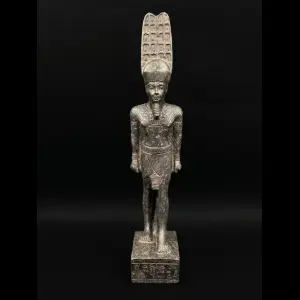
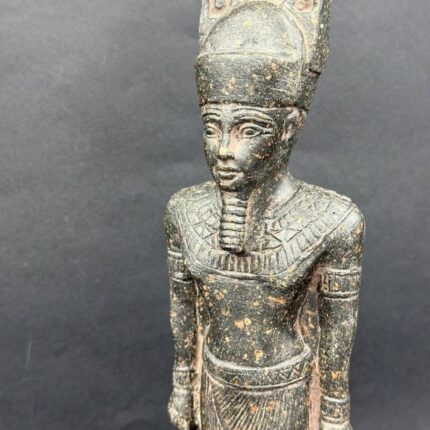
Amun RA, Ancient Egyptian God Amun Re
Bring the power and symbolism of ancient Egypt into your space with this Amun Ra Statue, crafted from durable composite granite. Inspired by Amun-Ra, the ancient Egyptian god associated with the sun, creation, and divine authority, this detailed sculpture is perfect for collectors, Egyptian décor lovers, history enthusiasts, or as a unique gift.
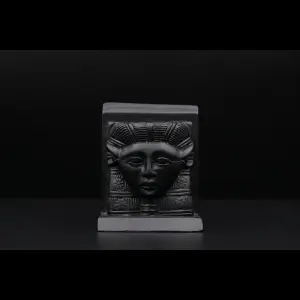
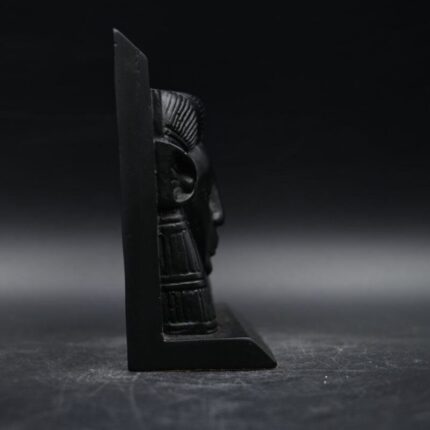
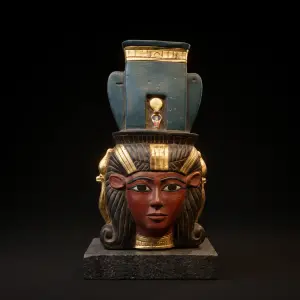
Basalt Hathor Mask Sculpture: Egyptian Goddess Replica
Add a distinctive piece of ancient Egyptian heritage to your collection with this Hathor Basalt Stone Mask, inspired by the goddess of love, beauty, joy, fertility, and motherhood. Crafted from basalt stone, it is perfect for shelf or desk display, Egyptian décor, collectors, history enthusiasts, and unique cultural gifts.


Reviews
There are no reviews yet.