
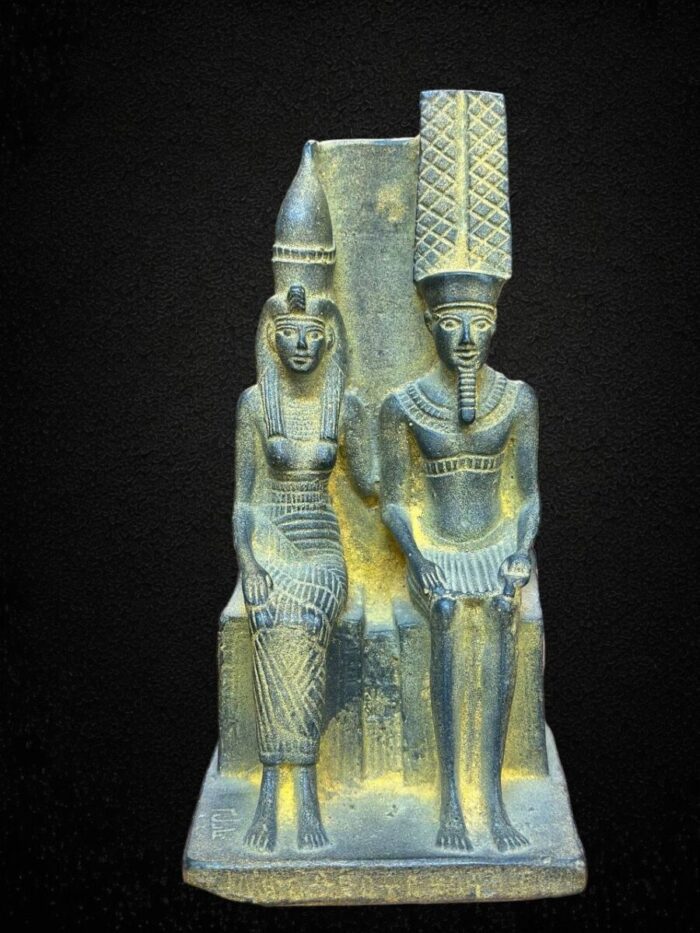
Serket Goddess Sculpture: Ancient Egyptian Mythology Antiques
$130.00
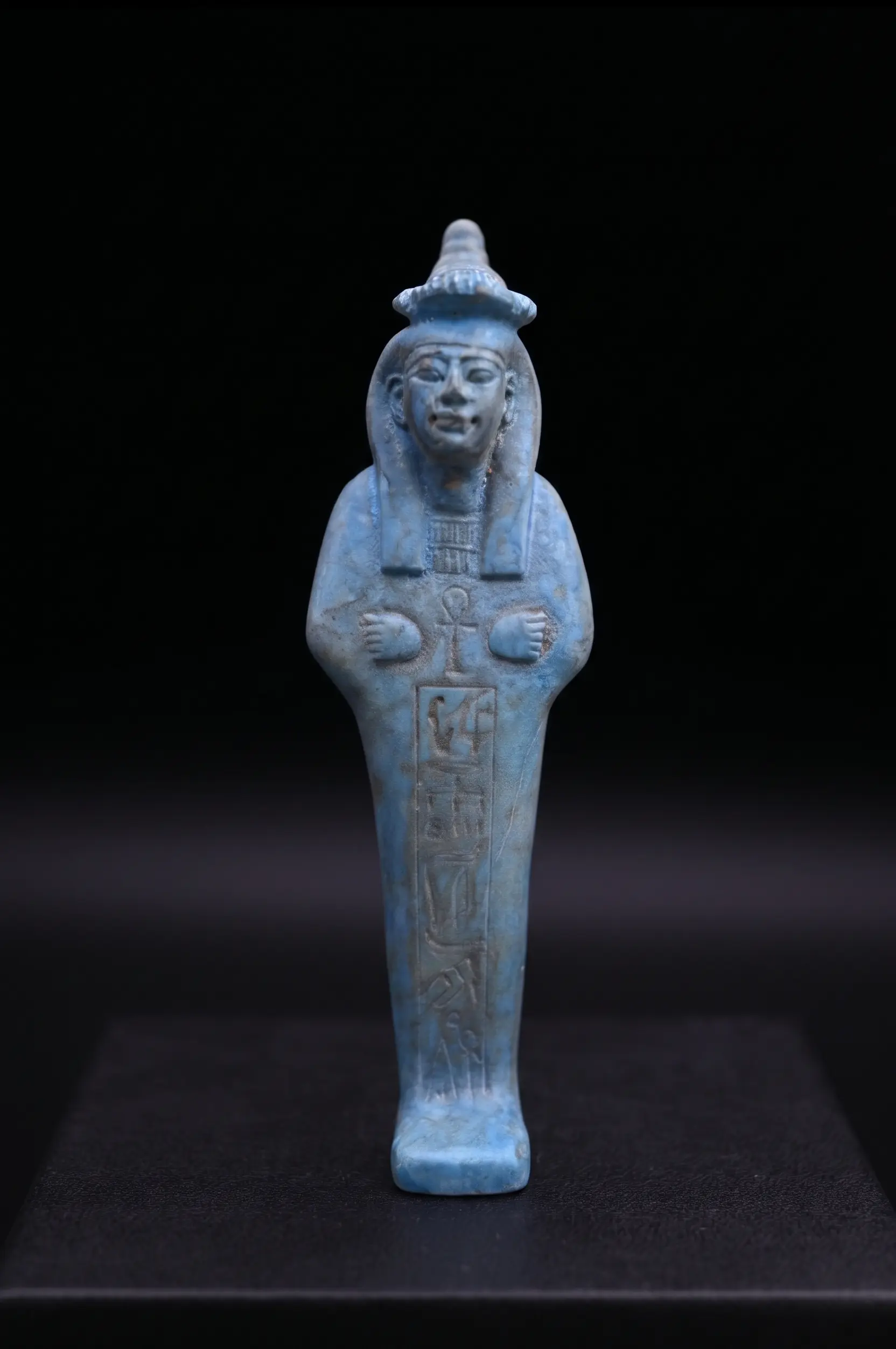
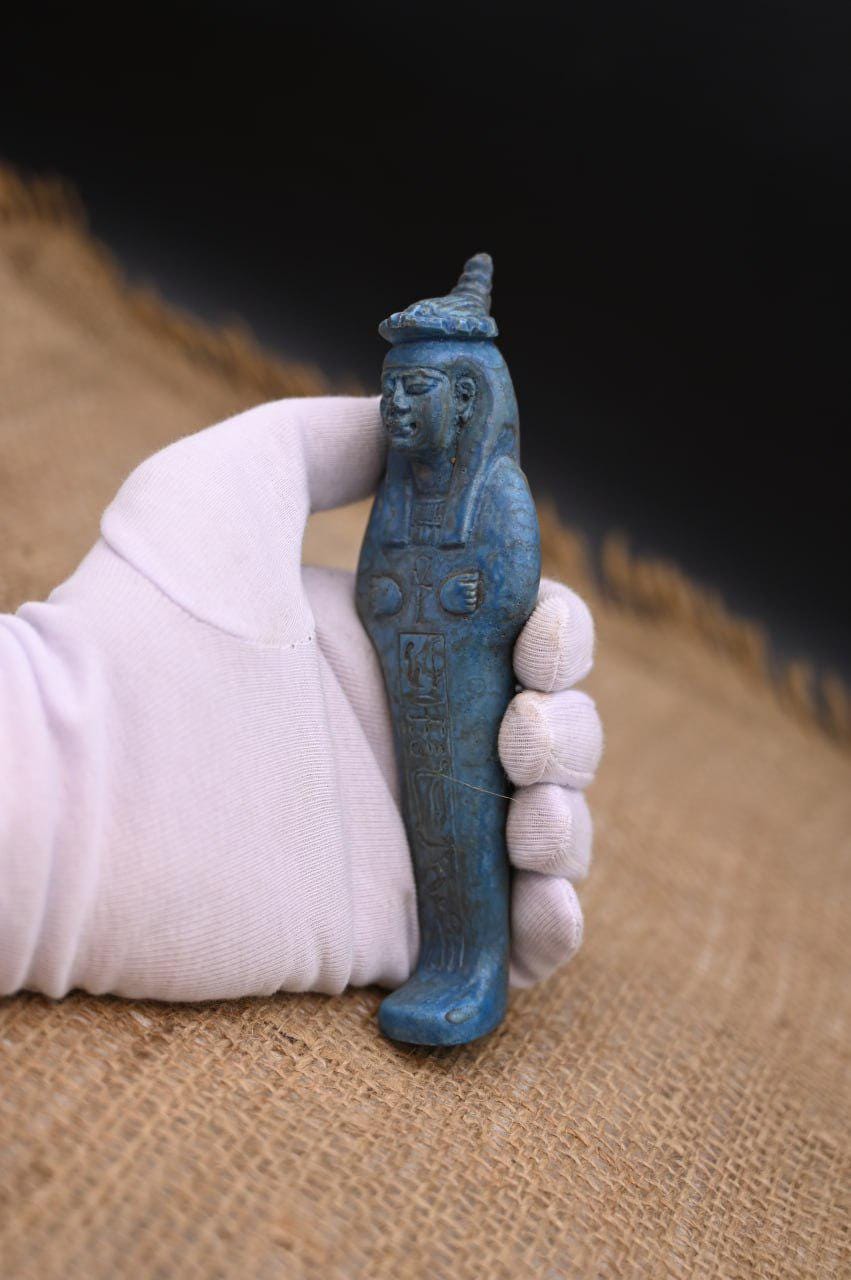
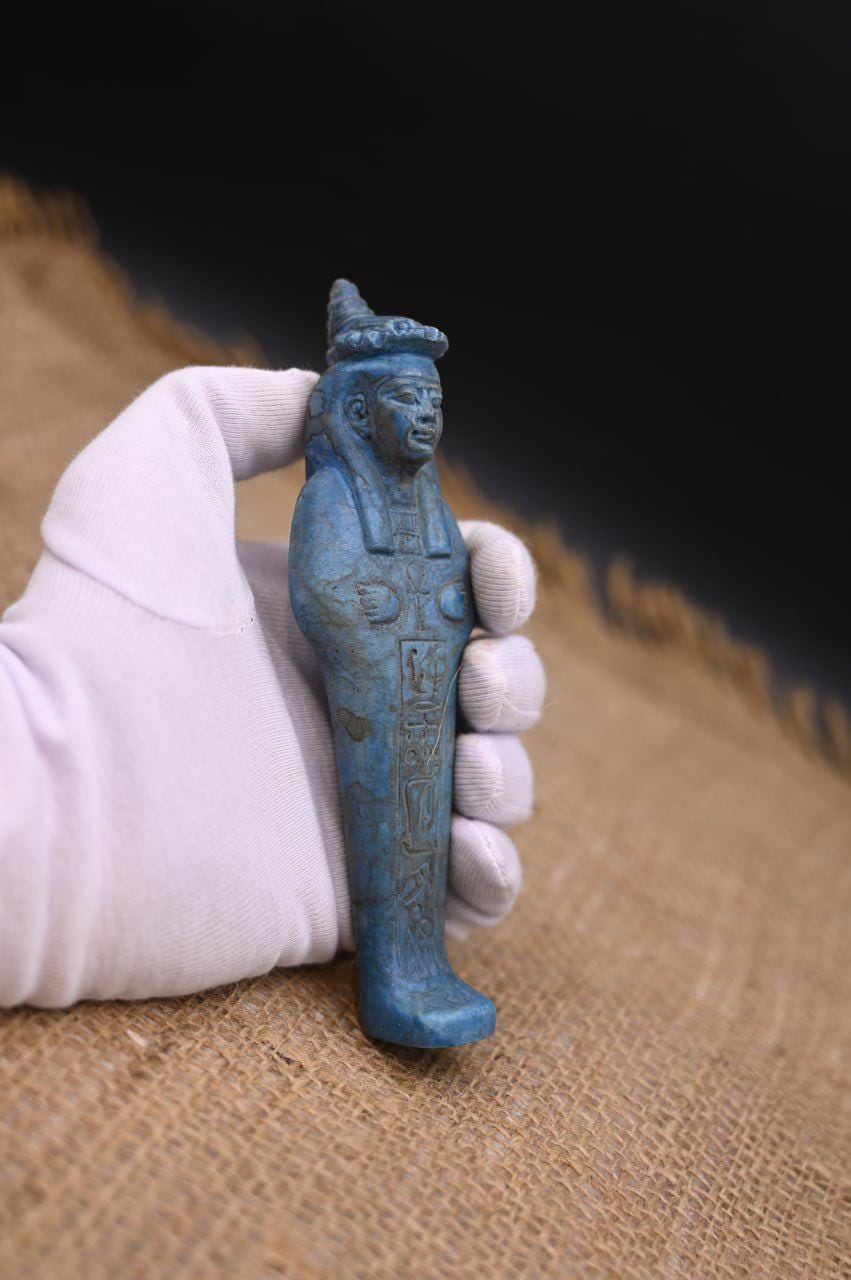
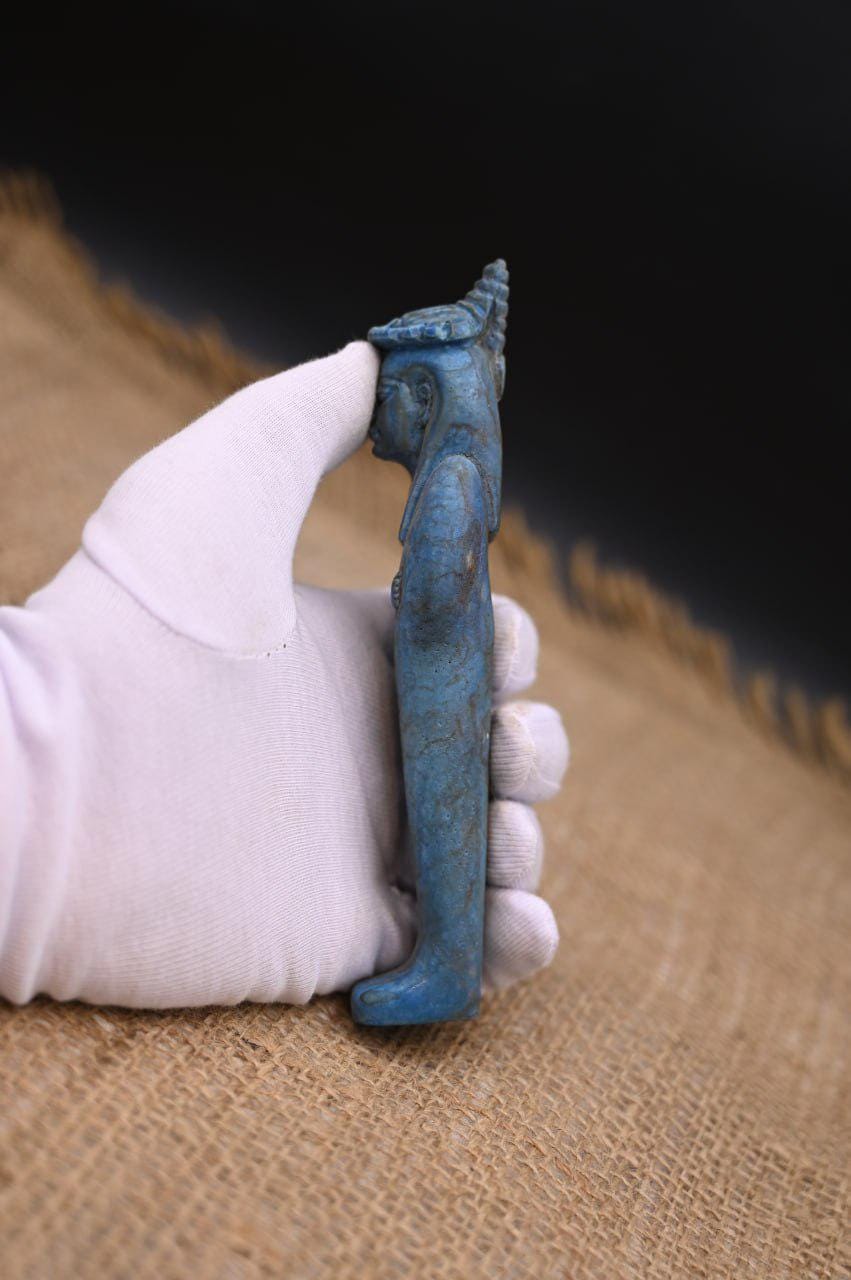
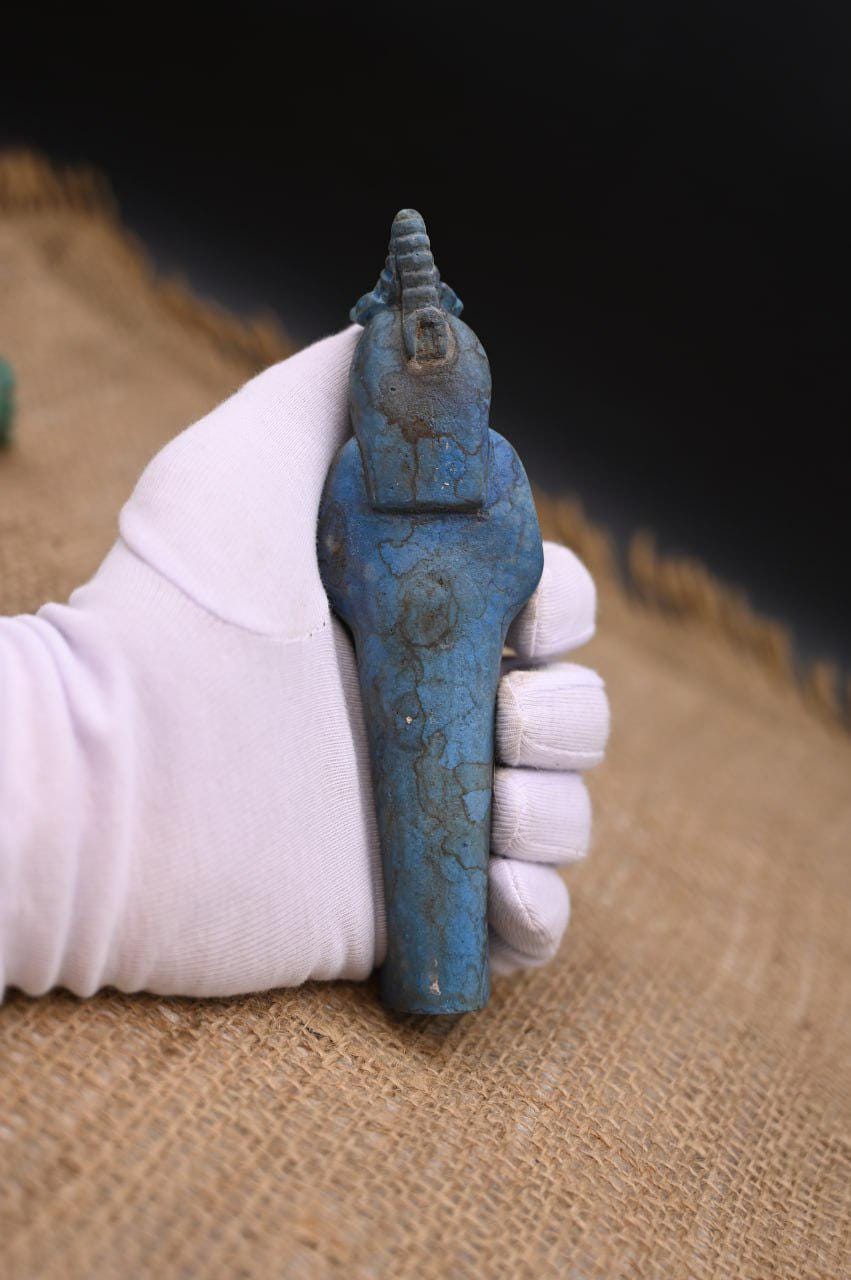
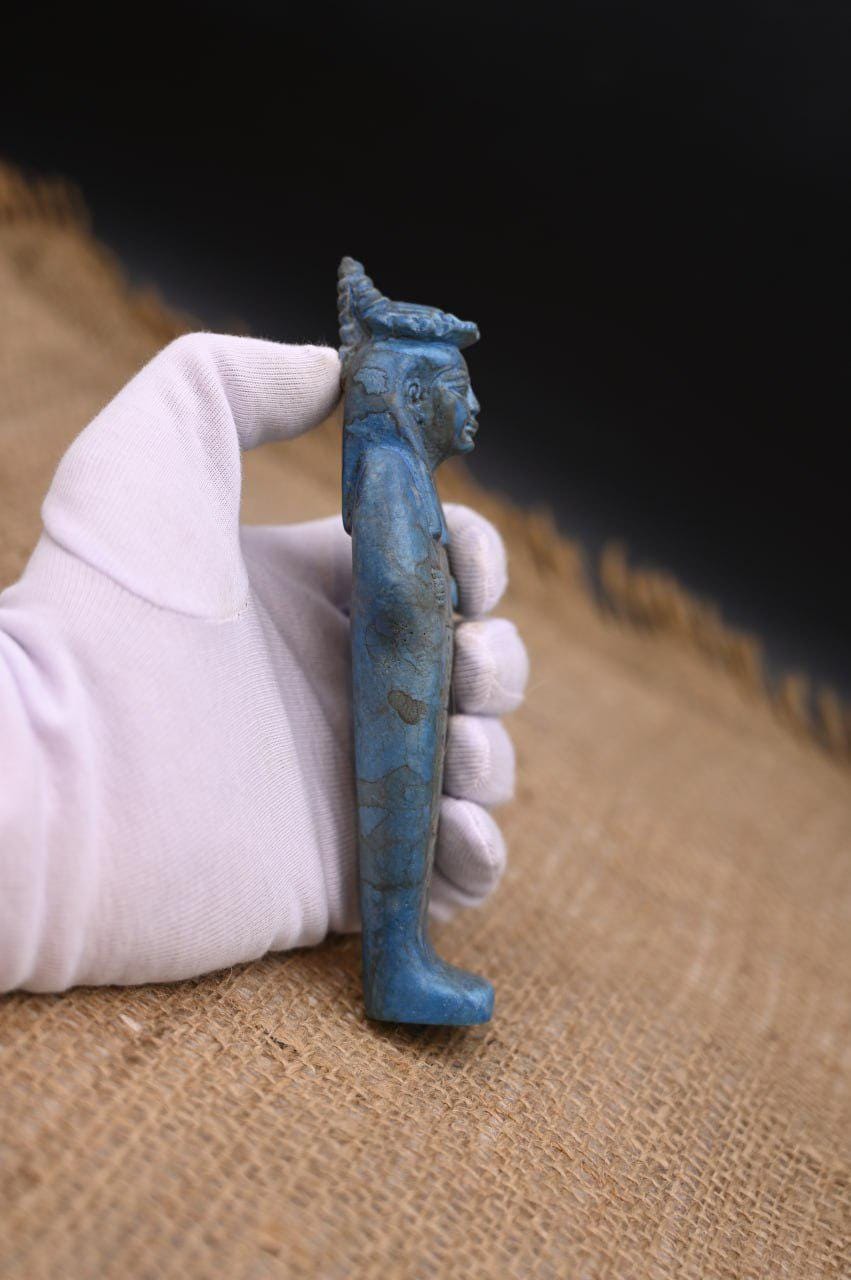
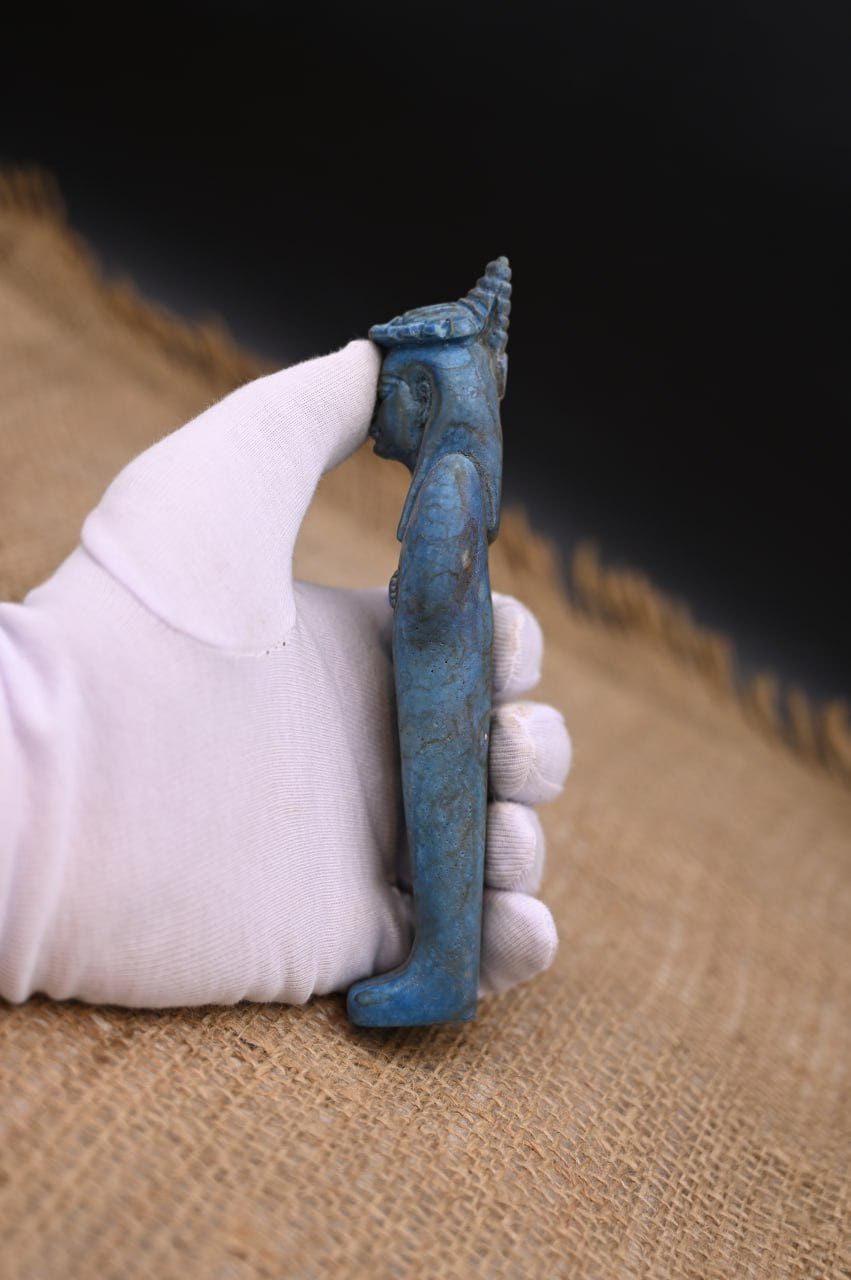
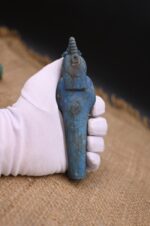
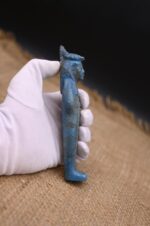
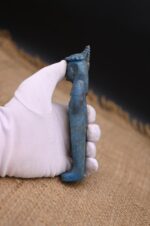
Add a distinctive piece of ancient Egyptian funerary art to your collection with this Blue Hieroglyphic Ushabti Figure, featuring a mummiform design, human face, headdress, and hieroglyphic-style inscriptions. Inspired by ancient shabti figures created to serve the deceased in the afterlife, it is ideal for collectors, Egyptology lovers, museum-inspired décor, and unique cultural gifts.
Blue Hieroglyphic Ushabti Figure – Ancient Egyptian Funerary Statue Replica
Description of Art
Blue Hieroglyphic Ushabti Figure inspired by the small funerary statues placed in ancient Egyptian tombs to serve the deceased in the afterlife.
The figure features a distinctive blue finish, a mummiform body, a human face with a headdress, and hieroglyphic-style inscriptions running vertically down the front.
Its compact sculptural form is inspired by one of the most recognizable categories of ancient Egyptian funerary objects.
This piece is ideal for Egyptian décor, Egyptology collections, museum-inspired displays, archaeology enthusiasts, and unique cultural gifts.
Product Details
Design: Ancient Egyptian Ushabti / Shabti
Color: Blue
Form: Mummiform Human Figure
Decoration: Hieroglyphic Inscriptions
Style: Ancient Egyptian Inspired
Type: Decorative Funerary Figure Replica
Material and dimensions were not supplied, so I would not add them until you confirm the actual product specifications.
What Is an Ushabti?
Ushabtis, also called shabtis, were small funerary figures placed in ancient Egyptian burials.
Their purpose was connected with the afterlife. Ancient Egyptians believed that if the deceased were called upon to perform agricultural or other compulsory labor in the next world, a shabti could act on the deceased person’s behalf. The Metropolitan Museum describes shabtis as substitute workers intended to carry out labor for their owners in the afterlife.
This makes the Blue Hieroglyphic Ushabti Figure much more than a decorative mummy-shaped sculpture: its design is inspired by an important ancient Egyptian funerary tradition.
The Mummiform Shape
The mummiform appearance described in your product is historically appropriate for a shabti.
Early examples could be represented as wrapped mummy-like figures, sometimes without clearly defined hands or arms. The Metropolitan Museum notes that the traditional form of early shabtis resembled a wrapped mummy.
Later examples often show crossed arms and may include tools associated with agricultural labor.
Your description says that the arms are not clearly visible, which is completely compatible with certain historical shabti forms.
Hieroglyphic Inscriptions
Hieroglyphic inscriptions are another important feature of many ancient shabtis.
Some carried the owner’s name and titles, while others included versions of Spell 6 of the Book of the Dead, instructing the shabti to answer on behalf of the deceased when work was required in the afterlife.
This makes the vertical inscription on the front of the Blue Hieroglyphic Ushabti Figure one of its most historically evocative design elements.
Unless you know exactly what the hieroglyphs on this replica say, however, avoid claiming that they reproduce a particular ancient spell, royal name, or individual.
Better wording is:
“Decorated with hieroglyphic-style inscriptions inspired by ancient Egyptian funerary figures.”
Ushabtis and the Afterlife
Ancient Egyptian ideas about death emphasized continued existence beyond the grave.
Shabtis became part of the funerary equipment intended to prepare the deceased for this afterlife.
The Metropolitan Museum explains that these figurines could serve as avatars or substitutes for their owners when manual labor was required in the next world.
Typical duties mentioned in shabti texts included:
- Cultivating fields
- Maintaining irrigation
- Moving earth or sand
- Carrying out agricultural work
These practical afterlife roles explain why some shabtis hold hoes, picks, or baskets.
From One Figure to Hundreds
Shabti traditions developed considerably over Egyptian history.
By the Third Intermediate Period, wealthy burials could contain hundreds of these figures. The Met records examples where as many as 401 shabtis could accompany a burial, including workers and overseers.
Worker figures could hold agricultural tools, while overseer figures could be distinguished by different clothing and equipment.
This makes shabtis an especially fascinating subject for collectors interested in the everyday practical dimensions of ancient Egyptian beliefs about the afterlife.
The Blue Color
Blue-colored shabtis are particularly recognizable in Egyptian collections, and surviving examples were sometimes produced in materials such as faience or glazed stone. For example, the Metropolitan Museum preserves a Third Intermediate Period shabti made from faience as well as a New Kingdom example in glazed steatite.
However, your product material is not specified.
Therefore, I would not call this particular piece:
- Faience
- Glazed stone
- Steatite
- Ceramic
unless the actual material is confirmed.
For now, simply describe it as a blue-finished Egyptian-inspired Ushabti figure.
An Ancient Egyptian Funerary Symbol
For modern collectors, an ushabti can represent a fascinating connection with ancient Egyptian ideas surrounding:
The Afterlife • Service • Funerary Ritual • Eternal Existence • Egyptian Archaeology
It works especially well in collections featuring:
- Anubis
- Osiris
- Canopic jars
- Scarabs
- Djed pillars
- Egyptian coffins
- Book of the Dead imagery
Together, these objects can create a display inspired by ancient Egyptian funerary culture.
Museum-Inspired Egyptian Decor
The Blue Hieroglyphic Ushabti Figure can be displayed in:
- Home libraries
- Offices
- Bookshelves
- Display cabinets
- Egyptian-themed rooms
- Archaeology collections
- History classrooms
- Museum-inspired displays
Its blue color and vertical hieroglyphic decoration give the figure a visually recognizable Egyptian character.
Perfect for Collectors
This Blue Hieroglyphic Ushabti Figure is a distinctive choice for:
- Egyptology enthusiasts
- Ancient Egyptian art collectors
- Archaeology lovers
- Ushabti collectors
- Ancient history enthusiasts
- Museum-inspired décor
- Egyptian mythology collections
- Teachers and students
- Unique cultural gifts
Product Specifications
Product: Blue Hieroglyphic Ushabti Figure
Object Type: Ushabti / Shabti
Color: Blue
Form: Mummiform Human Figure
Details: Human Face, Headdress & Hieroglyphic-Style Inscriptions
Historical Function: Funerary substitute figure associated with performing work for the deceased in the afterlife.
Style: Ancient Egyptian Inspired
Use: Collection, Home Décor, Office Display & Cultural Gift
Material: Not Provided
Dimensions: Not Provided
Related products
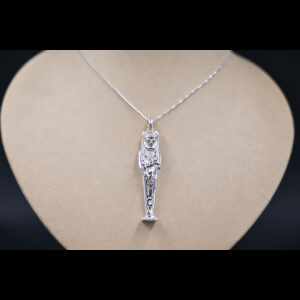
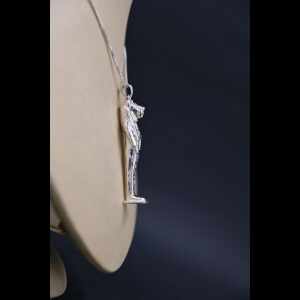
Handmade Sterling Silver Sekhmet Goddess Amulet
Add a powerful symbol of ancient Egyptian strength to your jewelry collection with this Pure Silver Sekhmet Amulet, crafted from pure silver and inspired by Sekhmet, the lioness goddess of war, protection, healing, medicine, and solar power. A distinctive choice for mythology lovers, silver jewelry collectors, Egyptology enthusiasts, and unique cultural gifts.
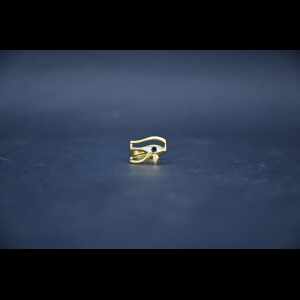
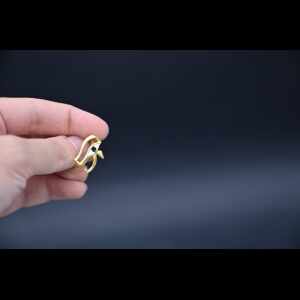
Egyptian Eye of Horus Ring, Ancient Symbol, Handmade in Egypt
Add a powerful symbol of ancient Egyptian kingship to your jewelry collection with this Egyptian Falcon God Horus Ring, handcrafted in Egypt with a unisex free-size design. Inspired by Horus, the falcon god of the sky, royal authority, and protection, it is a distinctive choice for women and men, mythology lovers, Egyptology enthusiasts, and unique cultural gifts.
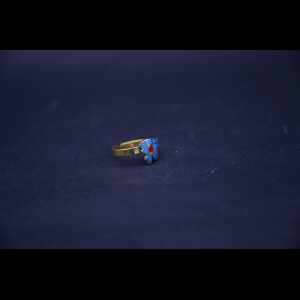
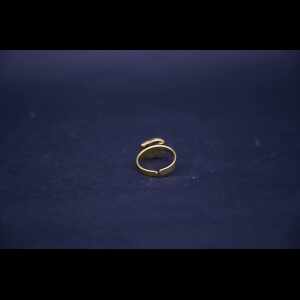
Egyptian Eye of Horus Ring: Ancient Symbol, Handmade in Egypt
Add a powerful symbol of ancient Egyptian kingship to your jewelry collection with this Unisex Horus Pharaonic Ring, handcrafted in Egypt with a flexible free-size design for women and men. Inspired by Horus, the falcon god of the sky, royal authority, and protection, it is a distinctive choice for mythology lovers, Egyptology enthusiasts, symbolic jewelry collectors, and unique cultural gifts.
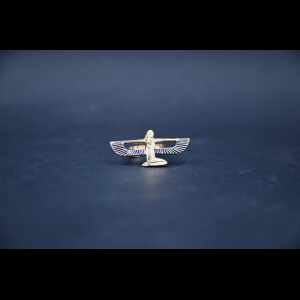
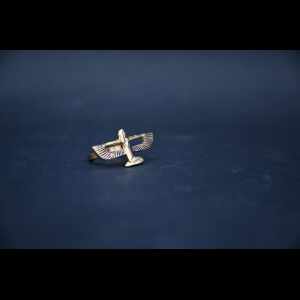
Isis ring-amazing Ring the symbol of good luck-good life-ancient Egyptian ornament-mythology
Add a meaningful symbol of ancient Egyptian protection to your jewelry collection with this Unisex Isis Egyptian Ring, handcrafted in Egypt with a flexible free-size design for women and men. Inspired by Isis, the goddess of motherhood, magic, protection, healing, and fertility, it is a distinctive choice for mythology lovers, Egyptology enthusiasts, symbolic jewelry collectors, and unique cultural gifts.
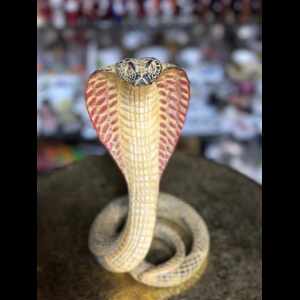
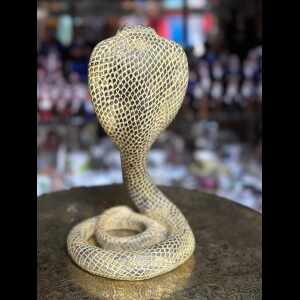
Handmade Egyptian Uraeus Cobra Statue, Wadjet Serpent Goddess
Add a powerful symbol of ancient Egyptian royal protection to your collection with this 25 cm Egyptian Uraeus Cobra, measuring 25 cm high and 12 cm wide. Inspired by Wadjet, the cobra goddess associated with Lower Egypt, kingship, guardianship, and divine protection, it is a distinctive choice for Egyptology collectors, Egyptian décor, mythology lovers, and unique cultural gifts.
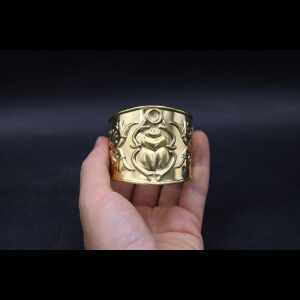
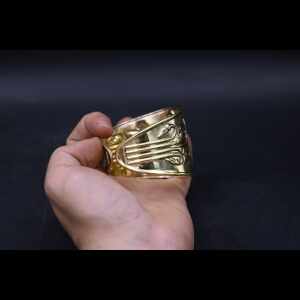
Egyptian Scarab Bracelet: Brass Beetle Amulet, Ancient Mythology Jewelry
Add a meaningful symbol of ancient Egyptian renewal to your jewelry collection with this Brass Scarab Beetle Bracelet, handcrafted in Egypt from brass and featuring a detailed scarab centerpiece. Inspired by the ancient symbolism of rebirth, transformation, solar renewal, and protection, it is a distinctive choice for mythology lovers, Egyptology enthusiasts, jewelry collectors, and unique cultural gifts.
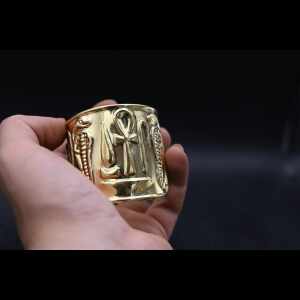
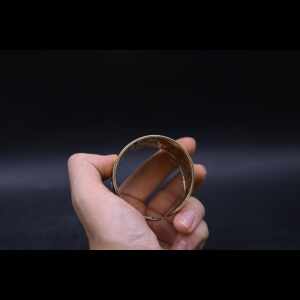
Brass Nile Key Bracelet: Winged Cobra Talisman, Egyptian Protection
Add a powerful combination of ancient Egyptian symbolism to your jewelry collection with this Brass Ankh Cobra Protection Bracelet, handcrafted in Egypt from brass and designed for women and men. Featuring the iconic Key of Life flanked by winged cobras, it symbolizes life, protection, guardianship, and royal authority, making it a distinctive choice for mythology lovers, collectors, and unique cultural gifts.
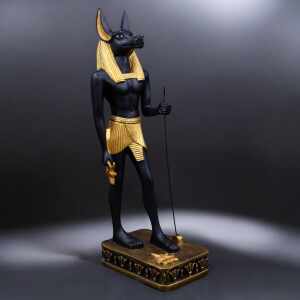
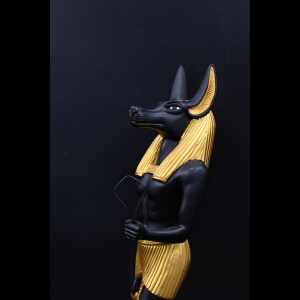
Handcrafted Anubis Statue: Egyptian God of Mummification, 40cm Natural Stone
Add a powerful symbol of ancient Egyptian protection to your collection with this 40 cm Natural Stone Anubis Statue, handcrafted in Egypt from natural stone. Inspired by Anubis, the canine-headed deity of mummification, funerary protection, and care of the deceased, it is a striking choice for collectors, Egyptian décor, museum-inspired displays, and unique cultural gifts.


Reviews
There are no reviews yet.