
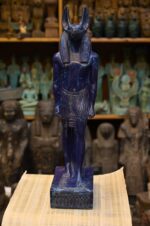
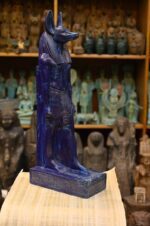
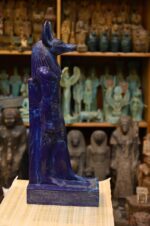
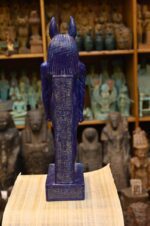
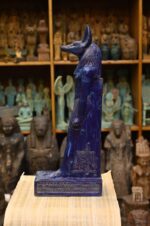
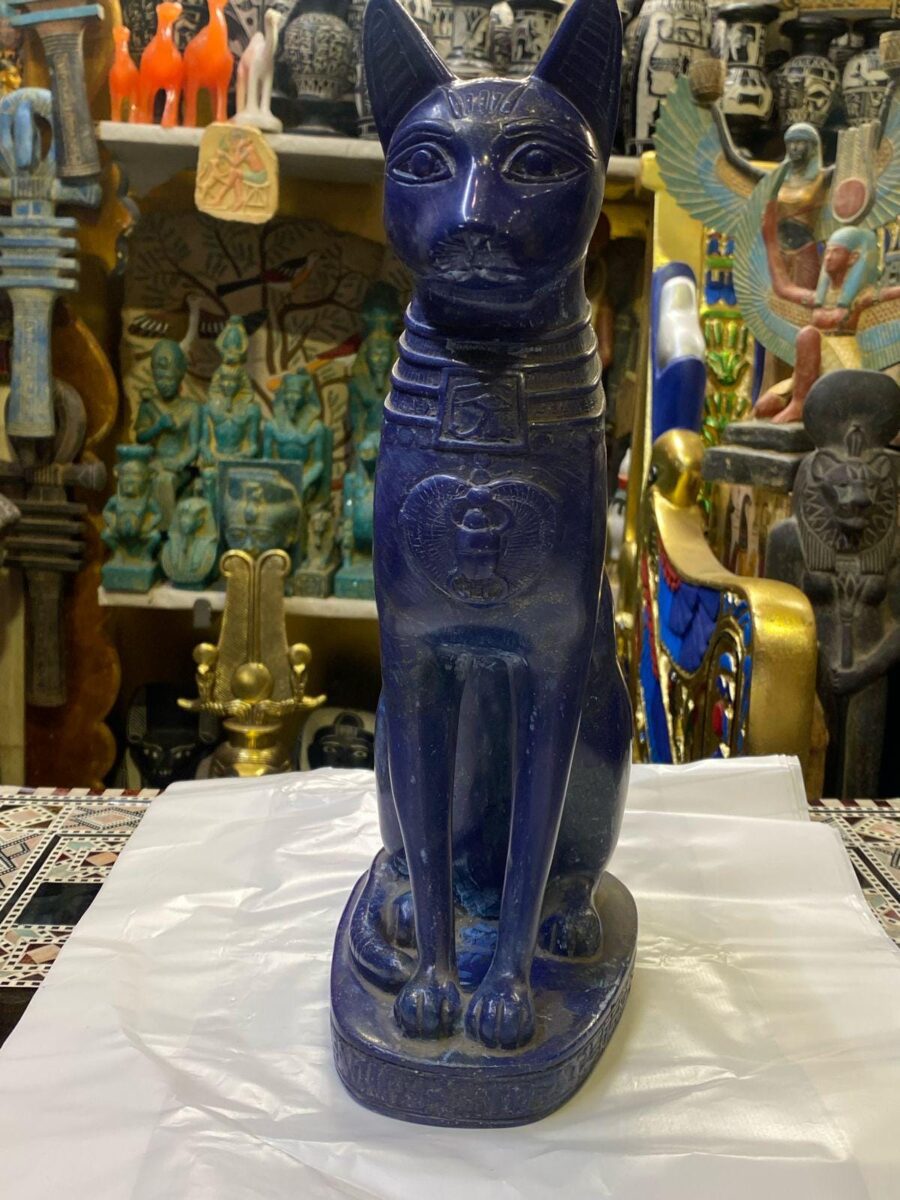
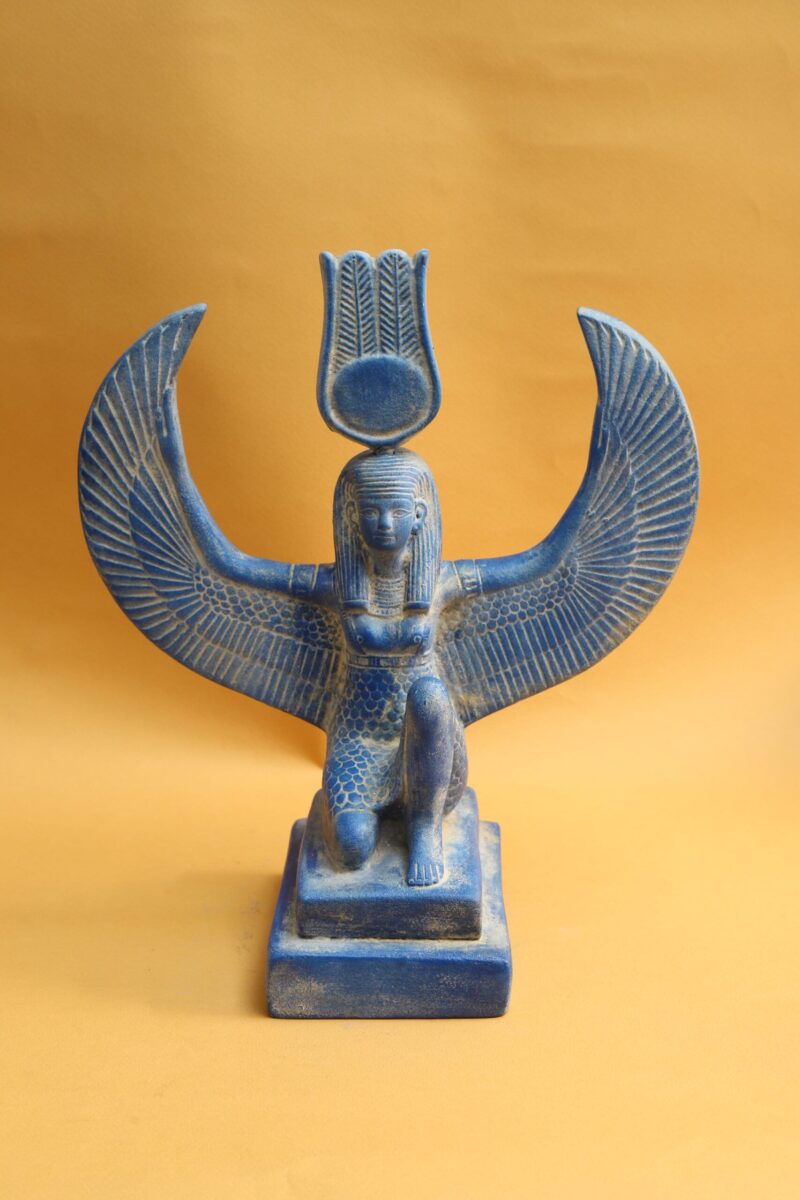
Elegant Statue of God Anubis-Lapis Lazuli Stone-Handcrafted-Antique Egyptian Protection of the Dead Royal Cemetery-Mummification sculptures
$715.00
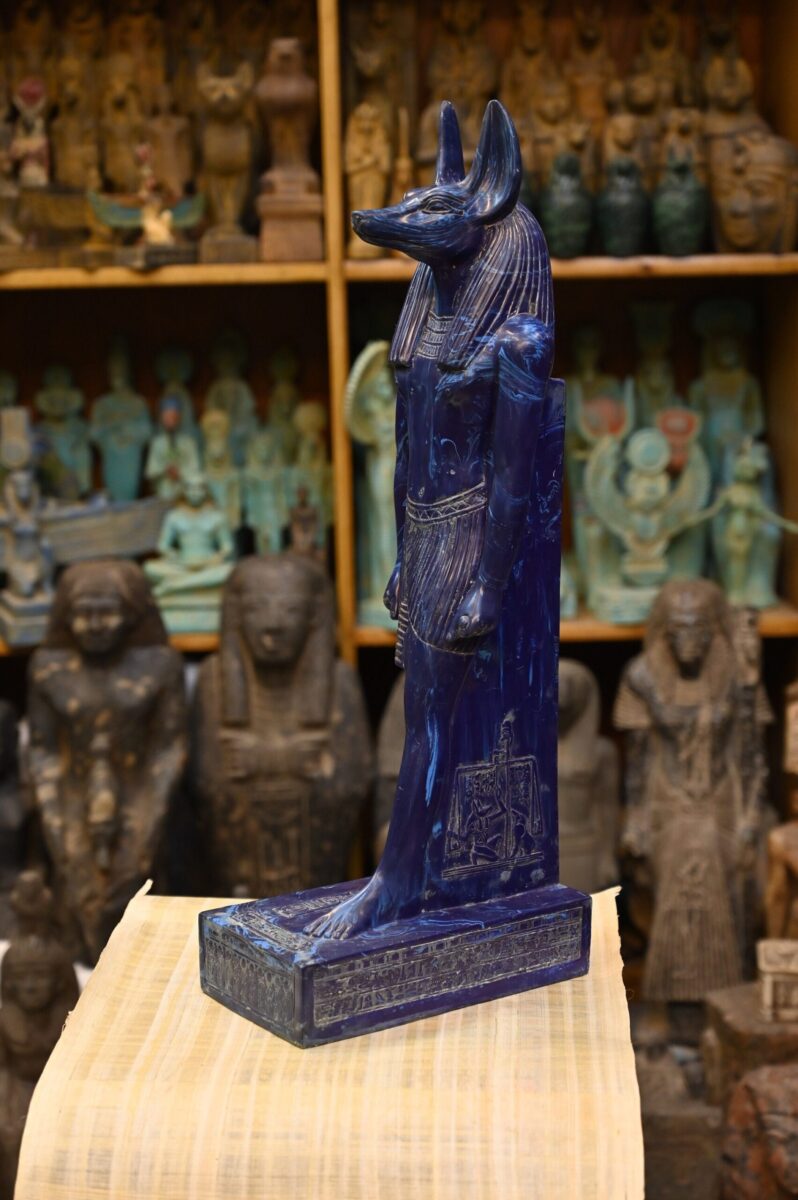
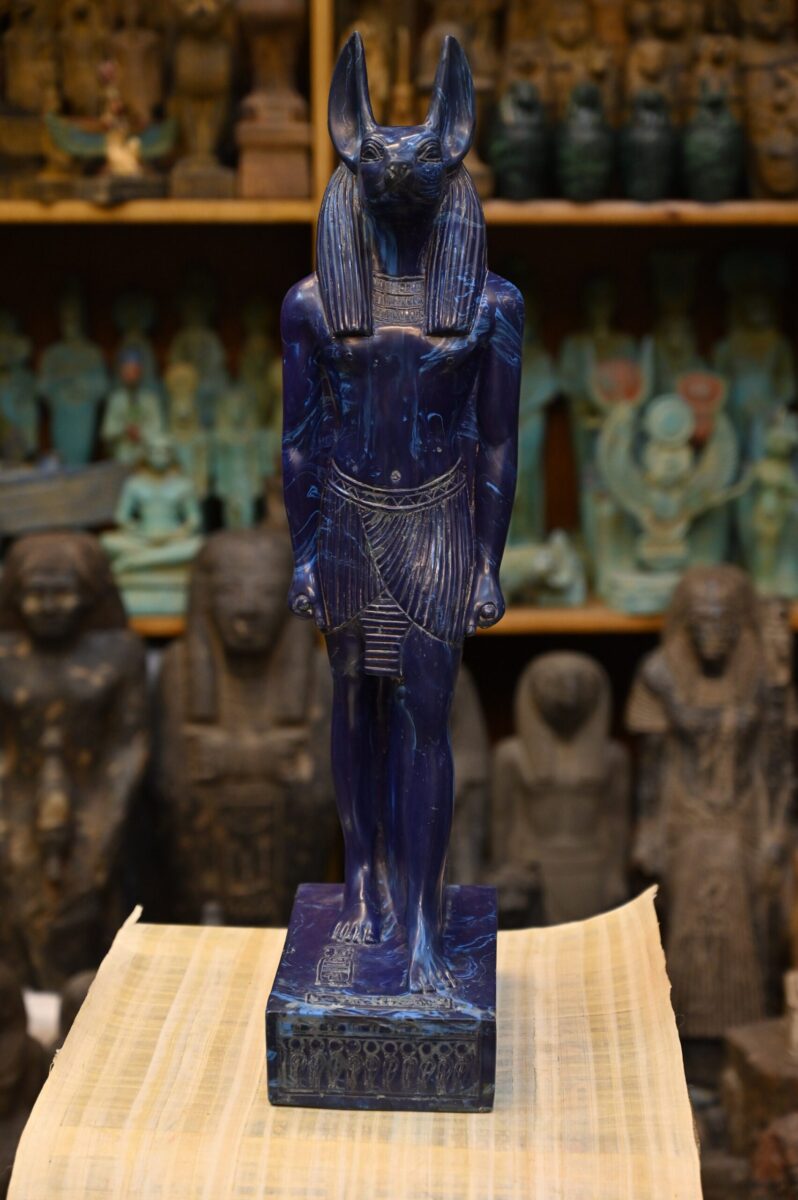
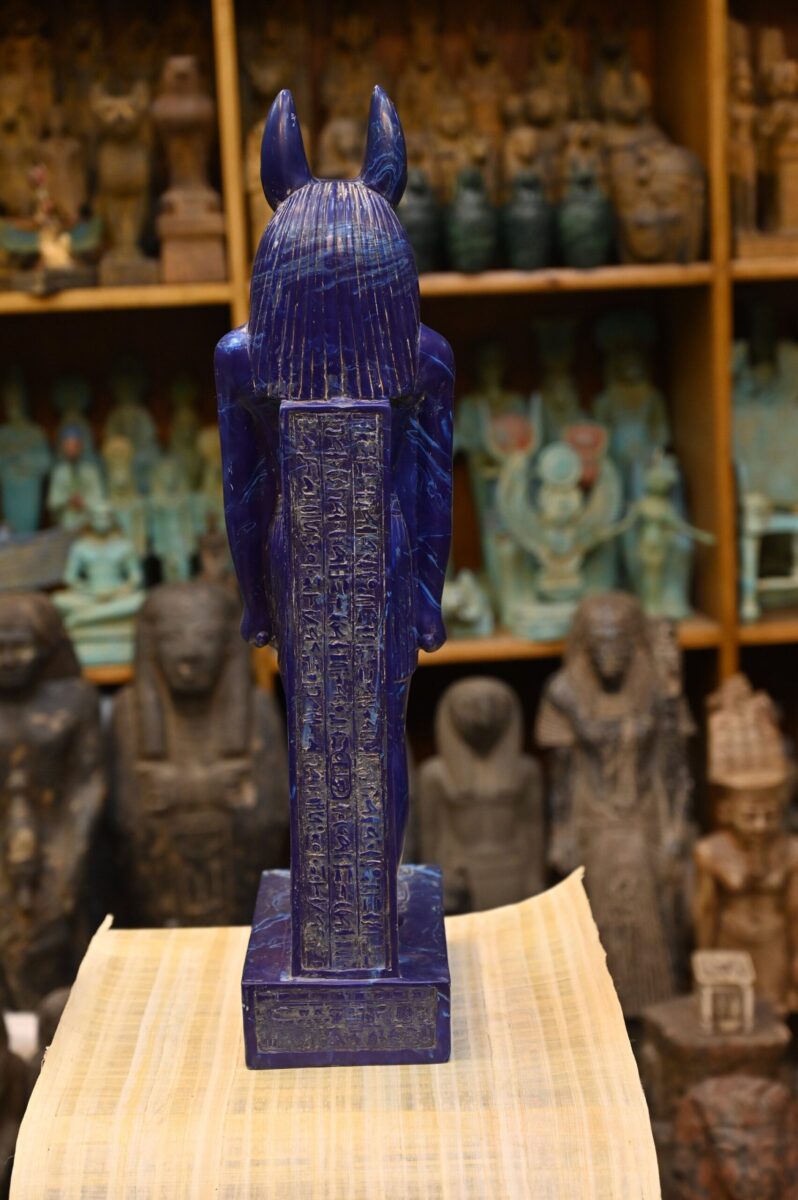
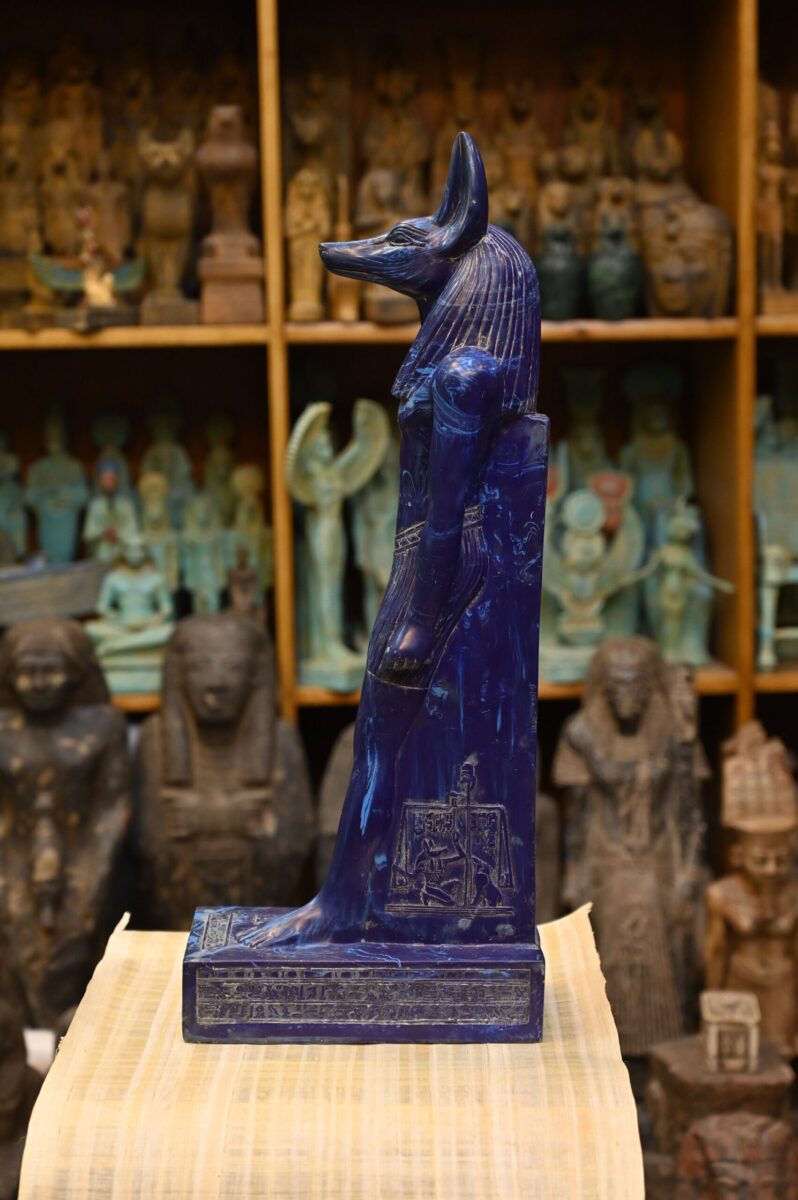
Add a striking symbol of ancient Egyptian protection to your collection with this 53 cm Lapis Anubis Statue, featuring the iconic canine-headed form of Anubis. Inspired by the god of mummification, funerary protection, and guidance through the afterlife, it is a distinctive choice for collectors, Egyptian décor, museum-inspired displays, and unique cultural gifts.
53 cm Lapis Anubis Statue – Egyptian Guardian Sculpture
Description of Art
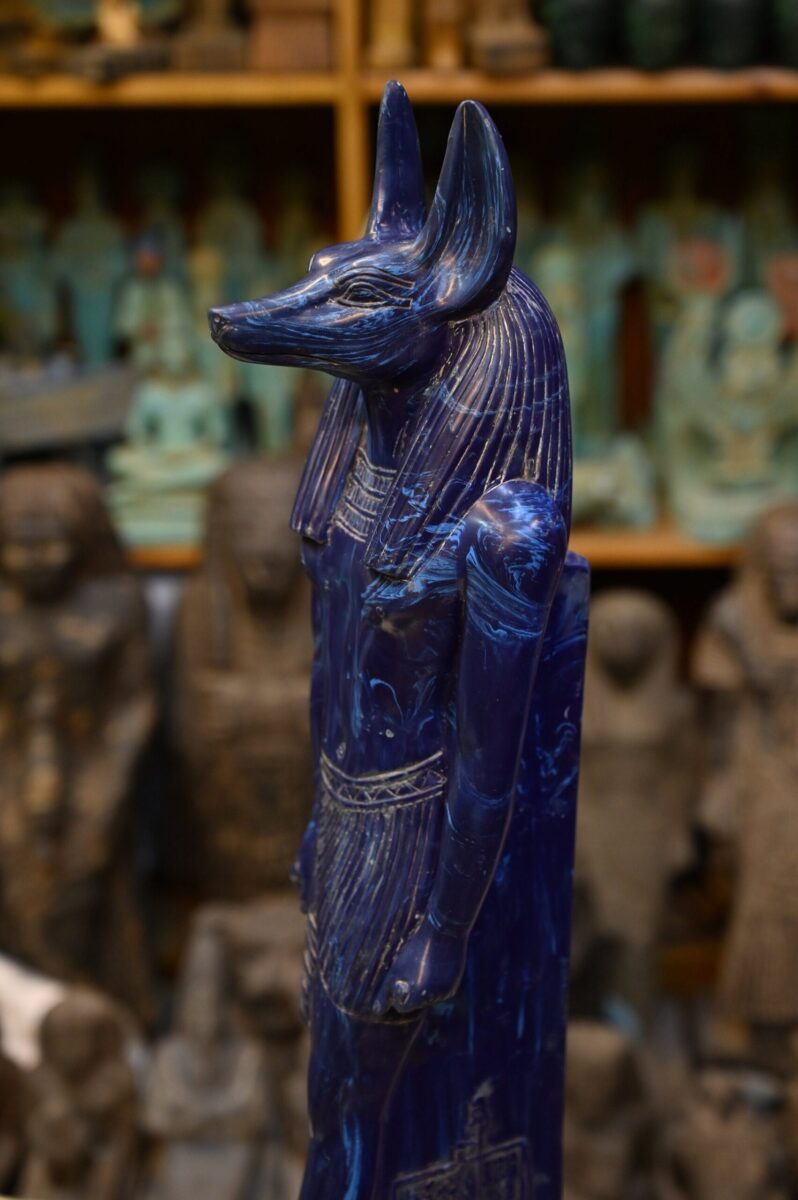
53 cm Lapis Anubis Statue inspired by Anubis, one of the most recognizable funerary deities of ancient Egypt.
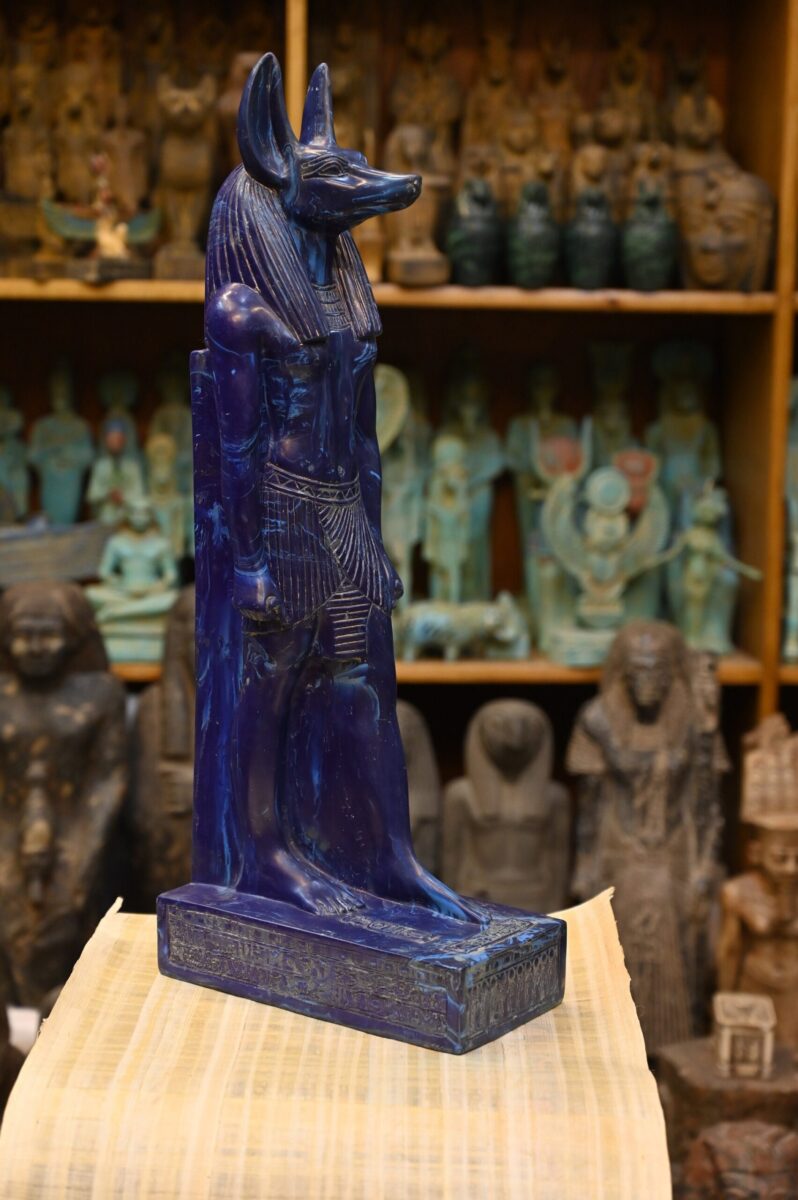
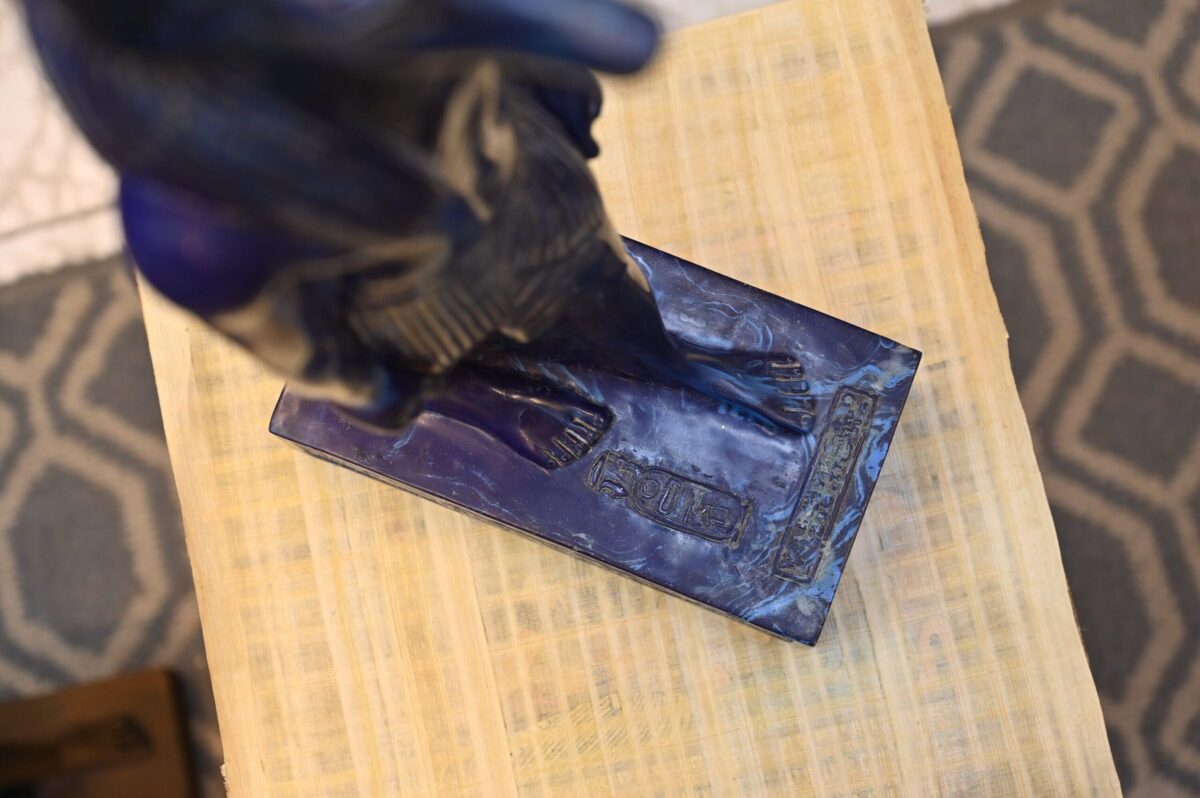
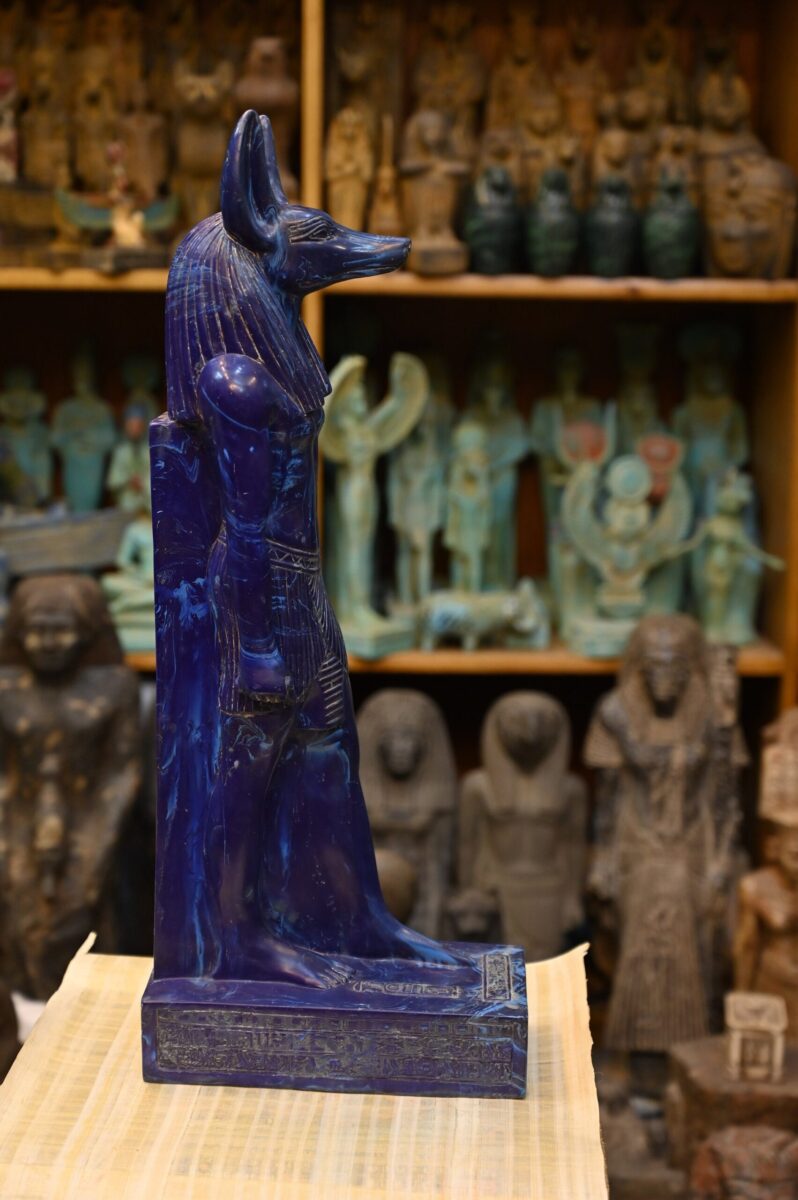
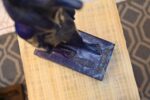
Measuring 53 cm high, 12 cm wide, and 22 cm deep, this impressive sculpture depicts Anubis in his characteristic canine-headed form and is described as being made from lapis lazuli stone.
Its substantial size and distinctive blue appearance make it a striking addition to Egyptian mythology collections, luxury interiors, offices, libraries, display rooms, and museum-inspired décor.
Product Details
Material: Lapis Lazuli Stone – seller-described
Height: 53 cm
Width: 12 cm
Depth: 22 cm
Deity: Anubis
Style: Ancient Egyptian Inspired
Type: Decorative Egyptian Sculpture
Who Was Anubis?
Anubis was one of ancient Egypt’s oldest and most important funerary deities.
He was particularly associated with:
Mummification
Embalming
Tombs and cemeteries
Protection of the deceased
Funerary rituals
Guidance through the afterlife
Although Anubis is often marketed simply as the “god of death,” a more accurate description is:
The ancient Egyptian god of mummification, funerary protection, and care of the deceased.
The Canine-Headed God
Anubis was commonly depicted either as a black canine or as a human figure with the head of a jackal-like canine.
This iconic appearance became deeply connected with Egyptian funerary beliefs and the protection of burial places.
For modern collectors, the 53 cm Lapis Anubis Statue can symbolically evoke:
Protection • Guidance • Guardianship • Transition • Strength
Anubis and Mummification
Anubis played a major role in rituals surrounding embalming and mummification.
Preservation of the body was fundamental to ancient Egyptian preparations for continued existence after death, and Anubis became closely associated with protecting both the body and the funerary process.
His imagery therefore carried powerful themes of preservation and guardianship.
Protector of Tombs and Cemeteries
Anubis was connected with necropolises from very early periods of Egyptian history.
He acted as a divine protector of burial places and the deceased within them.
This protective role is one of the strongest historical reasons to describe Anubis as a guardian deity rather than simply a god of death.
Anubis and the Afterlife
Anubis also helped guide the deceased through important stages of the afterlife journey.
Over time, Osiris became especially prominent as ruler of the dead, but he did not simply replace Anubis completely.
Their roles were complementary:
Anubis: Mummification, funerary protection and guidance
Osiris: Resurrection, regeneration and rulership of the dead
The Weighing of the Heart
One of the most famous ancient Egyptian funerary scenes is the Weighing of the Heart.
The heart of the deceased was weighed against the feather associated with Ma’at, representing truth and cosmic order.
In these scenes:
Anubis attends or operates the balance.
Thoth records the result.
This reinforces Anubis’s role as a guardian during the deceased person’s transition into the next world.
Why Is Anubis Shown in Black?
Anubis was frequently represented with black skin or fur.
The color had important symbolic meanings associated with:
The preserved body
Fertile Nile soil
Regeneration
Renewal
Rebirth
The black color therefore reflected both funerary imagery and the possibility of renewed existence.
A Large 53 cm Egyptian Sculpture
At 53 cm high, this Anubis statue has enough scale to act as a major decorative centerpiece.
Its dimensions are:
Height: 53 cm
Width: 12 cm
Depth: 22 cm
It can be displayed in:
Living rooms
Offices
Libraries
Galleries
Collector rooms
Entryways
Egyptian-themed interiors
Museum-inspired displays
Lapis Lazuli Appearance
The product description identifies the statue as being made from lapis lazuli stone.
Because a solid natural lapis lazuli sculpture measuring 53 cm would be unusually large and potentially extremely valuable, I strongly recommend confirming whether the material is:
Solid natural lapis lazuli
Composite lapis material
Lapis stone powder/composite
or
Lapis-colored stone
before publishing the final listing.
Until confirmed, the safest wording is:
“Described as a lapis lazuli stone sculpture.”
Do not claim 100% solid natural lapis lazuli unless this has been verified.
Anubis and Egyptian Funerary Symbolism
Anubis imagery works particularly well in collections featuring:
Osiris
Thoth
Canopic jars
Ushabti figures
Scarabs
Djed pillars
Ankh symbols
Book of the Dead imagery
Together, these pieces can create a display inspired by ancient Egyptian funerary traditions and beliefs about the afterlife.
Modern Replica, Not an Antiquity
Because this is a newly produced sculpture, avoid using:
Egyptian Antique
Original Archaeological Artifact
Authentic Ancient Statue
Better descriptions include:
Ancient Egyptian-Inspired Sculpture
Museum-Inspired Anubis Replica
Egyptian Mythology Statue
Likewise, use museum-inspired unless you can identify the exact museum object being reproduced.
Important Historical Corrections
The original description says that Anubis “played no role in Egyptian mythology.”
That should be removed.
Anubis had important religious and mythological roles involving:
Embalming
Protection of Osiris in funerary traditions
Protection of the deceased
The Weighing of the Heart
Funerary ritual and transition
The description also refers to “Wabot” as Anubis’s brother. This appears to confuse Anubis with other canine deities, particularly Wepwawet. It is not historically safe to describe Wepwawet as definitively Anubis’s brother.
Likewise, family traditions involving Anput and Kebechet/Qebehut vary and should be presented cautiously rather than as one universally fixed genealogy.
Symbolism for Modern Collectors
For modern interpretation, Anubis can symbolize:
Protection • Guidance • Guardianship • Transition • Strength
These themes make the 53 cm Lapis Anubis Statue a distinctive choice for collectors interested in powerful ancient Egyptian symbolism.
Perfect for Collectors
This sculpture is suitable for:
Anubis collectors
Egyptology enthusiasts
Ancient Egyptian art lovers
Egyptian mythology fans
Lapis-inspired décor collectors
Archaeology enthusiasts
Large sculpture displays
Museum-inspired interiors
Unique cultural gifts
Product Specifications
Product: 53 cm Lapis Anubis Statue
Deity: Anubis
Material: Lapis Lazuli Stone – seller-described, verification recommended
Height: 53 cm
Width: 12 cm
Depth: 22 cm
Form: Canine / Jackal-Headed Deity
Main Associations: Mummification, Funerary Protection & Afterlife Guidance
Symbolic Themes: Protection, Guidance & Guardianship
Style: Ancient Egyptian Inspired
Type: Large Decorative Sculpture
Use: Collection, Home Décor, Office Display & Museum-Inspired Décor
Related products
Handmade Blue Stone Statue: Egyptian God Shu, God of Air (35 cm)
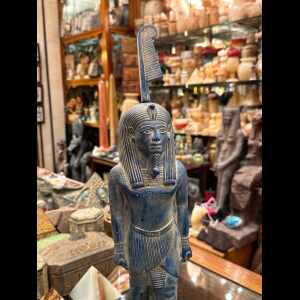
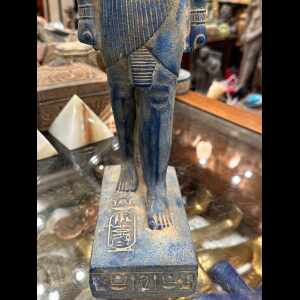
Add a distinctive symbol of ancient Egyptian creation mythology to your collection with this Blue Stone Shu God Statue, handmade in Egypt and measuring 35 × 7 × 9 cm. Inspired by Shu, the god of air and atmosphere who separated the sky goddess Nut from the earth god Geb, it is ideal for collectors, Egyptian décor, mythology lovers, and unique cultural gifts.
Egyptian Eye of Horus Ring: Ancient Symbol, Handmade in Egypt
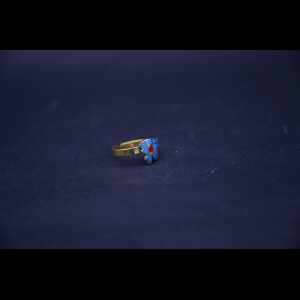
Add a powerful symbol of ancient Egyptian kingship to your jewelry collection with this Unisex Horus Pharaonic Ring, handcrafted in Egypt with a flexible free-size design for women and men. Inspired by Horus, the falcon god of the sky, royal authority, and protection, it is a distinctive choice for mythology lovers, Egyptology enthusiasts, symbolic jewelry collectors, and unique cultural gifts.
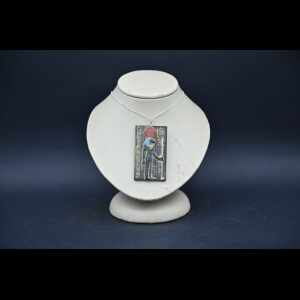
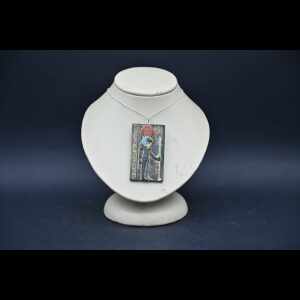
Handmade Stone Sekhmet Amulet, Egyptian Goddess of War
Add a powerful symbol of ancient Egyptian strength to your collection with this Sekhmet Stone Protection Amulet, crafted from stone and inspired by Sekhmet, the lioness goddess of war, protection, healing, medicine, and solar power. A distinctive choice for Egyptology enthusiasts, mythology lovers, symbolic décor collectors, and unique cultural gifts.
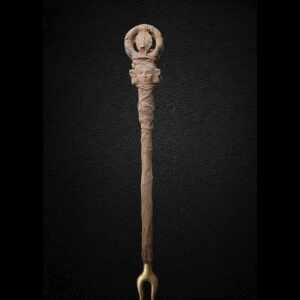
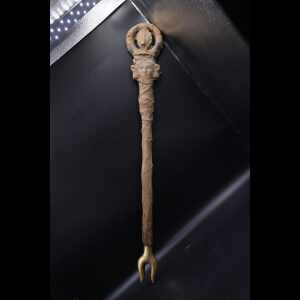
Hathor Was Scepter, Egyptian Antiquity Symbol, Made in Egypt
Add a distinctive symbol of ancient Egyptian authority to your collection with this Hathor Was Scepter Replica, handcrafted in Egypt from wood, linen, and copper and standing 50 cm tall. Featuring a Hathor-inspired face combined with the iconic Was symbol of power and dominion, it is an elegant choice for Egyptology collectors, Egyptian décor, mythology lovers, and museum-inspired displays.
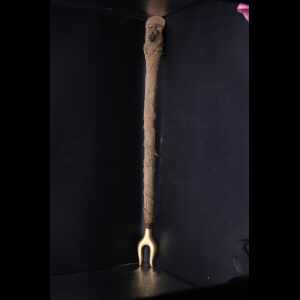
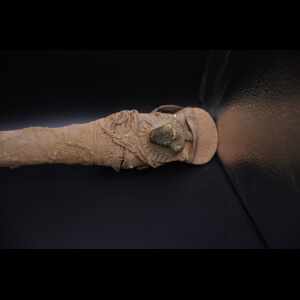
Sekhmet Scepter Was Stick, Egyptian Symbol of Strength, 50cm, Made in Egypt
Add a powerful symbol of ancient Egyptian authority to your collection with this 50 cm Sekhmet Was Scepter, handcrafted in Egypt from wood, linen, and copper. Featuring a Sekhmet-inspired design and the iconic Was symbol of dominion and power, it is a distinctive choice for Egyptology collectors, mythology lovers, Egyptian décor, and museum-inspired displays.
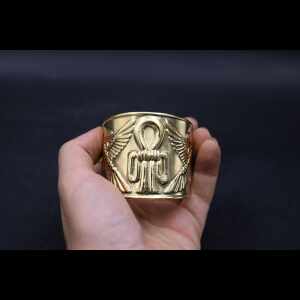
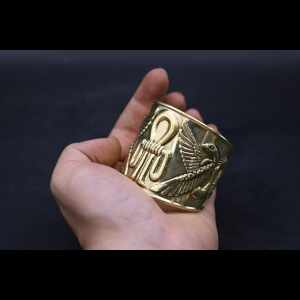
Brass Hathor Knot Bracelet: Egyptian Winged Cobra Talisman
Add a powerful touch of ancient Egyptian symbolism to your jewelry collection with this Brass Winged Cobra Egyptian Bracelet, crafted from brass and featuring an Egyptian-inspired knot centerpiece flanked by protective winged cobras. Inspired by ancient themes of guardianship and royal power, it is a distinctive choice for mythology lovers, Egyptology enthusiasts, statement-jewelry collectors, and unique cultural gifts.
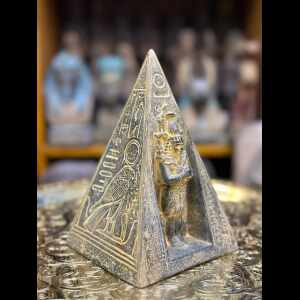
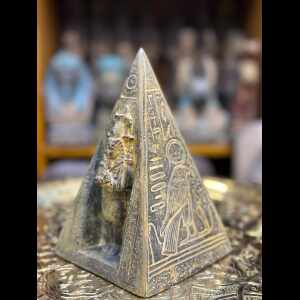
Egyptian Black Stone Pyramid – Handcrafted Horus Monument
Add a striking touch of ancient Egyptian symbolism to your space with this Black Stone Horus Pyramid, crafted from solid black stone and measuring 17 × 10 × 10 cm. Decorated with Horus and other Egyptian-inspired motifs, it is a distinctive choice for collectors, mythology lovers, office décor, Egyptian-themed interiors, and unique cultural gifts.
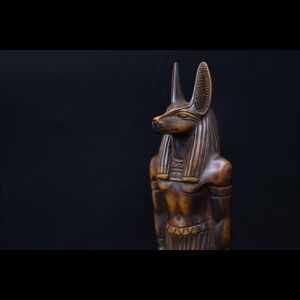
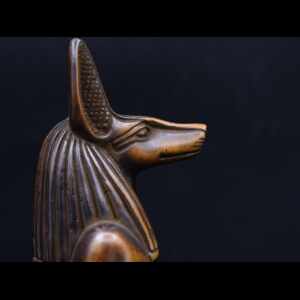
Handcrafted Anubis Statue: Egyptian God of Protection, Brown Stone (23cm)
Add a powerful symbol of ancient Egyptian protection to your collection with this 23 cm Brown Stone Anubis Statue, handcrafted in Egypt from natural stone. Inspired by Anubis, the canine-headed deity of mummification, funerary protection, and care of the deceased, it is a distinctive choice for collectors, Egyptian décor, museum-inspired displays, and unique cultural gifts.


Reviews
There are no reviews yet.