
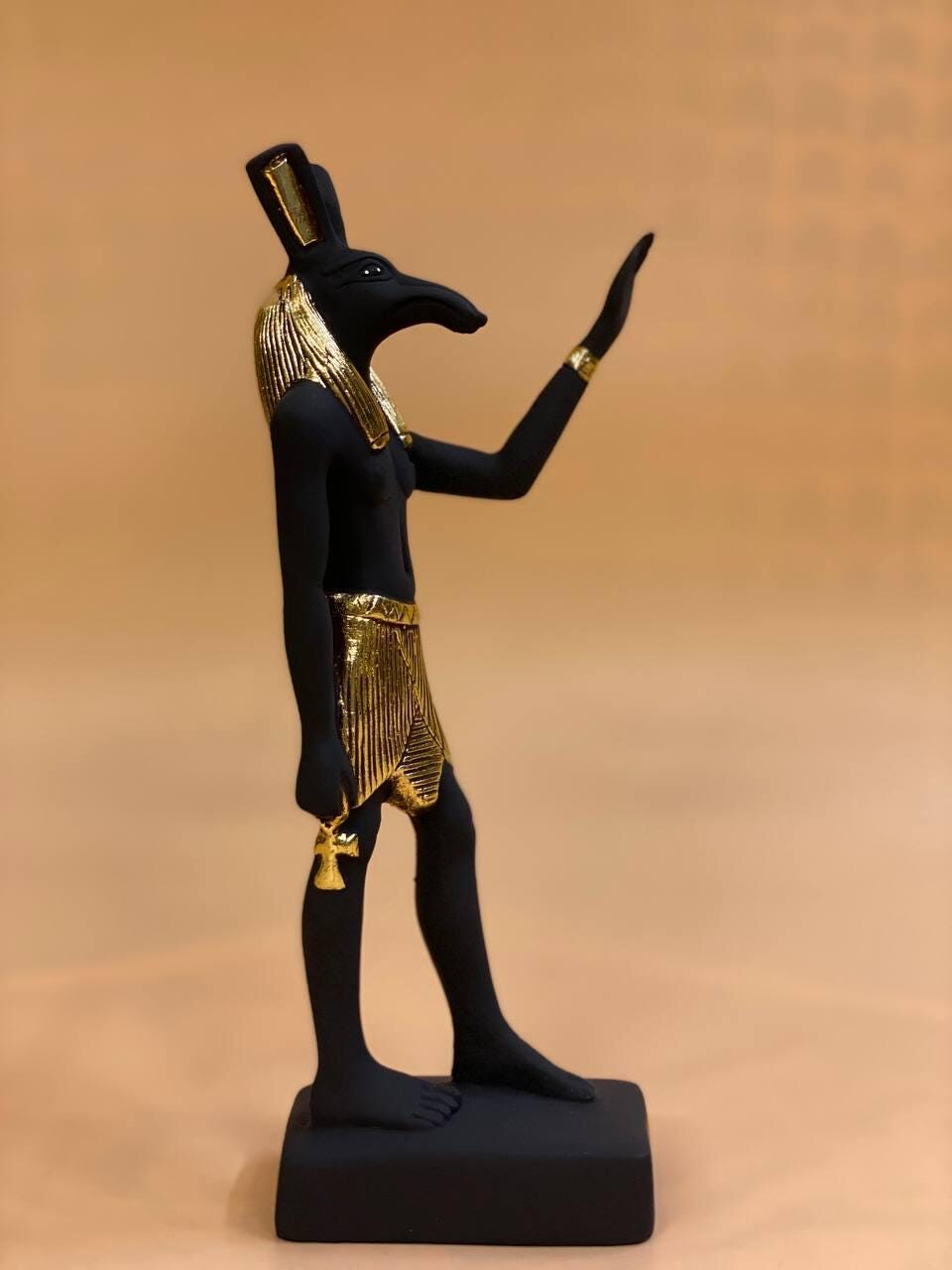
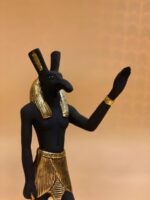
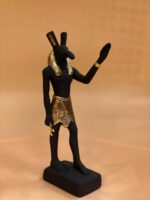
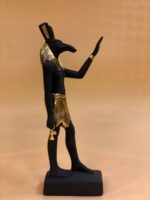
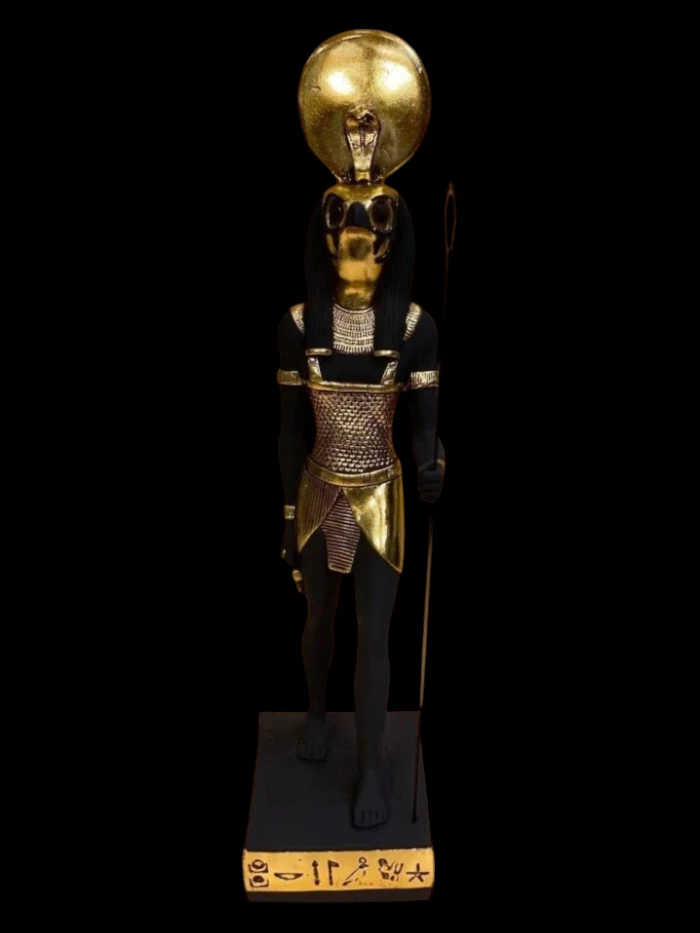
Egyptian God Seth Statue: Stone Replica
$286.00
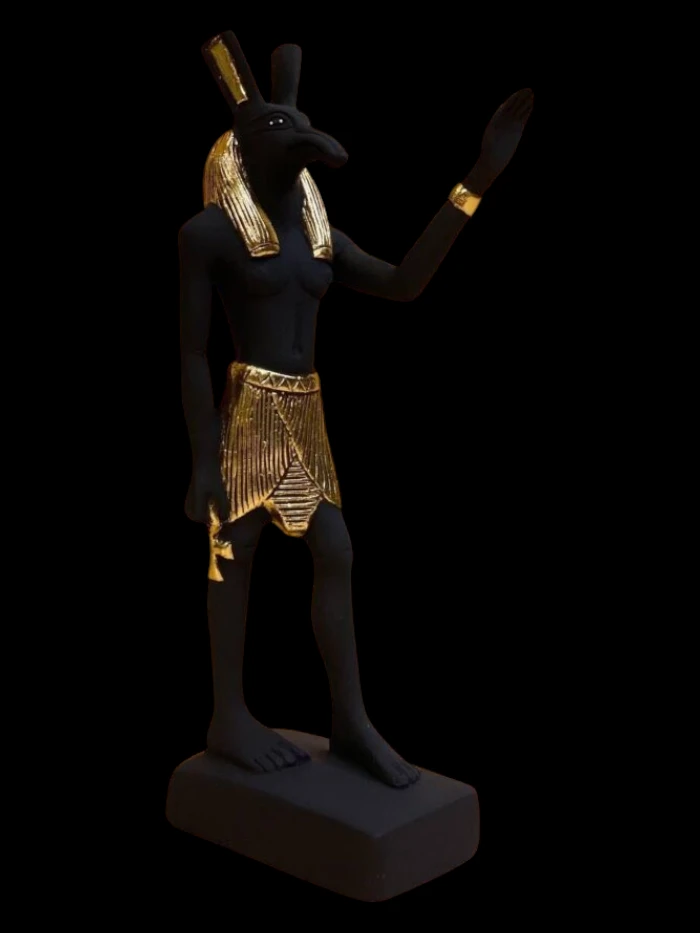
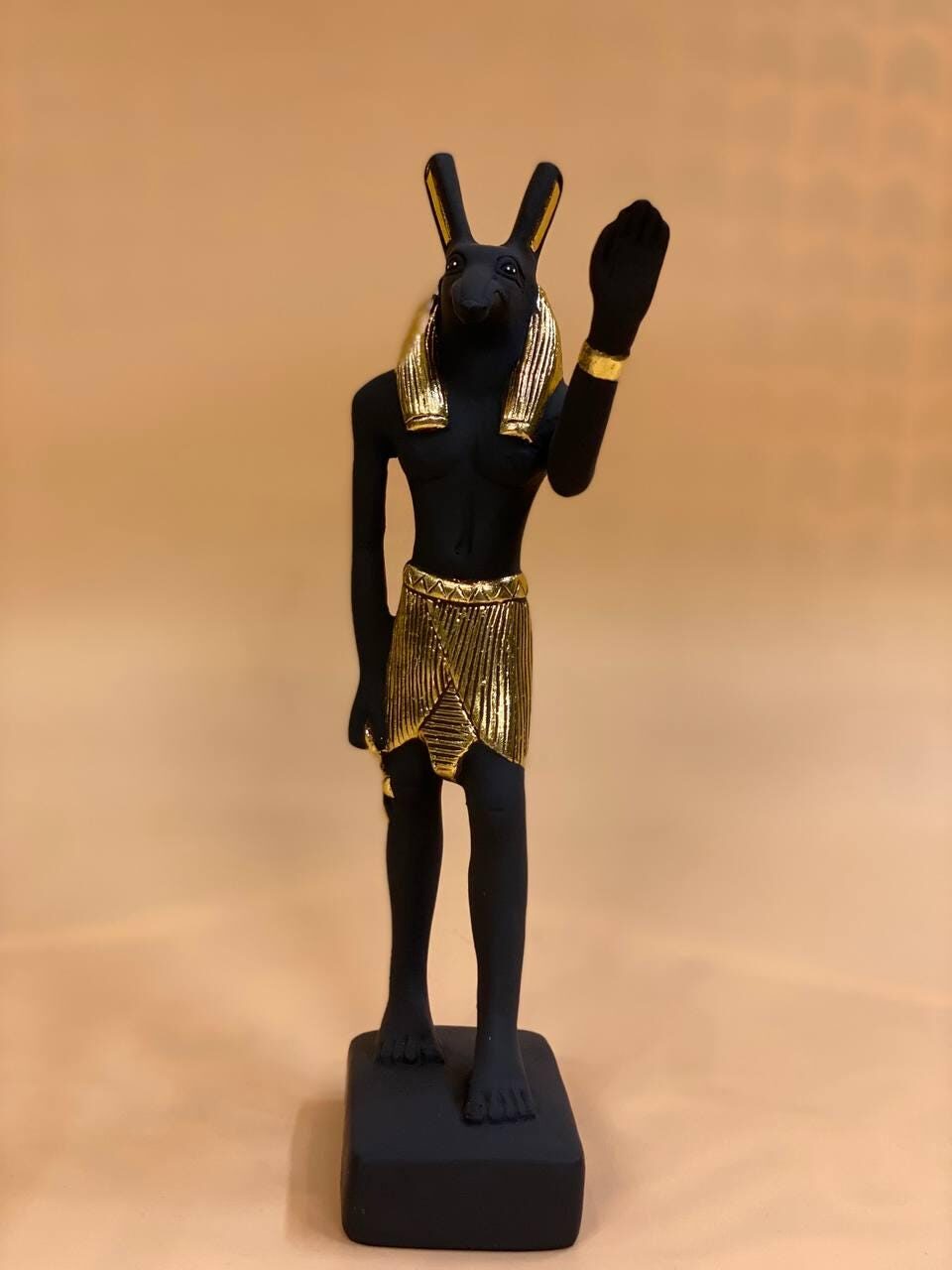
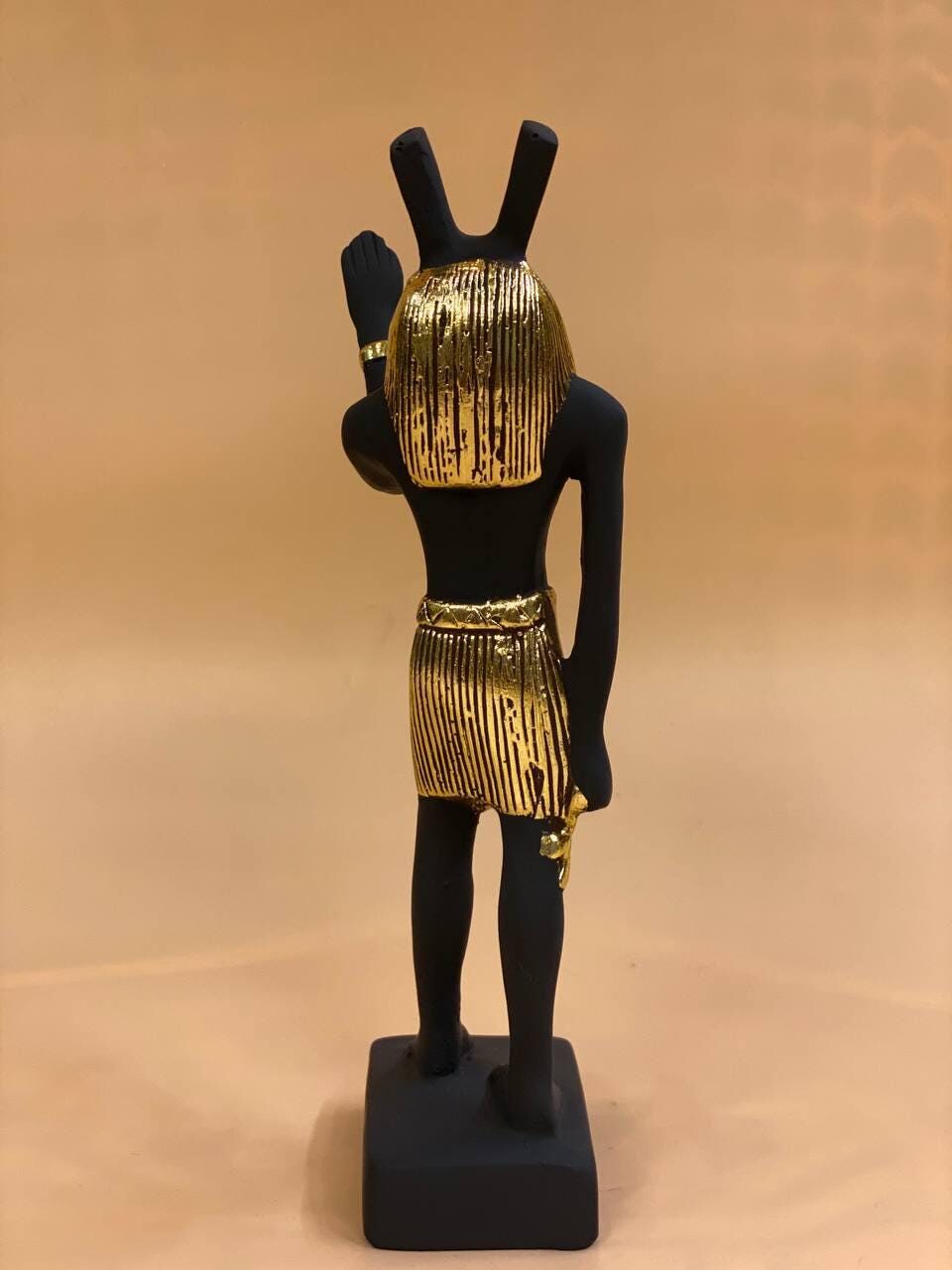
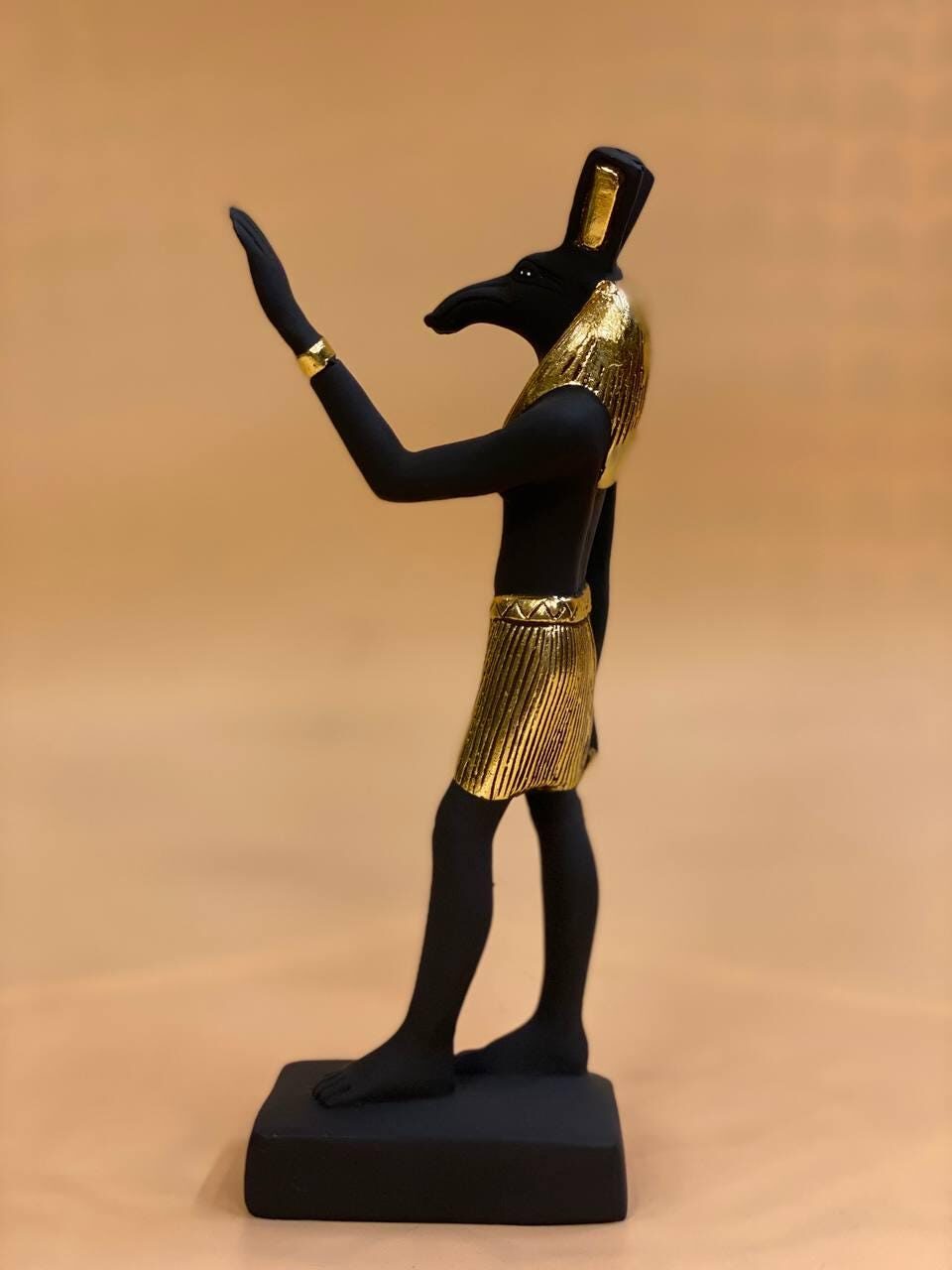
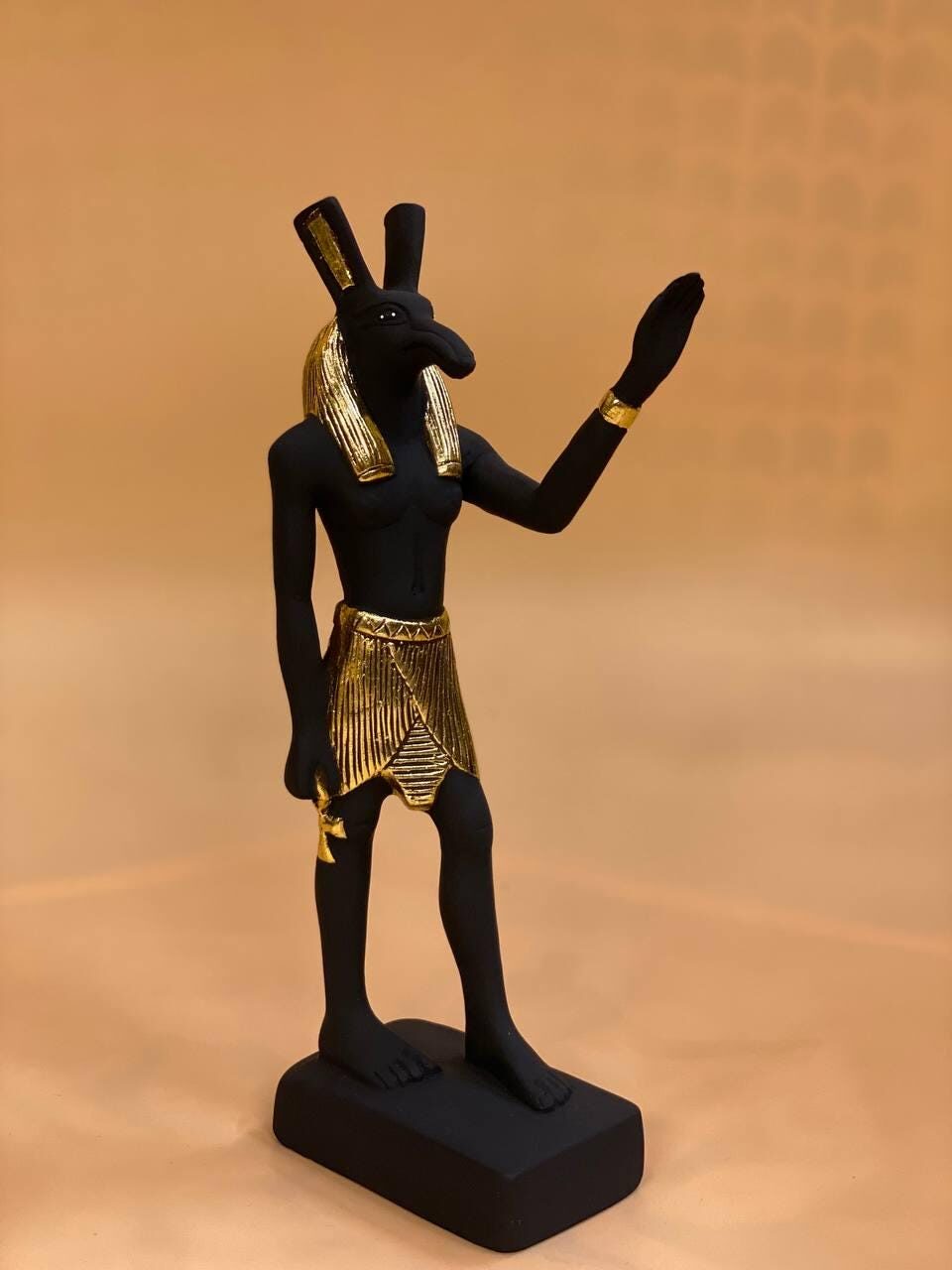
Add a powerful figure from ancient Egyptian mythology to your collection with this Egyptian God Seth Stone Statue, made of stone and inspired by the deity of the desert, storms, strength, and chaos. A distinctive piece for collectors, mythology lovers, Egyptian décor, and unique cultural gifts.
Egyptian God Seth Stone Statue – Ancient Egyptian Desert God Replica
Description of Art
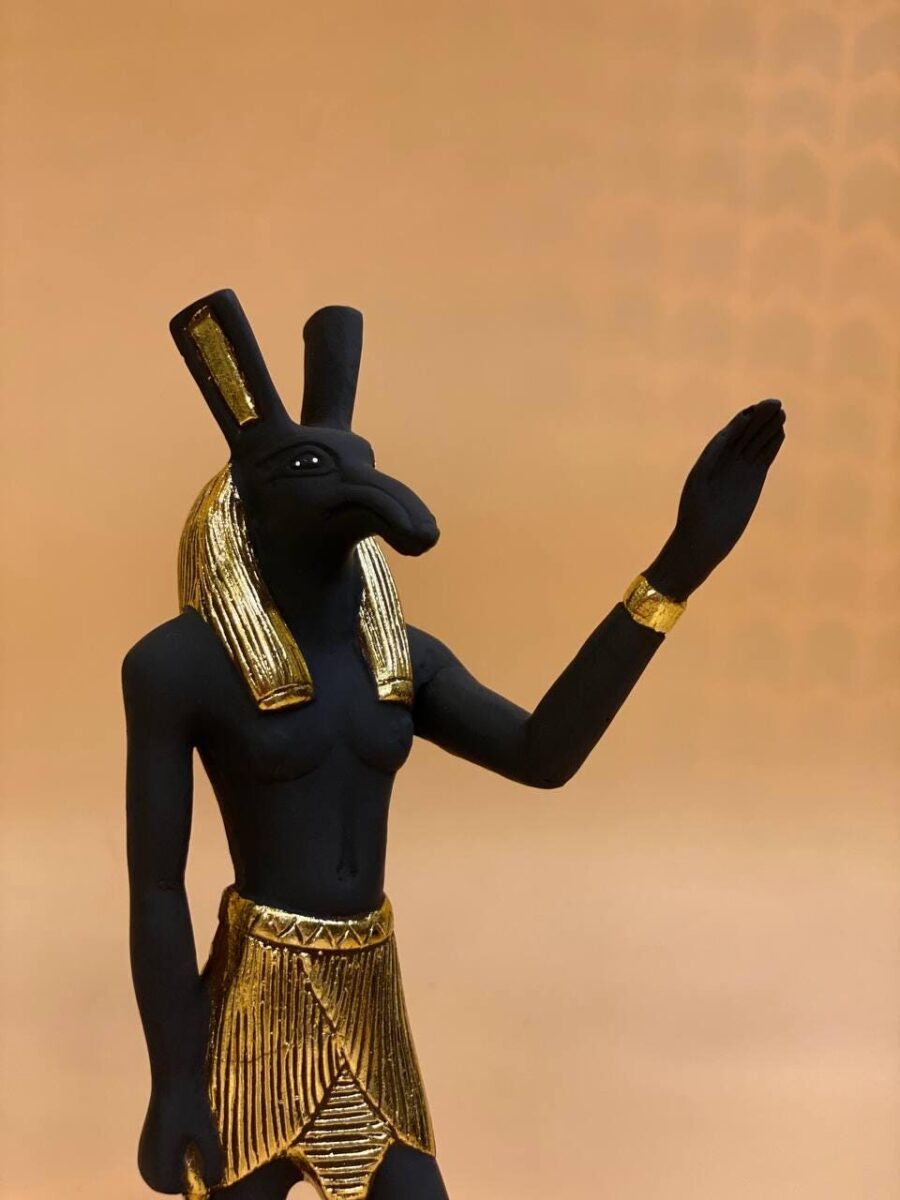
Egyptian God Seth Stone Statue made of stone and inspired by one of the most complex and fascinating deities of ancient Egyptian religion.
Also known as Set, Seth was associated with the desert, storms, strength, disorder, and powerful natural forces. His unusual animal-headed form makes him one of the most distinctive figures in ancient Egyptian art.
Made in Egypt, this decorative replica captures the striking character of Seth and makes an impressive addition to Egyptian-themed interiors, historical collections, offices, libraries, display cabinets, and museum-inspired spaces.
The Egyptian God Seth Stone Statue is an excellent choice for collectors, archaeology enthusiasts, mythology lovers, and anyone fascinated by the gods and legends of ancient Egypt.
History of the Egyptian God Seth
Seth, also spelled Set, was an ancient Egyptian deity whose character changed significantly throughout Egyptian history.
He was closely associated with the desert, storms, foreign lands, strength, disorder, and powerful forces that existed outside the settled and fertile Nile Valley.
Unlike deities whose roles were entirely positive or negative, Seth had a complicated character.
He could represent danger and disruption, but he could also act as a powerful defender of the gods.
This dual nature makes Seth one of the most interesting figures in Egyptian mythology.
The Mysterious Seth Animal
One of Seth’s most recognizable features is his unusual animal head.
Ancient Egyptian artists represented him with a creature that does not clearly correspond to any known animal.
The so-called Seth animal typically features:
- A long, curved snout
- Tall rectangular or squared ears
- An upright or forked tail
- A slender animal body
Scholars have proposed various animals as possible inspirations, but the exact identity of Seth’s creature remains uncertain.
This mysterious appearance gives the Egyptian God Seth Stone Statue a particularly distinctive visual character.
Seth and the Desert
Seth had a strong connection with the desert.
Ancient Egyptian civilization depended heavily on the fertile Nile Valley, while the surrounding deserts represented harsh and unpredictable environments.
Seth’s association with these landscapes connected him with wilderness, danger, strength, and forces beyond normal human control.
The desert could be threatening, but it was also an important part of Egypt’s geography and natural environment.
Seth therefore represented powerful forces that existed outside the ordered agricultural world of the Nile Valley.
Seth and Storms
Storms were another important aspect of Seth’s identity.
He was associated with thunder, violent weather, and the unpredictable power of nature.
These associations reinforced his character as a deity of strength and disruption.
For modern collectors, the Egyptian God Seth Stone Statue may therefore symbolize:
- Strength
- Power
- Independence
- The desert
- Storms
- Transformation
- Chaos
- Protection
- Resilience
- Ancient Egyptian mythology
Seth and the Osiris Myth
Seth plays a major role in one of the most famous stories of ancient Egyptian mythology: the myth of Osiris.
In later versions of the story, Seth kills his brother Osiris and becomes involved in a struggle over kingship.
Osiris’s wife, Isis, protects and restores him sufficiently for their son Horus to be conceived.
Horus eventually challenges Seth for the right to rule Egypt.
The conflict between Horus and Seth became an important mythological representation of competition, kingship, order, and disorder.
Seth and Horus
The rivalry between Seth and Horus became one of the most famous conflicts in ancient Egyptian religion.
Horus represented legitimate kingship and was closely associated with the Egyptian ruler.
Seth represented a powerful opposing force.
Their battles were described in several Egyptian religious traditions, and the eventual resolution of their conflict helped express ideas about political and cosmic balance.
Interestingly, ancient Egyptian thought did not always treat Horus and Seth as simple representations of good and evil.
In some contexts, they could represent complementary forces necessary for maintaining the balance of the Egyptian world.
Seth as Protector of Ra
Despite his reputation as a god of disorder, Seth could also perform an important protective role.
One of his most positive mythological functions was defending the sun god Ra during his nightly journey through the underworld.
According to Egyptian religious tradition, the great serpent Apep, or Apophis, attempted to stop Ra’s solar barque and prevent the sunrise.
Seth could be portrayed standing on the solar boat and using his tremendous strength to fight the serpent.
This role presents Seth as a defender of cosmic order against an even greater force of chaos.
The Egyptian God Seth Stone Statue therefore represents a deity whose mythology includes both destructive and protective qualities.
Seth and Apep
Seth should not be confused with Apep.
Although both could be associated with dangerous forces, their roles were very different.
Apep represented the destructive forces threatening the cosmic order and the daily rebirth of the sun.
Seth, despite his own association with disorder, could actually defend Ra against Apep.
This contrast illustrates the complexity of ancient Egyptian religious thought.
A deity could represent dangerous or disruptive forces while still playing a necessary role in protecting the universe.
Seth and Egyptian Kingship
Seth was not always viewed negatively.
During several periods of Egyptian history, he had strong connections with royal power.
His strength made him an appropriate divine symbol for kings seeking military power and protection.
The name of the famous Pharaoh Seti I, for example, reflects an association with Seth.
The Ramesside Period also saw significant royal connections with Seth, demonstrating that his worship remained important during parts of the New Kingdom.
This is why it is inaccurate to describe Seth as simply being suppressed throughout the entire New Kingdom.
Worship of Seth in Ancient Egypt
Seth had important cult centers in several regions of Egypt.
His worship was particularly strong in areas connected with the desert and border regions.
Different periods of Egyptian history viewed Seth in different ways.
At some times, he was respected as a powerful protective and royal deity.
At other times, particularly in later religious traditions, his connection with the murder of Osiris contributed to an increasingly negative reputation.
This changing image demonstrates how Egyptian religious traditions evolved over thousands of years.
Seth as a Complex Egyptian Deity
Seth is especially fascinating because he cannot easily be classified as simply good or evil.
He could represent:
- Chaos and disorder
- Desert landscapes
- Storms
- Physical strength
- Foreign regions
- Rivalry
- Protection of Ra
- Royal power
- Necessary opposing forces
This complex identity makes the Egyptian God Seth Stone Statue especially appealing to collectors interested in the deeper symbolism of Egyptian mythology.
Egyptian God Seth Stone Statue for Collectors
This Egyptian God Seth Stone Statue is ideal for:
- Ancient Egyptian art collectors
- Seth and Set enthusiasts
- Egyptian mythology lovers
- History and archaeology enthusiasts
- Egyptian-themed home décor
- Office and library decoration
- Museum-inspired collections
- Historical replica displays
- Mythological sculpture collections
- Unique Egyptian cultural gifts
It can be displayed individually or alongside statues of Horus, Osiris, Isis, Anubis, Ra, Sekhmet, Sobek, Bastet, Maat, or other ancient Egyptian deities.
Product Details
Product: Egyptian God Seth Stone Statue
Deity: Seth / Set
Material: Stone
Origin: Made in Egypt
Style: Ancient Egyptian / Pharaonic Inspired
Type: Decorative Replica
Symbolism: Desert, Storms, Strength, Chaos & Protection
Use: Collectible, Home Décor, Office Décor, Historical Display, Cultural Gift
Our Shop Policy
- Keep a close eye on your inbox for shipping updates and tracking information.
- Providing a valid phone number is mandatory for international shipping purposes.
- If you encounter any issues or concerns regarding your order, please contact us. We will handle your case promptly and professionally and work toward a satisfactory resolution.
International Shipping
Please provide your phone number to complete the international shipping process.
Your Egyptian God Seth Stone Statue will be carefully prepared and securely packed to help protect it during transportation.
Important Note: Your original shipping text contains two conflicting customs statements. One states that customs duties, taxes, and import fees are included in the shipping price, while the other states that they are the buyer’s responsibility. Keep only the statement that matches your actual shop policy.
Related products
Queen Nefertiti Head Statue: Egyptian Decor Replica
Elevate your collection with our Queen Nefertiti Head Statue. Combining authentic museum-style pharaonic iconography with fine artisan craftsmanship and rich hand-painted details, this protective royal queen sculpture offers a compelling blend of deep history, graceful presence, and timeless aesthetic prestige for any home or office display.
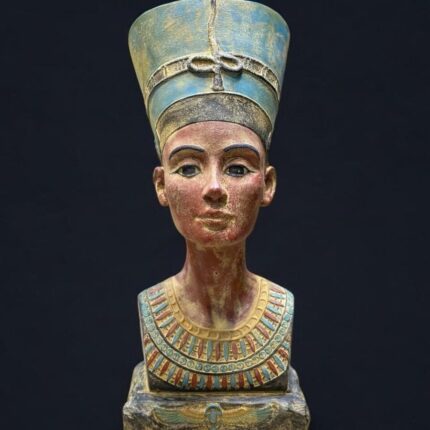
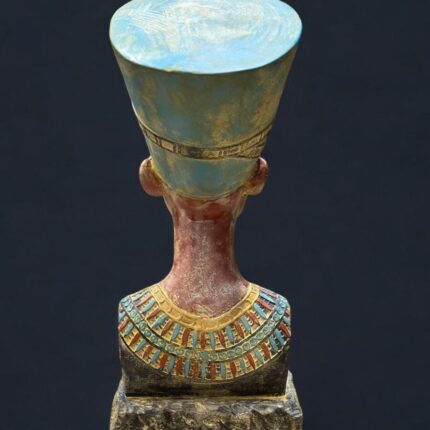
Queen Nefertiti Bust Statue – 30cm Egyptian Replica, Stone Finish Decor
Add a timeless symbol of ancient Egyptian royalty to your collection with this Queen Nefertiti Egyptian Statue, inspired by the powerful royal wife of Akhenaten and the distinctive art of the Amarna Period. A graceful choice for collectors, history lovers, Egyptian décor, museum-inspired displays, and unique cultural gifts.
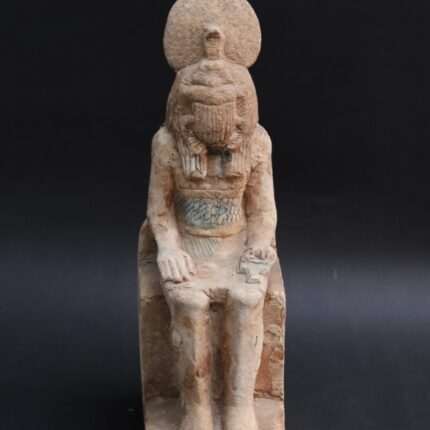
Limestone Khepri Statue: Egyptian Scarab God Sculpture
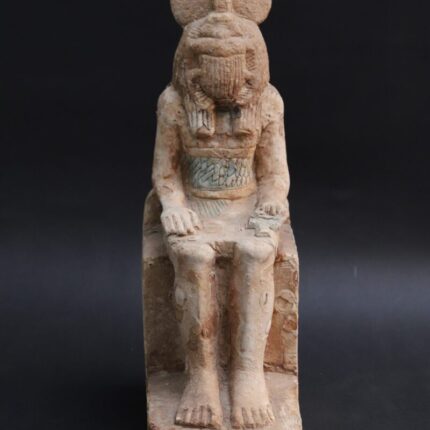
Add a powerful symbol of ancient Egyptian renewal to your collection with this 30 cm Limestone Khepri Statue, crafted from limestone and measuring 30 × 11 × 18 cm. Inspired by Khepri, the scarab deity of the rising sun, transformation, rebirth, and new beginnings, it is a distinctive choice for collectors, Egyptian décor, and unique cultural gifts.
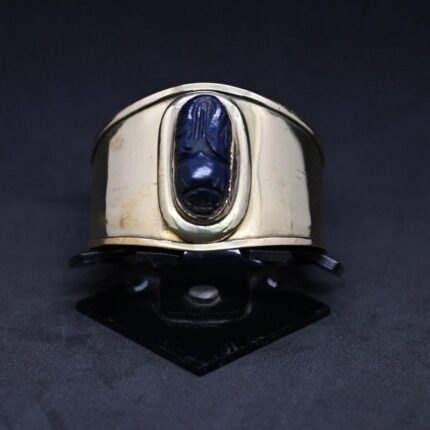
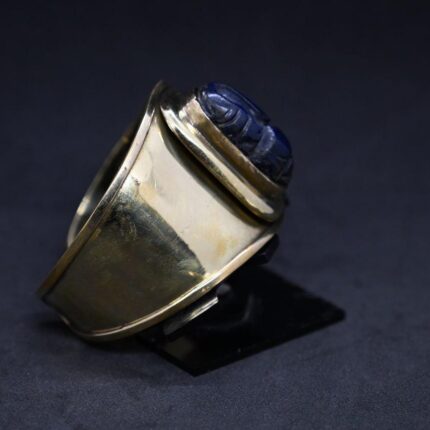
Egyptian Scarab Bracelet: Brass & Lapis Lazuli, Ancient Replica
Add a meaningful touch of ancient Egyptian symbolism to your style with this Brass Lapis Scarab Bracelet, handcrafted in Egypt from brass and decorated with lapis lazuli. Inspired by the scarab symbol of rebirth, renewal, transformation, and protection, it is a distinctive choice for jewelry lovers, collectors, Egyptology enthusiasts, and unique cultural gifts.
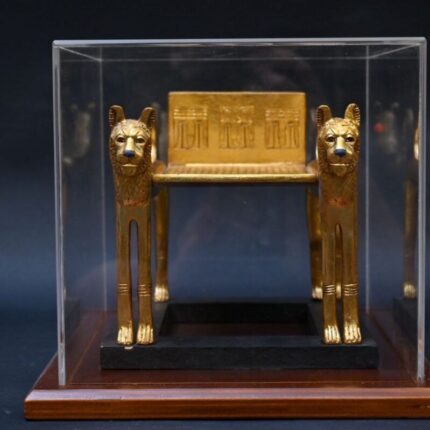
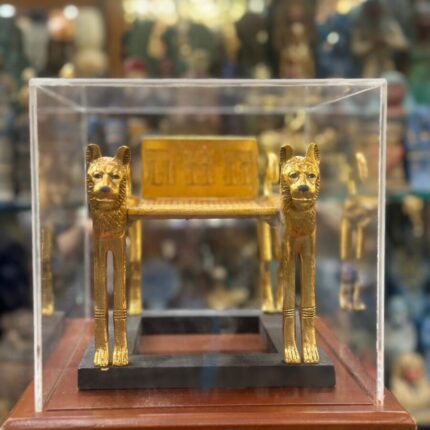
Tutankhamun lions bad-replica museum piece-ancient Egyptian religion,mythology-sculpture Egyptian antiquities-made in Egypt
Add a distinctive piece of ancient Egyptian royal heritage to your collection with this Tutankhamun Lioness Funerary Bed, handcrafted in Egypt and inspired by the lioness-headed ceremonial couch discovered in King Tutankhamun’s tomb. Measuring 25 cm high and 28 cm deep, it is ideal for Egyptology collectors, museum-inspired décor, and unique cultural gifts.
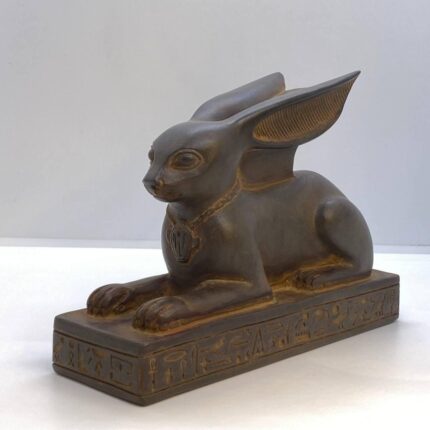
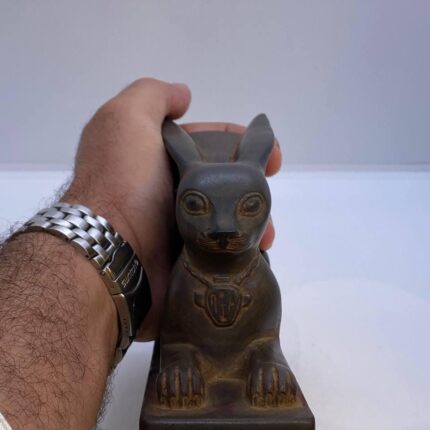
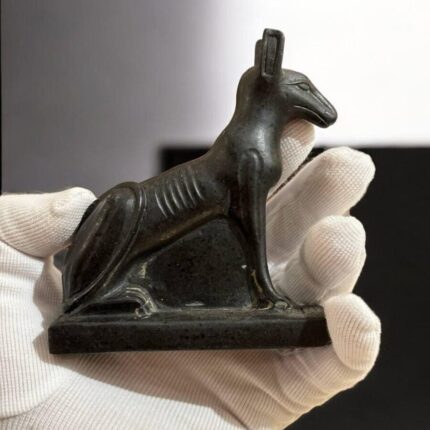
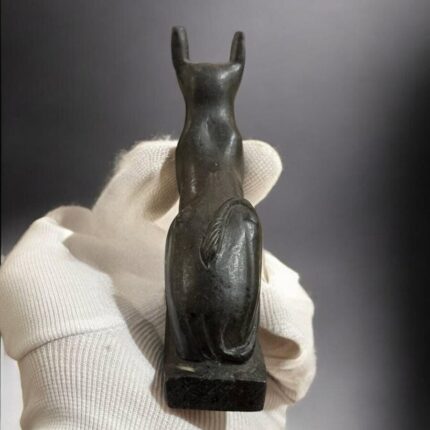
Basalt Stone Rabbit Statue: Ancient Egyptian Goddess Unut
Add a charming natural-stone accent to your space with this Basalt Rabbit Statue, crafted from basalt stone and featuring an elegant rabbit-inspired design. Its distinctive dark appearance makes it a beautiful choice for rabbit lovers, animal sculpture collectors, home décor, office displays, nature-inspired interiors, and unique gifts.
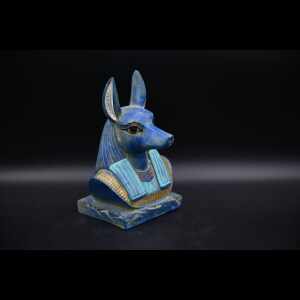
Handmade Stone Statue of Anubis – Egyptian God of Afterlife
Add a powerful symbol of ancient Egyptian protection to your collection with this Egyptian Anubis Funerary Guardian Statue, handmade from stone and inspired by Anubis, the canine-headed deity of mummification, embalming, tomb protection, and care of the deceased. A distinctive choice for collectors, Egyptology lovers, Egyptian décor, museum-inspired displays, and unique cultural gifts.


Reviews
There are no reviews yet.