
Hathor Amulet, Egyptian Goddess of Love and Protection
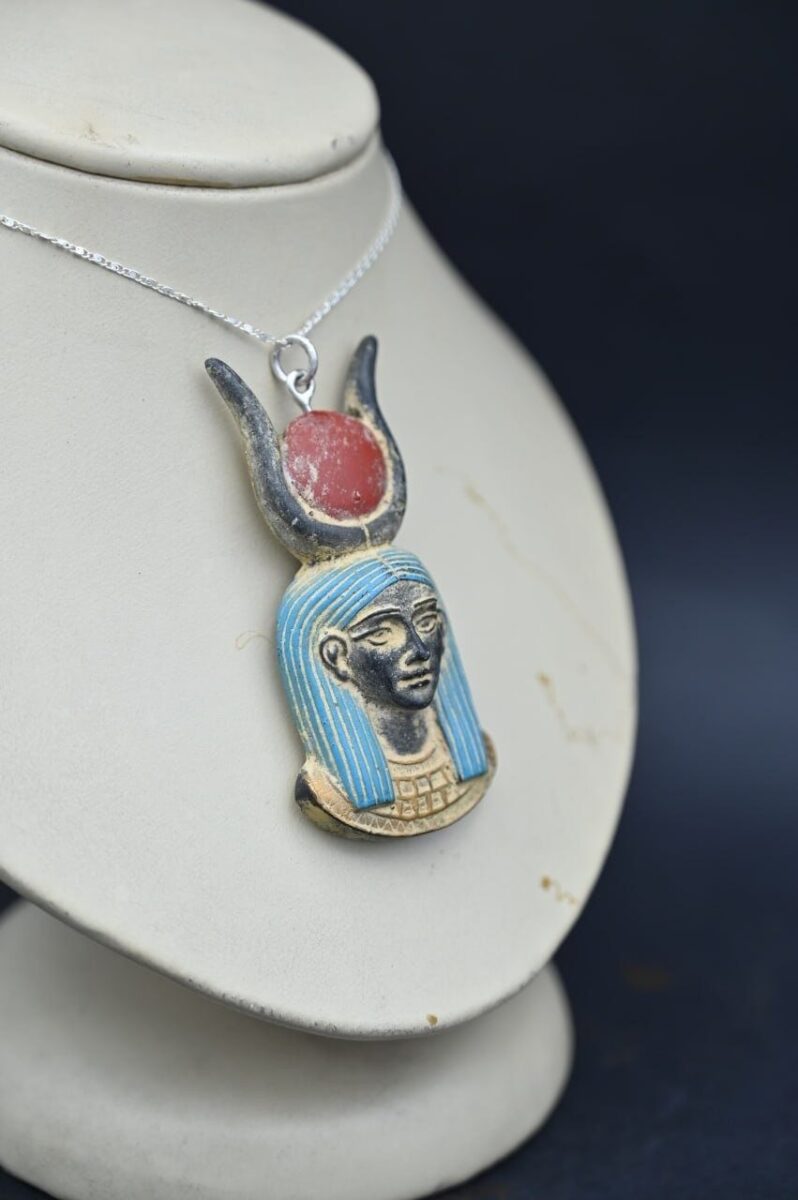
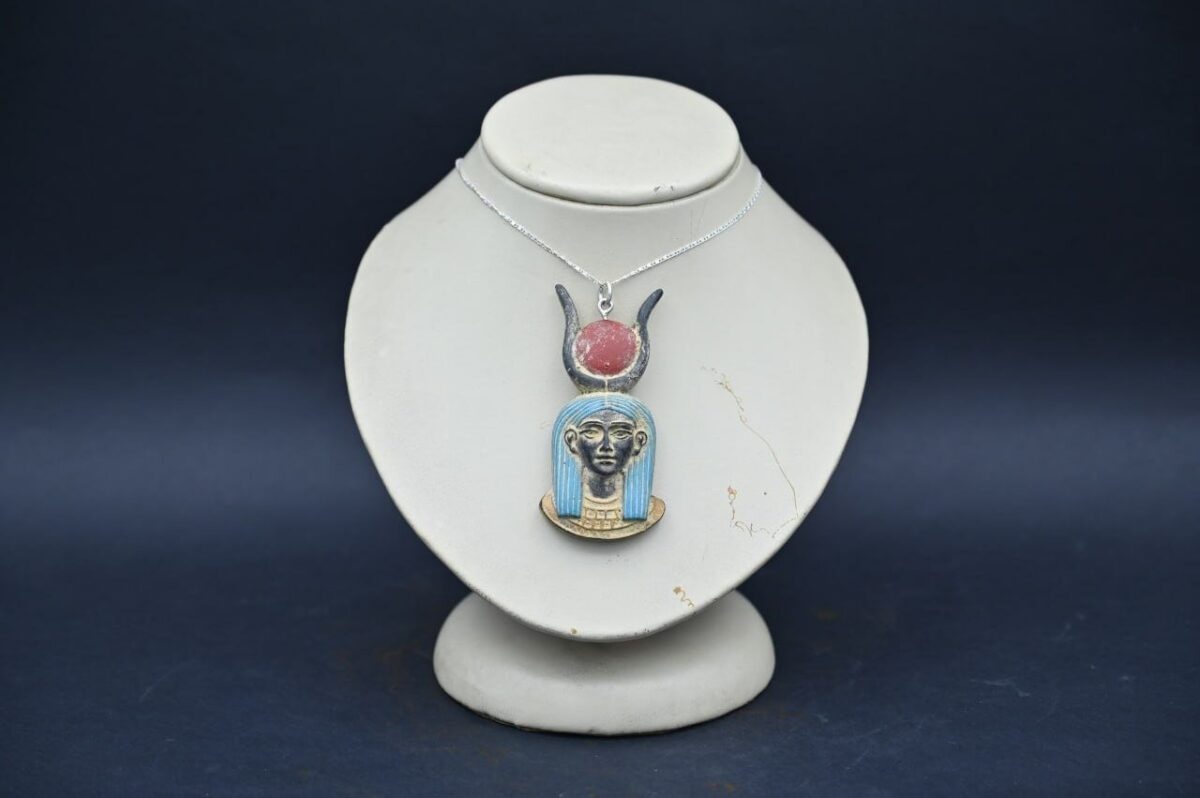
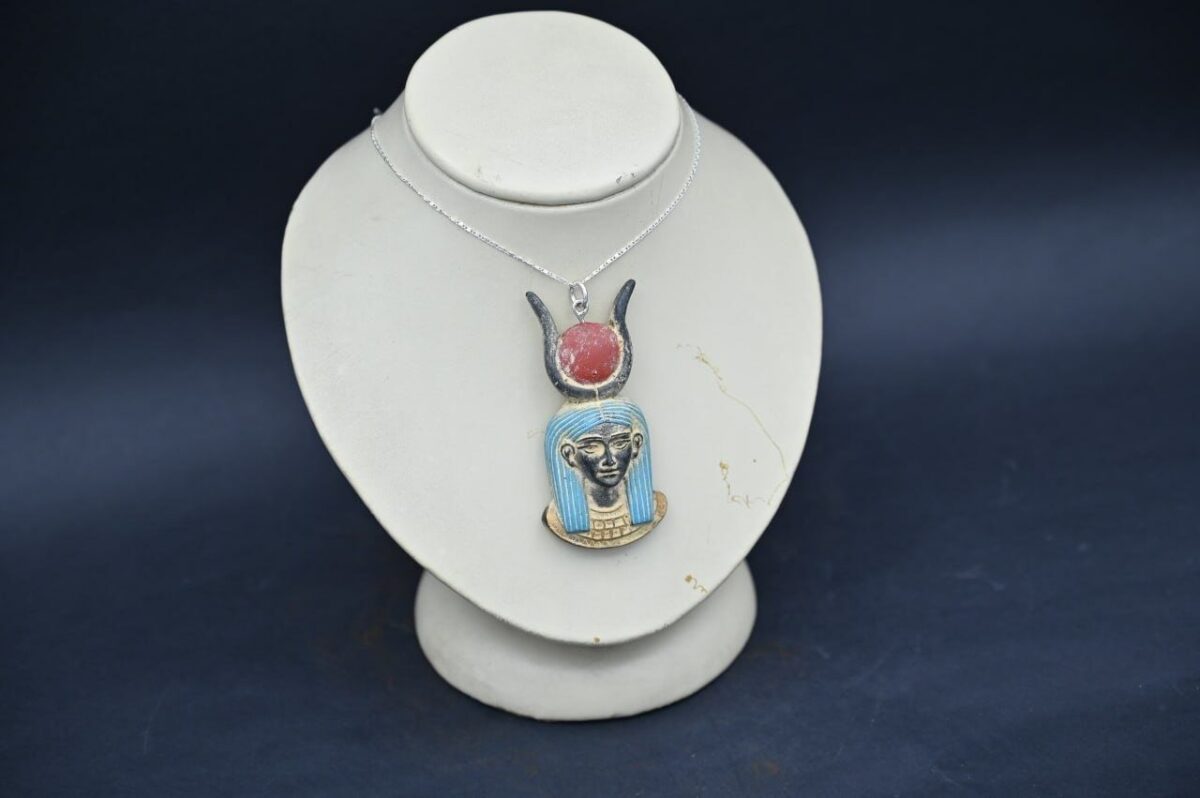
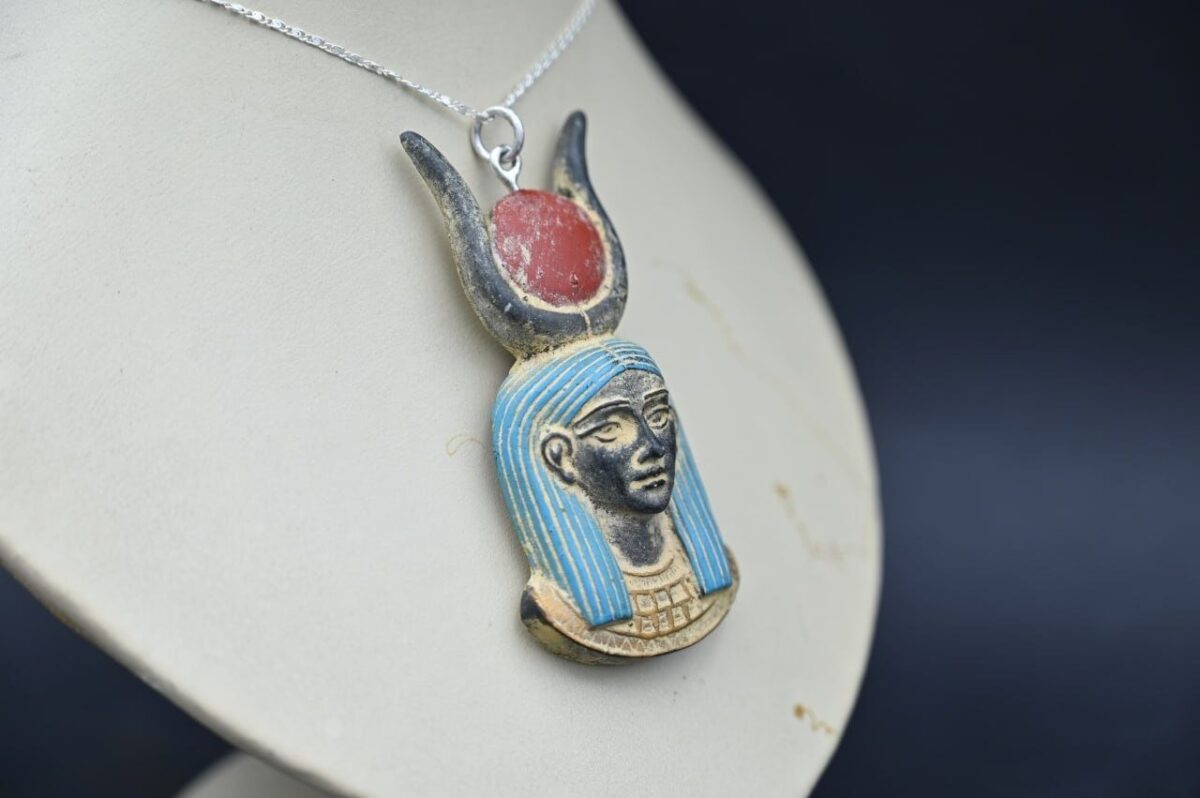
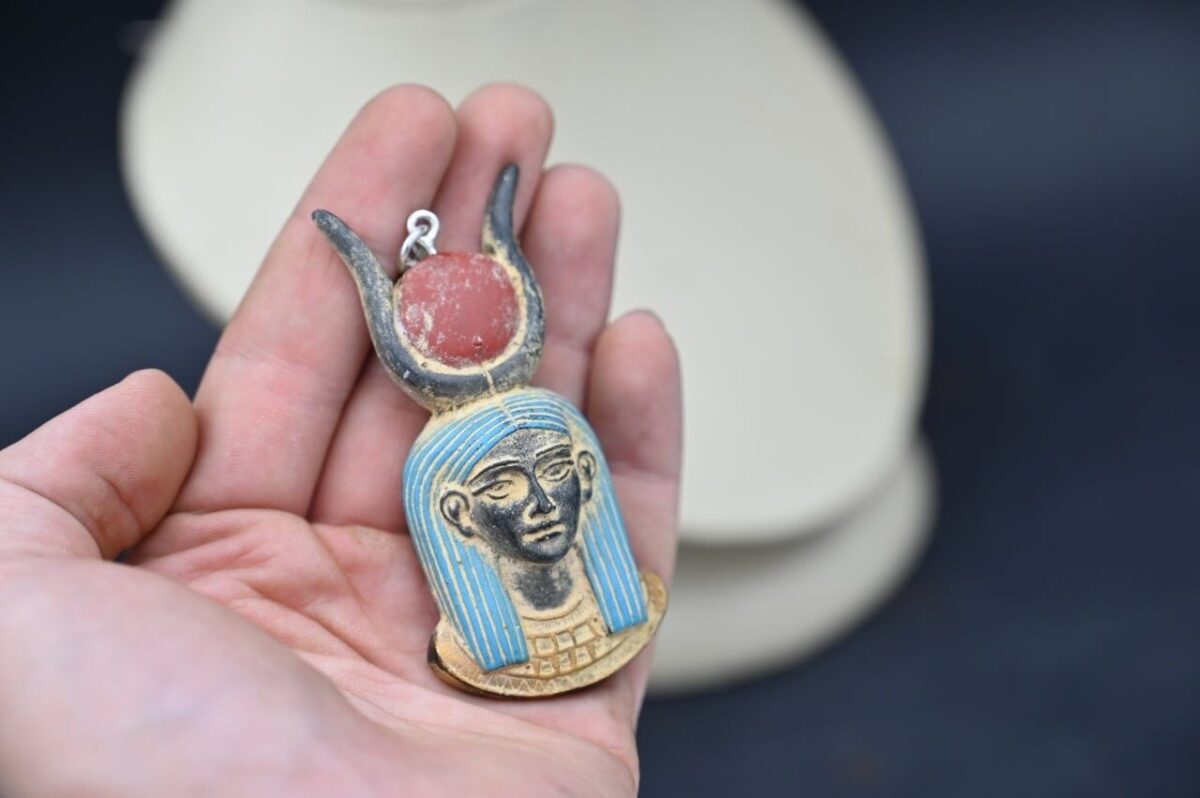
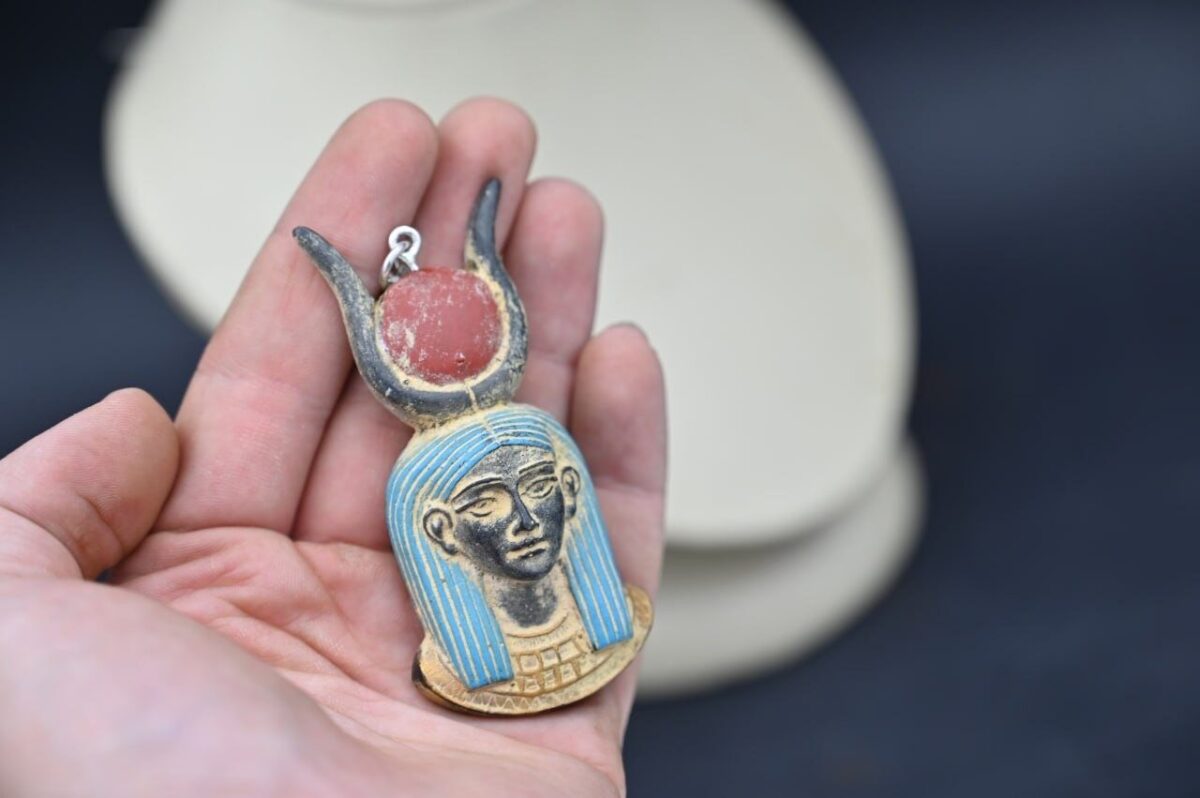
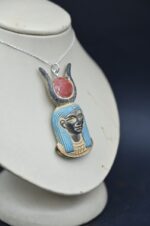
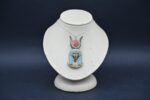
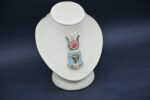
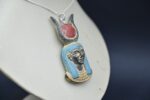
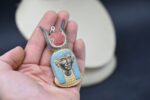
Add a graceful symbol of ancient Egyptian heritage to your collection with this Egyptian Hathor Goddess Amulet, inspired by the goddess of love, joy, beauty, music, motherhood, and fertility. A distinctive choice for collectors, mythology lovers, Egyptian décor, symbolic displays, and unique cultural gifts.
Egyptian Hathor Goddess Amulet – Ancient Egyptian Symbol
Description of Art
Egyptian Hathor Goddess Amulet inspired by one of the most beloved and recognizable goddesses of ancient Egyptian religion.
Hathor was associated with love, joy, music, beauty, motherhood, and fertility. She was commonly represented as a woman wearing cow horns with a solar disk, as a cow, or through the distinctive frontal Hathor face with cow ears.
This Egyptian-inspired amulet celebrates the rich symbolism of Hathor and makes a distinctive piece for collectors, mythology enthusiasts, history lovers, Egyptian décor, and cultural gifts.
Who Was Goddess Hathor?
Hathor was a major goddess whose religious roles extended across many aspects of ancient Egyptian life.
The British Museum identifies her especially with love, joy, music, beauty, women, motherhood, and fertility, while surviving objects also demonstrate her strong association with musical instruments and celebration.
Because her character was so multifaceted, it is better not to reduce Hathor to a single role or describe her family relationships in overly simple terms.
The Egyptian Hathor Goddess Amulet draws inspiration from this broad and powerful divine identity.
Hathor and Love, Joy, and Beauty
Hathor was strongly connected with pleasure, happiness, beauty, and celebration.
Music and dance were particularly important to her worship. The British Museum describes Hathor as a goddess of love and music, and the sistrum became one of the instruments especially associated with her ceremonies.
For modern collectors, Hathor imagery can therefore evoke:
- Love
- Joy
- Beauty
- Music
- Motherhood
- Fertility
- Celebration
- Protection
- Ancient Egyptian heritage
These associations give an Egyptian Hathor Goddess Amulet both decorative and symbolic appeal.
Hathor and the Cow
The cow was one of Hathor’s most recognizable divine forms.
She could appear as a complete cow or as a woman with cow horns and a solar disk. Museum objects also depict her with characteristic cow ears.
The cow imagery reinforced her connections with motherhood, fertility, nourishment, and feminine divine power.
This distinctive iconography made Hathor one of the easiest Egyptian goddesses to recognize in ancient art.
Hathor and the Solar Disk
The solar disk positioned between cow horns became one of the most famous visual attributes associated with Hathor.
The Metropolitan Museum preserves ancient representations of cow goddesses with a sun disk positioned between the horns, while the British Museum similarly describes Hathor as a woman or cow wearing the horns-and-sun-disk headdress.
Her solar connections were complex and changed across different Egyptian traditions. For this reason, it is more accurate to describe Hathor broadly as a celestial and solar-associated goddess rather than stating simply that she was “the daughter of Horus and wife of Ra.”
Hathor and Horus
Hathor’s relationship with Horus varied between different religious traditions.
The Metropolitan Museum describes Hathor in some contexts as the mother of the Horus king, illustrating her important relationship with kingship and divine motherhood.
Ancient Egyptian theology often allowed gods to have different relationships depending on the city, period, and religious context, so simplified family trees can be misleading.
This complexity is one of the reasons Hathor became such a rich and enduring figure in Egyptian religion.
Hathor and Music
Music was among Hathor’s strongest associations.
The sistrum, a ritual rattle, became closely connected with her worship. The Metropolitan Museum explains that Hathor’s face appeared on sistrum forms and that the instrument became so closely identified with her that it influenced the design of Hathor columns in temples.
The British Museum likewise notes that Hathor was closely associated with music and dance.
For collectors, this makes Hathor particularly meaningful as a symbol of creativity, celebration, and artistic expression.
Hathor and Dendera
One of Hathor’s most famous religious centers was Dendera in Upper Egypt.
Metropolitan Museum records identify Dendera as a major center associated with Hathor’s cult, and the surviving Temple of Hathor became one of the best-known monuments connected with the goddess.
Ancient evidence from the site demonstrates that Hathor’s worship there extended across a very long period of Egyptian history.
Hathor and Motherhood
Hathor’s cow imagery also expressed maternal qualities.
British Museum descriptions connect her with women, motherhood, fertility, and new life, while ancient objects portray her as a divine cow and archetypal maternal figure.
This makes Hathor imagery especially suitable for collectors interested in Egyptian symbols associated with nurturing, family, femininity, and fertility.
Hathor Amulets and Egyptian Symbolism
Amulets were an important part of ancient Egyptian material culture, and Hathor imagery appeared on small personal and religious objects.
The British Museum preserves Hathor-related amulets featuring her characteristic frontal face, cow ears, and other divine imagery.
A modern Egyptian Hathor Goddess Amulet should be described as an Egyptian-inspired or replica piece rather than as an authentic ancient antiquity unless it is genuinely archaeological.
Perfect for Collectors and Egyptian Décor
This Egyptian Hathor Goddess Amulet is ideal for:
- Ancient Egyptian art collectors
- Hathor enthusiasts
- Egyptian mythology lovers
- History and archaeology enthusiasts
- Goddess-themed collections
- Egyptian-inspired décor
- Museum-inspired displays
- Symbolic collections
- Ancient civilization enthusiasts
- Unique cultural gifts
It can also complement pieces inspired by Horus, Isis, Sekhmet, Ra, Bastet, Maat, Anubis, and other ancient Egyptian deities.
Product Details
Product: Egyptian Hathor Goddess Amulet
Deity: Hathor
Style: Ancient Egyptian / Pharaonic Inspired
Symbolism: Love, Joy, Beauty, Music, Motherhood & Fertility
Type: Egyptian-Inspired Amulet
Use: Collectible, Decorative Display & Cultural Gift
Our Shop Policy
- Please ask for a live photo of your product before shipping if you would like to see the exact piece before dispatch.
- Keep a close eye on your inbox for shipping updates and tracking information.
- Providing a valid phone number is mandatory for international shipping purposes.
- If you encounter any issues or concerns regarding your order, please contact us. We will handle your case promptly and professionally.
International Shipping
Please provide your phone number to complete the international shipping process.
Your Egyptian Hathor Goddess Amulet will be carefully prepared and securely packaged to help protect it during transportation
| chain | 416, 417 |
|---|
Related products
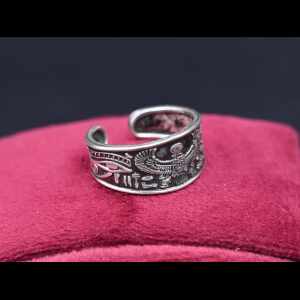
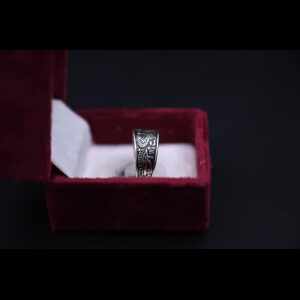
Horus ring-amazing Ring the symbol of good luck-good life-ancient Egyptian ornament-mythology
Add a powerful symbol of ancient Egyptian kingship to your jewelry collection with this Pure Silver Horus Ring, handcrafted in Egypt from pure silver with a unisex free-size design. Inspired by Horus, the falcon god of the sky, royal authority, and protection, it is a distinctive choice for silver jewelry collectors, mythology lovers, Egyptology enthusiasts, and unique cultural gifts.
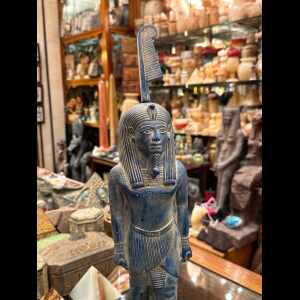
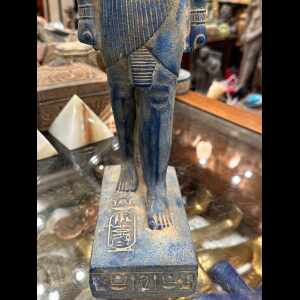
Handmade Blue Stone Statue: Egyptian God Shu, God of Air (35 cm)
Add a distinctive symbol of ancient Egyptian creation mythology to your collection with this Blue Stone Shu God Statue, handmade in Egypt and measuring 35 × 7 × 9 cm. Inspired by Shu, the god of air and atmosphere who separated the sky goddess Nut from the earth god Geb, it is ideal for collectors, Egyptian décor, mythology lovers, and unique cultural gifts.


Egyptian Eye of Horus Ring: Ancient Symbol, Handmade in Egypt
Add a powerful symbol of ancient Egyptian kingship to your jewelry collection with this Unisex Horus Pharaonic Ring, handcrafted in Egypt with a flexible free-size design for women and men. Inspired by Horus, the falcon god of the sky, royal authority, and protection, it is a distinctive choice for mythology lovers, Egyptology enthusiasts, symbolic jewelry collectors, and unique cultural gifts.
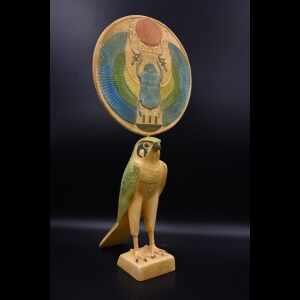
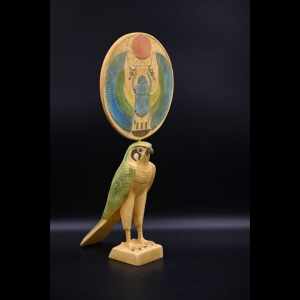
Handcrafted Limestone Horus Statue, Egyptian God of Protection (35cm)
Add a powerful symbol of ancient Egyptian kingship to your collection with this 35 cm Limestone Horus Statue, handcrafted in Egypt and featuring solar and winged scarab motifs. Inspired by Horus, the falcon god of the sky, royal authority, and protection, it is a striking choice for Egyptology collectors, Egyptian décor, mythology lovers, and museum-inspired displays.
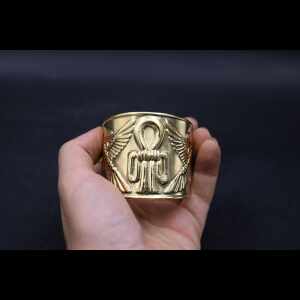
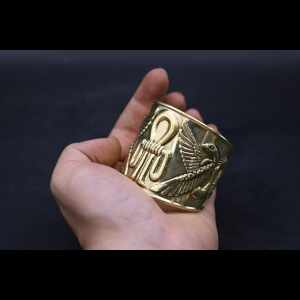
Brass Hathor Knot Bracelet: Egyptian Winged Cobra Talisman
Add a powerful touch of ancient Egyptian symbolism to your jewelry collection with this Brass Winged Cobra Egyptian Bracelet, crafted from brass and featuring an Egyptian-inspired knot centerpiece flanked by protective winged cobras. Inspired by ancient themes of guardianship and royal power, it is a distinctive choice for mythology lovers, Egyptology enthusiasts, statement-jewelry collectors, and unique cultural gifts.
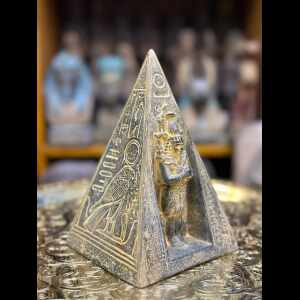
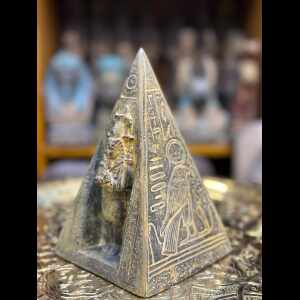
Egyptian Black Stone Pyramid – Handcrafted Horus Monument
Add a striking touch of ancient Egyptian symbolism to your space with this Black Stone Horus Pyramid, crafted from solid black stone and measuring 17 × 10 × 10 cm. Decorated with Horus and other Egyptian-inspired motifs, it is a distinctive choice for collectors, mythology lovers, office décor, Egyptian-themed interiors, and unique cultural gifts.
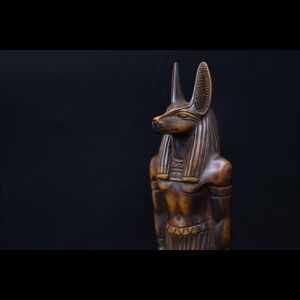
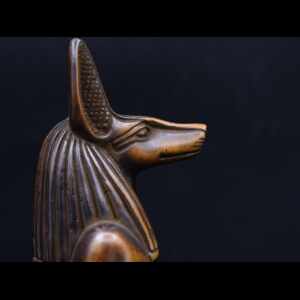
Handcrafted Anubis Statue: Egyptian God of Protection, Brown Stone (23cm)
Add a powerful symbol of ancient Egyptian protection to your collection with this 23 cm Brown Stone Anubis Statue, handcrafted in Egypt from natural stone. Inspired by Anubis, the canine-headed deity of mummification, funerary protection, and care of the deceased, it is a distinctive choice for collectors, Egyptian décor, museum-inspired displays, and unique cultural gifts.
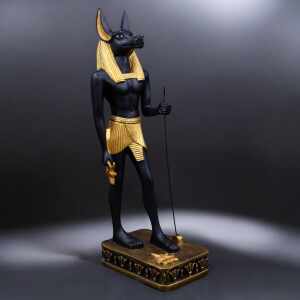
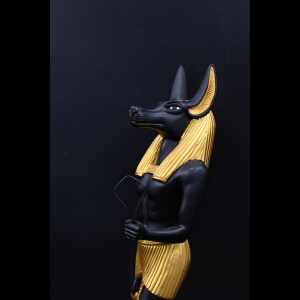
Handcrafted Anubis Statue: Egyptian God of Mummification, 40cm Natural Stone
Add a powerful symbol of ancient Egyptian protection to your collection with this 40 cm Natural Stone Anubis Statue, handcrafted in Egypt from natural stone. Inspired by Anubis, the canine-headed deity of mummification, funerary protection, and care of the deceased, it is a striking choice for collectors, Egyptian décor, museum-inspired displays, and unique cultural gifts.


Reviews
There are no reviews yet.