
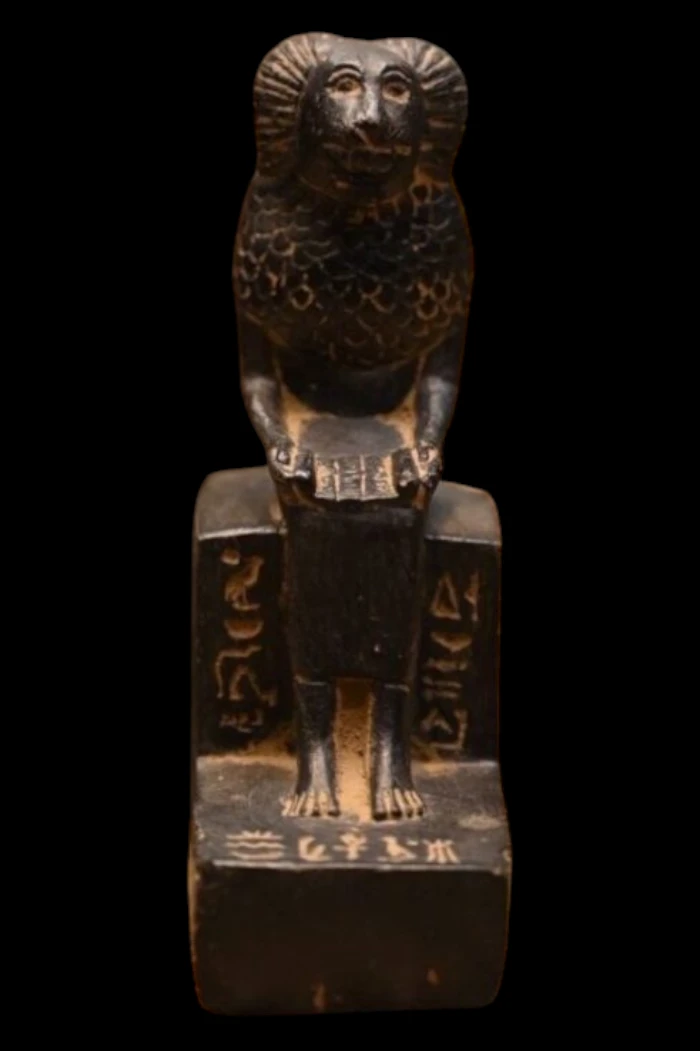
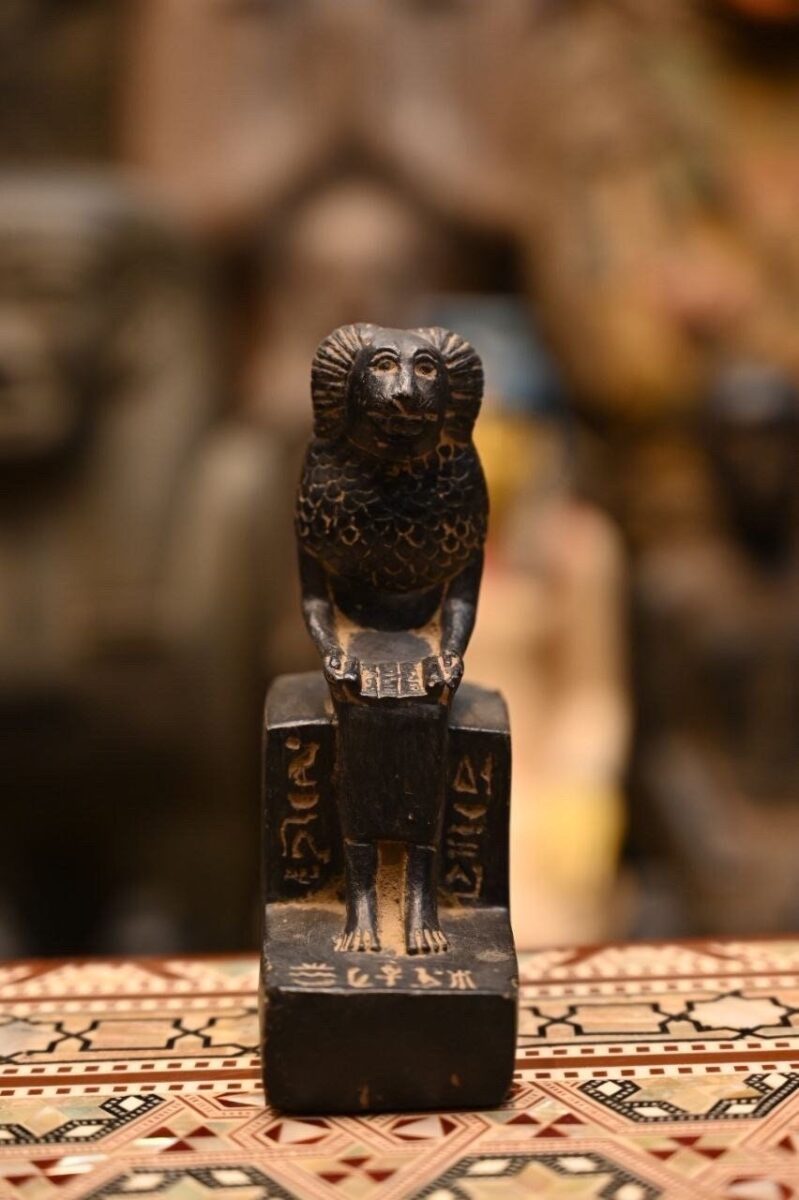
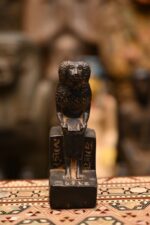
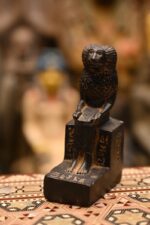
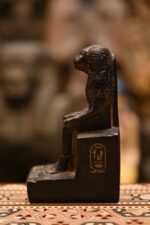
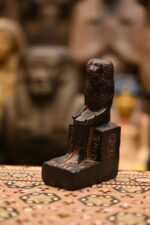
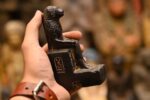
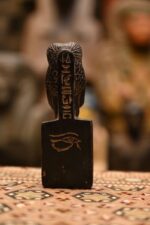
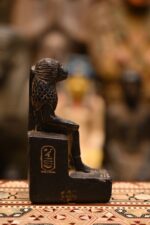
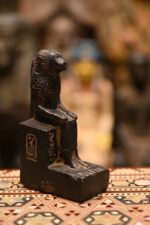
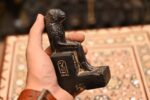
Thoth -vintage statue-Depicted in Baboon-Symbol of wisdom writing-moon-Egyptian antique statues -handcraft-Archeology/Egyptian mythology
$115.70
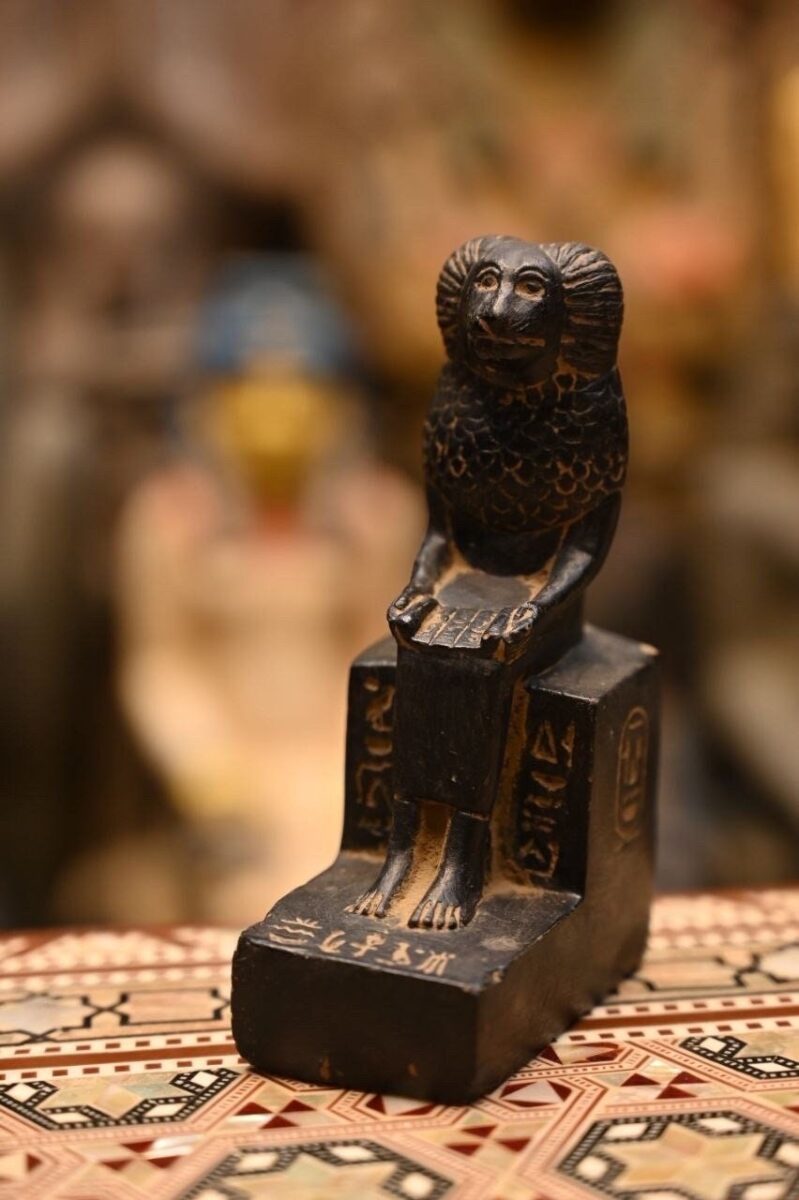
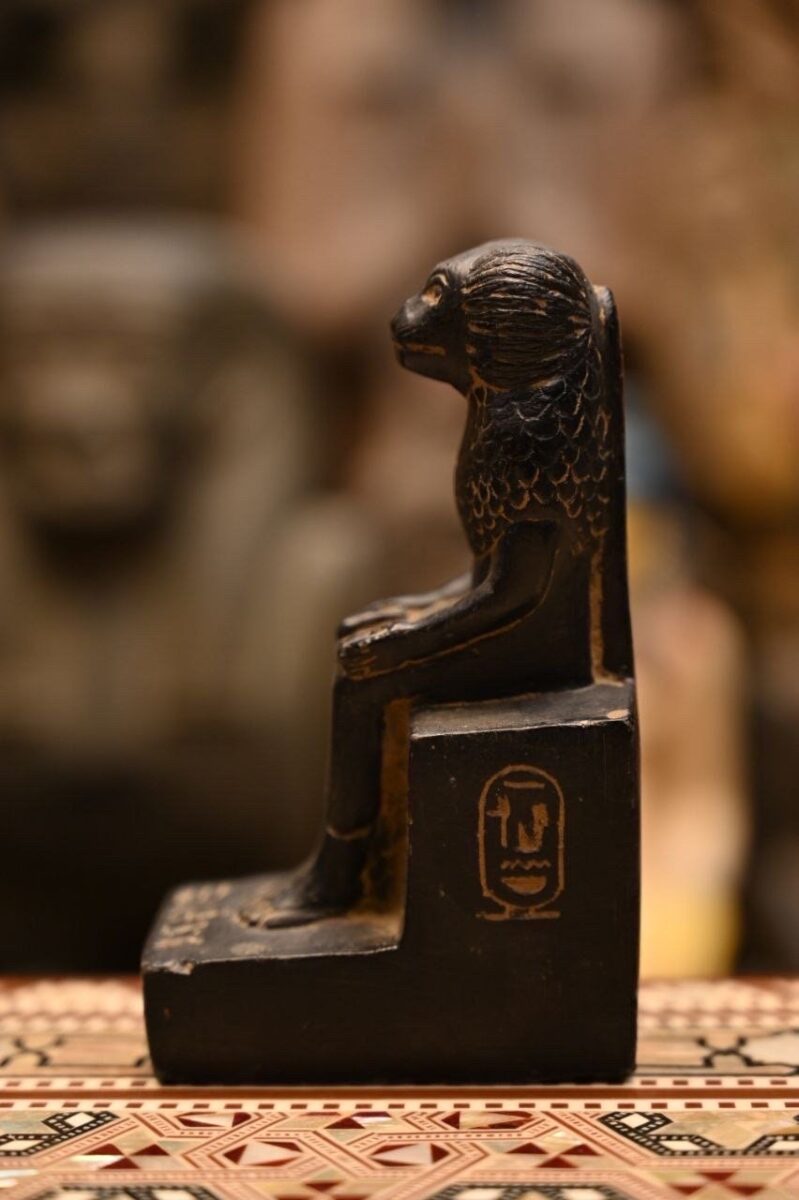
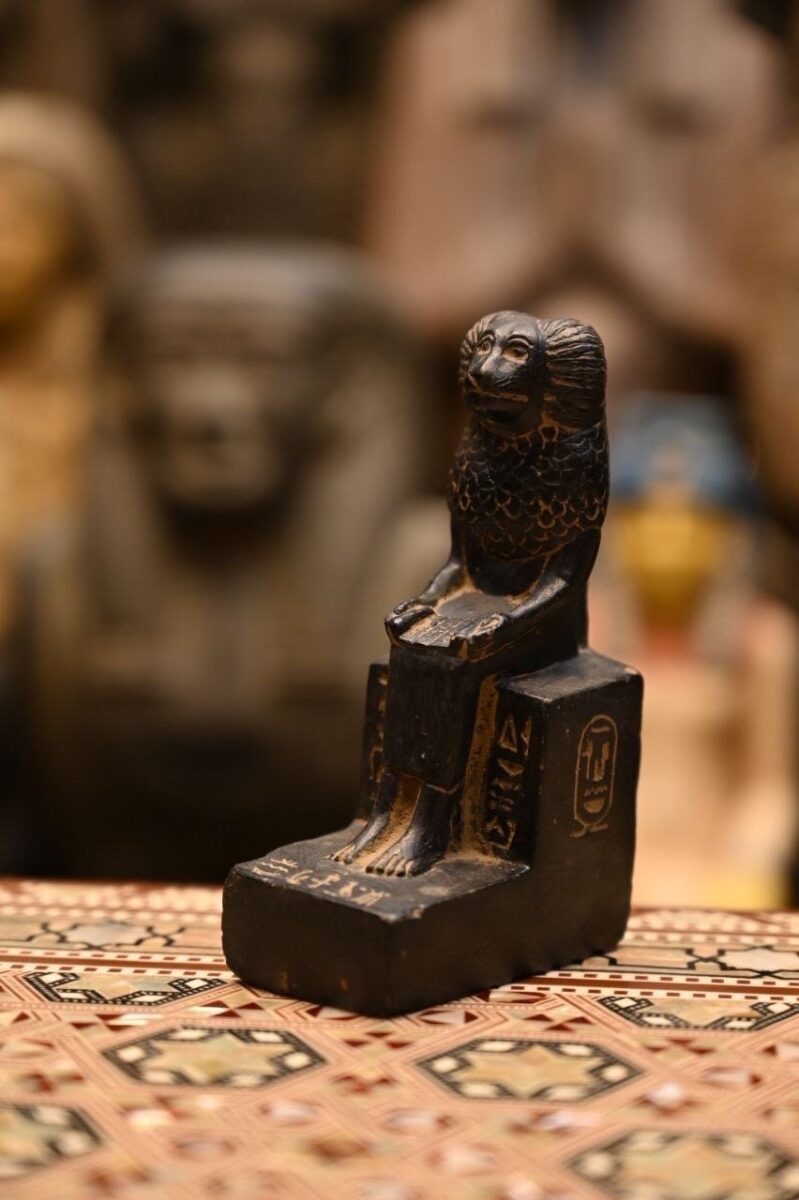
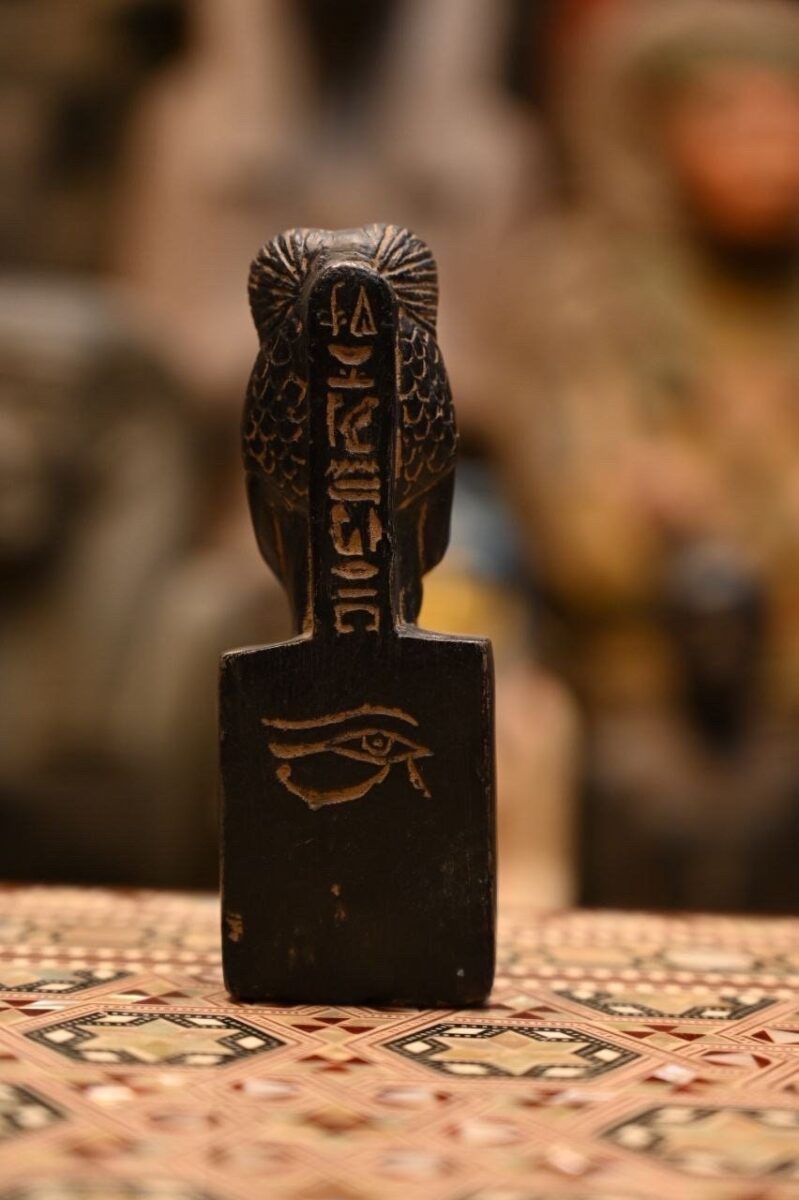
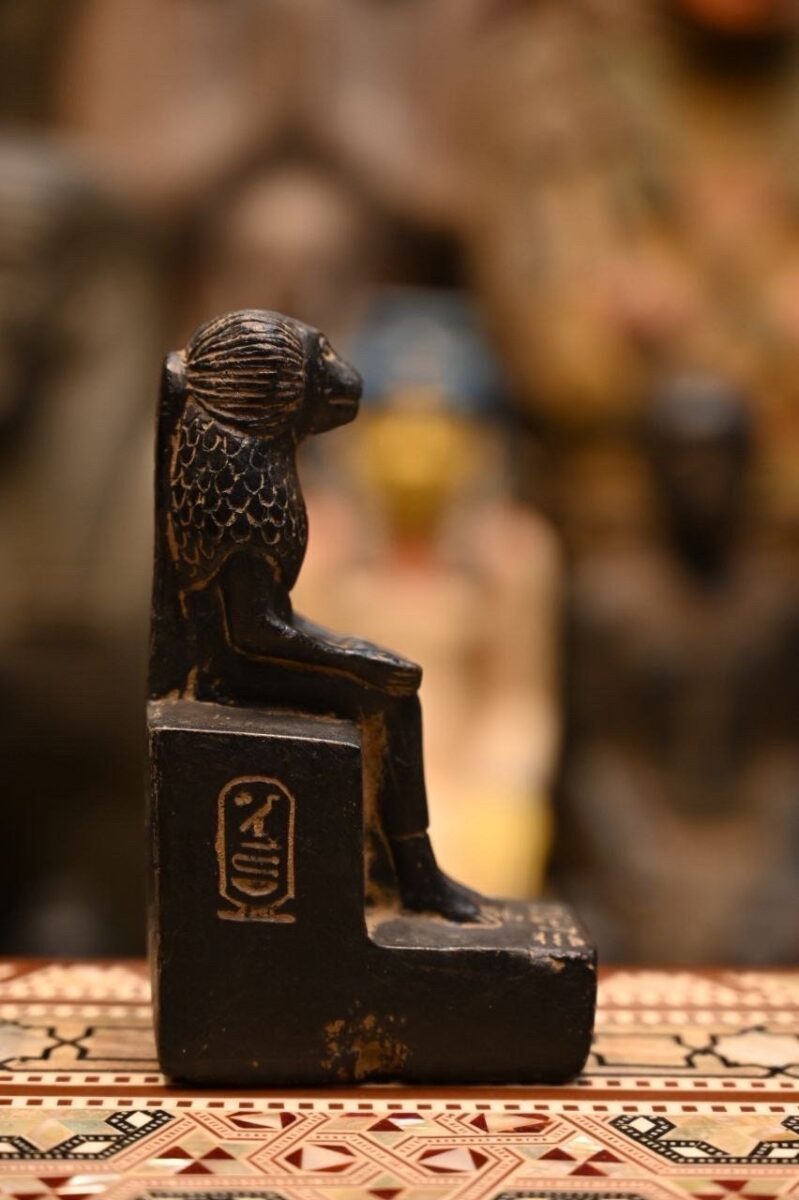
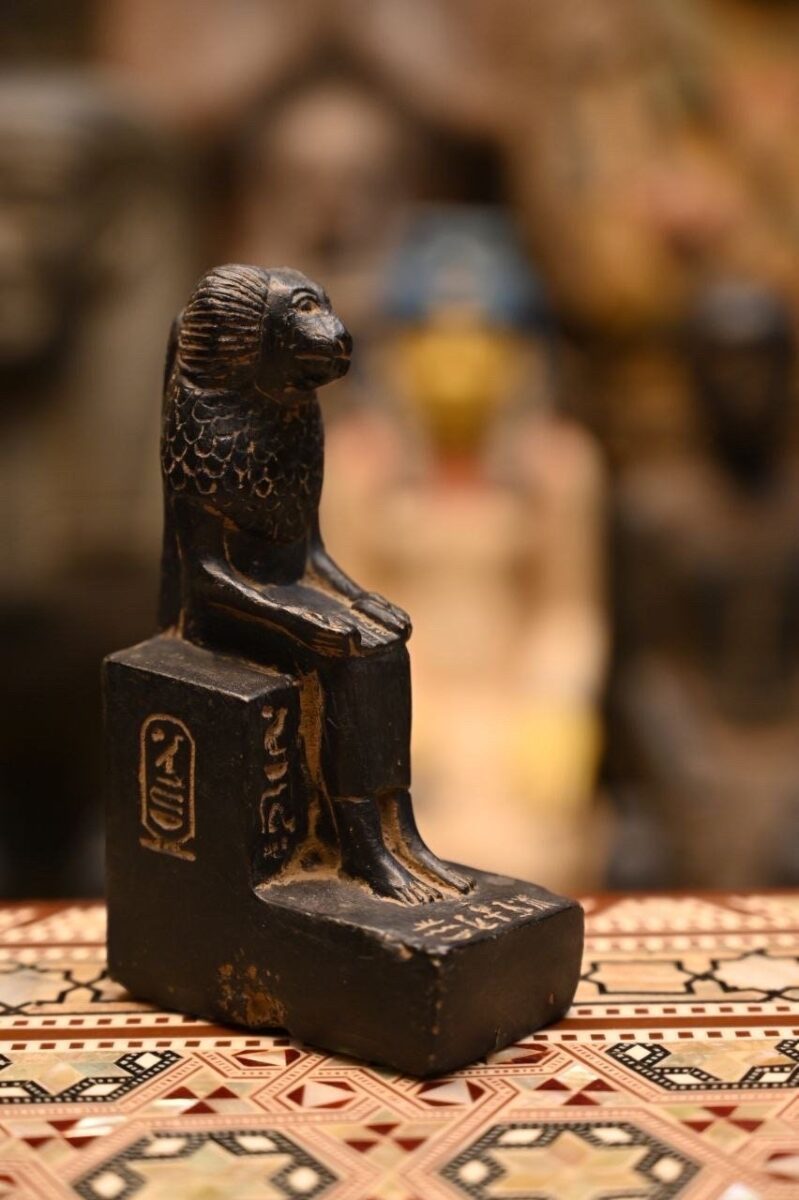
Add a meaningful symbol of ancient Egyptian wisdom to your collection with this Seated Thoth Baboon Statue, handcrafted in Egypt and measuring 13 × 5 × 7.5 cm. Inspired by Thoth, the god of wisdom, writing, knowledge, magic, and the moon, it is a distinctive choice for collectors, scholars, Egyptian décor, and unique cultural gifts.
Seated Thoth Baboon Statue – Egyptian God of Wisdom Replica
Description of Art
Seated Thoth Baboon Statue handcrafted by skilled Egyptian artisans and made in Egypt, inspired by one of the distinctive forms of Thoth, the ancient Egyptian god of wisdom, writing, knowledge, calculation, magic, and the moon.
Thoth could be represented in several forms, most famously as a man with the head of an ibis, but he was also depicted as a seated sacred baboon.
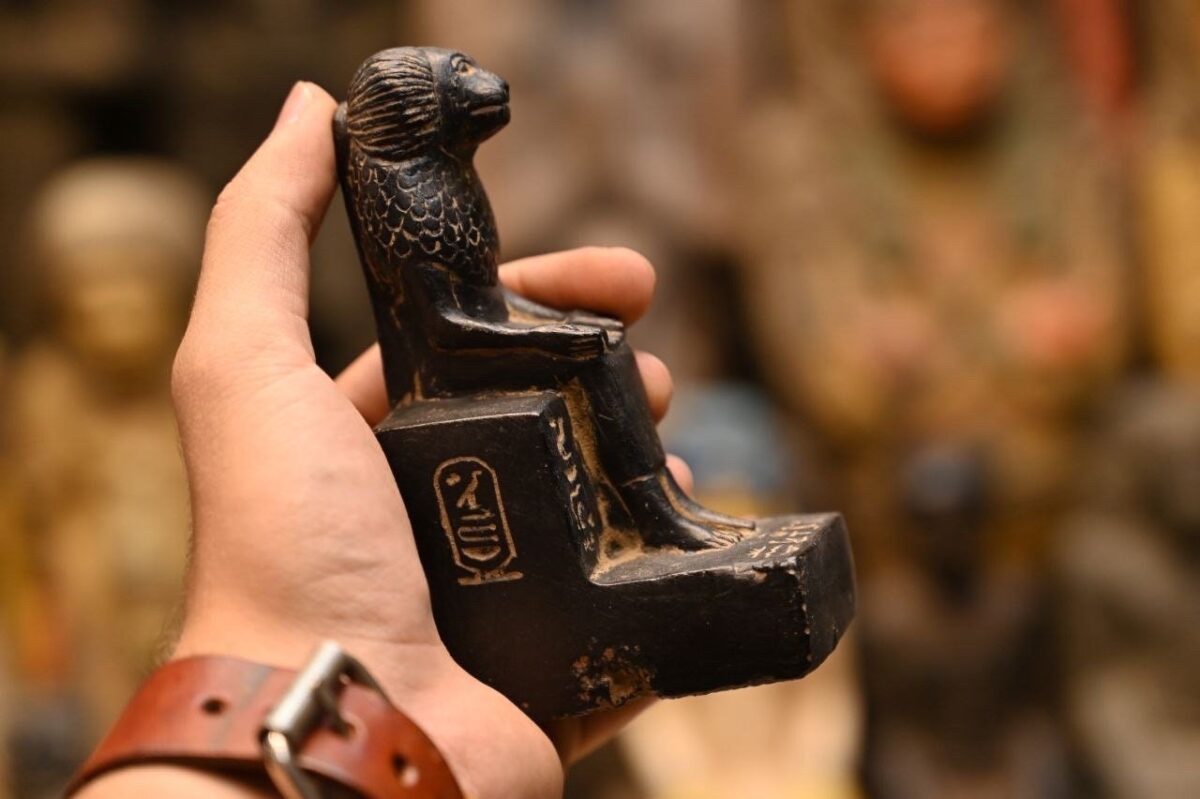
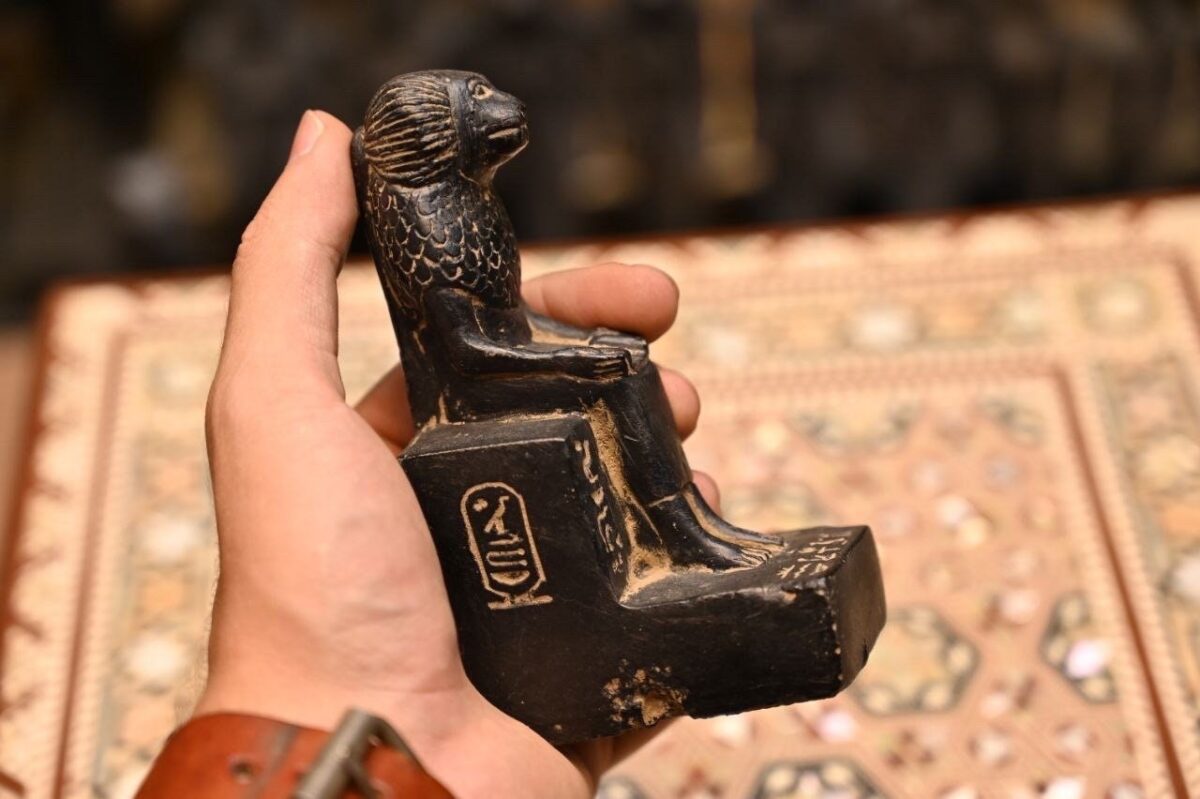
Measuring 13 cm high, 5 cm wide, and 7.5 cm deep, this compact statue makes a distinctive addition to Egyptian mythology collections, desks, shelves, libraries, offices, and museum-inspired displays.
Dimensions
Height: 13 cm
Width: 5 cm
Depth: 7.5 cm
Deity: Thoth / Djehuty
Form: Seated Baboon
Craftsmanship: Handmade by Egyptian Artisans
Origin: Made in Egypt
Style: Ancient Egyptian Inspired
Who Was Thoth?
Thoth, known in ancient Egyptian as Djehuty, was one of Egypt’s great intellectual deities.
His principal associations included:
- Wisdom
- Writing
- Knowledge
- Hieroglyphs
- Calculation
- Record keeping
- Magic
- The moon
- Measurement and time
These roles made Thoth especially important to scribes and scholars.
For modern collectors, a Seated Thoth Baboon Statue can symbolically evoke:
Wisdom • Intelligence • Learning • Writing • Knowledge
Thoth as a Baboon
Although Thoth is perhaps best known today in his ibis-headed form, the baboon was another important sacred form associated with him.
Ancient Egyptian artists created statues showing Thoth as a seated baboon, sometimes with a lunar symbol above his head.
The baboon form became particularly connected with:
- Wisdom
- Observation
- The moon
- Sacred knowledge
- Scribal and intellectual symbolism
This makes the seated baboon one of the most distinctive representations of Thoth in Egyptian art.
Thoth and the Ibis
Thoth’s other famous sacred animal was the ibis.
He could appear as:
- A complete ibis
- A man with an ibis head
- A seated baboon
Rather than treating these as separate gods, they represent different visual forms through which ancient Egyptians expressed Thoth’s divine identity.
The ibis-headed form became especially common in scenes involving writing, ritual knowledge, and the judgment of the dead.
Thoth – God of Writing and Knowledge
Thoth was strongly connected with writing.
Ancient Egyptian tradition regarded him as the divine patron of scribes and associated him with the invention or divine ordering of written language.
For this reason, Thoth-inspired artwork is especially meaningful for:
- Writers
- Teachers
- Students
- Researchers
- Scholars
- Artists
- Historians
A Seated Thoth Baboon Statue can therefore work particularly well as desk or library décor.
Thoth and the Moon
Thoth also possessed an important lunar character.
The moon’s changing phases made it useful for measuring cycles and time, which complemented Thoth’s associations with calculation, calendars, knowledge, and record keeping.
For modern symbolic interpretation, this lunar aspect can evoke:
Time • Cycles • Knowledge • Reflection • Measurement
It is better to describe Thoth as a lunar deity rather than saying he literally controlled the moon.
Thoth and the Measurement of Time
Thoth’s intellectual role extended to counting and measuring.
He could be associated with:
- Calendars
- Time
- Numbers
- Measurement
- Years
- Written records
This reinforced his reputation as one of ancient Egypt’s great gods of organized knowledge.
His association with measurement also connects naturally with his broader role in maintaining cosmic and divine order.
Thoth in the Weighing of the Heart
Thoth played an important role in ancient Egyptian beliefs about the afterlife.
In the famous Weighing of the Heart scene, the heart of the deceased was weighed against the feather associated with Ma’at.
It is important to describe Thoth’s role accurately:
Anubis attends or operates the balance.
Thoth records the result as divine scribe.
The original description correctly places Thoth near the scale but should avoid implying that he personally performed the weighing.
His presence reflects his fundamental role as the divine recorder of truth and judgment.
Thoth, Horus, and Seth
Thoth also appears in traditions involving the long conflict between Horus and Seth.
He could act as a mediator, adviser, or knowledgeable divine authority.
Some traditions also associate Thoth with the restoration or healing of the Eye of Horus, reinforcing his connections with magic, knowledge, and restoration.
However, Egyptian myths have many variations, so these stories should be presented as traditions rather than one single fixed narrative.
Thoth and Ra
The supplied history also connects Thoth with the solar god Ra.
Thoth could indeed appear within broader solar and cosmic traditions, and Egyptian theology frequently connected deities through complex relationships.
However, his strongest individual identity remains:
Wisdom • Writing • Knowledge • Moon • Magic
These are the best themes to emphasize in an e-commerce listing.
Hermopolis – Major Cult Center of Thoth
One of the most important centers associated with Thoth was Khmunu, later known to the Greeks as Hermopolis, near modern el-Ashmunein in Middle Egypt.
The city became especially important for the worship of Thoth.
Thoth was also connected with the Ogdoad, a group of primordial deities central to the creation theology of Hermopolis.
This makes him important not only as a god of writing but also within Egyptian creation traditions.
Sacred Animal Burials
Large numbers of sacred ibises and some baboons associated with Thoth were mummified and deposited as votive offerings in ancient Egypt.
Important animal necropolises have been discovered at sites including:
- Tuna el-Gebel
- Saqqara
These archaeological finds demonstrate the extraordinary popularity and longevity of Thoth’s cult.
For product copy, however, avoid claiming that every animal burial or every baboon mummy came from one specific site unless the exact archaeological source is verified.
Thoth and the Name Thutmose
The Egyptian royal name commonly rendered as Thutmose / Thutmosis incorporates the name of Thoth.
The name is generally understood along the lines of:
“Born of Thoth”
This reflects the importance of the god’s name and prestige in Egyptian royal culture.
Handmade Egyptian Craftsmanship
The Seated Thoth Baboon Statue is handcrafted by skilled Egyptian artisans and made in Egypt.
Its compact 13 × 5 × 7.5 cm dimensions make it ideal for:
- Desk décor
- Bookshelves
- Display cabinets
- Office decoration
- Libraries
- Study rooms
- Egyptian mythology collections
- Museum-inspired displays
Its connection with wisdom and writing makes it especially appropriate for intellectual or creative spaces.
Museum-Inspired Replica
The original description calls this a “museum copy” and suggests that it reproduces one of the most beautiful discovered statues.
Unless the exact original museum artifact is identified and the replica has been confirmed as an accurate reproduction, I recommend using:
Museum-Inspired Thoth Baboon Replica
Ancient Egyptian-Inspired Statue
Seated Thoth Baboon Sculpture
rather than claiming it is an exact museum copy.
Likewise, avoid “Egyptian antiques” for a newly handcrafted item.
About the “Seventh Dynasty” Claim
The supplied history identifies a Louvre baboon statue as belonging to the Seventh Dynasty / First Intermediate Period.
Because this is a very specific museum attribution and the exact original object is not identified in the product information, I would not use that claim in the listing unless you have the museum inventory reference or exact source artifact.
It is safer to focus on the well-established historical fact that baboon representations of Thoth occurred across multiple periods of Egyptian history.
Symbolism for Modern Collectors
For modern decorative interpretation, the Seated Thoth Baboon Statue can represent:
Wisdom • Knowledge • Intelligence • Writing • Learning • Reflection
These themes make it a particularly meaningful gift for writers, teachers, students, researchers, and anyone interested in Egyptian history.
Perfect for Collectors
The Seated Thoth Baboon Statue is a distinctive choice for:
- Thoth collectors
- Egyptology enthusiasts
- Ancient Egyptian art lovers
- Writers and scholars
- Teachers and students
- Baboon sculpture collectors
- Egyptian mythology fans
- Library and office décor
- Museum-inspired displays
- Unique cultural gifts
Product Details
Product: Seated Thoth Baboon Statue
Deity: Thoth / Djehuty
Form: Seated Baboon
Height: 13 cm
Width: 5 cm
Depth: 7.5 cm
Craftsmanship: Handmade by Skilled Egyptian Artisans
Origin: Made in Egypt
Main Associations: Wisdom, Writing, Knowledge, Magic & Moon
Sacred Animals: Ibis & Baboon
Principal Cult Center: Hermopolis / Khmunu
Style: Ancient Egyptian Inspired
Type: Decorative Museum-Inspired Replica
Use: Collection, Desk Décor, Library Décor, Office Décor & Cultural Gift
Related products
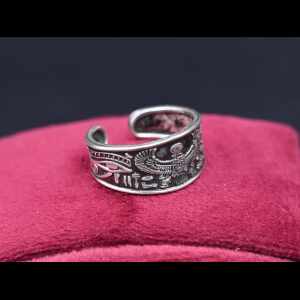
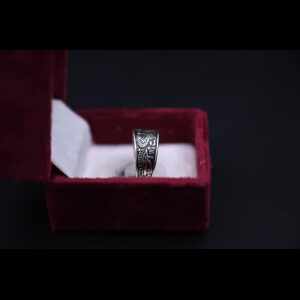
Horus ring-amazing Ring the symbol of good luck-good life-ancient Egyptian ornament-mythology
Add a powerful symbol of ancient Egyptian kingship to your jewelry collection with this Pure Silver Horus Ring, handcrafted in Egypt from pure silver with a unisex free-size design. Inspired by Horus, the falcon god of the sky, royal authority, and protection, it is a distinctive choice for silver jewelry collectors, mythology lovers, Egyptology enthusiasts, and unique cultural gifts.
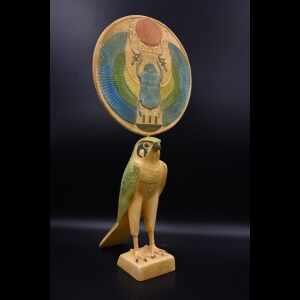
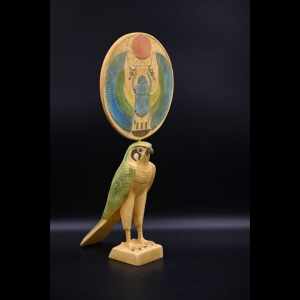
Handcrafted Limestone Horus Statue, Egyptian God of Protection (35cm)
Add a powerful symbol of ancient Egyptian kingship to your collection with this 35 cm Limestone Horus Statue, handcrafted in Egypt and featuring solar and winged scarab motifs. Inspired by Horus, the falcon god of the sky, royal authority, and protection, it is a striking choice for Egyptology collectors, Egyptian décor, mythology lovers, and museum-inspired displays.
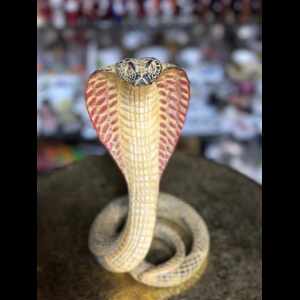
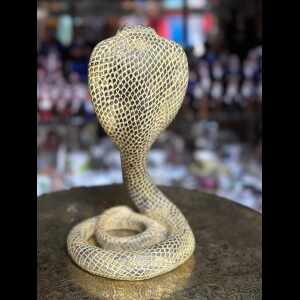
Handmade Egyptian Uraeus Cobra Statue, Wadjet Serpent Goddess
Add a powerful symbol of ancient Egyptian royal protection to your collection with this 25 cm Egyptian Uraeus Cobra, measuring 25 cm high and 12 cm wide. Inspired by Wadjet, the cobra goddess associated with Lower Egypt, kingship, guardianship, and divine protection, it is a distinctive choice for Egyptology collectors, Egyptian décor, mythology lovers, and unique cultural gifts.
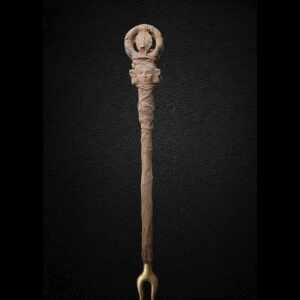
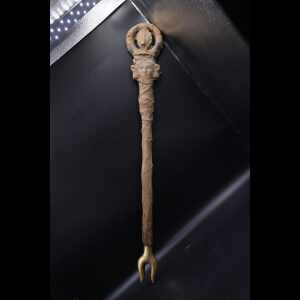
Hathor Was Scepter, Egyptian Antiquity Symbol, Made in Egypt
Add a distinctive symbol of ancient Egyptian authority to your collection with this Hathor Was Scepter Replica, handcrafted in Egypt from wood, linen, and copper and standing 50 cm tall. Featuring a Hathor-inspired face combined with the iconic Was symbol of power and dominion, it is an elegant choice for Egyptology collectors, Egyptian décor, mythology lovers, and museum-inspired displays.
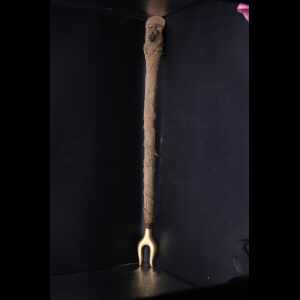
Sekhmet Scepter Was Stick, Egyptian Symbol of Strength, 50cm, Made in Egypt
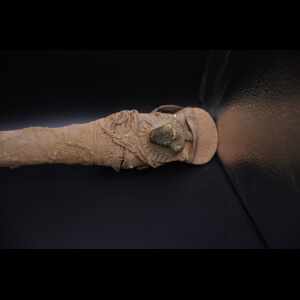
Add a powerful symbol of ancient Egyptian authority to your collection with this 50 cm Sekhmet Was Scepter, handcrafted in Egypt from wood, linen, and copper. Featuring a Sekhmet-inspired design and the iconic Was symbol of dominion and power, it is a distinctive choice for Egyptology collectors, mythology lovers, Egyptian décor, and museum-inspired displays.
Egyptian Scarab Bracelet: Brass Beetle Amulet, Ancient Mythology Jewelry
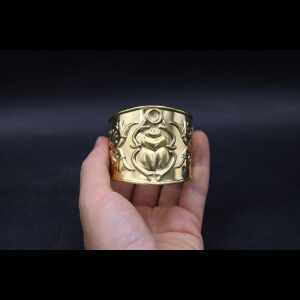
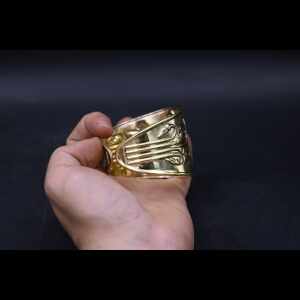
Add a meaningful symbol of ancient Egyptian renewal to your jewelry collection with this Brass Scarab Beetle Bracelet, handcrafted in Egypt from brass and featuring a detailed scarab centerpiece. Inspired by the ancient symbolism of rebirth, transformation, solar renewal, and protection, it is a distinctive choice for mythology lovers, Egyptology enthusiasts, jewelry collectors, and unique cultural gifts.
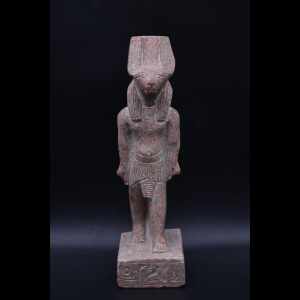
Handcrafted Red Granite Anubis Statue – Egyptian God of Afterlife (30cm)
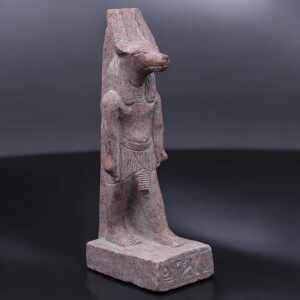
Add a powerful symbol of ancient Egyptian protection to your collection with this 30 cm Red Granite Anubis Statue, handcrafted in Egypt from red granite. Inspired by Anubis, the canine-headed deity of mummification, funerary protection, and care of the deceased, it is a striking choice for collectors, Egyptian décor, museum-inspired displays, and unique cultural gifts.
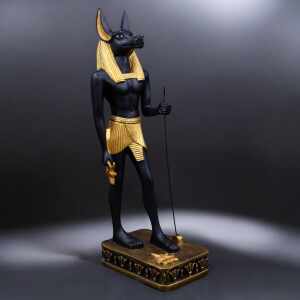
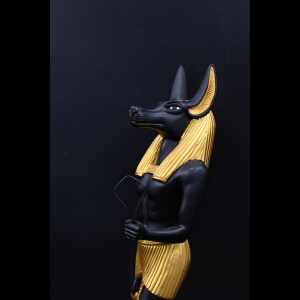
Handcrafted Anubis Statue: Egyptian God of Mummification, 40cm Natural Stone
Add a powerful symbol of ancient Egyptian protection to your collection with this 40 cm Natural Stone Anubis Statue, handcrafted in Egypt from natural stone. Inspired by Anubis, the canine-headed deity of mummification, funerary protection, and care of the deceased, it is a striking choice for collectors, Egyptian décor, museum-inspired displays, and unique cultural gifts.


Reviews
There are no reviews yet.