
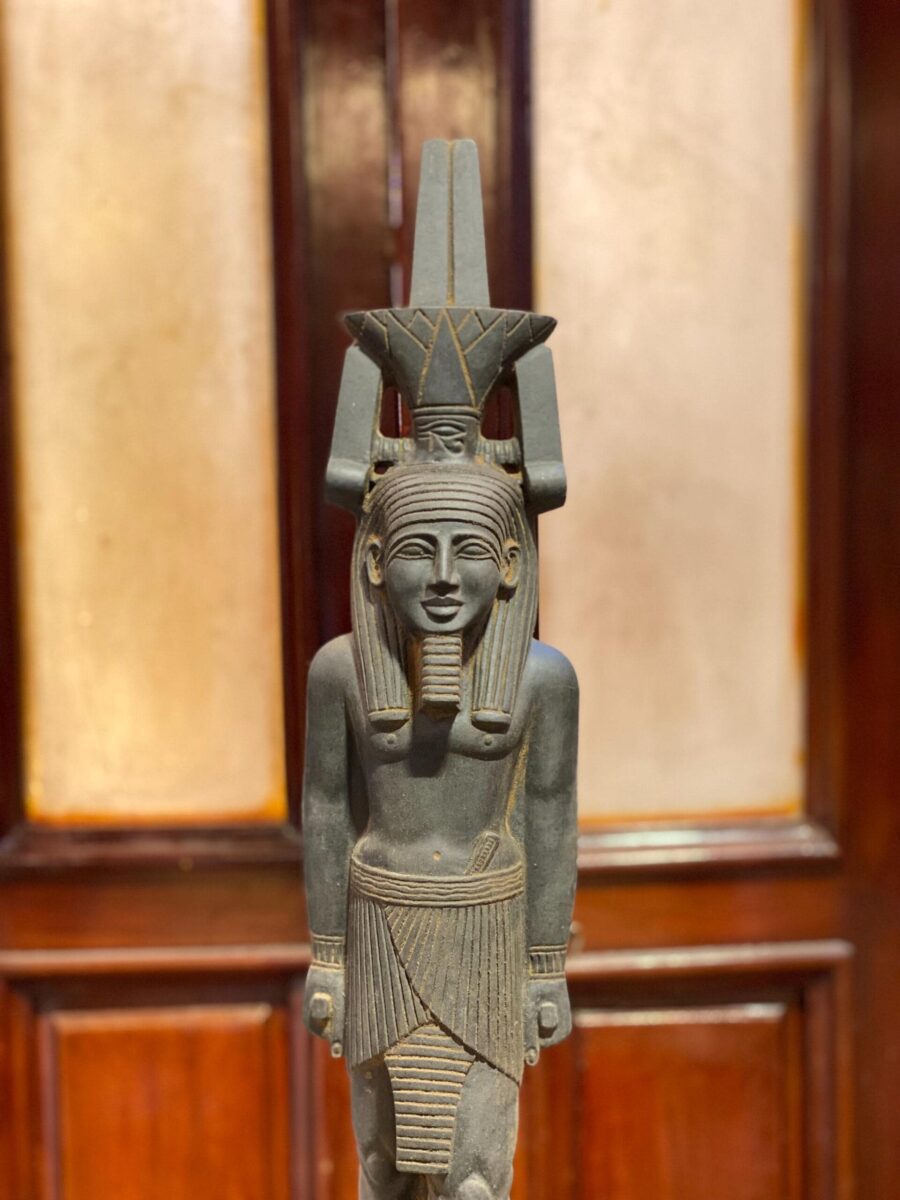
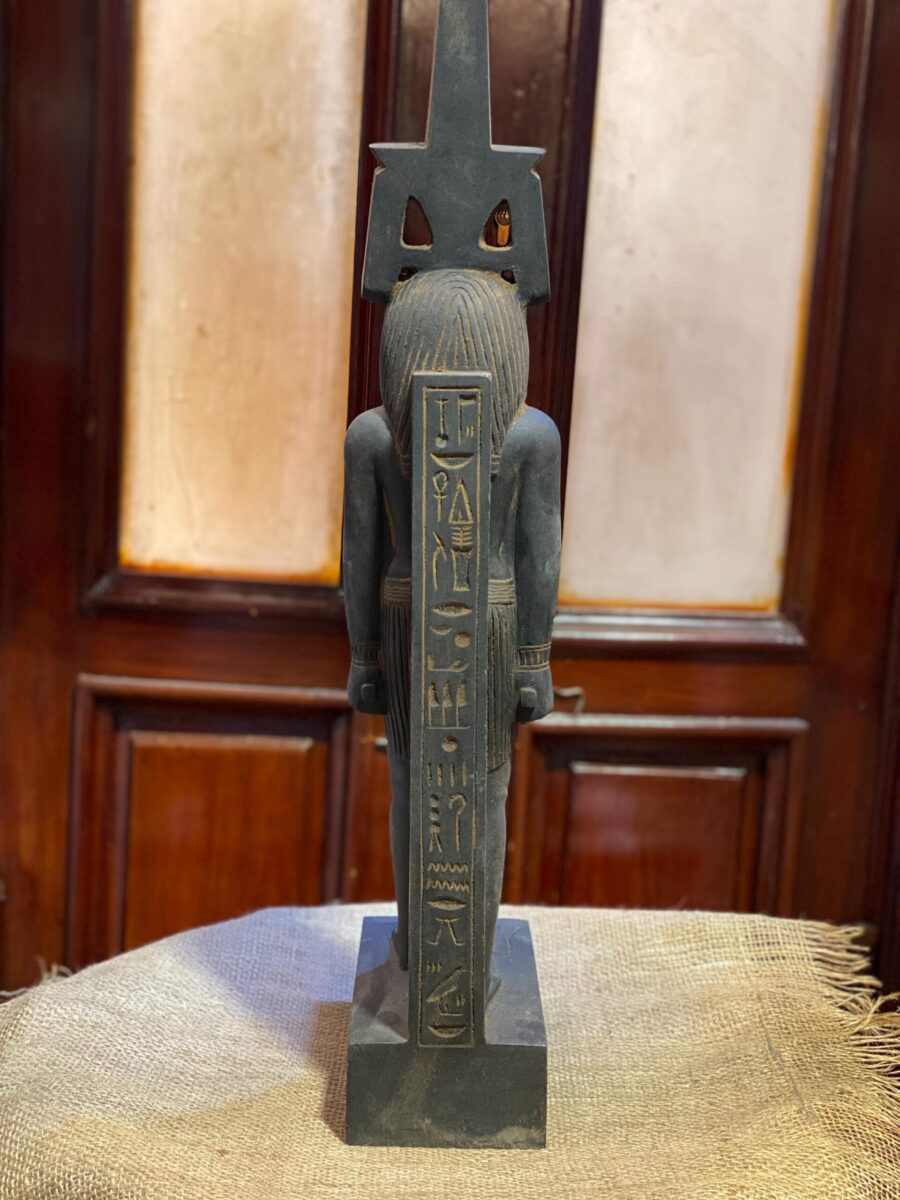
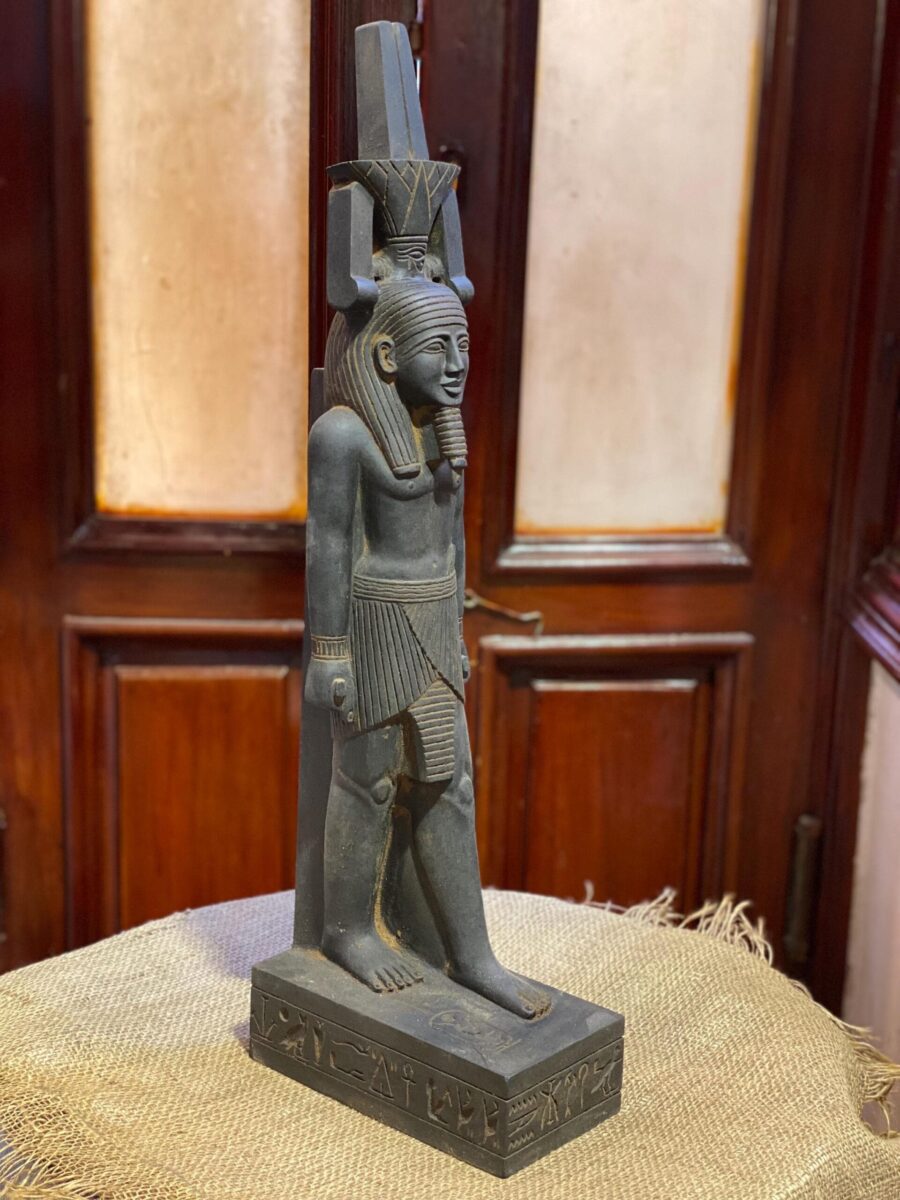
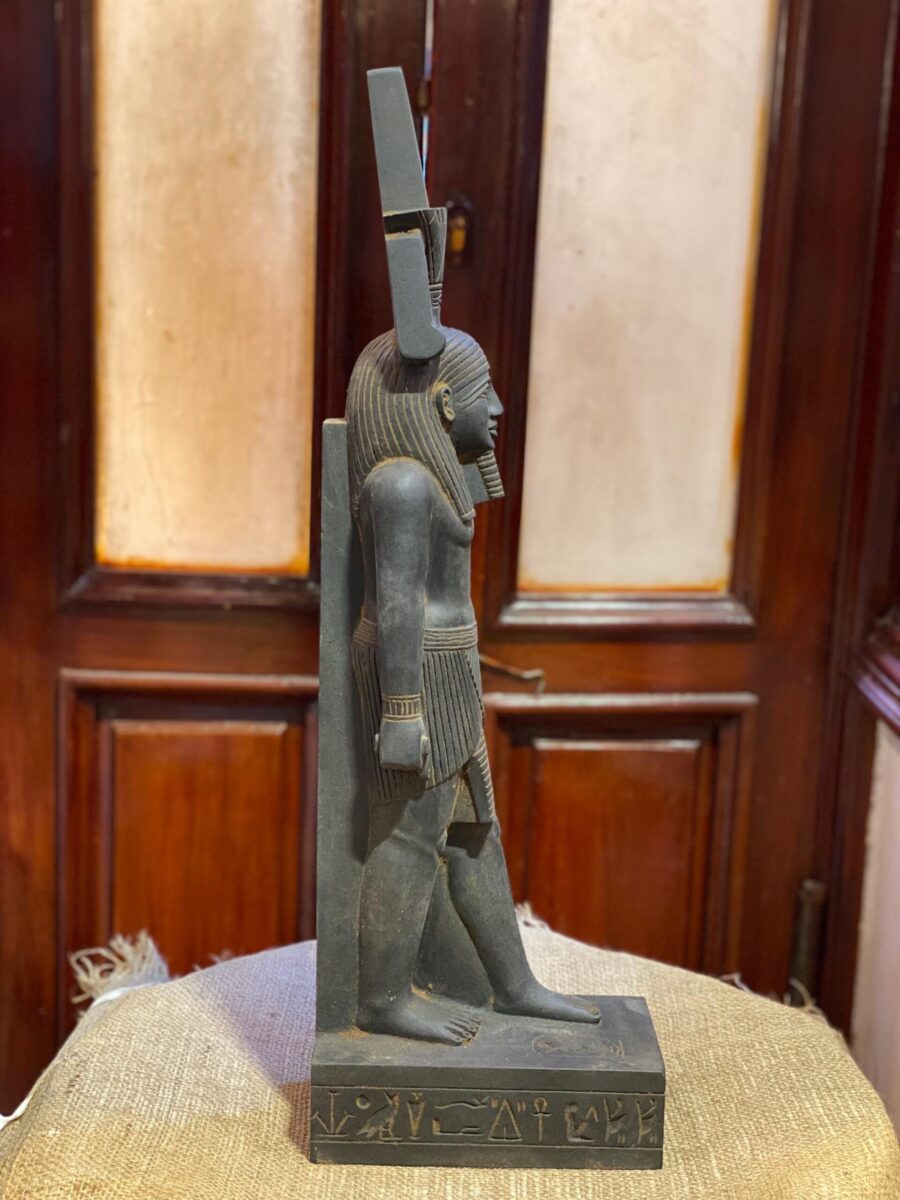
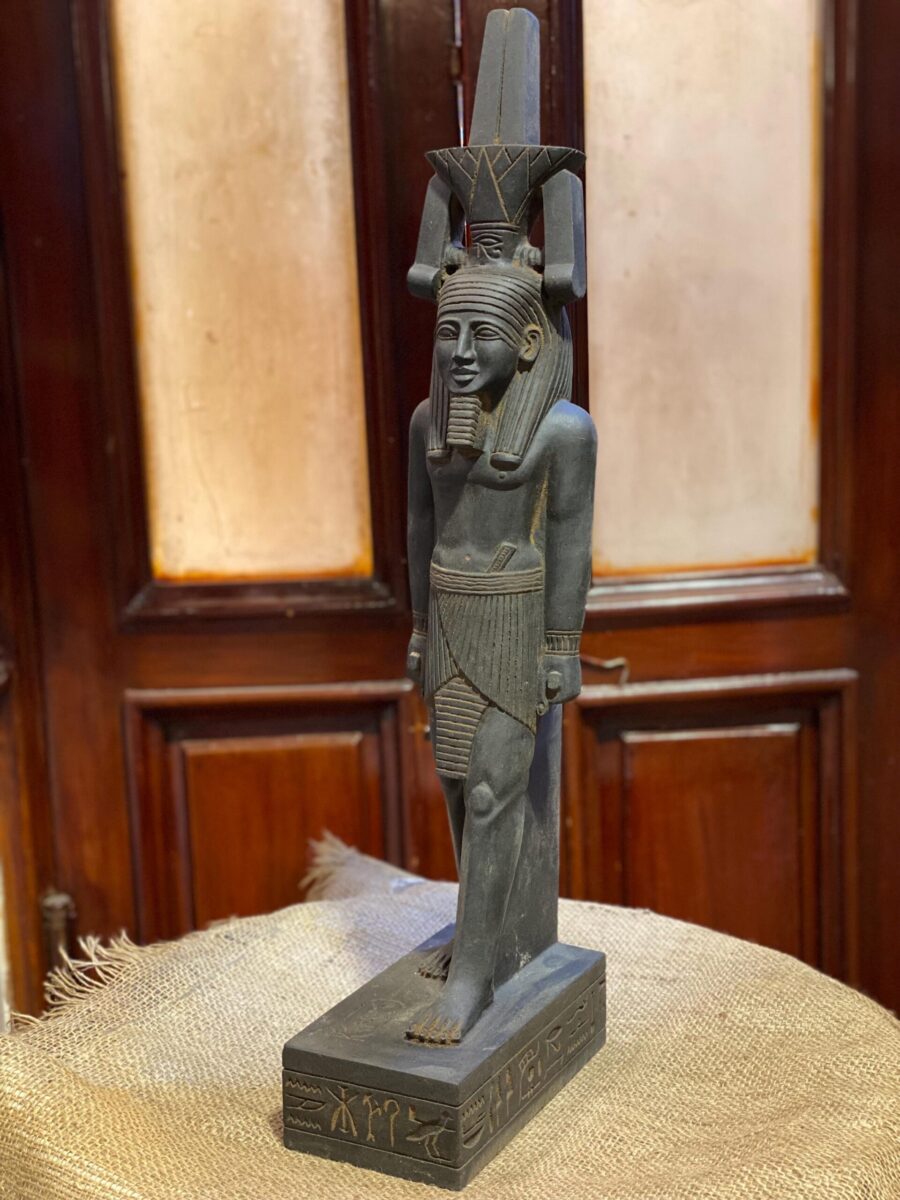
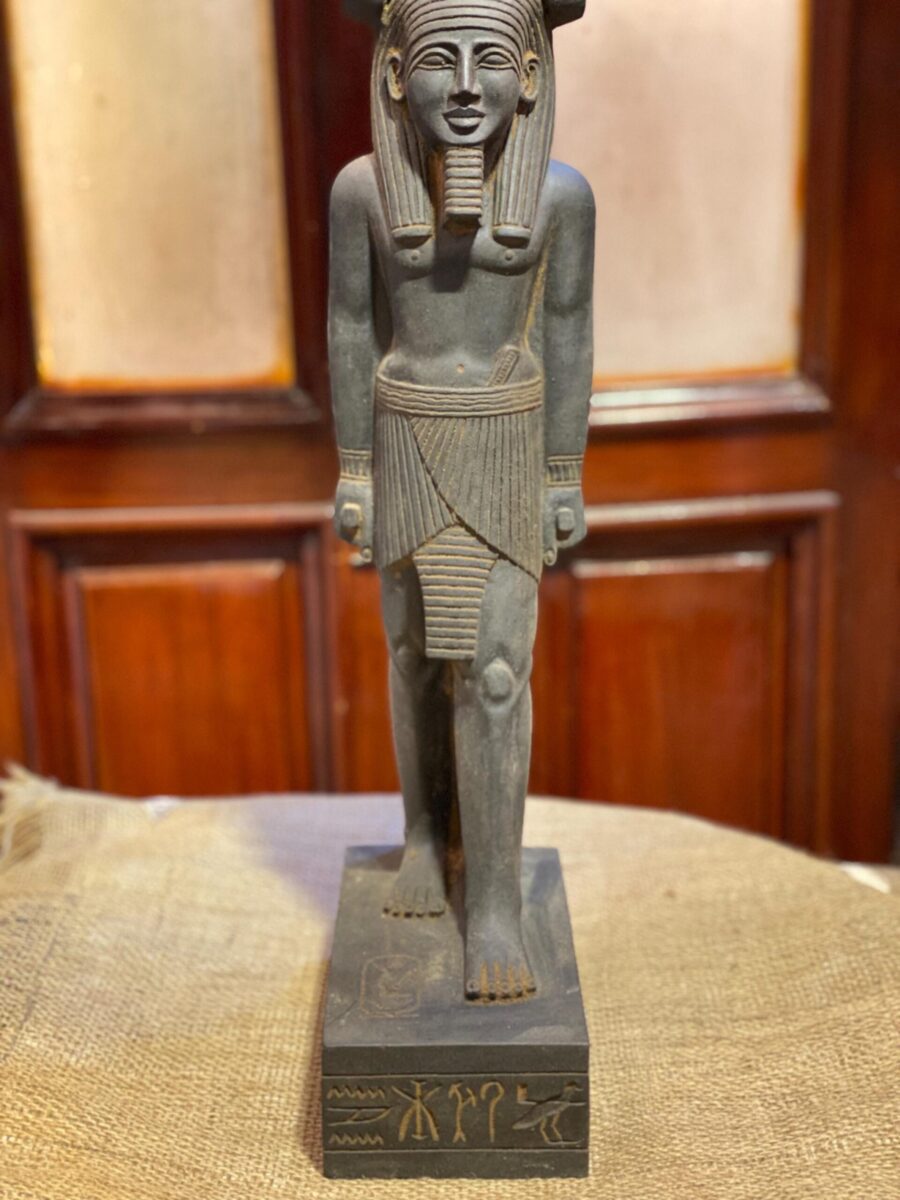
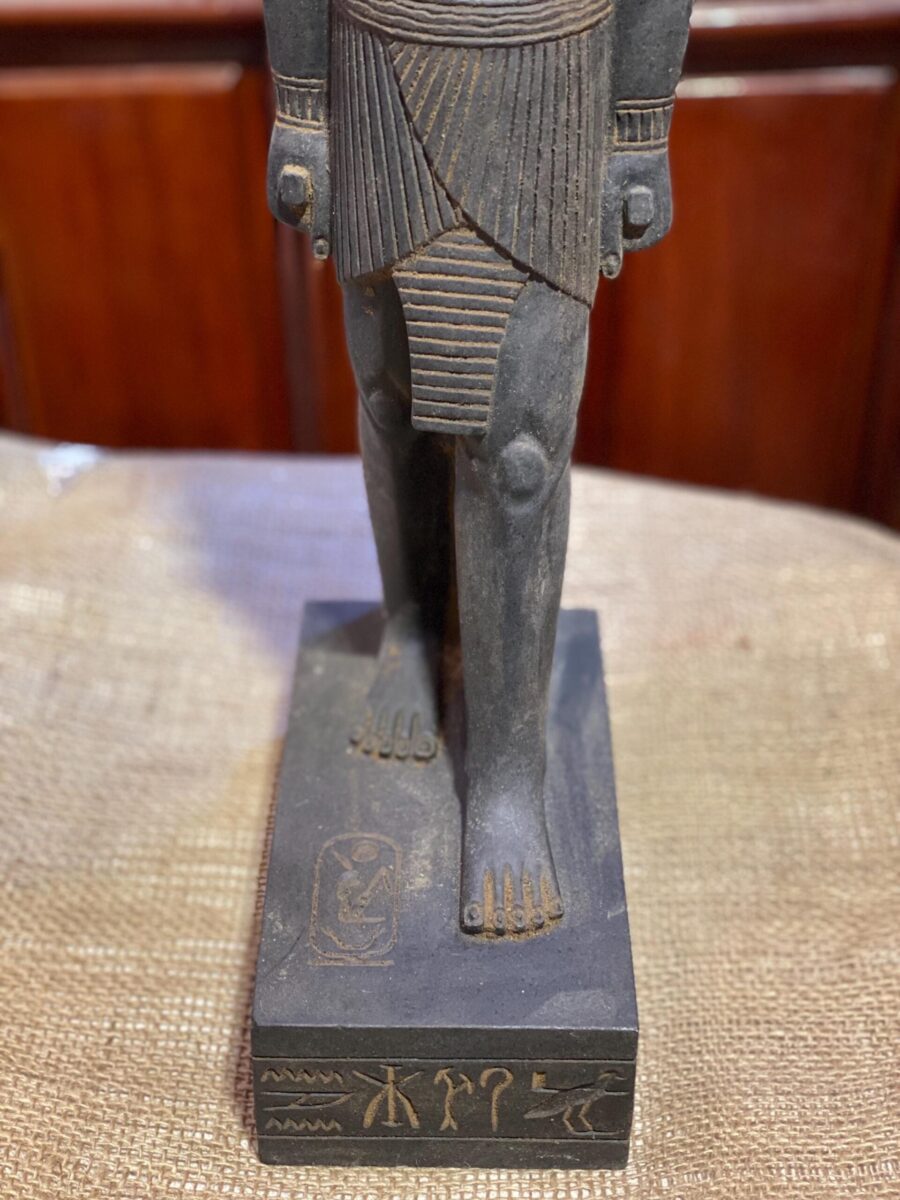
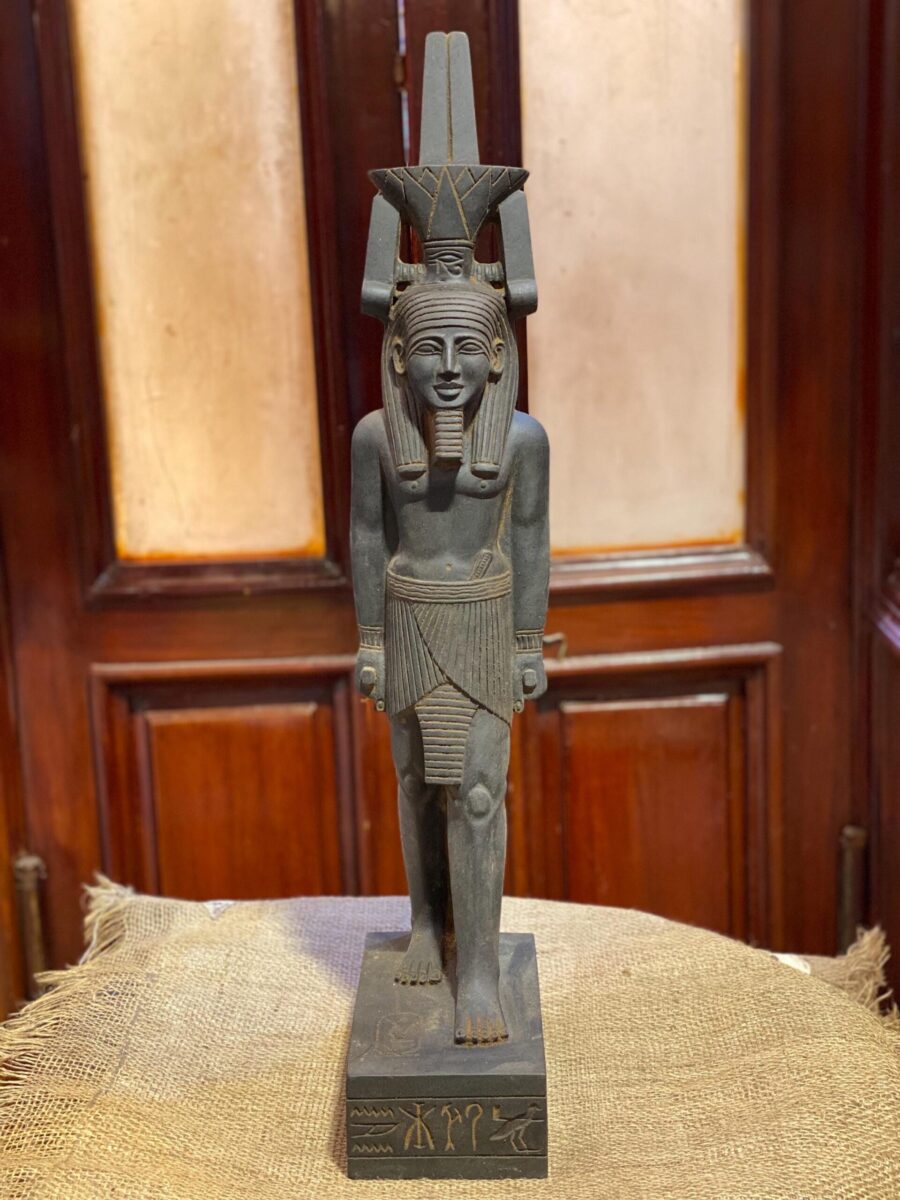
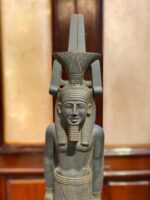
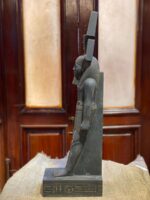
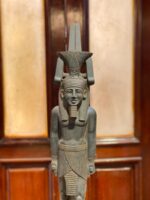
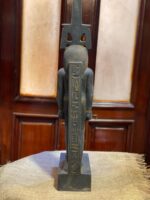
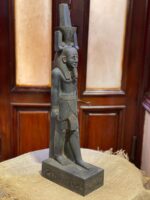
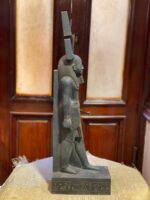
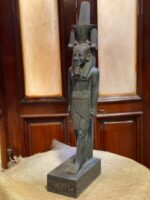
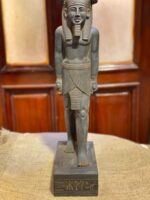
Hand-Carved Basalt Statue: Egyptian God Nefertem, Deity of Beauty & Healing
$5,198.70
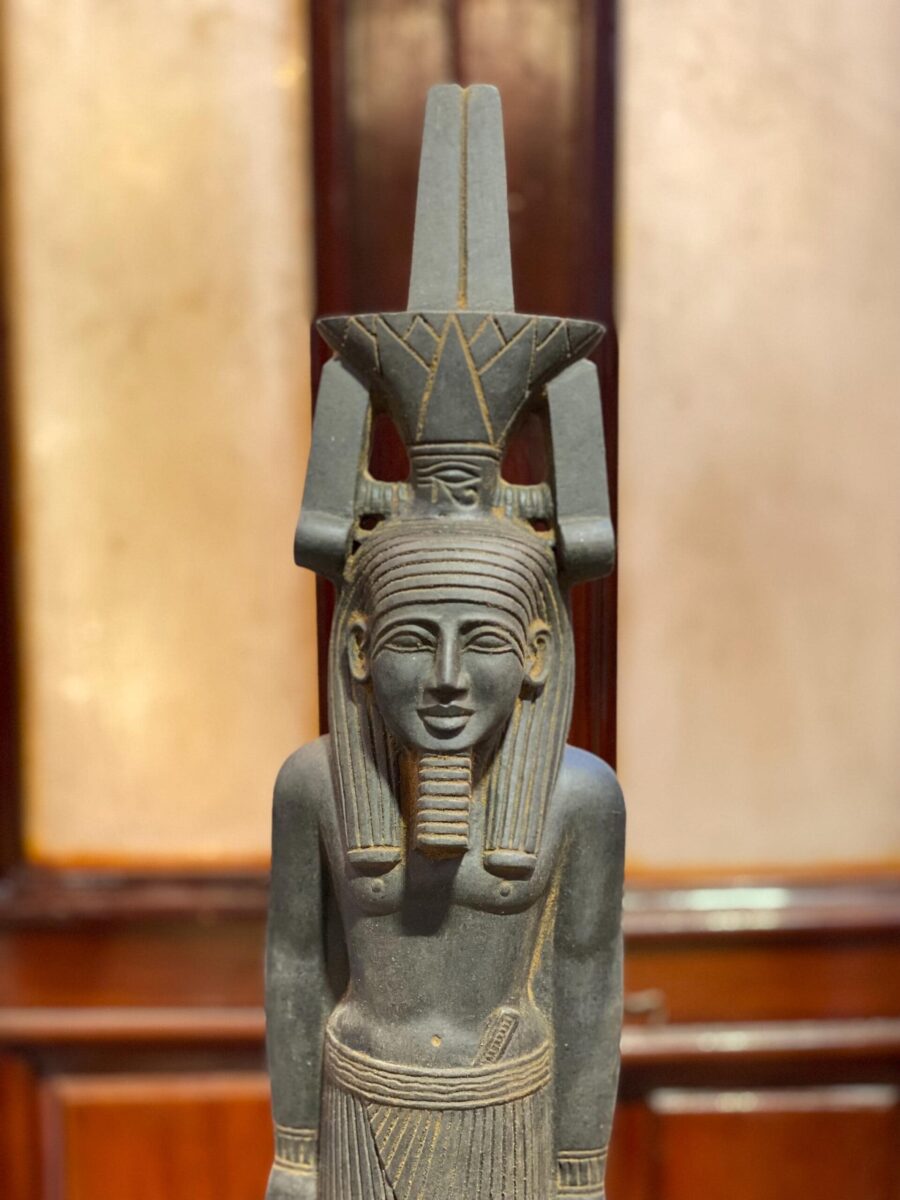
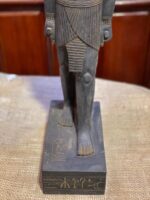
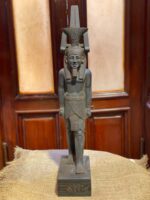
Add a distinctive symbol of ancient Egyptian renewal to your collection with this 67 cm Basalt Nefertem Statue, hand-carved in Egypt from solid black basalt stone. Inspired by Nefertem, the god of the lotus, fragrance, rebirth, and solar renewal, it is a striking choice for collectors, Egyptian décor, and museum-inspired displays.
67 cm Basalt Nefertem Statue – Egyptian Lotus God Sculpture
Description of Art
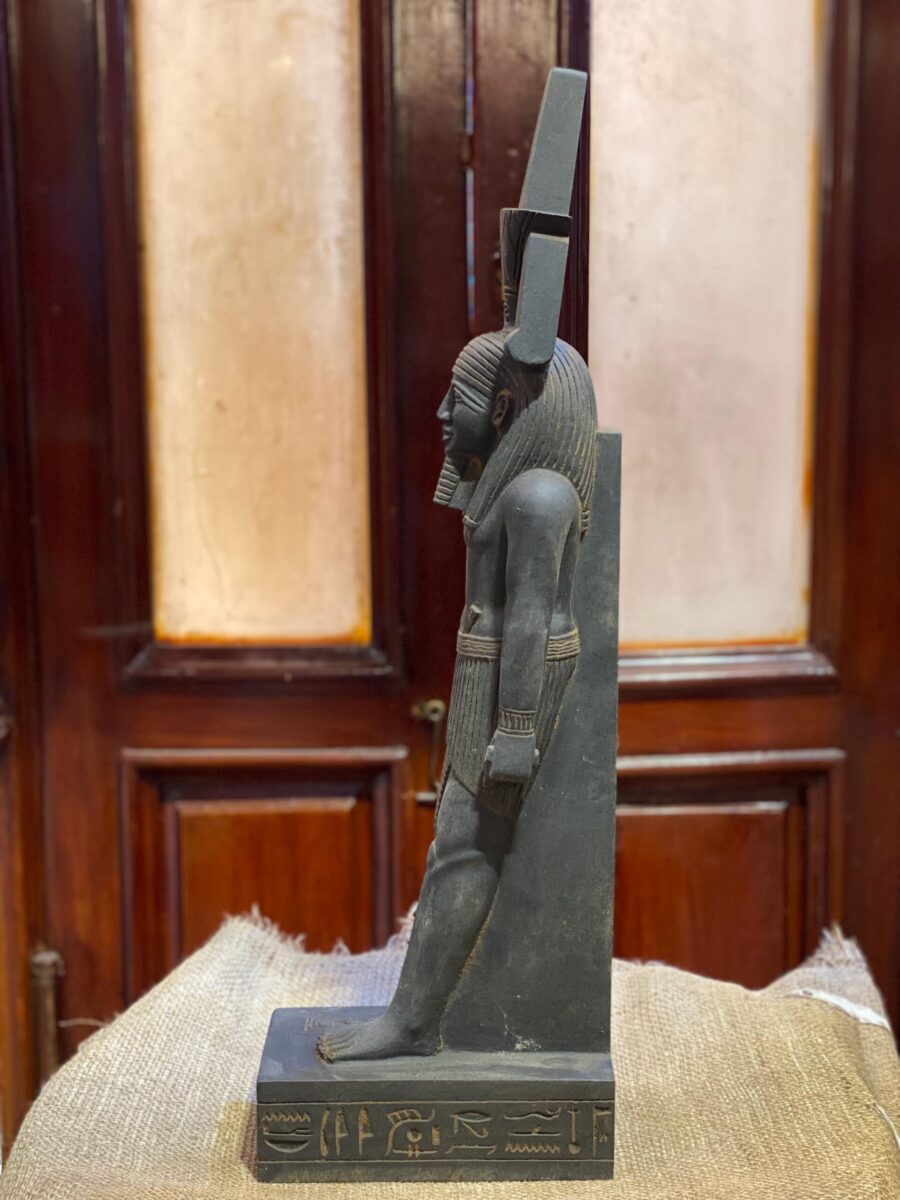
67 cm Basalt Nefertem Statue hand-carved in Egypt from solid black basalt stone by skilled Egyptian artisans.
Standing an impressive 67 cm high, this substantial sculpture is inspired by Nefertem, an ancient Egyptian deity strongly associated with the lotus flower, fragrance, solar creation, and rebirth. The Metropolitan Museum describes Nefertem as emerging from a lotus on the mound of creation and connects him with the sun, creation, the lotus, and pleasant fragrances.
The dark basalt finish and monumental proportions make this piece a striking choice for collectors, Egyptian-inspired interiors, galleries, offices, libraries, and museum-inspired displays.
Product Details
Material: Solid Black Basalt Stone
Height: 67 cm
Deity: Nefertem / Nefertum
Technique: Hand-Carved
Origin: Made in Egypt
Style: Ancient Egyptian Inspired
Type: Large Decorative Stone Sculpture
Who Was Nefertem?
Nefertem, also spelled Nefertum, was an ancient Egyptian deity closely connected with the lotus flower, the rising sun, creation, renewal, and sweet fragrance. The Met identifies him as a god born from the lotus on the mound of creation, while surviving representations commonly show him with a large lotus blossom on his head.
For modern symbolic interpretation, the 67 cm Basalt Nefertem Statue can evoke:
Renewal • Rebirth • Beauty • Fragrance • New Beginnings • Solar Energy
Nefertem and the Lotus Flower
The lotus is the most important symbol connected with Nefertem.
Ancient Egyptian lotus imagery carried powerful associations with birth and rebirth, particularly because of its relationship with creation and solar renewal. The Brooklyn Museum identifies the lotus on Nefertem’s head specifically as a symbol of rebirth.
Nefertem’s emergence from the lotus therefore linked him symbolically with the first appearance of light and life.
This makes the lotus crown one of the most important visual details to highlight if it is clearly represented on your statue.
Nefertem and Divine Fragrance
Nefertem also had an important connection with pleasant fragrance and perfume.
The Metropolitan Museum describes his association not only with the lotus but more broadly with sweet-smelling and pleasant things.
For this reason, a historically strong description of Nefertem is:
“Ancient Egyptian god of the lotus, fragrance, renewal, and youthful solar power.”
This is more precise than describing him primarily as the god of beauty and healing.
Nefertem and Rebirth
The lotus opens in connection with daylight and became a powerful Egyptian image of repeated renewal.
Nefertem’s lotus symbolism therefore connects him naturally with:
Rebirth
Regeneration
Renewal
Creation
New beginnings
Solar cycles
The Metropolitan Museum specifically describes the lotus associated with Nefertem as a symbol of daily rebirth.
This gives the 67 cm Basalt Nefertem Statue meaningful symbolism beyond its decorative appearance.
Nefertem and Solar Creation
Nefertem also possessed an important solar aspect.
His emergence from the lotus at creation linked him with the appearance of the sun and the renewal of life. The Met connects Nefertem directly with the sun, creation, and the lotus.
For modern collectors, this can symbolically represent:
Light • Renewal • Creation • Transformation
The Memphite Triad
Nefertem was an important member of the divine family associated with Memphis.
The traditional Memphite Triad consisted of:
Ptah – Father
Sekhmet – Mother
Nefertem – Son
The Metropolitan Museum identifies Nefertem as the son of Ptah and the lioness goddess Sekhmet, while another Met publication describes him as the third member of their triad.
This makes Nefertem especially meaningful in a collection that already includes statues of Ptah and Sekhmet.
Nefertem’s Appearance
Nefertem was commonly represented as a youthful male deity wearing a lotus blossom on his head.
The lotus is his defining visual feature and helps distinguish him from other male Egyptian gods.
Some representations also emphasize his protective or martial character. A Brooklyn Museum example depicts Nefertem with his lotus crown and describes him defending Ma’at with a scimitar.
This demonstrates that Nefertem’s identity was more complex than fragrance and beauty alone.
Was Nefertem Primarily a Healing God?
The supplied description calls Nefertem the god of beauty, healing, and perfumes.
I would adjust this for historical accuracy.
His strongest documented themes are:
Lotus • Fragrance • Solar Creation • Rebirth • Renewal
Healing can be included as a secondary association, but it should not replace the lotus and fragrance as his primary identity. The Met emphasizes his connections with creation, the sun, lotus, pleasant fragrance, and protective aspects.
A stronger product phrase is:
“Nefertem, ancient Egyptian god of the lotus, divine fragrance, renewal, and solar creation.”
Solid Black Basalt Craftsmanship
The 67 cm Basalt Nefertem Statue is described as being hand-carved from solid black basalt stone.
Its natural stone construction gives the statue a substantial presence suitable for prominent display.
At 67 cm high, it can work beautifully in:
Large living spaces
Entryways
Offices
Libraries
Galleries
Collector rooms
Egyptian-themed interiors
Museum-inspired displays
Because natural stone can contain subtle variations, each handcrafted piece may have its own individual character.
Avoid the “Unbreakable” Claim
The original description says basalt is resistant to breakage and fading.
I recommend avoiding an absolute durability guarantee.
Basalt is a substantial natural stone, but any carved stone sculpture can chip, crack, or break if dropped or struck.
A safer product phrase is:
“Carved from substantial natural basalt stone for a durable and impressive decorative finish.”
About the Saqqara Claim
The source also says:
“This piece draws inspiration from original sculptures discovered near Saqqara.”
I would remove this unless you have the exact archaeological object, museum reference, or excavation source that this statue copies.
Without that documentation, use:
“Inspired by ancient Egyptian representations of Nefertem.”
This is safer than presenting an unverified archaeological provenance.
Modern Replica, Not an Antiquity
Because this is a newly handcrafted statue, avoid describing it as:
Egyptian Antique
Original Ancient Statue
Authentic Archaeological Artifact
Better wording includes:
Ancient Egyptian-Inspired Sculpture
Museum-Inspired Nefertem Replica
Hand-Carved Egyptian Statue
Perfect for Collectors
The 67 cm Basalt Nefertem Statue is a distinctive choice for:
Nefertem collectors
Egyptology enthusiasts
Ancient Egyptian art lovers
Lotus symbolism collectors
Egyptian mythology fans
Natural stone sculpture collectors
Memphite Triad displays
Museum-inspired décor
Unique cultural gifts
Product Specifications
Product: 67 cm Basalt Nefertem Statue
Deity: Nefertem / Nefertum
Material: Solid Black Basalt Stone
Height: 67 cm
Technique: Hand-Carved
Origin: Made in Egypt
Main Associations: Lotus, Fragrance, Rebirth, Renewal & Solar Creation
Divine Family: Ptah, Sekhmet & Nefertem
Common Symbol: Lotus Blossom Headdress
Style: Ancient Egyptian Inspired
Type: Large Decorative Basalt Sculpture
Use: Collection, Egyptian Décor, Gallery & Museum-Inspired Display
Related products
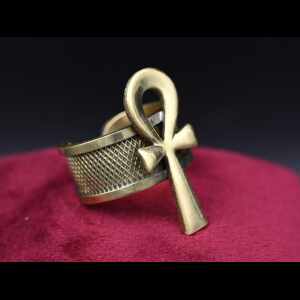
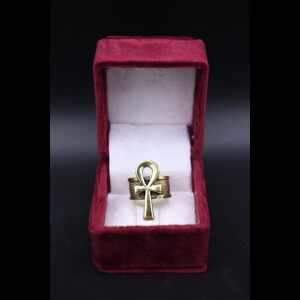
Oxidized Copper Ankh Ring: Egyptian Key of Life Symbol
Add a timeless symbol of ancient Egyptian life to your jewelry collection with this Oxidized Copper Ankh Ring, handcrafted in Egypt from oxidized copper with a unisex free-size design. Inspired by the Ankh, the iconic Key of Life symbolizing life, vitality, regeneration, and continuity, it is a distinctive choice for mythology lovers, copper jewelry collectors, and unique cultural gifts.
Egyptian Eye of Horus Ring, Ancient Symbol, Handmade in Egypt
Add a powerful symbol of ancient Egyptian kingship to your jewelry collection with this Egyptian Falcon God Horus Ring, handcrafted in Egypt with a unisex free-size design. Inspired by Horus, the falcon god of the sky, royal authority, and protection, it is a distinctive choice for women and men, mythology lovers, Egyptology enthusiasts, and unique cultural gifts.
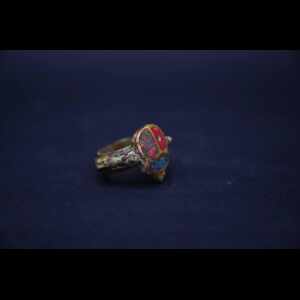
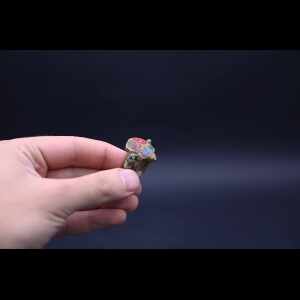
Scarab ring-amazing Ring the symbol of good luck-good life-ancient Egyptian ornament-mythology
Add a meaningful symbol of ancient Egyptian renewal to your jewelry collection with this Unisex Egyptian Scarab Ring, handcrafted in Egypt with a flexible free-size design for women and men. Inspired by the scarab’s ancient associations with rebirth, transformation, solar regeneration, and protection, it is a distinctive choice for mythology lovers, Egyptology enthusiasts, and unique cultural gifts.

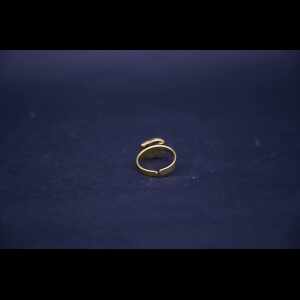
Egyptian Eye of Horus Ring: Ancient Symbol, Handmade in Egypt
Add a powerful symbol of ancient Egyptian kingship to your jewelry collection with this Unisex Horus Pharaonic Ring, handcrafted in Egypt with a flexible free-size design for women and men. Inspired by Horus, the falcon god of the sky, royal authority, and protection, it is a distinctive choice for mythology lovers, Egyptology enthusiasts, symbolic jewelry collectors, and unique cultural gifts.
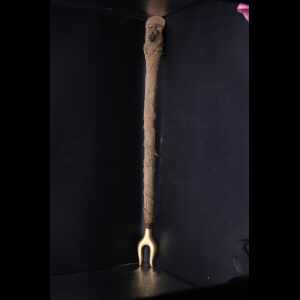
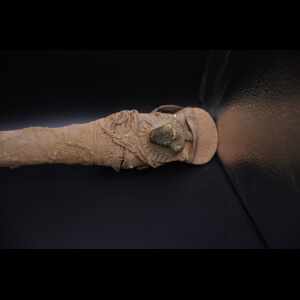
Sekhmet Scepter Was Stick, Egyptian Symbol of Strength, 50cm, Made in Egypt
Add a powerful symbol of ancient Egyptian authority to your collection with this 50 cm Sekhmet Was Scepter, handcrafted in Egypt from wood, linen, and copper. Featuring a Sekhmet-inspired design and the iconic Was symbol of dominion and power, it is a distinctive choice for Egyptology collectors, mythology lovers, Egyptian décor, and museum-inspired displays.
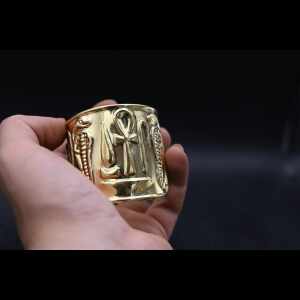
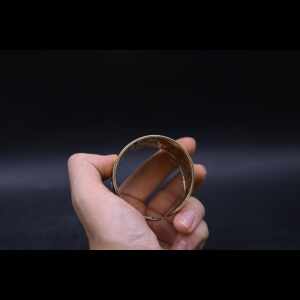
Brass Nile Key Bracelet: Winged Cobra Talisman, Egyptian Protection
Add a powerful combination of ancient Egyptian symbolism to your jewelry collection with this Brass Ankh Cobra Protection Bracelet, handcrafted in Egypt from brass and designed for women and men. Featuring the iconic Key of Life flanked by winged cobras, it symbolizes life, protection, guardianship, and royal authority, making it a distinctive choice for mythology lovers, collectors, and unique cultural gifts.
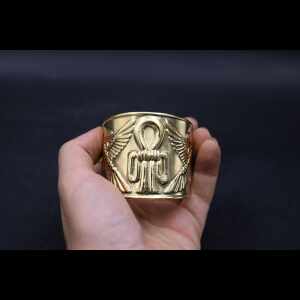
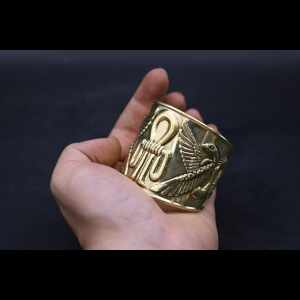
Brass Hathor Knot Bracelet: Egyptian Winged Cobra Talisman
Add a powerful touch of ancient Egyptian symbolism to your jewelry collection with this Brass Winged Cobra Egyptian Bracelet, crafted from brass and featuring an Egyptian-inspired knot centerpiece flanked by protective winged cobras. Inspired by ancient themes of guardianship and royal power, it is a distinctive choice for mythology lovers, Egyptology enthusiasts, statement-jewelry collectors, and unique cultural gifts.
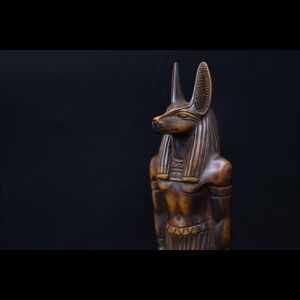
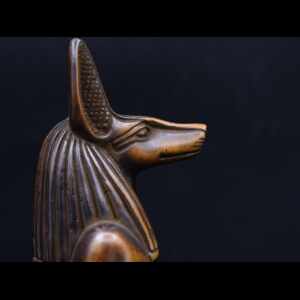
Handcrafted Anubis Statue: Egyptian God of Protection, Brown Stone (23cm)
Add a powerful symbol of ancient Egyptian protection to your collection with this 23 cm Brown Stone Anubis Statue, handcrafted in Egypt from natural stone. Inspired by Anubis, the canine-headed deity of mummification, funerary protection, and care of the deceased, it is a distinctive choice for collectors, Egyptian décor, museum-inspired displays, and unique cultural gifts.


Reviews
There are no reviews yet.