
Handcrafted Sistrum of Horus: Egyptian Religious Antiques
$182.00
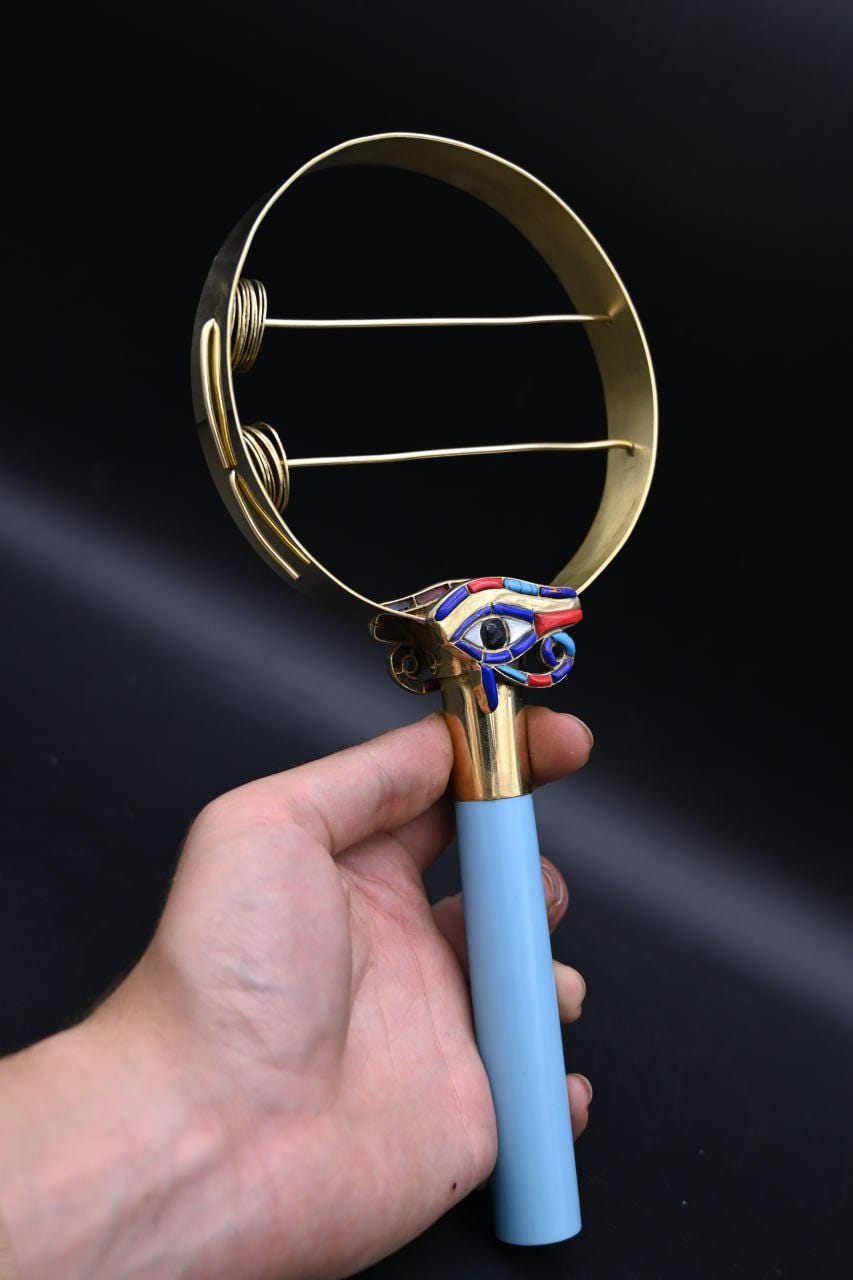
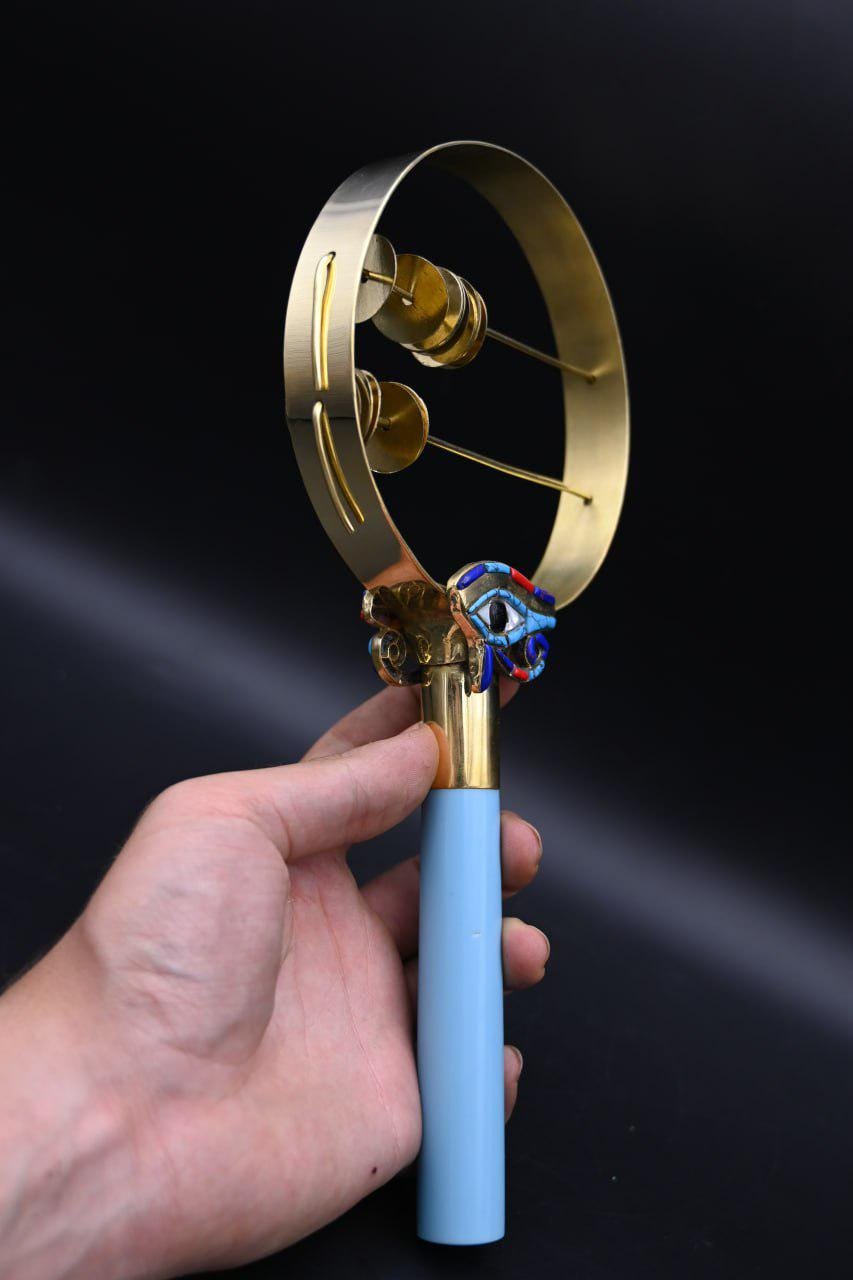
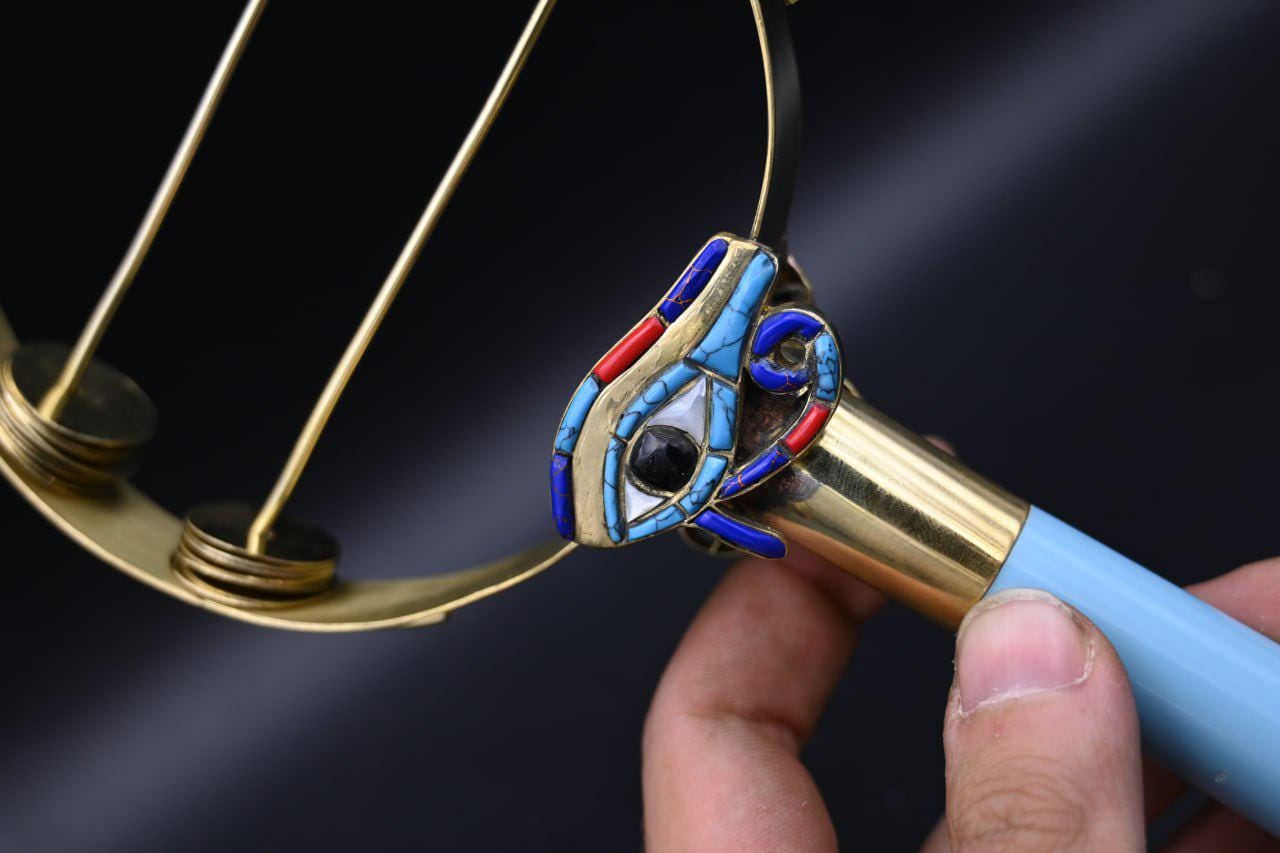
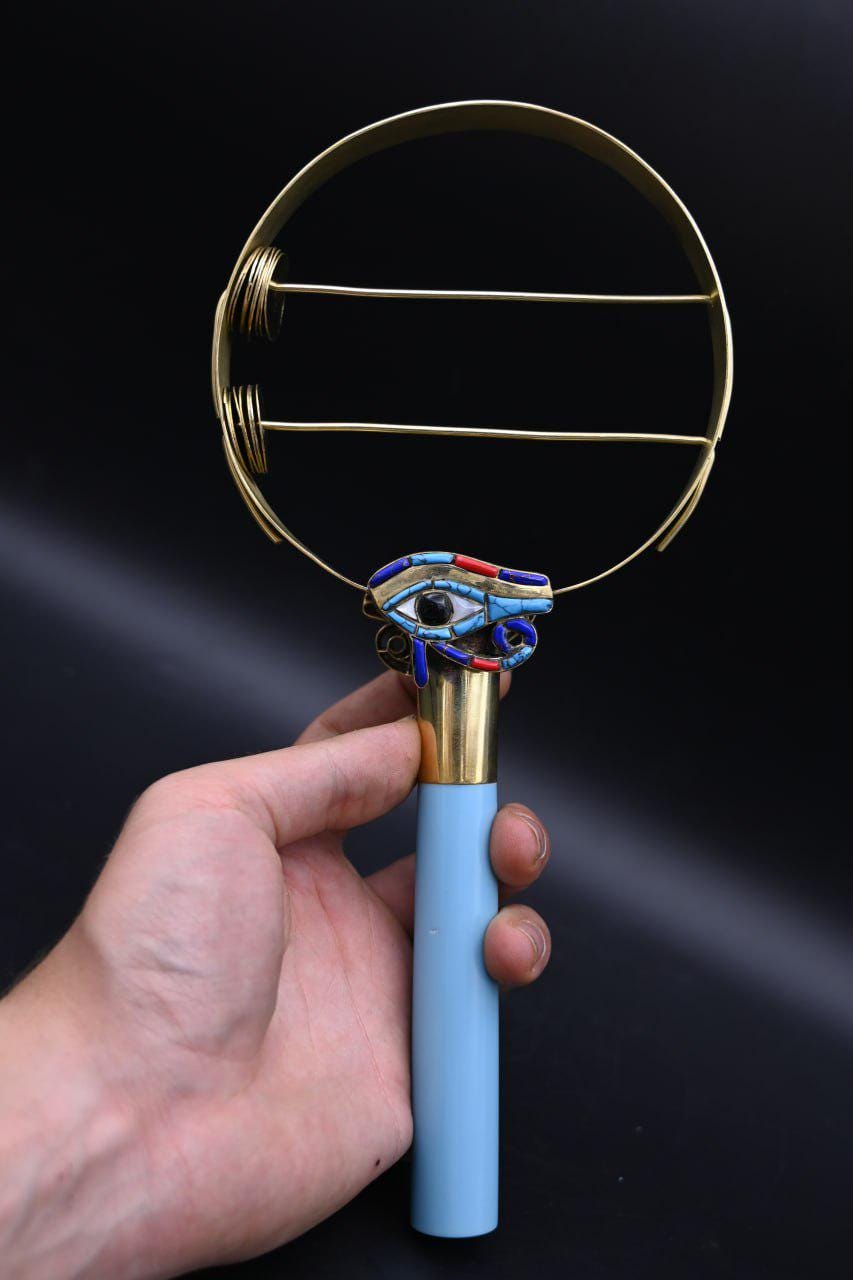
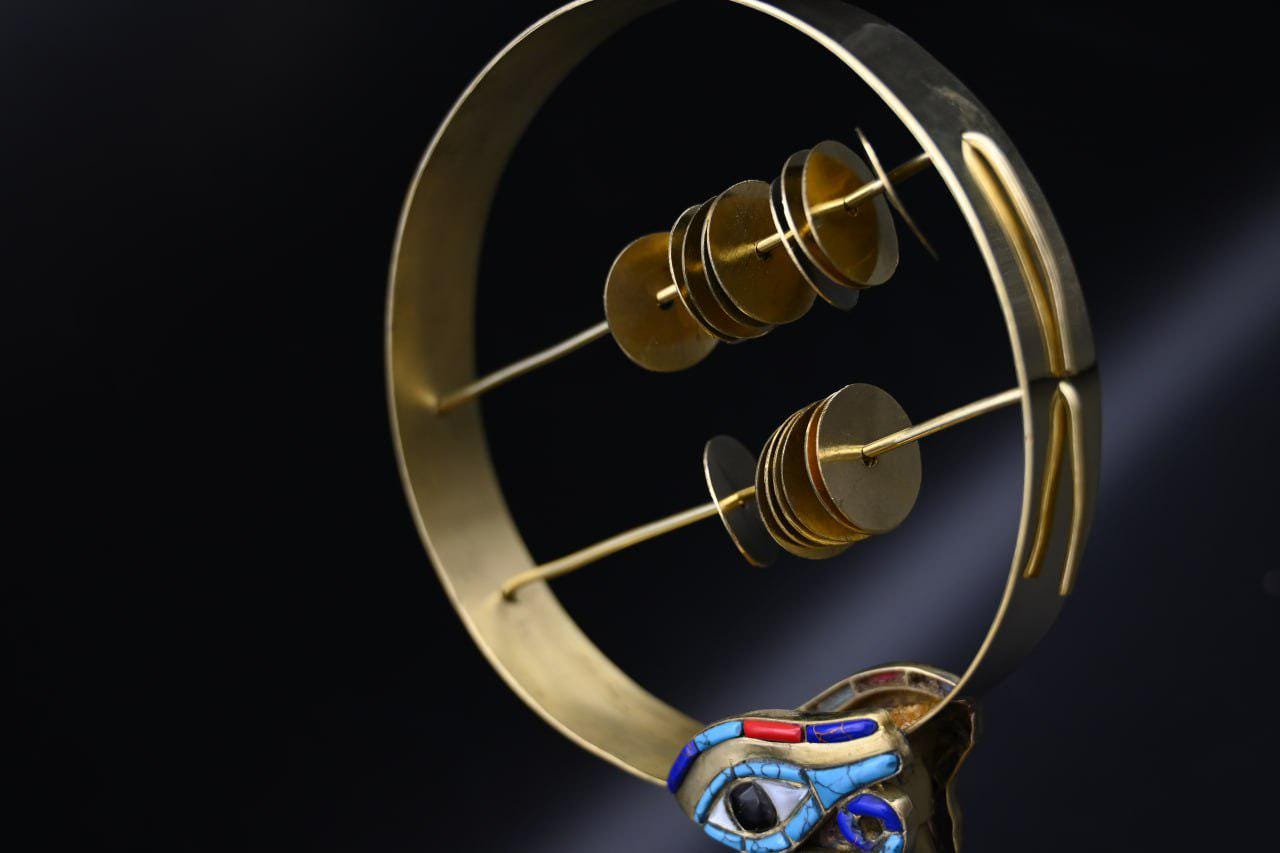
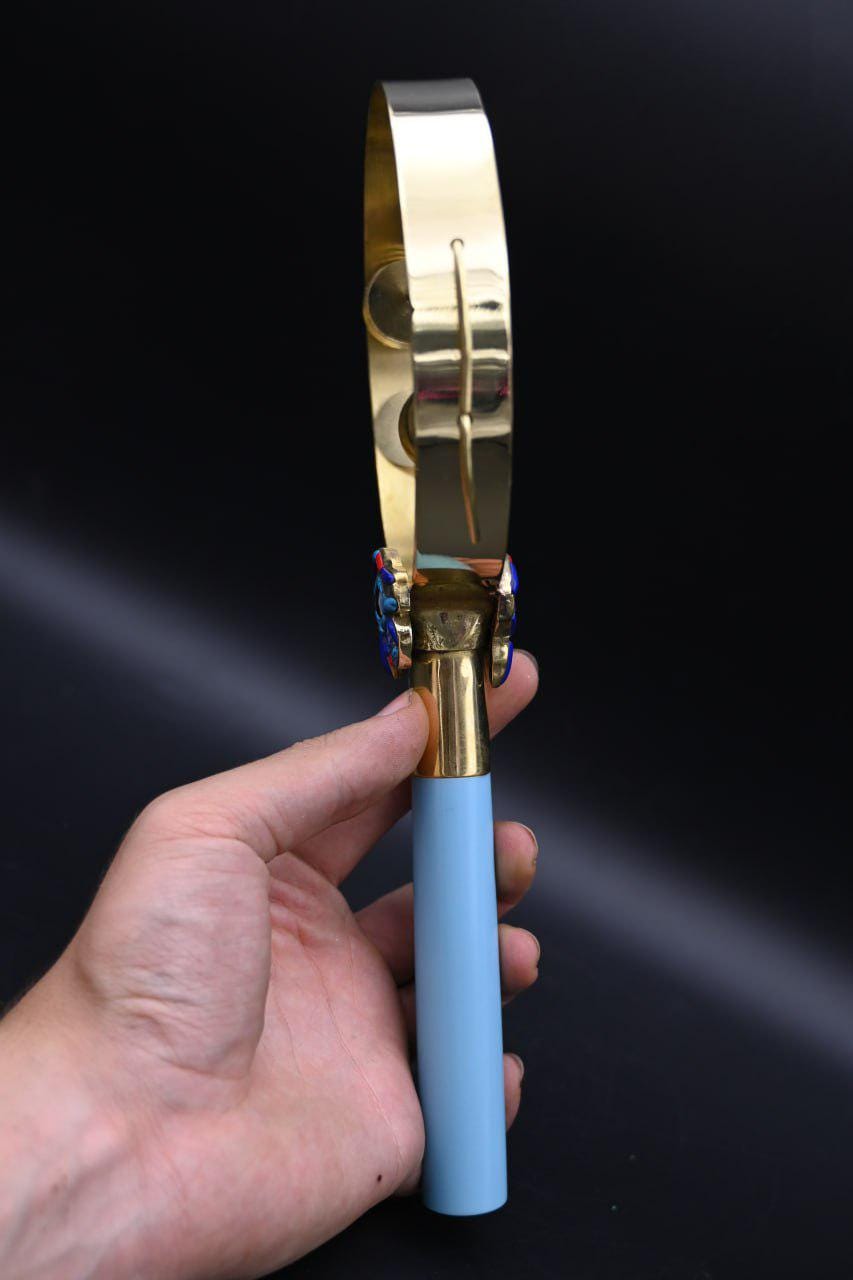
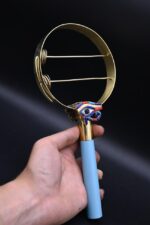
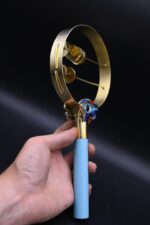
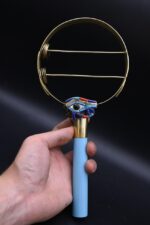
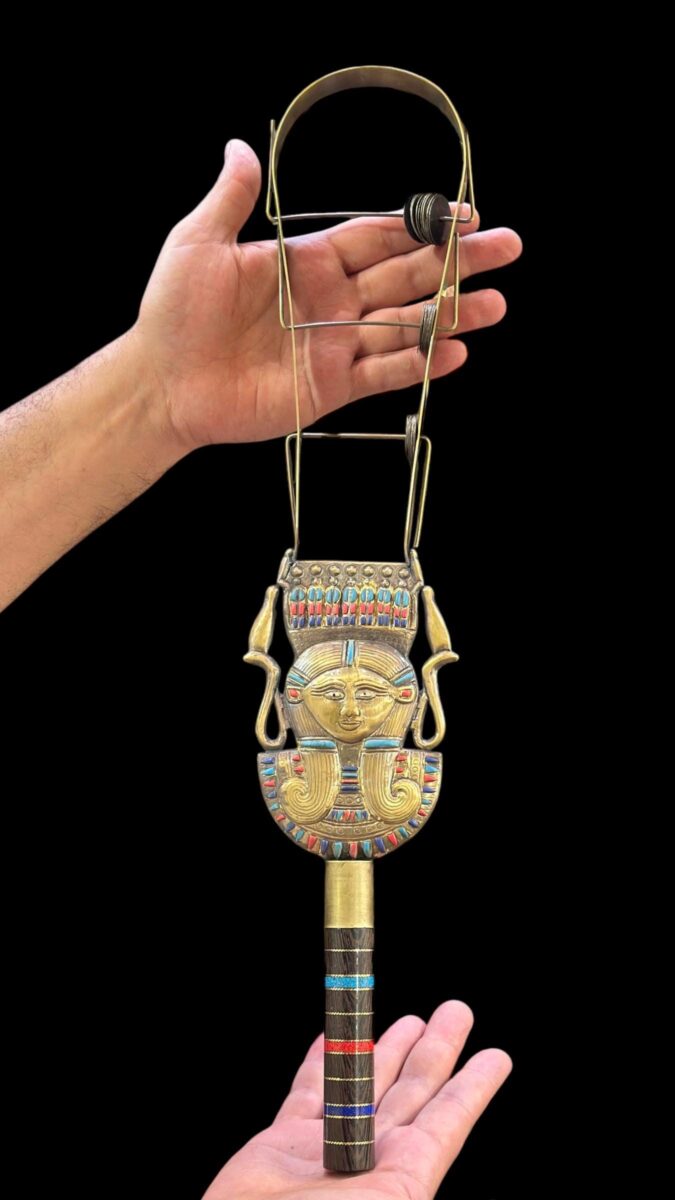
Add a distinctive touch of ancient Egyptian symbolism to your collection with this Horus Spiritual Sistrum, handcrafted in Egypt and inspired by Horus, the falcon god of kingship, sky, royal authority, and protection. A unique choice for mythology lovers, sistrum collectors, Egyptian décor, museum-inspired displays, and cultural gifts.
Horus Spiritual Sistrum – Handmade Egyptian Falcon God Art
Description of Art
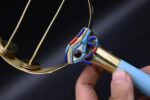
Horus Spiritual Sistrum handmade in Egypt by skilled Egyptian artisans and inspired by Horus, one of the most important and enduring deities of ancient Egyptian religion.
Horus was strongly associated with the sky, kingship, royal authority, and protection, and was most famously represented as a falcon or as a man with the head of a falcon.
This Egyptian-inspired sistrum combines traditional ceremonial-instrument imagery with the symbolism of Horus, making it a distinctive piece for mythology lovers, Egyptology enthusiasts, collectors, and Egyptian-inspired décor.
Product Details
Deity: Horus
Object: Sistrum-Inspired Decorative Piece
Craftsmanship: Handmade by Egyptian Artisans
Origin: Made in Egypt
Style: Ancient Egyptian Inspired
Main Horus Associations: Kingship, Sky, Royal Authority & Protection
Material and dimensions were not supplied, so these details should not be invented until confirmed.
Who Was Horus?
Horus was one of the major gods of ancient Egyptian religion and one of the divine figures most closely connected with Egyptian kingship.
His principal associations included:
- Kingship
- Royal authority
- The sky
- Protection
- The pharaoh
- Falcon symbolism
For modern symbolic interpretation, a Horus Spiritual Sistrum can evoke:
Protection • Leadership • Strength • Royal Power • Divine Guardianship
Horus and the Falcon
The falcon was central to Horus’s visual identity.
Ancient Egyptian artists could represent him as:
- A complete falcon
- A falcon-headed man
- A royal deity wearing Egyptian crowns
The bird’s ability to soar high in the sky made it an appropriate symbol for a deity associated with heaven and kingship.
This falcon imagery remains one of the most recognizable symbols of ancient Egypt.
Horus and Egyptian Kingship
Horus had an exceptionally strong connection with the pharaoh.
Egyptian kings could be identified with Horus through royal ideology and through the Horus name, one of the elements of the pharaoh’s formal titulary.
However, it is better not to simplify this relationship by saying every pharaoh was literally the physical incarnation of Horus.
A more accurate phrase is:
“The Egyptian king was closely identified with Horus within royal ideology.”
This connection made Horus a symbol of:
Kingship • Legitimate Rule • Royal Protection • Authority
Horus, Isis, and Osiris
In one of Egypt’s most famous mythological traditions, Horus was the son of Isis and Osiris.
After Osiris was killed by his brother Seth, Horus became involved in a long struggle with Seth over the legitimate kingship of Egypt.
This conflict became one of the central myths surrounding Horus.
Rather than reducing it simply to good versus evil, it is better to understand the story as involving:
- Kingship
- Succession
- Rivalry
- Order
- Divine legitimacy
Seth was a complex deity and was not universally regarded as simply evil throughout Egyptian history.
Horus and Seth
The conflict between Horus and Seth appears in several different Egyptian traditions.
Their struggle ultimately concerned who had the rightful claim to kingship after Osiris.
For collectors, this mythology makes Horus especially associated with:
Victory • Authority • Legitimate Kingship • Protection
The Eye of Horus
One of the most famous symbols connected with Horus is the Eye of Horus, also called the Wedjat Eye.
It became an important symbol of:
- Protection
- Healing
- Restoration
- Completeness
The original description states that Hathor restored Horus’s eye.
Different Egyptian traditions vary regarding the healing of the eye, and Thoth is especially prominent in many versions as the deity who restores or heals it.
For a product listing, the safest wording is:
“After the Eye of Horus was damaged in the conflict with Seth, it was restored in Egyptian myth, becoming a powerful symbol of healing, protection, and completeness.”
Horus and the Sky
Horus was fundamentally a sky deity.
The falcon’s association with the heavens contributed to this identity, and celestial imagery could be incorporated into different forms of Horus.
However, the original text says that Horus controlled the sun and moon.
That is too broad.
It is better to describe him as:
“A major sky god with important solar associations in several forms and traditions.”
Ra remained one of Egypt’s principal solar gods, while lunar roles belonged more strongly to deities such as Khonsu and Thoth.
Horus and Ra
Horus could develop strong solar associations and could be combined with Ra in forms such as Ra-Horakhty.
This illustrates the flexibility of Egyptian theology, in which gods could share, combine, or overlap in certain aspects.
But Horus should still be defined primarily through:
Sky • Kingship • Royal Authority • Protection
rather than simply as another sun god.
Was Horus the God of Justice?
The original text connects Horus strongly with justice and the judgment of the dead.
Justice is not one of the clearest primary roles of Horus.
Ancient Egyptian funerary judgment is more strongly associated with:
- Osiris
- Anubis
- Thoth
- Ma’at
Horus could certainly appear in funerary contexts, but for an SEO listing his historically strongest themes remain kingship, sky, and protection.
What Is a Sistrum?
The sistrum was an ancient Egyptian ceremonial rattle or percussion instrument used in religious rituals.
It is historically most strongly associated with Hathor, the goddess of music, joy, beauty, and celebration.
Sistra were also connected with other goddesses, including Isis and Bastet in various contexts.
Therefore, a Horus-themed sistrum should be described carefully.
Horus and the Sistrum
The Horus Spiritual Sistrum is best described as a modern Horus-themed interpretation of an ancient Egyptian ceremonial instrument.
It would be historically misleading to imply that the sistrum was Horus’s primary sacred instrument.
A more accurate product phrase is:
“A handcrafted Egyptian sistrum-inspired piece featuring Horus symbolism.”
This preserves the artistic concept without making an unsupported historical claim.
Handmade in Egypt
This piece is handcrafted in Egypt by skilled artisans.
Its combination of Egyptian craftsmanship and Horus symbolism makes it suitable for:
- Egyptian mythology collections
- Home décor
- Offices
- Libraries
- Display cabinets
- Collector shelves
- Museum-inspired interiors
If the piece is actually playable and produces a functioning sistrum sound, that can be added once confirmed.
Otherwise, describe it primarily as decorative or collectible.
Symbolism for Modern Collectors
For modern decorative interpretation, Horus can symbolize:
Protection • Leadership • Kingship • Strength • Royal Authority
These meanings make the Horus Spiritual Sistrum a meaningful gift for mythology enthusiasts and collectors of ancient Egyptian-inspired art.
Perfect for Collectors
The Horus Spiritual Sistrum is a distinctive choice for:
- Horus collectors
- Egyptology enthusiasts
- Ancient Egyptian art lovers
- Falcon symbolism collectors
- Egyptian mythology fans
- Sistrum collectors
- Museum-inspired décor
- Unique cultural gifts
Product Specifications
Product: Horus Spiritual Sistrum
Deity: Horus
Form: Egyptian Sistrum-Inspired Art
Main Horus Associations: Kingship, Sky, Royal Authority & Protection
Famous Symbol: Eye of Horus / Wedjat
Sacred Animal: Falcon
Craftsmanship: Handmade
Origin: Made in Egypt
Style: Ancient Egyptian Inspired
Type: Decorative / Collectible Sistrum
Material: Not Provided
Dimensions: Not Provided
Related products
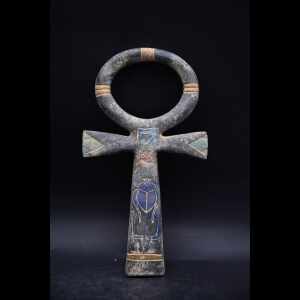
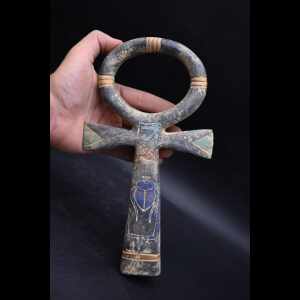
Ankh Statue: Key of Life, Scarab & Eye of Horus – Egyptian Symbol
Add a meaningful combination of ancient Egyptian symbolism to your space with this Ankh Scarab Eye of Horus Statue, featuring the iconic Key of Life, protective Eye of Horus, and blue scarab. Symbolizing life, protection, restoration, rebirth, and renewal, it is a distinctive choice for Egyptology collectors, Egyptian décor, mythology lovers, and unique cultural gifts.
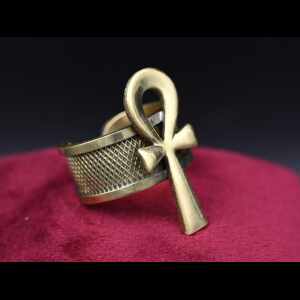
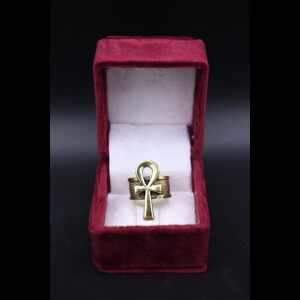
Oxidized Copper Ankh Ring: Egyptian Key of Life Symbol
Add a timeless symbol of ancient Egyptian life to your jewelry collection with this Oxidized Copper Ankh Ring, handcrafted in Egypt from oxidized copper with a unisex free-size design. Inspired by the Ankh, the iconic Key of Life symbolizing life, vitality, regeneration, and continuity, it is a distinctive choice for mythology lovers, copper jewelry collectors, and unique cultural gifts.
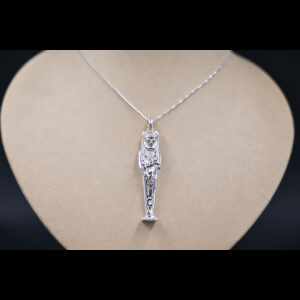
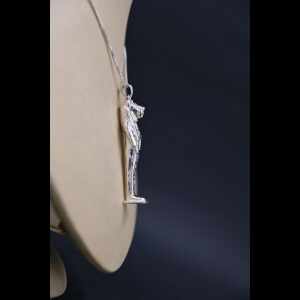
Handmade Sterling Silver Sekhmet Goddess Amulet
Add a powerful symbol of ancient Egyptian strength to your jewelry collection with this Pure Silver Sekhmet Amulet, crafted from pure silver and inspired by Sekhmet, the lioness goddess of war, protection, healing, medicine, and solar power. A distinctive choice for mythology lovers, silver jewelry collectors, Egyptology enthusiasts, and unique cultural gifts.
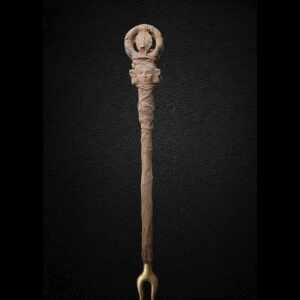
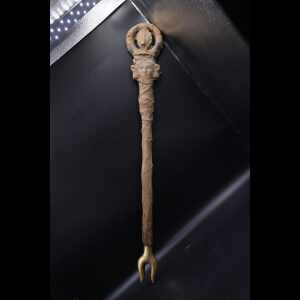
Hathor Was Scepter, Egyptian Antiquity Symbol, Made in Egypt
Add a distinctive symbol of ancient Egyptian authority to your collection with this Hathor Was Scepter Replica, handcrafted in Egypt from wood, linen, and copper and standing 50 cm tall. Featuring a Hathor-inspired face combined with the iconic Was symbol of power and dominion, it is an elegant choice for Egyptology collectors, Egyptian décor, mythology lovers, and museum-inspired displays.
Seshat Statue: Egyptian Goddess of Wisdom Stone Sculpture
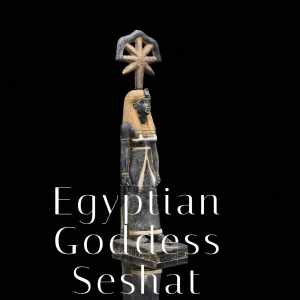
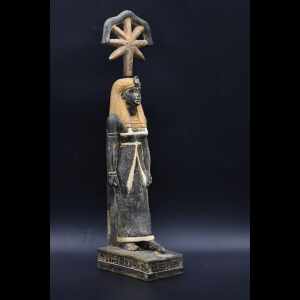
Add a distinctive symbol of ancient Egyptian knowledge to your collection with this 35 cm Seshat Stone Statue, handcrafted in Egypt and measuring 35 × 7 × 9 cm. Inspired by Seshat, the goddess of writing, record keeping, measurement, mathematics, and building planning, it is an exceptional choice for Egyptology collectors, writers, libraries, offices, and unique cultural gifts.
Brass Nile Key Bracelet: Winged Cobra Talisman, Egyptian Protection
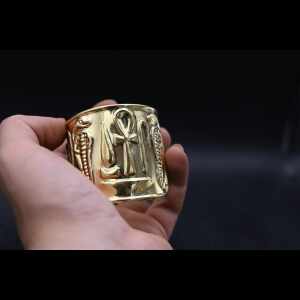
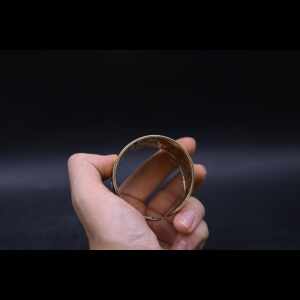
Add a powerful combination of ancient Egyptian symbolism to your jewelry collection with this Brass Ankh Cobra Protection Bracelet, handcrafted in Egypt from brass and designed for women and men. Featuring the iconic Key of Life flanked by winged cobras, it symbolizes life, protection, guardianship, and royal authority, making it a distinctive choice for mythology lovers, collectors, and unique cultural gifts.
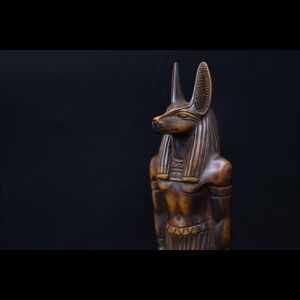
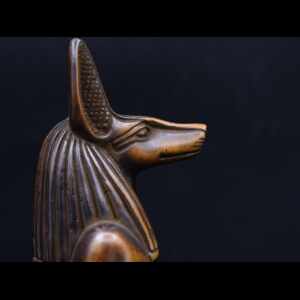
Handcrafted Anubis Statue: Egyptian God of Protection, Brown Stone (23cm)
Add a powerful symbol of ancient Egyptian protection to your collection with this 23 cm Brown Stone Anubis Statue, handcrafted in Egypt from natural stone. Inspired by Anubis, the canine-headed deity of mummification, funerary protection, and care of the deceased, it is a distinctive choice for collectors, Egyptian décor, museum-inspired displays, and unique cultural gifts.
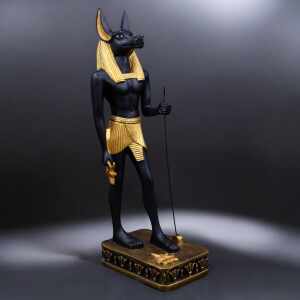
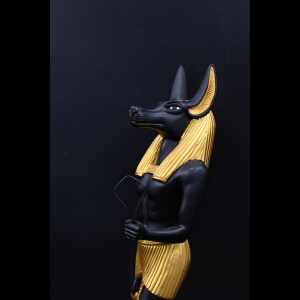
Handcrafted Anubis Statue: Egyptian God of Mummification, 40cm Natural Stone
Add a powerful symbol of ancient Egyptian protection to your collection with this 40 cm Natural Stone Anubis Statue, handcrafted in Egypt from natural stone. Inspired by Anubis, the canine-headed deity of mummification, funerary protection, and care of the deceased, it is a striking choice for collectors, Egyptian décor, museum-inspired displays, and unique cultural gifts.


Reviews
There are no reviews yet.