
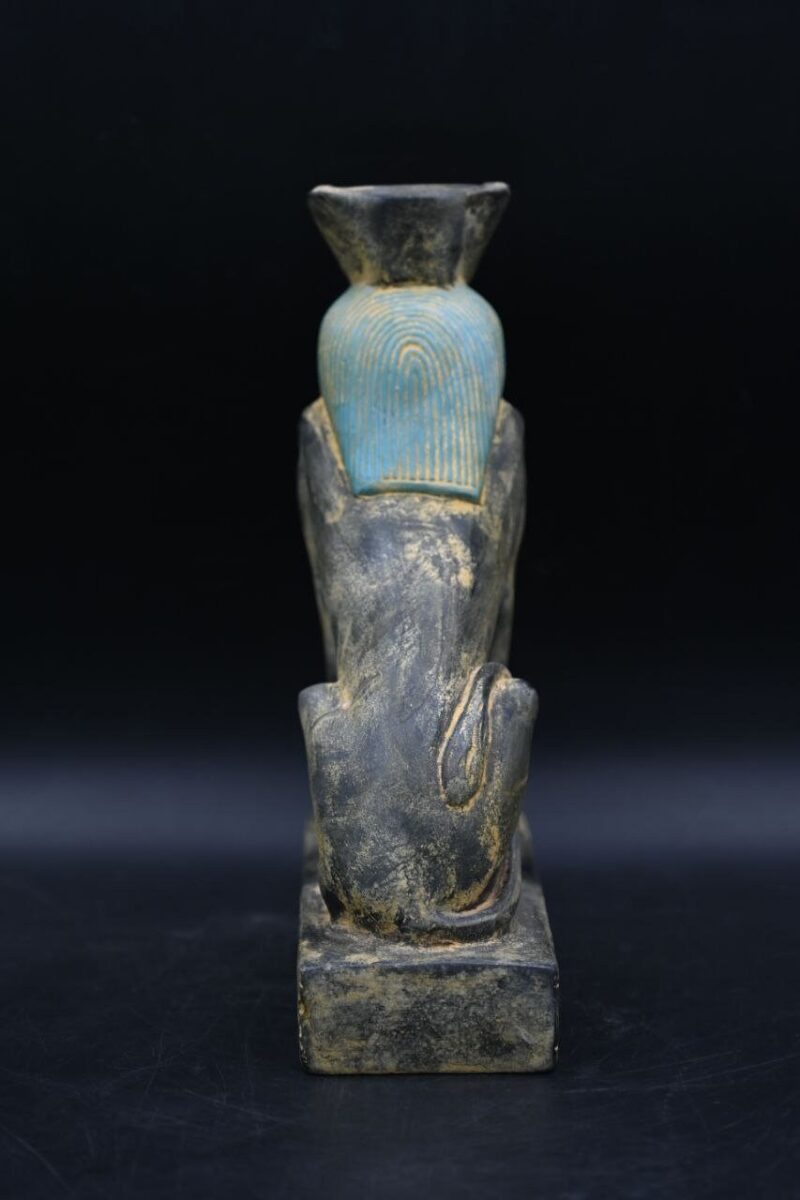
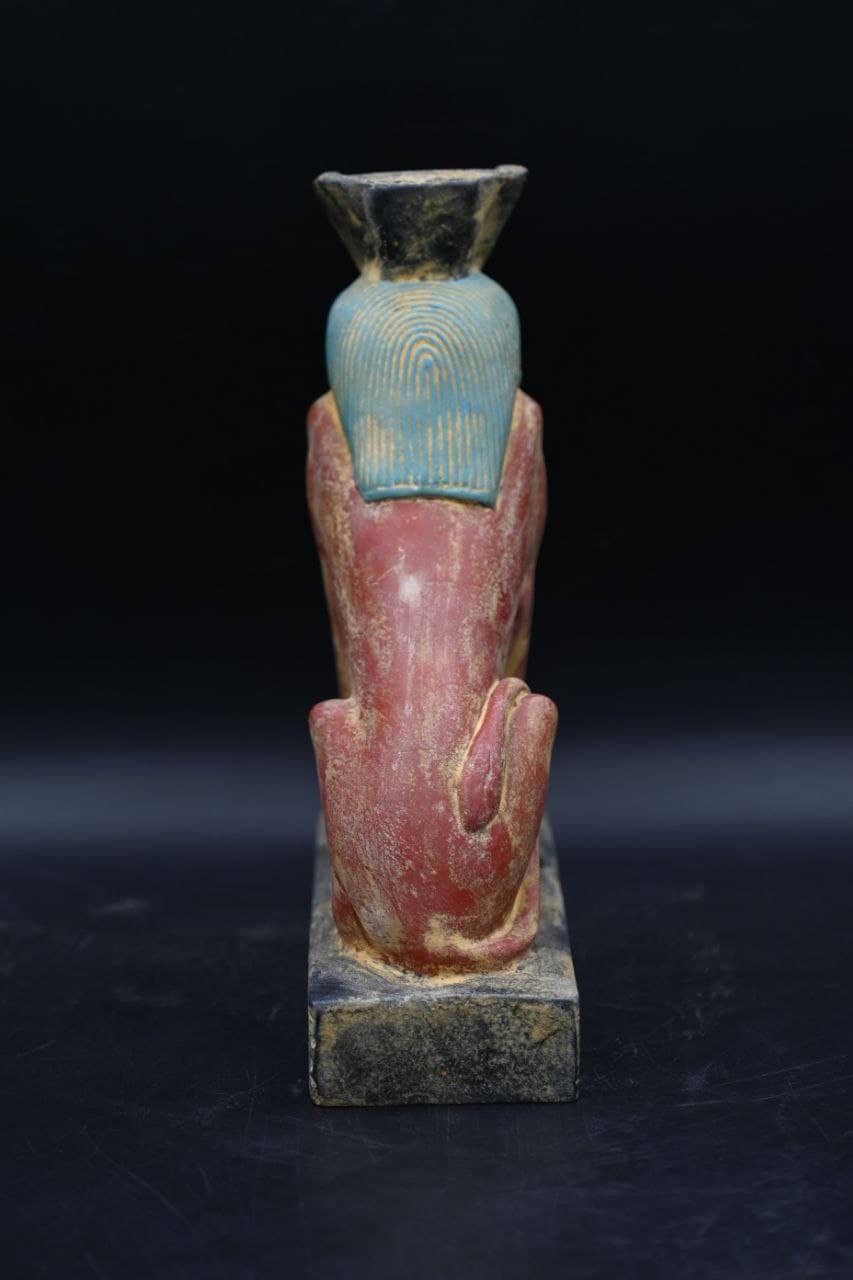
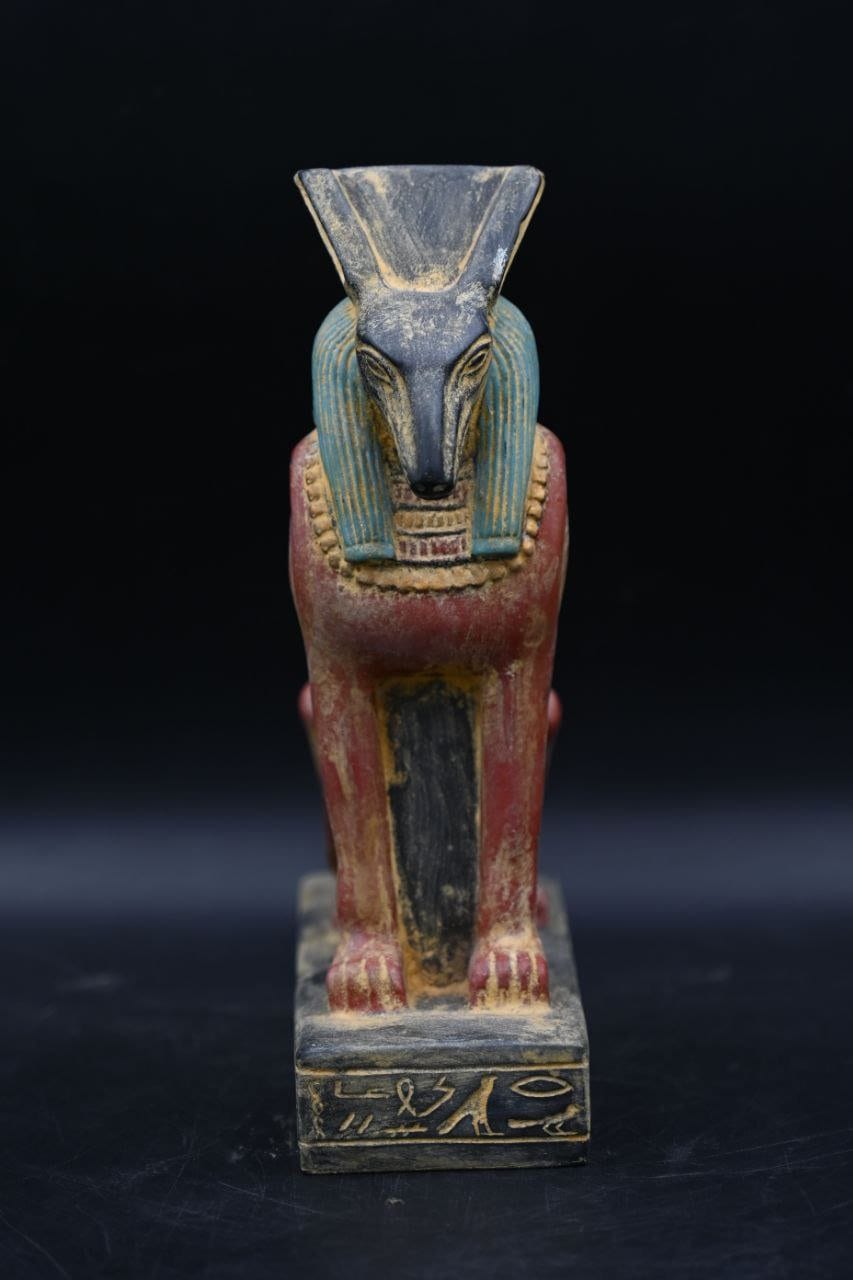
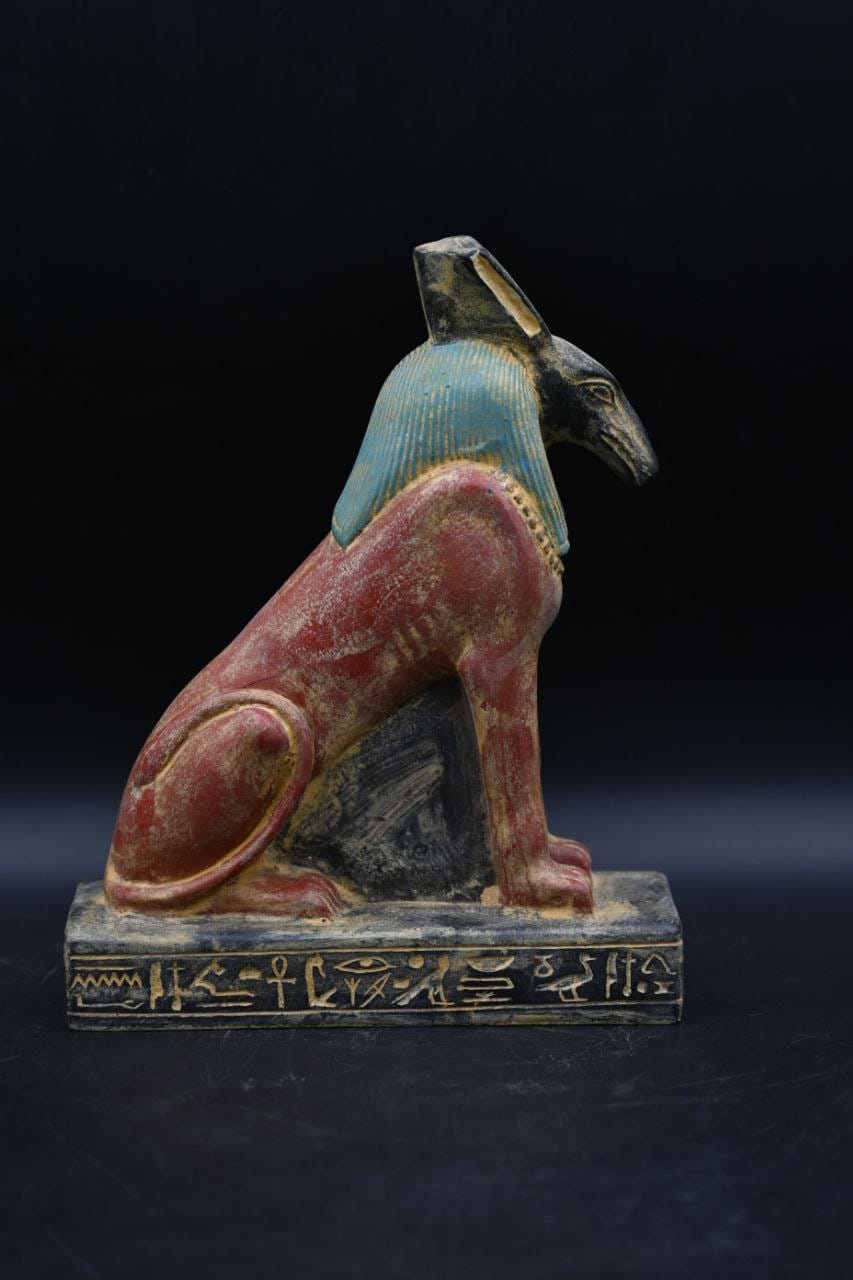
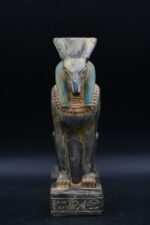
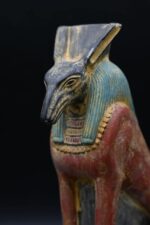
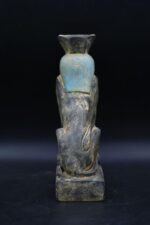
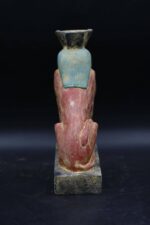
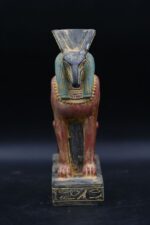
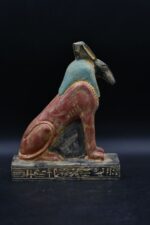
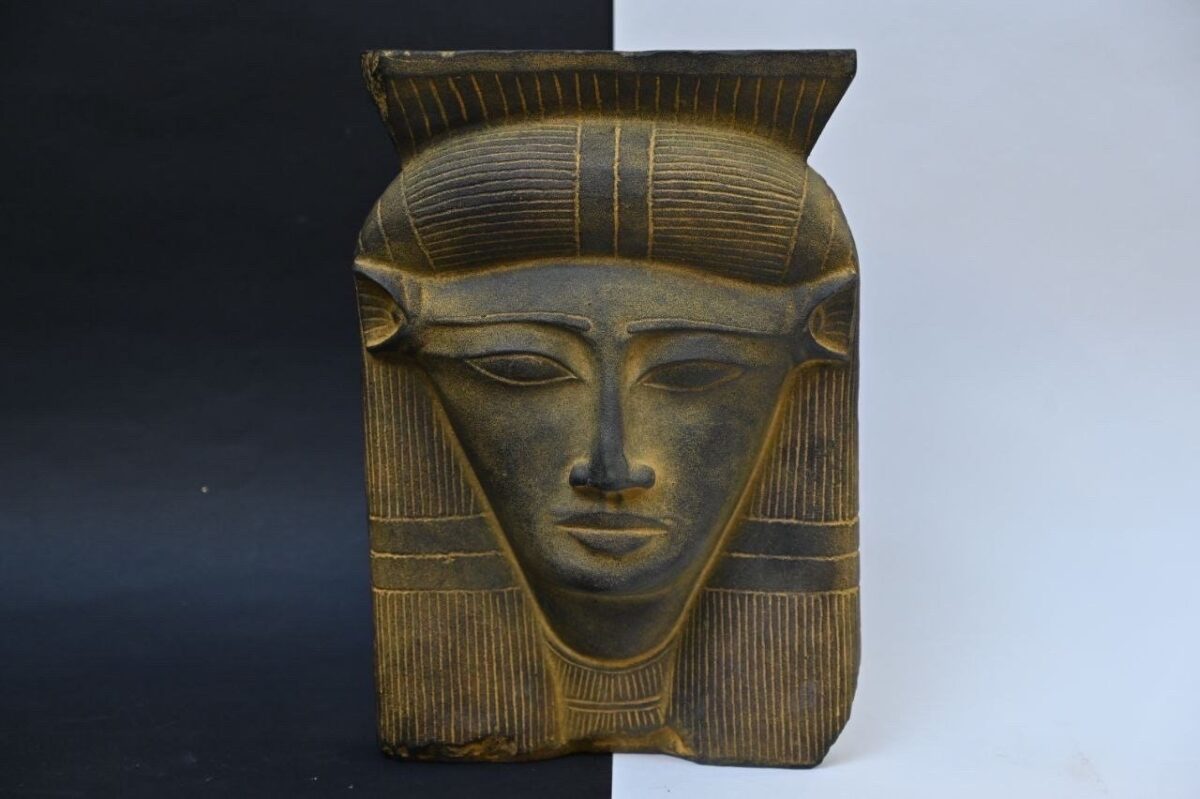
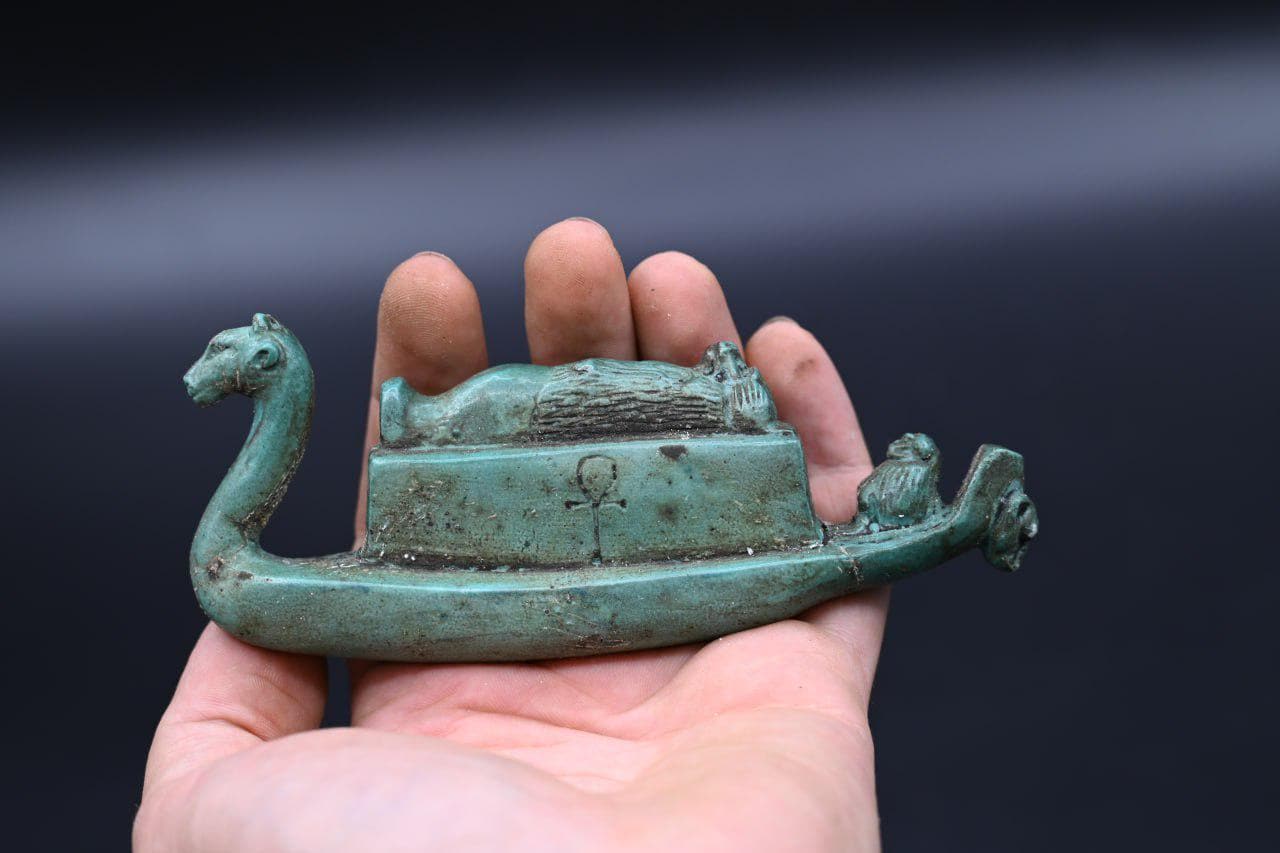
Vintage Seth Statue: Granite Egyptian God Sculpture
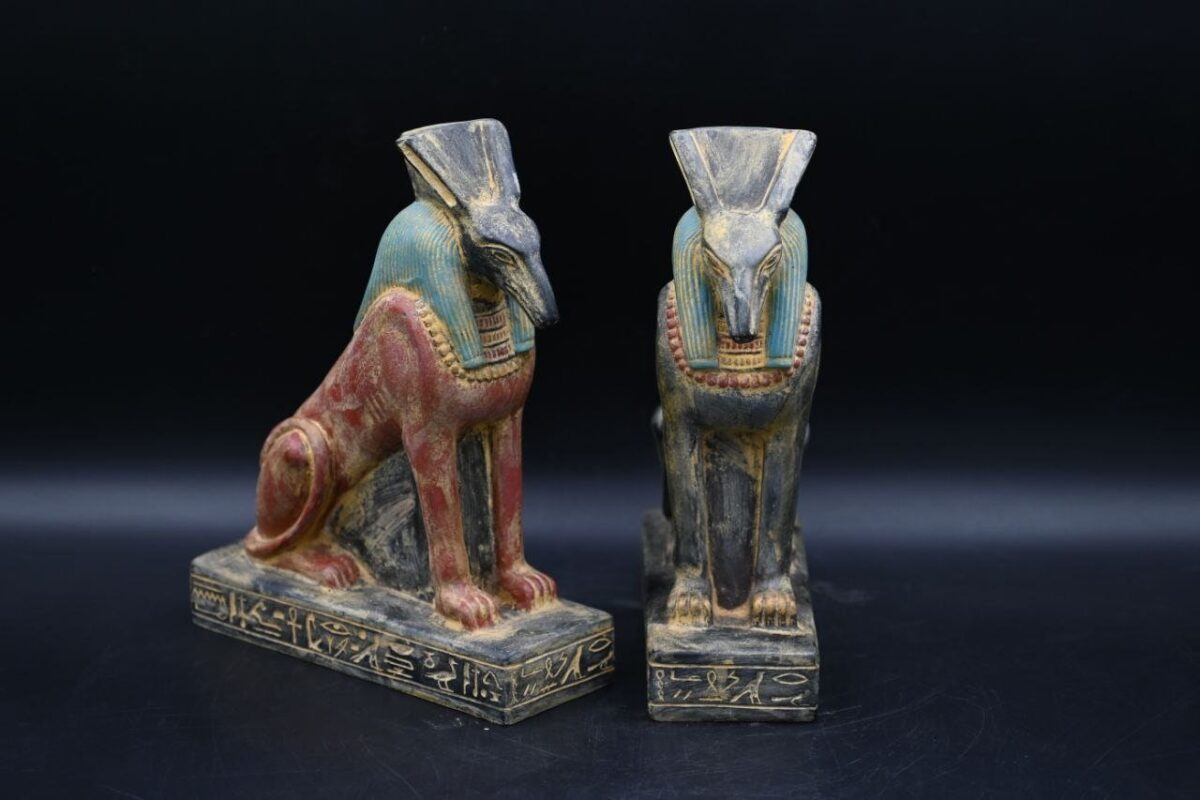
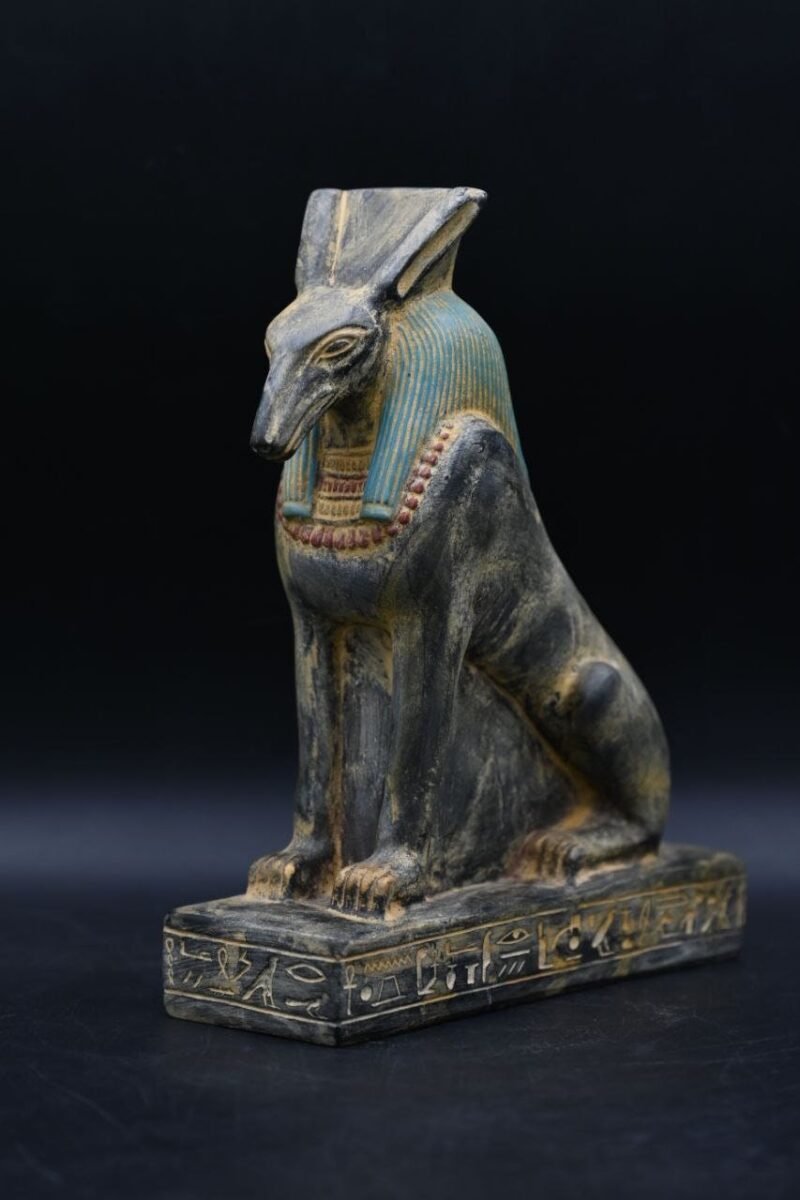
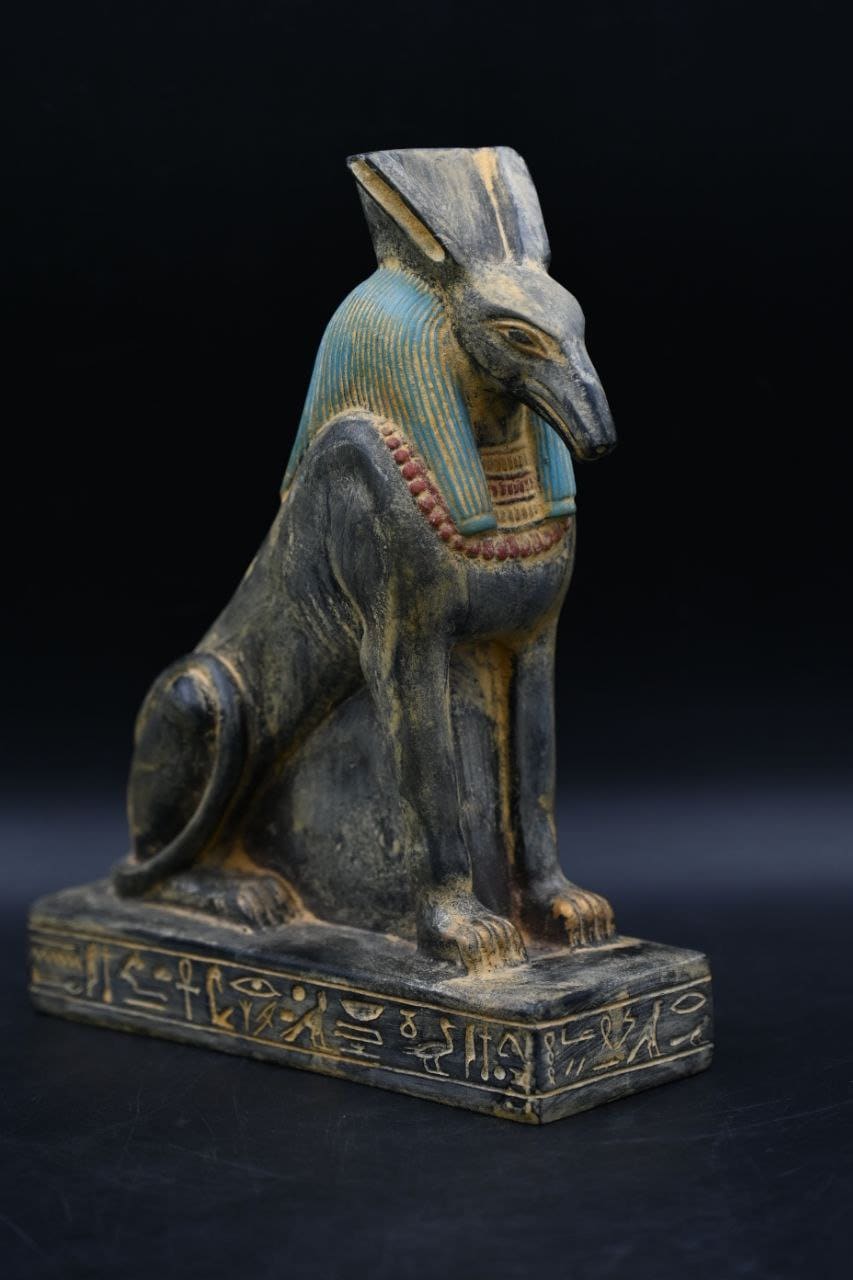
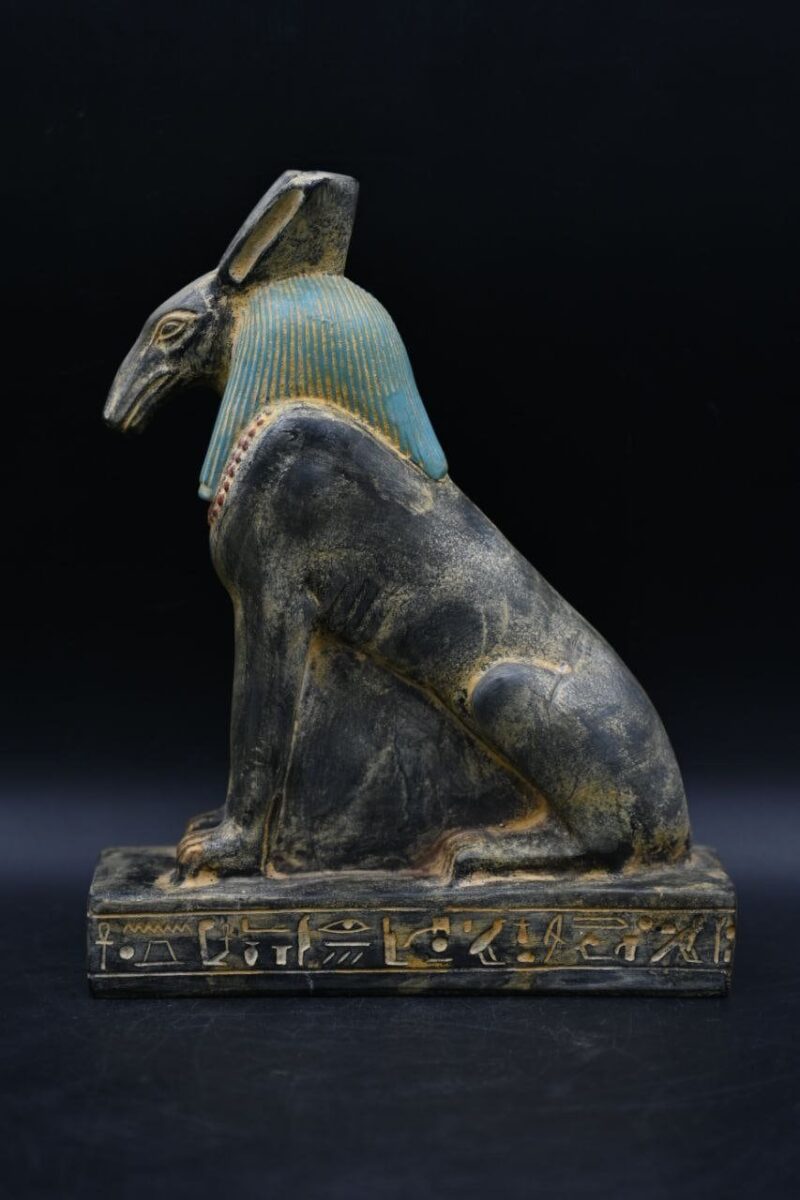
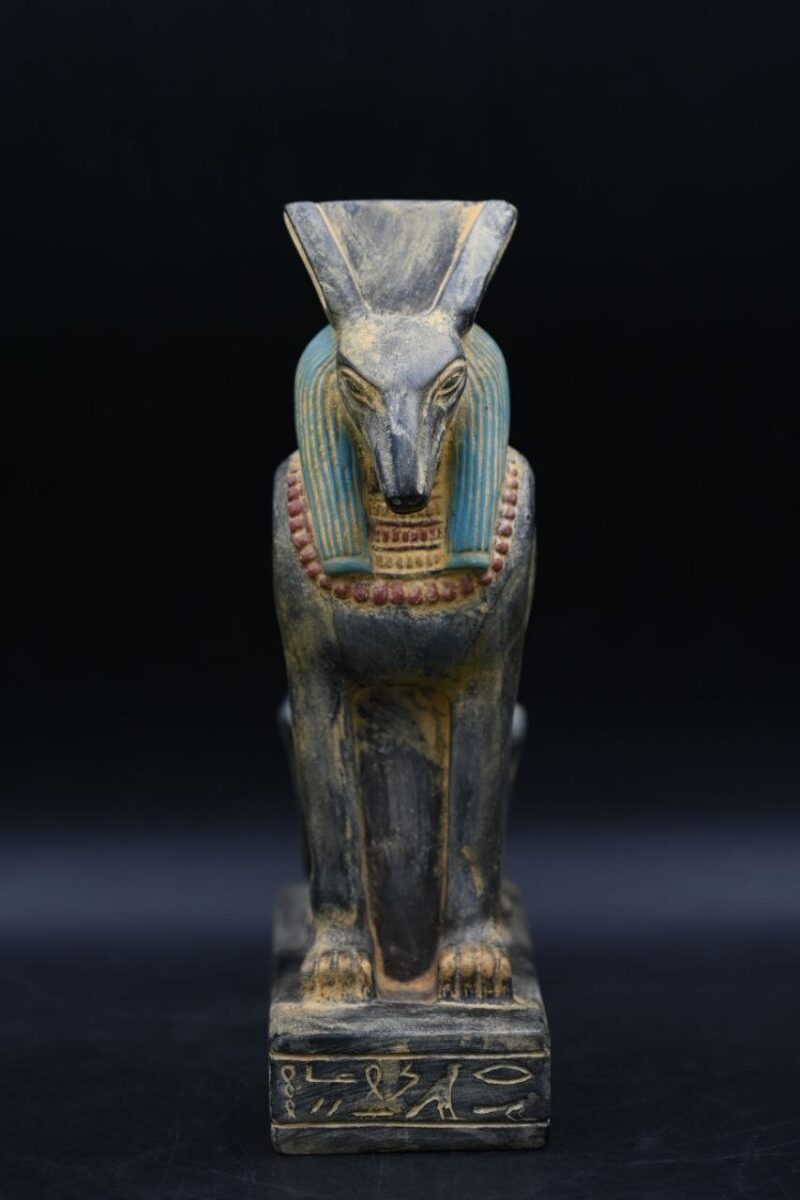
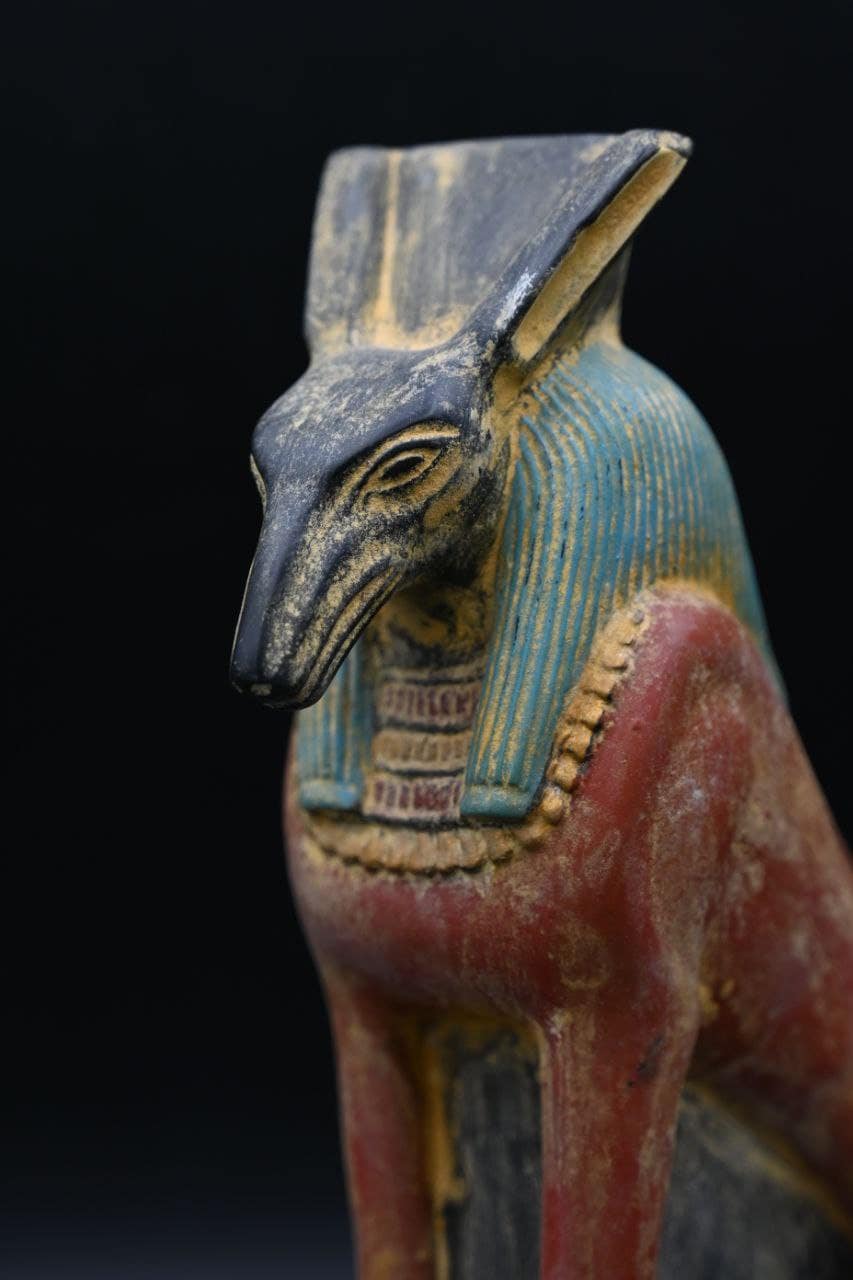
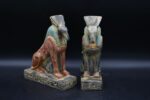
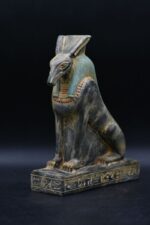
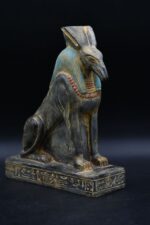
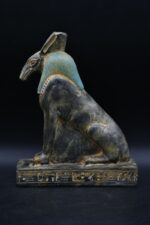
Add a powerful and distinctive figure of ancient Egyptian mythology to your collection with this Granite Seth Egyptian God Statue, handcrafted in Egypt from granite stone. Inspired by Seth, the complex deity associated with storms, desert regions, disorder, strength, and fierce protection, it is a striking choice for collectors, Egyptology lovers, Egyptian décor, and unique cultural gifts.
Granite Seth Egyptian God Statue – Ancient Egyptian Storm Deity Sculpture
Description of Art
Granite Seth Egyptian God Statue handcrafted in Egypt by skilled Egyptian artisans and inspired by Seth, also known as Set, one of the most complex and fascinating deities of ancient Egyptian religion.
Crafted from granite stone, this sculpture represents the distinctive deity associated with storms, desert regions, disorder, violence, strength, and foreign lands.
Seth played both destructive and protective roles in Egyptian mythology. Although famous for his conflict with Osiris and Horus, he could also defend the solar god Ra against the serpent Apep, making him far more complex than simply an Egyptian “evil god.”
Product Details
Material: Granite Stone
Deity: Seth / Set
Craftsmanship: Handcrafted
Origin: Made in Egypt
Main Associations: Storms, Desert, Disorder, Strength & Foreign Lands
Style: Ancient Egyptian Inspired
Type: Decorative Stone Sculpture
Dimensions: Not Provided
Who Was Seth?
Seth, or Set, was an ancient Egyptian deity with a complex religious identity that changed significantly throughout Egypt’s long history.
His principal associations included:
Storms
Desert regions
Disorder
Violence
Strength
Foreign lands
Dangerous natural forces
These characteristics could make Seth threatening, but his extraordinary strength could also become protective.
For modern symbolic interpretation, a Granite Seth Egyptian God Statue can evoke:
Strength • Power • Determination • Resilience • Fierce Protection
The Mysterious Seth Animal
One of Seth’s most recognizable features is the unusual animal associated with him.
Egyptologists commonly refer to it simply as the Seth animal or Set animal.
Its appearance usually includes:
A long curved snout
Tall square-tipped ears
A distinctive tail
An unusual canine-like body
Many attempts have been made to identify it with real animals such as a donkey, aardvark, jackal, or other species.
However, there is no universally accepted identification.
For accurate product descriptions, it is therefore better to say:
“Seth is depicted with the head of the mysterious Seth animal.”
rather than confidently identifying it as an aardvark, donkey, or jackal.
Seth and the Osiris Myth
Seth is perhaps most famous for his role in the story of Osiris, Isis, and Horus.
In important versions of the myth, Seth kills his brother Osiris.
Isis then works to restore Osiris and protect their son Horus, who eventually contests Seth for the kingship of Egypt.
The struggle between Seth and Horus became one of the most important mythological conflicts in ancient Egyptian religion.
Seth and Horus
The conflict between Horus and Seth concerned royal succession and legitimate kingship.
Rather than simply representing good versus evil, the story is more complex.
Horus was strongly associated with:
Kingship • Legitimate Royal Authority • Protection
Seth embodied:
Disruptive Power • Violence • Disorder • Strength
Their conflict could therefore express tensions between order and disruption, stability and dangerous power.
Seth Was Not Simply an Evil God
Modern retellings sometimes reduce Seth to the Egyptian equivalent of a devil or evil deity.
That is historically misleading.
Seth could be dangerous and destructive, but he could also use his immense strength in defense of the divine order.
This complexity is one of the most important aspects of his mythology.
The Granite Seth Egyptian God Statue therefore represents a deity whose symbolism can include both fierce disruption and formidable protective power.
Seth Protecting Ra
One of Seth’s most important positive roles appears in the solar journey of Ra.
According to Egyptian religious traditions, the sun god traveled through the night and encountered the gigantic serpent Apep, also known as Apophis.
Apep represented cosmic chaos and threatened the continuation of the solar cycle.
Seth could stand aboard the solar barque and use his strength to battle Apep.
This role transforms Seth from a potentially disruptive deity into a defender of cosmic order.
It also demonstrates why ancient Egyptian religion cannot be reduced to simple categories of “good gods” and “evil gods.”
Seth and the Desert
Seth was strongly associated with desert regions beyond the fertile Nile Valley.
The desert represented a harsh and unpredictable environment in contrast with the cultivated land surrounding the Nile.
This connection contributed to Seth’s associations with:
Wildness • Danger • Foreign Territories • Uncontrolled Forces
However, it also reinforced his character as a deity of immense strength capable of surviving and dominating hostile environments.
Seth and Storms
Storms were another important part of Seth’s divine identity.
He could be connected with violent weather and atmospheric disturbance.
For this reason, he is often described as a god of storms, though his identity was much broader than weather alone.
The combination of storm and desert symbolism reinforced his association with unpredictable and disruptive natural forces.
Seth, Osiris, Isis, and Nephthys
The original description identifies Seth as brother of Isis and Osiris and husband of Nephthys.
Within the important Heliopolitan genealogical tradition, Seth belonged to the divine family descended from Geb and Nut, alongside:
Osiris • Isis • Nephthys
Nephthys could also be described as Seth’s consort in important traditions.
However, Egyptian mythology varied between periods and regions, so these relationships should not always be treated as one fixed universal family structure.
Seth During the New Kingdom
One major correction is needed in the original history.
It says that Seth’s worship was suppressed during the New Kingdom.
This is inaccurate as a general statement.
Seth actually enjoyed significant royal prestige during parts of the New Kingdom, especially during the Ramesside Period.
One of the clearest examples is Pharaoh Seti I, whose name itself reflects an association with Seth.
Seth could therefore still possess important royal and protective significance during this period.
His reputation became increasingly negative in some later periods, especially as his associations with foreign lands and disorder became more problematic.
Seth and Royal Strength
Seth’s tremendous power could make him a useful symbol of royal strength.
Egyptian kings could appropriate his fierce characteristics as an expression of their own ability to defeat enemies and defend Egypt.
This aspect makes Seth especially interesting for collectors of Egyptian royal and warrior symbolism.
For modern interpretation, the statue can symbolize:
Strength • Courage • Determination • Powerful Defense
Granite Stone Craftsmanship
The Granite Seth Egyptian God Statue is crafted from granite stone.
Granite gives the sculpture a substantial appearance and complements the strong character of Seth.
Because granite is the specifically supplied material, it can safely be highlighted throughout the listing without substituting basalt, limestone, marble, or another stone type.
Handmade in Egypt
The sculpture is handcrafted by skilled Egyptian artisans and made in Egypt.
It is suitable for:
Living rooms
Offices
Libraries
Bookshelves
Display cabinets
Egyptian mythology collections
Egyptology displays
Museum-inspired interiors
A Distinctive Egyptian Gift
The Granite Seth Egyptian God Statue is a strong choice for:
Seth / Set collectors
Egyptology enthusiasts
Ancient Egyptian mythology lovers
Egyptian deity collectors
Granite sculpture enthusiasts
History lovers
Egyptian décor
Unique cultural gifts
Seth is represented less frequently than Horus, Anubis, or Bastet in modern Egyptian décor, which can make the piece especially appealing to collectors seeking a broader representation of Egyptian mythology.
Modern Sculpture, Not an Antiquity
Because the statue is newly handcrafted, avoid calling it:
Vintage Egyptian Statue
Egyptian Antique
Authentic Ancient Artifact
Archaeological Statue
unless it is genuinely vintage and you have evidence for its age.
Safer terminology includes:
Ancient Egyptian-Inspired Seth Statue
Handcrafted Egyptian Granite Sculpture
Museum-Inspired Set God Decor
Product Specifications
Product: Granite Seth Egyptian God Statue
Deity: Seth / Set
Material: Granite Stone
Form: Seth Animal-Headed Deity
Main Associations: Storms, Desert, Disorder, Violence, Strength & Foreign Lands
Protective Role: Defender of Ra against Apep in important traditions
Craftsmanship: Handcrafted
Origin: Made in Egypt
Style: Ancient Egyptian Inspired
Type: Decorative Stone Sculpture
Dimensions: Not Provided
| form | form 1, form 2 |
|---|
Related products
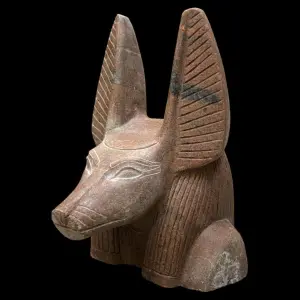
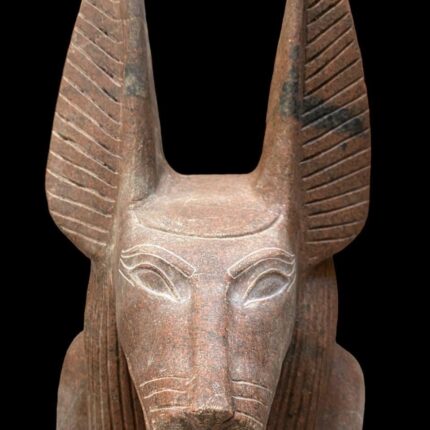
Handcrafted Red Granite Anubis Statue, Egyptian God Replica
Add a powerful symbol of ancient Egyptian protection to your collection with this 31 cm Red Granite Anubis Statue, handcrafted in Egypt from one solid piece of red granite. Inspired by Anubis, the jackal-headed god of mummification, funerary protection, and the afterlife, it is a distinctive choice for collectors, Egyptian décor, museum-inspired displays, and unique cultural gifts.
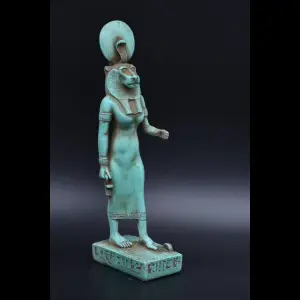
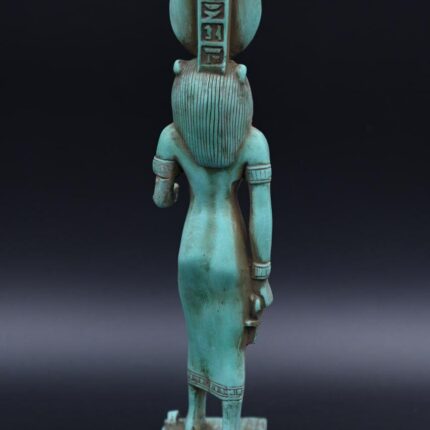
Egyptian Goddess Tefnut Statue: Handmade Replica, Made in Egypt
Add a meaningful symbol of ancient Egyptian creation mythology to your collection with this **Tefnut Moisture Goddess Statue**, handmade in Egypt from stone. Inspired by Tefnut, the goddess of moisture, dew, rain, and atmospheric water, it is a distinctive choice for mythology lovers, collectors, Egyptian décor, and unique cultural gifts.
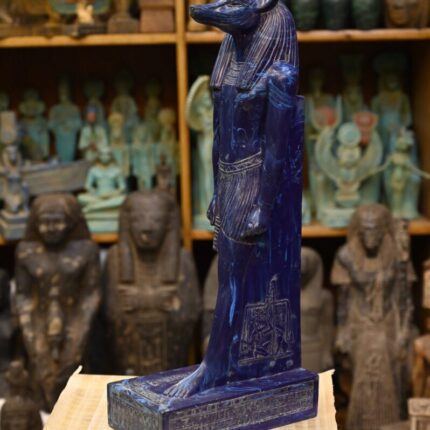
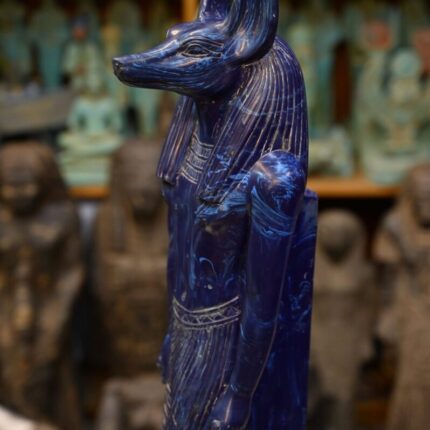
Elegant Statue of God Anubis-Lapis Lazuli Stone-Handcrafted-Antique Egyptian Protection of the Dead Royal Cemetery-Mummification sculptures
Add a striking symbol of ancient Egyptian protection to your collection with this 53 cm Lapis Anubis Statue, featuring the iconic canine-headed form of Anubis. Inspired by the god of mummification, funerary protection, and guidance through the afterlife, it is a distinctive choice for collectors, Egyptian décor, museum-inspired displays, and unique cultural gifts.
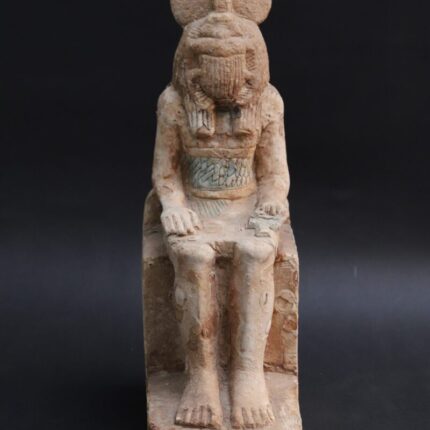
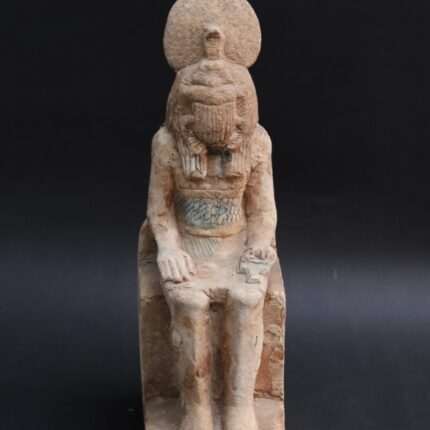
Limestone Khepri Statue: Egyptian Scarab God Sculpture
Add a powerful symbol of ancient Egyptian renewal to your collection with this 30 cm Limestone Khepri Statue, crafted from limestone and measuring 30 × 11 × 18 cm. Inspired by Khepri, the scarab deity of the rising sun, transformation, rebirth, and new beginnings, it is a distinctive choice for collectors, Egyptian décor, and unique cultural gifts.
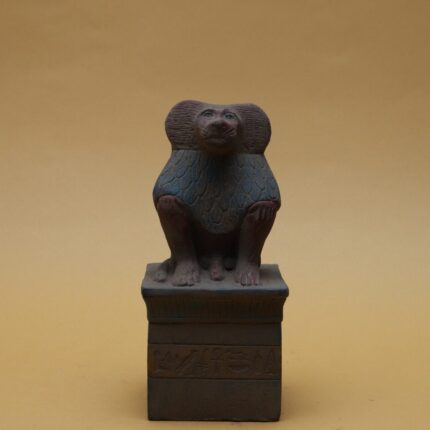
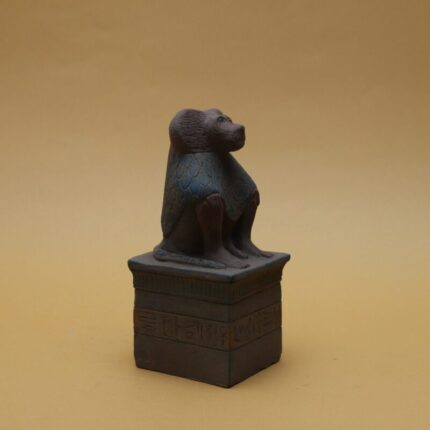
Thoth Baboon Statue – Egyptian God of Wisdom, Museum Copy
Add a distinctive symbol of ancient Egyptian wisdom to your collection with this 17 cm Thoth Baboon Statue, measuring 17 × 7 × 7 cm and depicting Thoth in his sacred seated baboon form. Inspired by the god of wisdom, writing, knowledge, magic, and the moon, it is ideal for collectors, libraries, Egyptian décor, and unique cultural gifts.
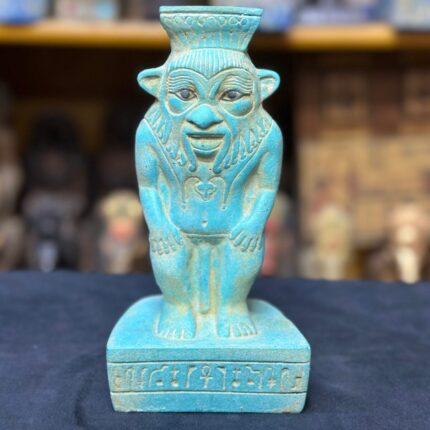
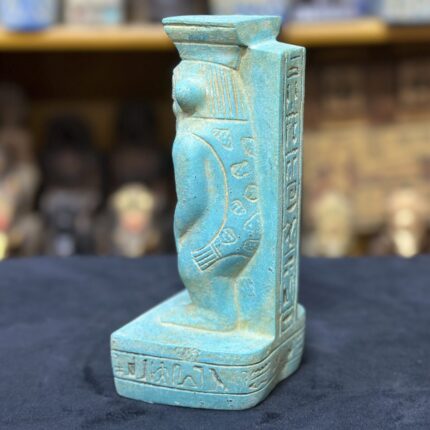
sculptures statue Bes god of fun pleasure -childhood in ancient Egypt-Handcraft-Egyptian antiques-Egyptian mythology-gods-deity-antique arch
Add a distinctive symbol of ancient Egyptian protection and joy to your collection with this 20 cm Bes Egyptian God Statue, measuring 20 × 8 × 8 cm. Inspired by Bes, the protective household deity associated with childbirth, family, children, music, dance, and celebration, it is a unique choice for collectors, Egyptian décor, mythology lovers, and cultural gifts.
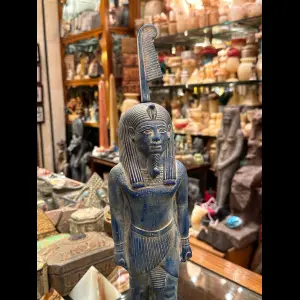
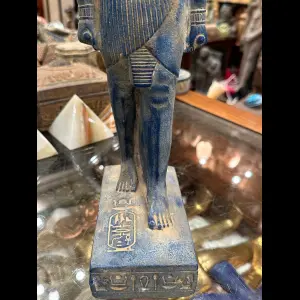
Handmade Blue Stone Statue: Egyptian God Shu, God of Air (35 cm)
Add a distinctive symbol of ancient Egyptian creation mythology to your collection with this Blue Stone Shu God Statue, handmade in Egypt and measuring 35 × 7 × 9 cm. Inspired by Shu, the god of air and atmosphere who separated the sky goddess Nut from the earth god Geb, it is ideal for collectors, Egyptian décor, mythology lovers, and unique cultural gifts.
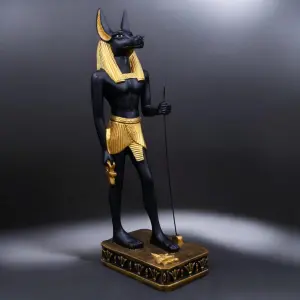
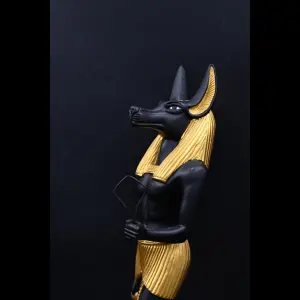
Handcrafted Anubis Statue: Egyptian God of Mummification, 40cm Natural Stone
Add a powerful symbol of ancient Egyptian protection to your collection with this 40 cm Natural Stone Anubis Statue, handcrafted in Egypt from natural stone. Inspired by Anubis, the canine-headed deity of mummification, funerary protection, and care of the deceased, it is a striking choice for collectors, Egyptian décor, museum-inspired displays, and unique cultural gifts.


Reviews
There are no reviews yet.