
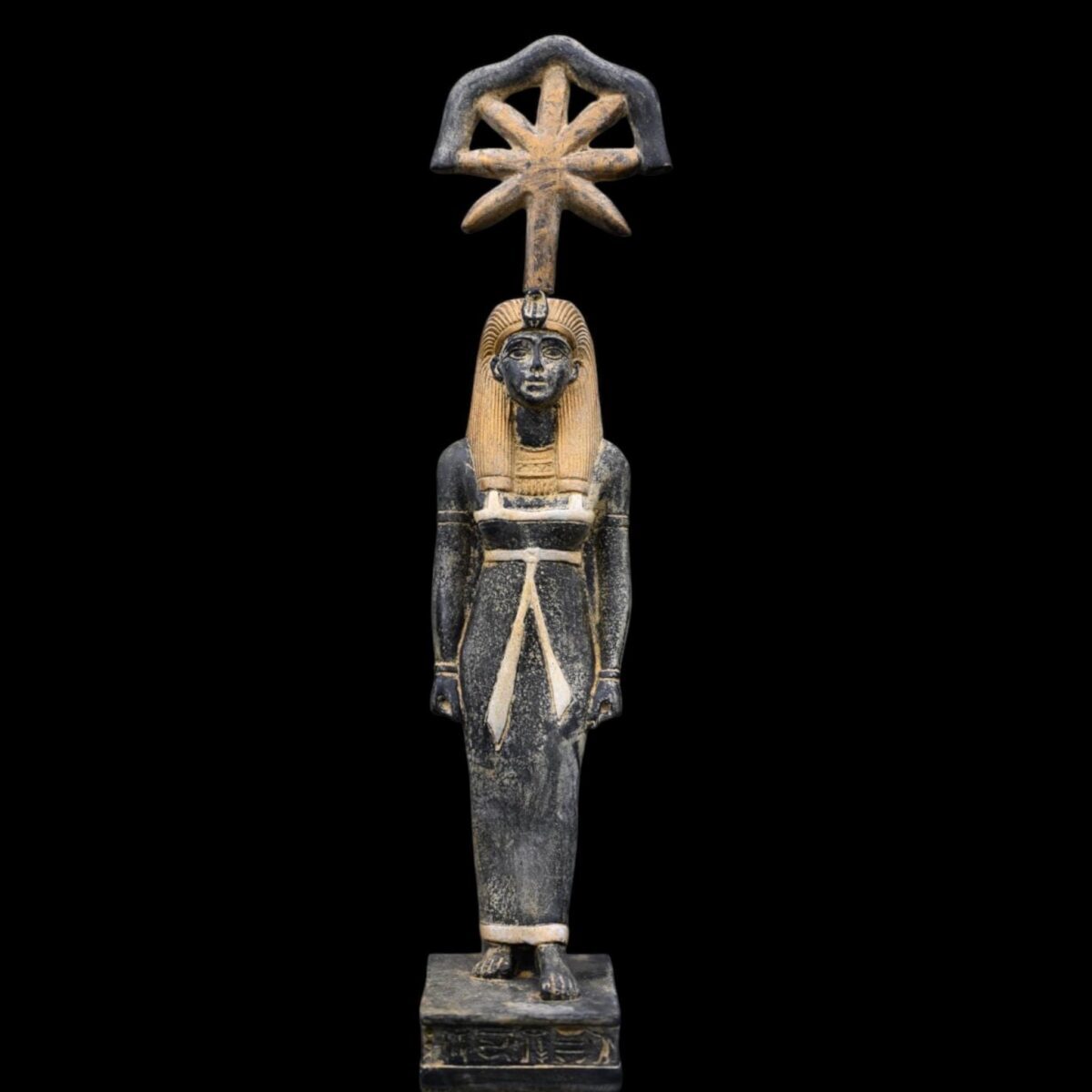
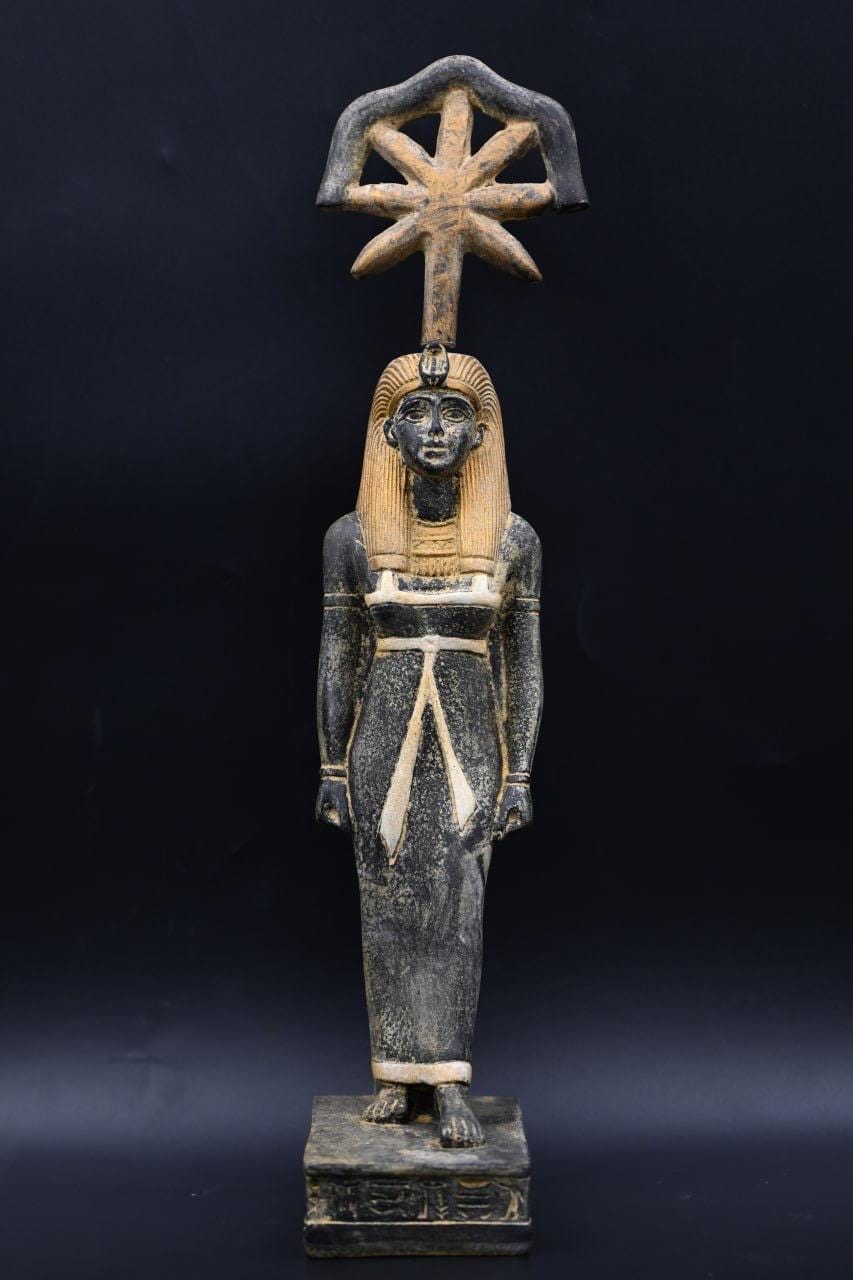
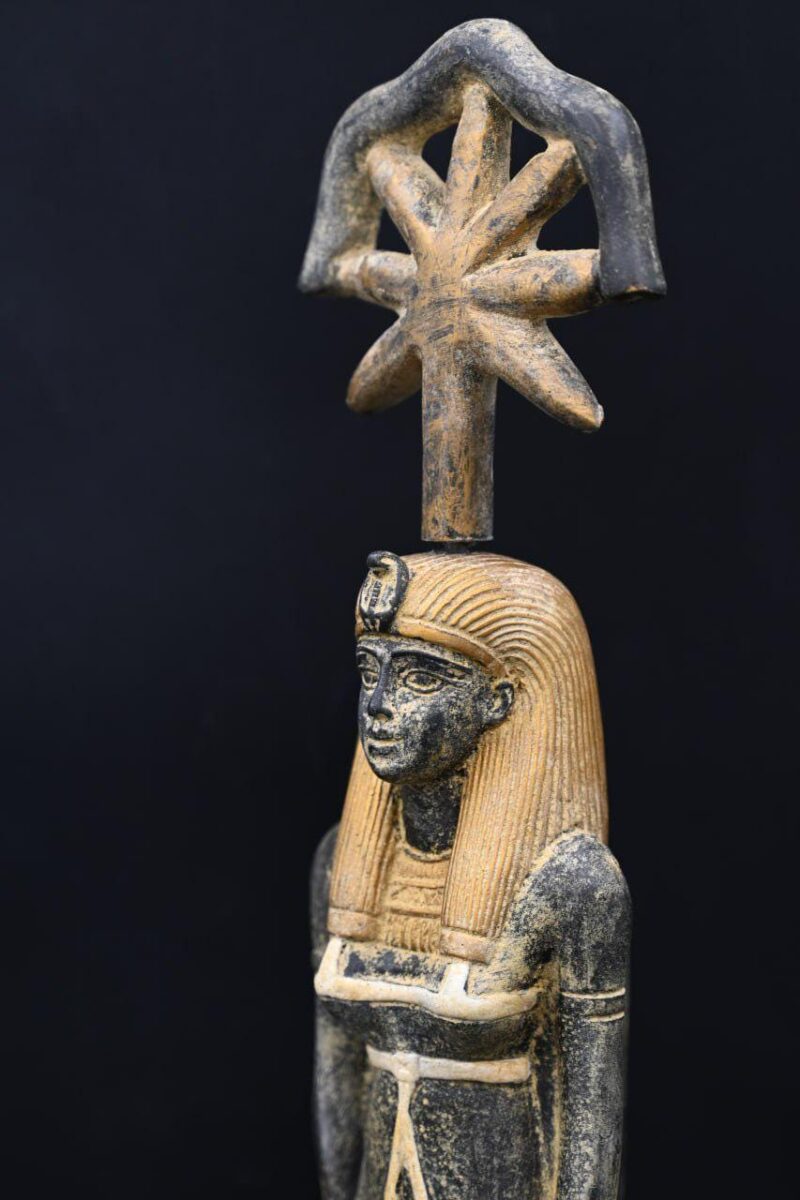
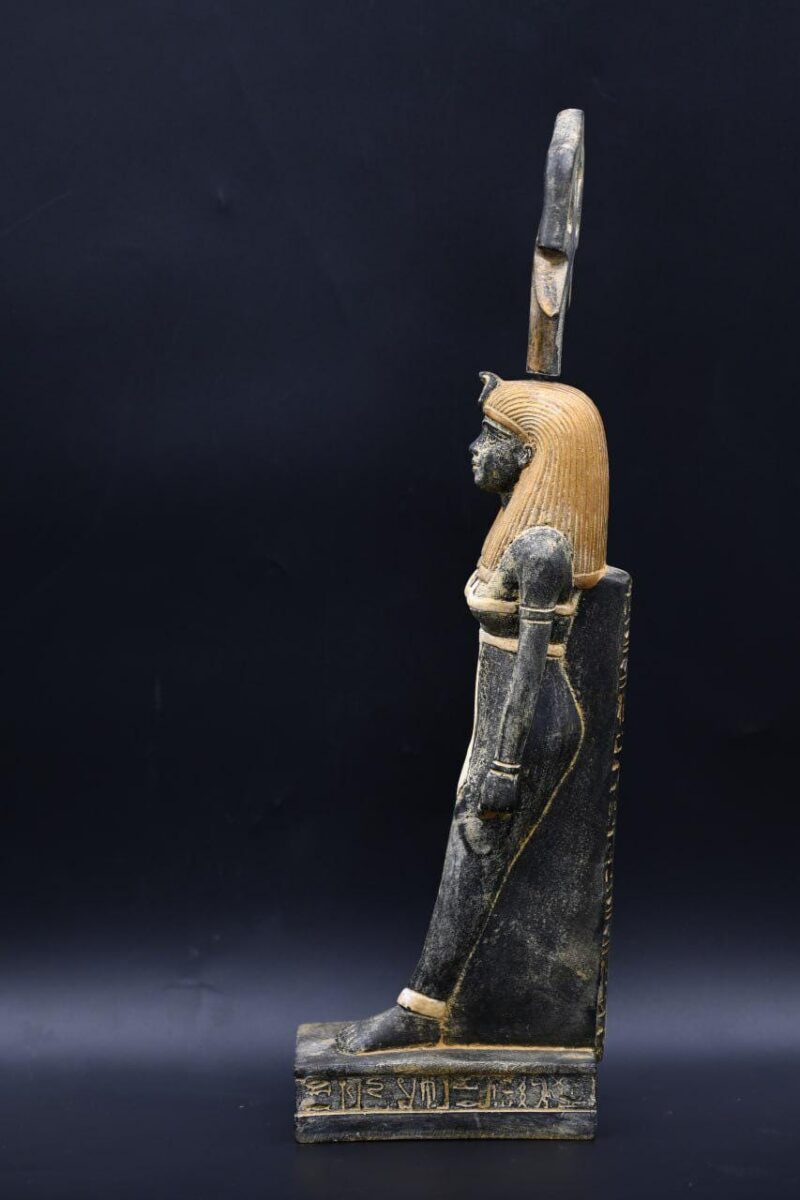
Seshat Statue: Egyptian Goddess of Wisdom Stone Sculpture
$227.50
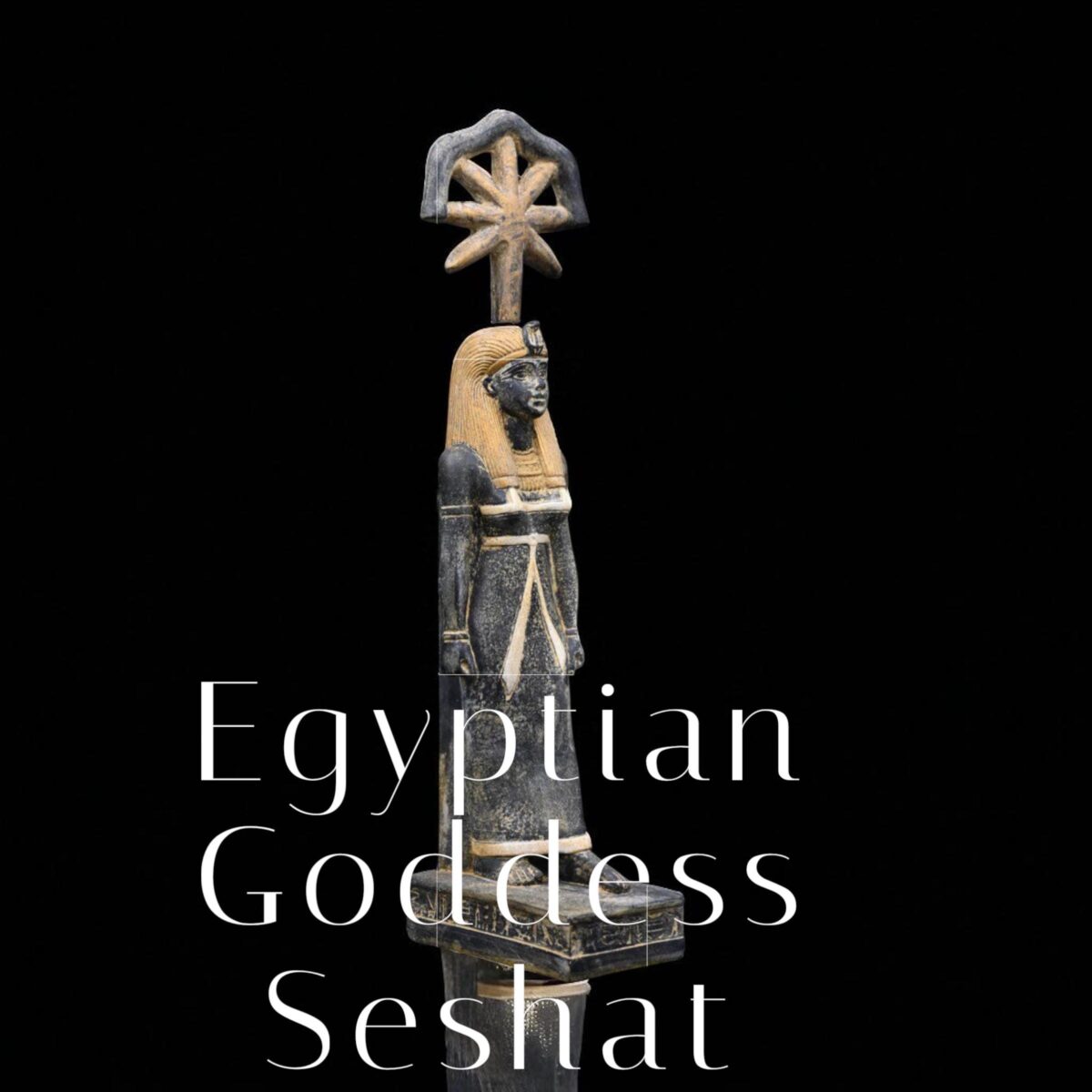
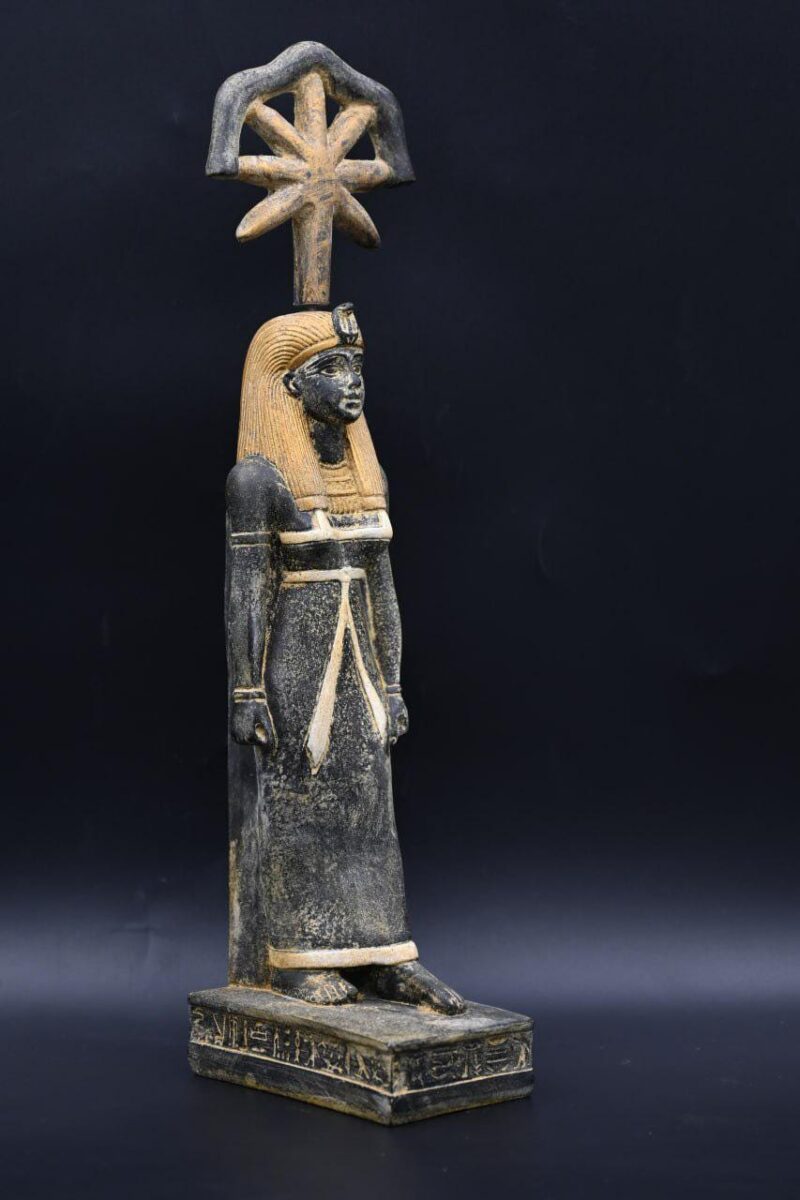
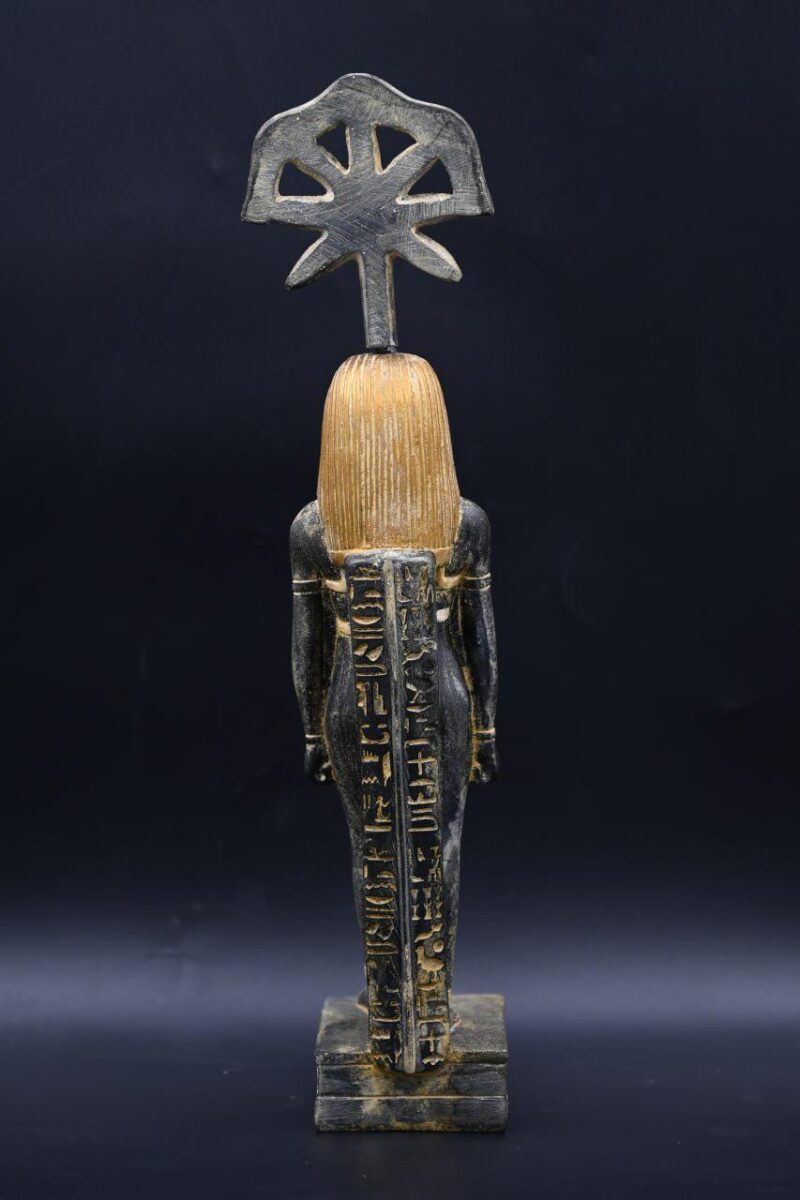
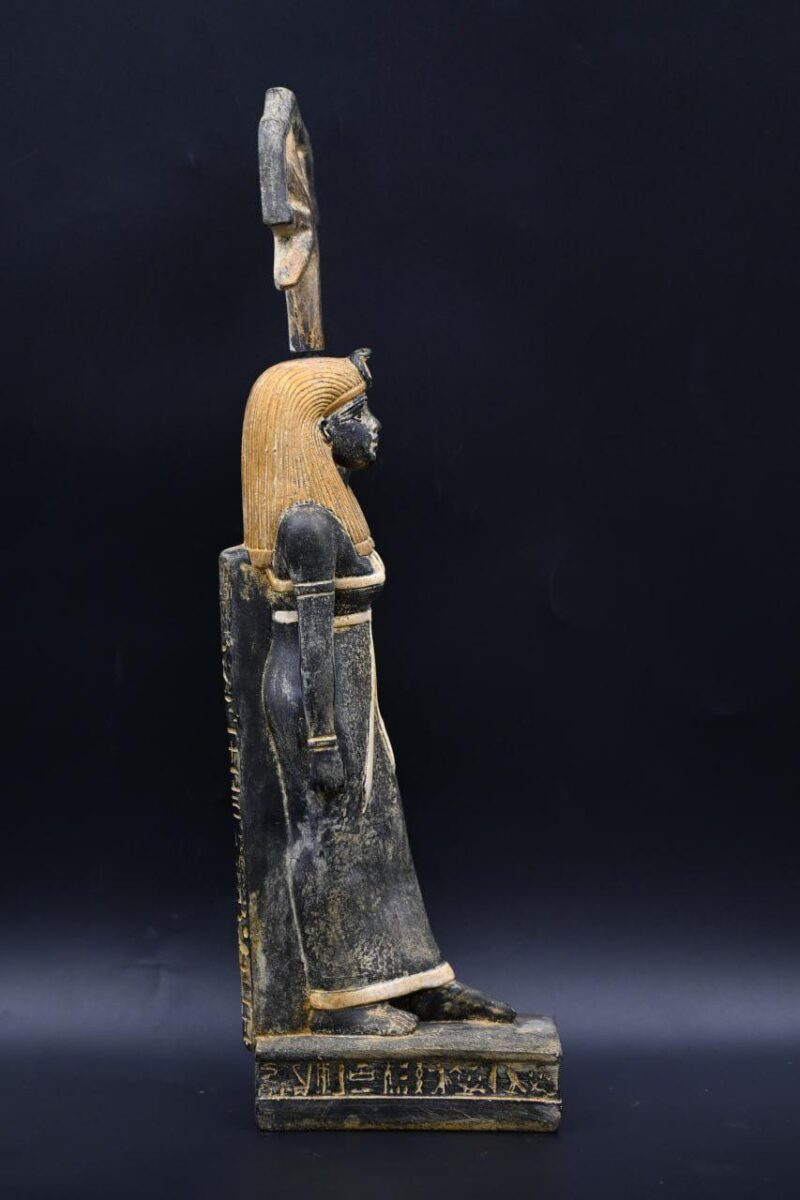
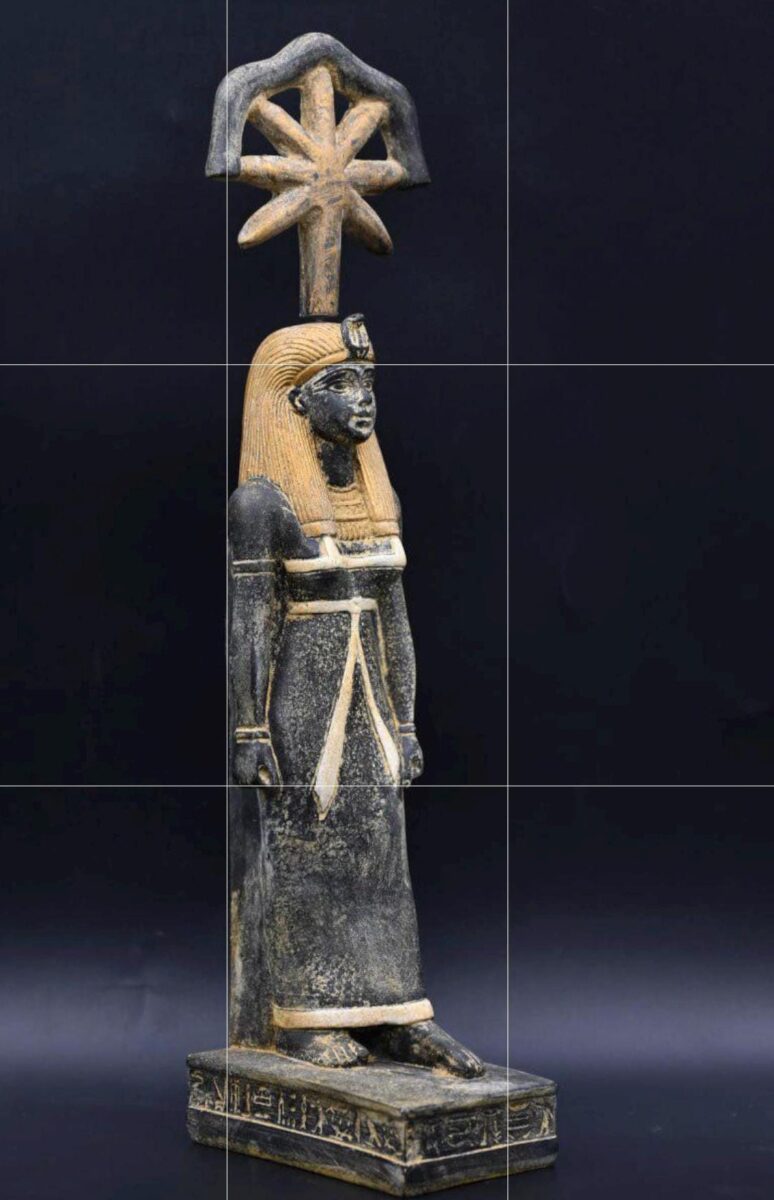
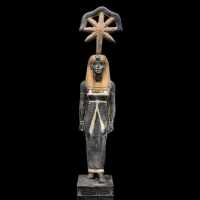
Add a distinctive symbol of ancient Egyptian knowledge to your collection with this 35 cm Seshat Stone Statue, handcrafted in Egypt and measuring 35 × 7 × 9 cm. Inspired by Seshat, the goddess of writing, record keeping, measurement, mathematics, and building planning, it is an exceptional choice for Egyptology collectors, writers, libraries, offices, and unique cultural gifts.
35 cm Seshat Stone Statue – Egyptian Goddess of Writing
Description of Art
35 cm Seshat Stone Statue handcrafted in Egypt from stone and inspired by Seshat, the ancient Egyptian goddess closely associated with writing, record keeping, measurement, mathematics, and building planning. The British Museum describes Seshat as a goddess of different forms of notation, including writing, accounting, censuses, mathematics, and architectural planning.
Measuring 35 cm high, 7 cm wide, and 9 cm deep, this distinctive sculpture celebrates one of the most intellectually fascinating female deities of ancient Egypt.
Its tall, elegant proportions make it suitable for libraries, offices, study rooms, bookshelves, collector displays, Egyptology collections, and museum-inspired interiors.
Product Details
Material: Stone
Height: 35 cm
Width: 7 cm
Depth: 9 cm
Deity: Seshat
Main Associations: Writing, Record Keeping, Measurement, Mathematics & Building Planning
Craftsmanship: Handcrafted
Origin: Made in Egypt
Style: Ancient Egyptian Inspired
Type: Decorative Goddess Sculpture
Who Was Seshat?
Seshat was the ancient Egyptian goddess particularly connected with the written record.
Her name is generally understood to mean “the female scribe,” reflecting her close association with writing and documentation. She was linked with writing, accounting, record keeping, censuses, mathematics, and planning buildings.
For modern collectors, a 35 cm Seshat Stone Statue can symbolically evoke:
Knowledge • Learning • Writing • Study • Measurement • Intellectual Achievement
These qualities make Seshat especially meaningful for writers, researchers, teachers, architects, students, and lovers of ancient history.
Seshat and Writing
Writing was at the heart of Seshat’s divine identity.
Ancient Egyptian representations could show her acting as a divine record keeper. At temples, she was depicted recording royal names and documenting aspects of a king’s achievements.
This makes her one of the most appropriate ancient Egyptian figures for spaces dedicated to:
Books
Writing
Education
Research
Historical study
Record keeping
A Seshat statue can therefore make a particularly distinctive addition to a library, study, or office.
Seshat and Royal Records
Seshat was also connected with the recording of royal information.
The Brooklyn Museum notes her role as a goddess of writing and record keeping and connects her with recording regnal years and the preservation of sacred written knowledge.
This role distinguishes Seshat from many Egyptian goddesses whose identities centered more strongly on motherhood, protection, fertility, or warfare.
She represented the preservation and organization of information.
Seshat and Measurement
Seshat was not concerned only with writing.
She also had important connections with measurement and building planning. The Metropolitan Museum notes that she participated with the king in the ceremony known as “stretching the cord,” a foundation ritual associated with temples and important buildings.
This makes Seshat especially relevant to modern collectors interested in:
Architecture • Mathematics • Measurement • Design • Planning
The Iconic Seshat Headdress
Seshat is recognizable in Egyptian art by her unusual emblem or headdress.
The British Museum describes her as often depicted wearing a headdress shaped like a seven-pointed star-like emblem.
This distinctive feature makes Seshat visually different from better-known goddesses such as Isis, Hathor, Sekhmet, or Neith.
If this symbol is clearly represented on the actual statue, it can be highlighted as one of the main visual features in your product photos and description.
Seshat and the House of Life
Seshat also had associations with Egyptian institutions of written knowledge.
UCL’s Digital Egypt project records Seshat with titles connecting her to writings, plans, and the House of Life, an institution associated with the preservation and production of learned texts.
This reinforces her identity as a deity concerned with documentation, knowledge, and organized intellectual activity.
Did Seshat Invent Writing?
The original description says that Seshat was credited with inventing writing.
I would avoid stating this as an established historical fact.
A much safer description is:
“Seshat was one of the principal ancient Egyptian deities associated with writing, record keeping, and measurement.”
The British Museum and Metropolitan Museum strongly support her roles in writing and documentation, without needing the stronger claim that she literally invented writing.
Seshat and Astronomy
Seshat’s measurement and calendrical associations have also led to connections with astronomical observation and the organization of time.
However, I recommend using astronomy rather than astrology in this product listing unless you have a specific historical source supporting the latter term.
Her strongest, best-documented roles remain:
Writing • Record Keeping • Measurement • Mathematics • Building Planning
Was Heliopolis Seshat’s Sacred Sanctuary?
The original description states that Heliopolis was her sacred sanctuary where her priests preserved knowledge and sciences.
I recommend removing this statement.
The British Museum specifically notes that Seshat did not have a temple of her own, although she played important roles in temple-foundation rituals.
Therefore, it would be misleading to present Heliopolis as her principal sanctuary without stronger evidence.
Seshat and Thoth
Seshat is frequently discussed alongside Thoth, another major Egyptian deity associated with writing, knowledge, and intellectual activity.
Egyptian traditions varied regarding their relationship; the British Museum notes that Seshat could be described as Thoth’s sister, wife, or daughter in different traditions.
For product copy, there is no need to choose one family relationship as universally correct.
It is enough to say that Seshat and Thoth shared important associations with writing and knowledge.
Handmade Stone Sculpture
The 35 cm Seshat Stone Statue is made from stone and handcrafted by Egyptian artisans.
Because the exact type of stone is not supplied, avoid describing it as:
Basalt
Granite
Limestone
Marble
unless the material is later confirmed.
The accurate product wording remains simply:
Stone
Perfect for Libraries and Offices
Seshat’s connection with writing and knowledge makes this statue especially appropriate for:
Libraries
Home offices
Study rooms
Universities
Classrooms
Writer’s desks
Architecture studios
Bookshelves
Egyptology collections
Museum-inspired displays
This gives the product a particularly strong niche compared with many other Egyptian deity statues.
A Unique Egyptian-Inspired Gift
The 35 cm Seshat Stone Statue is a distinctive choice for:
Seshat collectors
Egyptology enthusiasts
Writers and authors
Teachers
Researchers
Architects
Mathematics enthusiasts
Ancient history lovers
Egyptian mythology collectors
Unique cultural gifts
Modern Sculpture, Not an Antiquity
Because this is a newly handcrafted sculpture, avoid using “Rare Egyptian Artifact” or “Egyptian Antiquity” unless rarity or archaeological provenance can actually be proven.
Better wording includes:
Ancient Egyptian-Inspired Seshat Statue
Handcrafted Egyptian Goddess Sculpture
Museum-Inspired Seshat Decor
Product Specifications
Product: 35 cm Seshat Stone Statue
Deity: Seshat
Material: Stone
Height: 35 cm
Width: 7 cm
Depth: 9 cm
Main Associations: Writing, Record Keeping, Measurement, Mathematics & Building Planning
Iconography: Distinctive Seven-Pointed Star-Like Headdress
Craftsmanship: Handcrafted
Origin: Made in Egypt
Style: Ancient Egyptian Inspired
Type: Decorative Goddess Sculpture
Related products
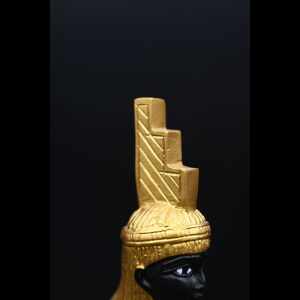
Winged Isis Statue, Egyptian Goddess of Love, Handcrafted Sculpture
Add a powerful symbol of ancient Egyptian protection to your collection with this Solid Stone Gold Leaf Isis Statue, handcrafted in Egypt from solid stone and finished with elegant gold leaf. Inspired by Isis, the winged goddess of motherhood, magic, protection, healing, and fertility, it is a striking choice for collectors, Egyptian décor, mythology lovers, and unique cultural gifts.
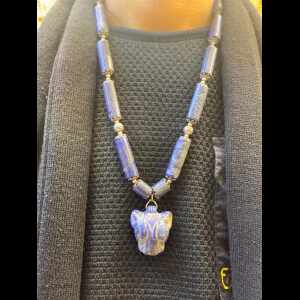
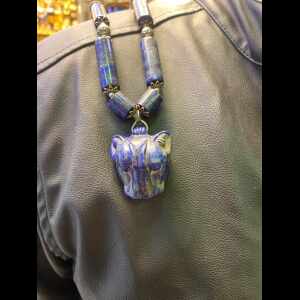
Handmade Lapis Lazuli Sekhmet Necklace: Egyptian Goddess Jewelry
Add a powerful touch of ancient Egyptian symbolism to your jewelry collection with this 150 g Lapis Sekhmet Necklace, handcrafted from natural lapis lazuli stone with elegant silver-tone metal accents. Inspired by Sekhmet, the lioness goddess of strength, protection, healing, and solar power, it is a striking choice for mythology lovers, statement-jewelry collectors, and unique cultural gifts.
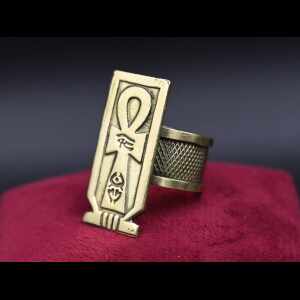
Oxidized Copper Ankh Ring: Ancient Egyptian Key of Life Symbol
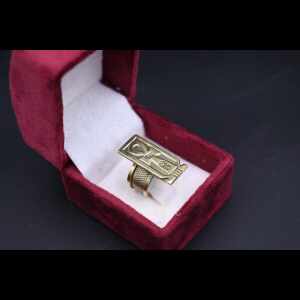
Add a timeless symbol of ancient Egyptian life to your jewelry collection with this Oxidized Copper Ankh Ring, handcrafted in Egypt from oxidized copper with a unisex free-size design. Inspired by the iconic Key of Life representing life, vitality, renewal, and continuity, it is a distinctive choice for mythology lovers, copper jewelry collectors, and unique cultural gifts.
Brass Nile Key Bracelet: Winged Cobra Talisman, Egyptian Protection
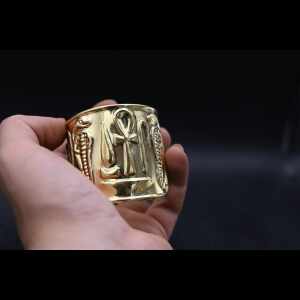
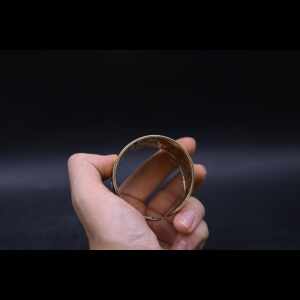
Add a powerful combination of ancient Egyptian symbolism to your jewelry collection with this Brass Ankh Cobra Protection Bracelet, handcrafted in Egypt from brass and designed for women and men. Featuring the iconic Key of Life flanked by winged cobras, it symbolizes life, protection, guardianship, and royal authority, making it a distinctive choice for mythology lovers, collectors, and unique cultural gifts.
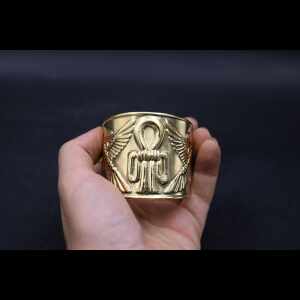
Brass Hathor Knot Bracelet: Egyptian Winged Cobra Talisman
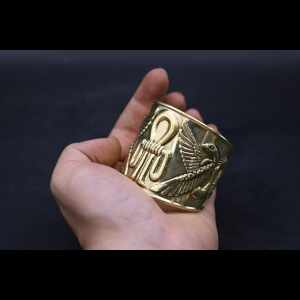
Add a powerful touch of ancient Egyptian symbolism to your jewelry collection with this Brass Winged Cobra Egyptian Bracelet, crafted from brass and featuring an Egyptian-inspired knot centerpiece flanked by protective winged cobras. Inspired by ancient themes of guardianship and royal power, it is a distinctive choice for mythology lovers, Egyptology enthusiasts, statement-jewelry collectors, and unique cultural gifts.
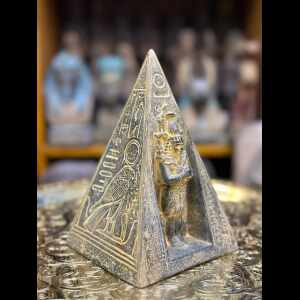
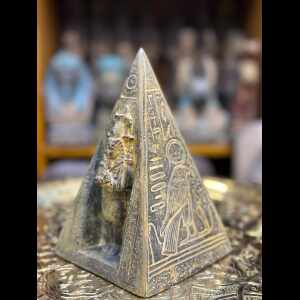
Egyptian Black Stone Pyramid – Handcrafted Horus Monument
Add a striking touch of ancient Egyptian symbolism to your space with this Black Stone Horus Pyramid, crafted from solid black stone and measuring 17 × 10 × 10 cm. Decorated with Horus and other Egyptian-inspired motifs, it is a distinctive choice for collectors, mythology lovers, office décor, Egyptian-themed interiors, and unique cultural gifts.
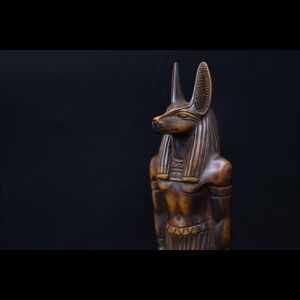
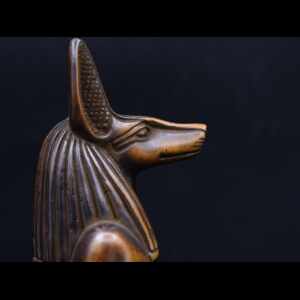
Handcrafted Anubis Statue: Egyptian God of Protection, Brown Stone (23cm)
Add a powerful symbol of ancient Egyptian protection to your collection with this 23 cm Brown Stone Anubis Statue, handcrafted in Egypt from natural stone. Inspired by Anubis, the canine-headed deity of mummification, funerary protection, and care of the deceased, it is a distinctive choice for collectors, Egyptian décor, museum-inspired displays, and unique cultural gifts.
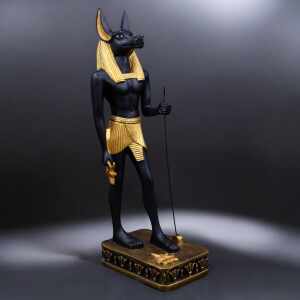
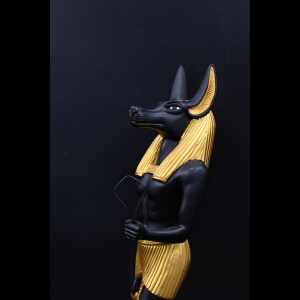
Handcrafted Anubis Statue: Egyptian God of Mummification, 40cm Natural Stone
Add a powerful symbol of ancient Egyptian protection to your collection with this 40 cm Natural Stone Anubis Statue, handcrafted in Egypt from natural stone. Inspired by Anubis, the canine-headed deity of mummification, funerary protection, and care of the deceased, it is a striking choice for collectors, Egyptian décor, museum-inspired displays, and unique cultural gifts.


Reviews
There are no reviews yet.