

Sistrum of Horus: Egyptian Religious Antiques
$182.00
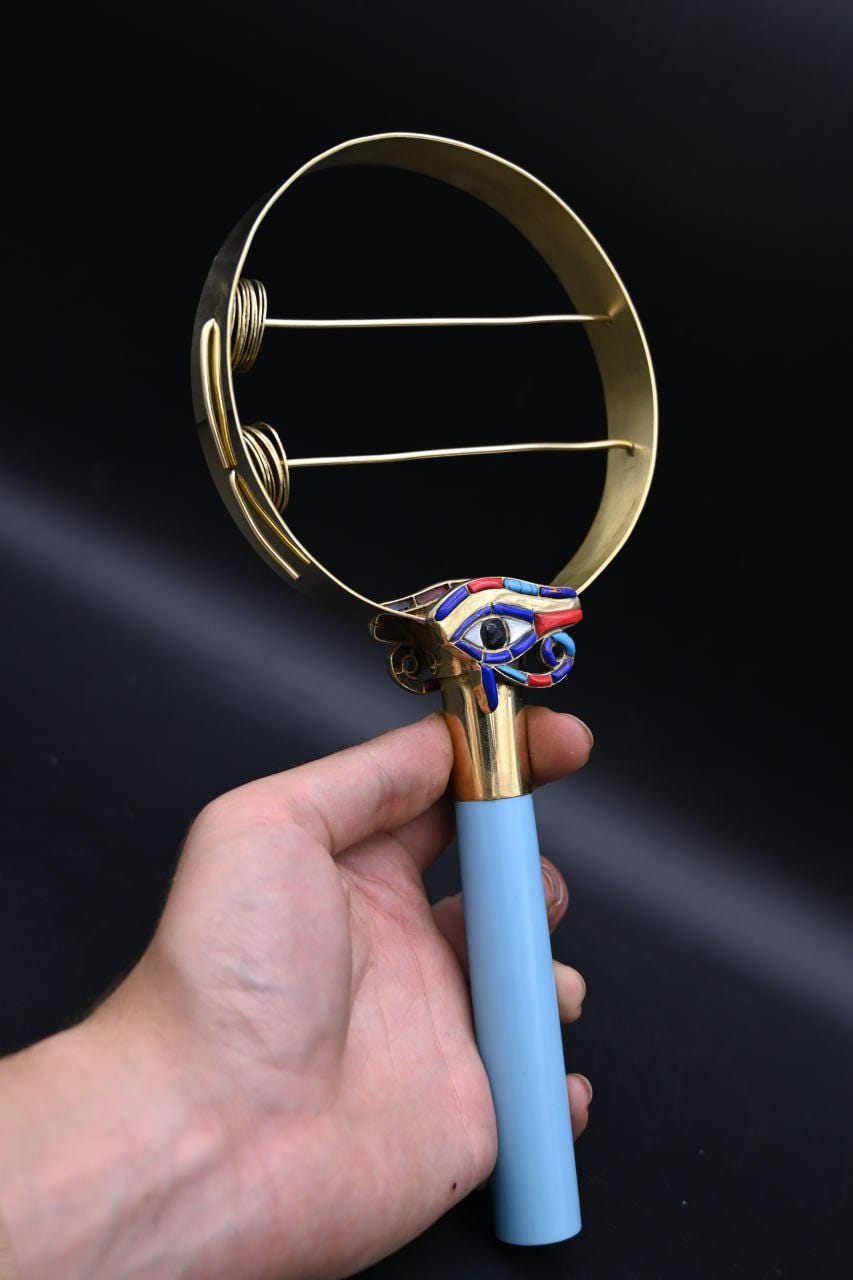
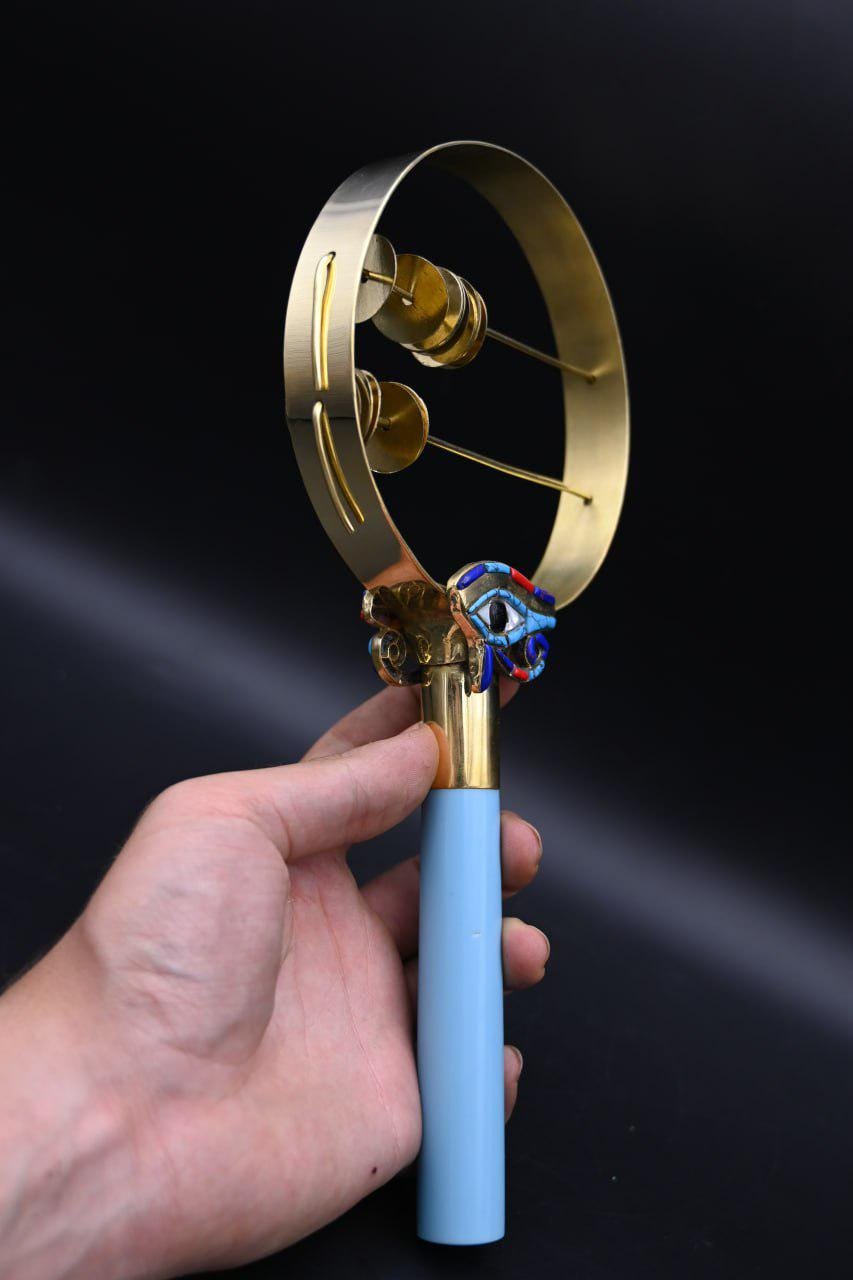
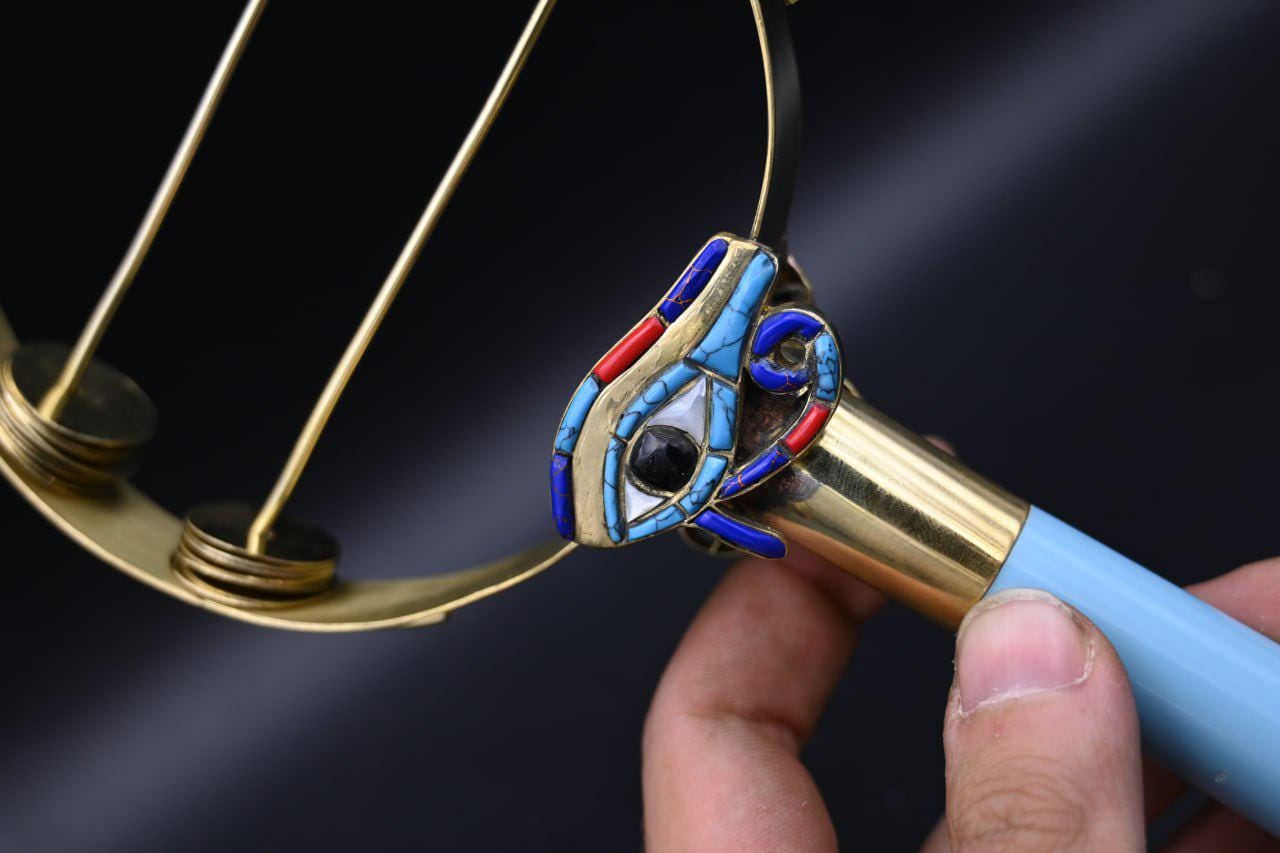
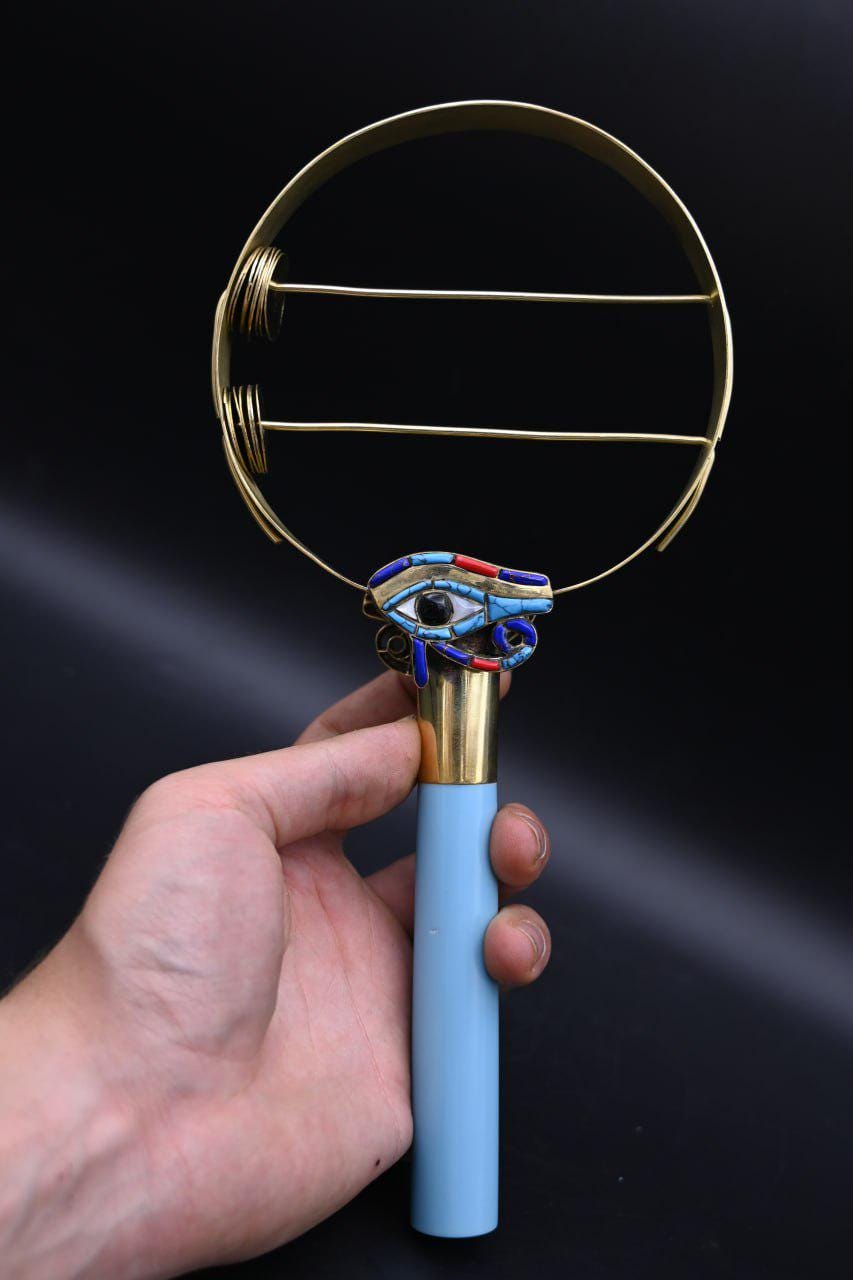
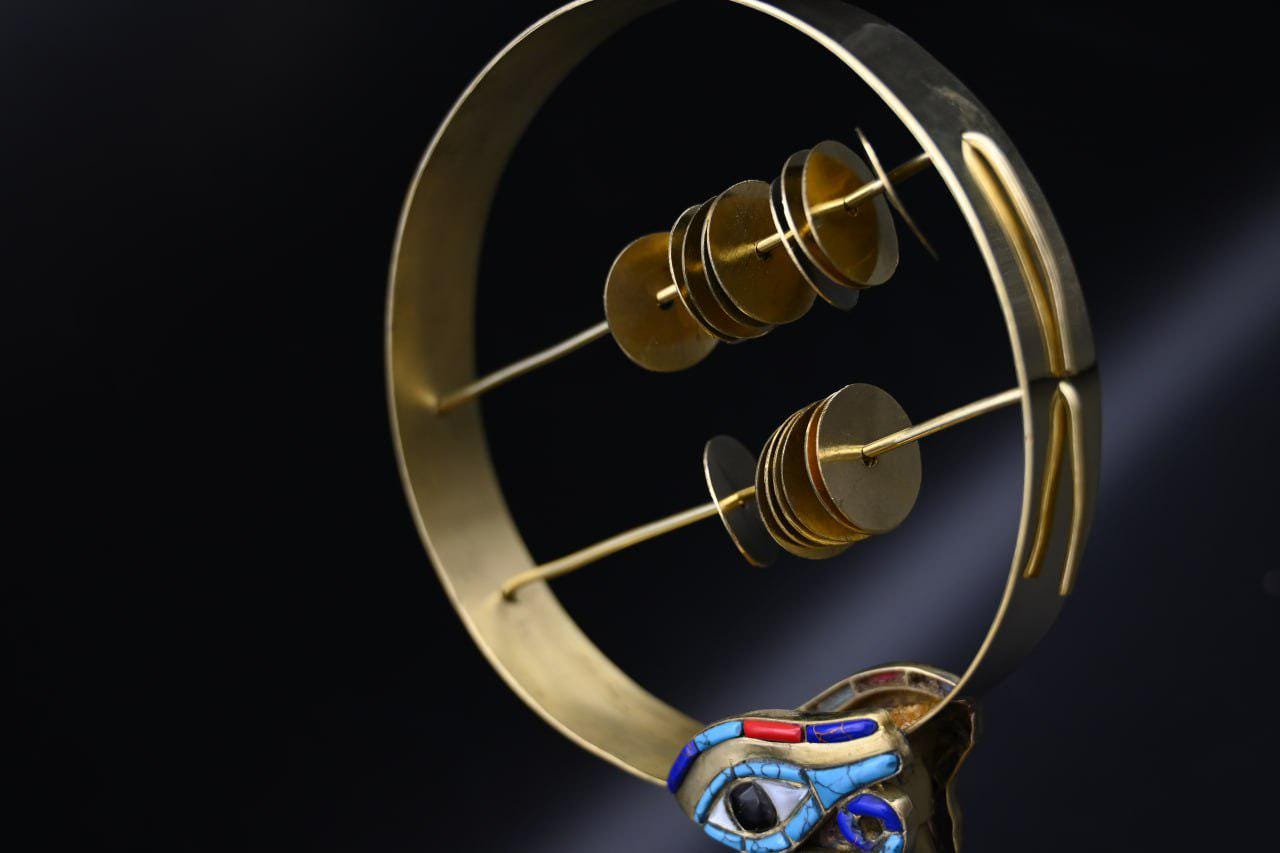
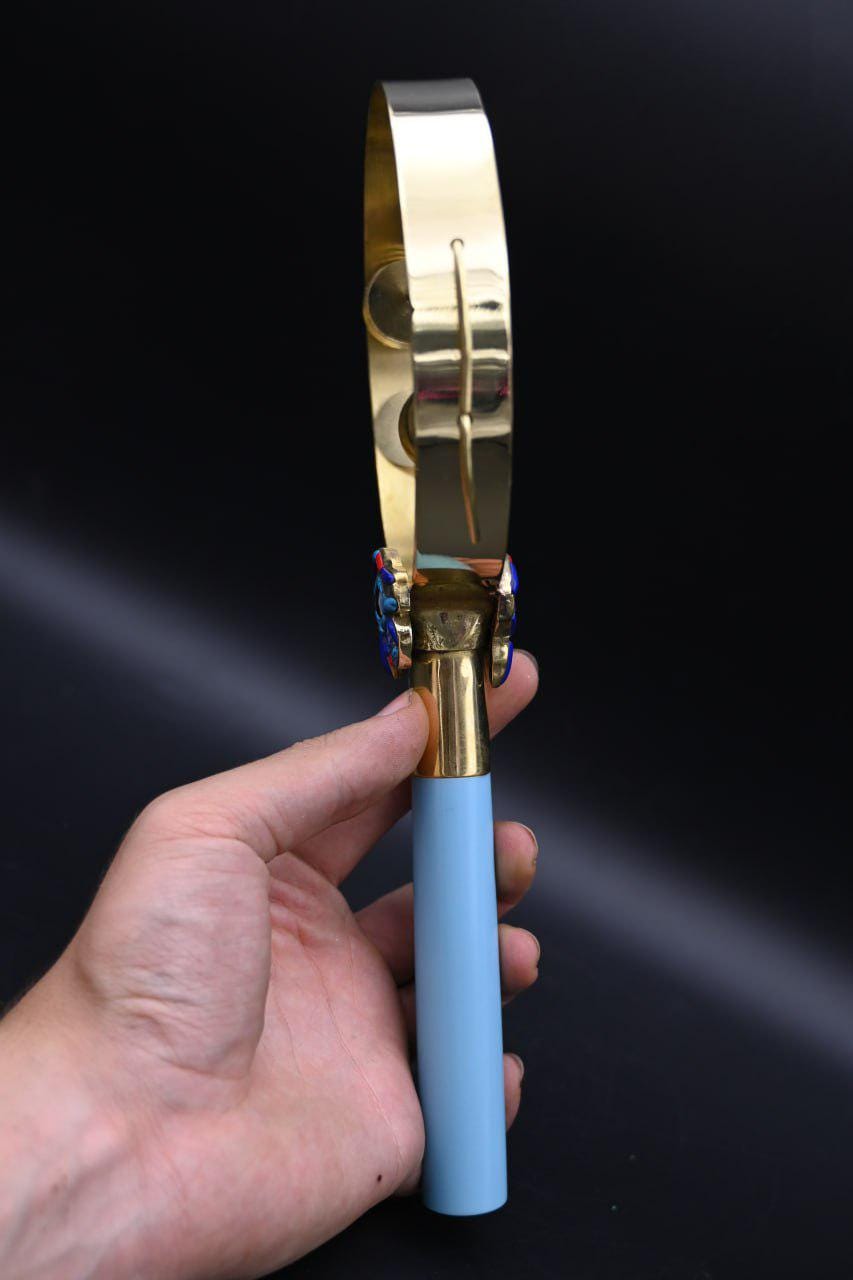
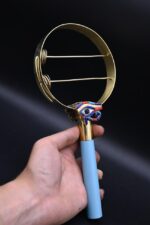
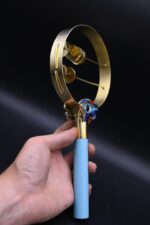
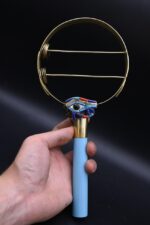
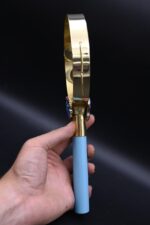
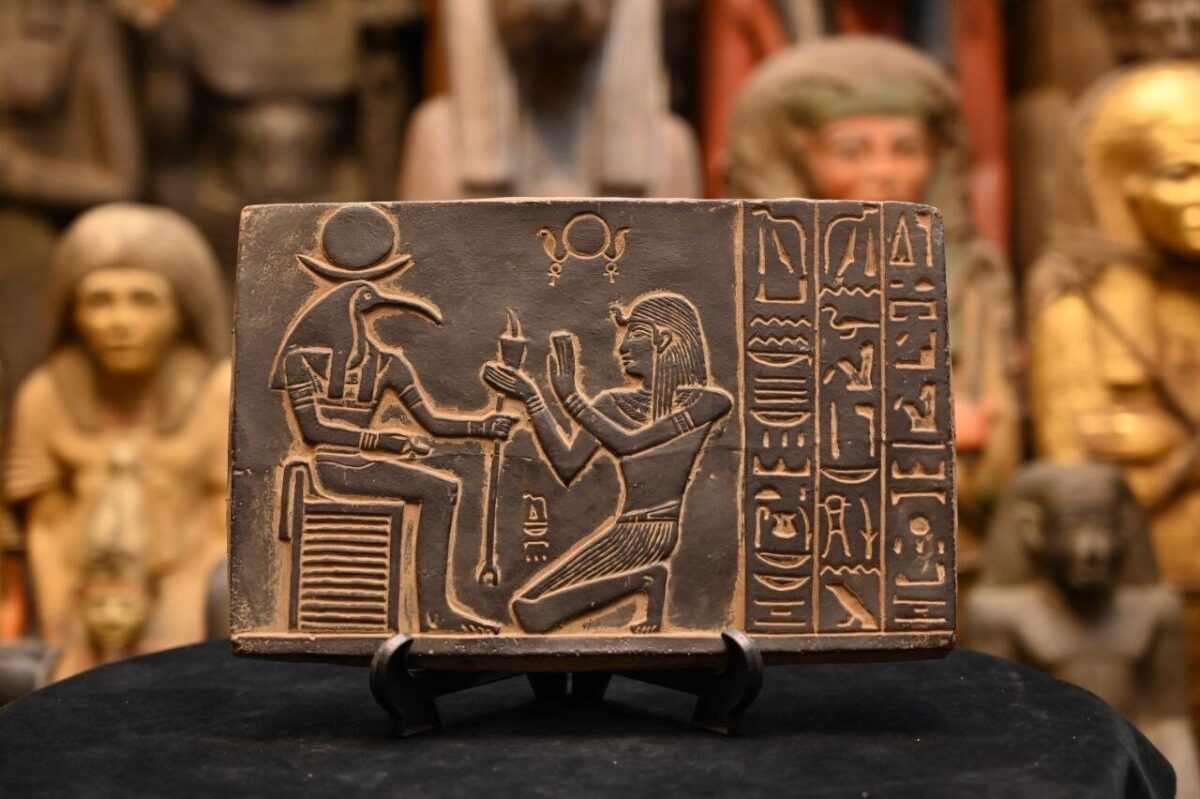
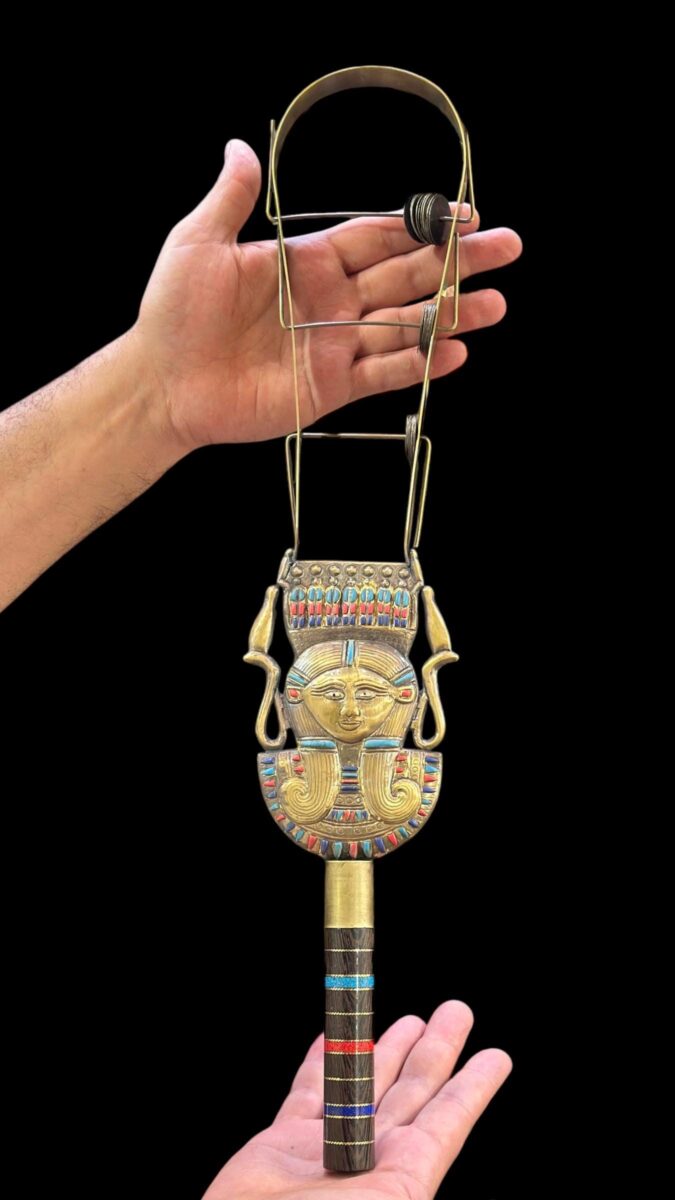
Add a distinctive piece of ancient Egyptian-inspired art to your collection with this Horus Ritual Sistrum Replica, handmade in Egypt and inspired by ceremonial sistrum instruments and Horus, the falcon god of kingship, sky, and protection. A unique choice for collectors, mythology lovers, Egyptian décor, and cultural gifts.
Horus Ritual Sistrum Replica – Handmade Egyptian Ceremonial Art
Description of Art
Horus Ritual Sistrum Replica handmade in Egypt and inspired by the ceremonial musical traditions of ancient Egyptian religion.
The sistrum was a sacred rattle-like musical instrument shaken during religious ceremonies and in the presence of deities. Surviving Egyptian examples demonstrate its importance as both a ritual instrument and religious symbol.
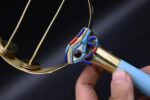
This modern Egyptian-inspired piece incorporates the imagery or theme of Horus, one of ancient Egypt’s most important gods, creating a distinctive collectible for mythology enthusiasts, Egyptian décor lovers, and history collectors.
What Is an Egyptian Sistrum?
The sistrum was an ancient Egyptian percussion instrument that produced a rattling sound when shaken during religious ceremonies. It could accompany temple rituals and processions and had strong religious significance beyond simply producing music.
Ancient examples appeared in several forms, including the famous arched sistrum and naos-style designs.
For a modern collector, a sistrum-inspired piece can evoke:
Sacred Music • Ceremony • Protection • Ancient Egyptian Worship • Cultural Heritage
Horus – God of Kingship and the Sky
Horus was one of ancient Egypt’s major deities and was commonly represented as a falcon or a man with a falcon head. His principal associations included the sky, kingship, royal authority, and protection, and he was closely connected with Egypt’s pharaohs.
According to one of the best-known mythological traditions, Horus was the son of Isis and Osiris and struggled with Seth over the kingship of Egypt.
These associations make Horus-inspired artwork particularly meaningful for themes of:
- Protection
- Kingship
- Leadership
- Strength
- Royal authority
- Egyptian heritage
Horus and the Pharaoh
Horus had an especially strong connection with Egyptian kingship.
Egyptian rulers were closely associated with Horus in royal ideology, and the god could function as a divine protector and defender of the pharaoh.
For modern decorative symbolism, the Horus Ritual Sistrum Replica can therefore combine the ceremonial character of the sistrum with themes of royal strength and protection.
The Eye of Horus
One of the most recognizable symbols connected with Horus is the Wedjat, commonly known today as the Eye of Horus.
Ancient Egyptian Eye of Horus imagery became strongly connected with protection and healing, and Wedjat-eye amulets were widely produced.
This reinforces Horus’s powerful protective character in Egyptian-inspired art and jewelry.
Was the Sistrum an Instrument of Horus?
This is the most important historical correction for this product.
The sistrum was not primarily associated with Horus. Museum collections describe it as particularly or closely connected with goddesses such as Hathor, as well as Isis, Bastet, and Sekhmet. Hathor was especially significant because of her strong association with music and joy.
However, there is an interesting connection with Horus: the Metropolitan Museum explains that the sound of the sistrum may have evoked the ritual “shaking of the papyrus,” linked with the myth of Horus being raised secretly in the papyrus marshes.
Therefore, the best description is:
“A Horus-themed Egyptian sistrum inspired by ancient ceremonial instruments.”
This is more historically accurate than calling the sistrum itself a traditional sacred instrument specifically belonging to Horus.
Hathor and the Sistrum
Hathor had the strongest and most recognizable relationship with the instrument.
Many surviving sistra actually feature Hathor’s face or emblem, and museums describe her as the patroness of music and the deity most closely connected with the instrument.
The British Museum also notes that sacred sistra were particularly associated with the cults of goddesses including Hathor, Isis, Bastet, and Sekhmet.
That historical context is useful for presenting your Horus design accurately without confusing the traditional religious associations of the instrument.
Handmade in Egypt
The Horus Ritual Sistrum Replica is described as made in Egypt by Egyptian hands, giving it a direct connection with contemporary Egyptian craftsmanship.
It works well as:
- Egyptian-inspired home décor
- Collector display
- Mythology décor
- Office decoration
- Shelf display
- Historical-inspired art
- Cultural gift
- Ancient Egyptian-themed collection
Because this is a modern product, it is best described as a replica, Egyptian-inspired ceremonial piece, or decorative sistrum, rather than an authentic ancient Egyptian antiquity.
Perfect for Collectors
The Horus Ritual Sistrum Replica is a distinctive choice for:
- Horus enthusiasts
- Ancient Egypt collectors
- Egyptology lovers
- Egyptian mythology fans
- Historical instrument collectors
- Egyptian décor enthusiasts
- Museum-inspired displays
- Unique cultural gifts
Its combination of Horus imagery and a recognizable ancient Egyptian ceremonial instrument makes it especially unusual compared with standard deity statues.
Product Details
Product: Horus Ritual Sistrum Replica
Theme: God Horus
Craftsmanship: Handmade
Made In: Egypt
Object Type: Sistrum-Inspired Ceremonial / Decorative Piece
Horus Associations: Kingship, Sky & Protection
Historical Sistrum Association: Primarily Hathor and other Egyptian goddesses
Style: Ancient Egyptian Inspired
Use: Collection, Home Décor & Cultural Gift
Related products
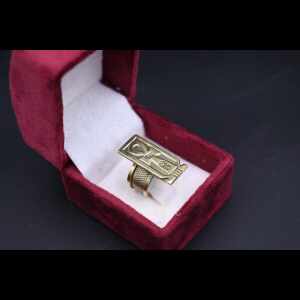
Oxidized Copper Ankh Ring: Ancient Egyptian Key of Life Symbol
Add a timeless symbol of ancient Egyptian life to your jewelry collection with this Oxidized Copper Ankh Ring, handcrafted in Egypt from oxidized copper with a unisex free-size design. Inspired by the iconic Key of Life representing life, vitality, renewal, and continuity, it is a distinctive choice for mythology lovers, copper jewelry collectors, and unique cultural gifts.
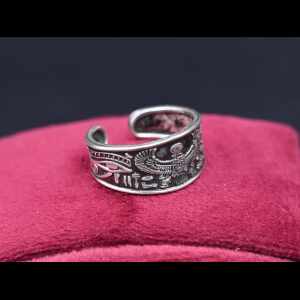
Horus ring-amazing Ring the symbol of good luck-good life-ancient Egyptian ornament-mythology
Add a powerful symbol of ancient Egyptian kingship to your jewelry collection with this Pure Silver Horus Ring, handcrafted in Egypt from pure silver with a unisex free-size design. Inspired by Horus, the falcon god of the sky, royal authority, and protection, it is a distinctive choice for silver jewelry collectors, mythology lovers, Egyptology enthusiasts, and unique cultural gifts.
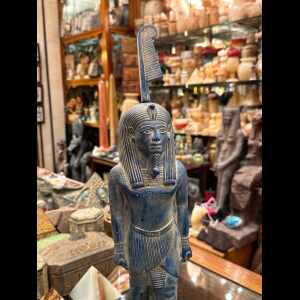
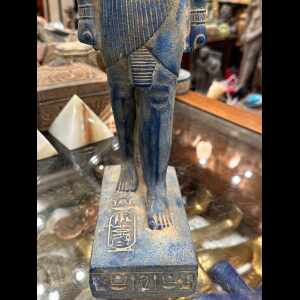
Handmade Blue Stone Statue: Egyptian God Shu, God of Air (35 cm)
Add a distinctive symbol of ancient Egyptian creation mythology to your collection with this Blue Stone Shu God Statue, handmade in Egypt and measuring 35 × 7 × 9 cm. Inspired by Shu, the god of air and atmosphere who separated the sky goddess Nut from the earth god Geb, it is ideal for collectors, Egyptian décor, mythology lovers, and unique cultural gifts.
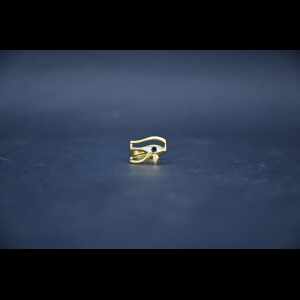
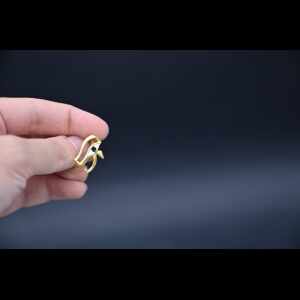
Egyptian Eye of Horus Ring, Ancient Symbol, Handmade in Egypt
Add a powerful symbol of ancient Egyptian kingship to your jewelry collection with this Egyptian Falcon God Horus Ring, handcrafted in Egypt with a unisex free-size design. Inspired by Horus, the falcon god of the sky, royal authority, and protection, it is a distinctive choice for women and men, mythology lovers, Egyptology enthusiasts, and unique cultural gifts.

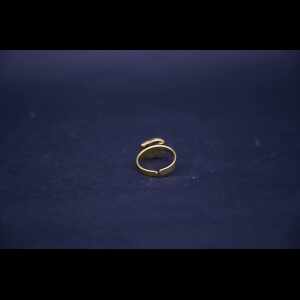
Egyptian Eye of Horus Ring: Ancient Symbol, Handmade in Egypt
Add a powerful symbol of ancient Egyptian kingship to your jewelry collection with this Unisex Horus Pharaonic Ring, handcrafted in Egypt with a flexible free-size design for women and men. Inspired by Horus, the falcon god of the sky, royal authority, and protection, it is a distinctive choice for mythology lovers, Egyptology enthusiasts, symbolic jewelry collectors, and unique cultural gifts.
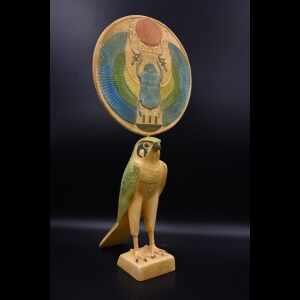
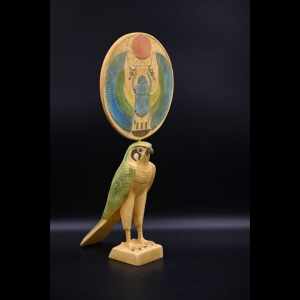
Handcrafted Limestone Horus Statue, Egyptian God of Protection (35cm)
Add a powerful symbol of ancient Egyptian kingship to your collection with this 35 cm Limestone Horus Statue, handcrafted in Egypt and featuring solar and winged scarab motifs. Inspired by Horus, the falcon god of the sky, royal authority, and protection, it is a striking choice for Egyptology collectors, Egyptian décor, mythology lovers, and museum-inspired displays.
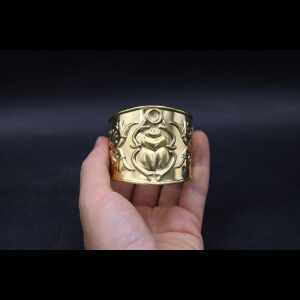
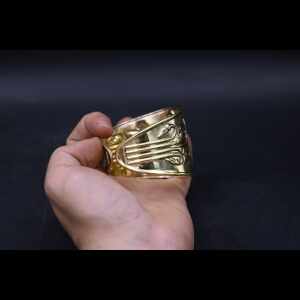
Egyptian Scarab Bracelet: Brass Beetle Amulet, Ancient Mythology Jewelry
Add a meaningful symbol of ancient Egyptian renewal to your jewelry collection with this Brass Scarab Beetle Bracelet, handcrafted in Egypt from brass and featuring a detailed scarab centerpiece. Inspired by the ancient symbolism of rebirth, transformation, solar renewal, and protection, it is a distinctive choice for mythology lovers, Egyptology enthusiasts, jewelry collectors, and unique cultural gifts.
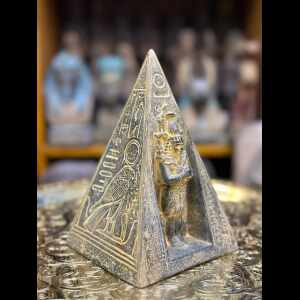
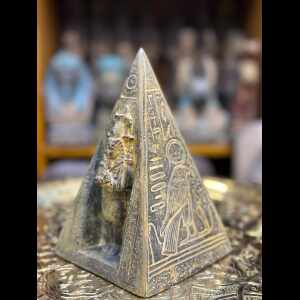
Egyptian Black Stone Pyramid – Handcrafted Horus Monument
Add a striking touch of ancient Egyptian symbolism to your space with this Black Stone Horus Pyramid, crafted from solid black stone and measuring 17 × 10 × 10 cm. Decorated with Horus and other Egyptian-inspired motifs, it is a distinctive choice for collectors, mythology lovers, office décor, Egyptian-themed interiors, and unique cultural gifts.


Reviews
There are no reviews yet.