
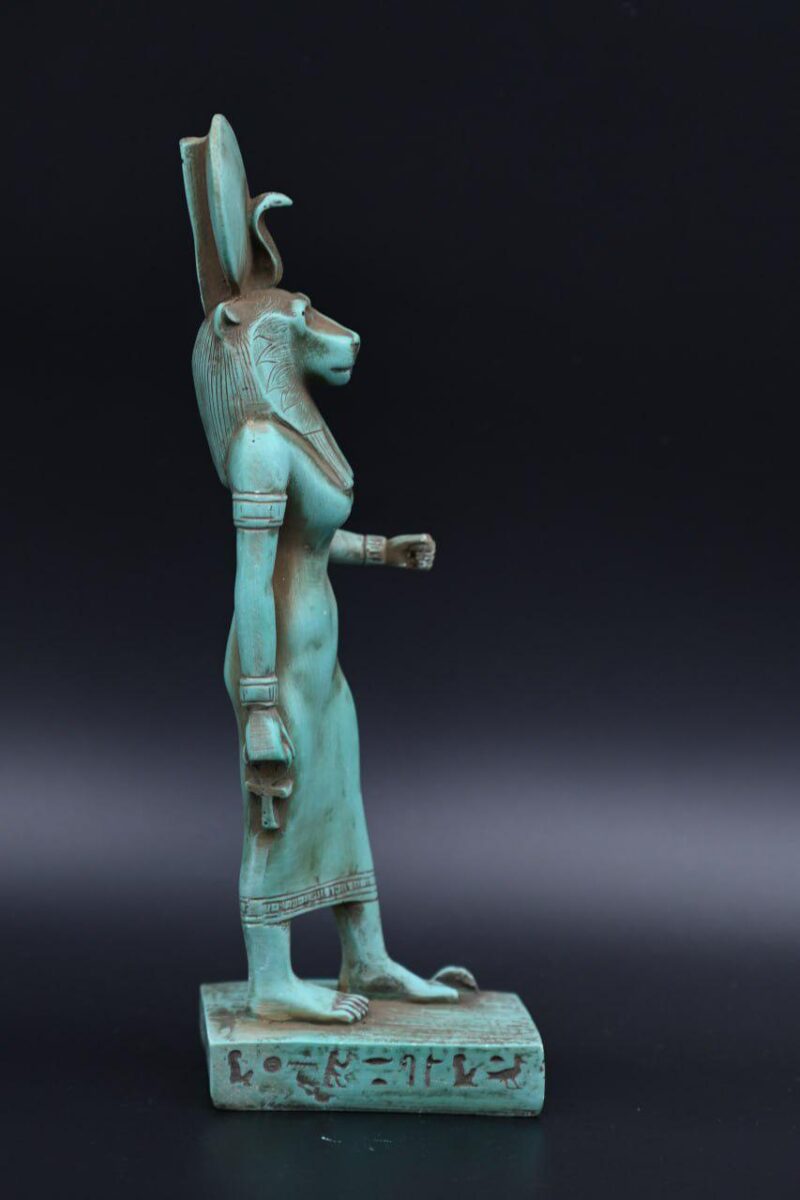
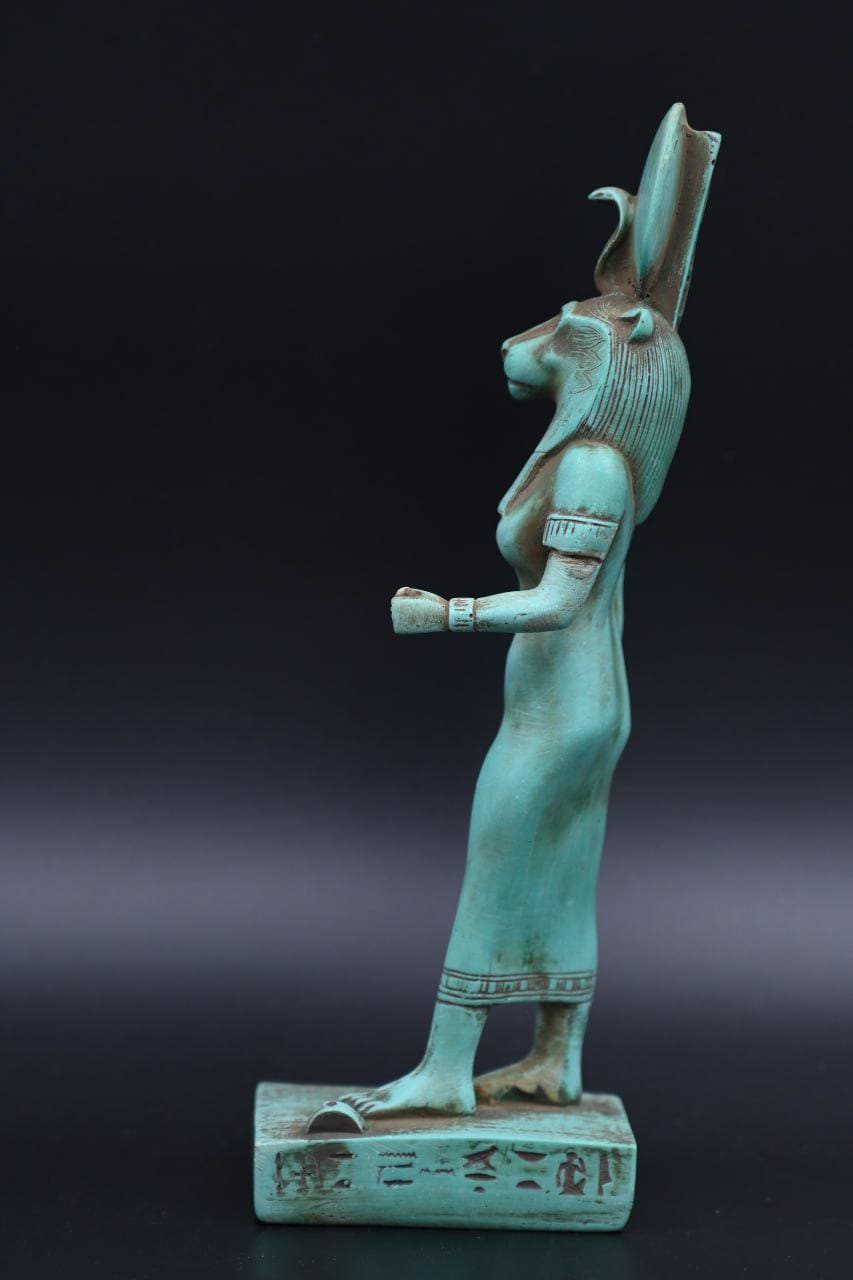
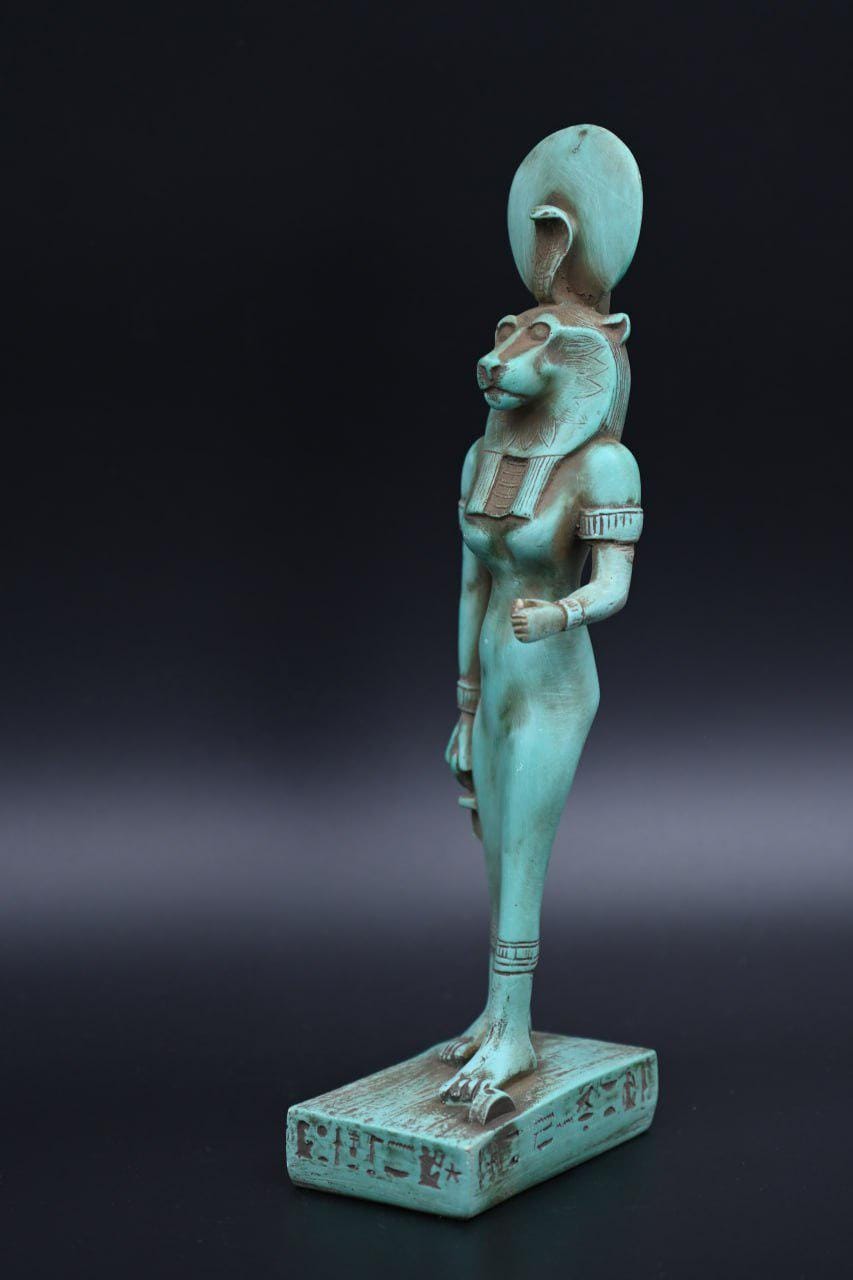
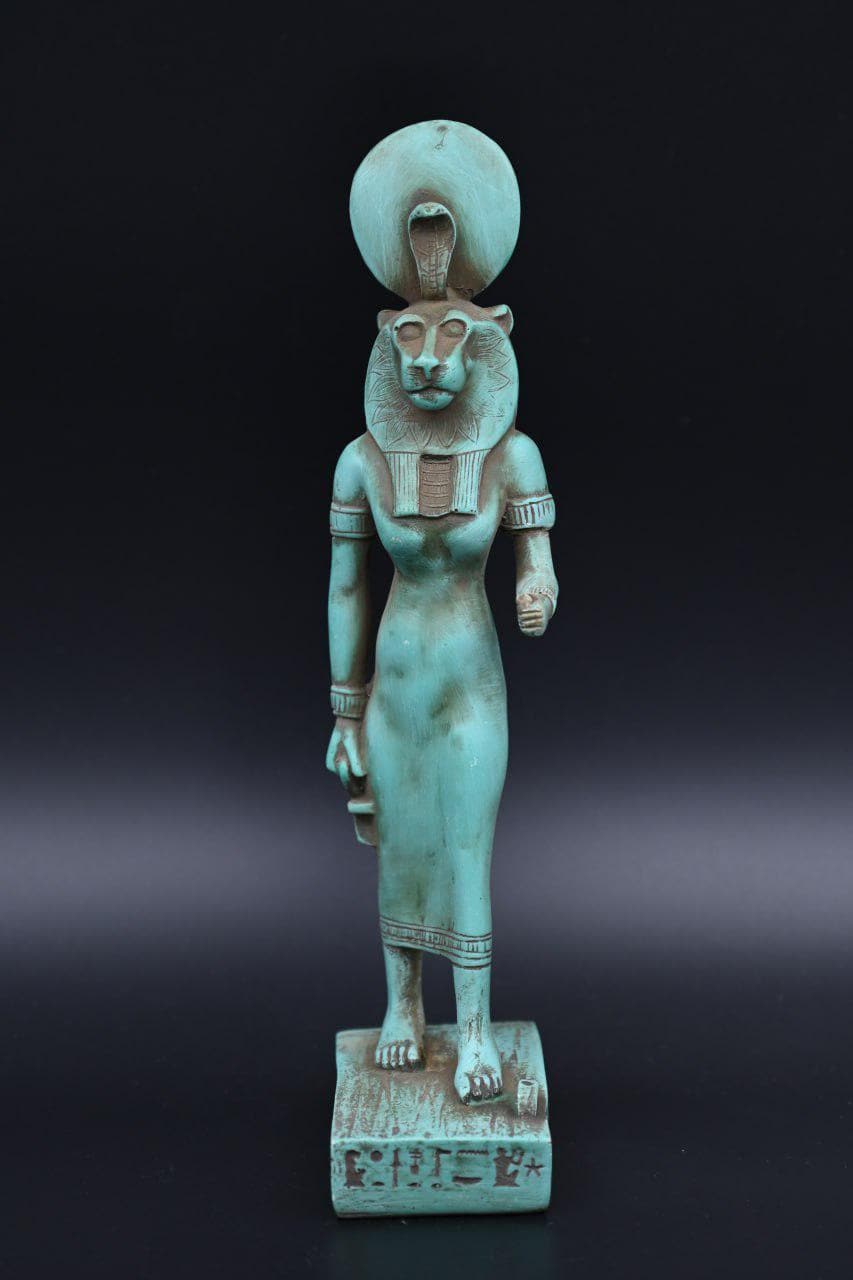
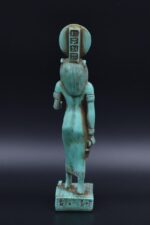
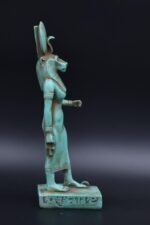
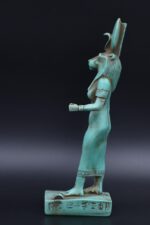
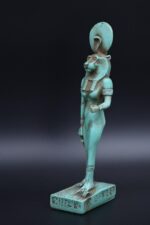
Egyptian Goddess Tefnut Statue: Handmade Replica, Made in Egypt
$247.00
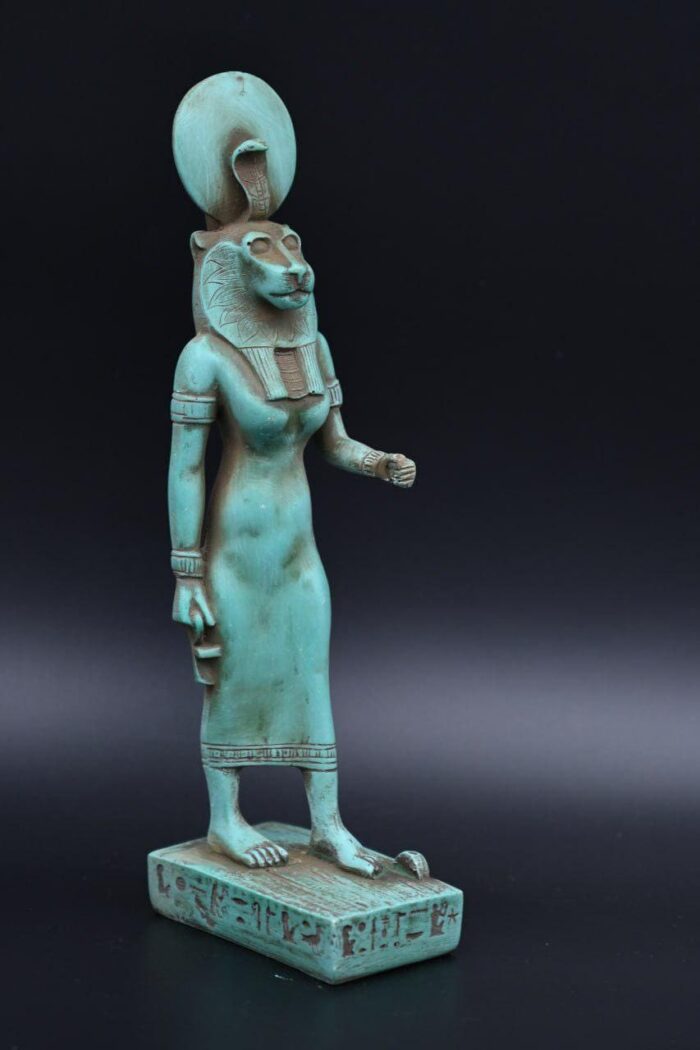
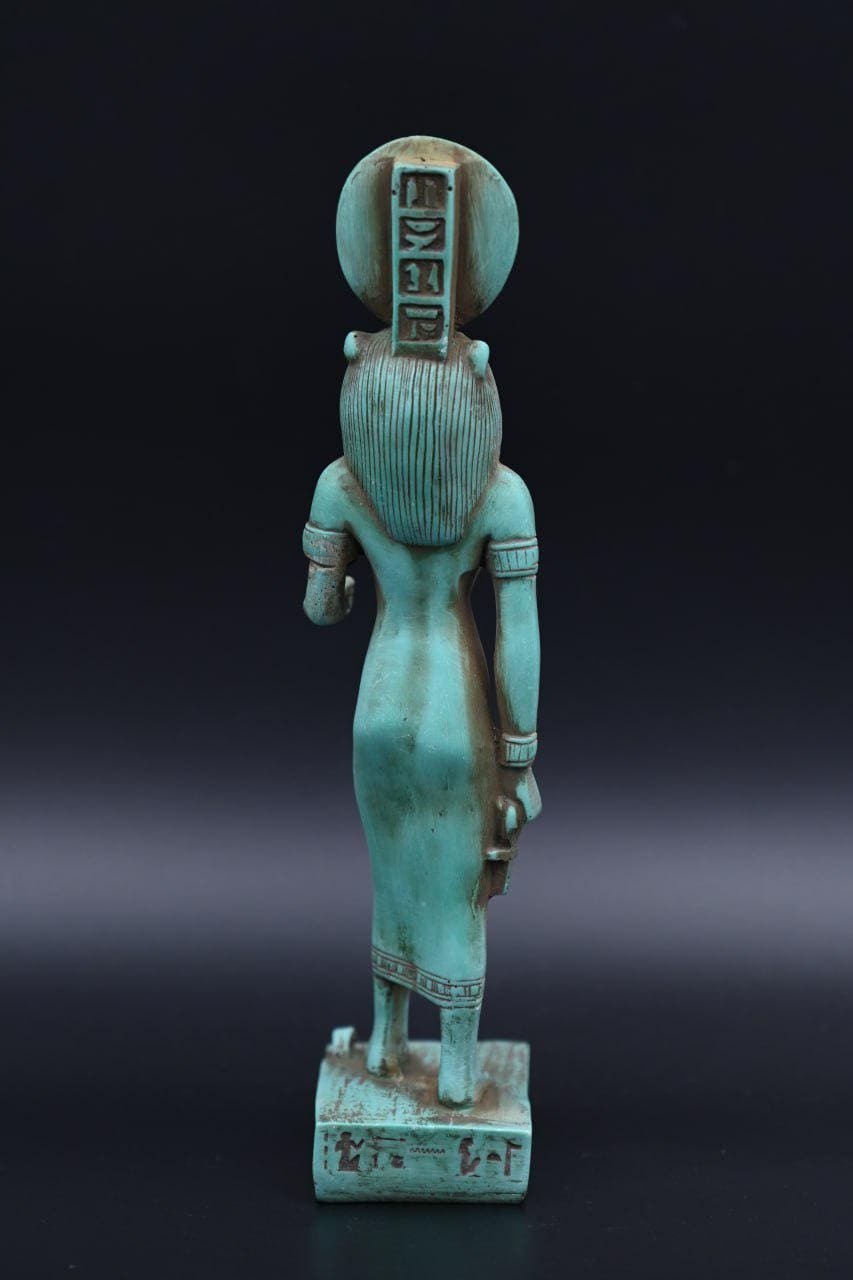
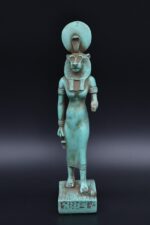
Add a meaningful symbol of ancient Egyptian creation mythology to your collection with this **Tefnut Moisture Goddess Statue**, handmade in Egypt from stone. Inspired by Tefnut, the goddess of moisture, dew, rain, and atmospheric water, it is a distinctive choice for mythology lovers, collectors, Egyptian décor, and unique cultural gifts.
Tefnut Moisture Goddess Statue – Handmade Egyptian Stone Replica
Description of Art
Tefnut Moisture Goddess Statue handmade in Egypt from stone and inspired by one of the important deities of ancient Egyptian creation mythology.
Tefnut was primarily associated with moisture, humidity, dew, rain, and life-giving atmospheric water. She was an important member of the Heliopolitan creation tradition and was closely connected with Shu, the god of air and atmosphere.
This Egyptian-inspired stone sculpture is a distinctive choice for mythology enthusiasts, Egyptology collectors, Egyptian décor, museum-inspired displays, and unique cultural gifts.
Product Details
Material: Stone
Deity: Goddess Tefnut
Craftsmanship: Handmade
Origin: Made in Egypt
Style: Ancient Egyptian Inspired
Type: Decorative Replica Statue
Main Associations: Moisture, Dew, Rain & Atmospheric Water
Who Was Goddess Tefnut?
Tefnut was an ancient Egyptian goddess strongly associated with the presence of moisture in the natural world.
Her principal associations included:
Moisture
Humidity
Dew
Rain
Life-giving atmospheric water
Creation mythology
Although she is sometimes broadly described as a goddess of water, it is more accurate to emphasize moisture and atmospheric water rather than all forms of water.
This distinction helps separate Tefnut from other Egyptian divine figures connected with rivers, primordial waters, or the Nile inundation.
Tefnut and the Heliopolitan Creation Tradition
Tefnut played an important role in the creation theology associated with Heliopolis.
In this tradition, the creator god Atum brought forth Shu and Tefnut.
Shu represented air and atmosphere, while Tefnut represented moisture.
Together they became the parents of:
Geb – God of the Earth
Nut – Goddess of the Sky
This places Tefnut among the earliest generations of gods in the Heliopolitan divine family.
Tefnut and Shu
Tefnut is closely paired with Shu, the god of air and atmosphere.
They are generally described as siblings and, within the Heliopolitan divine genealogy, also form a divine pair.
Their complementary natural roles can be understood as:
Shu – Air and Atmospheric Space
Tefnut – Moisture and Humidity
Together, they contributed to the ordered environment in which the earth and sky could emerge.
The original description calls Shu the “god of air, wind, and peace.” It is better to remove “peace”; his primary identity is air and atmosphere.
Tefnut as a Lioness Goddess
Tefnut could be represented in Egyptian art as a lioness-headed woman, linking her visually with other powerful feline goddesses.
Lioness imagery could emphasize force, protection, and solar associations.
She may also appear with:
A solar disk
Uraeus imagery
Lioness features
Human female form
If your statue clearly includes any of these features, they can be highlighted in the product photographs and listing.
Tefnut and Solar Symbolism
Tefnut could also have strong solar associations.
Like several Egyptian lioness goddesses, she could be connected with the broader concept of the Eye of Ra, expressing powerful and potentially dangerous divine energy.
This means Tefnut was not simply a passive personification of moisture; her character could also carry protective and solar dimensions.
For modern symbolic interpretation, she can evoke:
Renewal • Balance • Life-Giving Moisture • Natural Cycles
Tefnut, Geb, and Nut
One of the most important elements of Tefnut’s mythology is her place within the divine family.
Tefnut and Shu became the parents of:
Geb, associated with the earth
and
Nut, associated with the sky.
Geb and Nut then became parents of several of Egypt’s most famous deities, including Osiris, Isis, Seth, and Nephthys in major traditions.
This makes Tefnut an important figure within the broader genealogy of Egyptian gods.
Tefnut and the Natural World
Ancient Egyptians lived in an environment where moisture and water were essential for survival.
Tefnut’s identity therefore connected divine mythology with natural processes such as:
Humidity
Dew formation
Rain
Atmospheric moisture
For a modern collector, the Tefnut Moisture Goddess Statue can symbolically represent:
Life • Balance • Renewal • Natural Cycles • Sustenance
Important Correction About Nun
The original history says that Nun was responsible for the annual flooding of the Nile River.
This should be corrected.
Nun represented the primordial waters or watery chaos existing before creation.
The deity more directly associated with the annual Nile inundation was Hapi.
So a historically stronger distinction is:
Nun – Primordial waters before creation
Hapi – Annual Nile inundation
Tefnut – Moisture, dew, rain, and atmospheric water
This distinction will make the product history much more accurate.
Was Tefnut the Goddess of All Water?
Not exactly.
Calling her simply the “goddess of water” is understandable for general audiences, but it can be misleading.
Her strongest associations are:
Moisture • Humidity • Dew • Rain
Therefore, the best SEO wording is:
“Ancient Egyptian goddess of moisture, dew, rain, and atmospheric water.”
This is both historically stronger and more distinctive than simply calling her a generic water goddess.
Handmade Egyptian Stone Sculpture
The Tefnut Moisture Goddess Statue is made from stone and handmade in Egypt.
Its traditional Egyptian-inspired design makes it suitable for:
Home décor
Office décor
Bookshelves
Libraries
Display cabinets
Egyptian-themed interiors
Mythology collections
Museum-inspired displays
Because the exact dimensions were not provided, they should not be invented.
Modern Replica, Not an Antiquity
This is a newly produced decorative statue, so avoid describing it as:
Ancient Egyptian Antique
Original Archaeological Artifact
Authentic Ancient Statue
Better terminology includes:
Ancient Egyptian-Inspired Statue
Museum-Inspired Replica
Handmade Egyptian Sculpture
This keeps the listing clear and professional.
Symbolism for Modern Collectors
For modern decorative interpretation, Tefnut can symbolize:
Moisture • Renewal • Life • Natural Balance • Fertility of the Environment
These meanings make her especially interesting for collectors looking beyond the most commonly represented Egyptian gods and goddesses.
Perfect for Collectors
The Tefnut Moisture Goddess Statue is a distinctive choice for:
Tefnut collectors
Ancient Egyptian mythology enthusiasts
Egyptology lovers
Creation mythology collectors
Lioness goddess collections
Stone sculpture enthusiasts
Egyptian home décor
Museum-inspired displays
Unique cultural gifts
It pairs especially well with a Shu statue, since Shu and Tefnut form an important divine pair in the Heliopolitan creation tradition.
Product Specifications
Product: Tefnut Moisture Goddess Statue
Deity: Tefnut
Material: Stone
Craftsmanship: Handmade
Origin: Made in Egypt
Main Associations: Moisture, Humidity, Dew & Rain
Creation Tradition: Heliopolitan Theology
Divine Pair: Shu and Tefnut
Children: Geb and Nut
Common Form: Lioness-Headed Goddess
Style: Ancient Egyptian Inspired
Type: Decorative Stone Replica
Use: Collection, Home Décor, Office Display & Cultural Gift
Related products
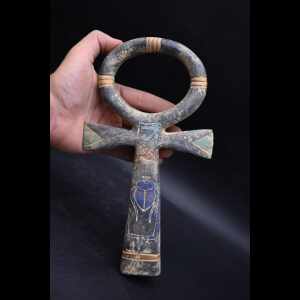
Ankh Statue: Key of Life, Scarab & Eye of Horus – Egyptian Symbol
Add a meaningful combination of ancient Egyptian symbolism to your space with this Ankh Scarab Eye of Horus Statue, featuring the iconic Key of Life, protective Eye of Horus, and blue scarab. Symbolizing life, protection, restoration, rebirth, and renewal, it is a distinctive choice for Egyptology collectors, Egyptian décor, mythology lovers, and unique cultural gifts.
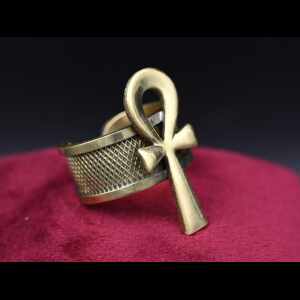
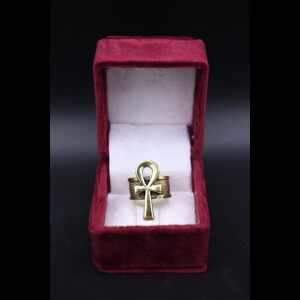
Oxidized Copper Ankh Ring: Egyptian Key of Life Symbol
Add a timeless symbol of ancient Egyptian life to your jewelry collection with this Oxidized Copper Ankh Ring, handcrafted in Egypt from oxidized copper with a unisex free-size design. Inspired by the Ankh, the iconic Key of Life symbolizing life, vitality, regeneration, and continuity, it is a distinctive choice for mythology lovers, copper jewelry collectors, and unique cultural gifts.
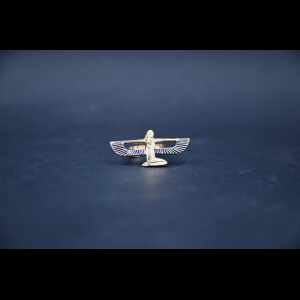
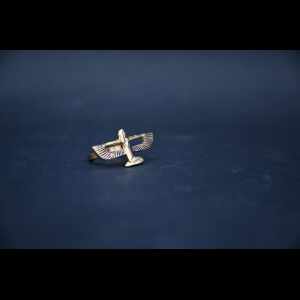
Isis ring-amazing Ring the symbol of good luck-good life-ancient Egyptian ornament-mythology
Add a meaningful symbol of ancient Egyptian protection to your jewelry collection with this Unisex Isis Egyptian Ring, handcrafted in Egypt with a flexible free-size design for women and men. Inspired by Isis, the goddess of motherhood, magic, protection, healing, and fertility, it is a distinctive choice for mythology lovers, Egyptology enthusiasts, symbolic jewelry collectors, and unique cultural gifts.
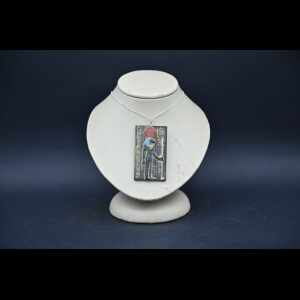
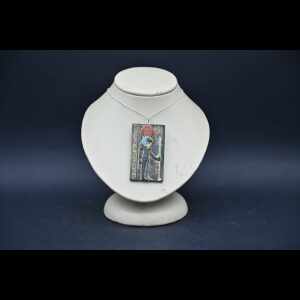
Handmade Stone Sekhmet Amulet, Egyptian Goddess of War
Add a powerful symbol of ancient Egyptian strength to your collection with this Sekhmet Stone Protection Amulet, crafted from stone and inspired by Sekhmet, the lioness goddess of war, protection, healing, medicine, and solar power. A distinctive choice for Egyptology enthusiasts, mythology lovers, symbolic décor collectors, and unique cultural gifts.
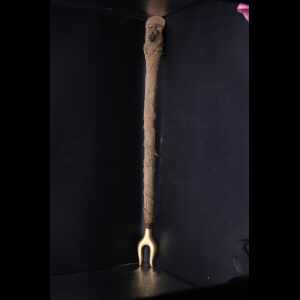
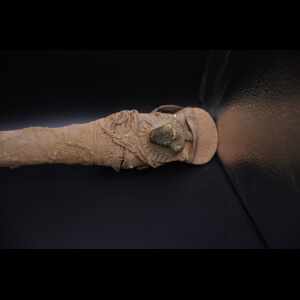
Sekhmet Scepter Was Stick, Egyptian Symbol of Strength, 50cm, Made in Egypt
Add a powerful symbol of ancient Egyptian authority to your collection with this 50 cm Sekhmet Was Scepter, handcrafted in Egypt from wood, linen, and copper. Featuring a Sekhmet-inspired design and the iconic Was symbol of dominion and power, it is a distinctive choice for Egyptology collectors, mythology lovers, Egyptian décor, and museum-inspired displays.
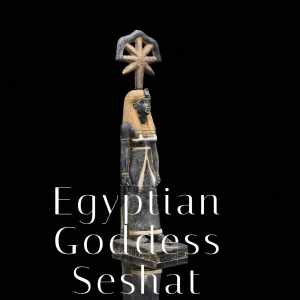
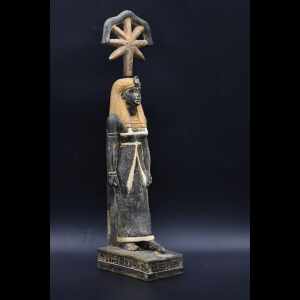
Seshat Statue: Egyptian Goddess of Wisdom Stone Sculpture
Add a distinctive symbol of ancient Egyptian knowledge to your collection with this 35 cm Seshat Stone Statue, handcrafted in Egypt and measuring 35 × 7 × 9 cm. Inspired by Seshat, the goddess of writing, record keeping, measurement, mathematics, and building planning, it is an exceptional choice for Egyptology collectors, writers, libraries, offices, and unique cultural gifts.
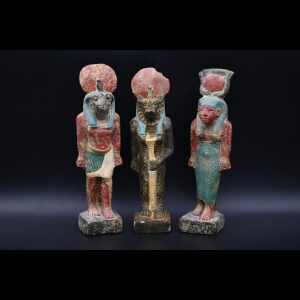
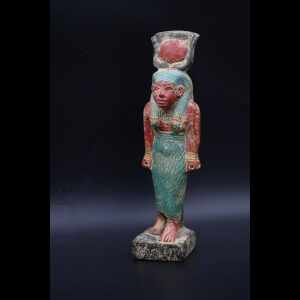
Handcrafted Hathor, Sekhmet, & Horus Statues: Egyptian Deities (20 cm)
Add a distinctive collection of ancient Egyptian symbolism to your space with this Hathor Sekhmet Horus Statue Set, featuring three 20 cm handcrafted statues made from colored natural stone. Representing love and motherhood, strength and healing, and kingship and protection, this set is ideal for collectors, Egyptian décor, mythology lovers, and unique cultural gifts.
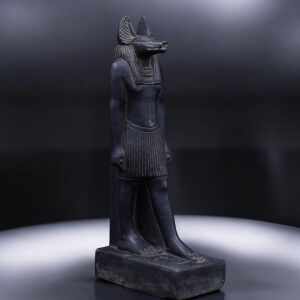
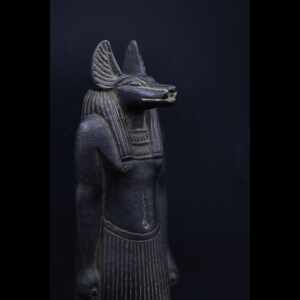
Handcrafted Basalt Stone Anubis Statue – Egyptian Mythology Decor (30cm)
Add a powerful symbol of ancient Egyptian protection to your collection with this 30 cm Basalt Anubis Statue, handcrafted in Egypt from natural basalt stone. Inspired by Anubis, the canine-headed deity of mummification, funerary protection, and care of the deceased, it is a distinctive choice for collectors, Egyptian décor, museum-inspired displays, and unique cultural gifts.


Reviews
There are no reviews yet.